In This Guide
- The 4 RV Families Compared for California
- Class A (Integrated) - Best For
- Price Comparison by RV Class in California
- Class SI (Semi-Integrated) - Best For
- Class C (Alcove) - Best For
- Class B (Campervan) - Best For
- Side-by-Side Comparison Table
- Our Recommendation for rv rental Travelers in California
- How much does it cost to rent an RV in California?
- What is the cheapest way to rent an RV in California?
- What RV can you rent in California?
- What is the best time to rent an RV in California?
- How do I find a good RV rental company in California?
- How much does it cost to rent an RV for a month in California?
- What kind of license do you need to drive an RV in California?
- Where can you go RV camping in California?
- Can I sleep anywhere in an RV in California?
- Top Cities for RV Rental in California
- California RV Road Rules and Practical Info
- What You Shouldn't Miss
California, with its vast landscapes ranging from sun-drenched beaches to towering Sierra Nevada peaks, is an unparalleled destination for an RV adventure. Deciding on the perfect rented RV for your family or group is the first exciting step in planning your Golden State escape. To ensure you have all the information you need, consult our RV Rental California - Complete Guide 2026.
At Bandana RV, we specialize in helping you navigate the many options for motorhome and campervan rentals, comparing final prices across over 50 leading RV suppliers worldwide, including trusted names like El Monte and Cruise America. We believe in full transparency, meaning no hidden fees and no surprises when you pick up your vehicle. Let's explore the various RV families available for your memorable trip across California.
The 4 RV Families Compared for California
Choosing the right rented RV significantly impacts your comfort and maneuverability as you explore California's diverse terrain. Climate, the planned length of your trip, and the size of your travel group are key factors to consider. Different RV families are designed to suit various travel styles and destinations, from agile campervans perfect for coastal roads to spacious Class A motorhomes for ultimate luxury.
Imagine setting out on an extended road trip with your family, knowing you've selected the ideal mobile home for everyone's needs. We're true RV specialists, not just a side department of a travel agency, and we genuinely love helping people discover the joy of RV travel. We’ll be with you before and after your booking, offering supportive and honest advice to make your planning seamless.
Class A (Integrated) - Best For
Class A motorhomes are ideal for large groups or families seeking luxury and spaciousness on their California adventure. Bandana's global fleet of Class A RVs averages 7.5 meters in length, typically sleeping 4 to 6 people, though some models, like a "Class A - Thor ACE 30", can sleep 6 with a front seat belt count of 2 and rear seat belts for 5. These integrated motorhomes offer a high load capacity, often around 200 kg or more, perfect for extensive gear and supplies. Fuel consumption for Class A motorhomes typically ranges from 11-12 Liters/100 km (or 14-18 miles/gallon as seen in models like "MHLUX"), making them suitable for travelers prioritizing comfort over extreme fuel efficiency.
The trade-off for their generous amenities and size is that navigation can be more challenging on very narrow roads or in congested city parking areas. However, drive slowly and carefully, and you can drive almost anywhere without issues. No need to stress - just use common sense and pay attention. For instance, exploring the beautiful but winding roads of Big Sur with a large Class A might require extra planning and a slower pace. These vehicles are well-suited for long-haul journeys and established campgrounds, providing a true home-away-from-home experience.
Price Comparison by RV Class in California
RV rental prices in California are dynamic and fluctuate daily, influenced significantly by the season, booking lead time, and the specific RV class you choose. Generally, smaller RVs such as Class B campervans or Class SI (semi-integrated) models are more budget-friendly than the larger, more luxurious Class A or spacious Class C motorhomes. For example, a "Family Sleeper (MA)" Class A motorhome can sleep up to 9 people, but it will naturally command a higher price than a compact "Juliette 2-3" Class B campervan, which sleeps 2-3. Prices are like flight tickets; they change based on availability and demand, so the final price is always set at the actual booking time.
We believe in full transparency, which is why Bandana RV shows you the final prices across over 50 suppliers, with no hidden fees or surprise costs at pickup. Current, live pricing for your specific dates and preferred vehicle type is best found by using our comparison platform's search box. This allows you to see real-time availability and rates, ensuring you get the best deal for your Californian adventure.
Class SI (Semi-Integrated) - Best For
Class SI (Semi-integrated) motorhomes offer a balanced blend of comfort and maneuverability, making them an excellent choice for couples or small families exploring California. Bandana's global fleet of Class SI vehicles averages 6.9 meters in length, typically sleeping 3-4 people. For instance, a "Category Small" Class SI can comfortably sleep 2, while a "K3E" model can accommodate 4 with 2 front seat belts and 2 rear seat belts.
These models are well-suited for navigating California's diverse landscapes, from winding coastal roads to mountainous state parks, without feeling overly cumbersome. Their fuel economy is typically good, around 10-11 Liters/100 km, which helps manage overall trip costs. A Class SI is a versatile choice for varied itineraries, allowing you to enjoy scenic drives and easily access established campgrounds. We work with leading suppliers like Apollo and Britz to offer a wide range of these adaptable campervans.
Class C (Alcove) - Best For
Class C (Alcove) motorhomes are an excellent option for families or groups of 4-6 people needing ample sleeping space and a comfortable travel experience in California. Bandana's global fleet of Class C RVs averages 7.5 meters in length, sleeping an average of 5-6 people, often featuring a distinctive over-cab sleeping area that's a hit with kids. For example, a "24' Class C Motorhome" sleeps 5 with 6 seat belts, and typically includes features like upgraded queen mattresses, a flat-screen TV, and USB ports.
Fuel consumption for these motorhomes is generally around 10-12 Liters/100 km. Class C vehicles are well-suited for established campgrounds in California's national and state parks, offering full amenities like a kitchen (perfect for preparing meals from our RV-friendly recipes playlist), shower, and toilet, making extended trips convenient and enjoyable. Drive slowly and carefully, and you can drive almost anywhere without issues. No need to stress - just use common sense and pay attention.
Class B (Campervan) - Best For
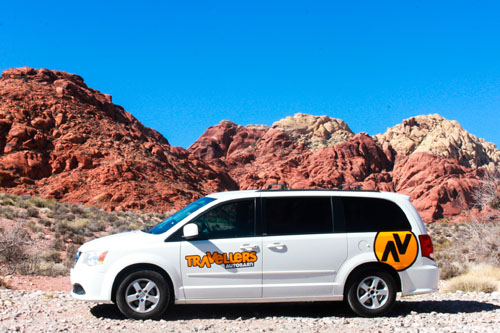
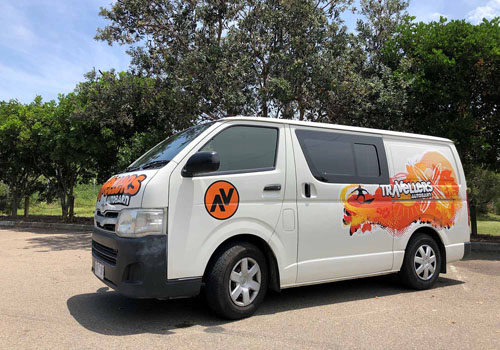
Class B campervans are ideal for adventurous couples or solo travelers prioritizing agility, excellent fuel efficiency, and ease of parking in California. Bandana's global fleet of Class B campervans averages 5.8 meters in length, typically sleeping 2-3 people, with some models like the "Condo" accommodating 4 with 5 seat belts. These compact vehicles boast excellent fuel economy, generally ranging from 8-10 Liters/100 km, making them a cost-effective choice for exploring the state.
They are perfect for navigating winding coastal roads, bustling city streets, and for discreetly finding spots for dispersed camping on public lands. With a rented campervan, you have unmatched flexibility for various California itineraries, whether you're chasing waves in San Diego or exploring the vibrant urban scene of San Francisco. Many Class B models come equipped with a kitchen, shower, and toilet, maximizing convenience without sacrificing mobility.
Side-by-Side Comparison Table
To help you quickly compare the different motorhome and campervan options for your California rental, here's a summary of key characteristics:
| Family | Avg Length | Sleeps | Fuel Use (L/100km) | Best Use Case in California |
|---|---|---|---|---|
| Class A (Integrated) | 7.5 m | 4-6 | 11-12 | Luxury, large groups, long trips, established campgrounds |
| Class SI (Semi-integrated) | 6.9 m | 3-4 | 10-11 | Couples/small families, balanced comfort & maneuverability |
| Class C (Alcove) | 7.5 m | 5-6 | 10-12 | Families/groups (4-6), extra sleeping, moderate amenities |
| Class B (Campervan) | 5.8 m | 2-3 | 8-10 | Adventurous couples/solo, agility, fuel-efficient, city/remote |
This table provides a quick overview, but remember that specific models within each class can vary. Always check the details of your chosen vehicle.
Our Recommendation for rv rental Travelers in California
For most RV rental travelers exploring California, especially families or small groups, the Class SI (Semi-integrated) motorhome is our primary recommendation. It strikes an excellent balance between interior comfort, necessary amenities, and manageable size for driving and parking. The average 6.9-meter length of a Class SI, like the "Active Standard Select" or "Cruz" models, makes it versatile for scenic drives along Highway 1 and easy parking in established campgrounds across the state.
A strong runner-up, particularly for larger families needing more dedicated sleeping areas, is the Class C (Alcove) motorhome. Models such as the "Euro Deluxe" or "Nexus Triumph 29T" offer ample sleeping space (averaging 5.8 people) and comprehensive amenities, perfect for those longer adventures in California's national parks. Ultimately, the "best" choice depends on your group size, budget, and desired level of comfort and flexibility, and our team of true RV specialists is here to help you compare final prices and make the perfect choice.
How much does it cost to rent an RV in California?
RV rental costs in California are dynamic and can range significantly, typically from $100-$350 per night for smaller units like a Class B campervan, to $250-$700+ per night for luxury Class A motorhomes. For example, a 1-week rental for a Class C motorhome might average $1,050-$2,450 (excluding ancillary costs). A 2-week trip could be $2,000-$4,900, while a month-long adventure could range from $3,500-$9,000+. These are base rental prices and fluctuate based on season, demand, and vehicle availability. For finding campsites and campgrounds during your trip, we recommend using RV PLANET (rvplan.net) - a great resource for locating available spots along your route. On the routes offered through RV PLANET routes, you can itemize and track every expense along the way for easy budgeting.
Budget planning should always include ancillary trip costs beyond the RV rental itself, such as fuel (which varies by RV class: Class A at 11-12 L/100km, Class B at 8-10 L/100km), campground fees ($25-$100+ per night depending on amenities and location), propane, dump fees, tolls, and groceries. On RV PLANET routes, travelers can itemize and track every expense along the way for easy budgeting. Shoulder seasons (April-May and September-October) typically offer better value than peak summer rates, with potential savings of 10-20% on daily rental prices compared to July or August.
What is the cheapest way to rent an RV in California?
The cheapest way to rent an RV in California involves being flexible and booking smartly. Renting smaller, more fuel-efficient RVs like Class B campervans (e.g., a "HiLite" or "Highball" model) or Class SI units is generally more budget-friendly, often starting around $100-$180 per night in the off-season. Traveling during the off-season or shoulder seasons (late fall to early spring, excluding holidays) can significantly reduce daily rental rates and campground fees. Longer rental periods often provide lower average daily rates; for instance, a month-long rental might reduce the daily cost by 10-15% compared to a week-long trip.
Incorporating free or low-cost boondocking (dispersed camping) on public lands like National Forests or BLM areas can substantially reduce accommodation costs, though it requires more self-sufficiency. Booking several months in advance (3-6 months for popular seasons) can secure better deals and availability, potentially saving you up to 25%. Compare motorhome prices for California to find the best value for your trip, and always consider Bandana RV's transparent pricing from over 50 suppliers.
What RV can you rent in California?
California offers a wide variety of motorhomes and campervans for rent to suit every travel style and group size. You can rent Class A (Integrated) motorhomes for ultimate luxury and space, Class SI (Semi-integrated) for a balanced experience, Class C (Alcove) for families needing ample sleeping capacity, and Class B (Campervan) for agile and fuel-efficient adventures. For live availability and current prices, start with our RV Rental California - Complete Guide 2026 guide.
The best RV choice for your California trip truly depends on your group size, your desired level of comfort and amenities, and the specific regions you plan to explore. For instance, a "Koru Star 6 Freedom" Class C motorhome can sleep up to 6 people and is ideal for national park visits, while a compact "Active Classic" Class B campervan is perfect for a couple wanting flexibility on a coastal drive. All these options cater to various trip styles, from luxury touring to budget-friendly and off-grid explorations, ensuring you find the perfect rented mobile home for your journey.
What is the best time to rent an RV in California?
The best time to rent an RV in California is typically during the spring (April-May) and fall (September-October) shoulder seasons, which offer pleasant weather, fewer crowds, and generally better rental prices. During these periods, you can often enjoy average daily temperatures ranging from 15-25°C (60-77°F) across many regions, making outdoor activities comfortable without extreme heat or cold. Prices for an RV rental in California can be 10-15% lower during these times compared to peak summer.
Summer (June-August) means peak crowds and heat, especially inland in areas like Death Valley or the Central Valley, though high-elevation areas in the Sierra Nevada become fully accessible. Winter RVing is feasible in Southern California and desert regions like Joshua Tree, but mountain passes in areas like Yosemite National Park may close due to snow, and specific vehicles like a "Duo Plus - convertible twin beds" Class B campervan might be more suitable for colder conditions than a basic unit. Always consider regional climate variations across California when planning your rental, and remember that many national/state parks reserve only 25-30% of spots, with the rest being first-come-first-serve. You'll find a spot. If not at the first campground, then the next one. Call ahead before driving.
How do I find a good RV rental company in California?
Finding a good RV rental company in California means looking for providers with excellent customer reviews, comprehensive insurance options, and transparent pricing. Bandana RV partners directly with over 50 leading RV suppliers worldwide, including major players like El Monte and Cruise America, allowing you to compare final prices and features side-by-side with full transparency. This ensures what you see is what you pay, with no surprise fees at pickup, which is a key differentiator for us.
Always verify specific policies on mileage, generator use, cleaning fees, and security deposits before booking. It's also wise to choose companies with convenient pickup/drop-off locations in major California cities such as Los Angeles, San Francisco, and San Diego. If you're traveling with pets, ensure the fleet includes pet-friendly options, as many of our suppliers do. Our team of true RV specialists is here to support you throughout the pre-booking comparison and booking process, providing honest advice.
How much does it cost to rent an RV for a month in California?
A month-long RV rental in California can range from approximately $2,500 for a smaller campervan during the off-season, to over $10,000 for a luxury Class A motorhome during peak season. Longer rental periods often result in a lower average daily rate, with some suppliers offering a 5-10% discount for rentals exceeding 21 days. For example, a monthly rental for a Class C might average $4,000-$7,000, while a Class B could be $3,000-$5,000.
When budgeting for an extended trip, factor in significant monthly fuel expenses (which could total $1,000-$3,000+ depending on mileage and vehicle type) and potential extended campground fees, or plan for considerable boondocking savings on public lands. Also, consider any long-term insurance upgrades, such as our top-level deductible reimbursement, an optional upgrade for extra peace of mind. For comprehensive budgeting tools, remember that RV PLANET routes allow travelers to itemize and track every expense.
What kind of license do you need to drive an RV in California?
For nearly all rental motorhomes and campervans in California, a standard Class C driver's license is perfectly sufficient. This includes Class A, Class B, and Class C motorhomes, as long as they are under 26,000 lbs (approximately 11,793 kg) Gross Vehicle Weight Rating (GVWR) and under 40 feet (approximately 12.2 meters) in length. No special license, Commercial Driver's License (CDL), or additional permits are required for any of our rental motorhomes.
An International Driving Permit (IDP) is recommended for visitors from non-English-speaking countries to supplement their home country license, but it is not mandatory in most cases for driving in California. While no special license is needed, familiarity with driving larger vehicles is highly recommended for navigating California's diverse terrain, including mountain passes and busy highways. Drive slowly and carefully, and you can drive almost anywhere without issues. No need to stress - just use common sense and pay attention.
Where can you go RV camping in California?
RV camping opportunities abound across California, from its stunning state parks and national parks to expansive national forests, BLM lands, and luxurious private RV resorts. Popular destinations for RVers include Yosemite National Park (though reservations are essential and often book up 6 months in advance), Joshua Tree National Park, and the scenic campgrounds along Big Sur. For instance, the
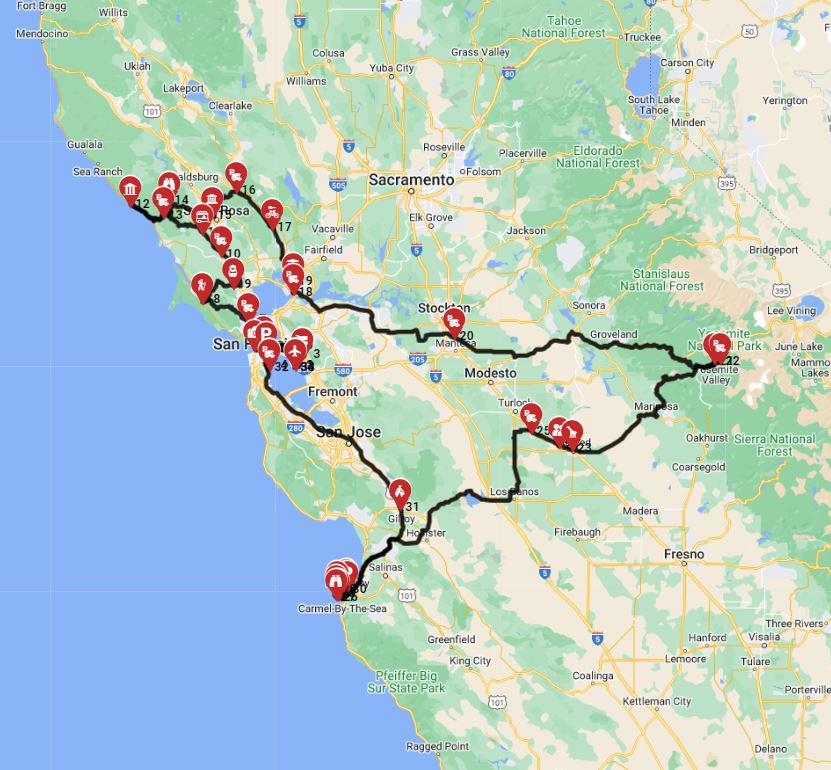
Boondocking, or dispersed camping, is a fantastic option for free or low-cost stays on many BLM (Bureau of Land Management) and National Forest lands throughout California, especially in areas like the vast Mojave Desert or parts of the eastern Sierra Nevada. These spots are typically primitive, offering no hookups, but provide incredible access to nature. Many private RV parks offer a full suite of amenities, including hookups, pools, and often pet-friendly and accessible facilities for all travelers.
Remember that even for national/state parks, many spots are first-come-first-serve, so calling ahead before driving long distances is always a good idea. Our pre-planned routes at rvplan.net can help guide you to these fantastic camping locations.
Can I sleep anywhere in an RV in California?
No, sleeping anywhere in a rented RV in California is generally not permitted and is often restricted to designated campgrounds, private property with explicit permission, or specific public lands for dispersed camping. Local ordinances in many cities and towns prohibit urban stealth camping or overnight parking in residential areas, on public streets, or in retail parking lots. Violations can result in fines ranging from $50-$250.
National and State Parks in California strictly enforce designated camping rules, requiring advance reservations for most sites, especially during peak seasons. Dispersed camping on National Forest and BLM (Bureau of Land Management) lands is typically allowed for free, but it requires thorough research of local regulations, adherence to Leave No Trace principles, and being fully self-sufficient with water, waste, and power. Always check signs, local laws, and consult resources like rvplan.net to find legal and safe overnight parking or camping options.
Top Cities for RV Rental in California
California boasts several excellent cities for picking up your rented motorhome or campervan, offering diverse starting points for your adventures. Whether you're heading north to the Redwood forests or south to the desert landscapes, these locations provide convenient access to major highways and attractions.
- Los Angeles: As a major international hub, Los Angeles is a popular starting point for many RVers. It offers access to southern California beaches, theme parks like Disneyland (which is a popular Family Activity on some RV PLANET routes), and routes heading to national parks like Joshua Tree. You can easily find various motorhome classes here.
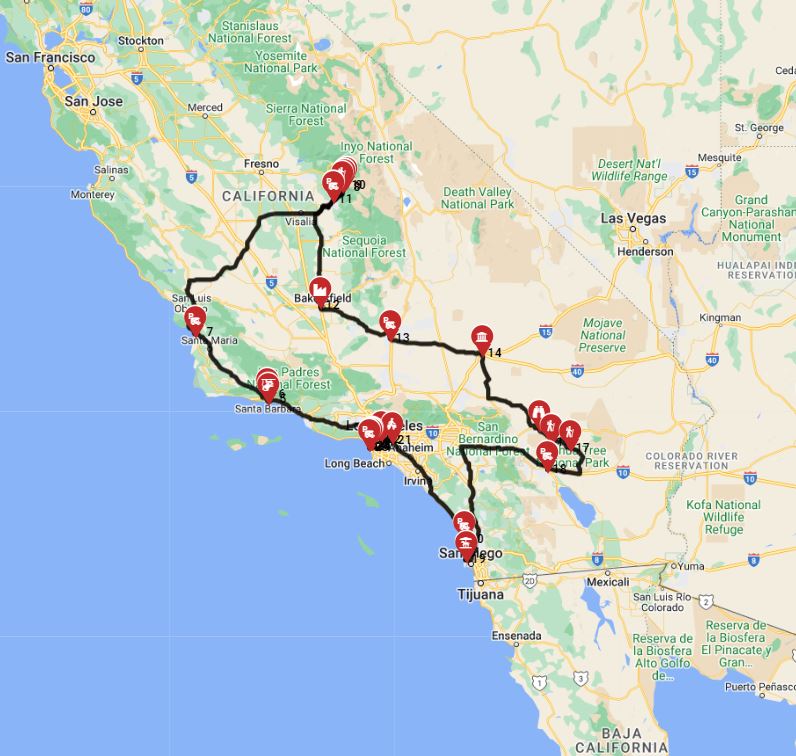
- San Francisco: Ideal for exploring Northern California, including the iconic Golden Gate Bridge, Napa Valley, and the stunning Redwood National and State Parks. The "
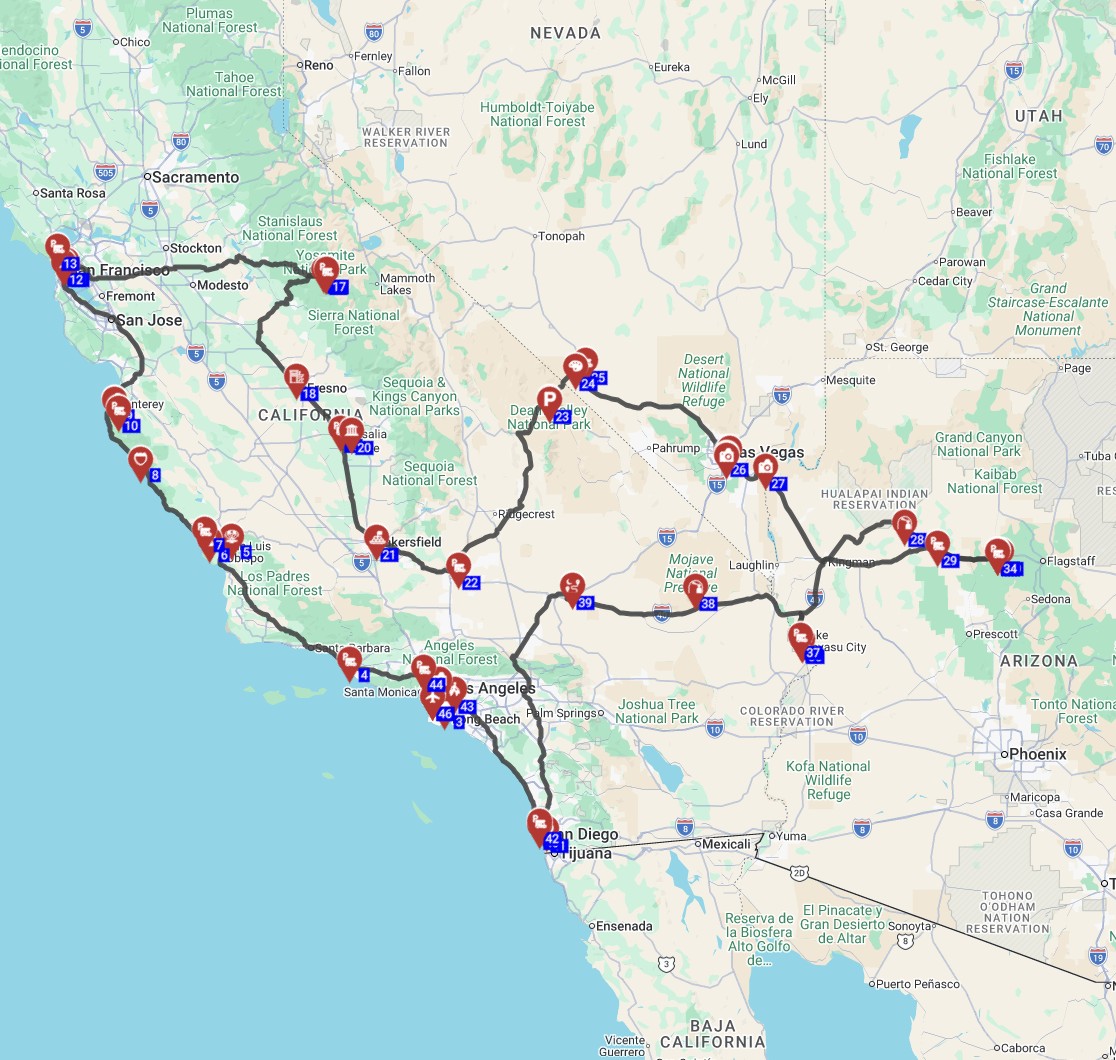
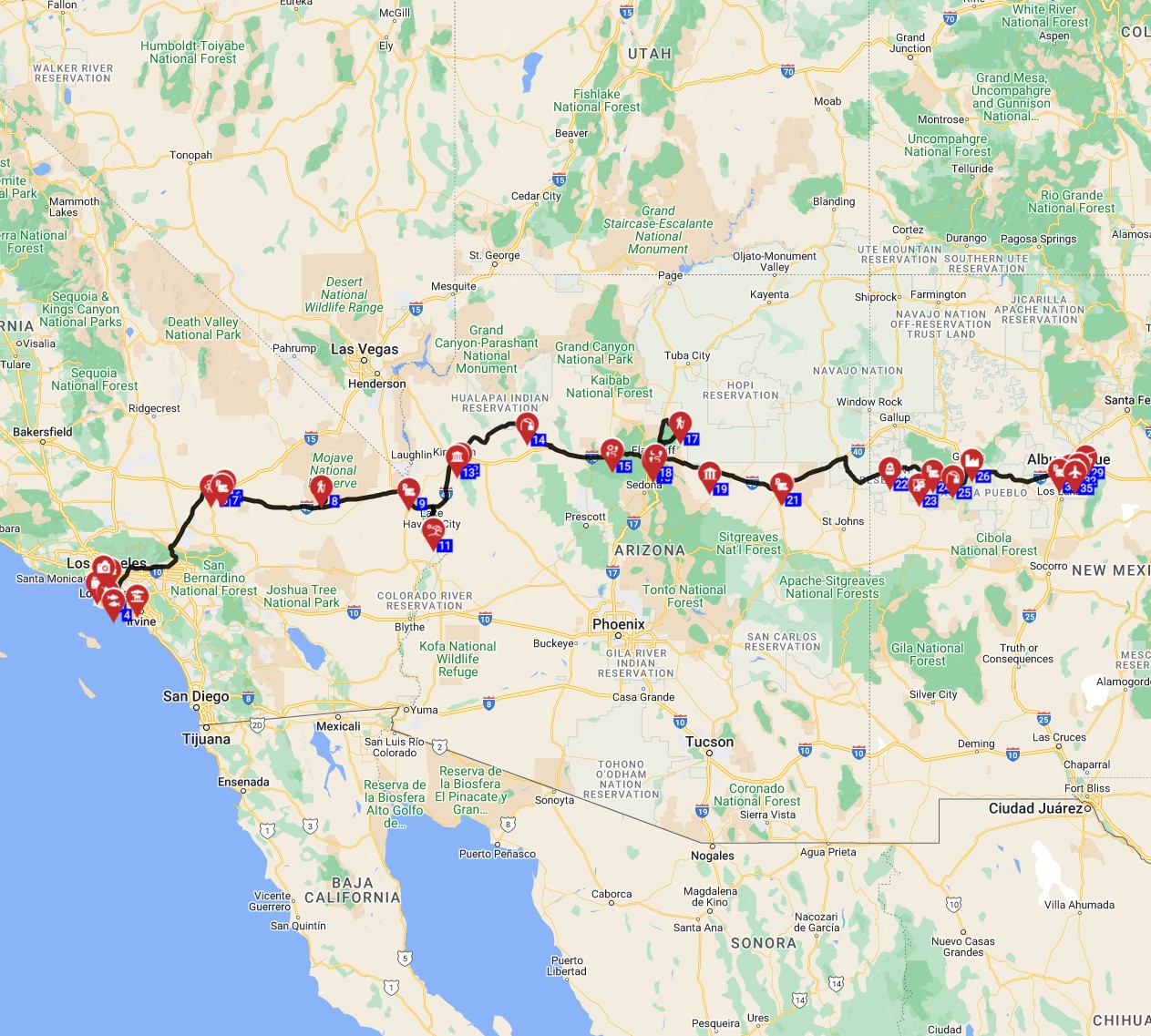
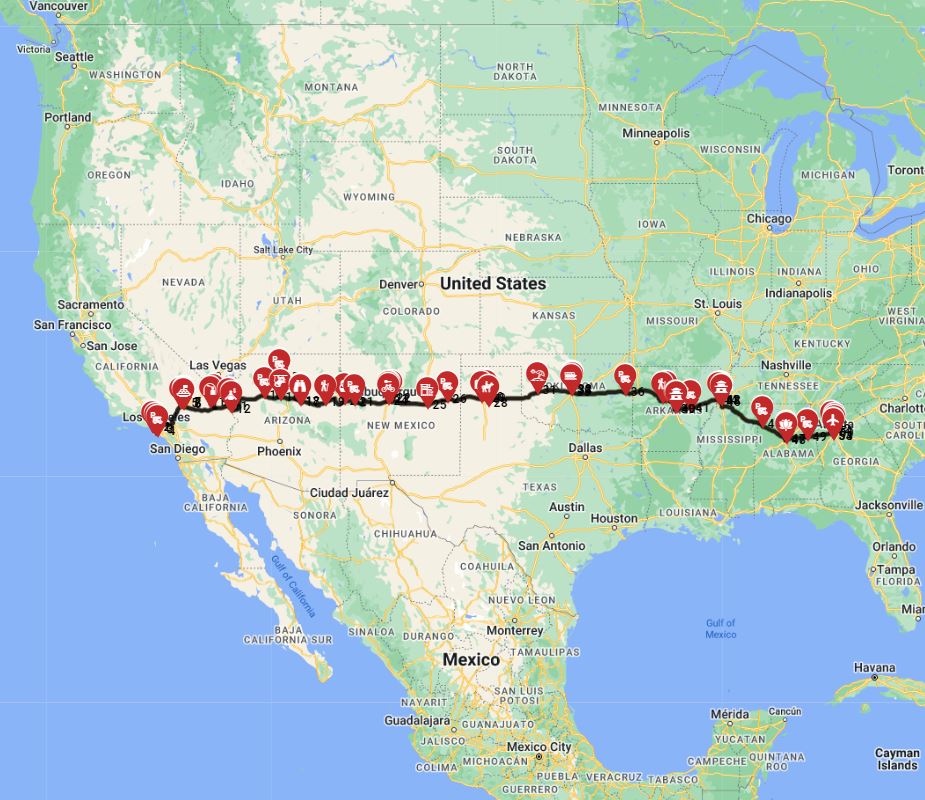
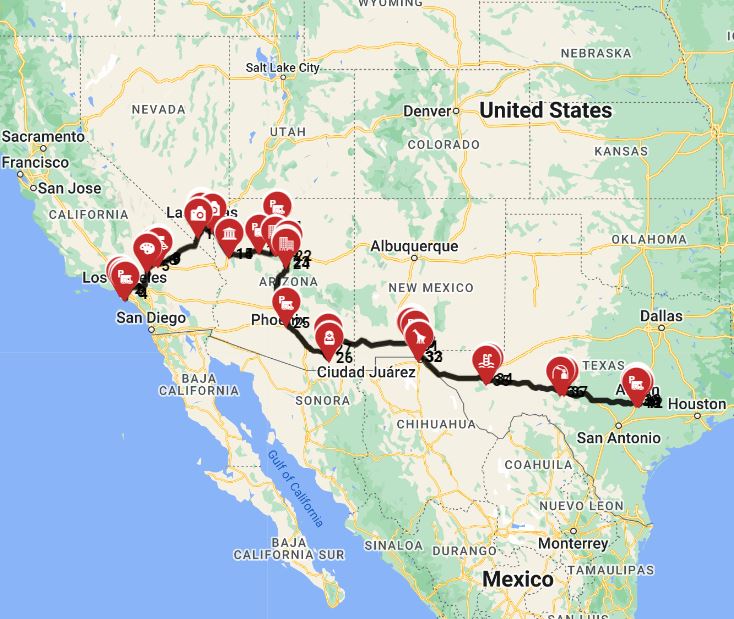
- The Best of the Southwest by Motorhome" itinerary is an excellent option for exploring the region, featuring 1 Aquarium, 1 Art Gallery, and 2 Cruise Terminals.
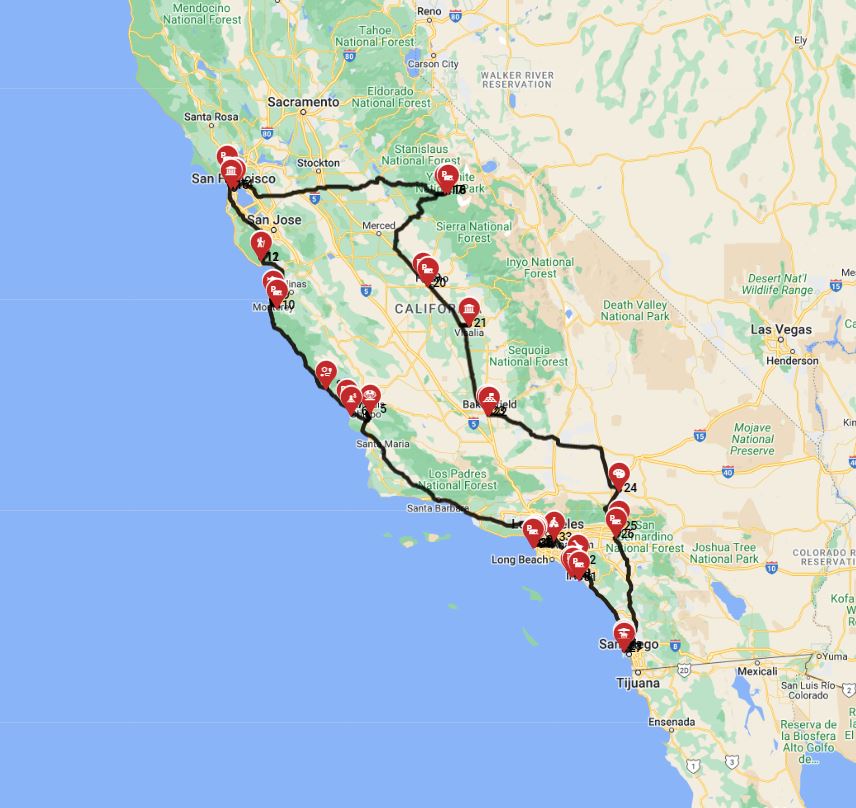
San Francisco Roundtrip
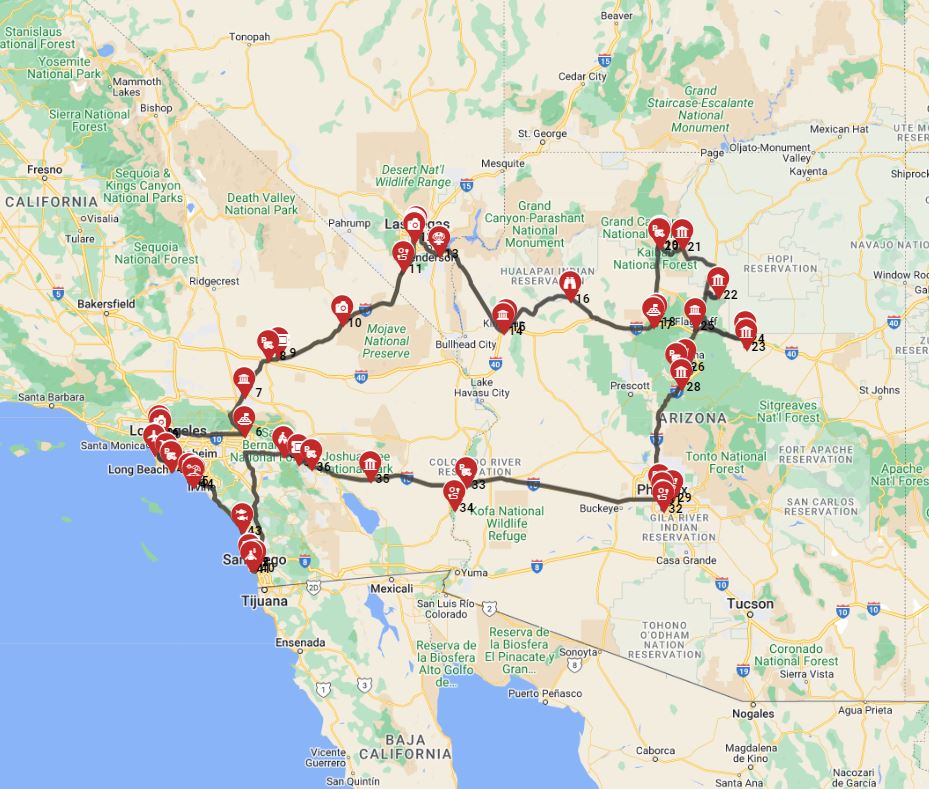
- San Diego: Located near the Mexican border, San Diego is perfect for a coastal RV trip, with easy access to beautiful beaches, Balboa Park, and routes heading east to Anza-Borrego Desert State Park. The "
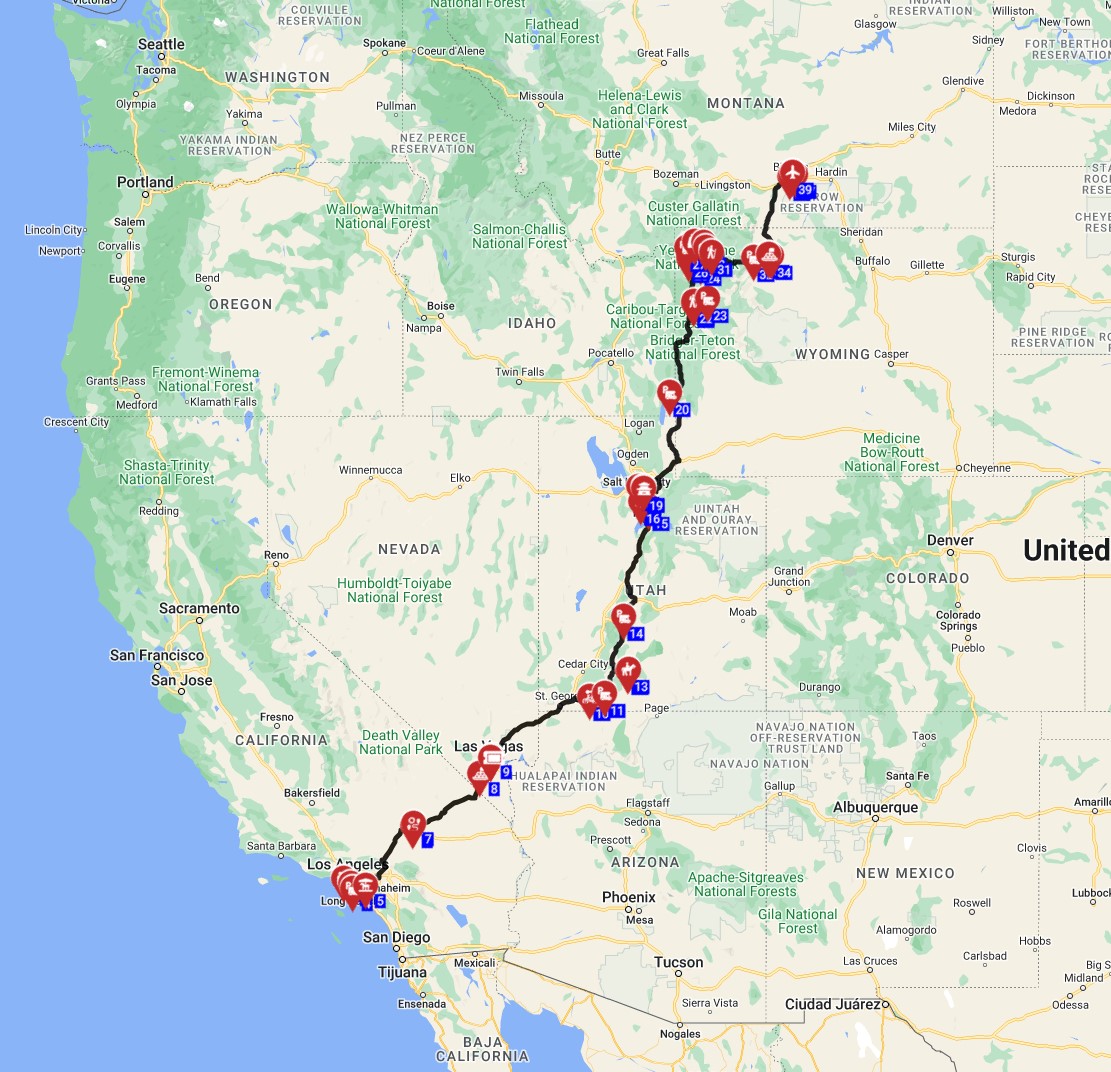
" route starts here, encompassing 1 Amusement Park and 2 Botanical gardens.
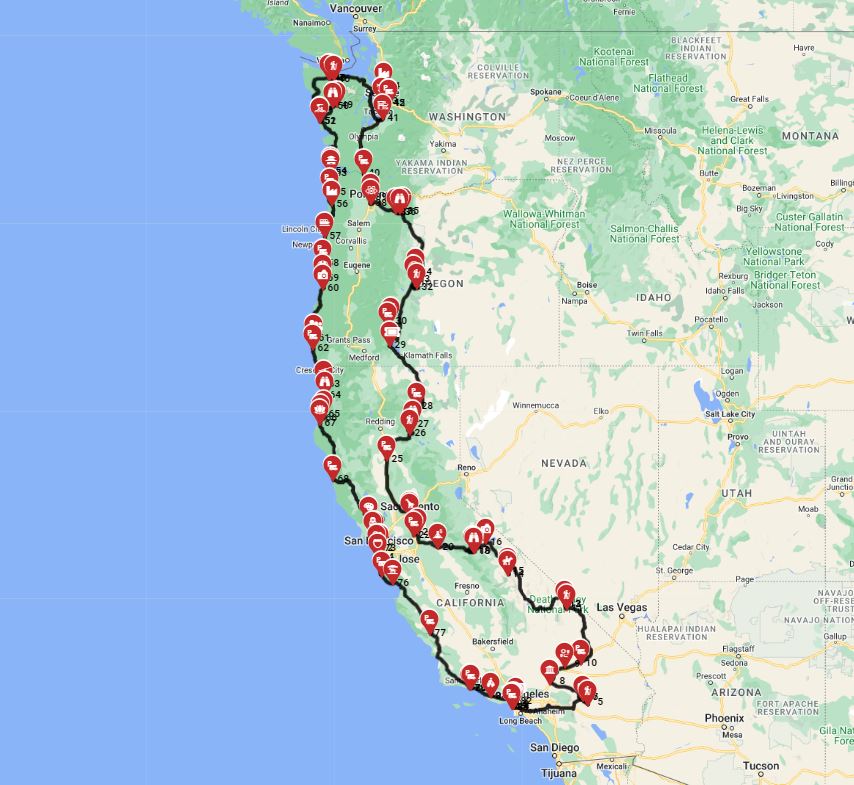
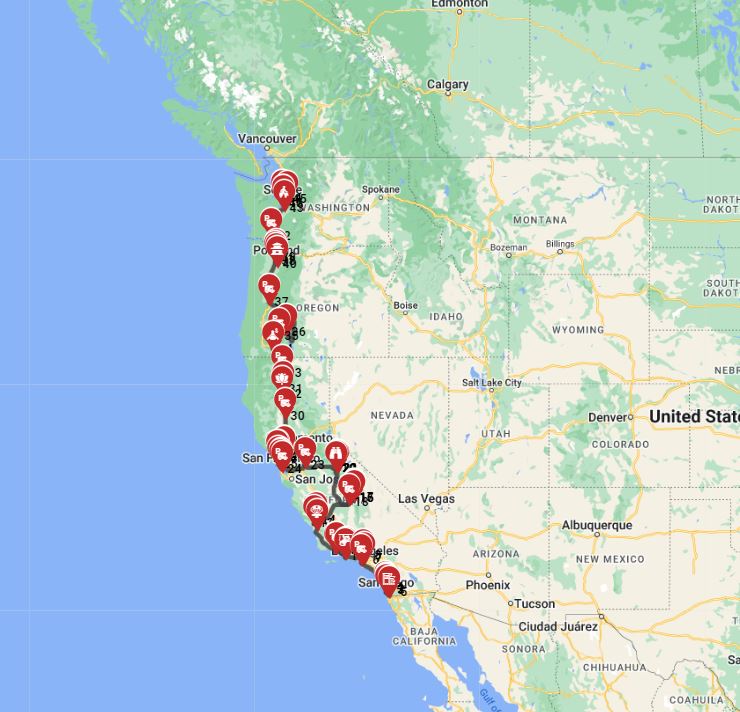 San diego to Seattle - California to the Pacific Northwest
 - Sacramento: Positioned in the Central Valley, Sacramento offers a gateway to the Sierra Nevada mountains, including Yosemite National Park and Lake Tahoe, making it a great base for mountain-focused adventures.
- Oakland: Just across the bay from San Francisco, Oakland provides another convenient pickup location for exploring the Bay Area and beyond, often with slightly less traffic than its bustling neighbor.
California RV Road Rules and Practical Info
Understanding California's specific road rules and practical information is crucial for a smooth RV rental experience. In California, you drive on the right side of the road, and speed limits generally range from 55 mph (88 km/h) for RVs on most highways to 65-70 mph (105-113 km/h) on major interstates for cars. Always observe posted signs, as some roads or lanes may have specific restrictions for larger vehicles. Drive slowly and carefully, and you can drive almost anywhere without issues. No need to stress - just use common sense and pay attention.
For emergencies, the number is 911 for police, fire, or ambulance services. Fuel stations are widely available, but it's always wise to fill up in towns before heading into remote areas, especially with larger Class A or Class C motorhomes with 208-liter fuel tanks. For connectivity, major cellular providers offer good coverage in populated areas, but service can be spotty in national parks and mountainous regions. Consider purchasing a local SIM card or relying on campground Wi-Fi where available.
🎬 Video coming soon
What You Shouldn't Miss
- Yosemite National Park: Experience the majestic granite cliffs of El Capitan and Half Dome, the thunderous Yosemite Falls, and tranquil meadows. Book your RV campsite well in advance, especially for popular spots like Yosemite Valley Campground.
- Highway 1 - Pacific Coast Highway: Drive the iconic coastal route from Big Sur to Monterey, offering breathtaking ocean views, charming seaside towns, and opportunities to spot migrating whales. Remember to take it slow and savor every moment, averaging no more than 100-150 km per day.
- Joshua Tree National Park: Explore the unique desert landscape where the Mojave and Colorado deserts meet, famous for its otherworldly Joshua Trees, rock climbing, and stunning stargazing opportunities from your rented campervan.
- Lake Tahoe: Visit this pristine alpine lake straddling California and Nevada, offering year-round recreation from skiing in winter to hiking, boating, and beach lounging in summer. Many RV parks dot its shores.
- Redwood National and State Parks: Marvel at the world's tallest trees, driving your motorhome through ancient redwood forests or enjoying scenic hikes. The Avenue of the Giants is a must-see detour.
- San Francisco's Golden Gate Bridge & Alcatraz: Walk or bike across the iconic Golden Gate Bridge, and take a ferry to historic Alcatraz Island for a fascinating tour. Park your RV at a nearby campground and use public transport to explore the city.
Looking for expert insights from Avi Bandana? Top 5 Adventures - recommendations from Avi Bandana.
Why Book with Bandana Caravan
Full Transparency, Always.
We believe in honest dealings. What you see is truly what you pay. Our platform compares final prices across 50+ leading RV suppliers worldwide, ensuring no hidden fees, no surprises, and no conversion commissions. You get the best deal, clearly laid out.
Your Journey, Our Support.
From comparing options to post-booking coordination, our team of true RV specialists is here for you. We provide real support by real people, offering expert advice and assistance every step of the way, making your RV rental in California stress-free.
Peace of Mind on the Road.
Travel confidently knowing you have options like upgrading to a top-level deductible reimbursement for extra peace of mind. Plus, our direct partnerships with major suppliers like El Monte, Cruise America, Apollo, and Britz mean quality vehicles and reliable service.
Expertly Crafted Adventures.
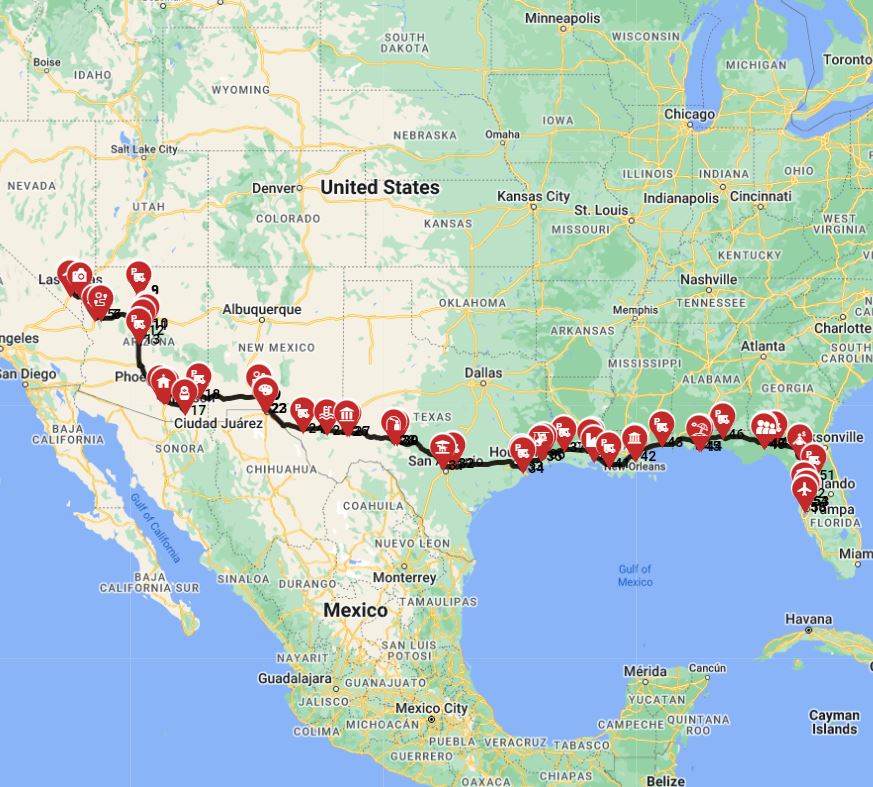
Discover over 1,300 pre-planned routes across 5 continents via our sister company, RV PLANET (rvplan.net). These professional itineraries, like the "
Founded in 2001, Bandana Caravan has over 23 years helping tens of thousands of travelers explore the world by RV. Our extensive coverage across 50+ countries means local expertise and support wherever your adventures take you.
Final Thoughts
Embarking on a rented RV adventure in California promises an unforgettable journey filled with diverse landscapes and boundless possibilities. Whether you opt for the spacious comfort of a Class A, the versatile balance of a Class SI, the family-friendly layout of a Class C, or the agile freedom of a Class B campervan, there’s a perfect mobile home waiting for you.
We're here to make your planning as easy and transparent as possible, offering you the confidence of knowing you’re getting the best deal without any hidden surprises. Remember to travel slowly, allowing yourself to truly connect with California’s incredible culture, food, and scenery. Life is now – so why not start planning your dream family RV rental comparison in California today?