In This Guide
- Best Japan RV Itinerary for family rv rental - Overview
- 7-Day Classic Route in Japan
- 14-Day Extended Journey in Japan
- Recommended RVPlan Trip for Japan
- Must-See Stops Along the Way (Avi Bandana Picks)
- Daily Driving Distances & Drive Times in Japan
- Best RV Class for This Itinerary - Couple & Family Picks
- How Much Does It Cost To Rent An RV In Japan
- Is It Easy To Drive An RV In Japan
- Can A Tourist Rent An RV In Japan
- What Are The Rules For Camping In Japan
- Can You Rent A Camper Van for an Extended Stay in Japan
- Is It Safe for an Extended RV Rental Trip in Japan
- What Is The Cost To Rent A Campervan In Japan
- Can I Convert My Car To A Campervan In Japan
- Staying Connected - Internet & Wi-Fi in Japan
- Traveling With Pets in a Japan RV
- Seasonal RV Travel in Japan - Best Times & Challenges
- Top Cities for RV Rental in Japan
- Road Rules and Driving Etiquette in Japan
- Why Book with Bandana Caravan
- Final Thoughts
- Frequently Asked Questions
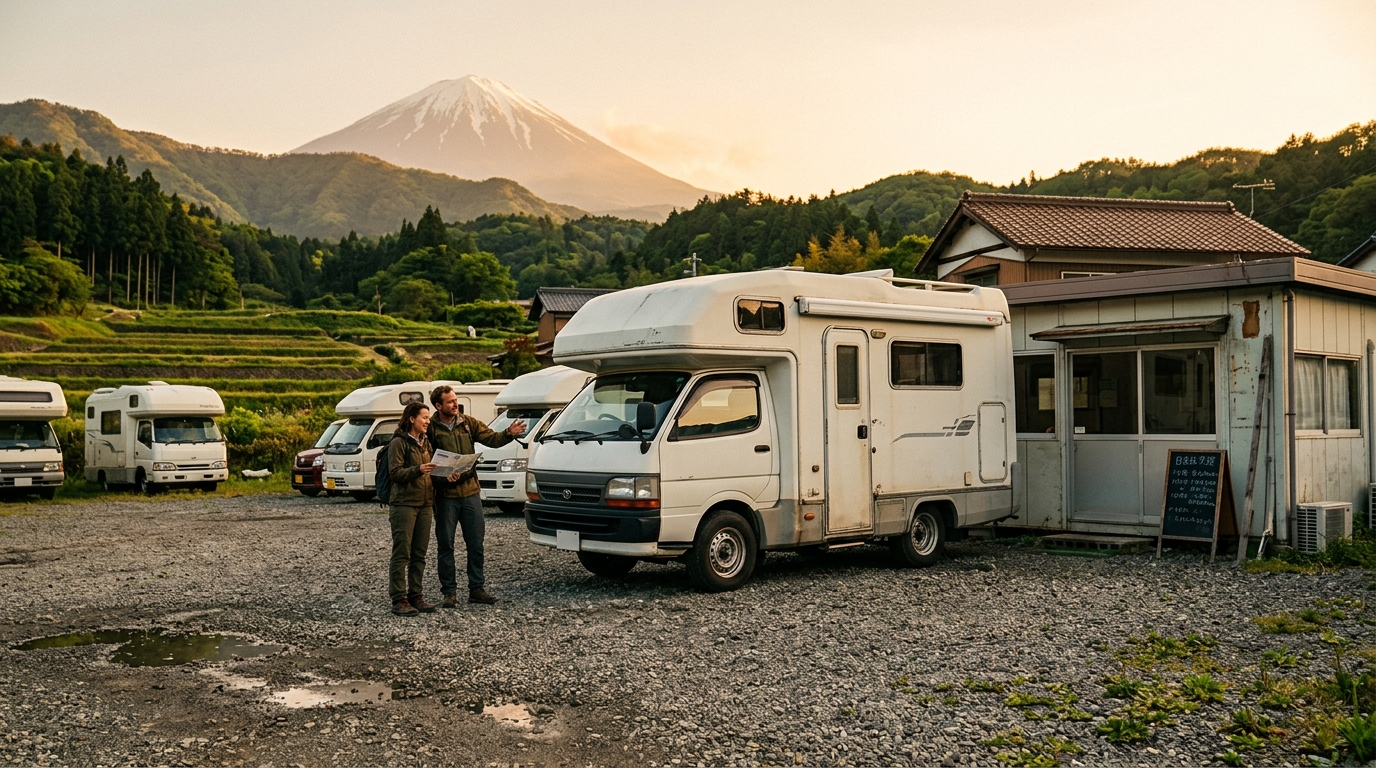
Embarking on a family RV adventure in Japan offers a unique blend of cultural immersion and natural beauty, perfectly suited for creating unforgettable memories. Imagine waking up to views of Mount Fuji, exploring ancient temples, and savoring local delicacies, all from the comfort of your rented motorhome. Japan, with its blend of bustling cities and serene landscapes, provides an incredible backdrop for family road trips, allowing you to move at your own pace and discover hidden gems.
For live availability and current prices, start with our RV Rental Japan - Complete Guide 2026 guide. This comprehensive resource will help you plan your journey and compare options for an unforgettable family RV rental in Japan.
Best Japan RV Itinerary for family rv rental - Overview
A rewarding family RV itinerary in Japan typically requires a minimum of 7 days, but ideally, you should plan for 10-14 days to fully appreciate the diverse landscapes and cultural experiences. This duration allows for a relaxed pace, ensuring ample time for exploration without rushing through the country's many attractions. A classic 7-day route focuses on central Honshu, covering approximately 700-1000 km (430-620 miles) and blending iconic cities with stunning natural scenery. The best seasons for an RV adventure in Japan are Spring (March-May) for the spectacular cherry blossoms and Autumn (September-November) for the vibrant fall foliage, both offering mild and pleasant weather conditions for travel.
Your journey should focus on a balance of scenic drives, historical and cultural sites, and engaging family-friendly activities. Whether it's visiting deer in Nara, exploring futuristic museums in Nagoya, or hiking volcanic landscapes in Hakone, a rented motorhome gives your family the flexibility to craft a personalized adventure. Remember, traveling slowly, ideally a maximum of 100-150 km per day on average, allows you to truly feel the place, connect to the culture, the food, and the scenery. This unhurried approach is key to an enriching family RV trip.
7-Day Classic Route in Japan
A classic 7-day RV route in Japan is perfect for families wanting a taste of Japan's highlights, starting from the bustling capital and moving through historical and scenic locations. On Day 1, begin in Tokyo and drive approximately 100 km (62 miles) to Hakone, famous for its Mount Fuji views and relaxing onsen (hot springs); consider an overnight stay at a Hakone campground. Day 2 takes you about 180 km (112 miles) to Nagoya, where families can explore the Atsuta Jingu Shrine and the SCMAGLEV and Railway Park, with a comfortable night near Nagoya.
Day 3 involves a roughly 130 km (81 miles) drive to Kyoto, Japan's cultural heart, allowing exploration of its myriad temples and the Gion district before settling into a Kyoto-area RV park. Day 4 is dedicated to Kyoto exploration, including the iconic Fushimi Inari-taisha with its thousands of vermillion torii gates and the serene Arashiyama Bamboo Grove. On Day 5, journey about 80 km (50 miles) to Nara to interact with the friendly deer at Nara Park and visit Todai-ji Temple, then continue to Osaka for an evening enjoying the vibrant Dotonbori district and an overnight stay at an Osaka campground. Day 6 leads west for approximately 150 km (93 miles) to Himeji Castle and Okayama's Korakuen Garden, ending with an overnight near Okayama. Finally, Day 7 takes you another 150 km (93 miles) to Hiroshima to visit the Peace Memorial Park and the beautiful Miyajima Island, offering options to end your rental in Hiroshima or loop back to your starting point.
14-Day Extended Journey in Japan
An extended 14-day RV journey through Japan provides a deeper dive into the country's diverse regions, offering more time for immersive family experiences and less rushed travel. Days 1-4 are best spent in the Kanto Region, exploring the vibrant urban landscape of Tokyo, the majestic Mount Fuji views from Hakone, and the historical coastal town of Kamakura with its giant Buddha and temples. This initial period allows for a smooth transition into RV life and an introduction to Japan's unique culture.
Moving into the Chubu Region for Days 5-7, you can discover charming mountain villages like Takayama with its traditional wooden houses, and the UNESCO World Heritage site of Shirakawa-go, famous for its Gassho-zukuri farmhouses. This section of the journey highlights traditional crafts and stunning alpine scenery. Days 8-11 immerse you in the Kansai Region, the cultural heartland of Japan, with ample time to explore the ancient capitals of Kyoto and Nara, including the iconic Fushimi Inari-taisha and Nara's deer, before experiencing the vibrant city life and culinary delights of Osaka. The journey concludes with Days 12-14 in the Chugoku Region, featuring the impressive Himeji Castle, the tranquil Korakuen Garden in Okayama, and the profound historical sites of Hiroshima, including the Peace Memorial Park and the sacred floating torii gate of Miyajima Island. This extended route provides a rich tapestry of experiences, from ancient history to modern marvels.
Recommended RVPlan Trip for Japan
Utilizing Rent&Plan services can eliminate common planning headaches for your family RV trip in Japan by offering tailored itineraries developed by seasoned travel professionals. Our dedicated trip-planning software provides access to custom RV PLANET routes, which feature detailed daily plans, highlighted points of interest, and pre-vetted overnight stops at campgrounds or Michi-no-Eki. These expertly designed route plans take the guesswork out of navigating an unfamiliar country, ensuring a smooth and enjoyable journey for your family.
The Rent&Plan service also includes a generous 25% planning discount, rewarding you for preparing your adventure with us. With full access to our intuitive planning software, you can easily customize any pre-built route to fit your family’s specific interests and pace, adding or removing destinations, activities, and meal stops. This flexibility ensures your rented motorhome vacation is exactly what you envision, combining the convenience of pre-planned routes with the freedom of personal choice.
For finding campsites and campgrounds during your trip, we recommend using RV PLANET (rvplan.net) - a great resource for locating available spots along your route.
Must-See Stops Along the Way (Avi Bandana Picks)
To truly experience the heart of Japan, Avi Bandana, our founder and a seasoned RV traveler, recommends stepping beyond the usual tourist traps and seeking out authentic local experiences. "Looking for expert insights from Avi Bandana? Top 5 Adventures - recommendations from Avi Bandana" (Visit Avi's Top 5 Adventures for more details, *note: placeholder for actual link*). Avi particularly suggests visiting local markets, such as Kyoto's Nishiki Market, to immerse yourselves in the vibrant atmosphere and discover authentic Japanese food experiences. Preparing meals using fresh local ingredients from these markets can be a highlight of your RV kitchen experience. For more meal ideas, check out our RV-friendly recipes playlist.
Another top pick is a visit to a traditional onsen (hot spring) town, like Hakone, for a deeply relaxing and culturally immersive experience. These natural hot springs offer a glimpse into Japanese bathing customs and provide rejuvenation after a day of driving. Furthermore, Avi encourages exploring local industries, such as a sake brewery in Nada (near Kobe) or a traditional craft workshop in Takayama. These visits offer a unique opportunity to understand Japanese craftsmanship and cultural heritage directly, moving beyond typical sightseeing. Prioritizing traditional villages like Shirakawa-go also allows for a profound connection to Japan’s historical architecture and way of life, providing rich educational moments for the entire family during your motorhome adventure.
Daily Driving Distances & Drive Times in Japan
To fully enjoy a family RV trip in Japan, Avi Bandana strongly recommends maintaining a relaxed pace, driving a maximum of 100-150 km (60-90 miles) per day on average. This approach ensures that your family has ample time to stop, explore, and soak in the culture and scenery at each destination, rather than rushing between points. For instance, the drive from Tokyo to Hakone is approximately 100 km and takes about 1.5-2 hours, while the journey from Kyoto to Nara is a shorter 45 km, requiring roughly 1 hour of driving.
When planning your daily routes, it's essential to consider potential traffic in urban areas like Tokyo or Osaka, which can extend travel times significantly. Mountain roads, while incredibly scenic, may also require slower driving speeds and extra attention. Driving slowly enhances the overall RV experience, allowing families to discover charming roadside attractions, local eateries, and unexpected hidden gems that might be missed on a fast-paced itinerary. This leisurely travel philosophy helps connect you more deeply to the place, the food, and the people, making your rented campervan adventure truly memorable.
Best RV Class for This Itinerary - Couple & Family Picks
Choosing the right RV class for your Japan itinerary is crucial for comfort and navigability, especially considering the country's unique road infrastructure. For couples, a Class B - Camper Van is often the ideal choice. These compact vehicles, averaging around 5.8 meters in length and comfortably sleeping 2-3 people, are perfect for navigating Japan's narrower roads and fitting into smaller city parking spaces. Their nimble size makes urban exploration and accessing remote scenic spots much easier.
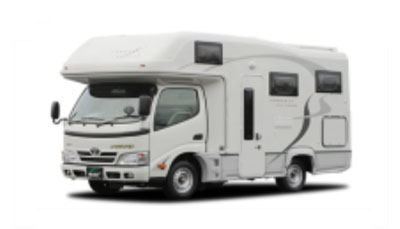
For families traveling with kids, a Class C - Alcove motorhome offers a significantly more spacious and comfortable experience. These vehicles typically average about 7.5 meters in length and can accommodate 4-6 people, with many models offering multiple sleeping areas and ample living space. For example, a vehicle like the "cruise america rv rental example Explorer" can sleep 4 people and has a fresh water tank of 82 liters, making it suitable for family needs. The increased interior room and amenities in a Class C motorhome ensure that everyone has their own space, making longer journeys more enjoyable. Bandana's 'Rent & Plan' service seamlessly combines your chosen RV rental with expert-designed itineraries, providing a hassle-free and fully supported travel experience with full access to our comprehensive trip-planning software.
How Much Does It Cost To Rent An RV In Japan
The total cost of renting an RV in Japan involves several components beyond the initial rental fee, including fuel, tolls, campground fees, food, insurance, and potential add-ons. Rental prices for a family-sized RV in Japan are dynamic, similar to flight tickets, and change daily based on availability, seasonality, and supplier pricing decisions. Typically, average daily rental prices for a Class C motorhome can range from ¥15,000 to ¥35,000 ($100-$240 USD), with peak seasons like cherry blossom (Spring) and fall foliage (Autumn) often seeing higher rates. On the routes offered through RV PLANET routes, you can itemize and track every expense along the way for easy budgeting.
Fuel consumption for a Class C alcove motorhome generally averages around 10-12 Liters/100 km, representing a significant ongoing cost, especially with Japan's extensive expressway network. Tolls can also add up, with longer drives potentially averaging ¥2,000-¥5,000 ($14-$35 USD). Campground fees typically range from ¥2,000 to ¥6,000 ($14-$42 USD) per night, with extra charges for utilities like electricity. When booking with Bandana, you benefit from full transparency with no hidden fees or surprises, ensuring what you see is what you pay. You can also upgrade to a top-level deductible for extra peace of mind, an optional enhancement for your trip. For detailed budgeting, RV PLANET routes allow travelers to itemize and track every expense along the way, making financial planning simple and transparent.
Is It Easy To Drive An RV In Japan
Driving a rented RV in Japan is certainly manageable for most experienced drivers, though it does require adapting to certain local customs and road conditions. One of the primary adjustments is driving on the left-hand side of the road, a common practice in Japan. Japanese roads, especially in older cities and rural areas, can be narrower than what some drivers are accustomed to, and parking spaces might be smaller.
However, modern RVs and campervans are designed for ease of handling. Drive slowly and carefully, and you can drive almost anywhere without issues. No need to stress - just use common sense and pay attention. Smaller RV models, such as Class B Camper Vans (averaging 5.8 meters in length) or local Kei camper vans, are particularly well-suited for Japan's infrastructure, making urban navigation and parking more convenient. Road signs in Japan are generally bilingual, displayed in both Japanese and English, which greatly aids navigation. A reliable GPS with English language support is highly recommended for stress-free travel. While a language barrier can sometimes arise, utilizing translation apps or learning a few basic Japanese phrases for interactions at campgrounds and local shops can enhance your experience and smooth communication.
Can A Tourist Rent An RV In Japan
Yes, tourists can absolutely rent an RV in Japan, provided they meet specific licensing and age requirements. The most crucial document for international visitors is a valid International Driving Permit (IDP), which must be issued in your home country based on the 1949 Geneva Convention. This permit must be presented alongside your original domestic driver's license. Most rental companies in Japan require drivers to be at least 21 years old and to have held a valid driving license for a minimum of one year. There are no young driver surcharges and no vehicle class restrictions based on age for renters aged 21 and above.
In addition to the IDP and domestic license, you will typically need a valid passport and a credit card for the security deposit. It is essential to secure all necessary documentation before arriving in Japan, as IDPs cannot be issued locally to tourists. A standard car driver's license is sufficient for driving all motorhome classes (Class A, Class B, and Class C) in Japan, meaning no special commercial driver's license (CDL) or additional permits are required. Preparing these documents in advance will ensure a smooth pickup process for your rented motorhome adventure.
What Are The Rules For Camping In Japan
Camping in a rented RV in Japan primarily takes place in designated campgrounds and RV parks, which are well-equipped with amenities essential for a comfortable trip. These official sites typically offer water and electricity hookups, restrooms, and sometimes even hot showers, addressing key concerns for RV travelers regarding facilities. While 'Michi-no-Eki' (roadside stations) often permit overnight parking, it's important to understand that they are not official campgrounds. They are primarily rest stops, and while convenient, guests are expected to adhere to strict etiquette regarding noise levels, waste disposal, and overall respect for the local environment and fellow travelers.
Wild camping, or dispersed camping outside designated areas, is generally prohibited and not culturally accepted in Japan. To avoid issues with local authorities and maintain good relations with communities, always plan to stay at official sites. Waste disposal, including grey and black water, general trash, and recycling, presents a unique challenge in Japan due to the scarcity of traditional dump stations found in many Western countries. RVers must plan carefully for waste management, relying on the limited number of specialized campgrounds or utilizing portable toilet systems and adhering strictly to campground rules and local recycling guidelines to ensure responsible travel.
Can You Rent A Camper Van for an Extended Stay in Japan
Renting a campervan or motorhome for an extended stay in Japan is an excellent way to deeply explore the country, offering flexibility that traditional accommodations cannot match. While the concept of "van life" as a permanent lifestyle isn't widely supported by infrastructure or cultural norms for residents, extended RV rentals for tourists are perfectly feasible and gaining popularity. A rented campervan provides a mobile base to fully immerse yourself in Japan's diverse landscapes and cities for weeks or even a month.
Logistically, planning for an extended rental means considering consistent access to showers, laundry facilities, and waste disposal. Many campgrounds offer these amenities, and public baths (sento) and laundromats are widely available. Parking for longer durations is best sought at designated RV parks or Michi-no-Eki, where facilities are generally available. It's crucial to maintain respectful interactions with locals and adhere to Japanese cultural etiquette, especially concerning noise and waste management. Renting a motorhome like a "cruise america example EX-Group A" provides comfort with a double bed (150/195cm) and an 80-liter refrigerator, suitable for extended rental journeys.
Is It Safe for an Extended RV Rental Trip in Japan
Traveling with a rented RV for an extended trip in Japan is generally considered very safe, largely due to the country's exceptionally low crime rates and high public safety standards. Families can enjoy their adventure with peace of mind, knowing that Japan is one of the safest places in the world to explore. Emergency services are reliable and highly responsive, further contributing to a secure environment for all travelers.
The primary considerations for a safe extended RV rental trip in Japan revolve around practical logistics rather than personal security. This includes finding safe and legal overnight parking consistently, which is best achieved at designated campgrounds or Michi-no-Eki. These spots offer a secure environment and often have surveillance. Ensuring access to essential facilities like restrooms and water without disrupting local communities is also important for a respectful journey. While physical safety is remarkably high, the key for a smooth trip is to be mindful of local cultural norms, such as quiet hours at parking areas and proper waste disposal, to foster positive interactions with residents during your motorhome adventure.
What Is The Cost To Rent A Campervan In Japan
The cost to rent a campervan in Japan, rather than purchasing one, offers significant advantages for travelers focused on a memorable vacation without the long-term financial commitment. While purchasing a new campervan in Japan can range from ¥3,000,000 to over ¥10,000,000 ($20,000-$70,000 USD), and used models from ¥1,000,000 ($7,000 USD), renting bypasses these high upfront costs and the complexities of ownership. Daily rental prices for a campervan or small motorhome vary dynamically based on factors like seasonality, vehicle availability, and specific rental period, but generally fall within the ¥15,000 to ¥30,000 ($100-$200 USD) range.
When you rent, you avoid additional costs such as vehicle registration fees, mandatory shaken (vehicle inspection) expenses, and ongoing insurance premiums. Bandana Caravan specializes in RV rentals, providing a wide selection of modern, well-maintained motorhomes and campervans from trusted suppliers like Apollo and Britz, ensuring you get a reliable vehicle without the hassle of ownership. Our full transparency policy means no hidden fees, giving you a clear understanding of the total rental cost. Renting allows you to enjoy the freedom of RV travel in Japan without the significant investment and regulatory complexities of buying a vehicle, making it the practical choice for your adventure.
Can I Convert My Car To A Campervan In Japan
While it is technically possible to convert a personal car into a campervan in Japan, it involves navigating specific legal and technical requirements, particularly regarding vehicle modifications and safety standards. Significant structural changes or alterations to seating capacity would likely necessitate re-registration and a new shaken (vehicle inspection) certificate, ensuring the vehicle still meets all roadworthiness criteria. The costs of conversion can vary widely, from a few hundred dollars for basic DIY setups to thousands for professional conversions with amenities like a bed (120/200cm) and a refrigerator.
However, for travelers looking to experience the freedom of a campervan in Japan, renting a purpose-built motorhome or campervan is a far more convenient and hassle-free option. Bandana Caravan offers a diverse fleet of ready-to-go vehicles, from compact campervans ideal for navigating city streets, to spacious Class C motorhomes perfect for families. Renting eliminates the need to worry about conversion regulations, inspection requirements, and the time-consuming process of outfitting a vehicle. Instead, you can simply pick up a fully equipped rental and immediately embark on your adventure, enjoying the convenience and peace of mind that comes with a professionally maintained and legally compliant vehicle. Discover how easy it is to Find campervan Rentals in Japan.
Staying Connected - Internet & Wi-Fi in Japan
Maintaining reliable internet connectivity is essential for a smooth RV trip in Japan, especially for navigation, booking campsites, and staying in touch with family. The most dependable solutions for travelers are renting a pocket Wi-Fi device or purchasing a local SIM card or eSIM. Pocket Wi-Fi devices offer high-speed internet access for multiple devices and are widely available for rent at major airports, through online providers, or even some RV rental companies. These devices provide consistent coverage across most of Japan, allowing you to use navigation apps, stream entertainment for the kids, and handle online tasks effortlessly.
For smartphone users, local SIM cards or eSIMs provide a cost-effective alternative with various data plans tailored for tourists. While many campgrounds and Michi-no-Eki often advertise Wi-Fi availability, the quality and coverage can be inconsistent, making a personal connectivity solution far more reliable. Having your own Wi-Fi or data ensures you can call ahead to check campground availability, manage your RV PLANET routes, or simply enjoy downtime online. Reliable connectivity enhances the safety and convenience of your RV rental in Japan, ensuring you’re always just a click away from the information you need.
Traveling With Pets in a Japan RV
Traveling with pets in a rented RV in Japan requires meticulous planning due to the country's strict import regulations and varied pet-friendly policies. Japan has stringent rules regarding animal imports, including mandatory microchipping, specific vaccinations (especially rabies), and health certificates, which often necessitate several months of preparation before your trip. It's crucial to consult the Japanese Animal Quarantine Service website well in advance to ensure all requirements are met.
While an increasing number of campgrounds in Japan are becoming pet-friendly, many traditional accommodations, restaurants, and public establishments still do not allow pets. Therefore, thorough research into pet-friendly RV parks and attractions along your planned itinerary is essential to avoid surprises. Culturally, Japanese society expects pets in public spaces to be kept on a leash at all times, and owners are expected to clean up after them diligently. Having a rented motorhome offers the flexibility to travel with your furry companions, but careful adherence to regulations and local customs will ensure a smooth and enjoyable experience for everyone on your family RV trip in Japan.
Seasonal RV Travel in Japan - Best Times & Challenges
Seasonal RV travel in Japan offers distinct experiences, each with its own charm and set of considerations. Spring (March-May) is incredibly popular for its iconic cherry blossoms, offering mild weather and picturesque scenery, though RV rental prices and campground crowds will be at their highest. During this period, booking well in advance, possibly 3-6 months ahead, is crucial to secure your preferred motorhome and campsite.
Summer (June-August) brings warm temperatures and a calendar full of lively festivals, but it also means high humidity and the potential for typhoons, particularly in August and September. An RV with good air conditioning is essential for comfort during these months. Autumn (September-November) is another ideal season, rivaling spring for popularity, thanks to its stunning fall foliage and pleasant, cooler weather. This is a fantastic time for scenic drives and outdoor activities. Winter (December-February) transforms parts of Japan into a snowy wonderland, perfect for skiing and relaxing in traditional onsen hot springs in regions like Nagano. While winter travel requires an RV with effective heating and careful attention to road conditions and potential closures on snowy mountain passes, it offers a unique, serene experience away from the peak season crowds. Remember, our "RV Rental Asia - Complete Guide 2026" can provide a broader context for planning your seasonal adventures across the continent.
Top Cities for RV Rental in Japan
Japan offers several excellent starting points for your RV adventure, with each city providing unique access to different regions and cultural experiences. Choosing your pickup location wisely can significantly shape your itinerary.
- Tokyo: As the bustling capital, Tokyo serves as a major hub for RV rentals. Picking up your motorhome here offers immediate access to the Kanto region, including Hakone and its Mount Fuji views, and the historical sites of Kamakura. For exploring the vibrant city before you hit the road, consider our guide to RV Rental in Tokyo - Ultimate Guide 2026.
- Kyoto: Known as Japan's cultural heart, Kyoto is an ideal starting point for exploring the Kansai region. From here, you can easily reach Nara with its famous deer, the dynamic city of Osaka, and the historic Himeji Castle. Learn more about options with a family rv rental in Kyoto 2026.
- Osaka: A vibrant city famous for its food and nightlife, Osaka offers convenient access to the Kansai region and beyond. It's a great base for exploring both urban attractions and scenic drives along the coast. Our guide to RV Rental in Osaka - Explore Japan 2026 has all the details.
- Nagoya: Located in the Chubu region, Nagoya is a practical choice for those looking to explore central Japan's mountain villages like Takayama and Shirakawa-go, as well as its own industrial and historical sites. Discover rental options in RV Rental in Nagoya - Family RV Guide 2026.
- Sapporo (Hokkaido): For travelers interested in Japan's northern island of Hokkaido, Sapporo is the main rental gateway. This region is famous for its vast natural landscapes, national parks, and ski resorts, offering a different kind of RV adventure, especially appealing in summer and winter.
- Fukuoka (Kyushu): Starting from Fukuoka on the southern island of Kyushu allows you to explore volcanic landscapes, beautiful coastlines, and a more relaxed pace of travel. It's an excellent choice for a distinct Japanese RV experience.
Each of these cities provides a diverse range of rental vehicles, from compact campervans to larger Class C motorhomes, catering to various family sizes and travel preferences. Remember to check availability and compare prices for your specific destination, whether you need a Compare Motorhome Prices for Japan or a more compact Find family rv Rentals in Japan.
Road Rules and Driving Etiquette in Japan
Driving a rented RV in Japan requires familiarity with local road rules and etiquette, which are generally well-organized and strictly enforced. The most important rule to remember is that traffic drives on the **left-hand side of the road**, and vehicles are right-hand drive. Speed limits are typically 40 km/h (25 mph) in urban areas, 60 km/h (37 mph) on open roads, and 80-100 km/h (50-62 mph) on expressways, though these can vary, so always pay attention to signage.
Toll roads are common on Japan's extensive expressway network, and while convenient, they can be costly. Consider purchasing an Expressway Pass or using an Electronic Toll Collection (ETC) card, often available with your RV rental, to simplify payments. Fuel types for RVs are typically gasoline (petrol) or diesel; ensure you know your vehicle's fuel type at pickup. Emergency numbers in Japan are 110 for police and 119 for fire and ambulance services. Parking can be challenging in densely populated urban centers, but utilizing designated RV parks, Michi-no-Eki, and paid parking lots is key. Always use your turn signals well in advance, and remember that Japanese drivers are generally polite and orderly. Drive slowly and carefully, and you can drive almost anywhere without issues. No need to stress - just use common sense and pay attention. Understanding these rules ensures a safe and pleasant journey in your rented motorhome across Japan.
Final Thoughts
Exploring Japan by rented RV offers an unparalleled way to connect with its rich culture and breathtaking scenery as a family. From the ancient temples of Kyoto to the modern marvels of Tokyo, and the serene beauty of Mount Fuji, a motorhome provides the freedom and flexibility to craft an itinerary that truly suits your family's pace and interests. Remember, careful planning, especially regarding documentation and local customs, will ensure a smooth and memorable adventure.
At Bandana Caravan, we are passionate about making your RV dreams a reality. With our commitment to transparency, 24/7 planning support, and expert-designed routes, you have all the tools and confidence needed for an incredible journey. So, gather your loved ones, pack your bags, and get ready to discover the magic of Japan on an unforgettable road trip.
Ready to plan your family's adventure? Check Japan RV Rental Prices Now and start building your dream itinerary today!
🎬 Video coming soon