In This Guide
- Best Alaska RV Itinerary for rv rental - Overview
- 7-Day Classic Route in Alaska
- 14-Day Extended Journey in Alaska
- Recommended RVPlan Trip for Alaska
- Must-See Stops Along the Way (Avi Bandana Picks)
- Daily Driving Distances & Drive Times in Alaska
- Best RV Class for This Itinerary - Couple & Family Picks
- What is the best time of year to RV to Alaska?
- What is the best route to Alaska by RV?
- What should I not miss in Alaska?
- What is the 3-3-3 rule for RV travel?
- What is the 4-4-4 rule for RV travel?
- Can I park my RV anywhere in Alaska?
- Planning Your Alaska RV Budget
- Preparing Your RV for Alaska's Roads
- Navigating Border Crossings to Yukon
- RV Connectivity in Alaska's Remote Areas
Best Alaska RV Itinerary for rv rental - Overview
An RV rental in Alaska provides an unparalleled journey through raw wilderness and vibrant culture, with popular trips commonly ranging from 7 to 23 days. Expect to cover significant distances, often exceeding 1,000 km (620 miles) even for shorter itineraries, making a philosophy of slow travel essential for true enjoyment. The prime season for RV travel in Alaska is typically from late May to early September, capitalizing on milder weather, longer daylight hours, and the full accessibility of seasonal attractions and campgrounds. Itineraries frequently highlight iconic regions like the Kenai Peninsula, the majestic Denali National Park, and the breathtaking scenic highways that connect these unforgettable destinations. For live availability and current prices, start with our RV Rental Alaska - Complete Guide 2026 guide.7-Day Classic Route in Alaska
A 7-day RV itinerary for Alaska typically centers on a loop originating from Anchorage, designed to explore key highlights without excessive daily driving. This focused approach allows families to immerse themselves in a region rather than rushing through it.- Day 1: Anchorage to Seward (200 km / 125 mi) - Drive along the scenic Seward Highway, often named one of America's most beautiful roads. Visit the Alaska Wildlife Conservation Center, offering close-up views of rescued Alaskan animals, before settling into an overnight stay in Seward.
- Day 2: Seward - Dedicate the day to a glacier and marine wildlife cruise in Kenai Fjords National Park, a truly spectacular family activity where you might spot whales, otters, and seals. You'll find approximately 20 developed campgrounds in the Kenai Peninsula area.
- Day 3: Seward to Homer (270 km / 170 mi) - Enjoy a breathtaking drive along the Sterling Highway, leading to the charming town of Homer. Explore the famous Homer Spit, a narrow landmass extending into Kachemak Bay, renowned for its fishing and vibrant arts scene.
- Day 4: Homer - Consider a thrilling bear viewing tour by plane or a halibut fishing charter, offering unparalleled Alaskan experiences. Spend time enjoying local art galleries and unique shops. For cooking meals in your rented motorhome, our RV-friendly recipes playlist offers great inspiration.
- Day 5: Homer to Talkeetna (370 km / 230 mi) - Head north to the quaint town of Talkeetna, known as the staging point for Denali expeditions. On clear days, you'll be rewarded with magnificent views of Denali, North America's highest peak.
- Day 6: Talkeetna to Denali National Park Entrance (250 km / 155 mi) - Journey to the entrance of Denali National Park. Take a mandatory shuttle bus tour deep into the park for incredible wildlife viewing opportunities, where you might see grizzly bears, moose, caribou, and Dall sheep.
- Day 7: Denali National Park to Anchorage (370 km / 230 mi) - Return to Anchorage, allowing time to explore city sights or return your campervan.
14-Day Extended Journey in Alaska
A 14-day RV journey provides a deeper, more immersive exploration of Alaska, extending beyond the classic route to include interior and eastern regions. This allows for a more relaxed pace and greater opportunities for discovery, aligning perfectly with our recommendation to travel slowly, averaging no more than 100-150 km per day.- Days 1-3: Anchorage to Kenai Peninsula (Seward, Homer) - Explore the coastal beauty, marine wildlife, fishing charters, and picturesque towns of the Kenai Peninsula, including Kenai Fjords National Park.
- Days 4-6: Kenai Peninsula to Talkeetna & Denali National Park - Continue north for iconic mountain views and extensive park exploration. Delve into the vast wilderness of Denali National Park, taking advantage of its shuttle bus system for prime wildlife encounters. The "
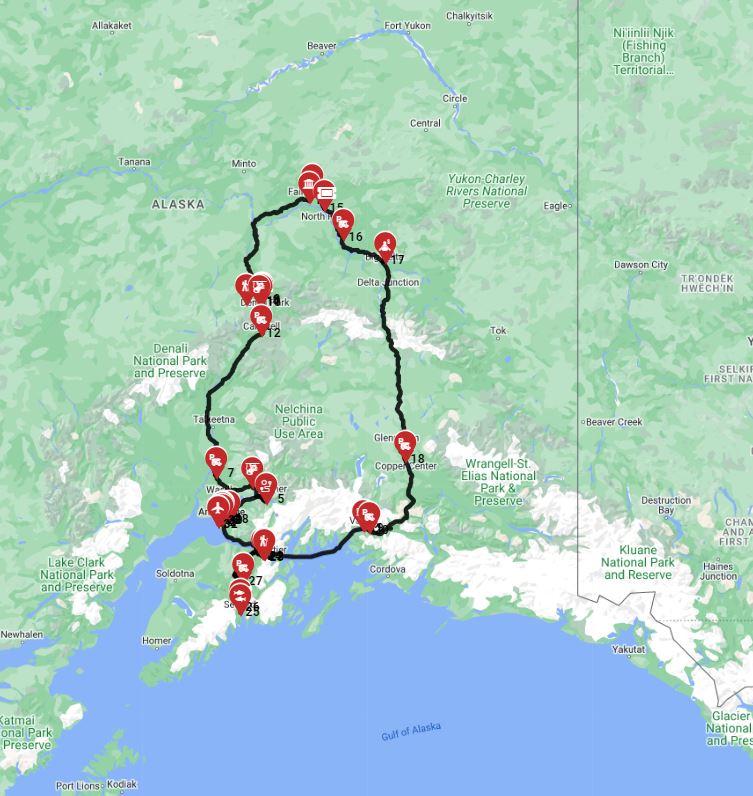
" route plan offers an 11-day itinerary covering 1928.5 km, including 2 wildlife watch opportunities and 3 tourist attractions.
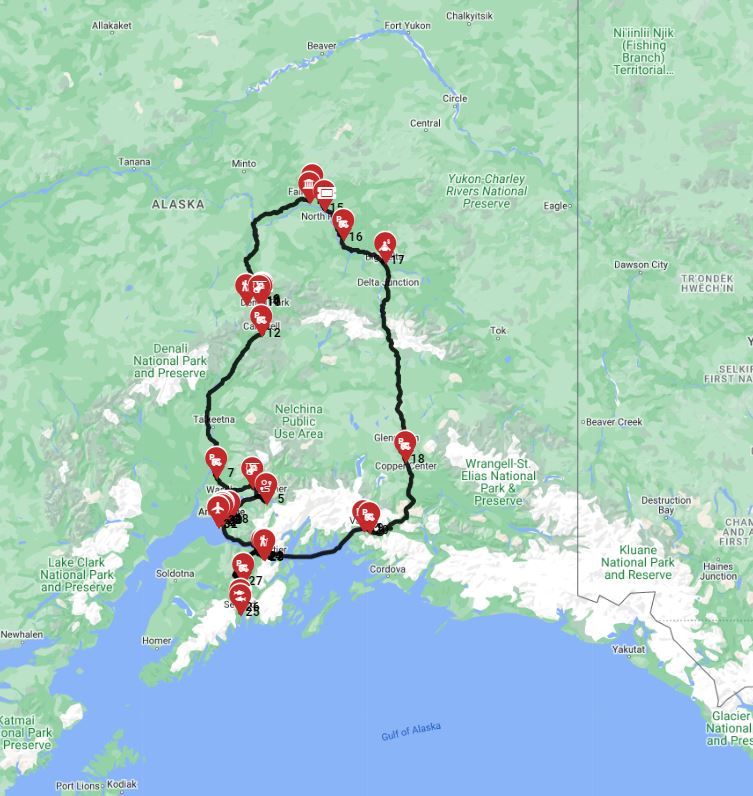 Anchorage Roundtrip - Alaska
 - Days 7-9: Denali National Park to Fairbanks - Head further north to Fairbanks, known as the 'Golden Heart City.' Explore historical sites like Gold Dredge 8, visit the University of Alaska Fairbanks Museum of the North, and relax in Chena Hot Springs.
- Days 10-11: Fairbanks to Valdez via Richardson Highway - Embark on a highly scenic drive through rugged mountains on the Richardson Highway. Stop at the stunning Worthington Glacier for an accessible glacier view before arriving at Valdez, often called the 'Switzerland of Alaska.'
- Days 12-13: Valdez - Enjoy glacier cruises in Prince William Sound, try kayaking amidst icebergs, and explore this historic port town, rich with natural beauty and outdoor activities.
- Day 14: Valdez to Anchorage - Return via the Glenn Highway, offering a different set of breathtaking views of glaciers, mountain passes, and a final opportunity to soak in Alaska's immense beauty.
Recommended RVPlan Trip for Alaska
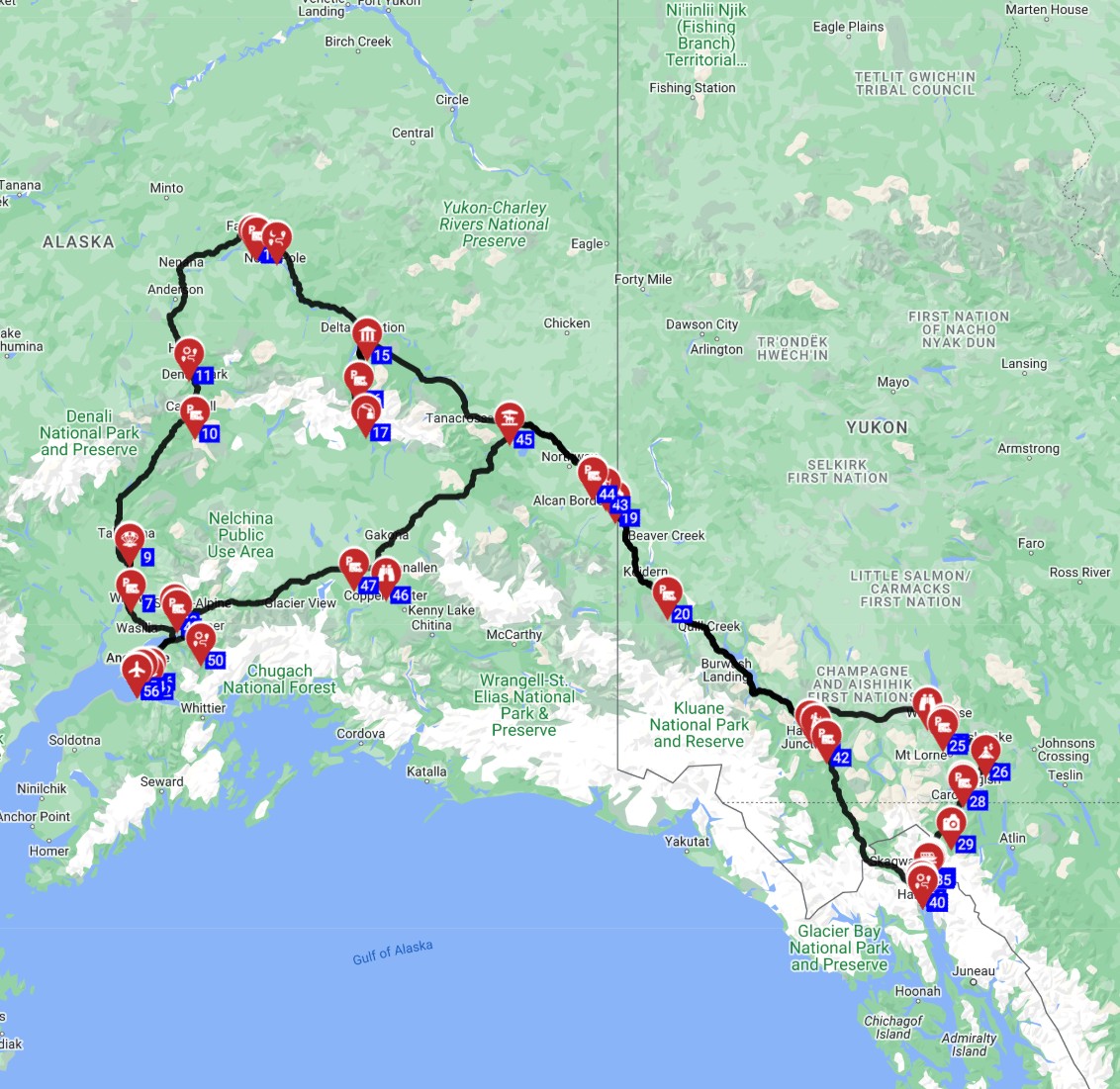
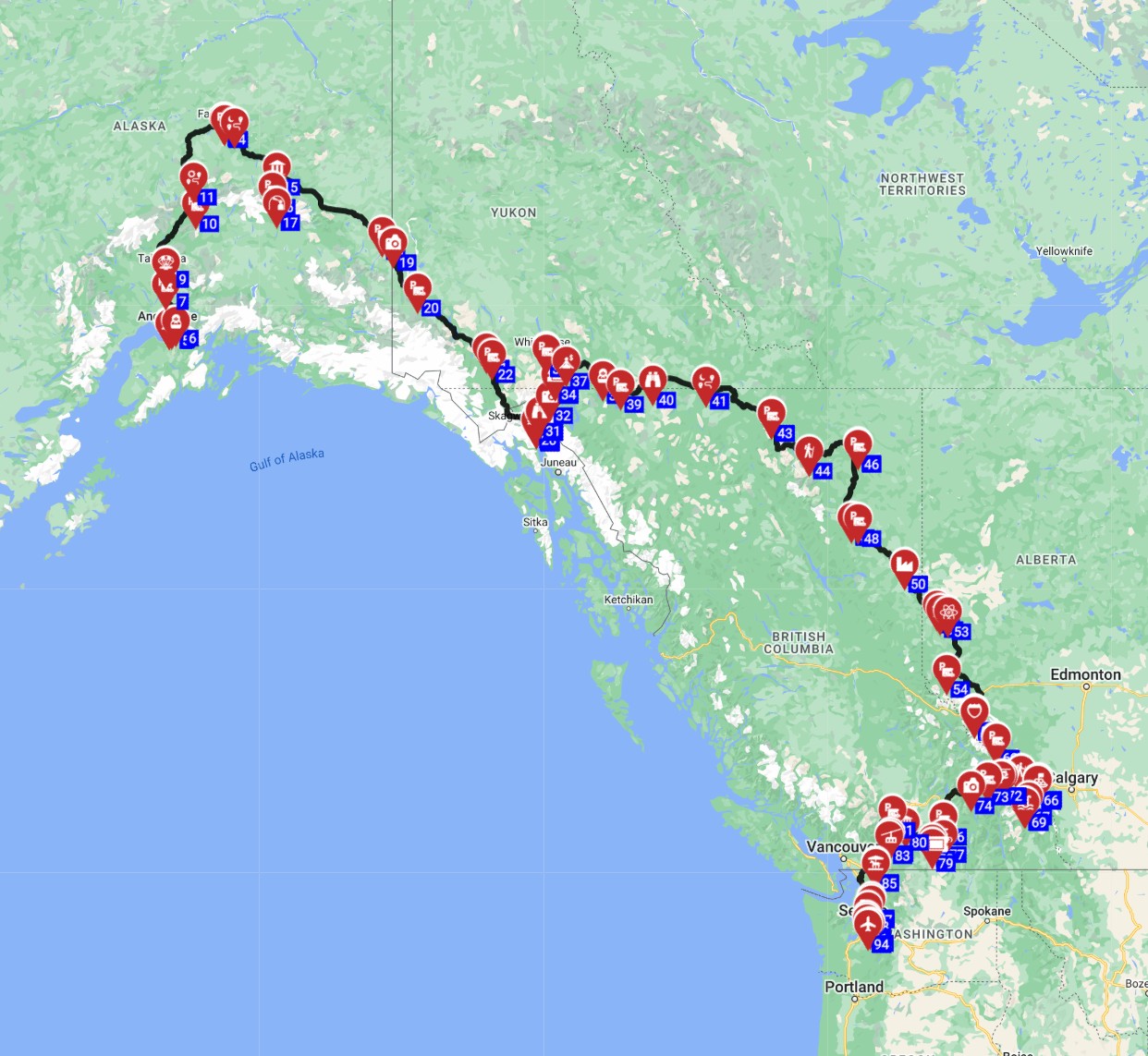
For a truly comprehensive Alaska and Yukon adventure, consider the "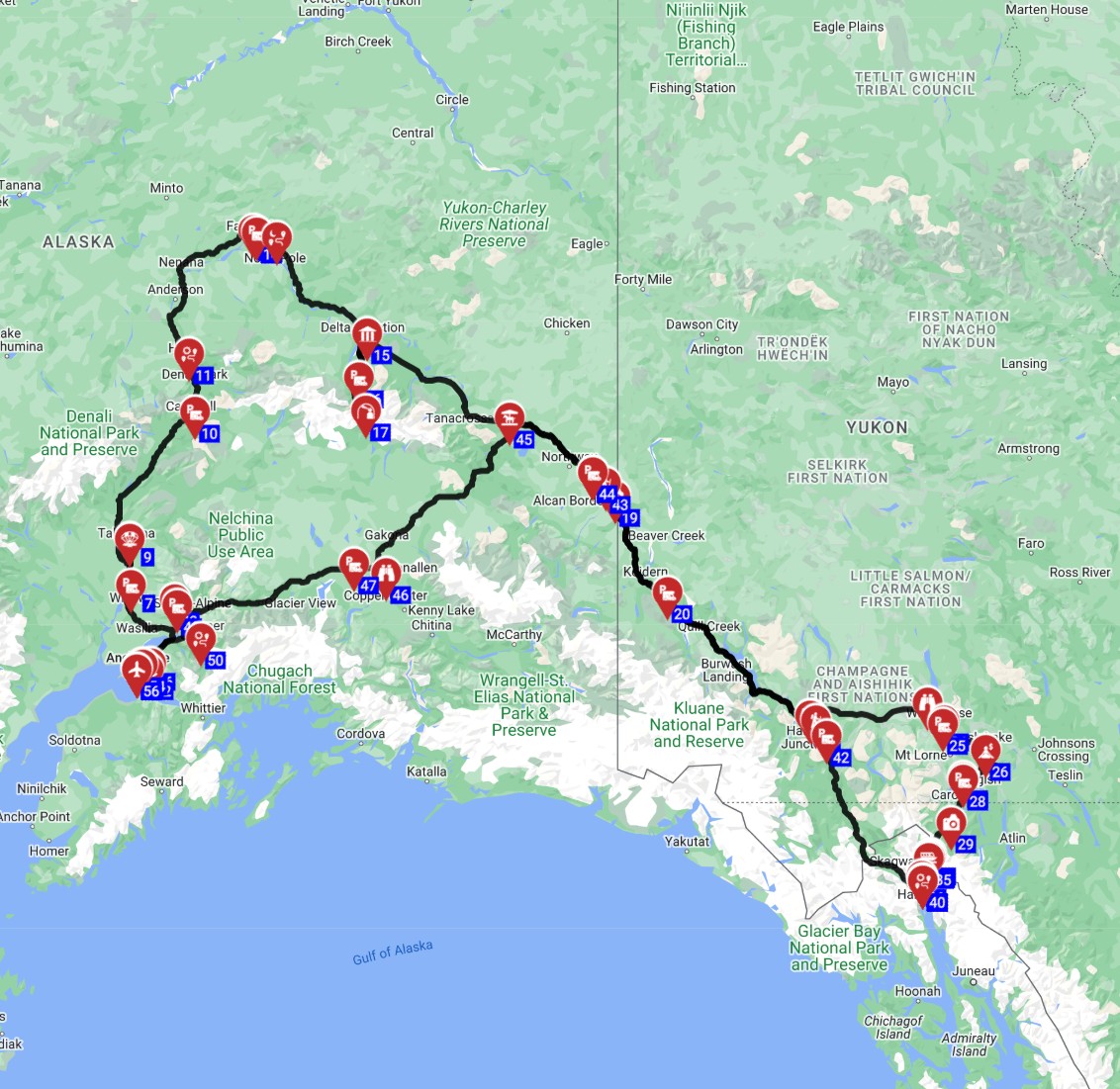
Anchorage Round Trip - Alaska-Yukon Discovery Trail
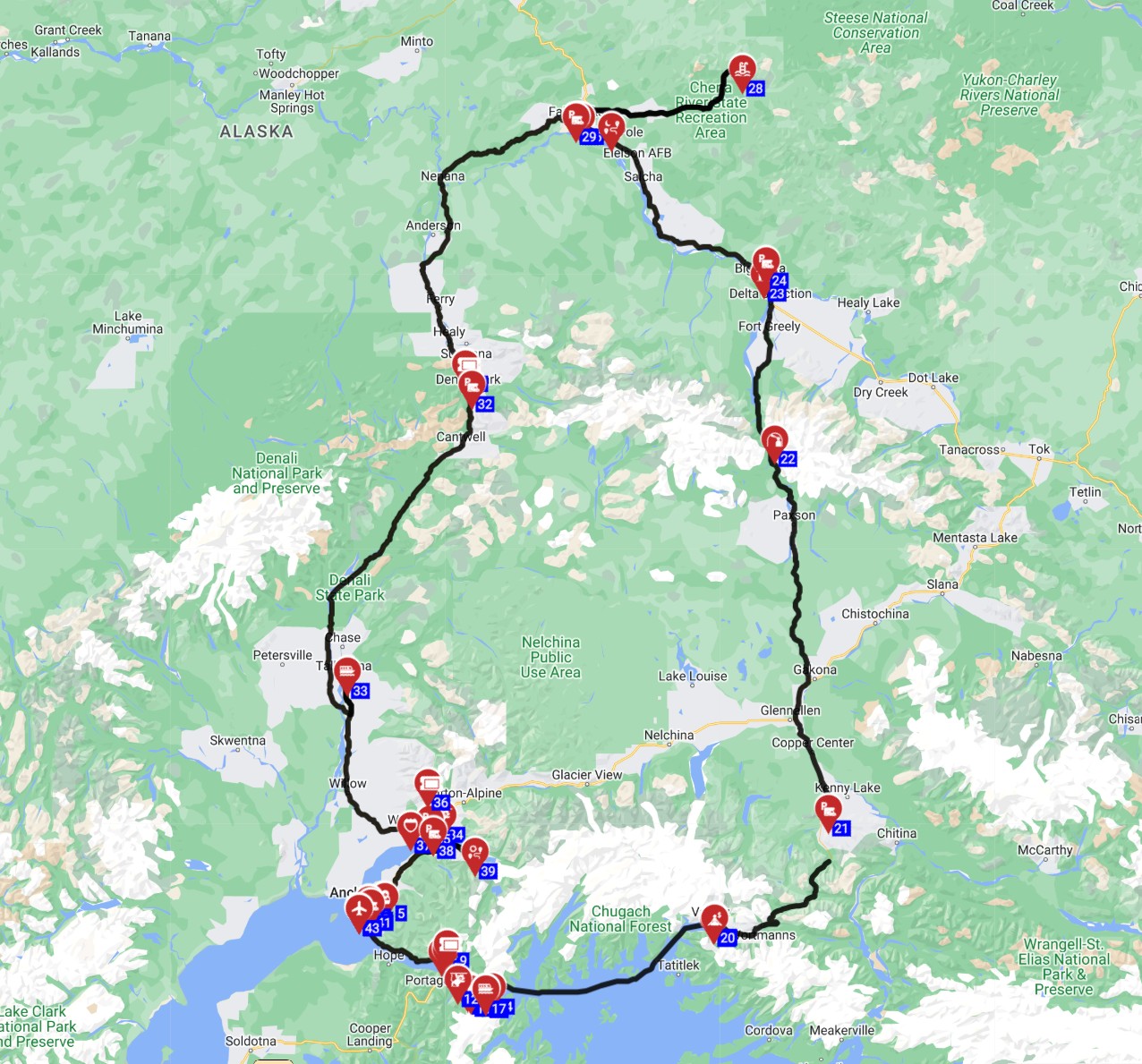
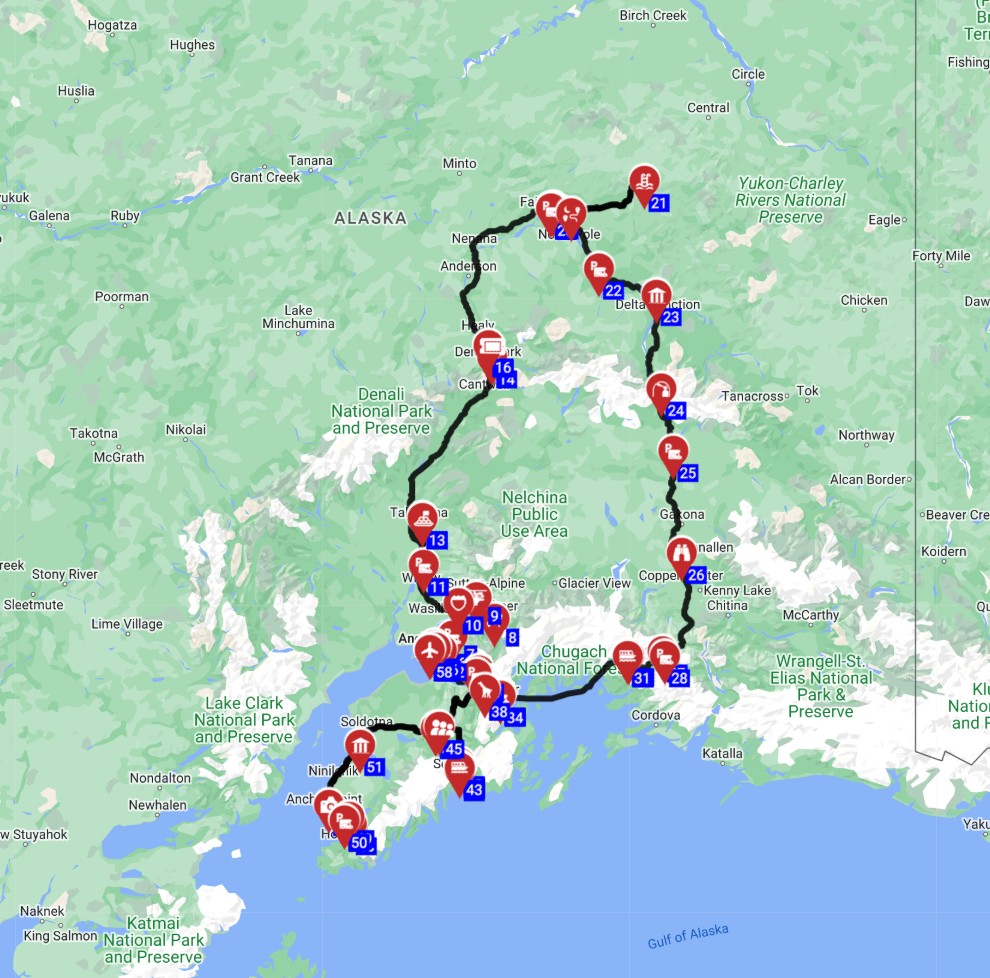
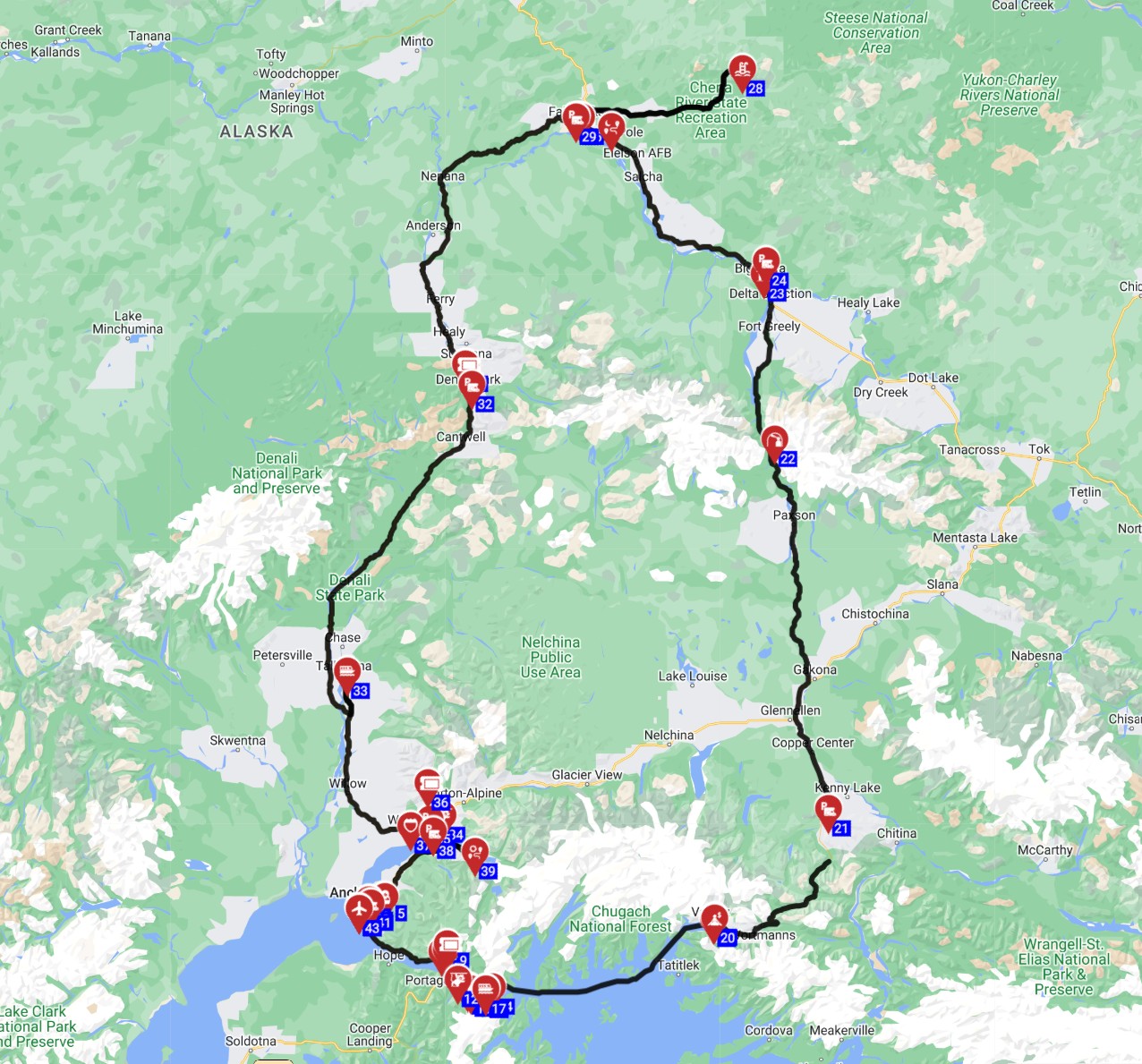
Anchorage Roundtrip Heading North - The Great Alaskan Wilderness Road Trip
Must-See Stops Along the Way (Avi Bandana Picks)
Looking for expert insights from Avi Bandana? Top 5 Adventures - recommendations from Avi Bandana: When exploring Alaska with a rented motorhome, Avi Bandana recommends focusing on unique cultural, historical, and natural sites that truly capture the state's essence, moving beyond typical tourist traps.- For a Traditional Visit and a deep understanding of local history, the Alaska Native Heritage Center in Anchorage is a must-see, offering rich insights into Alaska's diverse Indigenous cultures and traditions through engaging exhibits and performances.
- Savor local flavors and history with a stop at a Traditional Restaurant / Fine Dining establishment, or a charming historic lodge like the Sullivan Roadhouse near Delta Junction, to experience authentic Alaskan hospitality and cuisine. Don't forget to sample some fresh Alaskan salmon!
- Explore Independence Mine State Historical Park near Palmer to delve into Alaska's fascinating gold mining past. Walk through preserved buildings and witness remnants of a bygone era, providing a hands-on history lesson for all ages.
- If venturing into the Yukon during your trip, don't miss a Traditional Visit to the S.S. Klondike National Historic Site in Whitehorse, a restored paddle-wheeler that played a crucial role in the region's transportation history during the Klondike Gold Rush.
- Experience the majesty of Alaska's wildlife up close at places like the American Bald Eagle Foundation in Haines, offering educational insights and incredible photography opportunities for these magnificent birds. Remember to always maintain a respectful distance from wildlife.
Daily Driving Distances & Drive Times in Alaska
Avi Bandana recommends a maximum of 100 miles or 150 km per day on average when RVing in Alaska to allow ample time for exploration and unexpected stops. Adhering to this slower travel pace ensures your family fully experiences the stunning scenery, observes wildlife, and discovers the charm of small towns that make an Alaskan RV trip truly unique. For instance, driving from Anchorage to Seward, a distance of approximately 200 km (125 miles), typically takes about 2.5 to 3 hours without stops, but you should realistically allow 4-5 hours to account for breathtaking scenic overlooks and photo opportunities. The journey from Anchorage to Denali National Park, which is approximately 370 km (230 miles), can take 4-5 hours of direct driving. However, when factoring in meals, comfort breaks, and potential stops at roadside attractions or wildlife viewing points, this will require a full day of travel. Routes throughout Alaska often feature gravel sections, unpredictable wildlife crossings, and varying road conditions that necessitate reduced speeds and heightened vigilance. Drive slowly and carefully, and you can drive almost anywhere without issues. No need to stress - just use common sense and pay attention.Best RV Class for This Itinerary - Couple & Family Picks
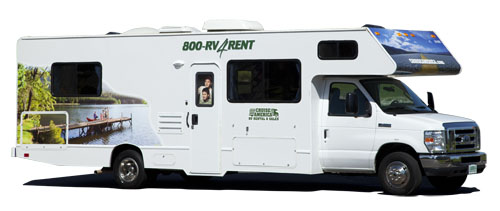
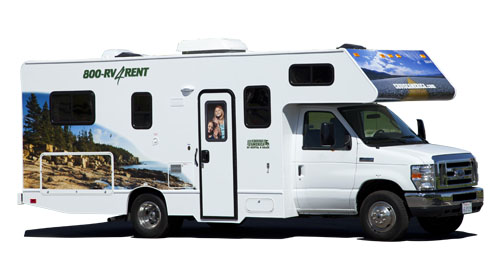
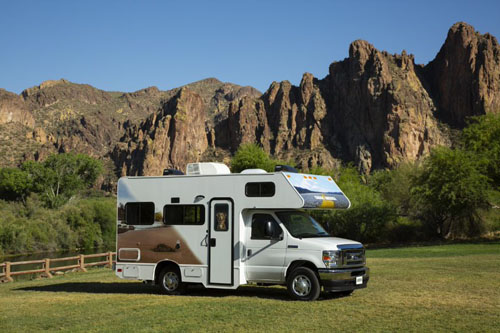
Selecting the right RV class significantly enhances your family's Alaska adventure, balancing comfort, maneuverability, and fuel efficiency for the challenging terrain. For a couple seeking agility and ease of navigation, a Class B Camper Van is an ideal choice, offering compact size for winding roads and convenient parking in towns and trailheads. Many Bandana Class B vehicles, such as the "Camper Van", average around 5.8 meters (19 feet) in length, comfortably accommodating 2 adults, and offer efficient fuel consumption of roughly 8-10 Liters/100 km (23-29 MPG). For families traveling with kids (typically 4-6 people), a Class C motorhome provides ample space and amenities, perfect for longer trips and multiple travelers. A typical Bandana Class C, like the "24' Class C Motorhome", averages 7.5 meters (24.6 feet) in length, sleeping around 5-6 people and comfortably fitting 4-5 adults. These generally feature a freshwater tank of 166 Liters, a waste water tank of 147 Liters, and a fuel tank of 208 Liters, with fuel consumption typically around 10-12 Liters/100 km (19-23 MPG). These Class C motorhomes also come with amenities like a 283-liter refrigerator, a 3-burner gas stove, and a microwave, making family meals on the go a breeze. Consider Bandana's "Rent&Plan" service, which combines your RV rental with a ready-made, expert-designed itinerary and full access to trip-planning software, eliminating planning headaches. This means full transparency, no hidden fees, and confidence in your booking.🎬 Video coming soon
What is the best time of year to RV to Alaska?
The best time of year for an RV trip to Alaska is generally from late May through early September, offering the most favorable weather conditions, extended daylight, and full access to attractions and campgrounds. June and July are peak months, characterized by nearly 24 hours of daylight (the 'midnight sun'), warmer average temperatures from 15°C to 20°C (60°F to 68°F), and lush green landscapes, though they also see the highest tourist crowds. August and early September bring cooler temperatures, the vivid colors of fall foliage, and the exciting potential for early aurora borealis sightings, often with fewer crowds and slightly reduced pricing. Traveling outside this approximately 100-day window can mean significantly colder weather, increased likelihood of snow, limited road access, and many seasonal businesses, campgrounds, and national park facilities being closed.What is the best route to Alaska by RV?
The best route to Alaska by RV for most travelers is via the Alaska Highway, also known as the Alcan Highway, which traverses through British Columbia and the Yukon Territory. This legendary 2,232 km (1,387 mile) highway officially begins at Dawson Creek, BC, marked by the iconic 'Mile 0' post. For those starting further south, popular approaches include driving from Seattle and connecting to the Alcan. An alternative, albeit often less-maintained but scenic, route from northern BC to the Yukon is the Cassiar Highway (Highway 37). For many, the most common approach for exploring internal Alaska is to fly into Anchorage and rent a motorhome there. From Anchorage, travelers can access major routes like the Parks Highway (leading to Denali National Park and Fairbanks) and the incredibly scenic Seward and Glenn Highways. You'll find a wide range of options for your RV Rental USA - Complete Guide 2026 to help you pick the perfect vehicle.What should I not miss in Alaska?
Beyond major attractions like Denali National Park and the Kenai Fjords, do not miss the chance to immerse yourself in Alaska's unique cultural tapestry, vast wilderness, and authentic local experiences. Seek out opportunities for Indigenous cultural immersion, such as visiting the Alaska Native Heritage Center in Anchorage or participating in guided tours that respect and highlight local traditions. Prioritize wilderness experiences like kayaking among glaciers in Prince William Sound, hiking less-traveled trails in state parks, or taking a flightseeing tour over Denali for breathtaking perspectives. Engage with local communities by visiting small-town markets, attending community events, and supporting local businesses, always paying attention to respectful interactions with residents and their way of life. Don't overlook the opportunity to learn about Alaska's frontier and Gold Rush history at sites like the Klondike Gold Rush National Historical Park in Skagway, which provides vital context for the region's development. A key differentiator for Bandana is our team of True RV Specialists, not just a travel agency side department, meaning we know what we're talking about and can help you plan an unforgettable trip.What is the 3-3-3 rule for RV travel?
The 3-3-3 rule for RV travel suggests driving no more than 300 miles (approximately 480 km) a day, arriving at your destination by 3 PM, and staying for a minimum of 3 days. This rule is designed to promote a relaxed travel pace, prevent driver fatigue, and allow ample time to explore each location without feeling rushed. For Alaska, Avi Bandana often suggests an even stricter daily limit of 100 miles or 150 km due to the sheer beauty and frequent photo opportunities. However, the core principles of early arrival and longer stays remain highly beneficial, especially in places like Denali where bus tours can take 8-12 hours. Adhering to this rule helps mitigate the stress of constant packing and unpacking, enhances safety on potentially winding or gravel roads, and allows for deeper engagement with the stunning Alaskan environment.What is the 4-4-4 rule for RV travel?
The 4-4-4 rule for RV travel recommends driving no more than 400 miles (approximately 640 km) a day, arriving at your destination by 4 PM, and staying for a minimum of 4 nights. Similar to the 3-3-3 rule, this guideline aims to ensure a leisurely and enjoyable RV experience, especially beneficial on extended road trips like those to or within Alaska. While driving 400 miles can be ambitious for Alaska's often challenging roads and numerous scenic distractions, arriving by 4 PM provides crucial time to set up camp, relax, and explore before the short summer nights end or the autumn darkness descends. The recommendation for a minimum 4-night stay supports deeper immersion in an area, which is crucial for fully experiencing Alaska's vast national parks, hiking trails, and diverse activities without feeling constantly on the move. When you choose Bandana, we're with travelers before, during, and after their booking, supporting these kinds of thoughtful travel plans.Can I park my RV anywhere in Alaska?
No, you cannot park your RV just anywhere in Alaska; specific rules govern overnight parking, especially within national parks, state parks, and tribal lands. Boondocking (dispersed camping) is permitted on much of Alaska's public lands managed by the Bureau of Land Management (BLM) and National Forests, provided you adhere strictly to 'Leave No Trace' principles and local regulations, and stay a minimum of 1/4 mile from developed sites. Always check specific campground availability and rules for national parks like Denali, which often require reservations months in advance, though many also have designated RV sites available on a first-come, first-served basis (approximately 25-30% of sites). If you don't find a spot at the first campground, then the next one is usually not far; always call ahead before driving. Private property, municipal areas, and designated wildlife protection zones typically prohibit overnight RV parking outside of established campgrounds or without explicit permission. Be aware of local ordinances regarding overnight parking in towns and cities, as well as specific regulations on tribal lands, which often require permits or discourage unauthorized camping.Planning Your Alaska RV Budget
An RV trip to Alaska is a significant investment; therefore, a detailed budget breakdown beyond general cost estimations is crucial for effective financial planning. Fuel costs are a significant factor; expect higher prices per gallon in Alaska compared to the lower 48 states, and budget for roughly 10-12 Liters/100 km (or 19-23 MPG) for a typical Class C RV. Campground fees typically range from $20-$70 per night for developed sites with hookups, while primitive federal/state campgrounds may be $10-$30, or free for dispersed camping on BLM land. Ferry costs can be substantial if incorporating the Alaska Marine Highway System, with fares depending heavily on vehicle length and passenger count, potentially costing thousands of dollars for longer routes. Activity pricing for tours like glacier cruises ($100-$200 per person), bear viewing ($500-$1000+ per person), or fishing charters ($150-$400+ per person) can add hundreds of dollars per person, per activity, so prioritize and budget accordingly. Factor in additional expenses for groceries, propane ($20-$50 per refill), dump station fees ($5-$15), tolls (minimal in Alaska), and potential border crossing fees or insurance requirements when entering Canada. For detailed itineraries that help itemize and track every expense, explore the RV PLANET routes, ensuring full transparency with no hidden fees or surprises.Preparing Your RV for Alaska's Roads
Alaska's challenging roads, which include paved highways, extensive gravel sections, and remote stretches, demand specific vehicle requirements and preventative maintenance to ensure a smooth and safe RV journey. Ensure your rented RV has robust tires (all-terrain are preferred for durability) and carry a full-size spare tire, along with a comprehensive repair kit and knowledge of tire changing, as roadside service can be scarce in remote areas. Inspect your suspension and brakes thoroughly before departure, as gravel roads and mountainous terrain will put them to the test. Consider undercarriage protection for exposed pipes and tanks, as flying rocks are common on unpaved sections of road. Packing an advanced emergency kit is essential; this should include a satellite communication device (such as a satellite phone or a Garmin inReach) for areas without cell service, extra fuel (e.g., a 5-gallon jerry can), sufficient water, non-perishable food, a well-stocked first-aid kit, basic tools, and emergency blankets for remote areas where help might be hours away. Regularly check and top off all fluids, and carry extra air and fuel filters, as dust can be prevalent on unpaved roads and clog systems. It’s always best to be over-prepared for Alaska's vast and unpredictable wilderness. With a rented RV, you have a mobile headquarters to venture out to national parks with confidence.RV Connectivity in Alaska's Remote Areas
Reliable cell service is notoriously inconsistent in much of Alaska's remote regions, necessitating alternative connectivity strategies for RVers. Expect significant cell service dead zones outside of major towns and along vast stretches of highways, even with major carriers like AT&T or Verizon, as only about 30-40% of the state's main highways have consistent coverage. Utilize offline maps downloaded to your devices, such as Google Maps or Maps.me, before losing signal, as GPS will still function without cellular data. For consistent connectivity, consider investing in a satellite internet option like Starlink, though it requires an open view of the sky and can be costly. A cellular booster can help amplify weak signals in fringe areas, but it's ineffective where no signal exists. Plan your communication in advance: designate check-in times with loved ones, carry a satellite messenger (like a SPOT device or Garmin inReach) for emergencies, and rely on campground Wi-Fi where available (though often limited, slow, or requiring a paid subscription). Many remote areas have no connectivity for hundreds of miles, making self-reliance key. Remember that Bandana offers 24/7 support for your pre-booking questions and booking coordination, but cannot assist with in-trip connectivity issues. Find rv Rentals in Alaska to begin your journey.What You Shouldn't Miss
- **Cruising Kenai Fjords National Park**: Witness tidewater glaciers calving into the ocean and abundant marine wildlife like orcas, humpback whales, and puffins from a comfortable boat tour.
- **Wildlife Viewing in Denali National Park**: Take a park bus deep into Denali's interior for the best chance to spot grizzly bears, moose, caribou, and Dall sheep in their natural habitat.
- **Exploring the Homer Spit**: Walk along this narrow, bustling landform in Homer, known for its vibrant fishing docks, unique shops, and stunning views of Kachemak Bay.
- **Experiencing Chena Hot Springs**: Relax in natural hot springs near Fairbanks, enjoy an ice museum, and try to catch the aurora borealis if you're there in late August or early September.
- **Driving the Scenic Glenn Highway**: This highway offers some of Alaska's most breathtaking views, winding past glaciers, mountains, and historic sites between Anchorage and Glennallen.
- **Visiting the Alaska Wildlife Conservation Center**: Get up close with Alaskan wildlife like bears, bison, and elk in a rescue and rehabilitation center designed for education and conservation.
Final Thoughts
An RV adventure through Alaska is truly a once-in-a-lifetime experience, offering your family the freedom to explore majestic landscapes and unique cultures at your own pace. With careful planning, a well-chosen motorhome or campervan, and a spirit of adventure, you'll create memories that will last a lifetime. Remember, traveling slowly – maximizing your stops and limiting daily driving to around 100-150 km – is the key to truly feeling the place and connecting with Alaska's incredible scenery and wildlife. At Bandana, we're dedicated to making your RV rental journey as smooth and enjoyable as possible. From transparent pricing to expert itineraries from RV PLANET, we're here to support you every step of the way. Imagine yourself on the route, children's faces pressed against the window, marveling at a moose by the roadside or a glacier glistening under the midnight sun. Life is now – discover top destinations, planning tips, all in one place with us! So, are you ready to embark on this incredible journey? The vast wilderness of Alaska awaits your family's discovery.On the routes offered through RV PLANET routes, you can itemize and track every expense along the way for easy budgeting.