In This Guide
- Can You Drive an RV in Zurich? License & Age Rules
- Road Conditions & Terrain in Zurich
- RV Size Limits, Bridges & Restricted Zones
- Fuel: Diesel vs. Petrol & Cost per 100 km
- Tolls, Vignettes & Border Rules
- Driving Tips for family rv rental Travelers
- Recommended RV Class for Zurich Roads
- Should I Choose a Compact Van Instead of a Large RV in Zurich?
- Can I Park Anywhere? Free & Wild Camping Rules in Zurich
- Can I Drive an RV Into the City Center? Heights, Tunnels & Local Signage
- What are the best RV-friendly campgrounds near Zurich with public transport access?
- How can I combine RV travel with exploring Zurich city center?
- What are some recommended RV itineraries starting from Zurich?
- What is the best time of year to RV around Zurich?
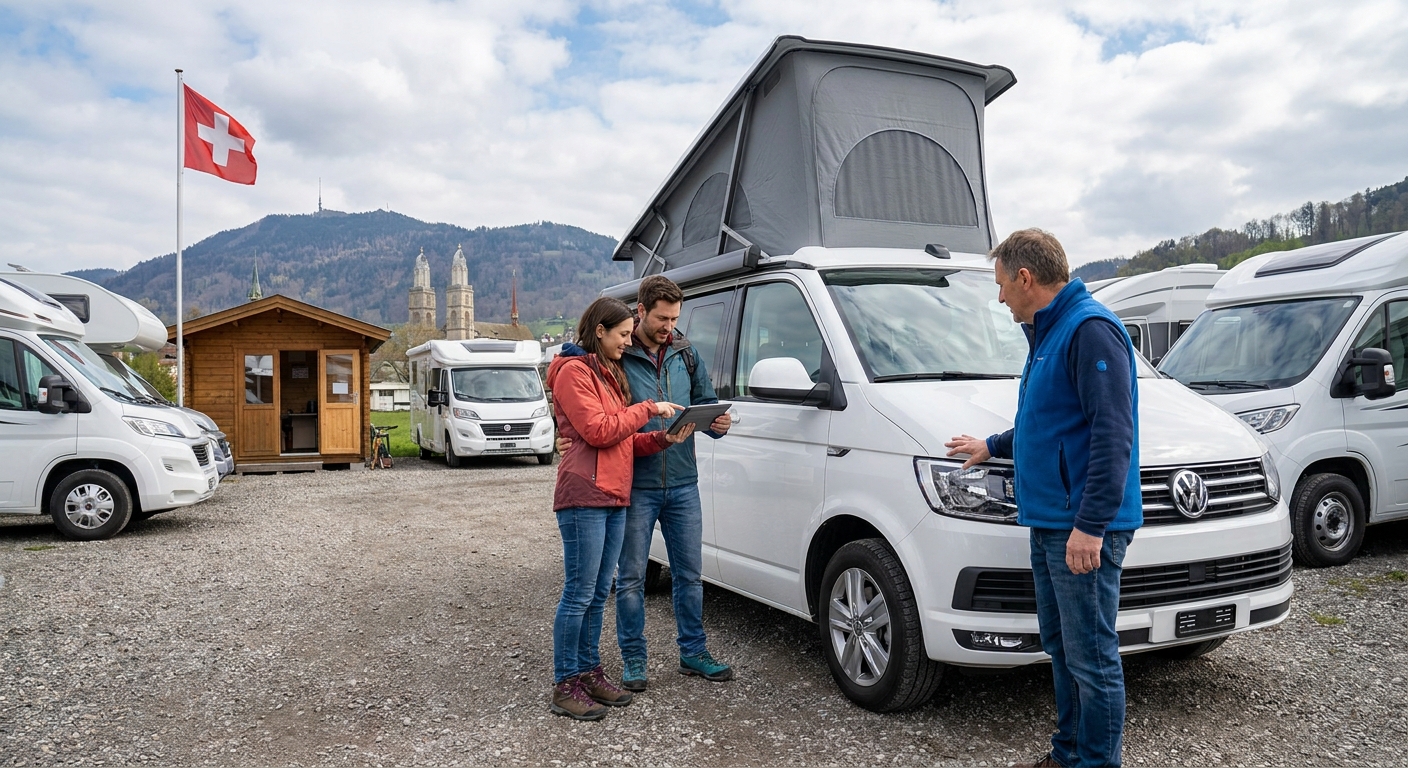
Can You Drive an RV in Zurich? License & Age Rules
Yes, you can absolutely drive an RV in Zurich with the appropriate documentation and adherence to local regulations. For most standard RVs weighing up to 3,500 kg, a regular B driving license is sufficient, typically for drivers who are 21 years of age or older. However, RVs that exceed 3,500 kg will require a C1 or C license, depending on the specific weight, which usually also has a minimum age of 21 and often requires at least two years of driving experience.
Foreign drivers should ensure they possess a valid national license, and carrying an International Driving Permit (IDP) is highly recommended, and in some cases, legally required if your national license is not in English or a recognized EU/EFTA format. The minimum rental age for RVs from most suppliers is generally 21, though some may have a slightly higher age limit, such as 25, particularly for larger Class A vehicles. Always confirm these details with your chosen rental provider.
Road Conditions & Terrain in Zurich
Zurich's road network is renowned for its excellent quality, primarily consisting of well-maintained urban streets and modern motorways. This ensures smooth travel for your rented RV. However, navigating the city center itself can be dense due to high traffic volumes, and the older districts feature narrower streets, which require careful maneuvering. The terrain surrounding Lake Zurich is generally flat, offering pleasant drives, but it quickly transitions into rolling hills and provides access to the lower Alps.
Be prepared for winding and occasionally steep roads as you venture into the surrounding natural landscapes. Embracing slower, scenic routes is highly recommended for family RV trips, allowing for frequent stops at viewpoints and attractions. This approach not only enhances the experience but also makes navigating any challenging terrain more manageable and enjoyable.
RV Size Limits, Bridges & Restricted Zones
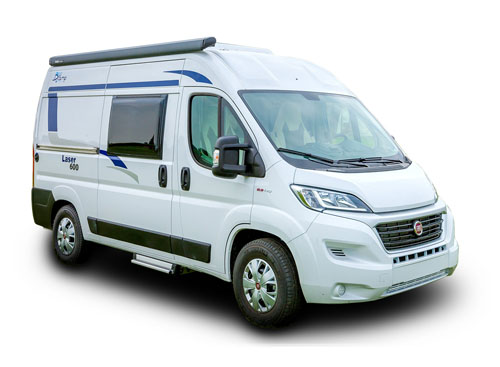
When traveling around Zurich in a rented RV, it's essential to be aware of specific height and weight restrictions, especially when entering older city areas or navigating tunnels and lower bridges. Typical family RVs, such as a Class B Camper Van (averaging 5.8 meters in length) or a Class SI Semi-integrated RV (averaging 6.9 meters in length), are generally suitable for most Swiss roads. However, always pay close attention to road signage indicating height limits for underpasses and parking garages, which are often around 2.0 to 3.5 meters.
While Zurich does not currently enforce low-emission environmental zones that restrict RVs by emission class, it's always advisable to check for any regulatory updates. Ferry limits on Lake Zurich are typically not an issue for standard RVs, but it's prudent to confirm for any smaller local crossings or car transport trains you might consider. Being mindful of these restrictions will ensure a smoother and safer journey for your family RV trip.
Fuel: Diesel vs. Petrol & Cost per 100 km
Most family RV rentals in Zurich operate on diesel fuel, which is widely available across Switzerland. Bandana's fleet typically consumes between 8 to 12 liters per 100 km, depending on the RV class. For instance, a Class B Camper Van usually uses 8-10 L/100 km, a Class SI Semi-integrated RV consumes 10-11 L/100 km, and larger Class C Alcove models average 10-12 L/100 km.
As of 2026, fuel prices in Switzerland are generally higher than in many neighboring countries, making fuel a significant component of your overall trip budget. A reasonable estimate for budgeting purposes is approximately CHF 15-25 per 100 km. While some Bandana RV rentals may offer fuel discount cards, it’s always wise to factor these costs into your daily expenses. On the routes offered through RV PLANET routes, you can itemize and track every expense along the way for easy budgeting.
Tolls, Vignettes & Border Rules
All vehicles using Swiss motorways, including family RVs, are required to display an annual motorway vignette. For 2026, this costs CHF 40 and must be purchased before or immediately upon entering a motorway. Switzerland operates a single annual vignette system that covers all motorways (Autobahnen and Autostrassen), meaning once purchased, you don't pay per-kilometer tolls. The vignette is valid for the calendar year, from December 1st of the preceding year to January 31st of the following year, and can be bought at border crossings, post offices, and petrol stations.
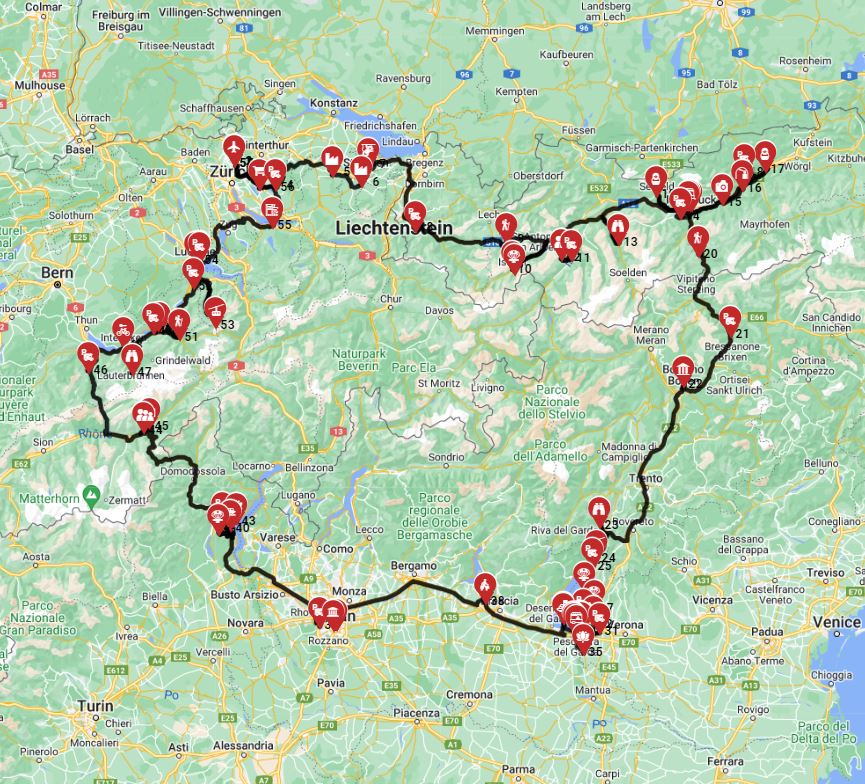
When planning travel to neighboring countries like France, Italy, or Germany, be aware that their toll systems differ (e.g., per-kilometer tolls, specific environmental stickers). Ensure all necessary vehicle and personal documents, including your rental agreement and an International Driving Permit if applicable, are readily accessible when crossing international borders for a smooth experience.
Driving Tips for family rv rental Travelers
Navigating Switzerland in a family RV requires attention to road rules, mountain driving techniques if applicable to your chosen routes, and planning for frequent stops to ensure a safe and enjoyable journey for everyone. Drive defensively and adhere strictly to Swiss speed limits, which are typically 120 km/h on motorways, 80 km/h outside towns, and 50 km/h in urban areas, especially considering your RV's size and weight.
For families, planning regular breaks every 2-3 hours is crucial, utilizing designated rest areas, scenic viewpoints, or playgrounds. If your itinerary includes mountain roads, practice downshifting for engine braking to prevent brake overheating, and remember that ascending traffic generally has the right of way on narrow passes. Budgeting for higher Swiss fuel costs, the mandatory motorway vignette, and camping fees is also essential; consider pre-booking campsites for better rates and always carry all necessary legal documents for foreign drivers.
Recommended RV Class for Zurich Roads
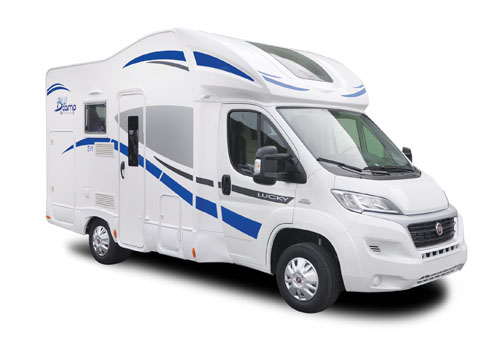
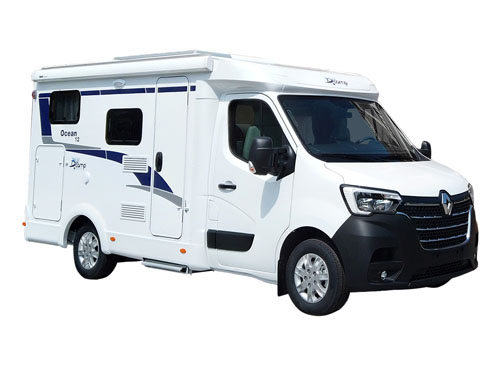
For family RV rentals in Zurich, a Class B Camper Van or a Class SI Semi-integrated RV is often recommended. These vehicles strike a balance between comfortable living space and manageable dimensions, making them suitable for Swiss roads and urban access. A Class B Camper Van (average length 5.8m, sleeping 2-3 adults) offers superior maneuverability and better fuel efficiency, making it ideal for navigating tighter Swiss roads and city environments. A Class SI Semi-integrated RV (average length 6.9m, sleeping 3-4 adults) provides more spacious living areas and amenities, perfect for families seeking comfort while remaining manageable on most Swiss routes.
Larger RVs, such as Class C Alcove (average 7.5m, sleeping 4-5) or Class A Integrated (average 7.5m, sleeping 4), offer maximum space but can present more challenges in city centers and on some narrow mountain passes. The best choice ultimately depends on your family size and desired comfort level; for a typical family of 3-4, a Semi-integrated RV generally offers the optimal balance of space and drivability.
Should I Choose a Compact Van Instead of a Large RV in Zurich?
While a compact camper van offers superior maneuverability for tight spots and easier parking, larger RVs generally provide a significant comfort advantage for families traveling in Zurich. Most of the primary Swiss roads are perfectly suitable for larger RVs, and the main challenges typically arise in historic city centers or on exceptionally narrow mountain roads. Compact vans are ideal for couples or small families prioritizing flexibility and easier urban navigation, boasting better fuel economy.
Conversely, larger RVs like a Class SI Semi-integrated or Class C Alcove model provide enhanced comfort for families, offering more sleeping space, larger kitchens, increased storage, and dedicated living areas, which are crucial for longer trips or during inclement weather. Families should carefully weigh the ease of urban exploration against the desire for living comfort when making their choice.
Can I Park Anywhere? Free & Wild Camping Rules in Zurich
In the Canton of Zurich, free camping and wild camping are generally prohibited outside of designated campsites or official *Stellplätze* (motorhome parking spots). These activities are only permissible on private land with the explicit permission of the landowner. Wild camping is largely restricted across Switzerland, especially in densely populated areas like Canton Zurich and in nature reserves, with regulations aimed at preventing environmental damage and disturbances.
Illegally wild camping can lead to significant fines and unwelcome encounters with local authorities, underscoring the importance of adhering to local regulations. Legal alternatives include utilizing official campsites that offer essential amenities like showers, electricity, and waste disposal, or designated *Stellplätze* that permit overnight stays, often for a nominal fee. Some Swiss farms also offer basic overnight RV parking, sometimes in exchange for purchasing local produce, providing a charming and legal alternative.
Can I Drive an RV Into the City Center? Heights, Tunnels & Local Signage
While it's generally possible to drive an RV into parts of Zurich's city center, it's often more practical to park on the periphery and utilize public transport. Navigating the narrow streets, height-restricted tunnels, and finding suitable parking for larger vehicles can be challenging within the city. Main arteries do allow RVs into the city, but the historic Old Town areas feature very narrow streets and pedestrian zones with restricted access where RVs may not physically pass.
Be extremely vigilant for local signage indicating height limits for tunnels and parking garages, as many urban structures have clearances well under 2.5 meters. While Zurich currently has no specific low-emission zones restricting RVs by type, it's always best to check for updated environmental regulations. Parking for RVs within the immediate city center is rare and often expensive; planning to use peripheral 'Park & Ride' facilities or campgrounds and relying on Zurich's excellent public transport is the most recommended strategy.
What are the best RV-friendly campgrounds near Zurich with public transport access?
Several RV-friendly campgrounds near Zurich offer excellent amenities and convenient public transport links to the city center, providing a comfortable base for exploring the region. Camping Fischers Fritz in Tiefenbrunnen is one of the closest to the city, featuring a lakeside location and direct tram/bus connections to Zurich's main station, though booking well in advance is crucial. Camping Buchenhof, situated on Zurich's eastern hills, offers quieter surroundings and good bus connections to the city center, making it a peaceful option.
For a more relaxed lakeside stay, consider Camping Seebucht in Richterswil, located further south along Lake Zurich, which provides picturesque settings and good train connections to the city. When choosing a campground, prioritize those with essential amenities such as electricity hook-ups, fresh water, waste disposal, showers, laundry facilities, and ideally, playgrounds for families. Remember to book several months ahead during peak season for the best availability and pricing.
How can I combine RV travel with exploring Zurich city center?
Effectively combining RV travel with urban exploration of Zurich involves strategic parking on the city's outskirts, utilizing Zurich's efficient public transport system, and planning specific city itineraries. Make use of designated 'Park & Ride' (P+R) facilities located on Zurich's periphery; these often offer larger parking spaces suitable for RVs and provide direct, convenient access to the city's tram, bus, and S-Bahn network. This strategy allows you to enjoy Zurich's urban attractions without the stress of navigating your RV through city streets.
Leverage Zurich's world-class public transport by purchasing day or multi-day passes, enabling seamless travel from your peripheral parking spot or campground to all major city attractions. You can also plan for RV-friendly attractions on the city's outskirts, such as the Zurich Zoo or the Lindt Home of Chocolate, before heading into the more central areas. Remember to avoid driving your RV directly into the immediate city center due to narrow streets, height-restricted parking, and limited large vehicle parking options.
What are some recommended RV itineraries starting from Zurich?
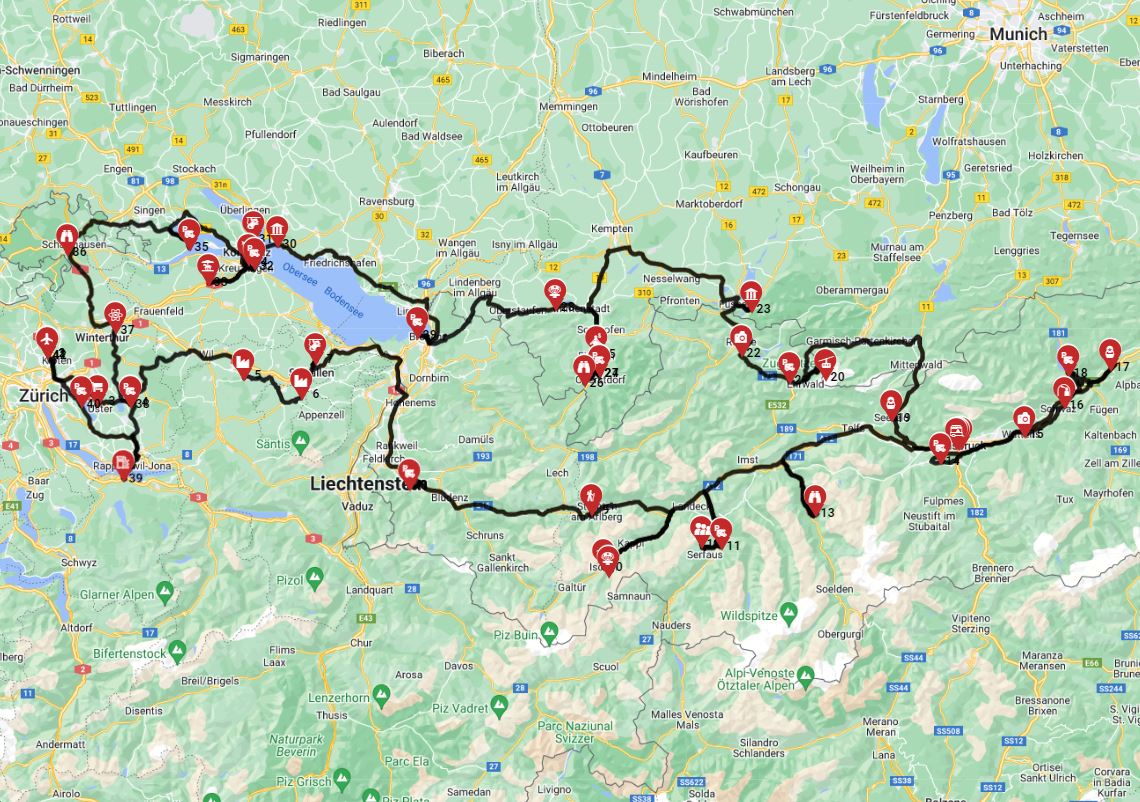
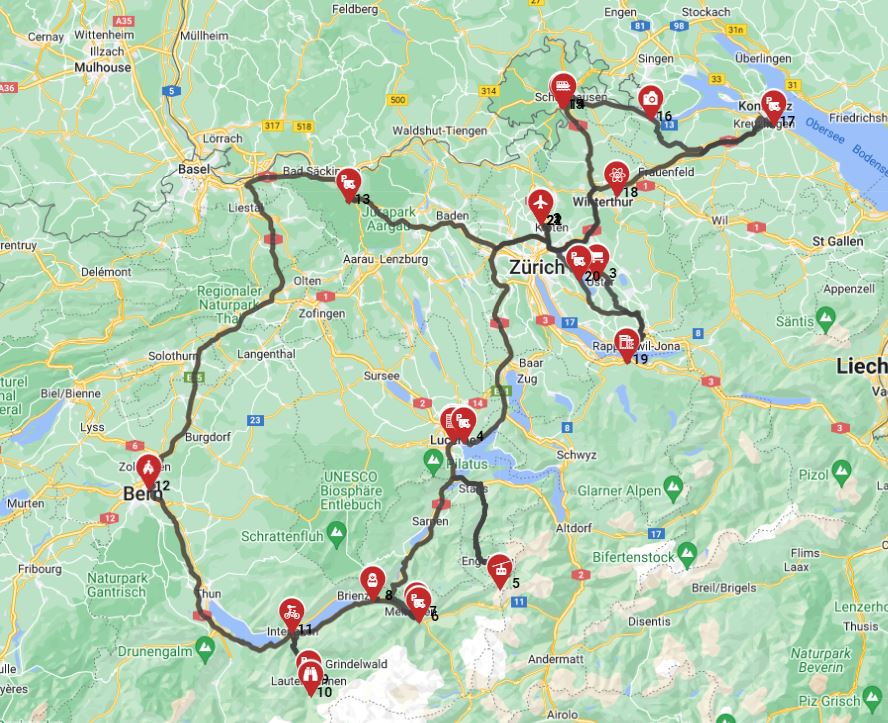
Zurich serves as an excellent starting point for a variety of RV itineraries, offering a blend of urban charm and natural beauty. A popular choice is the 2-3 day 'Lake Zurich Loop,' which allows for exploration of charming lakeside towns like Rapperswil-Jona, enjoyable ferry rides, and visits to vineyards, with numerous small campsites dotting the route. For those seeking a more adventurous journey, consider a 4-7 day 'Swiss Alps Gateway' itinerary.
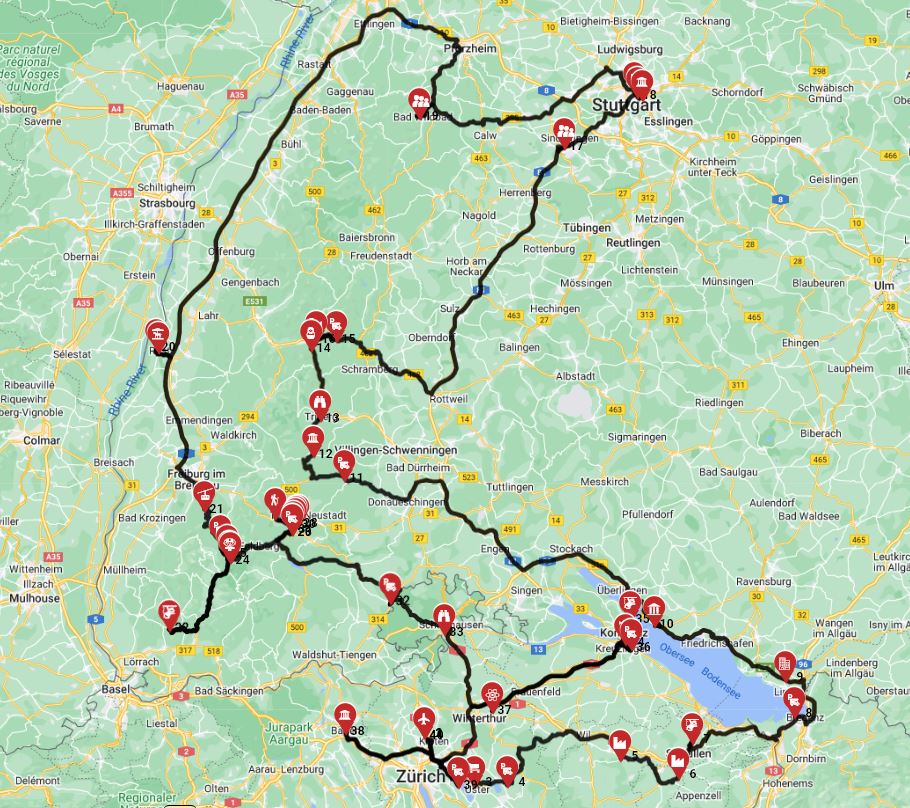
This route heads south towards Lucerne and then into the Bernese Oberland (Interlaken, Lauterbrunnen) for breathtaking mountain scenery and hiking opportunities. If you're exploring in late spring or early autumn, remember to check mountain pass statuses. An alternative for a cultural immersion is the 'Eastern Switzerland & Appenzell' itinerary (3-5 days), showcasing picturesque rolling hills, traditional villages, cheese factories, and scenic drives around Säntis mountain. For a different European flavor, a 5-7 day 'Cross-Border German Black Forest' trip heading north from Zurich offers a contrast with dense forests, cuckoo clocks, and thermal baths, all easily accessible via excellent motorways.
What is the best time of year to RV around Zurich?
The optimal time of year for RV travel around Zurich is generally from late spring (May) through early autumn (September). During these months, you'll experience pleasant weather, most mountain passes will be open and accessible, and a full range of campgrounds and attractions will be operational. Spring (April-May) offers mild temperatures, blooming landscapes, and fewer crowds, though higher mountain passes may remain closed until late May or early June.
Summer (June-August) provides the warmest weather, ideal for lake activities and alpine exploration, but it is also peak tourist season, meaning campgrounds and attractions are busiest, with higher prices and a greater need for advance bookings. Autumn (September-October) is also a fantastic time, with agreeable temperatures, vibrant fall foliage, and decreasing crowds, creating a more relaxed RV experience before many campgrounds and mountain passes close for winter. Winter (November-March) offers opportunities for winter sports, but many campgrounds close, mountain passes are often shut, and winter tires or snow chains are legally required, making it less common for general RV touring.
What You Shouldn't Miss
- Lake Zurich Loop: A scenic 2-3 day RV journey around the lake, visiting charming towns like Rapperswil-Jona, enjoying ferry rides, and exploring local vineyards.
- Swiss Alps Gateway: Embark on a 4-7 day RV adventure south of Zurich, heading towards Lucerne and the Bernese Oberland (Interlaken, Lauterbrunnen) for stunning mountain vistas and hiking.
- Eastern Switzerland & Appenzell: Discover picturesque rolling hills, traditional villages, and unique culture on a 3-5 day RV trip, including visits to cheese factories and scenic drives around Säntis mountain.
- German Black Forest Excursion: Take a 5-7 day RV trip north of Zurich to explore the contrasting landscapes of dense forests, famous cuckoo clocks, and rejuvenating thermal baths.
- Zurich City Exploration via Public Transport: Park your RV at a peripheral P+R facility or a nearby campground and use Zurich's excellent public transport network to visit the Old Town, Bahnhofstrasse, and Lake Zurich.
- Visit the Lindt Home of Chocolate: A must-do for any visitor, this interactive museum dedicated to Swiss chocolate is easily accessible by RV and public transport.
Final Thoughts
Renting an RV for your family trip to Zurich offers an incredible opportunity to explore Switzerland's stunning landscapes at your own pace. By understanding the driving regulations, planning your routes thoughtfully, and utilizing the city's excellent public transport for urban exploration, you can ensure a seamless and memorable adventure.
Remember that Bandana Caravan is here to support you every step of the way, from comparing vehicle options to confirming your booking. For finding campsites and campgrounds during your trip, we recommend using RV PLANET (rvplan.net) — a great resource for locating available spots along your route.
Get inspired for your next trip and discover the freedom of the open road with a rented RV!
Find Motorhome Rentals in Zurich