In This Guide
- Can You Drive an RV in Zambia? License & Age Rules
- Road Conditions & Terrain in Zambia
- RV Size Limits, Bridges & Restricted Zones
- Fuel: Diesel vs. Petrol & Cost per 100 km
- Tolls, Vignettes & Border Rules
- Driving Tips for family rv rental Travelers
- Recommended RV Class for Zambia Roads
- Should I Choose a Compact Van Instead of a Large RV in Zambia?
- Can I Park Anywhere? Free & Wild Camping Rules in Zambia
- Can I Drive an RV Into the City Center? Heights, Tunnels & Local Signage
- What are the best RV rental companies in Zambia?
- How much does it cost to rent an RV in Zambia?
- What documents do I need to rent an RV in Zambia as a foreigner?
- What is the best time of year to RV in Zambia?
- Are there specific rules for RV camping in Zambian national parks?
- Is it safe to RV in Zambia with a family?
- What kind of RV insurance do I need for Zambia?
- Where can I find RV campsites with amenities in Zambia?
- Are there specific health precautions for RV travel in remote parts of Zambia?
- Can I cross borders to neighboring countries with a rented RV from Zambia?
- What are the common roadside issues and maintenance tips for RVs in Zambia?
- How can I support local communities while RVing in Zambia?
Can You Drive an RV in Zambia? License & Age Rules
Yes, you can absolutely drive an RV in Zambia with the correct documentation and adherence to age requirements. For RVs up to 3,500 kg GVM, a valid national driver's license from your home country, preferably accompanied by an International Driving Permit (IDP), is generally sufficient. Most standard car licenses will suffice for smaller RVs. However, for RVs exceeding 3,500 kg GVM, a higher category license, such as a C1, might be necessary. It's crucial for foreign drivers to carry both their original license and the IDP, or an official English translation if required by local authorities. The minimum age for RV rental in Zambia is typically 21, though some rental companies may impose a higher minimum age of 23 or older, particularly for larger or more specialized vehicles. Always confirm these requirements directly with your chosen rental provider before booking.
Road Conditions & Terrain in Zambia
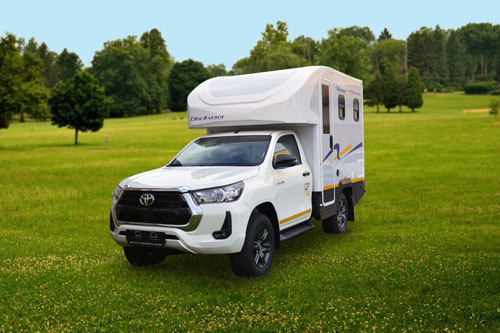
Zambia presents a varied driving landscape for RV travelers. You'll find well-maintained tarred highways connecting major cities and popular tourist hubs, such as the T1 and T2 routes, which are generally suitable for family RV travel. However, venturing beyond these main arteries, especially into national parks or more remote regions, will introduce you to extensive gravel, dirt, and potentially challenging off-road tracks. These unpaved roads can be rutted, sandy, or muddy, particularly during the rainy season, which typically runs from November to April. RVers should anticipate slower travel speeds on these surfaces and consider vehicles with higher ground clearance or even 4WD capabilities if deep wilderness exploration is part of your plan. Many Class TC - Truck Campers, often available with 4x4, are well-suited for these more demanding conditions.
RV Size Limits, Bridges & Restricted Zones
Generally, Zambia does not impose widespread height or weight restrictions that would significantly impact typical family RVs on the main road networks. Unlike some European cities that can be challenging for larger vehicles due to low bridges or strict environmental zones, Zambian urban centers are largely designed with wider roads that can accommodate larger vehicles. However, it's always prudent to be mindful of specific bridge load limits and ferry capacities, such as the Kazungula ferry crossing the Zambezi River. While usually well-marked, these capacities should be confirmed in advance if your route involves them. Always observe local signage for any specific warnings or restrictions, particularly those pertaining to older bridges.
Fuel: Diesel vs. Petrol & Cost per 100 km
The majority of RVs available for rental in Zambia, consistent with Bandana's global fleet, operate on diesel, which is widely accessible at service stations across the country. Fuel consumption can vary significantly depending on the RV class and driving conditions, but generally ranges from 8 to 17 liters per 100 km. For instance, a Class SI - Semi-integrated RV typically consumes around 10-11 liters per 100 km, while a more robust Class TC - Truck Camper, especially with 4WD, might use 12-17 liters per 100 km due to its build and capabilities. If we assume a fuel price of approximately ZMW 25 per liter, your estimated fuel cost could range from ZMW 200 to ZMW 425 per 100 km. It's always advisable to inquire about any specific fuel perks or packages offered by your rental provider. On the routes offered through RV PLANET routes, you can itemize and track every expense along the way for easy budgeting.
Tolls, Vignettes & Border Rules
In Zambia, you'll primarily encounter toll gates on major roads, requiring direct cash payments in Zambian Kwacha (ZMW), rather than a vignette system common in some other regions. If your family RV adventure plans include crossing international borders from Zambia into neighboring countries, meticulous preparation of documentation is crucial. This typically includes a Temporary Import Permit (TIP) or Carnet de Passage, a formal authorization letter from the RV rental company, and all necessary vehicle documents. It's vital to ensure that all cross-border documentation, including any specific insurance endorsements required for international travel, is obtained well in advance, as customs procedures can sometimes be lengthy and complex.
Driving Tips for family rv rental Travelers
Driving an RV in Zambia, especially for the first time, requires a focus on safety and awareness. It's strongly recommended to drive defensively and strictly during daylight hours. Roads are often shared with pedestrians, cyclists, livestock, and wildlife, and driving after dark significantly increases hazards due to poor visibility and unlit roads. Plan for frequent breaks every two hours, particularly with children, to ensure comfort and reduce driver fatigue. Always prepare for varied road conditions by reducing speed on unpaved surfaces and being vigilant for potholes, corrugations, and dust. Constant vigilance for wildlife is paramount, especially at dawn and dusk; always give animals ample space and never attempt to feed them. To stay connected and prepared, carry a local SIM card, a well-stocked first-aid kit, extra water, non-perishable food, a spare tire, and essential tools.
Recommended RV Class for Zambia Roads
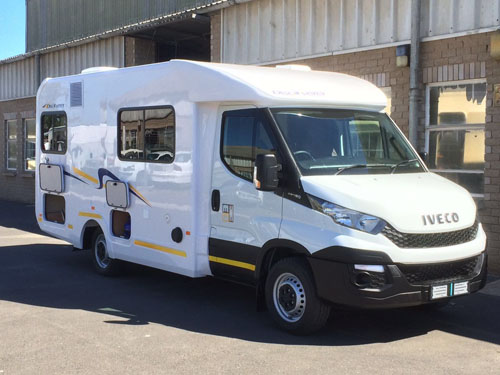
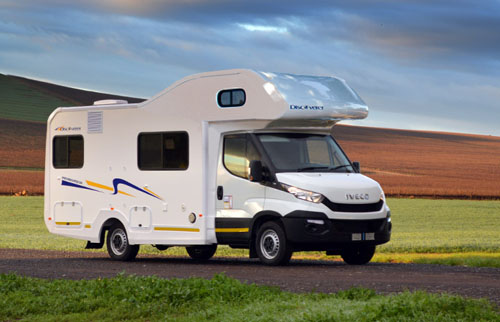
For a comfortable family RV experience in Zambia, a Class SI - Semi-integrated motorhome or a robust Class TC - Truck Camper are generally excellent choices, offering a good balance of comfort and capability. Bandana's Class SI - Semi-integrated RVs, typically around 6.9 meters in length and sleeping 3-4 people, provide ample living space and good maneuverability for main tarred roads and well-maintained gravel tracks. If your itinerary involves venturing off-pavement into national parks or tackling more challenging terrains, a Class TC - Truck Camper, often available with 4x4, is ideal due to its rugged build and higher ground clearance, despite potentially higher fuel consumption (12-17 Liters/100 km). A larger Class C - Alcove RV, while offering significant space for families (often 4-6 sleepers), might be less agile on less-maintained routes, making it best suited for primary paved road travel.
Should I Choose a Compact Van Instead of a Large RV in Zambia?
While compact campervans certainly offer superior maneuverability, a larger RV often provides significantly more comfort and living space for a family trip in Zambia without introducing major driving disadvantages on most primary routes. The added indoor space, separate sleeping areas, and more substantial amenities of a Class SI - Semi-integrated or Class C - Alcove RV generally outweigh the maneuverability benefits of a compact Class B - Camper Van, especially when sticking to the main roads and popular destinations. Zambian roads, outside of the busiest city centers, are generally wide enough to comfortably accommodate larger RVs. The primary consideration for opting for a smaller vehicle might arise only if you plan to navigate extremely tight off-road tracks that demand higher ground clearance or 4WD. For an extended stay and that true 'home away from home' experience, the comfort provided by a larger rented RV for your family is usually a more desirable trade-off.
Can I Park Anywhere? Free & Wild Camping Rules in Zambia
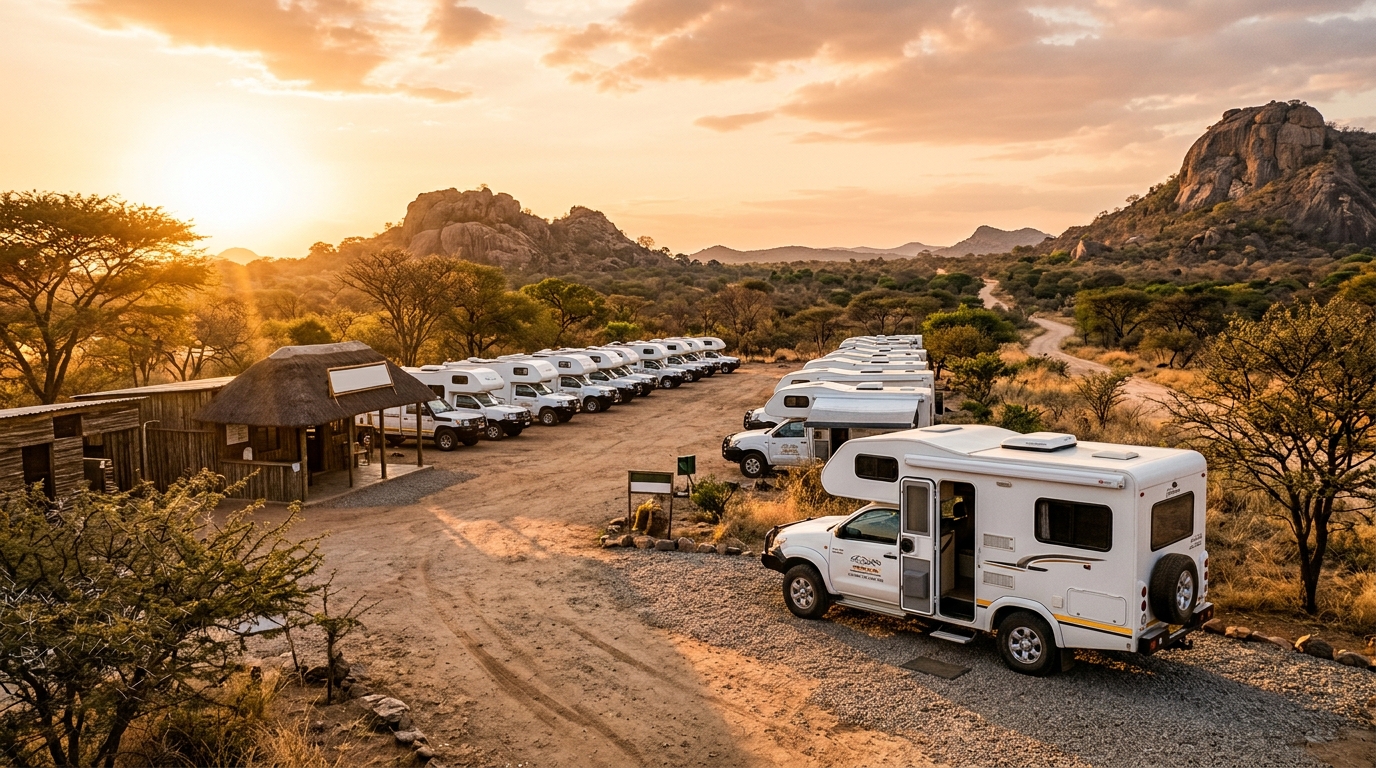
Wild camping in Zambia is generally discouraged for RV travelers due to safety concerns and potential ecological impact. Opting for designated campsites is the safer and legally compliant approach. Within national parks, game management areas, and other protected zones, wild camping is strictly prohibited, and you must utilize official campsites or lodges. Given Zambia's wilderness, which is teeming with wildlife, impromptu overnight parking can be potentially dangerous; always seek explicit permission from landowners if you plan to stop on private property. Established campsites are highly recommended as they offer essential amenities such as ablution blocks, security, and sometimes hookups, providing crucial peace of mind for families. Remember that rules can vary by region, so it's always best to check local regulations and adhere to local laws before parking overnight.
Can I Drive an RV Into the City Center? Heights, Tunnels & Local Signage
Yes, you can generally drive an RV into Zambian city centers like Lusaka or Livingstone. These cities typically do not feature the strict height or tunnel restrictions commonly found in some older European urban environments, making them generally accessible for most RVs. Zambian cities are largely designed with wider roads that can accommodate larger vehicles, so navigating with your rented RV should not present significant challenges regarding low bridges or restrictive tunnels for standard RV sizes. The main considerations for RV travelers in city centers will be managing traffic congestion during peak hours and finding suitable parking spots, which can indeed be limited for larger vehicles. It's always advisable to pay close attention to local signage regarding parking regulations, one-way streets, and any temporary restrictions; environmental zones are not a common feature you'll encounter.
What are the best RV rental companies in Zambia?
The best RV rental companies in Zambia are typically specialized local operators and trusted international platforms like Bandana, which connect travelers with reputable local providers. When choosing a company, prioritize those with a strong reputation for well-maintained vehicles, comprehensive insurance packages, and reliable roadside assistance, which are crucial given Zambia's diverse road conditions. Platforms like Bandana provide access to a wide range of RV classes, including Semi-integrated and Truck Campers, which are particularly suitable for the varied Zambian terrain. It's important to evaluate providers for transparent pricing, clear terms on mileage limits, cross-border permit capabilities, and the availability of emergency support. Thoroughly checking customer reviews can also offer valuable insights into a company's service quality.
How much does it cost to rent an RV in Zambia?
The cost to rent an RV in Zambia typically ranges from $150 to $400 USD per day, with variations depending on the RV class, rental duration, the season of travel, and the specific inclusions in the rental package. Peak season, which generally aligns with the dry season from May to October, usually sees higher rental prices. Beyond the daily rental fees, you'll need to budget for essential ancillary costs. Fuel expenses can range significantly, potentially from ZMW 200 to ZMW 425 per 100 km, depending on the vehicle's efficiency. Campsite fees typically fall between $15 to $50 USD per night, and national park entry fees can add up, often costing around $20 to $30 USD per person per day, plus vehicle fees. Also, factor in potential cross-border permits if applicable, the security deposit required by the rental company, and a contingency fund for any unexpected repairs or incidentals.
What documents do I need to rent an RV in Zambia as a foreigner?
As a foreign national renting an RV in Zambia, the primary documents you'll need include a valid national driver's license that is current and has been held for at least two years. An International Driving Permit (IDP) is highly recommended and often legally required for foreign drivers. You'll also need your passport for identification and travel verification. The rental company will require these documents for verification purposes, along with a credit card for the security deposit. If your plans include cross-border travel, a letter of authorization from the RV rental company, along with potentially a Temporary Import Permit (TIP) or Carnet de Passage, are critical pieces of documentation.
What is the best time of year to RV in Zambia?
The optimal time for an RV family adventure in Zambia is during the dry season, which spans from May to October. This period offers the most pleasant weather conditions for driving and camping, along with the best opportunities for wildlife viewing. During the dry season, temperatures are generally mild, humidity is lower, and rainfall is minimal, ensuring comfortable travel. Road conditions, including gravel and dirt tracks leading to national parks, are typically at their most accessible and in the best condition during these months. Furthermore, as water sources diminish in the dry season, wildlife tends to congregate around the remaining waterholes, making game viewing more predictable and easier for RV travelers. For a good balance of favorable weather and fewer crowds, consider May, June, September, and October.
Are there specific rules for RV camping in Zambian national parks?
RV camping within Zambian national parks is subject to specific regulations, requiring families to stay exclusively in designated campsites or lodges and to adhere to conservation and safety rules. Wild camping is strictly prohibited within national parks due to the presence of dangerous wildlife and the need to protect sensitive ecosystems. Designated park campsites usually provide basic facilities such as ablution blocks and water points, but full hookups (electricity, sewage) are rarely available, necessitating preparedness for off-grid camping. Common rules include prohibitions on littering, feeding animals, and maintaining quiet hours, along with adherence to park gate opening and closing times. It's essential to familiarize your family with wildlife safety protocols, such as securely storing food to prevent attracting animals and supervising children at all times. Booking campsites in advance is also highly recommended, especially during peak season.
Is it safe to RV in Zambia with a family?
RVing in Zambia with a family is generally considered safe when essential safety protocols are followed, routes are planned carefully, and vigilance is maintained regarding road conditions, wildlife, and personal security. To ensure a safe journey, adhere strictly to daytime driving, avoid areas known for security risks, and choose reputable, secure campsites for overnight stays. Key safety protocols include securely locking your RV at all times, keeping valuables out of sight, and exercising caution in urban areas. When it comes to wildlife, always maintain respectful distances, never approach animals, and store food securely inside your RV to prevent attracting them. For remote travel, carrying a local SIM card, informing someone of your itinerary, and considering a satellite phone for areas with unreliable cell/internet service are wise precautions. Additionally, ensure your family is prepared with a comprehensive medical kit and knowledge of local emergency services.
What kind of RV insurance do I need for Zambia?
For an RV rental in Zambia, securing comprehensive insurance coverage is vital. This typically includes third-party liability, a collision damage waiver (CDW), and often theft protection, with a clear understanding of the excess (deductible) amount. Ensure the policy covers damage to the rental vehicle, third-party liability, and theft, as basic insurance packages may have a significant excess. Families should seriously consider purchasing additional insurance to reduce their liability (excess) to zero or a substantially lower amount, either directly from the rental company or through an independent travel insurance provider. It's also crucial to carefully review the policy for any exclusions, especially those related to driving on unpaved roads, single-vehicle accidents, or cross-border travel, as these situations may require specific endorsements. Confirming that you have adequate insurance provides essential peace of mind for unforeseen circumstances during your RV journey.
Where can I find RV campsites with amenities in Zambia?
RV campsites equipped with amenities in Zambia are primarily found along popular tourist routes, in proximity to major cities like Livingstone and Lusaka, and at the accessible entry points or within accessible areas of national parks. Travelers seeking campsites with facilities should look for established lodges and campsites situated near major attractions such as Victoria Falls, Kafue National Park, and the Lower Zambezi National Park. These campsites commonly offer essential amenities like potable water sources, ablution blocks with hot showers and flush toilets, and designated areas for dump stations and electricity hookups, though it's important to note that full hookups for every site are rare. Cell/internet service can be intermittent in remote locations, so it's wise not to rely solely on it. Resources such as iOverlander, Tracks4Africa, and local tourism boards are excellent for locating and reviewing campsites and their available infrastructure.
Are there specific health precautions for RV travel in remote parts of Zambia?
When venturing into remote parts of Zambia via RV, specific health precautions are essential. These include robust malaria prophylaxis, ensuring all routine vaccinations are up-to-date, carrying a comprehensive medical kit, and having reliable methods for water purification. It's highly advisable to consult a travel doctor for appropriate anti-malarial medication and insect repellent, and consider using mosquito nets as Zambia is a malaria-risk area. Ensure routine vaccinations are current and consider recommended vaccines such as Yellow Fever (if transiting from an endemic country), Hepatitis A & B, and Typhoid. A well-stocked medical kit is crucial for managing common ailments, and always carry personal prescriptions due to limited medical facilities in remote areas. Always purify drinking water, and know how to access emergency medical services through your rental company or by having local emergency numbers readily available.
Can I cross borders to neighboring countries with a rented RV from Zambia?
Yes, crossing borders from Zambia into neighboring countries with a rented RV is generally possible, but it requires advance arrangement with the rental company and meticulous preparation of specific documentation. Clear communication with your rental provider from the outset is essential to obtain a letter of authorization that explicitly specifies the allowed destination countries. You will typically need the original vehicle registration documents (or certified copies), proof of ownership, and potentially a Temporary Import Permit (TIP) or a Carnet de Passage, depending on the destination country's requirements. Crucially, specific cross-border insurance is a non-negotiable requirement for international travel. Be prepared for border crossings, as they can be time-consuming; plan for potential delays and ensure all necessary fees, such as road access charges or carbon taxes, are budgeted for and readily payable.
What are the common roadside issues and maintenance tips for RVs in Zambia?
When RVing in Zambia, be prepared for common roadside issues such as flat tires, potential overheating, and mechanical problems that can be exacerbated by dust and rough roads. Proactive maintenance checks are key to mitigating these risks. Flat tires are frequent due to varied road conditions, so carry at least one good spare tire and the necessary tools to change it. Overheating can be an issue in the hot climate, so regularly check coolant levels and monitor engine temperature before embarking on long drives. Dust can impact air filters and other engine components, necessitating more frequent checks and cleaning than you might be accustomed to; carrying a basic toolkit is highly advisable. Always ask your rental company for advice on reliable mechanics or emergency contacts along your planned route, as sourcing spare parts for common RV brands can be challenging in very remote areas.
How can I support local communities while RVing in Zambia?
RV travelers can actively support local communities in Zambia through responsible tourism practices, which include purchasing goods and services from local businesses, engaging respectfully with local people, and contributing to community-based initiatives. Opportunities for cultural immersion abound, from buying fresh produce and handcrafted items at local markets to dining at small, locally-owned restaurants. Utilizing local guides for tours or safaris ensures that proceeds directly benefit the local economy and people. When interacting, dress appropriately, always ask permission before taking photographs, and be mindful of local customs and traditions. Supporting local businesses and community-run craft centers not only provides economic benefits but also leads to a more authentic and enriching travel experience, fostering positive interactions and a deeper connection with the destination.
Final Thoughts
Renting an RV for a family trip in Zambia offers an unparalleled way to experience the country's vast landscapes, rich culture, and incredible wildlife up close. With careful planning, understanding the local driving conditions, and choosing the right vehicle for your family's needs, your Zambian RV adventure can be truly unforgettable.
Embrace the freedom of the open road and let the spirit of adventure guide you. From the thundering mist of Victoria Falls to the serene plains teeming with wildlife, Zambia by RV is an experience that promises both excitement and deep connection with nature.
Ready to start planning your Zambian RV journey? Compare your options and find the perfect family RV rental for your needs. Get inspired for your next trip! Discover top destinations, planning tips, all in one place! Plan a trip itinerary in advance with minimal effort and maximum enjoyment.
Compare Motorhome Prices for Zambia