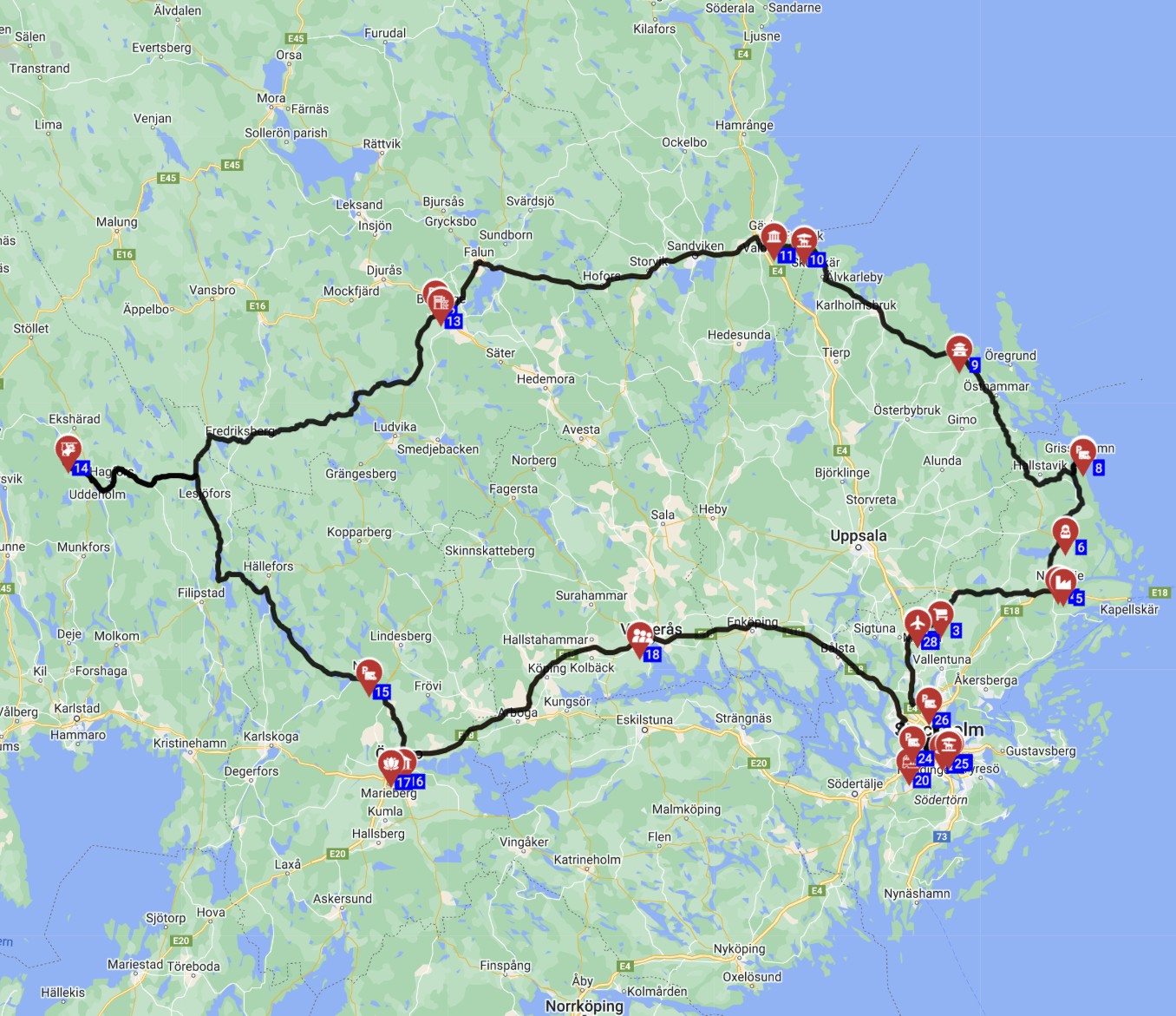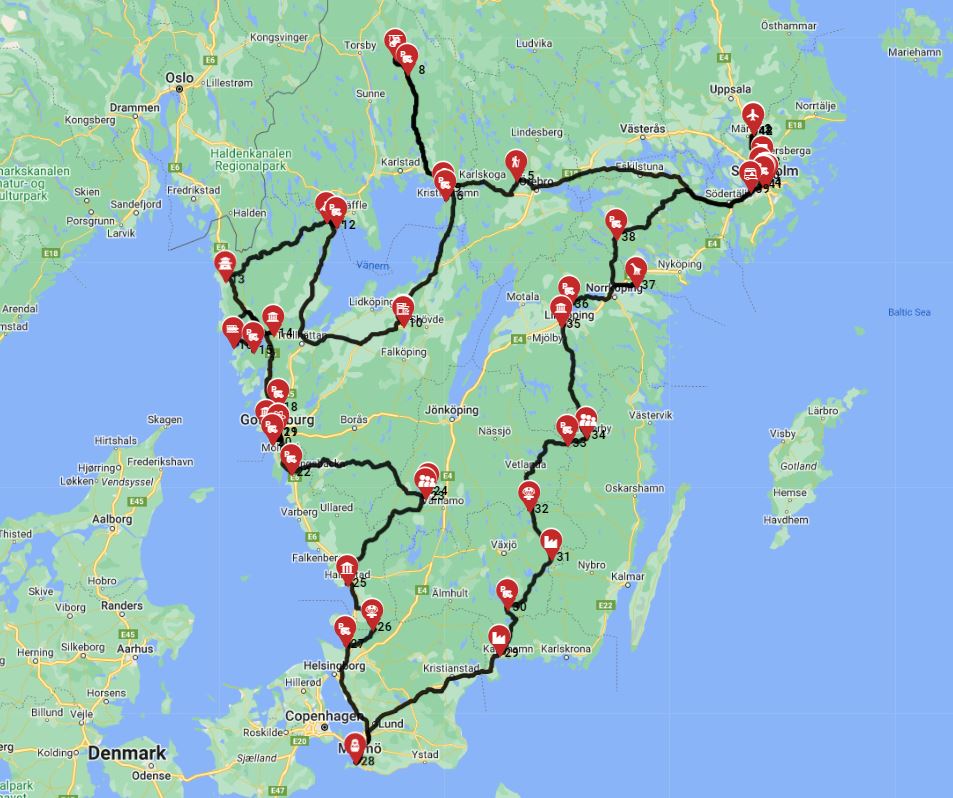
In This Guide
- Can You Drive an RV in Sweden? License & Age Rules
- Road Conditions & Terrain in Sweden
- RV Size Limits, Bridges & Restricted Zones
- Fuel: Diesel vs. Petrol & Cost per 100 km
- Tolls, Vignettes & Border Rules
- Driving Tips for family rv rental Travelers
- Recommended RV Class for Sweden Roads
- Should I Choose a Compact Van Instead of a Large RV in Sweden?
- Can I Park Anywhere? Free & Wild Camping Rules in Sweden
- Can I Drive an RV Into the City Center? Heights, Tunnels & Local Signage
- What are the best tips for budgeting an RV trip in Sweden?
- What are the challenges and opportunities of RVing in Sweden during different seasons?
- How can I immerse my family in Swedish culture during our RV vacation?
- What should I know about wildlife safety while RVing in Sweden?
- What are Swedish RV campsite amenities and infrastructure like?
- How can I practice sustainable RVing in Sweden?
Can You Drive an RV in Sweden? License & Age Rules
A standard B-category driver's license is generally sufficient for operating most rented RVs in Sweden, particularly those popular family models under 3,500 kg. For larger motorhomes exceeding 3,500 kg, a C1 or C category license may be required, so it's always wise to check the specific weight classification of your chosen vehicle. The minimum age for RV rental in Sweden is typically 21 years old, ensuring drivers have sufficient experience for this type of travel. If you are a visitor from a non-EU/EEA country, carrying an International Driving Permit (IDP) in addition to your valid domestic license is strongly recommended, though not mandatory in all cases.Road Conditions & Terrain in Sweden
Sweden boasts a remarkably well-developed and maintained road network, with its main highways (E-roads) providing smooth and efficient surfaces ideal for extended RV travel. Travelers can anticipate diverse terrains, transitioning from the relatively flat and expansive agricultural lands in the south to the undulating hills and more mountainous regions as you venture north towards Lapland. Many charming secondary routes and access roads leading to national parks or more remote, scenic areas may be gravel. While driving on gravel roads requires slower speeds and increased caution, it's part of the authentic Swedish outdoor experience. The emphasis across Sweden is on enjoying the journey and its scenic beauty, making it perfectly suited for family RV trips that encourage leisurely driving and frequent stops to absorb the stunning surroundings.RV Size Limits, Bridges & Restricted Zones
Sweden's infrastructure is generally accommodating for RVs of various sizes, with most common rental vehicle dimensions well within standard road allowances. Drivers should be aware of a typical maximum vehicle width of 2.6 meters and a maximum height of 4.5 meters. However, most bridges and tunnels across the country are designed to easily clear these limits, and specific signage will always indicate any lower clearances. In major urban centers such as Stockholm and Gothenburg, specific environmental zones (Miljözoner) are in place to restrict older, high-emission diesel vehicles. Modern rental RVs from our partner suppliers like El Monte or Cruise America typically comply with these emission standards. When planning any ferry crossings, especially to islands or neighboring countries, always remember that your RV's exact length and weight specifications will directly influence the pricing, so have these details handy.Fuel: Diesel vs. Petrol & Cost per 100 km
Most family RVs available for rent in Sweden predominantly operate on diesel fuel, which is conveniently and widely accessible at petrol stations nationwide. Bandana's popular Semi-integrated (Class SI) and Alcove (Class C) RVs, often chosen by families, typically achieve a fuel efficiency of 10-12 liters per 100 km. For those opting for smaller Camper Vans (Class B), fuel consumption can be even more economical, frequently averaging 8-10 liters per 100 km. Fuel prices in Sweden are generally comparable to those in other Nordic countries and are subject to daily fluctuations. Budgeting accurately for this significant travel expense is essential, and with RV PLANET routes, you can easily itemize and track every expense along the way for effortless budgeting.Tolls, Vignettes & Border Rules
Sweden operates a system that differs from the vignette model used in some other European countries, instead implementing congestion taxes in the cities of Stockholm and Gothenburg, alongside specific bridge tolls. These congestion taxes and bridge tolls, such as for the impressive Öresund Bridge connecting to Denmark, are almost always camera-based and are automatically billed to the vehicle's registered owner. This charge is typically passed on to the renter by the rental company after your trip. You won't find traditional toll booths on Swedish motorways; all payments are handled digitally. As Sweden is a member of the Schengen Area, border crossings into neighboring countries like Norway or Finland are generally seamless, although identity checks can occur, so always have your travel documents readily available.Driving Tips for family rv rental Travelers
To enhance your family's experience while RVing in Sweden, plan frequent stops, ideally every two hours, giving children ample opportunities to stretch their legs and explore. Remain highly vigilant for wildlife, especially moose and deer, which are commonly found on Swedish roads and pose a significant hazard, particularly during dawn and dusk. Always adhere strictly to posted speed limits, being mindful of changes when transitioning to gravel roads or entering residential zones. A critical rule for winter travel: from December 1 to March 31, winter tires (either studded or non-studded) are mandatory for all vehicles, including rented RVs, regardless of the prevailing weather conditions. Embrace Sweden's philosophy of slow travel; a more deliberate pace allows for deeper appreciation of the stunning landscape, reduces driving stress, and enriches your entire family adventure.Recommended RV Class for Sweden Roads
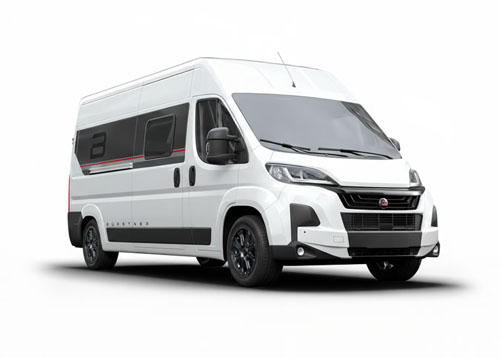
For families considering an RV rental in Sweden, Class SI (Semi-integrated) and Class C (Alcove) motorhomes from Bandana's diverse fleet are highly recommended due to their optimal balance of onboard comfort and road suitability. Class SI models, typically around 6.9 meters in length and offering approximately 3-4 sleeping places, provide a comfortable living environment for smaller families while remaining agile enough for Sweden's varied roads. For larger families, Class C Alcove RVs, averaging 7.5 meters in length with 5-6 sleeping places, are an ideal choice, providing generous sleeping and living areas without significantly compromising maneuverability. Both of these popular classes are well-equipped to handle Sweden's excellent road infrastructure, including occasional well-maintained gravel sections, efficiently while offering ample interior space for all family activities and meals, perhaps even enjoying some RV-friendly recipes playlist onboard.Should I Choose a Compact Van Instead of a Large RV in Sweden?
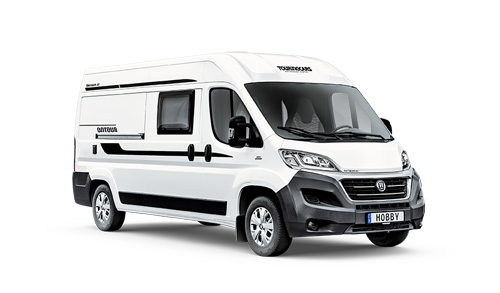
While a compact campervan (Class B) certainly offers superior maneuverability and easier parking, a larger RV, such as a Class SI (Semi-integrated) or Class C (Alcove) motorhome, typically provides significantly more living space and amenities, which often proves to be a better trade-off for family travel in Sweden. Larger RVs from Bandana's fleet, like a 6.9m Semi-integrated model with an 80-liter refrigerator or a 7.5m Alcove model with bunks, navigate Sweden's well-maintained main roads and E-highways with ease, ensuring comfortable and extensive travel. Compact vans (averaging 5.8m in length) excel in very tight historic city centers or on extremely narrow, unpaved forest tracks, but Sweden's overall road infrastructure is generally very RV-friendly, even for larger vehicles. For families, the comfort of separate sleeping areas, a more spacious kitchen, and a dedicated bathroom found in larger RVs usually outweighs the marginal maneuverability benefits of a compact van, especially on longer trips.Can I Park Anywhere? Free & Wild Camping Rules in Sweden
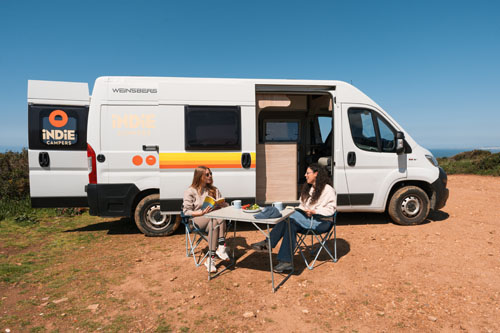
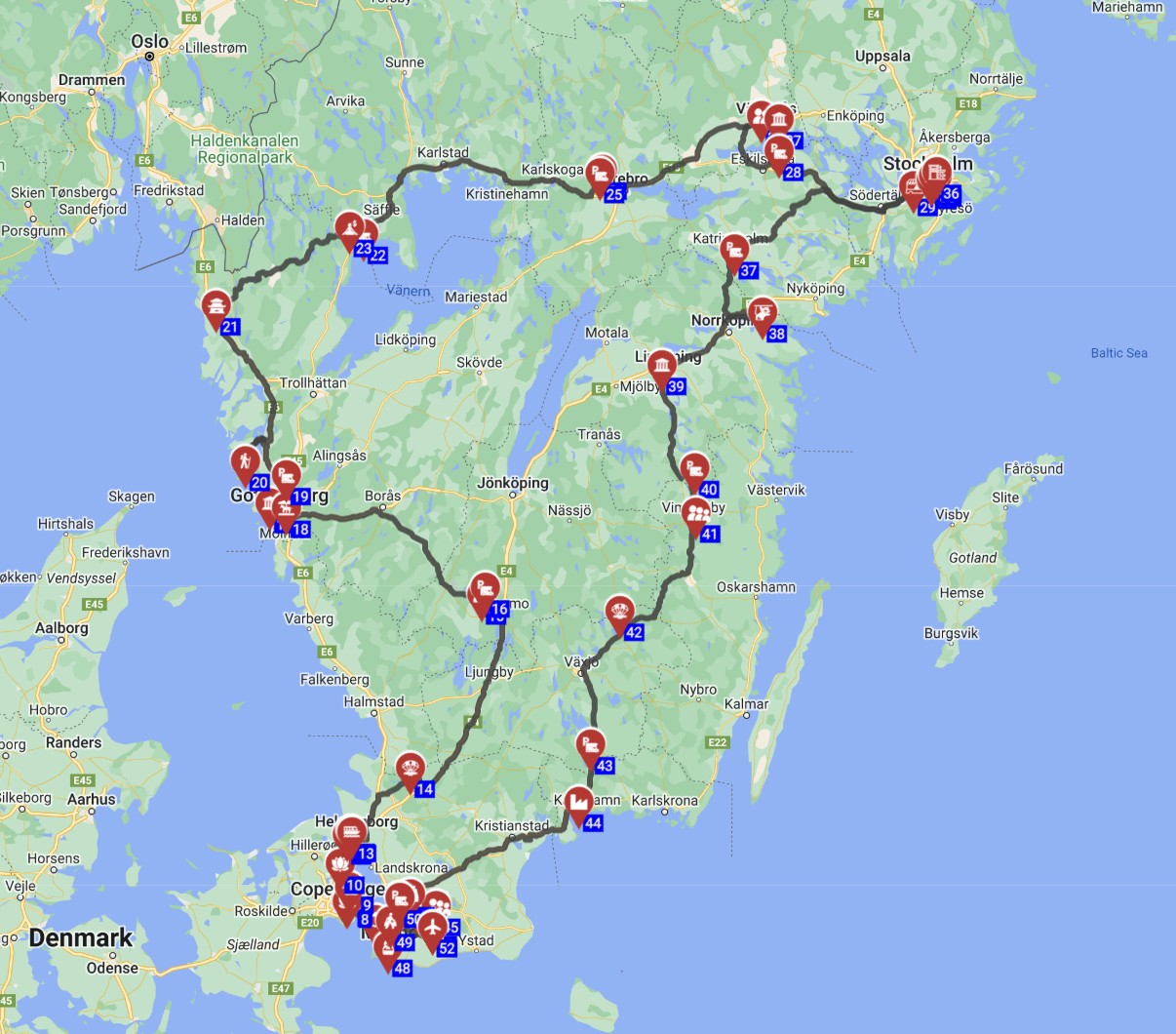
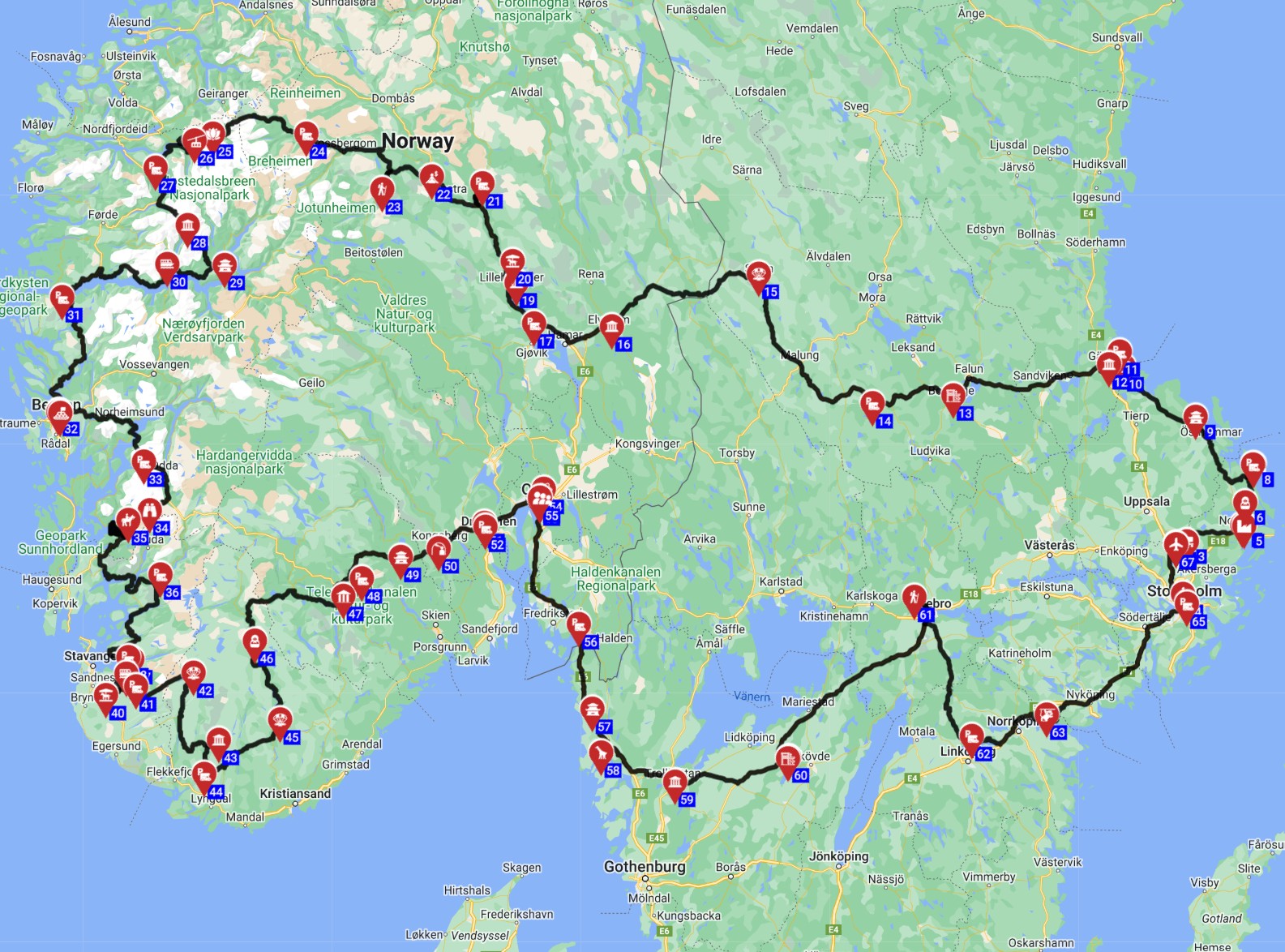
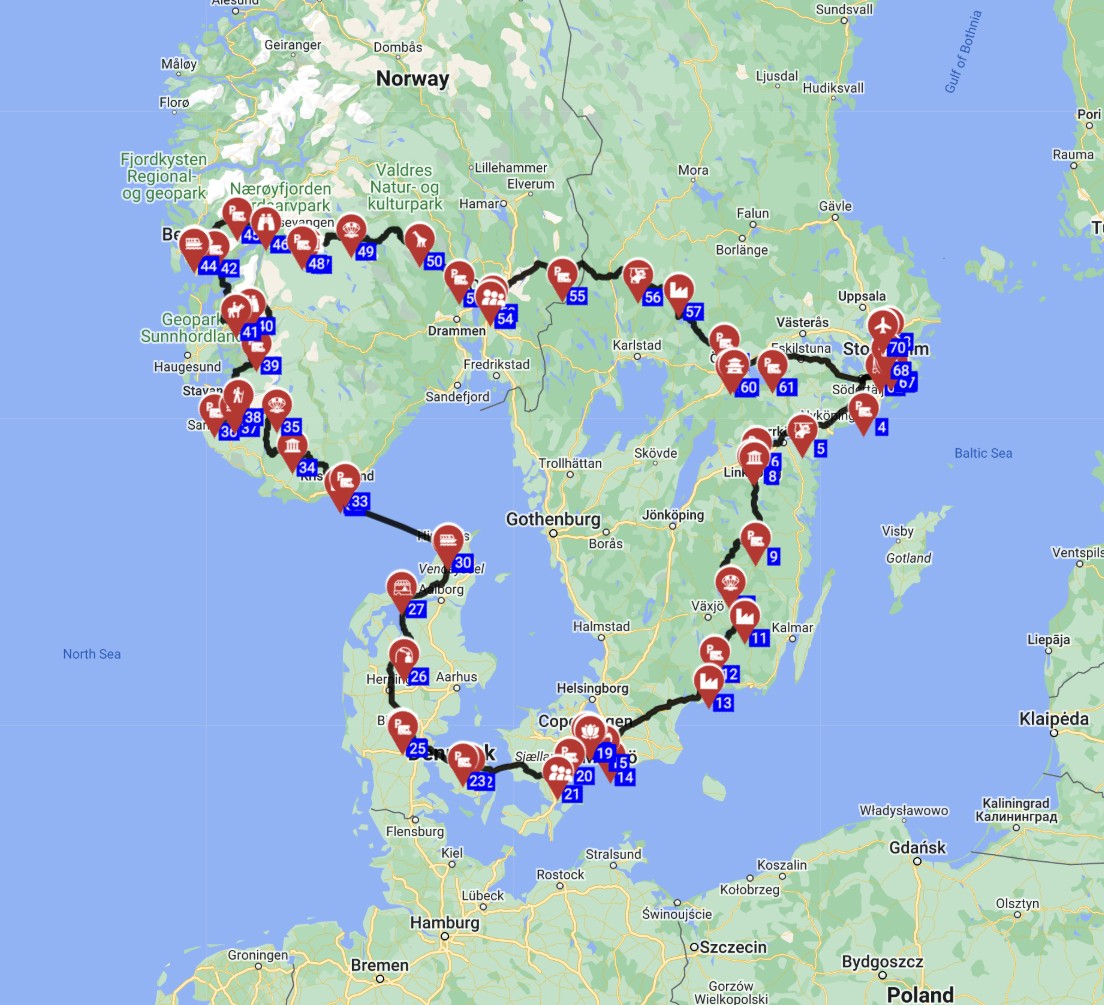
Sweden's famed 'Allemansrätten' (Right to Roam) generously permits temporary wild camping for a night or two on uncultivated land, provided you respect both privacy and nature, but specific restrictions apply to motorized vehicles like RVs. While you generally have the freedom to walk or cycle almost anywhere, parking an RV overnight typically requires using designated spots. These include official campsites, conveniently located rest areas (rastplatser), or specific municipal parking lots marked for motorhomes ('ställplatser'). It is generally not permitted to wild camp with a rented RV directly next to private dwellings, on cultivated agricultural land, or within protected nature reserves without explicit permission. For families, choosing well-equipped campsites or designated ställplatser is often more practical and compliant, as they offer essential facilities like fresh water, waste disposal points, and often electricity, like those found along the 22-day "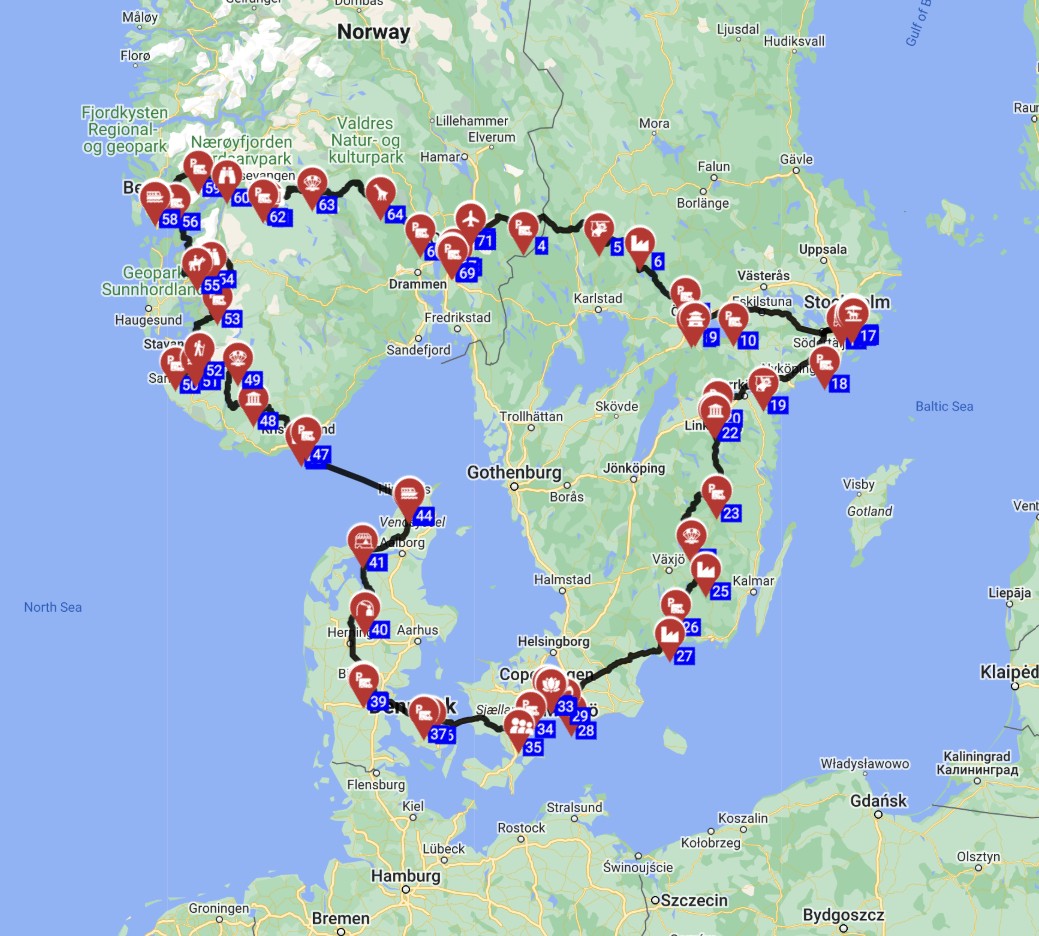
Oslo Round trip - Norway Sweden and Denmark Family Adventure
Can I Drive an RV Into the City Center? Heights, Tunnels & Local Signage
Yes, you can generally drive an RV into Swedish city centers, but meticulous attention to local signage is paramount, particularly concerning height restrictions, environmental zones, and specific parking regulations. Main arterial roads leading into cities are typically designed to comfortably accommodate all vehicle sizes, yet older, historic districts or certain routes might feature lower bridges or tighter turns. Cities like Stockholm and Gothenburg enforce congestion taxes and have environmental zones (Miljözoner) that could impact your entry or incur additional costs, though most modern rental RVs generally meet current emissions standards. Finding suitable and affordable parking for an RV directly within city centers can be quite challenging due to limited space; therefore, utilizing park-and-ride facilities situated on the outskirts of cities is often the most convenient and recommended approach. No need to stress - just use common sense and pay attention.What are the best tips for budgeting an RV trip in Sweden?
Budgeting effectively for an RV trip in Sweden involves accounting for more than just the rental and fuel costs; it requires a comprehensive approach to daily living expenses, activities, and a contingency fund. You can save on fuel by considering that Bandana's fleet averages 8-12 liters per 100 km, depending on the RV class, and by driving defensively to maximize efficiency. Take advantage of local supermarkets such as ICA, Coop, and Willys for groceries, as preparing your own meals in your RV's kitchen is significantly more cost-effective than dining out frequently. For instance, planning packed lunches for day trips helps manage costs efficiently. Factor in campsite fees, which typically range from 250-450 SEK (approximately $25-$45 USD) per night, and investigate local membership cards, like those from SCR (Sveriges Camping- och Stugföretagares Riksförbund), for potential discounts on extended stays. Finally, balance paid attractions by engaging in Sweden's abundant free outdoor activities, such as hiking, swimming, and exploring areas covered by Allemansrätten.What are the challenges and opportunities of RVing in Sweden during different seasons?
RVing in Sweden offers distinct challenges and opportunities depending on the season. Summer, from June to August, provides exceptionally long daylight hours, including the magical midnight sun in the far north, making it ideal for sightseeing and outdoor activities. However, this period also corresponds with peak tourist crowds, higher prices for rentals and campsites, necessitating advance booking for popular spots. Autumn, typically September to October, showcases stunning fall foliage and fewer crowds, offering a serene travel experience. Yet, daylight hours progressively shorten, and some tourist services or attractions in remote areas might begin to close for the season. Winter, from November to March, opens up unique opportunities for snow activities, breathtaking aurora borealis viewing, and tranquil, snow-covered landscapes, particularly in destinations like Luleå. This season, however, requires mandatory winter tires for all RVs, reduced services in many areas, and extremely limited daylight. Spring, April to May, is a time of nature's reawakening with fewer tourists and blossoming landscapes, but melting snow can lead to muddy conditions on secondary roads, and some higher-altitude or remote areas may still be inaccessible.How can I immerse my family in Swedish culture during our RV vacation?
To truly immerse your family in Swedish culture during your RV vacation, embrace the cherished tradition of 'Fika' by visiting charming local cafes in towns or preparing your own coffee and pastry treats right in your RV's kitchen at a scenic overlook. If your trip aligns, participate in vibrant local festivals or the iconic Midsummer celebrations, which offer a lively and authentic insight into Swedish traditions and community spirit. Make it a point to explore small, less-traveled towns and discover their unique artisanal shops, local museums, and bustling traditional markets, providing opportunities for genuine interactions with locals. Spending ample time in nature is key; utilize the Allemansrätten respectfully for family hikes, berry picking, or simple picnics, as outdoor activity is deeply ingrained in the Swedish way of life. Finally, learning a few basic Swedish phrases and engaging respectfully with locals, whether at campsites or quaint eateries, will undoubtedly enrich your cultural experience.What should I know about wildlife safety while RVing in Sweden?
When RVing in Sweden, being extremely vigilant for large animals like moose and deer is crucial, particularly during dawn, dusk, and nighttime hours, as they frequently cross roads and can cause serious accidents. If you unexpectedly encounter a large animal on the road, brake firmly and maintain a straight course; avoid sudden swerving, as this often leads to loss of control and can result in more severe incidents. While bears are present in Sweden's wilderness, direct encounters are exceptionally rare. To minimize any risk, always store food securely, dispose of all waste properly in designated bins, and make noise when hiking in wilderness areas to alert animals to your presence. Familiarize your family with Sweden's emergency number (112 for all emergencies) and consider carrying a reflective vest and warning triangle in your rented motorhome for roadside breakdowns, especially when traveling through remote northern regions or on less-trafficked routes. Respect all wildlife and their natural habitats by observing from a safe distance and never attempting to feed or approach any animals.What are Swedish RV campsite amenities and infrastructure like?
Swedish RV campsites are notably well-organized and comprehensively equipped, consistently offering essential amenities such as electrical hookups, readily available fresh water, and convenient grey/black water disposal points. Many campsites, particularly those affiliated with the national organization SCR (Sveriges Camping- och Stugföretagares Riksförbund), provide extensive family-friendly facilities, including playgrounds for children, communal kitchens, modern laundry rooms, and hot showers. During the peak summer months, booking your spot in advance is highly recommended, though many sites also accommodate spontaneous arrivals if pitches are available. Fuel stations are widely distributed across the country, typically offering both diesel and petrol, and most accept major credit and debit cards, ensuring easy payment, though some rural stations might be unattended and require card-only transactions. Furthermore, public rest areas (rastplatser) along major roads frequently offer picnic tables, clean toilets, and sometimes even waste disposal facilities, making them ideal for short, comfortable breaks during your family RV adventure in Sweden.How can I practice sustainable RVing in Sweden?
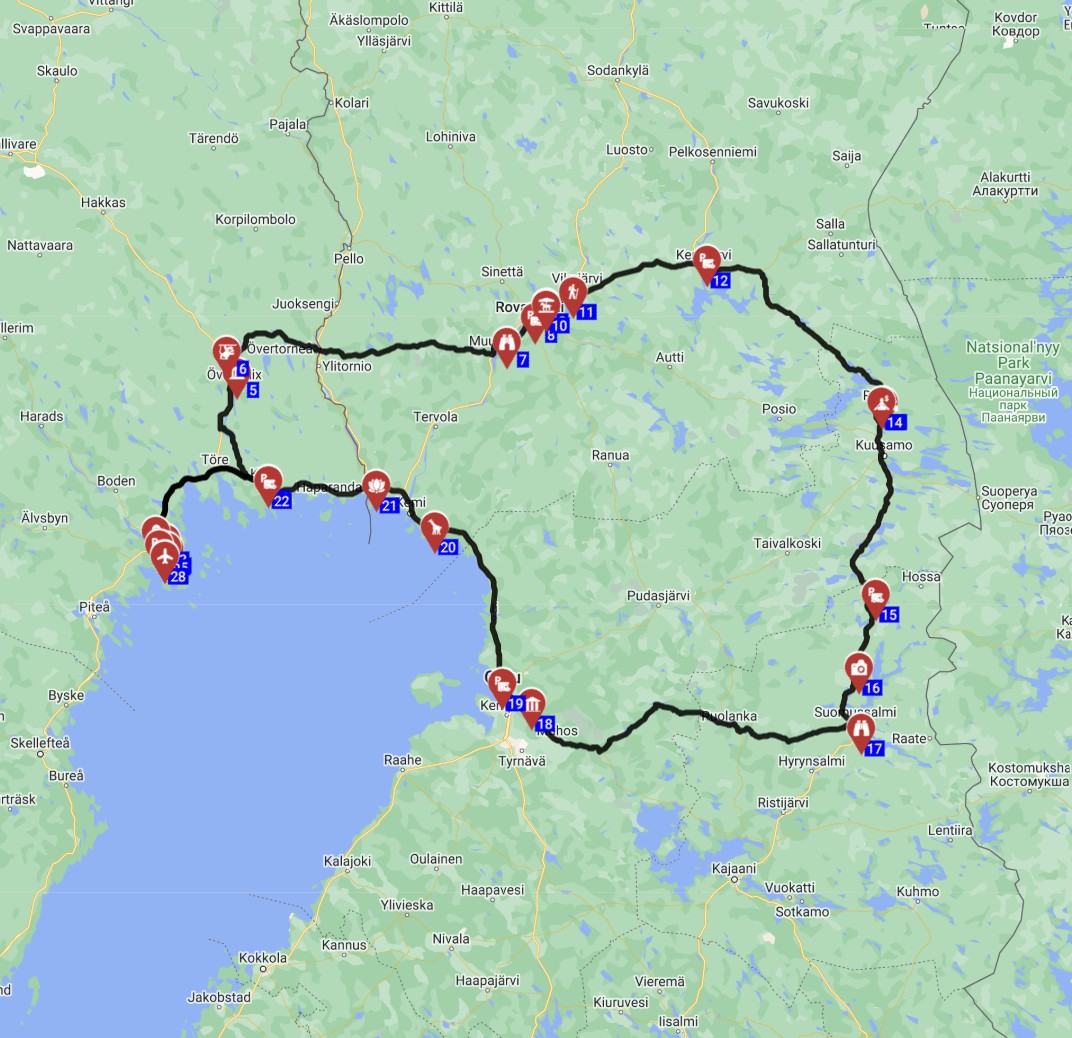
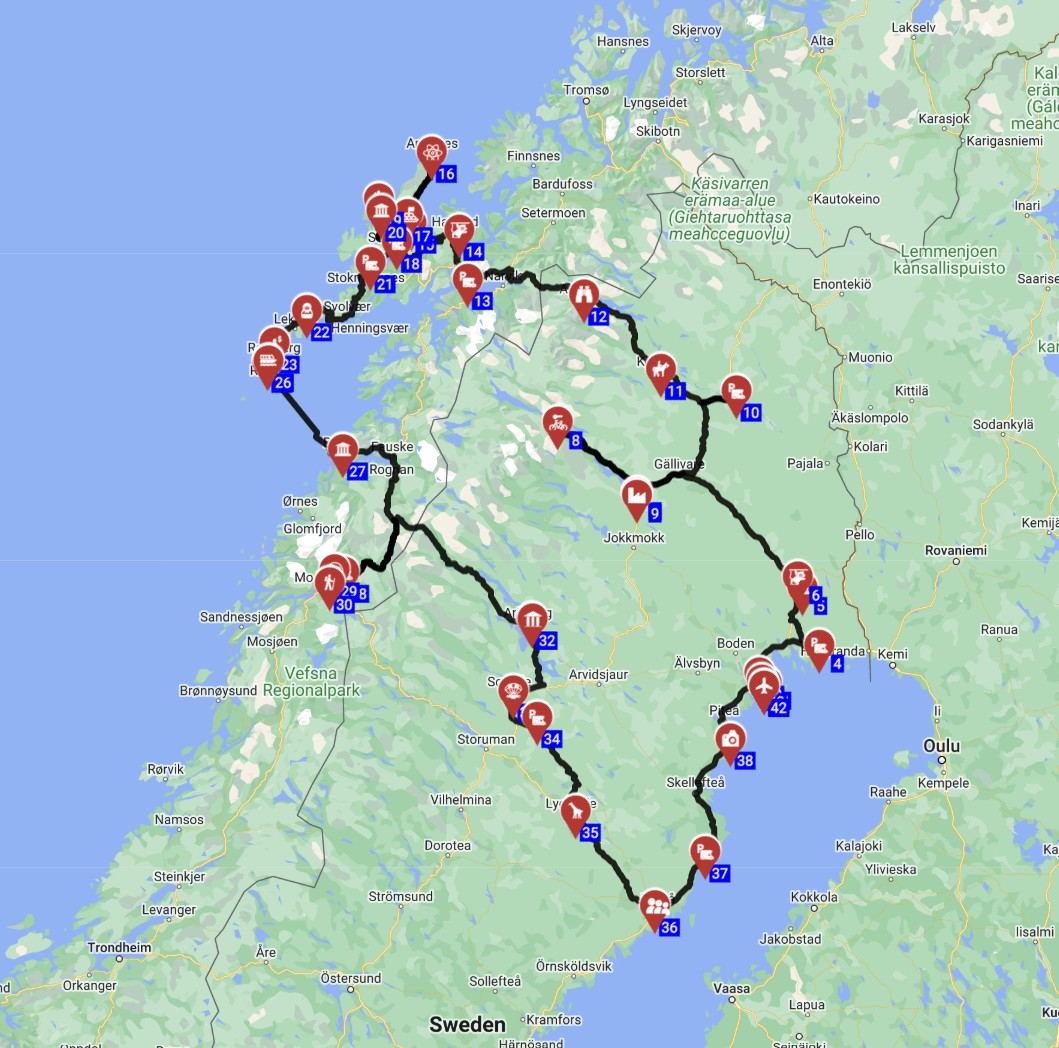
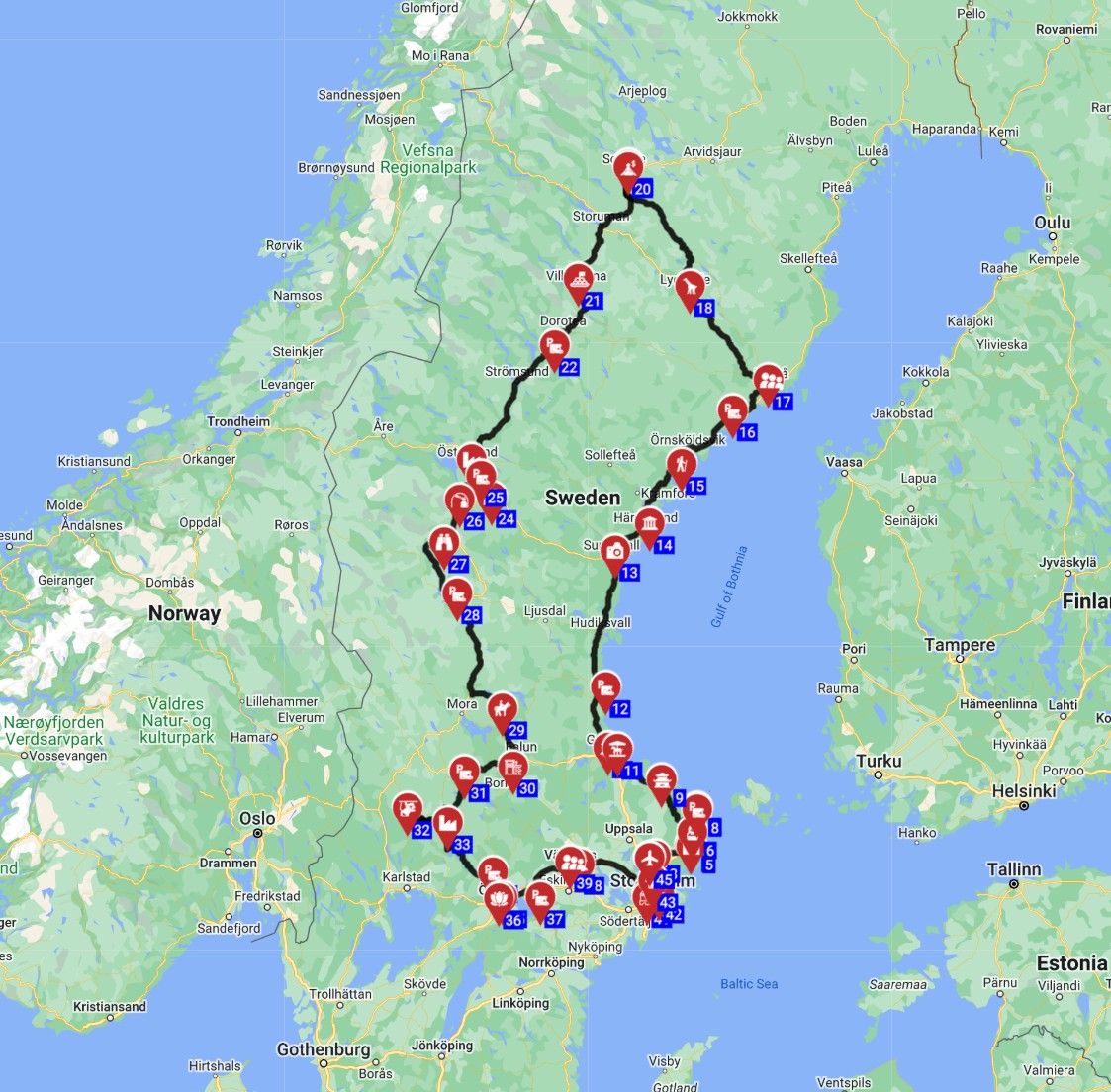
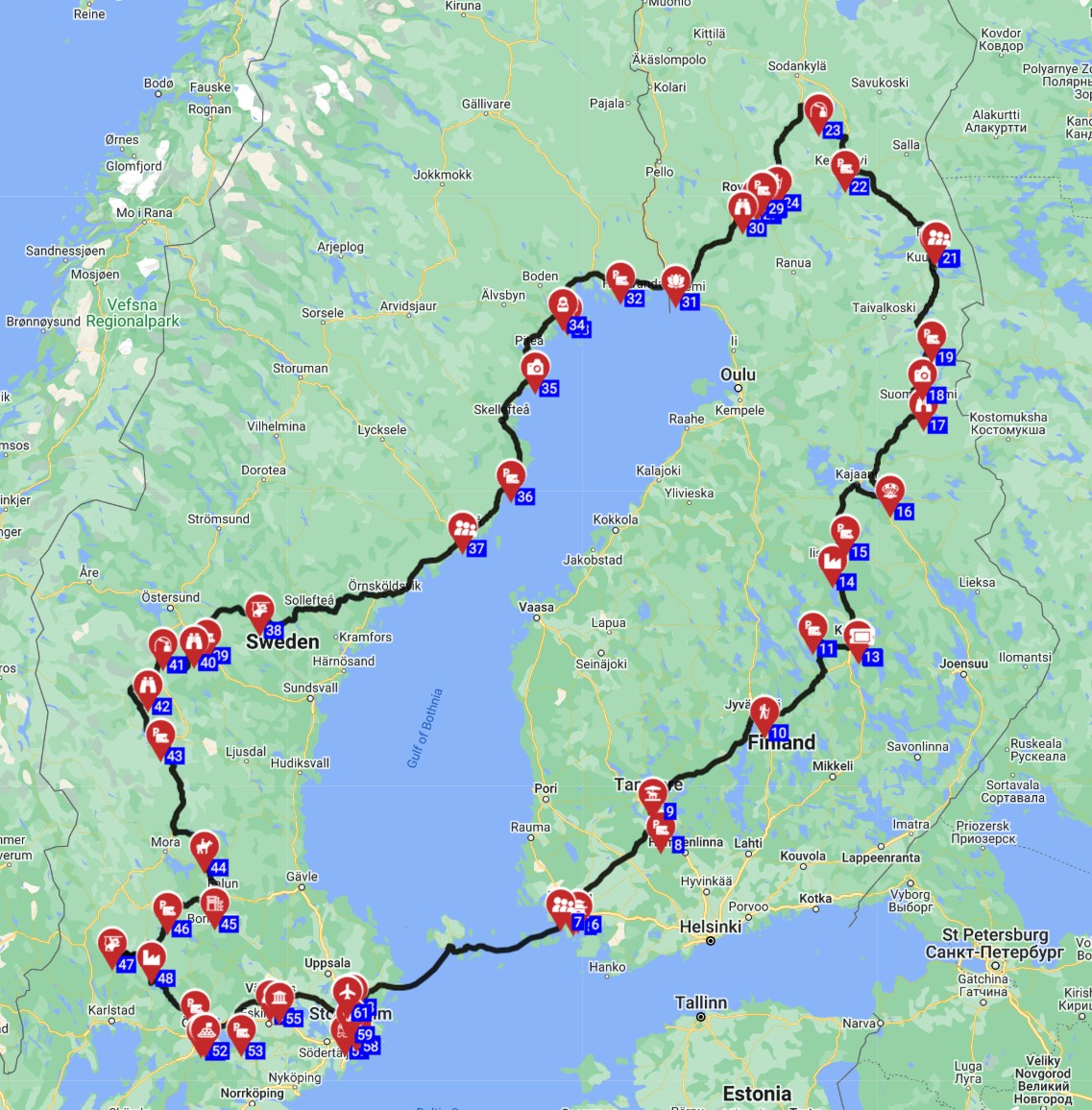
Practicing sustainable RVing in Sweden is not only a responsible choice but also a way to show appreciation for its pristine natural beauty and cultural values. Minimize your environmental footprint by diligently adhering to Sweden's excellent waste separation system, known as 'källsortering,' and utilizing the clearly marked recycling points found at almost all campsites and municipal centers. Conserve water conscientiously by taking shorter showers and being mindful of your water usage, especially when enjoying designated rest stops or utilizing your RV's limited freshwater tank. Always empty chemical toilets and grey water only at designated disposal points, which are readily available at campsites and many public rest areas-never in natural environments. Stick strictly to marked roads and trails to prevent any damage to fragile ecosystems, particularly within Sweden's numerous national parks and nature reserves. Finally, fully respect the principles of Allemansrätten by leaving no trace behind, avoiding disturbance to any wildlife, and always asking for explicit permission before parking overnight on any private land. For example, the 18-day "Rovaniemi Round trip - Fjord Dreams: A Northern Road Trip through Finland & Sweden" offers many opportunities to engage with nature responsibly.🎬 Video coming soon
Final Thoughts
Embarking on a family RV adventure in Sweden is a truly enriching experience, offering the perfect blend of freedom, comfort, and immersion in stunning natural landscapes and vibrant culture. From navigating well-maintained roads to discovering hidden gems and embracing local traditions, Sweden is exceptionally well-suited for motorhome exploration. Remember to travel slowly, perhaps averaging 100-150 km per day, allowing your family ample time to truly feel each place, connect with the culture, savor the food, and soak in the breathtaking scenery. With a rented RV, you unlock the ability to craft an unforgettable journey, whether you're exploring the bustling streets of Stockholm, the coastal beauty near Malmö, or the serene wilderness of the north. We're here to support you before, during, and after your booking, ensuring every detail is handled with care. So, why wait? Gather your family, choose your ideal motorhome, and get ready to create lasting memories on the open roads of Sweden. Get inspired for your next trip!On the routes offered through RV PLANET routes, you can itemize and track every expense along the way for easy budgeting.