In This Guide
- Can You Drive an RV in South Europe? License & Age Rules
- Road Conditions & Terrain in South Europe
- RV Size Limits, Bridges & Restricted Zones
- Fuel: Diesel vs. Petrol & Cost per 100 km
- Tolls, Vignettes & Border Rules
- Driving Tips for family rv rental Travelers
- Recommended RV Class for South Europe Roads
- Should I Choose a Compact Van Instead of a Large RV in South Europe?
- Can I Park Anywhere? Free & Wild Camping Rules in South Europe
- Can I Drive an RV Into the City Center? Heights, Tunnels & Local Signage
- What is the best month to RV in Southern Europe?
- Is RVing expensive in Southern Europe?
- What are the rules for wild camping in Spain with an RV?
- Is South Europe RV friendly?
- Is Greece good for RVing?
- What You Shouldn't Miss
- Why Book with Bandana Caravan
- Final Thoughts
- Frequently Asked Questions
South Europe offers an incredible tapestry of landscapes, cultures, and cuisines perfect for a family RV adventure. Imagine waking up to the gentle lapping of waves on the Mediterranean coast, enjoying a home-cooked breakfast in your rented motorhome, and then setting off to explore ancient ruins or charming villages at your own pace. With Bandana Caravan, your journey is set to be smooth and full of delightful discoveries, supported by our true RV specialists who genuinely love helping people experience this freedom.
For live availability and current prices, start with our RV Rental South Europe - Complete Guide 2026 guide. We believe in full transparency, ensuring no hidden fees or surprises throughout your booking process. This guide provides essential driving information, from licensing requirements to navigating diverse terrain, making your first family rv rental in South Europe a seamless experience.
Can You Drive an RV in South Europe? License & Age Rules
Yes, you can drive an RV in South Europe with a standard car driver's license for most rental models. Most standard RVs (up to 3,500 kg Maximum Authorized Mass - MAM) can be driven with a Category B license in South Europe, which is the same as a regular car license. For larger RVs exceeding 3,500 kg, a Category C1 license is typically required, allowing vehicles up to 7,500 kg, though these are less common for rentals geared towards families. Bandana Caravan ensures that all motorhomes and campervans we offer for rent are suitable for a standard driver's license, so you won't need any special permits or a CDL.
The minimum driver age for RV rentals in South Europe is 21 years, consistent across many of our partner suppliers. Importantly, there are no young driver surcharges or vehicle class restrictions based on age when booking through Bandana Caravan. Non-EU citizens generally need an International Driving Permit (IDP) in conjunction with their national license for travel in countries like Italy, Spain, Portugal, Greece, and Croatia, though it is not mandatory in all cases, it's a strongly recommended measure for smooth travels and easier communication with local authorities.
Road Conditions & Terrain in South Europe
Road conditions in South Europe vary widely, offering a diverse driving experience that ranges from smooth motorways to charming, ancient village streets. Travelers can expect excellent, well-maintained motorways in countries like France, Italy, and Spain, which are ideal for covering longer distances. However, venturing into mountainous regions like the Pyrenees, Apennines, or Dinaric Alps, or exploring coastal routes and smaller, historic towns, often means encountering narrower, winding roads with steep inclines and sharp bends. Our advice is to always travel slowly, aiming for a maximum of 100-150 km per day on average, which allows you to genuinely feel the place, connect to the culture, the food, and the scenery without rush.
While main routes are generally good, some rural or off-the-beaten-path roads can be gravel or unpaved. The key is to take your time and embrace a slower, scenic pace, especially with a family RV, allowing for frequent stops and enjoying the beautiful landscape. Remember, the journey itself is a significant part of the adventure when you're exploring with a rented motorhome.
RV Size Limits, Bridges & Restricted Zones
RV size limits in South Europe primarily involve adhering to posted height and weight restrictions, which are commonly found on older bridges, tunnels, and within historic town centers. Drivers must always pay close attention to signage indicating maximum vehicle dimensions, such as height, width, and weight, to avoid prohibited areas. Many historical city centers in Italy, for instance, have very narrow streets that might be challenging for larger Class C motorhomes, but with careful navigation and attention to signs, you can still approach them. Drive slowly and carefully, and you can drive almost anywhere without issues. No need to stress - just use common sense and pay attention.
Low Emission Zones (LEZs) and Limited Traffic Zones (ZTLs) are increasingly common in European cities, requiring specific permits or restricting vehicle access based on emission standards. Researching these zones for your planned route and destination cities beforehand is essential. When planning ferry travel, especially to islands in Greece or Croatia, RV length and weight are critical for booking and determining cost, as longer vehicles incur higher fees. Always declare the correct dimensions when booking ferries to avoid issues.
Fuel: Diesel vs. Petrol & Cost per 100 km
The vast majority of rental RVs in South Europe run on Diesel fuel, which is widely available at service stations across the region. Based on Bandana's global fleet averages, common fuel consumption for RVs like a Class SI (Semi-integrated) is 10-11 Liters/100 km, and for a Class C (Alcove) it's 10-12 Liters/100 km. The cost per 100 km will fluctuate with current fuel prices, but a rough estimate can be made by multiplying the average consumption by the local diesel price per liter. Many Bandana partner suppliers, like El Monte and Apollo, predominantly feature diesel-powered motorhomes.
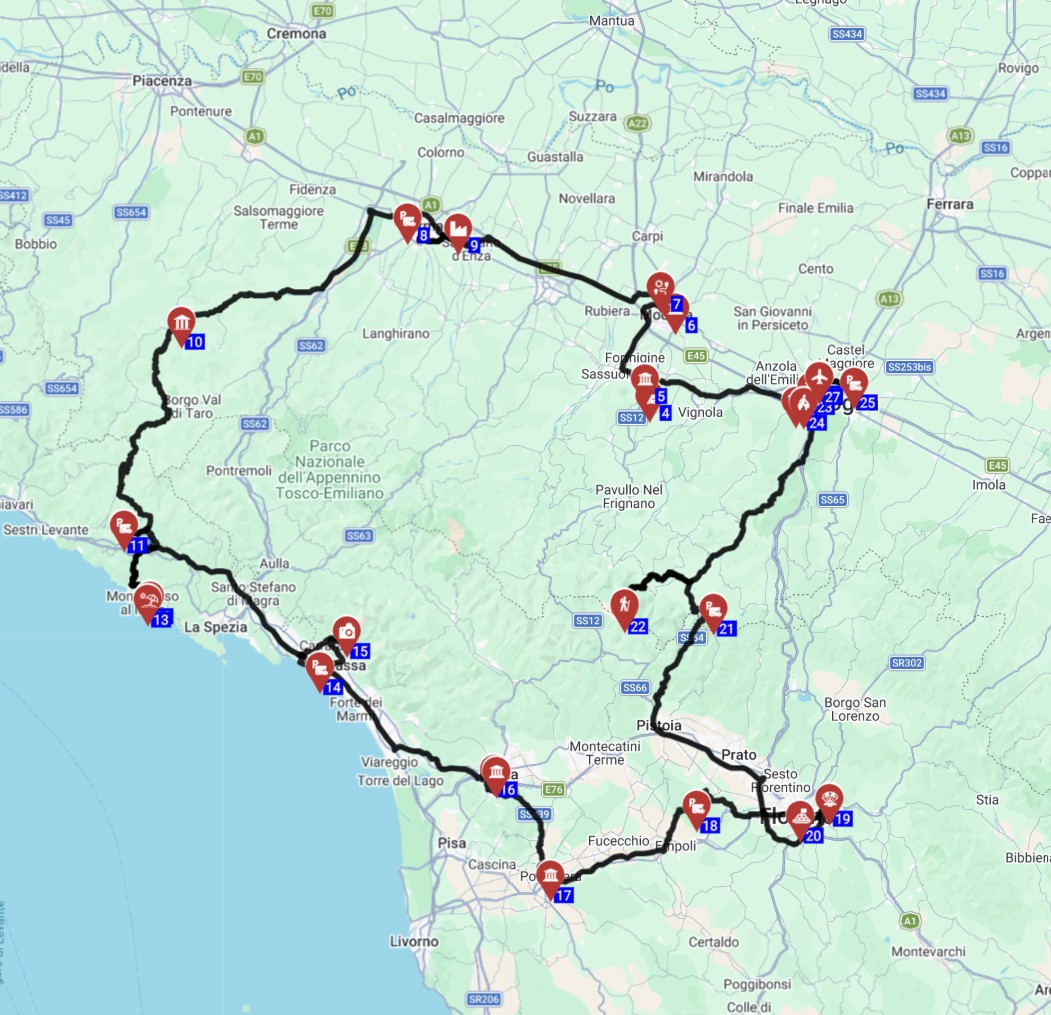
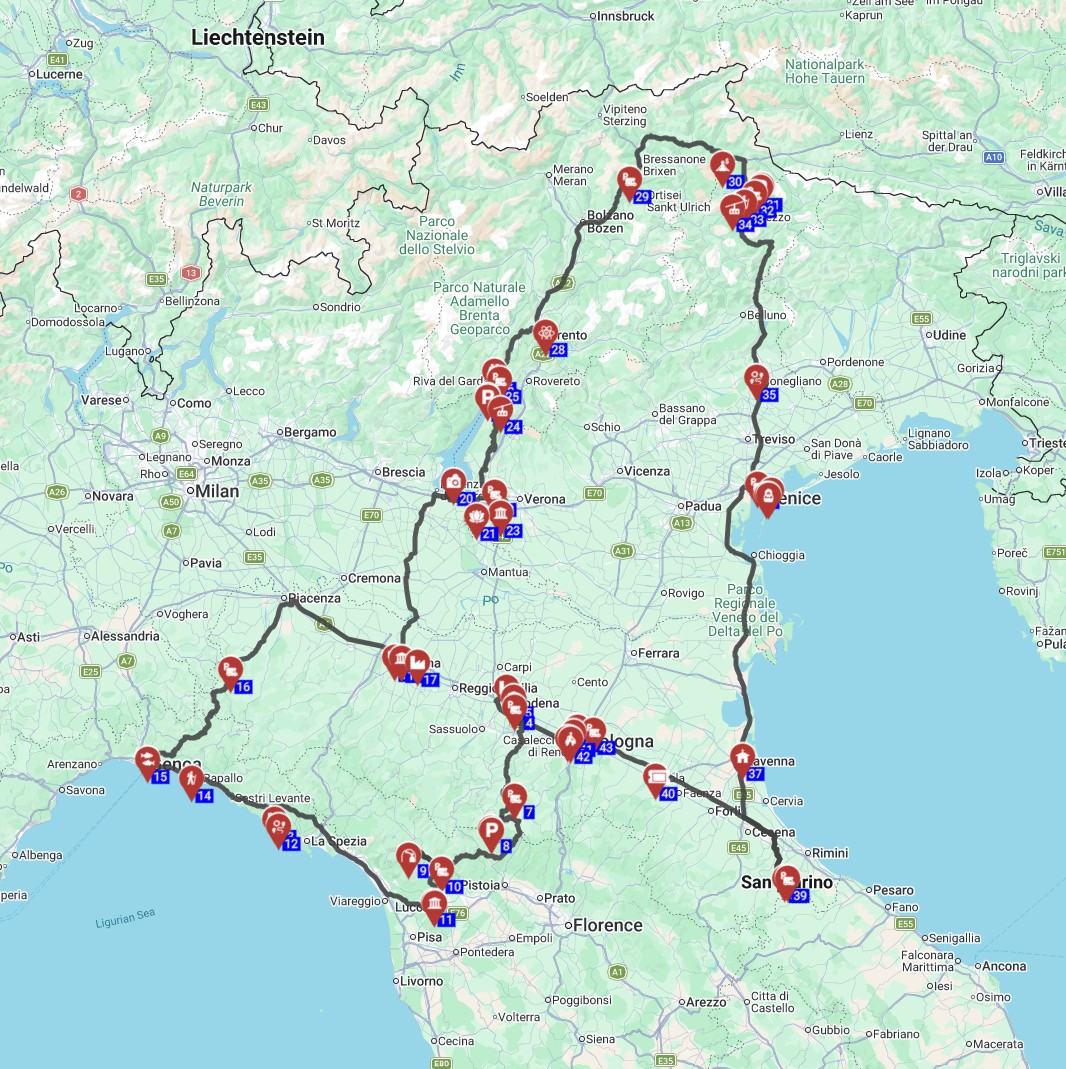
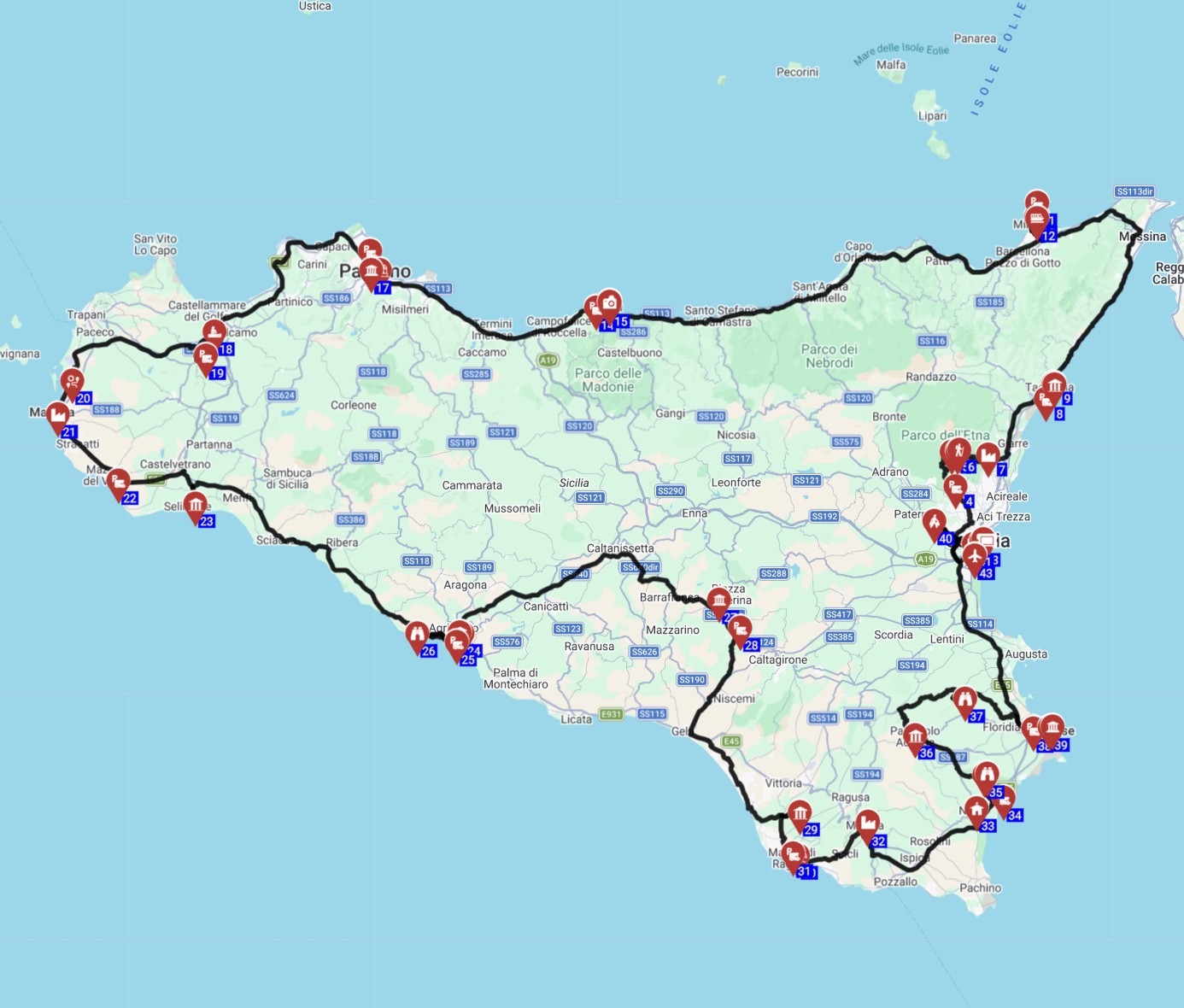
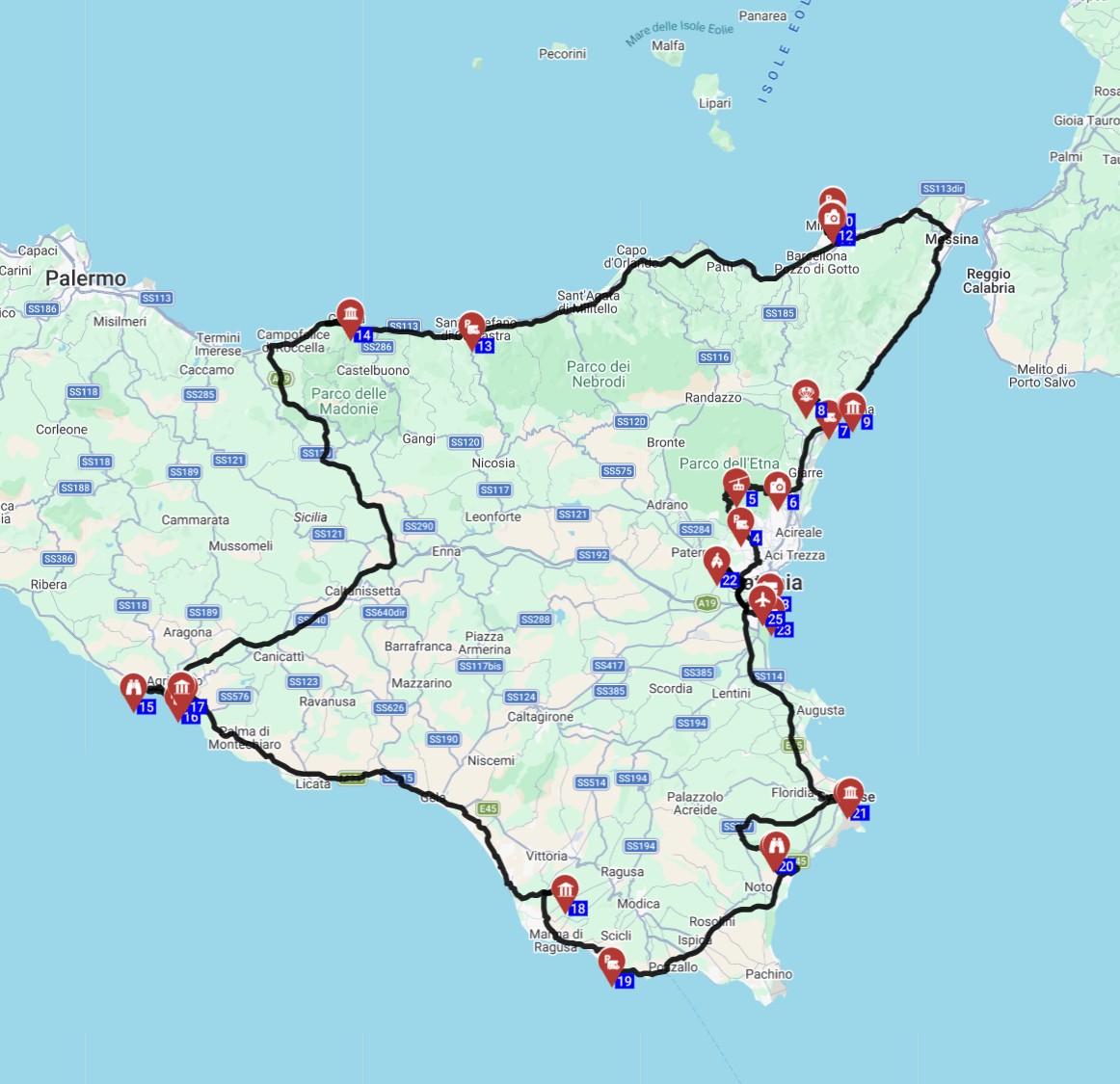
Some RV rental agreements may include access to fuel discount cards or specific service station partnerships, which can help manage costs. When planning your budget for an RV trip in South Europe, remember to factor in fuel costs, as they can be a significant part of your overall expenses. For tracking these, RV PLANET routes allow travelers to itemize and track every expense along the way for easy budgeting. On the routes offered through RV PLANET routes, you can itemize and track every expense along the way for easy budgeting.
Tolls, Vignettes & Border Rules
Tolls are prevalent on many motorways in South European countries such as Italy, France, Spain, and Portugal, often paid directly at booths or via electronic systems. These can add to your travel costs, so it's wise to research the toll systems for your chosen route, as some countries like Italy have a ticket-based system while others like Portugal use electronic transponders. While vignettes (pre-paid road tax stickers) are less common in core South Europe, they are required in some neighboring countries like Slovenia or Austria if your route takes you through them. Always ensure your rented motorhome is compliant with local regulations, including carrying any mandatory safety equipment like reflective vests or warning triangles.
Crossing borders within the Schengen Area is generally seamless, with no physical checks, but drivers should always carry their passport, driver's license, vehicle registration, and insurance documents. Some rental RVs offer the option to pre-purchase electronic toll passes or transponders, which can streamline travel and help avoid potential fines for non-payment. This is one of those small details that make a big difference for your peace of mind.
Driving Tips for family rv rental Travelers
Planning for frequent stops is crucial when traveling with children; schedule breaks every 1.5-2 hours for stretching, snacks, and play, making the journey part of the adventure. Embracing an automatic transmission RV can significantly reduce driving stress on South Europe's varied terrain, especially in traffic or on inclines, even though manual transmissions are more common in Europe. Bandana offers a wide selection of automatic transmission vehicles to make your trip more comfortable.
Pre-paying tolls where possible by utilizing electronic toll passes saves time and avoids fumbling for cash or cards at toll booths, especially beneficial with a family onboard. Staying hydrated and carrying snacks is also important, as Southern European summers can be hot; keep plenty of water and easy-to-reach snacks to keep everyone comfortable and avoid unnecessary stops. Familiarize yourself with local driving etiquette, including differing horn usage, lane discipline, and the expectation of respectful interaction, especially when parking or visiting local communities.
🎬 Video coming soon
Recommended RV Class for South Europe Roads
For family RV rentals in South Europe, a Class SI (Semi-integrated) or Class C (Alcove) RV is generally recommended, balancing living space with manageable dimensions. Class SI RVs, with an average length of 6.9 meters from Bandana's global fleet, offer comfortable sleeping for around 3.8 people while being relatively agile on narrower roads. Vehicles like the "2 Berth Tamar" or "Active Standard Auto" are good examples of these agile, yet comfortable options.
Class C (Alcove) RVs, averaging 7.5 meters in length and accommodating about 5.8 sleeping places, provide more generous family space but require a bit more caution in very tight spots. Models such as the "4 Berth Deluxe" or "Glamys 265" offer ample room for larger families. These classes provide sufficient ground clearance and amenities for extended family travel, allowing exploration beyond just major highways without excessive bulk, especially when considering a week-long trip or two-week adventure. You can upgrade to a top-level deductible for extra peace of mind, ensuring a worry-free journey with your chosen motorhome.
Should I Choose a Compact Van Instead of a Large RV in South Europe?
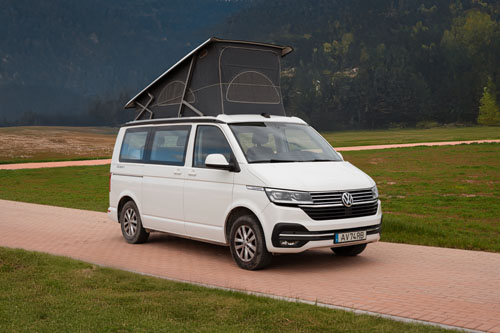
The choice between a compact campervan and a larger motorhome in South Europe often comes down to balancing comfort against maneuverability, but there's no need to limit yourself due to vehicle size. A compact campervan, such as a Class B Camper Van (averaging 5.8 meters), certainly offers superior maneuverability for navigating tight historic city centers, narrow mountain passes, and busy coastal roads. The "V2L" or "Active Pop Top" are great examples of nimble campervans perfect for a couple or small family.
For families, however, the indoor space, dedicated sleeping areas, and larger amenities of a Class SI or Class C RV often provide a more comfortable and enjoyable experience over longer trips. While a compact van excels in urban exploration, sticking with a larger RV is often the better trade-off for family comfort, especially when parking outside city centers and using public transport is an option. Drive slowly and carefully, and you can drive almost anywhere without issues. No need to stress - just use common sense and pay attention to road signs, and your larger family motorhome will serve you well.
Can I Park Anywhere? Free & Wild Camping Rules in South Europe
Free and wild camping for RVs is generally restricted or illegal in many popular areas of South Europe, particularly along coastlines, in national parks, and near major tourist attractions. Most countries in the region encourage or mandate the use of designated campsites, motorhome *aires* (service points for RVs), or private parking areas for overnight stays. Laws vary significantly by country and even by region; for instance, while completely illegal in some parts of Italy, it might be tolerated in remote, non-protected areas of Spain or Portugal with landowner permission.
Always check local regulations and follow local law before parking overnight, as fines for illegal wild camping can be substantial. It's best to prioritize supporting local economies by using official sites, many of which offer fantastic amenities for families. For finding campsites and campgrounds during your trip, we recommend using RV PLANET (rvplan.net) - a great resource for locating available spots along your route. You can also explore options for RV Camping in Las Vegas - Best Campgrounds & Tips 2026 if your travels take you to other continents.
Can I Drive an RV Into the City Center? Heights, Tunnels & Local Signage
Yes, you can often drive an RV into city centers in South Europe, but it requires careful attention to local signage, which frequently indicates height limits, low bridges, narrow streets, and restricted access zones. Drivers must be vigilant for signs denoting ZTLs (Limited Traffic Zones) common in Italian cities, LEZs (Low Emission Zones) in expanding urban areas, and 'residents-only' streets. Tunnels and underpasses may have height restrictions, and older city centers are notorious for extremely narrow streets and sharp turns unsuitable for larger vehicles. Drive slowly and carefully, and you can drive almost anywhere without issues. No need to stress - just use common sense and pay attention.
It's often more practical and less stressful to park your RV on the outskirts of major cities and utilize public transportation to explore the historic core. This allows your family to enjoy the city's charm without the stress of navigating tight urban spaces. Our Rent&Plan service can also help you with pre-planned routes and parking suggestions, and if you use rvplan.net for planning, you get a 25% planning discount.
What is the best month to RV in Southern Europe?
The best months to RV in Southern Europe are typically the shoulder seasons: late April to June and September to early October, offering pleasant weather and fewer crowds. During these periods, temperatures are comfortable for outdoor activities, and popular attractions are less congested than in peak summer. Spring brings blooming landscapes and comfortable temperatures, ideal for hiking and exploring, while autumn offers mild weather, harvest festivals, and beautiful fall colors. Many campsites and services are fully operational but without the intense demand of mid-summer.
Summer (July-August) can experience extreme heat, particularly inland, and popular coastal areas become very crowded with higher prices and limited campsite availability. Winter RVing is possible in milder coastal regions but can present challenges with shorter daylight hours, more rainfall, and some campsites or attractions closing for the season. Booking 90+ days ahead for a Family RV Driving in South Europe - Safe Routes 2026 adventure can save you an average of 25% on peak-season motorhome rates.
Is RVing expensive in Southern Europe?
RVing in Southern Europe can range from budget-friendly to expensive, depending heavily on your travel style, chosen routes, and resourcefulness in managing costs. Key expenses include the RV rental itself (prices are dynamic like flight tickets, changing daily based on availability, seasonality, and supplier marketing decisions), fuel (averaging 10-12 Liters/100 km for RVs), road tolls (prevalent in many countries), campsite fees (varying from basic *aires* to luxury resorts, typically €15-€50 per night), and food.
Cost-saving strategies include cooking most meals in your RV using local market produce, choosing cheaper campsites or *aires*, utilizing fuel discount cards, and planning routes to minimize toll roads. While initial rental costs can be substantial, RVing often proves more economical than a combination of car rental, hotels, and dining out, especially for families. With a fully equipped kitchen, you can prepare delightful meals on board; check out our RV-friendly recipes playlist for inspiration. Remember, Bandana Caravan offers full transparency, so what you see is what you get, with no hidden fees, helping you budget confidently.
What are the rules for wild camping in Spain with an RV?
Wild camping with an RV in Spain is generally prohibited in most regions, particularly in coastal areas, national parks, and protected natural spaces, to preserve the natural environment. Specific regulations vary by autonomous community and municipality, with some regions being stricter than others regarding overnight parking outside designated areas. For instance, coastal regions often have strict bans. While 'parking' (pulling over for a rest without deploying awning or steps) might be tolerated in some non-signposted areas, 'camping' (setting up camp with outdoor furniture or extended awnings) is almost universally illegal outside official campsites or *áreas de autocaravanas* (motorhome service areas).
Travelers should always seek out official campsites or permitted *aires* to avoid fines and ensure they comply with local environmental and safety regulations. These designated areas often provide essential services like water, electricity, and waste disposal. For a stress-free adventure, utilizing resources like RV PLANET (rvplan.net) to locate official campsites is highly recommended for your RV Rental Deals in South Europe - Latest Offers 2026 journey.
Is South Europe RV friendly?
South Europe is largely RV-friendly, offering diverse landscapes, a well-developed network of roads, and a growing number of campsites and motorhome *aires*, making it an ideal destination for family adventures. The region is renowned for its cultural richness, historical sites, and delicious cuisine, all of which are easily accessible by RV, allowing for flexible itineraries and authentic experiences. Countries like Italy and Spain have made significant efforts to accommodate motorhome travelers with designated service areas and clear signage.
However, navigating narrow historical town centers and finding suitable parking in popular tourist hotspots can be challenging, often requiring parking on the outskirts and using public transportation, as discussed in the RV Travel Guide to South Europe - Tips and Top Spots 2026. Respecting local customs and environmental guidelines, being prepared for varied road conditions, and using available navigation tools will significantly enhance your RV experience in this vibrant region. Traveling slowly, max 100-150 km per day on average, is key to fully appreciating the beauty of South Europe.
Is Greece good for RVing?
Greece is an excellent destination for RVing, offering stunning coastal routes, ancient historical sites, and beautiful islands, with a growing infrastructure for motorhome travelers. The mainland provides vast opportunities to explore historical marvels like the Acropolis, or natural wonders such as the Meteora monasteries, all from the comfort of your rented motorhome. While wild camping is officially prohibited, especially in tourist areas and nature reserves, there are numerous organized campsites, particularly along the mainland coasts and on popular islands, offering all necessary amenities.
RVing in Greece allows for flexible exploration of its diverse geography, from the Peloponnese peninsula to the northern mountains. Ferry travel to islands can add to the cost and requires advance booking for RVs, but it's a fantastic way to extend your adventure. Road conditions vary; major highways are excellent, but rural roads, especially to remote beaches or villages, can be narrow and winding, making a moderately sized RV (like a Class SI, averaging 6.9 meters) a good choice. For those interested in Luxury RV Rental in South Europe - Premium Prices 2026, Greece offers some breathtaking routes and high-end campsite experiences.
What You Shouldn't Miss
- **The Amalfi Coast, Italy:** Drive the breathtaking coastal road, stopping at pastel-hued towns like Positano and Ravello. Park your motorhome in a designated campground near Sorrento and use public transport or ferries to explore.
- **Andalusia's White Villages, Spain:** Explore the "Pueblos Blancos" (white villages) like Ronda, Grazalema, and Zahara de la Sierra. These charming towns are best experienced by slowing down and savoring the local culture and food.
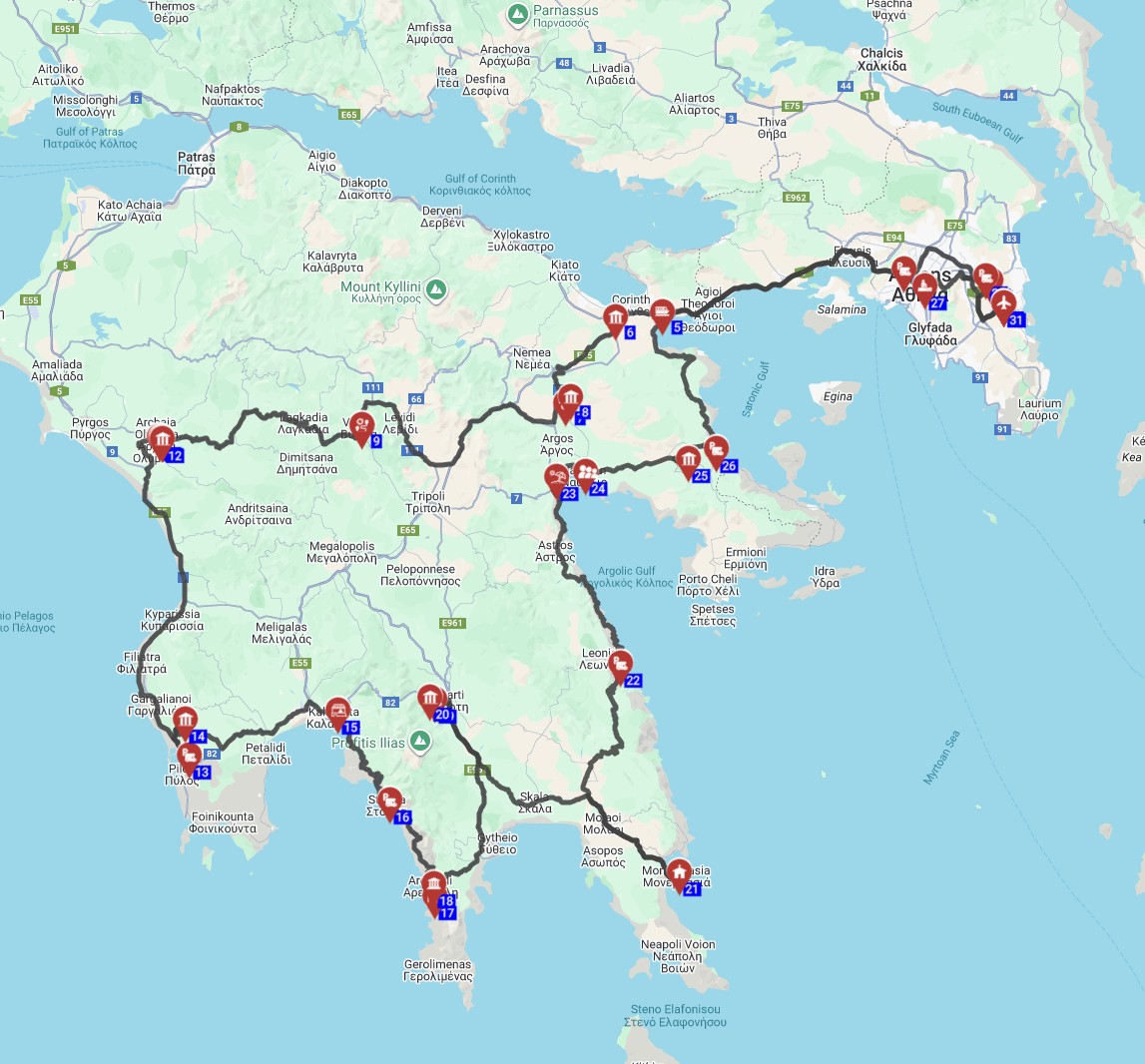
- **The Peloponnese Peninsula, Greece:** Discover ancient Olympia, Mycenae, and the stunning beaches of Voidokilia. This region offers a perfect blend of history, nature, and delightful Greek cuisine.
- **Dalmatian Coast, Croatia:** Travel along the Adriatic, visiting Split, Dubrovnik, and the beautiful Krka National Park. Utilize RV-friendly ferries to explore islands like Brač or Hvar.
- **The Douro Valley, Portugal:** Cruise through terraced vineyards, sample world-renowned port wine, and enjoy serene river views. Many Quintas (wine estates) offer unique overnight parking experiences for RVers.
Looking for expert insights from Avi Bandana? Top 5 Adventures - recommendations from Avi Bandana
Final Thoughts
A family RV trip through South Europe promises an unforgettable adventure, offering the freedom to explore diverse landscapes and rich cultures at your own pace. With a rented motorhome or campervan, you have the flexibility to chase the sun along ancient coastlines, discover hidden villages, and savor authentic regional cuisines. Remember to embrace slow travel, allowing 100-150 km per day on average, to truly immerse yourselves in each destination.
Whether it's your first time or you're a seasoned RVer, Bandana Caravan is here to support you every step of the way, offering transparent pricing, expert advice, and a wide selection of vehicles to suit your family's needs. We handle the details, so you can focus on living the journey and creating lasting memories. So pack your bags, choose your route, and get ready to experience the magic of South Europe from the comfort of your home on wheels!
Compare Motorhome Prices for South Europe and start planning your dream family adventure today!