In This Guide
- Can You Drive an RV in Scotland? License & Age Rules
- Road Conditions & Terrain in Scotland
- RV Size Limits, Bridges & Restricted Zones
- Fuel: Diesel vs. Petrol & Cost per 100 km
- Tolls, Vignettes & Border Rules
- Driving Tips for Family RV Rental Travelers
- Recommended RV Class for Scotland Roads
- Should I Choose a Compact Van Instead of a Large RV in Scotland?
- Can I Park Anywhere? Free & Wild Camping Rules in Scotland
- Can I Drive an RV Into the City Center? Heights, Tunnels & Local Signage
- What is the best month to RV Scotland?
- How much does it cost to RV Scotland?
- Is it easy to travel around Scotland in a motorhome?
- Is it safe to drive a motorhome in Scotland?
- Can you wild camp in Scotland in a motorhome?
- Where can I find motorhome stopovers in Scotland?
Scotland offers an incredibly diverse landscape for family RV adventures, from the dramatic Highlands to the serene lochs and vibrant cities. Exploring this historic land with a rented motorhome provides unparalleled flexibility and comfort, allowing your family to experience its magic at your own pace. For live availability and current prices, start with our RV Rental Scotland - Complete Guide 2026 guide.
Can You Drive an RV in Scotland? License & Age Rules
Yes, you can absolutely drive a rented RV in Scotland with a standard car driver's license. Most standard driving licenses (Category B) issued in the UK and internationally allow driving motorhomes and campervans with a Maximum Authorised Mass (MAM) of up to 3,500 kg, which comfortably covers many popular family RV models available for rental. For instance, a typical Class B Camper Van has a GVWR well within this limit, while a Class SI - Semi-integrated or Class C - Alcove motorhome often falls under the 3,500 kg threshold as well. For those holding non-UK licenses, an International Driving Permit (IDP) is recommended to supplement your national license, especially if it's not in English, though it's often not legally mandatory for short visits in Scotland.
The minimum driver age for family RV rental in Scotland is typically 21 years old, with renters usually required to have held a valid full driving license for at least 2 years. It is important to note that unlike some other destinations, there are generally no young driver surcharges and no vehicle class restrictions based on age for standard RVs in Scotland, making it accessible for a wider range of family groups. Always check specific supplier requirements when booking your family RV rental in Scotland.
Road Conditions & Terrain in Scotland
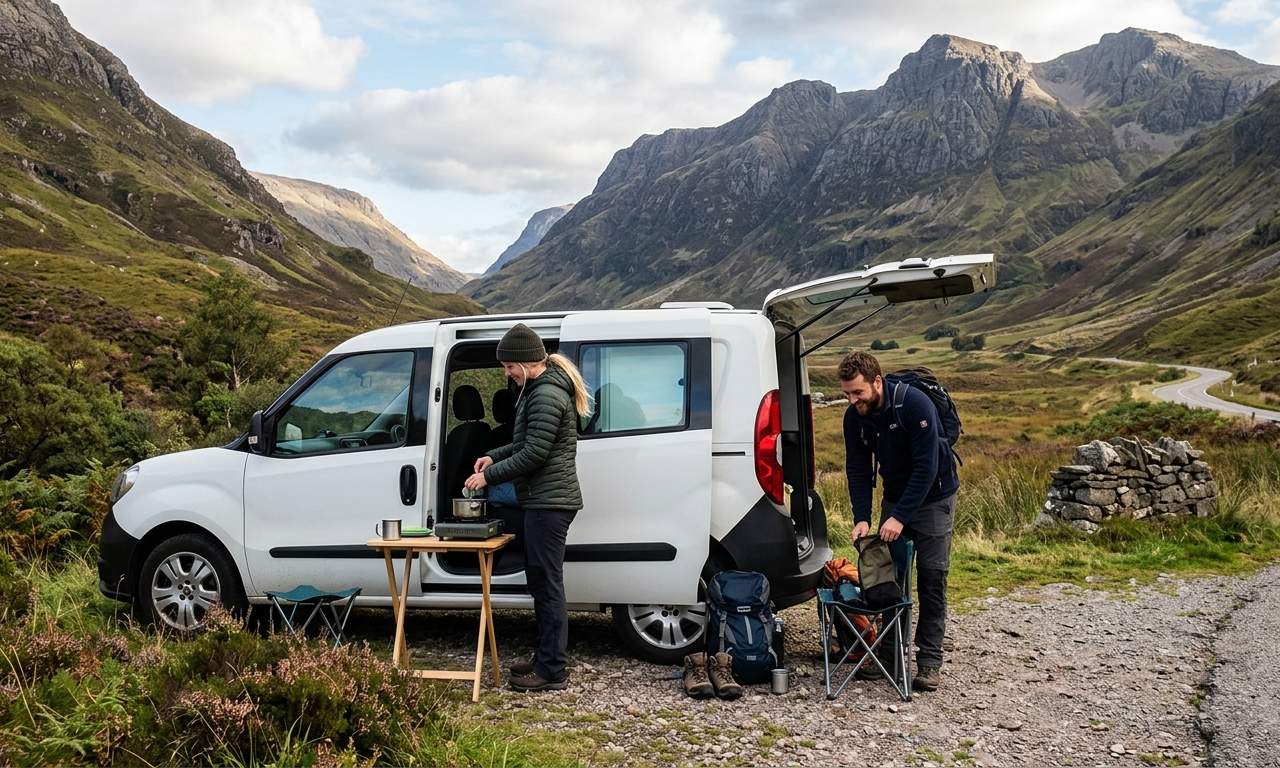
Scotland's road network offers a mix of driving experiences, ranging from smooth motorways and well-maintained A-roads to more challenging single-track routes, particularly prevalent in the breathtaking Highlands and tranquil islands. The terrain is incredibly varied, transitioning from flat coastal stretches to steep, winding mountain passes with inclines sometimes reaching 20% on routes like the infamous Bealach na Bà on the Applecross Peninsula. Navigating these roads requires attentiveness and a slower pace, but with common sense and careful driving, you can drive almost anywhere without issues.
Urban areas like Edinburgh and Glasgow feature standard city roads, and while traffic can be busy, driving a larger rented motorhome into the city center is manageable. There's no need to stress; just use common sense and pay attention to road signs, especially for height restrictions on underpasses. Embracing a slower pace is key to enjoying the scenic routes; it's an integral part of the Scottish RV adventure and allows for true connection with the culture, food, and scenery.
RV Size Limits, Bridges & Restricted Zones
When planning your family RV trip in Scotland, being mindful of vehicle dimensions is crucial, especially for height (Class C Alcove models can be around 3-3.2m tall) and weight restrictions on historic bridges and specific routes. Scotland features Low Emission Zones (LEZ) in major cities such as Glasgow, Edinburgh, Aberdeen, and Dundee; these zones aim to improve air quality by penalizing non-compliant vehicles, so it's essential to confirm your rented motorhome's Euro emission standard aligns with the specific city requirements to avoid fines.
Planning ferry travel to Scotland's numerous islands, like the Isle of Skye or the Outer Hebrides, necessitates pre-booking your RV and accurately declaring its exact length and height, as these dimensions directly influence ticket pricing and available space on the vessel. Always check for local road signs that indicate vehicle restrictions, particularly on narrower, older routes in more remote areas. Remember, driving slowly and carefully, you can explore almost any part of Scotland in your chosen RV without issues, focusing on the journey as much as the destination.
Fuel: Diesel vs. Petrol & Cost per 100 km
The vast majority of family RV rentals in Scotland, including those available through Bandana, are diesel-powered, which is widely available across the country at numerous fuel stations. Based on Bandana's global fleet averages, a Class SI - Semi-integrated RV typically consumes 10-11 Liters/100 km, a Class C - Alcove motorhome 10-12 Liters/100 km, and a Class B - Camper Van 8-10 Liters/100 km. Fuel prices in Scotland, especially in more remote areas like the Highlands or islands, can be slightly higher than in other parts of the UK. Budgeting approximately £1.50 - £1.80 per litre for diesel (as of 2026) is a prudent estimate, which means a 100 km journey could cost your family roughly £15-£22, depending on your chosen RV class and driving conditions. On the routes offered through RV PLANET routes, you can itemize and track every expense along the way for easy budgeting.
To help manage your travel budget effectively, particularly when considering ongoing costs like fuel, campsite fees, and groceries, remember that on the RV PLANET routes, travelers can itemize and track every expense along the way for easy budgeting. This full transparency allows you to enjoy your trip without financial surprises.
Tolls, Vignettes & Border Rules
Scotland is refreshingly free of road tolls and does not require vignettes for driving a rented RV, a pleasant contrast to some other European countries. This means your family can explore the stunning landscapes without unexpected charges for road usage within Scotland itself. If your journey involves traveling to Scotland from other parts of the UK, the only significant toll road you might encounter is the M6 Toll in England, which offers a quicker route around Birmingham and can be paid by card or cash at the toll booths.
Cross-border travel within Great Britain (England, Scotland, and Wales) is seamless, with no specific 'border rules' or checks for your family RV rental, ensuring smooth and uninterrupted passage. This makes planning extended road trips, perhaps starting your adventure in England and heading north, incredibly straightforward.
Driving Tips for Family RV Rental Travelers
Embarking on a family RV trip in Scotland is an unforgettable experience, and a few key driving tips will ensure it runs smoothly. First and foremost, practice slow travel: aim for a maximum of 100-150 km per day on average. This allows your family to truly feel the place, connect to the culture, the food, and the scenery without rushing.
Plan for frequent stops every 2 hours, especially with children, to stretch legs, enjoy viewpoints, and prevent driver fatigue. Scotland's numerous single-track roads, particularly in the Highlands, require careful navigation. Familiarize yourself with "passing places" and always pull over promptly for oncoming traffic or faster vehicles behind you, often with a friendly wave of thanks. Given the remoteness of some areas, it is wise to fuel up regularly and keep your tank topped up, as petrol stations can be sparse. And because Scottish weather is famously unpredictable, pack for all seasons, being prepared for sun, rain, and cooler temperatures even in summer. When it comes to meals, many RVs come equipped with excellent kitchens, perfect for preparing family dinners on the go; check out our RV-friendly recipes playlist for inspiration. Remember, Bandana RV is with you before and after your booking, making sure all the details are covered so you can focus on living the journey.
Recommended RV Class for Scotland Roads
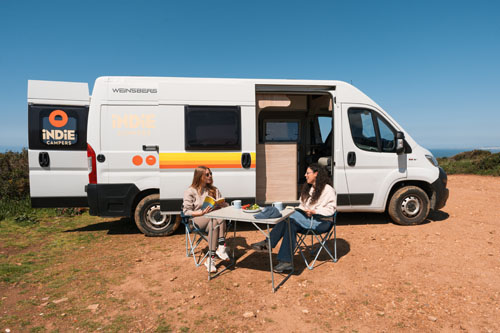
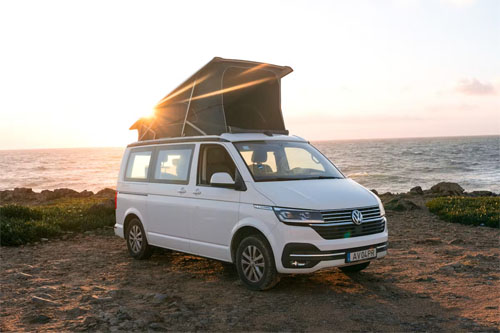
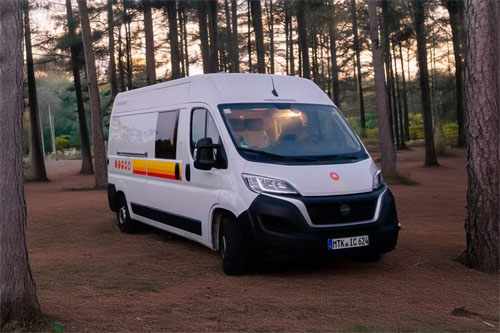
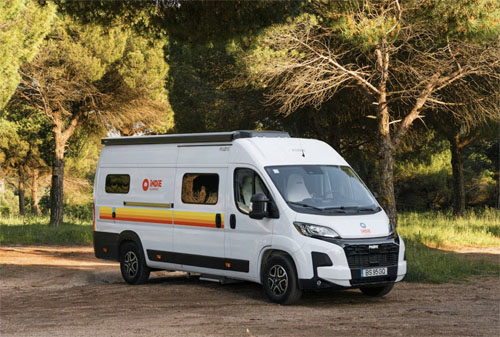
For a family RV rental in Scotland, Class SI - Semi-integrated and Class C - Alcove motorhomes are highly recommended, striking an excellent balance between interior comfort and practical maneuverability on varied Scottish roads. A Class SI - Semi-integrated, with an average length of 6.9m and sleeping capacity for 3.8 people, provides ample living space for a family while remaining manageable on most routes. For larger families, a Class C - Alcove, averaging 7.5m in length and sleeping 5.8 people, offers additional sleeping areas and comfort, though its slightly longer length and higher profile require a bit more caution on very narrow or winding routes like those found on the Bealach na Bà. While Class B - Camper Vans (averaging 5.8m in length) are more agile, their smaller interior space might be a compromise for family comfort during extended stays or less-than-ideal weather, making a Class SI or C often the preferred choice for family adventures in Scotland.
🎬 Video coming soon
Should I Choose a Compact Van Instead of a Large RV in Scotland?
For most family RV rental journeys in Scotland, there is generally no issue driving a larger motorhome; the enhanced comfort and generous indoor space often outweigh the marginal maneuverability benefits of a compact campervan. While a compact van, such as a Class B Camper Van (averaging 5.8m in length), might genuinely offer advantages in extremely tight historic village centers or accessing very specific small, remote campsites, these situations are usually the exception rather than the rule on Scotland's main touring routes. The key is to drive slowly and carefully, and you can drive almost anywhere without issues. No need to stress - just use common sense and pay attention to signage.
The trade-off for a compact van often means significantly less living space, fewer separate sleeping areas, and smaller kitchen or bathroom facilities, which can considerably impact family comfort during longer trips or periods of inclement weather. Opting for a semi-integrated (Class SI) or an alcove (Class C) RV typically provides a much more comfortable family experience without sacrificing too much accessibility, especially when exploring popular destinations from Aberdeen - Airport to Glasgow - Airport.
Can I Park Anywhere? Free & Wild Camping Rules in Scotland
While Scotland is famous for its 'right to roam' under the Scottish Outdoor Access Code, this right primarily applies to non-motorized access, meaning walking, cycling, or wild tent camping, and does not legally extend to motorhomes or RVs. Therefore, you cannot legally 'wild camp' just anywhere in a rented vehicle across Scotland. Overnight parking for motorhomes is generally restricted to designated campsites, official motorhome stopovers (often known as 'aires'), or private land with explicit permission from the landowner.
Some informal overnight parking spots may exist, often near popular viewpoints or in very remote areas, but these are unregulated and should be used with extreme discretion, always following 'leave no trace' principles. Rules can vary significantly by region, with National Parks like Loch Lomond & The Trossachs often having specific bylaws strictly prohibiting or regulating overnight vehicle parking in many zones. Always check local regulations and adhere to local law before parking overnight to ensure a legal and responsible family RV trip in Scotland. For finding campsites and campgrounds during your trip, we recommend using RV PLANET (rvplan.net) - a great resource for locating available spots along your route.
Can I Drive an RV Into the City Center? Heights, Tunnels & Local Signage
Yes, you can generally drive a rented RV into Scottish city centers like Edinburgh or Glasgow, but it requires careful attention to local signage, potential height restrictions, and parking limitations. Be particularly vigilant for height limits on underground car parks, underpasses, and low bridges, which can pose a challenge for taller Class C Alcove RVs. Cities like Edinburgh have specific challenges with narrow historic streets, but by driving slowly and carefully, you can navigate almost anywhere without issues. No need to stress - just use common sense and pay attention.
Additionally, while Scotland's Low Emission Zones (LEZs) in cities such as Aberdeen - Airport and Dundee - Airport do not restrict vehicle entry, they do penalize non-compliant vehicles; always verify your RV's Euro emission standard to avoid fines. Parking a larger motorhome directly in city centers can be challenging due to congestion and limited space, so consider utilizing park-and-ride facilities or designated RV-friendly car parks on the outskirts, then using public transport to explore the city's heart.
What is the best month to RV Scotland?
The best months for a family RV adventure in Scotland are typically May, June, and September, offering a pleasant balance of favorable weather, extended daylight hours, and fewer crowds compared to the peak summer season. May and June showcase Scotland's landscapes in full bloom, generally bringing drier weather and long daylight, which are ideal for scenic drives and outdoor activities before the school holidays commence. September often provides crisp, clear days with stunning autumn colors and significantly fewer midges, offering a more serene experience as the summer crowds begin to thin out.
July and August represent the peak season with the warmest temperatures and school holidays, leading to higher prices for campsites and more crowded attractions; it's also when midges are most prevalent, although still manageable with proper preparation. While RV travel is possible during winter (October-April), it can be more challenging due to shorter days, colder temperatures, potential snow and ice, and many campsites or attractions operating on reduced hours or being closed, making it more suitable for experienced cold-weather RVers. For detailed pricing by season, explore options like a Weekly RV Rental in Scotland - Pricing 2026 to find the best time for your trip.
How much does it cost to RV Scotland?
The total cost for a family RV trip in Scotland can vary significantly, typically ranging from £100-£250+ per day, influenced by your chosen RV rental, the season of travel, fuel consumption, campsite fees, food expenses, and attraction admissions. For a family-sized RV, such as a Class SI or Class C motorhome, expect to pay approximately £80-£180+ per day during the mid-season, with prices fluctuating based on demand and rental duration; checking for options like Cheap RV Rental in Scotland - Budget Guide 2026 can help. Fuel, predominantly diesel for rented RVs, costs around £1.50-£1.80 per litre (as of 2026), translating to a budget of £15-£22 per 100 km; for a typical 200 km driving day, this means £30-£44 for fuel alone.
Designated campsites, which offer essential facilities like electric hook-ups and waste disposal, usually cost £25-£45 per night for a family pitch. Daily food and groceries for a family might require budgeting £40-£70, depending on how often you cook in your RV versus eating out. Entry fees for historical sites, museums, or guided tours can add another £10-£30 per person per attraction, so planning for £50-£100+ daily for a family's activities is a good estimate. Always factor in an additional 10-15% for miscellaneous expenses or unforeseen events. For finding campsites and campgrounds and tracking every expense along your route, RV PLANET routes are an excellent tool to help you budget and manage ancillary trip costs effectively.
Is it easy to travel around Scotland in a motorhome?
Traveling around Scotland in a rented motorhome is generally a highly rewarding and straightforward experience, though it certainly requires adaptability and an understanding of the country's unique driving challenges. The famous single-track roads, prevalent throughout the Highlands and islands, require constant vigilance for passing places; proper etiquette means pulling over promptly and courteously to allow oncoming vehicles or faster traffic behind you to pass, often accompanied by a friendly wave of thanks. Routes like the Bealach na Bà in Applecross feature challenging gradients and hairpin bends, so ensuring your RV is in good condition and driving cautiously in appropriate gears is crucial.
While navigating larger RVs in city centers can feel a bit more stressful due to congestion and limited parking, options like park-and-ride facilities on the outskirts of cities like Glasgow or Edinburgh offer a more relaxed approach. Be prepared for livestock on rural roads, as sheep, cattle, or deer can frequently appear, especially in unfenced areas; always drive slowly and be ready to stop. Beyond just the logistics, actively seeking out local markets, small village festivals, and independent eateries provides a deeper cultural immersion for your family, enriching your experience far beyond typical tourist attractions. This commitment to local connection and honest transparency is what makes Bandana RV truly specialists, not just a travel agency side department.
Is it safe to drive a motorhome in Scotland?
Driving a rented motorhome in Scotland is very safe, provided that drivers are adequately prepared for varied road conditions, adhere to local etiquette, and plan for potential remoteness, particularly concerning emergency preparedness and connectivity. In case of an emergency, the national emergency number is 999, but be aware that response times may be longer in very remote areas, making precise location knowledge critical. Ensure your family RV rental includes comprehensive breakdown cover; in areas with unreliable mobile signal, having the rental company's emergency contact numbers readily available offline is a smart precaution.
Mobile phone signal and data can be patchy or absent in parts of the Highlands and islands, so downloading offline maps and essential contact information before venturing into remote locations is highly recommended. Many campsites offer Wi-Fi, though quality and availability can vary. Scotland's weather is notoriously changeable; always pack layers and waterproofs, and check forecasts frequently, as sudden shifts can impact both driving conditions and outdoor plans. Be cautious of wildlife, especially deer, sheep, and other animals on rural roads at dawn and dusk. Additionally, while not a safety hazard, Scottish midges can be a significant nuisance from late spring to early autumn, particularly at dusk and dawn in damp, still conditions; packing effective insect repellent (such as Smidge) and midge nets is highly advisable.
Can you wild camp in Scotland in a motorhome?
While Scotland's 'right to roam' under the Scottish Outdoor Access Code allows for wild camping with tents, this right generally does not extend to motorhomes or RVs, meaning overnight parking is restricted to designated sites or private land with explicit permission. The Scottish Outdoor Access Code applies specifically to non-motorized access, and vehicles are governed by different regulations; local bylaws often prohibit overnight parking outside of official areas, especially in popular or environmentally sensitive locations like those found near Inverness.
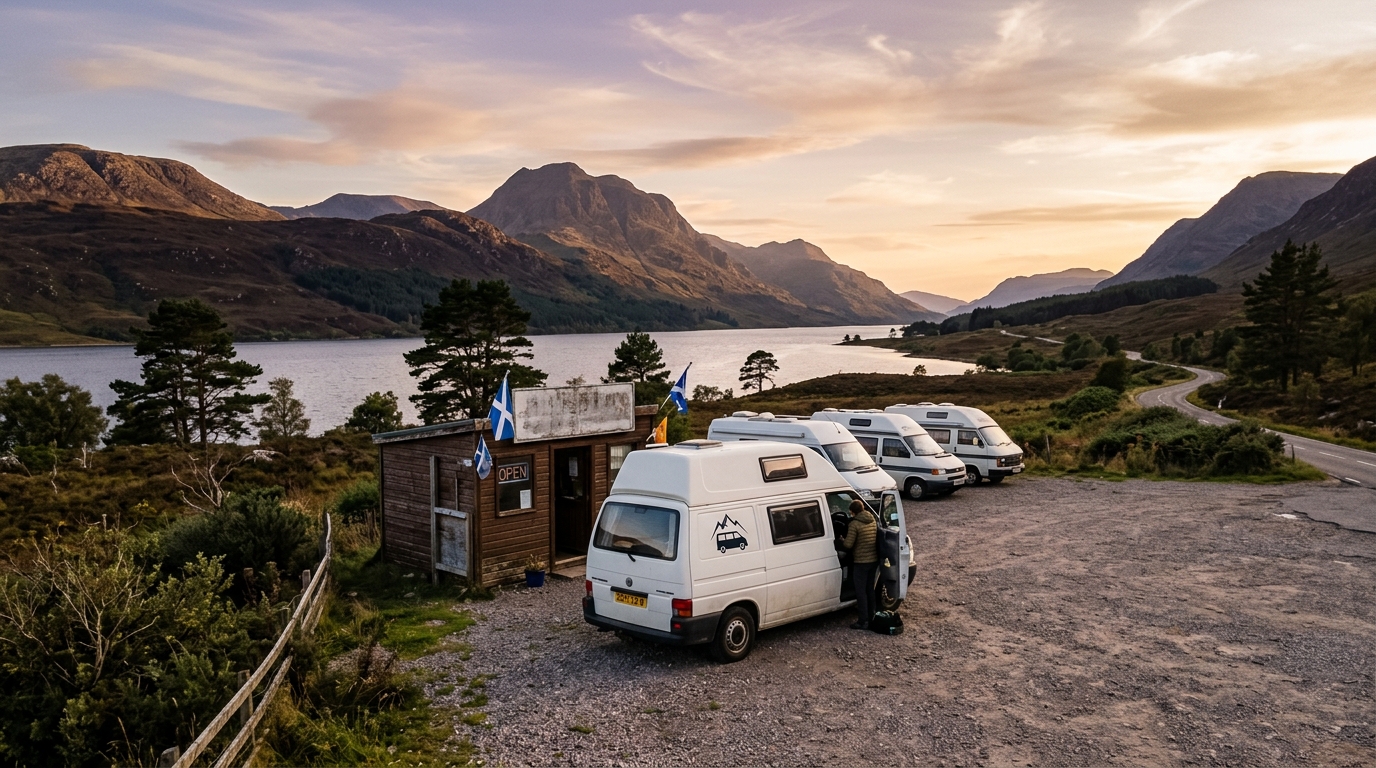
'Wild' overnight parking for motorhomes is largely informal and requires extreme discretion, strict adherence to 'leave no trace' principles, and a deep respect for both the environment and local communities. For instance, specific rules regulating or prohibiting overnight vehicle parking are in place in many zones within National Parks (Loch Lomond & The Trossachs, Cairngorms); always check local signage and official park guidance. Responsible practice for your family RV rental in Scotland involves utilizing official campsites, designated Aires or stopovers, or obtaining explicit permission from landowners to ensure legal and sustainable travel. Finding a spot will be easier if you call ahead before driving to a specific location.
Where can I find motorhome stopovers in Scotland?
Motorhome stopovers in Scotland are primarily found at designated campsites, certified Aires (often referred to as 'stopovers' or 'motorhome parks'), and through specialized apps or websites detailing overnight parking opportunities. Traditional campsites are the most common and reliable option, providing full facilities such as electric hook-up, fresh water, waste disposal, and showers; booking well in advance is highly recommended, especially during peak season or for popular locations like those near Edinburgh - Airport.
Although not as widespread as in mainland Europe, Scotland is progressively developing more designated motorhome stopover points, often located in towns or scenic spots, which may offer basic facilities or simply a permitted place to park overnight for a fee. Utilizing dedicated RV or campsite apps like Park4Night, Campercontact, or the official apps from the Camping and Caravanning Club or Caravan and Motorhome Club, can be invaluable for locating both official and informal overnight spots. Additionally, some farms or rural pubs offer overnight parking for motorhomes, often expecting patronage in return, which can provide a unique local experience. Always prioritize official sites or explicitly permitted locations for your rented camper, practice 'leave no trace' principles, keep noise to a minimum, and respect local communities and the environment. This commitment reflects our value of full transparency and supporting travelers every step of the way.
What You Shouldn't Miss
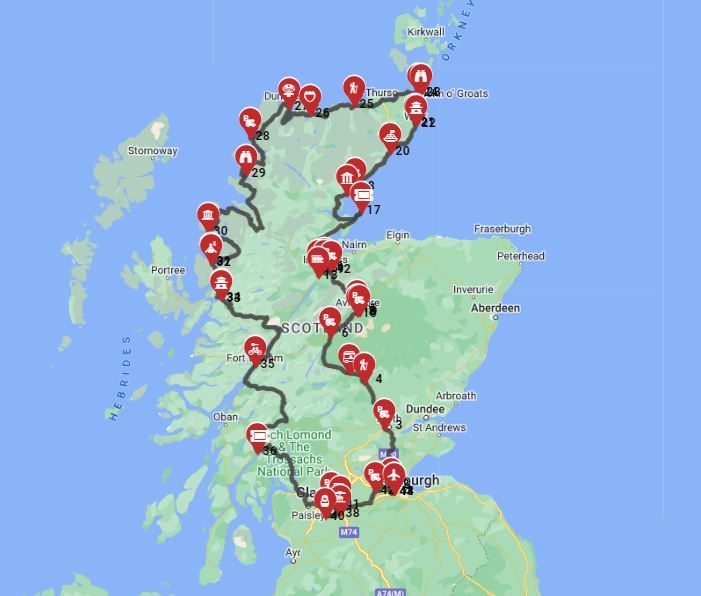
- Drive the North Coast 500: This iconic 830 km (516-mile) scenic route is a must-do, offering dramatic coastal scenery, historic castles, and charming villages. Plan to travel slowly, perhaps 100-150 km per day, to fully immerse your family in the breathtaking views.
- Explore the Isle of Skye: Discover the mystical landscapes of the Fairy Pools, the Old Man of Storr, and the Quiraing. Remember to book ferry crossings for your family RV well in advance, especially during busier months.
- Visit Loch Lomond & The Trossachs National Park: Enjoy stunning lochs, forests, and mountains. Find numerous designated campsites where you can park your rented motorhome and explore hiking trails or boat tours.
- Wander through Edinburgh: Immerse yourselves in history at Edinburgh Castle and stroll along the Royal Mile. Consider using park-and-ride facilities and public transport to navigate the city center effectively with your RV.
- Experience a Whisky Distillery Tour: Scotland is famous for its whisky. Visit a distillery in regions like Speyside to learn about the production process and enjoy a tasting (for adults).
- Looking for expert insights from Avi Bandana? Top 5 Adventures - recommendations from Avi Bandana
Final Thoughts
Embarking on a family RV adventure in Scotland promises unforgettable memories, blending breathtaking scenery with rich history and culture. From navigating the legendary single-track roads of the Highlands to exploring vibrant cities and serene lochs, a rented motorhome gives you the freedom to craft your perfect itinerary. Remember to embrace the slower pace, plan your overnight stops, and be prepared for the diverse weather, and you're all set for an incredible journey.
We're here to support you every step of the way, offering full transparency and expert advice as you plan your trip to Scotland. Discover top destinations, planning tips, all in one place! Imagine yourselves waking up to a new stunning vista each morning, sharing laughter around the RV's kitchen table, and creating stories that will last a lifetime.
Ready to hit the road and discover the magic of Scotland? Start planning your dream vacation today!
Find family RV Rentals in Scotland with Bandana RV and compare Motorhome Prices for Scotland now.