In This Guide
- Can You Drive an RV in Poland? License & Age Rules
- Road Conditions & Terrain in Poland
- RV Size Limits, Bridges & Restricted Zones
- Fuel: Diesel vs. Petrol & Cost per 100 km
- Tolls, Vignettes & Border Rules
- Driving Tips for Family RV Rental Travelers
- Recommended RV Class for Poland Roads
- Should I Choose a Compact Van Instead of a Large RV in Poland?
- Can I Park Anywhere? Free & Wild Camping Rules in Poland
- Can I Drive an RV Into the City Center? Heights, Tunnels & Local Signage
- How much does it cost to rent an RV in Poland?
- What do you need to know before RVing in Poland?
- Can I wild camp in Poland?
- Is Poland RV friendly?
- Is Poland a good country for a road trip?
- How long should I spend in Poland by RV?
- Where can I get water for an RV in Poland?
- Do I need to book campsites in Poland?
- What is the best time of year to visit Poland by RV?
- Is it safe to travel in Poland with an RV?
- How do I dump grey water in Poland?
- Can you travel through Poland with a dog?
- Where are the best places to visit in Poland in an RV?
- Connectivity and Navigation for RVs in Poland
Can You Drive an RV in Poland? License & Age Rules
In Poland, drivers holding a standard B driving license, valid within the EU/EEA, can typically operate RVs up to 3,500 kg, falling under Category B regulations. For RVs that exceed this weight threshold but remain under 7,500 kg, a C1 license is necessary. If your chosen RV is over 7,500 kg, a C license will be required. The minimum driver age for renting an RV is generally 21 years old. However, it's important to note that some rental companies may have stricter age requirements, often asking for drivers to be 23 or 25 and to have held their license for a minimum of two to three years. Foreign drivers originating from outside the EU/EEA are advised to carry an International Driving Permit (IDP) alongside their national license, as this is frequently mandated by Polish law and rental agencies for legal operation.
Road Conditions & Terrain in Poland
Poland's road infrastructure has seen significant improvements, boasting well-maintained highways (autostrady) and expressways (drogi ekspresowe) that efficiently connect major cities, generally making RV travel a smooth experience. However, venturing onto secondary roads, particularly in more rural or mountainous regions like the picturesque Tatras or the Bieszczady Mountains, can reveal narrower, curvier, and sometimes less-paved surfaces. These conditions may necessitate slower speeds and more careful maneuvering for larger RVs. The country's terrain is varied, featuring flat plains in the central and northern areas, which are ideal for relaxed cruising, and transitioning to rolling hills and mountains in the south, offering more challenging yet incredibly scenic drives. We always encourage slow, scenic driving, allowing families to truly absorb and appreciate Poland's diverse landscapes, from its Baltic coastlines to its historic towns and protected national parks.
RV Size Limits, Bridges & Restricted Zones
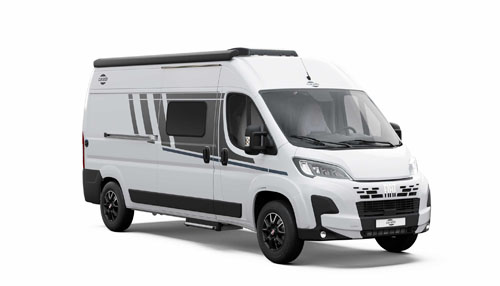
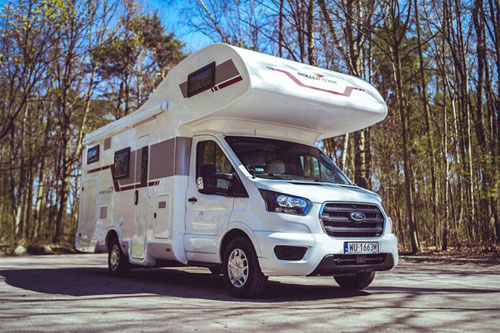
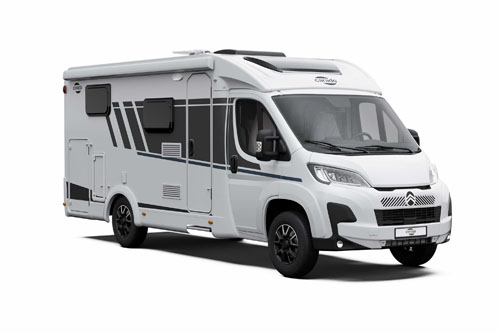
While Poland is generally accommodating for RVs of various sizes, drivers must remain attentive to specific height, weight, and environmental restrictions, especially when navigating older towns or sensitive ecological areas. Most RVs within Bandana's global fleet, such as the Class SI - Semi-integrated models averaging 6.9 meters in length or the Class C - Alcove RVs averaging 7.5 meters, can navigate Polish roads without encountering significant issues, provided drivers always observe applicable signage. It's crucial to pay close attention to road signs indicating height restrictions, which are commonly displayed at the entrance to tunnels or historic city centers, and also to weight limits, particularly when crossing older or rural bridges. Currently, Poland has fewer widespread Low Emission Zones (LEZs) compared to many Western European countries; however, some cities might implement such regulations. Therefore, it's always advisable to check the specific city regulations before entering to ensure compliance. No major ferry routes in Poland impose specific dimension limits that would impact standard RVs.
Fuel: Diesel vs. Petrol & Cost per 100 km
Diesel (ON) is the primary fuel type for most RVs operating in Poland and is readily available at service stations across the country, while petrol (benzyna) is also common for smaller vehicles. For Bandana's fleet, a Class SI - Semi-integrated RV typically consumes around 10-11 liters per 100 km, whereas a Class C - Alcove RV averages between 10-12 liters per 100 km. The actual cost per 100 km for your RV will naturally fluctuate based on prevailing fuel prices. Using these consumption averages, travelers can effectively estimate their fuel expenses. For instance, if diesel is priced at 6.5 PLN per liter, a Class SI RV would incur costs of approximately 65-71.5 PLN per 100 km. Some rental providers, including those partnered with Bandana, may offer fuel discount cards, which can be a helpful way to manage expenses during your family RV adventure in Poland.
Tolls, Vignettes & Border Rules
In Poland, tolls are primarily collected electronically via the viaTOLL system for vehicles weighing over 3.5 tonnes, applicable on designated motorways and expressways. However, some privately operated motorway sections may still use traditional toll gates. For RVs under 3.5 tonnes, a common weight category for many family motorhomes, tolls are typically paid at physical toll gates or can be managed conveniently through the e-TOLL PL app. It's important to note that Poland does not operate a vignette system; instead, tolls are calculated based on distance traveled or are applied per section of road. When planning travel to neighboring countries, be aware that Slovakia and the Czech Republic require vignettes for motorway use. Germany, on the other hand, does not have a general toll system for passenger cars and RVs, and Lithuania also does not mandate vignettes for these vehicle types. Some Bandana rental RVs may come with pre-purchased toll passes or onboard devices to simplify toll payments and help avoid potential fines. On the routes offered through RV PLANET routes, you can itemize and track every expense along the way for easy budgeting.
Driving Tips for Family RV Rental Travelers
When embarking on an RV road trip in Poland with your family, planning regular stops is key. Aim for breaks every 2-3 hours to allow everyone to stretch, enjoy snacks, and engage in some playtime, utilizing Poland's plentiful roadside rest areas or scenic viewpoints. Budgeting consciously is also important; pre-paying tolls where possible, perhaps using apps like e-TOLL PL, or strategically choosing routes that minimize toll road usage can help manage expenses. Keep a close eye on fuel prices, as they can fluctuate. To enhance your family's experience, prioritize Poland's well-maintained secondary roads for a more immersive journey, enabling you to discover charming villages and hidden gems away from the main highways. Given Poland's sometimes unpredictable weather, ensure your RV is equipped for varying temperatures, especially if traveling during the shoulder seasons. Finally, staying connected is crucial for navigation and communication; investing in a local SIM card can be beneficial, and it's wise to download offline maps, as internet coverage can be inconsistent in more remote or mountainous areas, thereby enhancing safety and convenience for your entire family.
Recommended RV Class for Poland Roads
For a comfortable and manageable family RV journey through Poland, the Class SI - Semi-integrated and Class C - Alcove RVs from Bandana's extensive global fleet are highly recommended. These models strike an excellent balance between ample living space, essential amenities, and overall maneuverability on Polish roads. Class SI - Semi-integrated RVs, which average around 6.9 meters in length and typically offer sleeping places for 3-4 people, provide comfortable living quarters for smaller families while still being relatively easy to navigate on both major highways and the narrower country roads. For larger families, the Class C - Alcove RVs, averaging about 7.5 meters in length and often accommodating up to 6 people, offer more generous room and dedicated sleeping areas. Despite their slightly greater length, these RVs handle Poland's infrastructure with ease. Both recommended classes generally provide sufficient ground clearance for most Polish roads, including potential minor unpaved sections leading to campsites, without being overly cumbersome for exploring even historic city centers.
Should I Choose a Compact Van Instead of a Large RV in Poland?
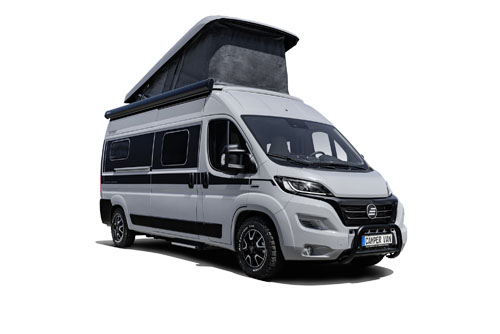
The decision between a compact van and a larger RV for your family trip to Poland primarily hinges on your priorities regarding space versus ultimate maneuverability, though it’s worth noting that larger RVs are generally well-accommodated throughout the country. A compact van, such as Bandana's Class B - Camper Van (averaging about 5.8 meters), undoubtedly offers easier navigation through very tight historic city centers, challenging mountain passes, and allows for more discreet parking. However, for families, the significant trade-off in indoor living space and overall comfort in a compact van can be a considerable drawback, especially during inclement weather or on longer journeys where separate sleeping areas and more expansive living spaces—typical in Class C or SI RVs—become invaluable. For the majority of Poland's diverse attractions and typical family travel needs, the superior amenities found in larger RVs, including integrated showers, toilets, and fully equipped kitchens, often outweigh the minor inconvenience of occasional slower urban navigation.
Can I Park Anywhere? Free & Wild Camping Rules in Poland
Legally speaking, wild camping—or free camping outside of designated areas—is generally prohibited in Poland. This restriction specifically applies to national parks, nature reserves, most forested areas (unless explicitly designated), and private land without obtaining explicit permission from the landowner. While these strict 'no wild camping' rules are in place, the on-the-ground reality can sometimes be more nuanced. Some RVers find discreet overnight spots, particularly in less populated rural areas, by adhering strictly to a "leave no trace" philosophy and ensuring they are not causing any disruption. Designated overnight parking spots, often found near popular attractions or in smaller towns, and paid agritourism stays offer perfectly legal and often more immersive alternatives to official, dedicated campsites. It's crucial to remember that rules can vary significantly by region, so always check local regulations and abide by local law before parking overnight, prioritizing safety and respect for the environment and local communities.
Can I Drive an RV Into the City Center? Heights, Tunnels & Local Signage
Yes, you can almost always drive an RV into city centers in Poland, but doing so requires careful attention to specific local signage. Be mindful of restrictions related to height limits, tunnels, low bridges, and potential environmental zones. Major Polish cities like Krakow, Warsaw, and Gdansk often feature modern infrastructure, but their historic cores, characterized by older architecture, may present narrower streets where height and weight restrictions are more commonly encountered. Always observe road signs indicating maximum vehicle height, typically displayed prominently at the entrance to tunnels, underpasses, or before entering old town districts, to avoid any potential damage to your RV. It's also important to be aware of local traffic regulations, including streets designated for residents only, pedestrian zones, and potential environmental zones that might restrict larger vehicles during certain hours, although these are generally less prevalent for RVs in Poland than in some other European countries.
How much does it cost to rent an RV in Poland?
The cost to rent an RV in Poland typically ranges from approximately €70-€150 per night for a smaller campervan during the off-season to €150-€250+ per night for a larger, family-sized motorhome during peak season. These prices are influenced by the RV class, rental duration, and how far in advance you book. A comprehensive budget for an RV trip in Poland should extend beyond the rental fee to include essential ancillary costs such as fuel (estimated at 65-71.5 PLN per 100 km for a semi-integrated RV), tolls, campsite fees (generally ranging from €15-€40 per night), food, and planned activities. For a realistic daily estimate for a family of four, including all expenses, budget between €150-€300. Booking well in advance, particularly for summer travel or holiday periods, often secures better rates, and many rental companies provide discounts for longer rental durations, which can significantly reduce the overall cost.
What do you need to know before RVing in Poland?
Before setting out on your RV adventure in Poland, it's essential to familiarize yourself with local driving laws, including speed limits—typically 50 km/h in urban areas and up to 140 km/h on motorways—as well as specific license requirements and road signage, which utilizes standard European pictograms for clarity. You'll also want to understand RV-specific logistics, such as locating potable water refill points, often found at campsites or larger service stations, and the proper disposal of grey and black water at designated sanitation stations, which are generally well-provided at formal campsites. Competitors often overlook crucial practicalities like the specifics of propane/gas bottle exchange systems (Poland uses different connections than some Western European countries) and the availability of RV-specific vehicle maintenance support. Ensure your rented RV is equipped with mandatory safety items in Poland: a first-aid kit, a fire extinguisher, reflective vests for all passengers, and a warning triangle.
Can I wild camp in Poland?
Legally, wild camping in Poland is generally restricted, particularly in national parks, nature reserves, and most forested areas, and always requires explicit permission from landowners for any overnight stays. While some competitors might simply state that wild camping is prohibited, the reality can involve understanding certain 'grey areas.' These might include utilizing unofficial overnight parking spots in rural areas, rest stops along roads, or designated parking zones that are sometimes signposted for 'caravans.' Ethical considerations are paramount when attempting such parking; always practice 'leave no trace' principles, respect local communities, and ensure you are not blocking access or disturbing wildlife. Viable alternatives to wild camping include leveraging the growing network of agrotourism farms, many of which welcome RVs, or opting for private campsites that provide necessary facilities and legal peace of mind.
Is Poland RV friendly?
Poland is increasingly becoming an RV-friendly destination, marked by significant improvements in its road infrastructure and a growing number of well-equipped campsites, especially in popular tourist regions and national parks. The country's diverse landscapes are particularly well-suited for RV travel, offering everything from the Baltic coast and the Masurian Lake District to historic cities and the mountainous south, catering to a wide array of family interests. While navigating older city centers might present challenges due to narrow streets, the overall infrastructure outside these historic cores is very suitable for RVs, and dedicated RV parking facilities are often available on the outskirts of major towns. Furthermore, the general cost of living and camping in Poland tends to be more affordable when compared to Western Europe, making it an attractive option for budget-conscious RV families.
Is Poland a good country for a road trip?
Poland is an excellent country for an RV road trip, presenting a rich tapestry of history, varied natural beauty, vibrant cities, and charming rural landscapes that are easily accessible by vehicle. The country's improving road network, encompassing modern highways and scenic regional routes, facilitates smooth transitions between different regions, allowing travelers to journey from the Baltic Sea in the north all the way to the Tatra Mountains in the south. Road trips in Poland offer the unique flexibility to discover hidden gems, engage in authentic cultural interactions, and stumble upon local festivals that are often missed on more conventional tourist routes, fulfilling that desire for off-the-beaten-path experiences. With numerous national parks, UNESCO World Heritage Sites, and a wide array of family-friendly attractions, Poland truly offers endless possibilities for a memorable driving adventure.
How long should I spend in Poland by RV?
For a family RV trip in Poland, a recommended duration of 10 to 14 days allows for a comfortable exploration of at least two major regions or a comprehensive route without feeling excessively rushed. If you wish to delve deeper into the country's diverse offerings, a 3-week itinerary would provide ample time to explore more remote areas like the Bieszczady Mountains or the Podlasie region, in addition to the major highlights. Shorter trips of 5-7 days are certainly feasible if your focus is concentrated on a single region, such as exploring Krakow and the nearby Tatra Mountains, or dedicating your time to the Baltic coast, thereby offering a concentrated yet enjoyable family experience. Crucially, when planning your itinerary, factor in adequate travel time between destinations and potential scenic detours to ensure a relaxed and enjoyable pace for everyone.
Where can I get water for an RV in Poland?
In Poland, fresh water for your RV is primarily available at designated campsites, which typically feature potable water hookups or dedicated filling stations within their facilities. While competitors might overlook specific RV logistics, larger gas stations, particularly those with truck facilities, may also have water taps, and some municipal service points or car washes (often marked 'Myjnia') might offer water access. However, it is important to verify the potability of the water in such cases. Agritourism farms that welcome RVs are another excellent source for water refills, often provided for a small fee or as part of a paid overnight stay. To be prepared, it's always advisable to carry a universal hose adapter and consider using a water filter for added peace of mind, especially when sourcing water from less formal locations.
Do I need to book campsites in Poland?
While booking campsites in Poland isn't always strictly necessary, especially during the shoulder seasons or in less popular regions, it is highly recommended during the peak summer months (July-August) and around major public holidays. Advance booking ensures availability, particularly for sought-after destinations like the Baltic coast, the Masurian Lake District, or national parks such as the Tatra National Park, where spots can fill up very quickly. Pre-booking also offers families valuable peace of mind, guaranteeing a safe and equipped overnight stop after a day of travel, especially when arriving later in the evening. Many larger campsites and camping networks facilitate online reservations, which can save considerable time upon arrival.
What is the best time of year to visit Poland by RV?
The optimal time for families to visit Poland by RV is generally during the late spring (May to June) and early autumn (September to October). These periods offer pleasant temperatures conducive to outdoor activities, fewer crowds at popular attractions, and generally better availability at campsites. While summer (July to August) is a popular choice for its warmth and full accessibility to all attractions, it also brings peak prices, increased crowds, and the highest demand for campsites, potentially requiring more advance planning. Spring and autumn provide comfortable temperatures for exploring, showcase vibrant natural scenery with blooming flowers or colorful foliage, and often allow for more spontaneous campsite bookings. Winter RV travel is also feasible but requires a winterized RV and thorough preparation for cold weather, snow, and potentially restricted road access in mountainous areas, as many campsites typically close during this season.
Is it safe to travel in Poland with an RV?
Traveling in Poland with an RV is generally considered very safe, characterized by low crime rates and a welcoming atmosphere for tourists, much like many other Western European countries. As with any travel, it's always prudent to take standard precautions, such as properly securing your vehicle, avoiding leaving valuables in plain sight, and opting for well-lit or official campsites for overnight stays. While road conditions are mostly good, always remain mindful of local driving habits, especially in urban areas, and be aware of the potential for wildlife on rural roads during dawn or dusk. Familiarizing yourself with emergency numbers (112 for all emergencies) and considering travel insurance that specifically covers RV-related incidents can add an extra layer of security to your trip.
How do I dump grey water in Poland?
In Poland, both grey water (from sinks and showers) and black water (from the toilet) must be disposed of at designated sanitation stations, which are readily available at virtually all official RV campsites. While competitors may not detail RV-specific logistics, it's worth noting that some larger petrol stations, truck stops, or dedicated RV service areas (often found along popular tourist routes) might also offer dumping facilities, although these are less common than in Western Europe. Dumping grey or black water directly into public drains, onto roadsides, or into natural environments is illegal and environmentally irresponsible. Always ensure your RV has sufficient grey and black water tank capacity, particularly if you plan to do any wild camping or stay in areas without immediate access to disposal points, and take time to familiarize yourself with your RV's specific waste disposal system before your trip.
Can you travel through Poland with a dog?
Yes, traveling through Poland with a dog is certainly possible, as Poland is generally considered a pet-friendly country, particularly in outdoor settings and at many campsites. Competitors often overlook the practicalities of pet travel, but specific border requirements for pets entering Poland include possession of an EU pet passport, ensuring up-to-date vaccinations (especially rabies), and microchipping. Many campsites throughout Poland welcome pets, often providing designated areas for dogs and sometimes charging a small fee; it's always best to confirm their specific pet policy in advance. While dogs are frequently allowed on restaurant patios, they are generally not permitted inside food establishments, and local etiquette strongly emphasizes keeping dogs on a leash in public areas and cleaning up after them promptly.
Where are the best places to visit in Poland in an RV?
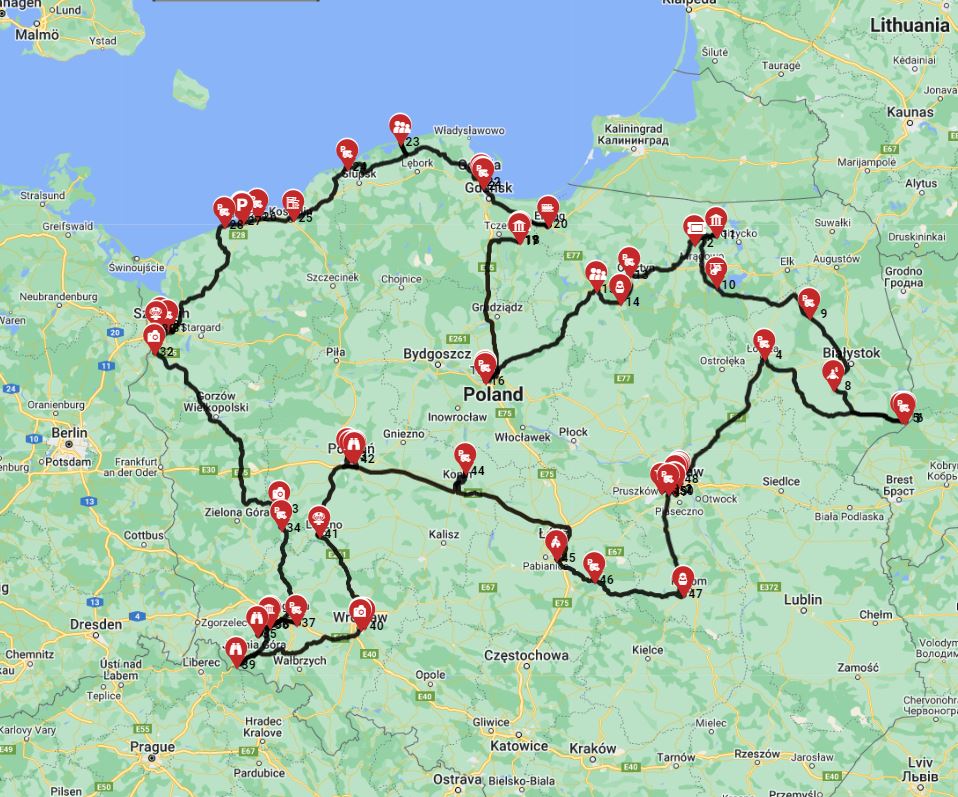
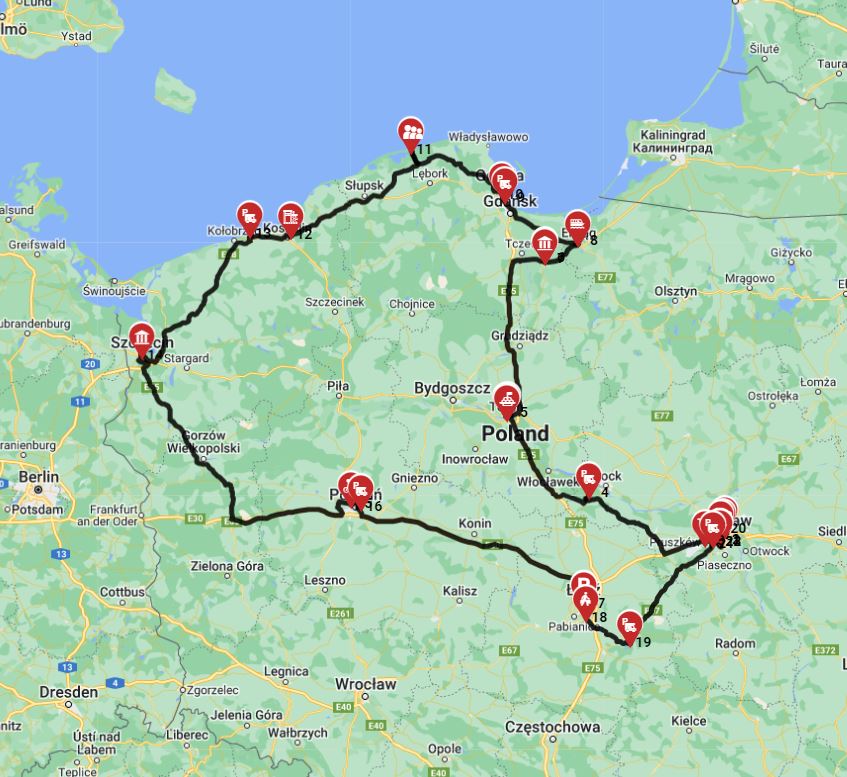
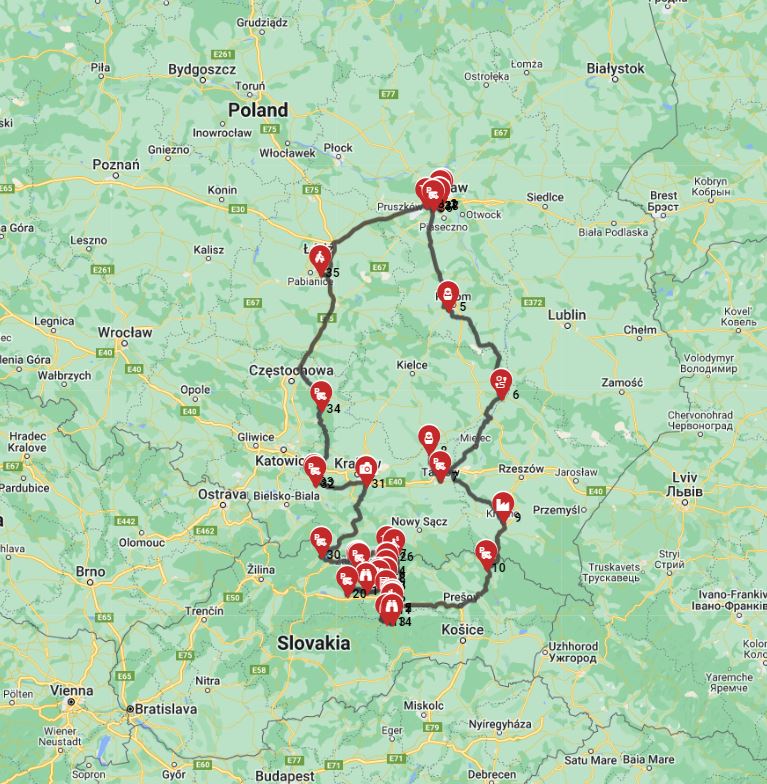
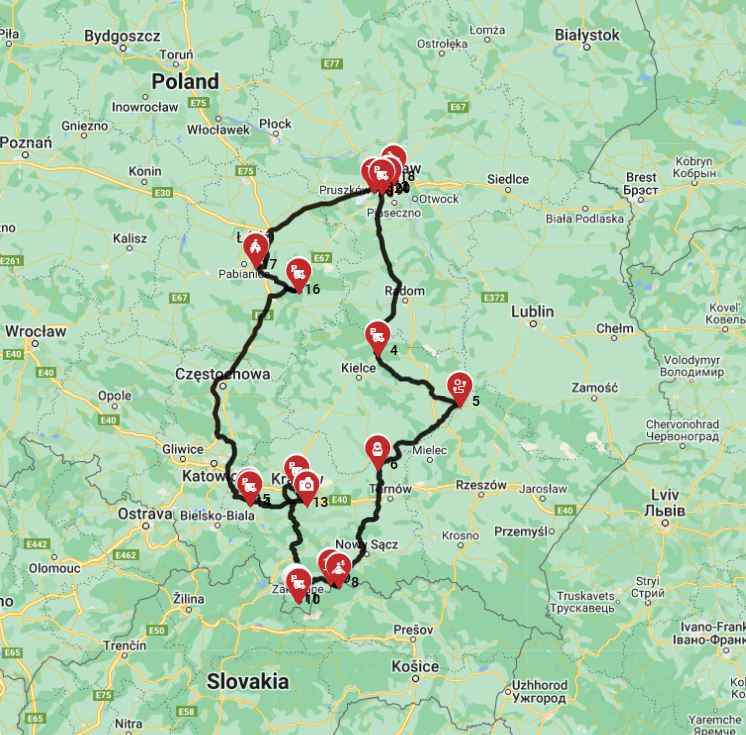
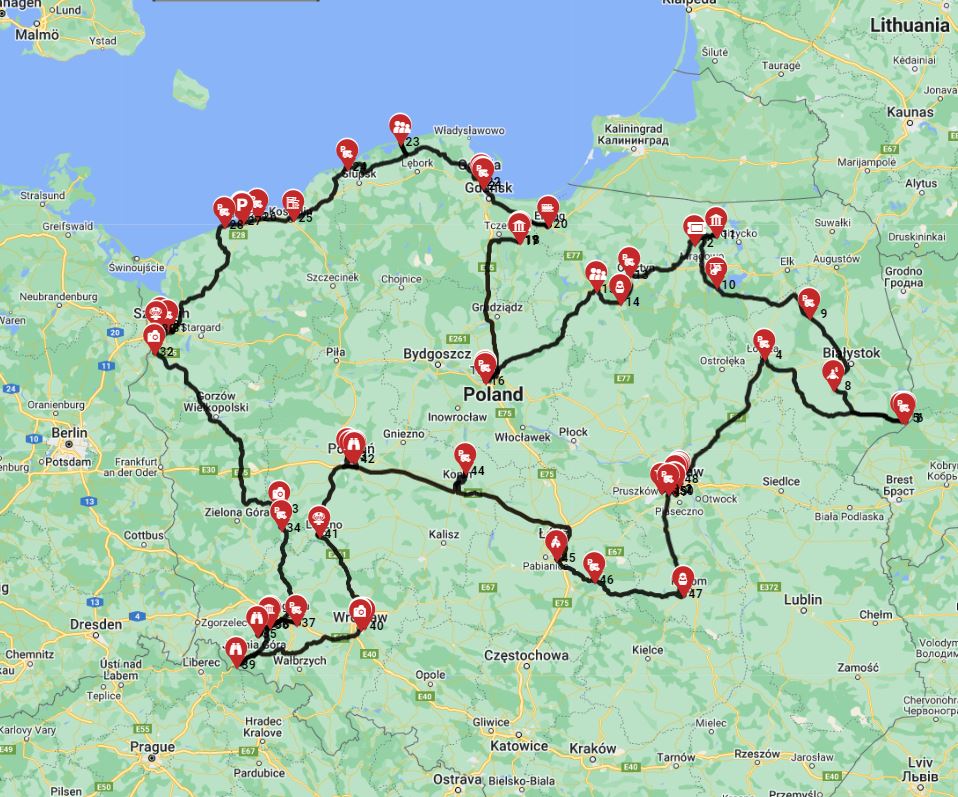
Poland offers a wealth of fantastic destinations for RV travel, catering to diverse family interests, from coastal adventures to mountain retreats and immersive historical city explorations. The Baltic Coast, encompassing areas like the Hel Peninsula, Gdansk, and Sopot, provides beautiful beaches and charming towns with ample family activities during the summer, complemented by numerous campsites conveniently located along the shoreline. Beyond the well-trodden paths, consider exploring the Masurian Lake District for water sports and tranquil nature experiences, or venturing into the Bieszczady Mountains for hiking and a genuine sense of wilderness and local immersion. Other top spots include the historically rich city of Krakow, the Tatra Mountains for stunning alpine scenery and hiking opportunities, and exploring the lesser-known agrotourism regions for authentic Polish cultural experiences. For those seeking a structured itinerary, the "
Connectivity and Navigation for RVs in Poland
Ensuring reliable connectivity and effective navigation is crucial for a smooth RV journey in Poland. Local SIM cards from providers like Play, Orange, or T-Mobile offer affordable data packages for internet access on the go, which is essential for real-time navigation and communication. While competitors might not always highlight specifics, for RV navigation, utilizing apps like Google Maps or Waze is standard, but it’s also highly recommended to consider specialized RV GPS apps (e.g., Sygic Truck & RV) that factor in vehicle dimensions to help avoid low bridges or narrow roads. Wi-Fi availability varies; most formal campsites provide Wi-Fi, sometimes for a fee, while cafes and public spaces in cities often offer free access. Downloading offline maps for your chosen navigation app is a highly recommended practice, especially when venturing into more rural or mountainous regions where mobile data coverage might be inconsistent, thereby ensuring you stay on track.
What You Shouldn't Miss
- Explore the historic Old Town of Krakow, a UNESCO World Heritage site, with its Main Market Square and Wawel Castle.
- Discover the charming streets and coastal beauty of Gdansk, a vibrant port city on the Baltic coast.
- Hike amidst the stunning alpine scenery of the Tatra Mountains National Park, offering breathtaking views and numerous trails.
- Experience the unique phenomenon of the "Moving Dunes" in Słowiński National Park, a surreal desert landscape by the sea.
- Spot European Bison in their natural habitat within the ancient Białowieża Forest, one of Europe's last primeval woodlands.
- Visit the mysterious "Crooked Forest" near Gryfino for a quirky and intriguing natural anomaly.
Final Thoughts
Embarking on an RV adventure in Poland offers an incredibly flexible and immersive way to explore this diverse country. From the scenic coastlines to the majestic mountains and historic cities, a rented RV provides the freedom to discover at your own pace, creating unforgettable memories for the whole family. Remember to plan your route, pack smartly, and embrace the slow travel philosophy to truly connect with Poland's culture, landscapes, and people.
We are here to support you every step of the way, from comparing rental options to ensuring you have the information you need for a fantastic trip. Let Bandana Caravan help you plan your next Polish adventure – the open road awaits!
For ideas you can prep on the road, watch our RV-friendly recipes playlist on YouTube.