In This Guide
- Can You Drive an RV in North East US? License & Age Rules
- Road Conditions & Terrain in North East US
- RV Size Limits, Bridges & Restricted Zones
- Fuel: Diesel vs. Petrol & Cost per 100 km
- Tolls, Vignettes & Border Rules
- Driving Tips for Family RV Rental Travelers
- Recommended RV Class for North East US Roads
- Should I Choose a Compact Van Instead of a Large RV in North East US?
- Can I Park Anywhere? Free & Wild Camping Rules in North East US
- Can I Drive an RV Into the City Center? Heights, Tunnels & Local Signage
- What is the 3-3-3 rule for RV driving?
- Do I need a special license to drive an RV in NC?
- Can your family ride in an RV while it drives?
- What is the 3-3-3 rule for RV living?
- Which state is the most RV friendly?
- What is the largest RV you can drive without a special license?
- Who has the least expensive RV insurance?
- How much is insurance on a $200,000 RV?
- Does AARP do RV insurance?
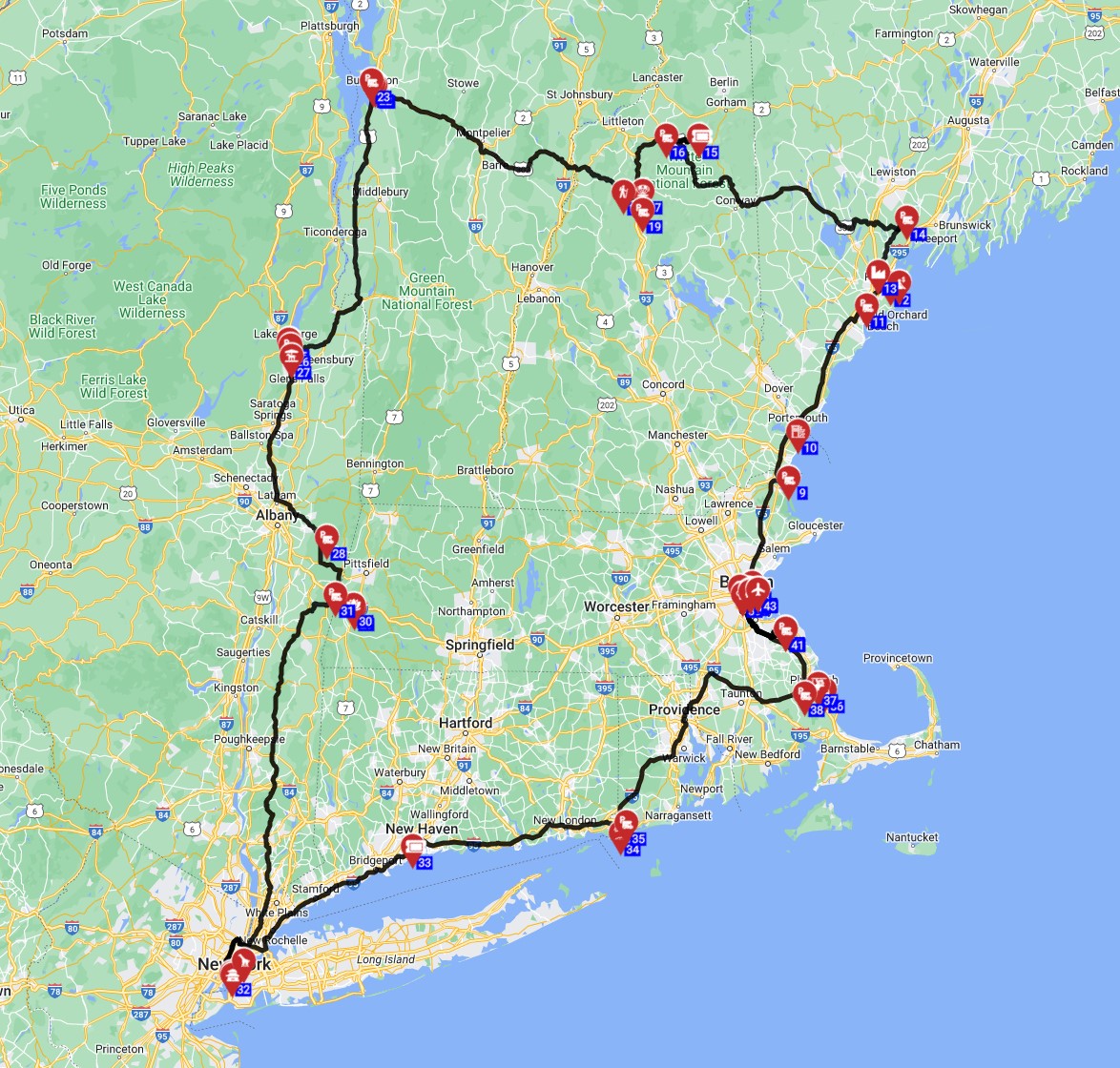
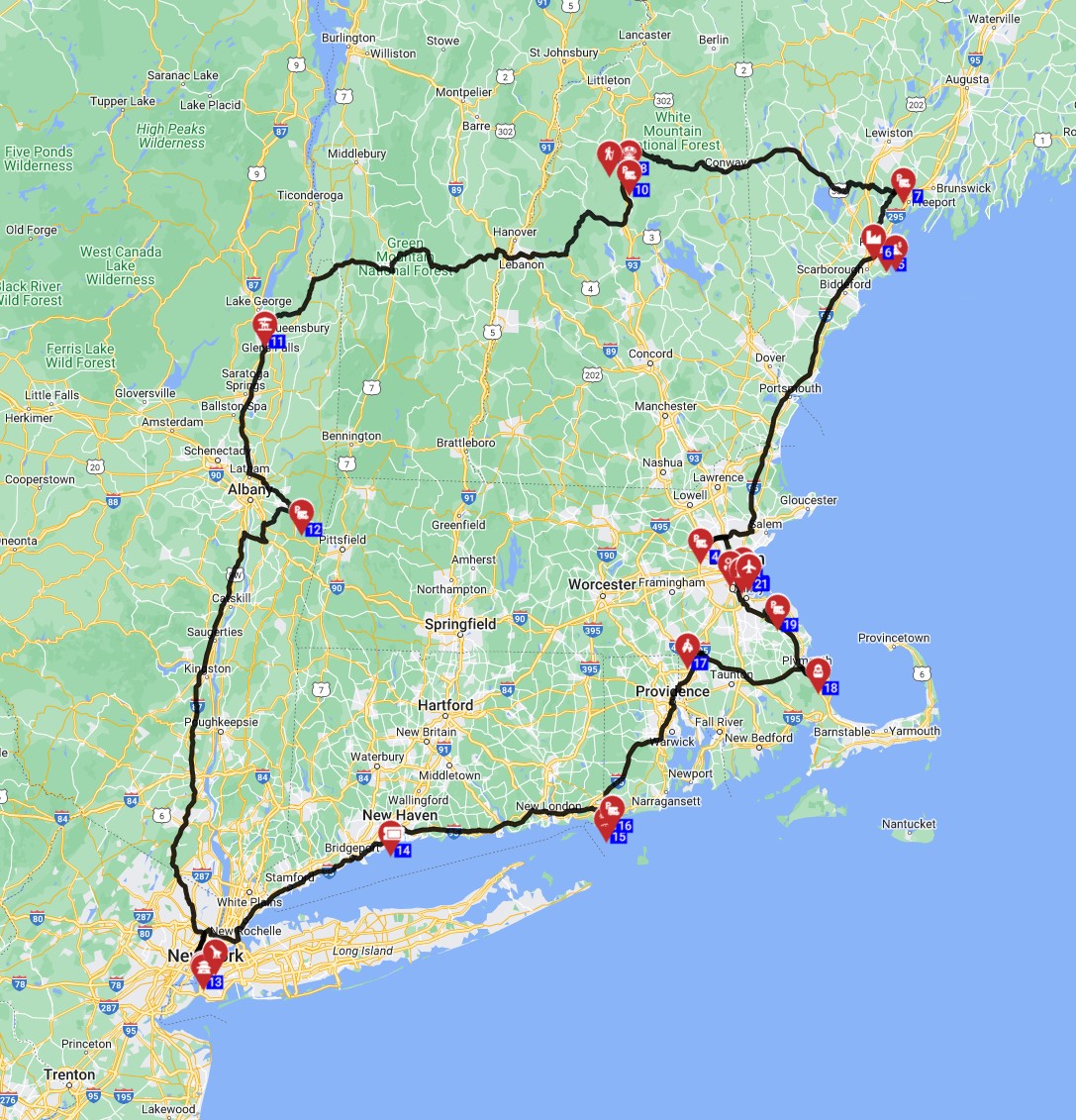
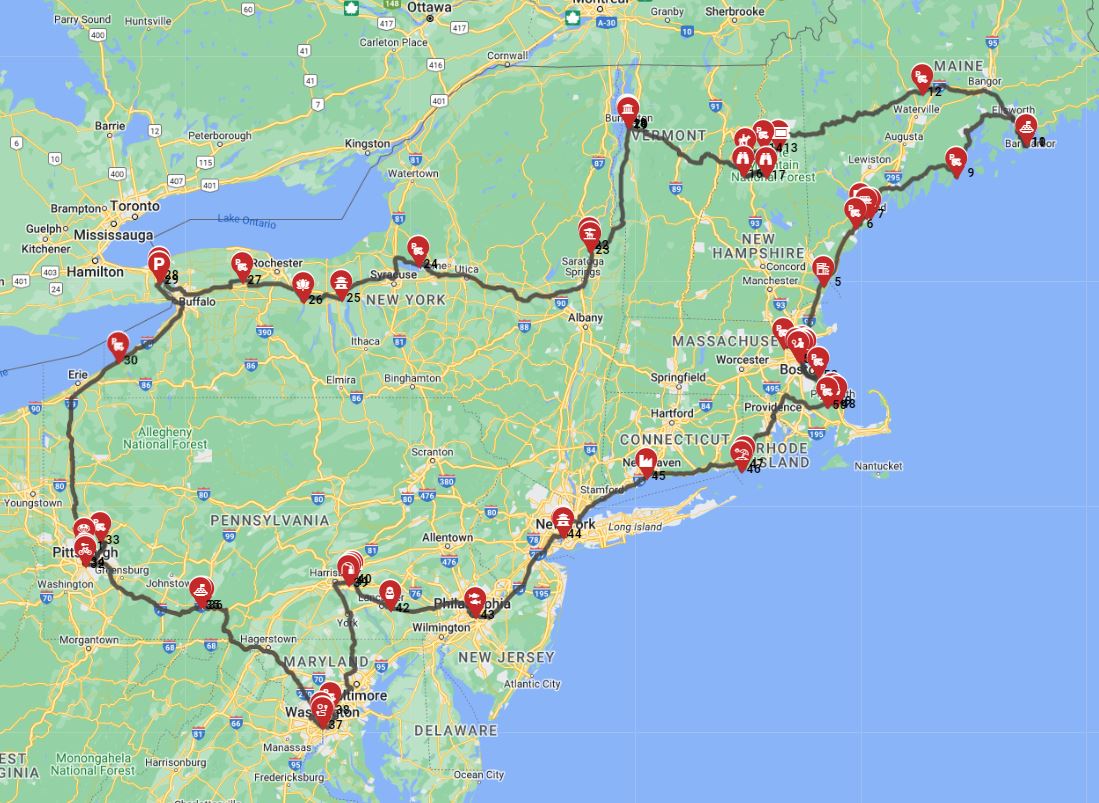
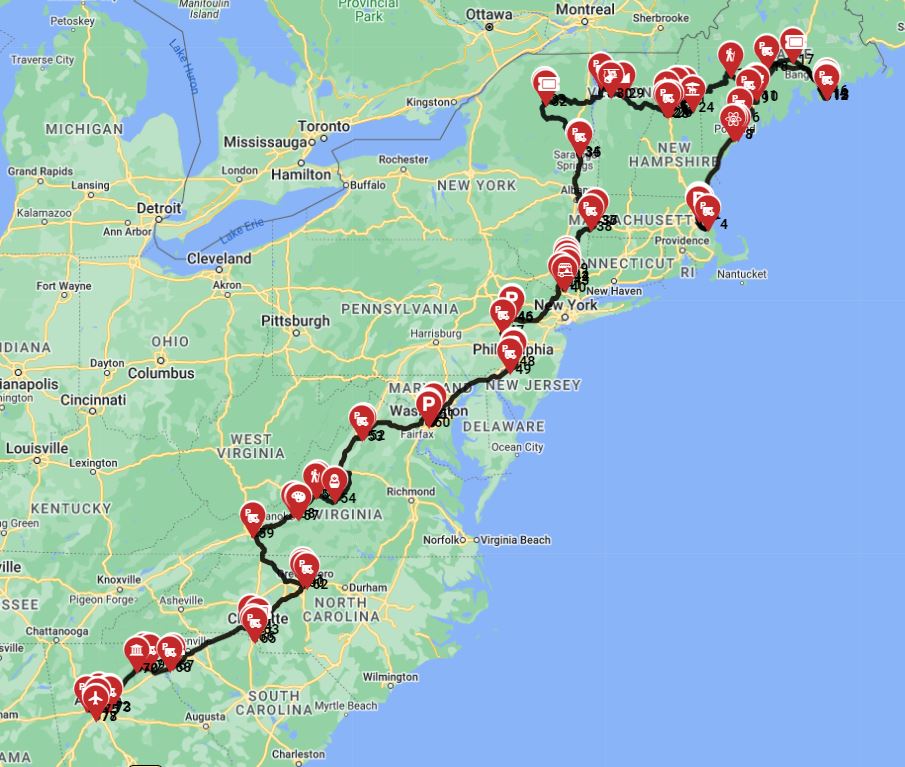
The North East US offers an incredible backdrop for a family RV adventure, from the rugged coastlines of Maine to the historic streets of Boston and the majestic Adirondack Mountains. With a rented motorhome or campervan, you unlock the freedom to explore at your own pace, creating unforgettable memories with every mile. Navigating this diverse region requires understanding a few local specifics, but don't worry- we're here to guide you every step of the way. For live availability and current prices, start with our RV Rental North East US - Complete Guide 2026 guide.
Can You Drive an RV in North East US? License & Age Rules
Yes, you can absolutely drive a rented RV in the North East US, with most common rental models not requiring a special license beyond your standard car driver's license. The majority of rental RVs in the North East US, including popular Class C motorhomes, Class SI semi-integrated models, and Class B campervans, typically fall under the 26,000-pound Gross Vehicle Weight Rating (GVWR) limit. This means a standard Class D (or equivalent state) driver's license is sufficient for operation.
Drivers must generally be at least 21 years old to rent an RV from our partner suppliers, with no young driver surcharges or vehicle class restrictions based on age. Foreign drivers should carry a valid driver's license from their home country, and an International Driving Permit (IDP) is highly recommended for translation, as it is widely recognized across North East US states like New York, Massachusetts, and Pennsylvania. Larger Class A motorhomes exceeding 26,000 lbs GVWR or towing heavy trailers may require a non-commercial Class A or Class B license, though these are less common in typical family rental fleets and are often reserved for more experienced RVers.
Road Conditions & Terrain in North East US
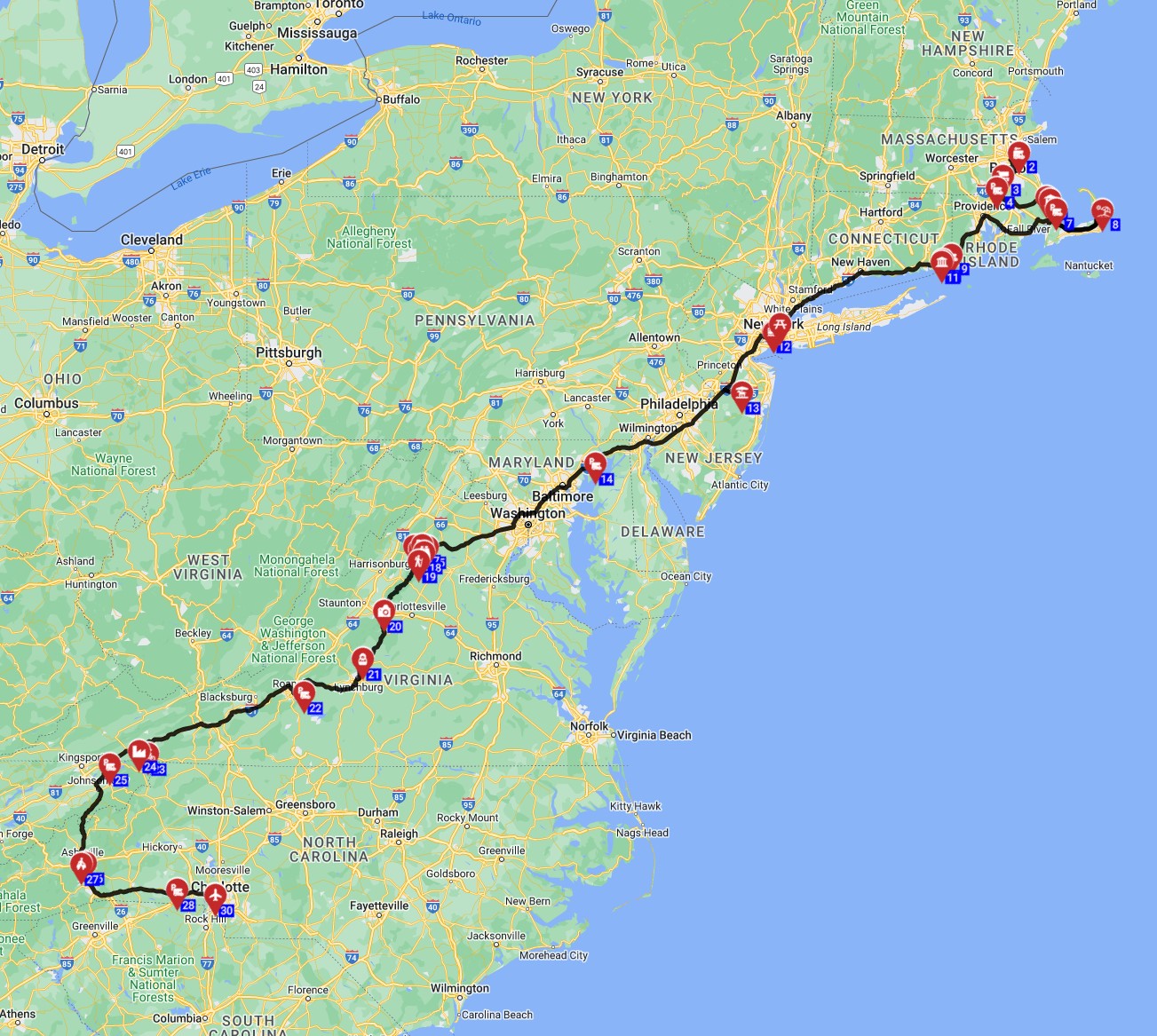
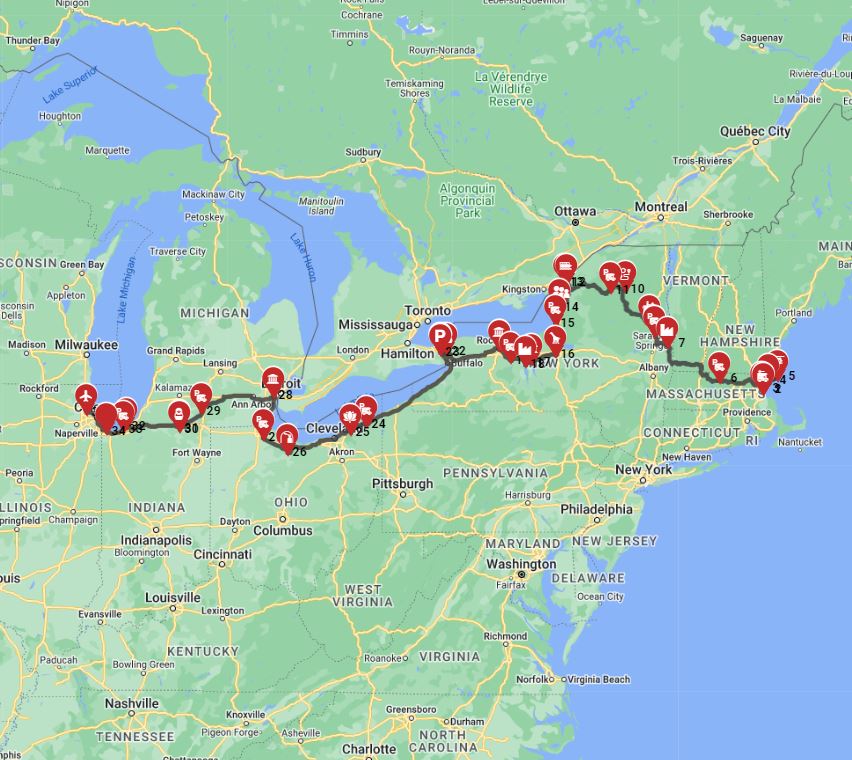
The North East US presents a rich tapestry of road conditions and terrains, from smooth interstate highways to charming, winding rural roads and mountainous landscapes, all offering scenic RV driving opportunities. Major interstates such as I-95, I-81, and I-90 provide excellent, multi-lane travel for covering long distances with ease. However, many secondary routes, especially in picturesque states like Vermont, New Hampshire, and upstate New York, can feature narrower lanes, steep grades, and even occasional unpaved sections that demand slower, more careful navigation.
Mountainous areas, including the Adirondacks in New York, Vermont's Green Mountains, and New Hampshire's White Mountains, require drivers to be mindful of switchbacks and significant elevation changes, which can impact a motorhome's fuel efficiency and braking performance. Urban centers such as Boston, New York City, and Philadelphia can also present unique challenges with heavy traffic, historic cobblestone streets, and limited parking. For family RV travelers, planning slower routes with frequent stops, perhaps 100-150 km per day on average, is highly recommended to fully appreciate the region's diverse beauty and comfortably adapt to varying road types.
RV Size Limits, Bridges & Restricted Zones
RV drivers in the North East US must be particularly attentive to specific height and weight restrictions, as low bridges are quite common in older urban and historic areas, especially around New York City and Long Island. Many bridges, tunnels, and historic underpasses throughout the North East, particularly in states like New York, Massachusetts, and Pennsylvania, have height clearances as low as 11-12 feet. Always check posted signage diligently and consider using an RV-specific GPS system that accounts for vehicle dimensions to avoid unexpected detours or costly damage.
Weight limits on older roads and bridges can also be a concern for larger motorhomes, though standard rental RVs like a Class C Alcove (averaging 7.5 meters or 24.6 feet in length) or a Class SI Semi-integrated (averaging 6.9 meters or 22.6 feet) generally fall within common limits. While less prevalent than in Europe, some environmental zones may exist in large cities, potentially restricting older vehicles or specific generator usage. Furthermore, if your itinerary includes scenic ferry crossings, such as those to Martha's Vineyard or Block Island, be aware that these services impose strict length, height, and weight limitations, often requiring advance reservations and specific fees based on your RV's dimensions. We offer full transparency with no hidden fees, ensuring you're aware of all potential costs upfront.
Fuel: Diesel vs. Petrol & Cost per 100 km
Most rental RVs in the North East US run on either diesel or regular unleaded petrol, with good fuel availability across the region, though rural areas may have fewer options. Larger Class C motorhomes often use petrol, while some bigger Class C models and almost all Class A motorhomes run on diesel. Based on Bandana's global fleet averages, a Class C motorhome typically consumes 10-12 Liters/100 km, while a compact Class B campervan, like the "rv rental denver example Category Van", which is ideal for a couple and offers features like front air conditioning and a recent model build, averages 8-10 Liters/100 km.
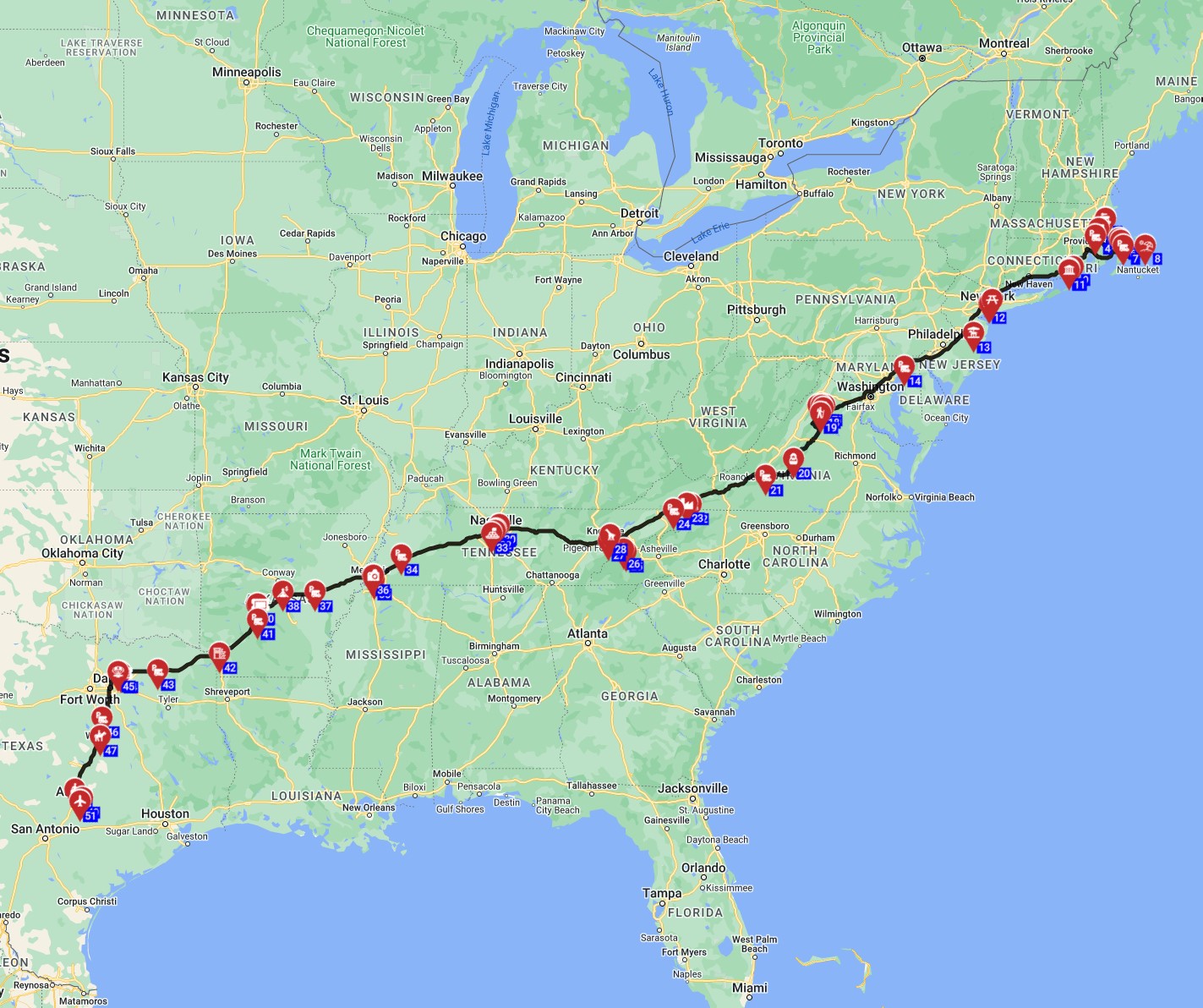
The average cost per 100 km in the North East will depend on your chosen RV's fuel type and the fluctuating fuel prices, which vary significantly by state; for instance, fuel can be more expensive in New York and Massachusetts compared to Pennsylvania. Budgeting for $20-$30 per 100 km is a reasonable estimate for most family motorhome trips. Planning routes through states with lower fuel taxes can offer savings, and it's always wise to refuel before heading into very remote areas. For comprehensive budgeting on your trip, including tracking every expense, RV PLANET routes provide tools to itemize costs along the way. On the routes offered through RV PLANET routes, you can itemize and track every expense along the way for easy budgeting.
Tolls, Vignettes & Border Rules
RV travel in the North East US almost certainly involves toll roads, bridges, and tunnels, which are predominantly managed by electronic payment systems like E-ZPass. The E-ZPass system is a game-changer for RVers in this region, allowing for seamless travel across multiple states, including New York, Massachusetts, Pennsylvania, and New Jersey, without needing to stop at toll booths. Unlike some European countries, the US does not employ a vignette system; instead, tolls are paid per-use, either electronically via a transponder (like E-ZPass), by mail based on license plate recognition (which often incurs higher fees), or at manned toll booths (which are becoming increasingly rare).
When crossing state borders within the North East US, RVs are subject to the same traffic laws and regulations as any other vehicle; there are no specific 'border rules' or additional permits required beyond standard state-specific traffic compliance. Many rental RV providers offer the option to rent an E-ZPass transponder or include it in the rental package, which is highly recommended to save time, reduce stress, and avoid potentially higher pay-by-mail rates. With Bandana Caravan, you get full transparency, so any toll system options and associated costs will be clear upfront, ensuring no hidden fees or surprises.
Driving Tips for Family RV Rental Travelers
Family RV travelers in the North East US can greatly enhance their journey by adopting specific driving strategies for a smooth, enjoyable, and safe experience, considering the region's varied terrain and numerous attractions. Firstly, plan frequent stops; with a family on board, aim to stop every 2-3 hours for breaks, stretching, and exploring points of interest. This approach prevents driver fatigue and keeps children engaged. Imagine pulling over by a picturesque lake in Maine, stretching your legs, and enjoying a quick snack from your mobile home's kitchen- for which you can find ideas in our RV-friendly recipes playlist.
Secondly, utilize an RV-specific GPS that factors in your vehicle's height, weight, and length to steer clear of low bridges, weight-restricted roads, and tight turns- a crucial tip for the North East's older infrastructure. Thirdly, practice wider turns and anticipate longer braking distances than you would in a standard car, especially on winding mountainous roads or in wet conditions common in spring and fall. Finally, budget for tolls and fuel; pre-purchasing an E-ZPass transponder can save both time and money, and consistently monitoring your fuel levels, particularly in more rural North East areas, is essential to avoid unexpected delays. Before moving, always secure all cabinets and loose items to prevent shifting and damage during transit.
Recommended RV Class for North East US Roads
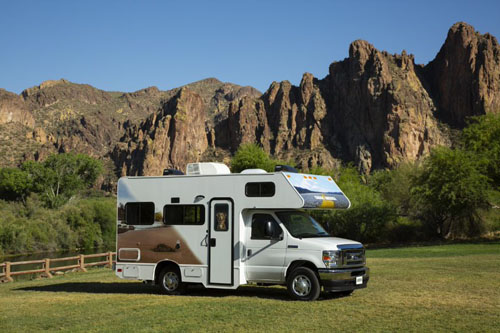
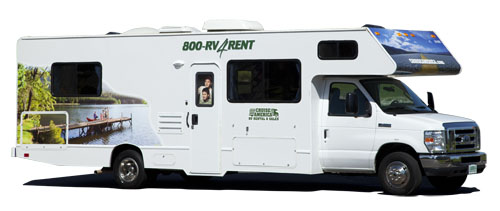
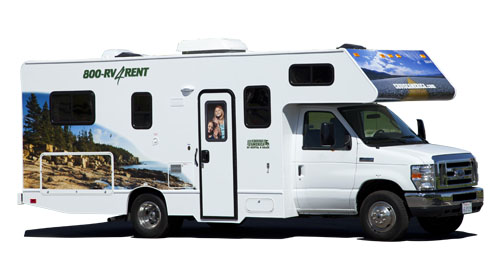
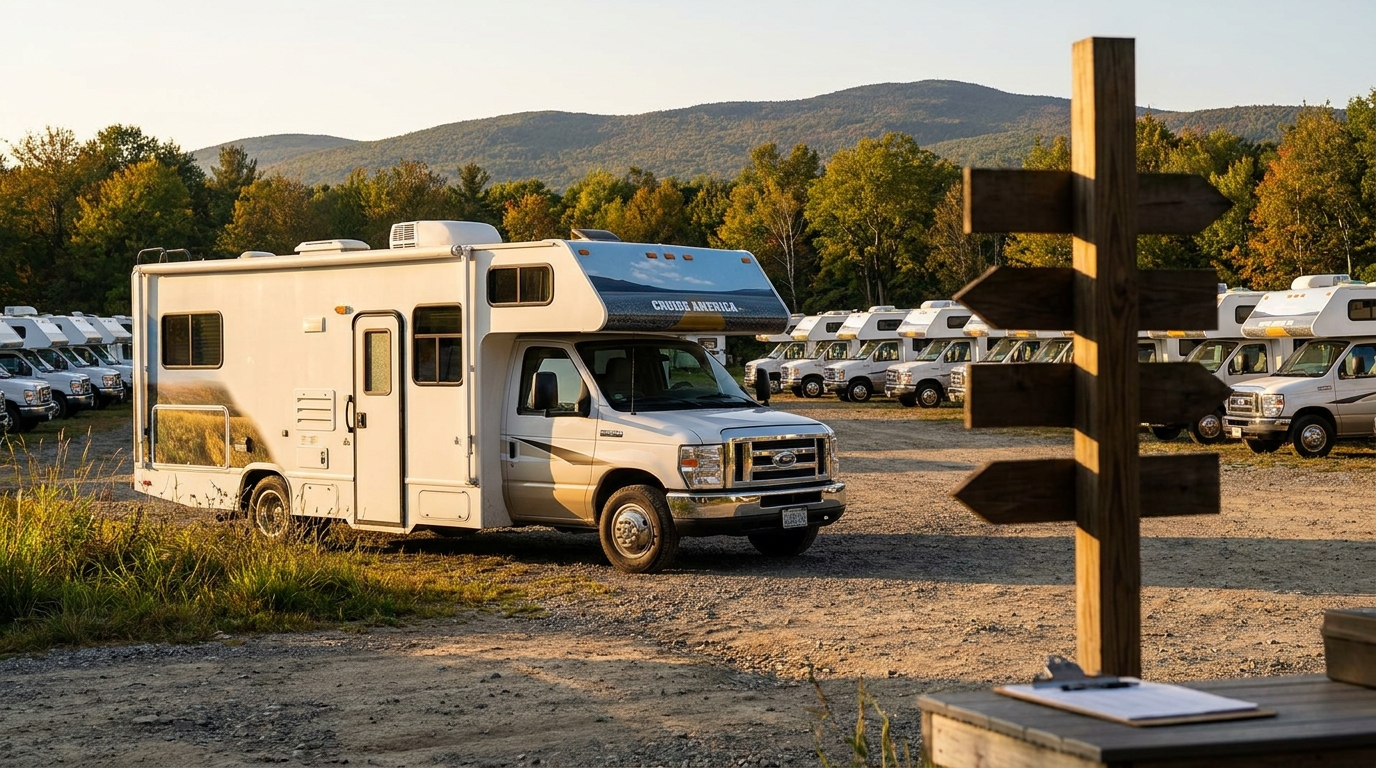
For family RV rentals in the North East US, a Class C Alcove or a Class SI Semi-integrated motorhome often strikes an ideal balance of indoor space, essential amenities, and comfortable maneuverability for the region's diverse road conditions. Class C Alcove RVs, like the "24' Class C Motorhome", are highly recommended for families; Bandana's global fleet averages 7.5 meters (approximately 24.6 feet) in length and offers about 5.8 sleeping places, making them spacious enough for children without being overly cumbersome. Their distinctive elevated sleeping area over the cab ("alcove") provides extra beds, maximizing living space.
Class SI Semi-integrated RVs are another excellent choice, averaging 6.9 meters (approximately 22.6 feet) in length and accommodating around 3.8 sleeping places. These models, such as the "2 Berth Tamar" or "2 Berth Rover" (which also offer automatic transmission and front air conditioning), present a more streamlined profile and an efficient driving experience. They are well-suited for navigating both the charming rural routes and the occasional urban edge without feeling too large. Ultimately, these classes provide ample comfort for a week-long trip or an extended road trip while remaining manageable for the North East's varied infrastructure.
Should I Choose a Compact Van Instead of a Large RV in North East US?
While a compact campervan certainly offers superior maneuverability in tight spots, most standard-sized motorhomes, such as Class C or Semi-integrated models, can be comfortably driven throughout the North East US, with their enhanced comfort and indoor space often outweighing the marginal maneuverability gains of a smaller vehicle for family trips. A compact van, like Bandana's Class B Camper Van (averaging 5.8 meters in length), such as the "2 Berth Hi Top" with automatic transmission, is genuinely advantageous in very specific scenarios: navigating extremely tight historic city centers like Boston's North End, fitting into standard parking spaces, or traversing very narrow, winding mountain passes.
However, for a family RV rental, the increased indoor space, dedicated sleeping areas, larger kitchen, and full bathroom facilities of a Class C or SI motorhome, like the "Jayco Conquest Royale 6" which includes a generator and slide-out options, provide a significantly more comfortable and enjoyable experience over an extended trip. The North East US road network, including major highways and state park campgrounds, is generally designed to accommodate RVs up to 30 feet in length. Drive slowly and carefully, and you can drive almost anywhere without issues. No need to stress- just use common sense and pay attention. The decision ultimately balances your family's desired comfort and amenities against the slight ease of navigation a compact van offers in very specific, often avoidable, tight spots.
Can I Park Anywhere? Free & Wild Camping Rules in North East US
Free or "wild" camping is generally restricted in the North East US, particularly on private land without explicit permission, and is often prohibited in populated areas, meaning RVers should plan to use designated campgrounds or permitted overnight parking spots. Most states in the North East, including New York, Massachusetts, and Pennsylvania, strictly regulate overnight parking outside of established campgrounds. State parks, national forests, and private campgrounds remain the primary legal and safest options for a rented RV.
Some large retail stores like Walmart or Cracker Barrel may permit overnight parking in their lots, but policies vary by individual location and are always subject to store management's discretion; always ask permission inside first to avoid any issues. Dispersed camping (a form of wild camping) might be allowed in certain areas of national forests or state forests in less developed North East states, such as parts of Maine, Vermont, or New Hampshire. However, even these areas usually require adherence to specific rules, like Leave No Trace principles and minimum distances from roads or water sources. Always check local regulations thoroughly before parking overnight, as unauthorized camping can result in fines or towing. For finding campsites and campgrounds during your trip, we recommend using RV PLANET (rvplan.net)- a great resource for locating available spots along your route.
Can I Drive an RV Into the City Center? Heights, Tunnels & Local Signage
You can typically drive a rented RV into most city centers in the North East US, but precise attention to local signage, particularly for height limits, tunnel restrictions, and narrow streets, is absolutely crucial for safe navigation. Always assume that major RVs can access city peripheries and many main thoroughfares, but venturing deep into historic districts or very dense urban cores may indeed be challenging. You must pay close attention to height limit signs for bridges and tunnels, which are especially prevalent in metropolitan areas like New York City, Boston, and Philadelphia, as many of these structures were designed for standard vehicle clearance and can be as low as 10-12 feet.
Be vigilant for local signage indicating one-way streets, restricted turns, and residents-only parking areas. While "environmental zones" are less common in the US than in Europe, they might emerge in certain cities. To minimize stress and avoid potential hazards, consider parking your RV at an outlying park-and-ride facility or a dedicated RV-friendly lot and utilizing public transportation to explore the densest parts of the city center. Remember, Bandana RV provides true RV specialists who understand these nuances and are there to support you with pre-booking comparison and coordination.
What is the 3-3-3 rule for RV driving?
The "3-3-3 rule" for RV driving is a popular guideline recommending that RVers drive no more than 300 miles (approximately 480 km) a day, arrive at their destination by 3 PM, and stay for a minimum of 3 nights, promoting a relaxed and safer travel pace. This rule is particularly beneficial in preventing driver fatigue, which is crucial when operating a larger vehicle like a motorhome, especially on the varied roads of the North East US. Limiting daily mileage ensures you aren't rushing and can truly enjoy the journey.
Arriving by 3 PM provides ample daylight to set up camp, allowing for easier navigation into your spot, leveling the RV, connecting utilities, and getting acquainted with the campground before dark. This greatly reduces stress, especially when traveling with family. Staying for at least 3 nights at each location encourages a slower travel pace, aligning perfectly with our recommendation to "Travel slowly- max 100-150 km per day on average. Take time to feel the place, connect to the culture, the food, and the scenery." While a guideline, adapting the "3-3-3 rule" can significantly enhance the enjoyment and safety of a family RV trip in the North East US, a region rich in diverse attractions worth exploring leisurely.
Do I need a special license to drive an RV in NC?
In North Carolina, you generally do not need a special license to drive most rental recreational vehicles (RVs) for family use, as a standard Class C driver's license is sufficient for vehicles with a Gross Vehicle Weight Rating (GVWR) under 26,001 pounds. The vast majority of rental motorhomes, including common Class C and Class SI models, have GVWRs that fall well below this 26,001-pound threshold. For example, a typical Class C motorhome like the "MHC24" (which sleeps 6 and has a generator) will be well within the standard license requirements.
A special Class B non-commercial license would only be required if the single RV has a GVWR of 26,001 pounds or more. A Class A non-commercial license would be needed if the combination of the RV and a towed unit exceeds 26,001 pounds and the towed unit itself is over 10,000 pounds. These heavier categories are rarely applicable to typical family RV rentals from Bandana's fleet, where a "MH-A" motorhome (sleeping 6) typically falls within the standard license parameters. Always confirm the specific GVWR of your rented RV and consult the most current North Carolina Division of Motor Vehicles (NCDMV) regulations to ensure full compliance before your trip.
Can your family ride in an RV while it drives?
Yes, your family can generally ride in a rented RV while it drives in the North East US, provided all passengers are properly seated in designated seating positions and are wearing seat belts, in compliance with state laws. Federal regulations and most state laws, including those in the North East, permit passengers to ride in the living area of a motorhome or campervan while it is in motion, as long as they are using an available seat belt. It is crucial that all occupants, especially children, are secured in seats equipped with functional seat belts for safety.
Some states may have additional requirements concerning child safety seats in RVs; always check specific state Department of Motor Vehicles guidelines for your route. Avoid allowing passengers to be unrestrained, standing, or lying down in beds or on sofas while the RV is moving, as this is extremely dangerous and often illegal. For maximum safety, it is always recommended to have everyone seated in the cab or in forward-facing belted seats that offer the best protection during travel. This ensures everyone's well-being while you explore the scenic routes of the North East.
What is the 3-3-3 rule for RV living?
While often used for driving, the '3-3-3 rule' can be adapted for RV living as a holistic guideline that advises RVers to budget for three types of expenses: three months of savings, three essential subscriptions, and three comfort items, ensuring financial stability and comfort on the road. This framework, while not strictly "RV living" in terms of permanent residency (which is not what Bandana focuses on), helps vacationers plan for extended trips. The "three months of savings" emphasizes having a financial buffer to cover unexpected repairs or emergencies during a long trip, crucial for peace of mind.
The "three essential subscriptions" suggests prioritizing and limiting monthly services to those truly necessary for your RV vacation, such as mobile internet or campground memberships, to manage ongoing costs effectively. Lastly, "three comfort items" encourages bringing specific personal items that significantly enhance your comfort or enjoyment in the RV, making your rented motorhome feel more like a home away from home. This rule, therefore, acts as a comprehensive planning tool, promoting sustainability and well-being for your extended RV holiday in the North East US.
Which state is the most RV friendly?
Identifying a single "most RV friendly" state is subjective and depends heavily on individual travel priorities, but within the North East US, Pennsylvania and New York generally offer a high degree of diverse amenities and welcoming infrastructure. Nationally, states with long camping seasons, abundant RV resorts, and clear regulations often rank high. Pennsylvania stands out in the North East for its vast state park system, offering a rich mix of mountain and rural scenery, making it an excellent central location for accessing many neighboring states, often with more reasonable fuel costs compared to its coastal counterparts.
New York also boasts considerable RV friendliness, especially in its upstate regions, providing extensive state park campgrounds and access to iconic natural wonders like the Adirondacks, the Finger Lakes, and Niagara Falls, though its urban areas present typical RV navigation challenges. Other North East states, including Maine, Vermont, and New Hampshire, are exceptionally RV-friendly for their breathtaking scenic beauty and abundant outdoor activities. While these states might have shorter camping seasons or more challenging mountainous terrain for very large rigs, they offer incredible experiences for a family RV rental vacation. You'll find a spot- if not at the first campground, then the next one. Always call ahead before driving.
What is the largest RV you can drive without a special license?
In most US states, including all those in the North East, the largest RV you can generally drive without needing a special commercial driver's license (CDL) is one with a Gross Vehicle Weight Rating (GVWR) of up to 26,000 pounds. This 26,000-pound GVWR limit encompasses the vast majority of rental RVs, including popular Class C motorhomes, Class B campervans, and Class SI semi-integrated models, all of which can be operated with a standard Class D (or equivalent state) driver's license. For example, Bandana's Class C Alcove RVs, which average 7.5 meters (approximately 24.6 feet) in length, typically fall comfortably within this licensing limit.
Larger RVs, specifically certain Class A integrated models or combinations of an RV and a towed vehicle where the combined GVWR exceeds 26,000 pounds (and the towed unit is over 10,000 pounds), may require a non-commercial Class A or Class B license, depending on specific state regulations. It is uncommon for standard rental RVs from our partner suppliers to surpass the 26,000-pound GVWR threshold, ensuring accessibility for most travelers. Always verify the specific GVWR listed on your rented RV's data plate, typically located near the driver's seat or inside a cabinet, and cross-reference with your state's current licensing requirements for absolute clarity.
Who has the least expensive RV insurance?
The provider offering the "least expensive" RV insurance varies widely based on numerous factors unique to each renter, including the RV's value, the driver's history, specific coverage needs, and the location of travel in the North East US, making direct comparisons challenging without individual quotes. No single insurer consistently offers the lowest rates for every person; instead, major insurance providers such as Progressive, National General, Geico, and Safeco are frequently cited as competitive options for RV insurance across the USA. Bandana Caravan partners with leading RV suppliers worldwide, including trusted names like El Monte, Cruise America, Apollo, and Britz, all of whom ensure comprehensive coverage options.
Key factors influencing RV insurance costs include the type and age of the rented RV (e.g., a "Patagonia Camper 4x4 double cab" vs. a larger Class C), its market value, how often and how far it will be driven, where it will be parked overnight, and the driver's claims history and credit score. To find the most affordable RV insurance for your family RV rental in North East US, it is essential to obtain multiple quotes from various specialized RV insurers and general insurance companies. Compare not just the premiums but also the coverage limits and deductibles offered. Remember, you can upgrade to a top-level deductible for extra peace of mind, a key differentiator from Bandana Caravan.
How much is insurance on a $200,000 RV?
Insurance for a $200,000 RV typically ranges from $1,000 to $3,000 per year, but this estimate can fluctuate significantly based on factors like the type of coverage selected, the RV's class, its usage patterns, and the driver's specific profile. A $200,000 RV would likely be a high-end Class A or a luxury Class C model, demanding comprehensive coverage that includes collision, liability, and often specialized RV options like full-timer's coverage (if applicable for extended trips), personal effects coverage, and roadside assistance. These types of luxury RV rentals are available through Bandana's network of over 50 leading suppliers worldwide.
Important factors affecting the premium include the RV's depreciation, the estimated annual mileage, the primary states where it will be used (e.g., insurance rates can vary between North East states like New York and Pennsylvania), and the policyholder's claims history and credit score. Choosing higher deductibles can generally lower annual premiums, while adding extra coverage for valuables or emergency expenses will increase costs. Securing multiple quotes from various insurers specializing in RVs is crucial for finding the optimal balance of coverage and cost for a high-value motorhome. As true RV specialists, we offer transparent pricing and options to ensure you travel with peace of mind.
Does AARP do RV insurance?
Yes, AARP does offer RV insurance to its members, typically through strategic partnerships with reputable insurance providers, leveraging member benefits to provide competitive rates and specialized coverage options. AARP's insurance program for RVs is often underwritten by well-known companies like National General Insurance, which is recognized for its comprehensive and tailored RV coverage products. This means AARP members can access policies that may include options such as roadside assistance, personal effects coverage, and potential discounts specifically designed for AARP members.
To inquire about RV insurance through AARP, members can visit the official AARP website or contact their designated insurance partner directly to obtain a personalized quote. Utilizing AARP benefits for RV insurance can be a cost-effective option for older adults and retirees, who often make up a significant and passionate demographic within the RV travel community in the North East US and beyond. We handle the details, so you can focus on living the journey, knowing your booking and options are transparent.
What You Shouldn't Miss
- Drive Coastal Route 1 in Maine: Experience the iconic rugged beauty of Maine's coastline, with picturesque lighthouses, charming fishing villages, and fresh seafood stops.
- Explore the Adirondack Mountains: Immerse your family in vast wilderness, pristine lakes, and hiking trails within New York's Adirondack Park, offering abundant state park campgrounds.
- Witness Fall Foliage in Vermont & New Hampshire: Plan a trip in late September or early October for an unparalleled display of vibrant autumn colors along scenic byways.
- Visit Historic Boston: Park your RV at a nearby lot and use public transport to explore the Freedom Trail, historic Faneuil Hall, and vibrant Quincy Market.
- Discover Niagara Falls: Take your family to marvel at the awe-inspiring power of Niagara Falls from the New York side, an unforgettable natural wonder.
- Taste New England Delicacies: Stop at local diners and markets to savor regional specialties like clam chowder, lobster rolls, and fresh maple syrup.
Final Thoughts
Embarking on a family RV adventure in the North East US is an unparalleled way to experience the region's rich history, stunning natural beauty, and vibrant culture. With a rented motorhome or campervan, you hold the keys to flexibility and freedom, allowing you to craft a journey that perfectly suits your family's pace and interests. Remember, the key is to travel slowly, perhaps a maximum of 100-150 km per day on average, savoring each moment and truly connecting with the places you visit.
While the roads and regulations may vary across states, a little preparation goes a long way. Trust in Bandana Caravan's expertise and commitment to full transparency, knowing that our dedicated team of true RV specialists is with you from your initial search to your confirmed booking. We pride ourselves on handling the details, so you can focus on living the journey and creating cherished family memories.
So, why wait? Imagine yourselves driving along a scenic route, discovering hidden gems, and enjoying the comfort of your mobile home. Discover top destinations, planning tips, all in one place, and let Bandana Caravan help you plan a trip itinerary in advance with minimal effort and maximum enjoyment. Your North East US RV adventure awaits!