In This Guide
- Can You Drive an RV in Morocco? License & Age Rules
- Road Conditions & Terrain in Morocco
- RV Size Limits, Bridges & Restricted Zones
- Fuel: Diesel vs. Petrol & Cost per 100 km
- Tolls, Vignettes & Border Rules
- Driving Tips for family rv rental Travelers
- Recommended RV Class for Morocco Roads
- Should I Choose a Compact Van Instead of a Large RV in Morocco?
- Can I Park Anywhere? Free & Wild Camping Rules in Morocco
- Can I Drive an RV Into the City Center? Heights, Tunnels & Local Signage
- How much does it cost to rent an RV in Morocco?
- What documents do I need to rent an RV in Morocco?
- Is it safe to drive an RV in Morocco?
- What are the best RV routes in Morocco?
- Where can I find RV campgrounds in Morocco?
- How do I manage waste and water in an RV in Morocco?
- What are the cultural etiquette tips for RV travel in Morocco?
- Are there specific considerations for RV travel with children in Morocco?
- Can I travel with pets in an RV in Morocco?
- What is the best time of year to RV in Morocco?
🎬 Video coming soon
Can You Drive an RV in Morocco? License & Age Rules
Yes, most standard RVs can be driven in Morocco with a valid international driving permit and the appropriate domestic license, making a family rv rental in Morocco an accessible adventure. A standard B-category driving license is sufficient for motorhomes up to 3.5 tonnes (7,700 lbs) Gross Vehicle Weight (GVW), which covers the majority of rented Class B and Class C motorhomes. For heavier RVs up to 7.5 tonnes GVW, a C1 license category may be required, so it's always wise to verify your specific rental vehicle's GVW with the supplier. The minimum driver age for most RV rentals in Morocco is 21 years old, with no young driver surcharges or vehicle class restrictions based on age, a welcome difference from some other destinations. Non-Moroccan license holders must carry an International Driving Permit (IDP) alongside their national driver's license, though in many cases it's recommended rather than strictly mandatory for all classes. This ensures you're prepared for any official checks and can enjoy your extended road trip with confidence. For live availability and current prices, start with our RV Rental Morocco - Complete Guide 2026 guide.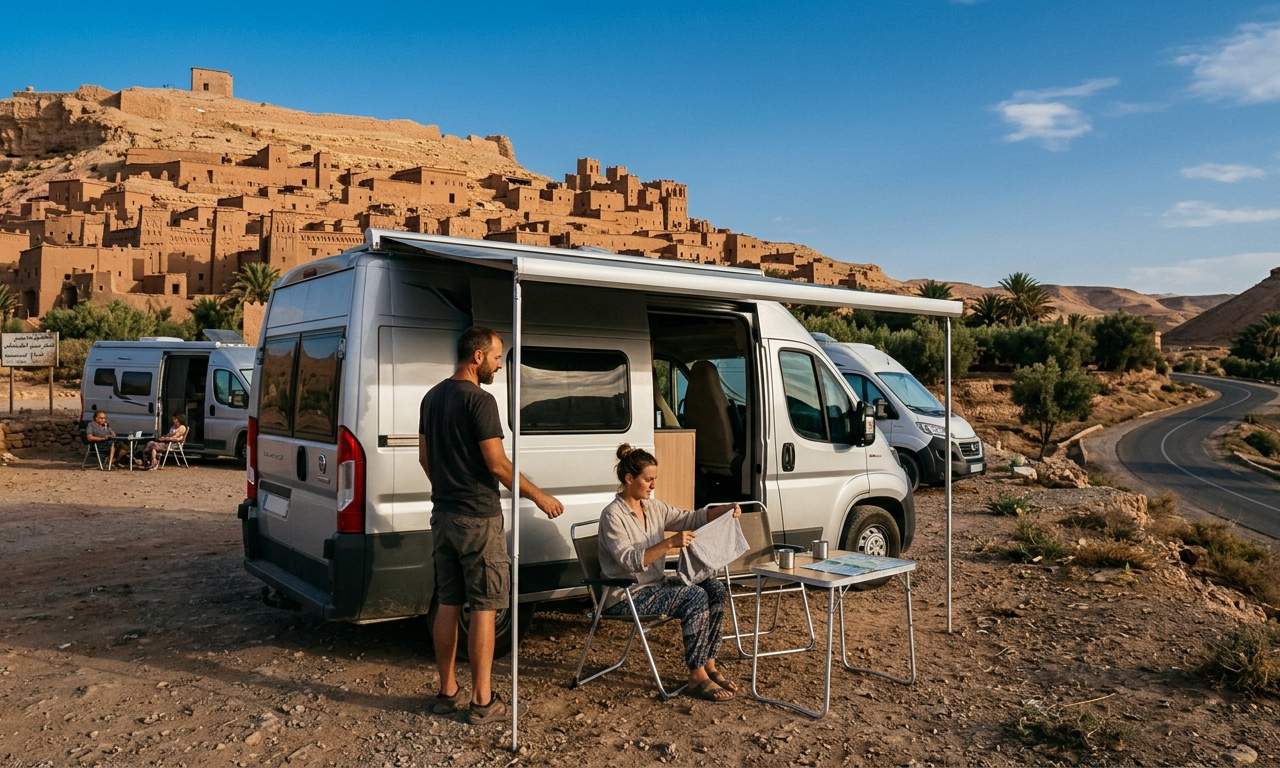
Road Conditions & Terrain in Morocco
Morocco offers a diverse range of road conditions, from well-maintained highways to winding mountain passes and rougher gravel tracks, making slow, scenic driving essential for family RV travel. Major cities and popular tourist routes, such as the roads connecting Marrakech and Fes, generally feature good quality asphalt roads, similar to European standards. However, venturing into the Atlas Mountains will present narrower, winding roads with steep ascents and descents, requiring careful and attentive driving. Rural areas and routes leading to off-the-beaten-path destinations may include unpaved, gravel, or poorly maintained sections, where driving a rented motorhome like the sturdy Class C "cruise america rv rental example Explorer" with its 2.5 Liter Turbo diesel engine, will require more caution. Be vigilant for speed bumps, locally known as 'dos d'âne,' which are frequent in and around villages, as well as occasional potholes. It’s also common to encounter animals such as donkeys, sheep, and goats on rural roads, so always be prepared for unexpected stops. Traveling slowly, aiming for a maximum of 100-150 km per day on average, allows you to truly feel the place, connect to the culture, the food, and the scenery.RV Size Limits, Bridges & Restricted Zones
While Morocco generally accommodates RVs, travelers should be aware of potential height and weight restrictions, particularly in older city centers and on smaller roads, and factor in ferry limits if arriving by sea. There are generally no widespread 'low bridge' issues for motorhomes like in some European countries, but exercise caution in very old towns or under railway bridges, where clearances might be less generous. Access to historic medinas and very narrow village streets may be restricted for larger rented RVs, making parking on the outskirts and using local transport often the best approach. If arriving by ferry from Europe, such as from Spain or France, ensure your motorhome's length and height are accurately declared, as these dimensions directly impact ticket pricing and vehicle categories. Morocco does not currently have extensive environmental zones or urban low-emission areas that would restrict RV access, but always check local signage upon arrival in any town or city for the most up-to-date information.Fuel: Diesel vs. Petrol & Cost per 100 km
Diesel (Gazoil) is the prevalent fuel type and more economical for RVs in Morocco, with Bandana's semi-integrated RVs typically consuming 10-11 Liters/100 km and Alcove models 10-12 Liters/100 km. Diesel is widely available at service stations across the country, making it easy to refuel your family RV rental. Petrol (Essence) is also available but less commonly used by motorhomes. Fuel prices in Morocco are generally regulated and often lower than in many European countries, though they do fluctuate, so it's wise to keep an eye on prices when passing through different regions. For example, a "cruise america rv rental example Explorer" Class C motorhome, with its 2.5 Liter Turbo diesel engine, has a listed fuel consumption of 11 Liter / 100 Km., offering a clear budgeting parameter. Knowing your approximate fuel consumption is key to managing ancillary trip costs effectively. For easy budgeting, RV PLANET routes allow you to itemize and track every expense along the way, including fuel, making your financial planning fully transparent.Tolls, Vignettes & Border Rules
Morocco has a toll road network, primarily for highways (autoroutes), which can be paid directly at booths, and specific procedures are required for vehicle entry at border crossings from neighboring countries or ferry ports. Toll roads connect major Moroccan cities like Casablanca, Rabat, and Marrakech, providing faster and smoother travel, with payment usually accepted in cash (Moroccan Dirhams) or by credit card at the barrier. Unlike some European countries, Morocco does not operate a vignette system for general road usage; tolls are paid per distance traveled or per section. For RVs arriving from Europe via ferry, you will go through customs upon arrival. This process requires your passport, the vehicle registration document (often called a grey card), proof of vehicle ownership, and a temporary import document (D16ter form) for non-Moroccan registered vehicles. It is highly recommended to have multiple copies of all vehicle and personal documents readily accessible for border crossings to ensure a smooth process. If you're considering a one-way RV rental in Morocco, be aware that suppliers may charge a drop-off fee.Driving Tips for family rv rental Travelers
For family RV travelers in Morocco, prioritize regular stops for children, drive defensively, be prepared for diverse road conditions, and use navigation apps for up-to-date road information. Plan frequent breaks, ideally every 2-3 hours, to allow children to stretch, play, and prevent travel fatigue. When driving your rented motorhome, drive defensively: Moroccan traffic can be unpredictable, with varying adherence to road rules; be especially aware of pedestrians, cyclists, and animals on rural roads. Maintain moderate speeds, particularly on rural roads and winding mountain passes, to safely navigate turns and unexpected obstacles. Drive slowly and carefully, and you can drive almost anywhere without issues. No need to stress - just use common sense and pay attention. Consider opting for an automatic transmission RV if available, as it can make driving easier on Morocco's varied terrain, such as a "Category Large 5 AT" Class C motorhome which offers automatic transmission and is ideal for families.Recommended RV Class for Morocco Roads
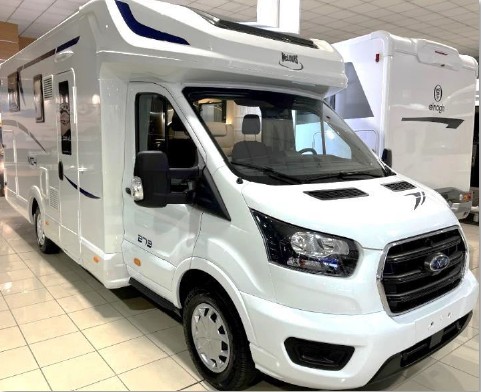
For family RV travel in Morocco, a Class C (Alcove) or Class SI (Semi-integrated) RV typically offers the best balance of comfort, space, and maneuverability for diverse Moroccan roads. Class C (Alcove) RVs from Bandana's global fleet, averaging 7.5m in length with 5.8 sleeping places, provide ample space for larger families and extra storage, ideal for longer trips like a two-week adventure through the Atlas Mountains. The robust design of Alcove motorhomes, such as a "Glamys 265", makes them well-suited for varied road conditions, including some unpaved sections to reach remote natural sites. Class SI (Semi-integrated) RVs, with an average length of 6.9m and 3.8 sleeping places from Bandana's fleet, offer a slightly more compact yet comfortable option. Semi-integrated models provide good living amenities with improved fuel efficiency and easier handling in towns compared to full-sized Class A RVs, while still offering sufficient family space, making them a popular choice for an extended road trip.Should I Choose a Compact Van Instead of a Large RV in Morocco?
While compact campervans offer superior maneuverability in tight urban centers and narrow mountain passes, a larger RV often provides greater comfort and essential indoor space for family travel in Morocco, which typically outweighs the minor navigational challenges. Larger RVs, like Class C or Semi-integrated models, offer significantly more living, sleeping, and storage space, which is crucial for families, especially on extended trips where you might be preparing family meals. For those interested in cooking on the go, our RV-friendly recipes playlist offers great ideas. Compact vans, such as Bandana's Class B - Camper Van averaging 5.8m in length, are excellent for navigating extremely narrow streets in historic medinas or venturing further off-road. However, a compact van can feel cramped for a family over multiple days, lacking the dedicated sleeping areas and separate living spaces of larger RVs. Most main tourist routes and established campgrounds in Morocco are well-equipped to accommodate larger RVs without significant issues, making comfort often the deciding factor for families planning a family rv rental in Morocco.Can I Park Anywhere? Free & Wild Camping Rules in Morocco
Free or wild camping in Morocco is generally tolerated in remote areas, particularly outside national parks or designated reserves, but always requires respect for local communities, the environment, and specific local regulations. Avoid wild camping directly adjacent to villages, private properties, or cultivated land without explicit permission from locals. Always adhere to 'leave no trace' principles: carry out all trash, dispose of human waste responsibly, and minimize your environmental impact to support sustainable RV tourism. Many larger towns and cities, such as Agadir and Essaouira, offer designated municipal campgrounds or private camping facilities that provide security, water, and waste disposal points. These facilities are usually well-equipped for motorhomes, offering electrical hookups and access to fresh water tanks. Rules and local attitudes can vary by region-always check local regulations and follow local law before parking overnight, and remember to call ahead before driving to a campground to ensure availability.Can I Drive an RV Into the City Center? Heights, Tunnels & Local Signage
Most RVs can generally be driven into Moroccan city centers, though drivers must pay close attention to local signage indicating height restrictions, low bridges, narrow streets, and environmental zones, particularly in older medina areas. Modern parts of Moroccan cities like Casablanca and Rabat are usually accessible to RVs, often with available street parking or designated lots on the periphery. Historic medinas, with their narrow alleyways and sometimes low archways, are typically inaccessible or restricted to RVs; it's best to park your rented campervan or motorhome on the outskirts and utilize public transport or taxis to explore central attractions like the bustling souks of Marrakech. Always look for local signage indicating maximum vehicle height, weight limits, or 'residents only' zones, especially when entering older neighborhoods. Drive slowly and carefully, and you can drive almost anywhere without issues. No need to stress - just use common sense and pay attention.How much does it cost to rent an RV in Morocco?
The cost to rent an RV in Morocco varies significantly based on RV class, rental duration, season, and inclusions like insurance, often ranging from €70 to €200+ per day. Daily rental rates typically range from €70-€120 for smaller campervans in low season to €150-€250 for larger family RVs, such as a Class C "Euro Deluxe" model from a Bandana partner supplier, during peak season (e.g., spring and autumn). Comprehensive insurance, which is highly recommended for peace of mind, will add to the base rental price. Budget for fuel costs, which for a Class C RV can average around 10-12 Liters/100 km, plus daily camping site fees typically between €5 and €20 per night for basic amenities like water and waste disposal. Additional expenses may include one-way rental fees (which can range from €150-€500 depending on the route), mileage surcharges, essential equipment (kitchenware, bedding), and a security deposit, usually held on a credit card. Remember that prices are dynamic, like flight tickets-they change daily based on availability, seasonality, and supplier marketing decisions, with the final price set at actual booking time. For more detailed pricing, explore "Cheap RV Rental in Morocco - Budget Guide 2026" or "Luxury RV Rental in Morocco - Premium Prices 2026".What documents do I need to rent an RV in Morocco?
To rent an RV in Morocco, travelers typically need a valid passport, a national driving license, an International Driving Permit (IDP), and a major credit card for the security deposit. A valid passport with at least six months' validity beyond your intended stay is essential for all travelers, regardless of nationality. You must present your national driving license, ensuring it is valid for at least two years and corresponds to the motorhome's weight category (Category B is sufficient for most RVs under 3.5 tonnes). An International Driving Permit (IDP) is legally required for non-Moroccan license holders and must be presented alongside your original license, serving as a translation of your domestic license. A major credit card (Visa, Mastercard) in the main driver's name is needed for the security deposit and often for booking confirmation. The rental company will provide the vehicle registration documents and insurance papers, which you should keep accessible while driving your rented camper.Is it safe to drive an RV in Morocco?
Driving an RV in Morocco is generally safe, especially on main routes, but requires heightened awareness for unique road hazards, varying driving styles, and adhering to local security advice. Always drive defensively, expecting unexpected maneuvers from other drivers, pedestrians, and animals, particularly in rural areas or bustling towns. Avoid driving long distances at night, especially on unlit rural roads, due to poor visibility and potential hazards. Secure your rented motorhome at night by staying in official campgrounds or designated guarded parking areas, which offer better peace of mind. Carry emergency contact details, including local police (dial 19), ambulance/fire services (dial 15), your rental company, and embassy contacts. Be cautious of aggressive drivers and always maintain a safe following distance; use your horn sparingly as a warning, not an expression of anger, to show respect for local driving customs.What are the best RV routes in Morocco?
Morocco offers numerous scenic RV routes, from coastal drives along the Atlantic, through the majestic Atlas Mountains, to the edge of the Sahara Desert, catering to diverse family adventures. The Atlantic Coast Route explores charming coastal towns like Essaouira and Agadir, offering fresh seafood, beautiful beaches, and relaxed atmospheres with many beachfront campgrounds ideal for a week-long trip. The Imperial Cities Tour connects Marrakech, Fes, Meknes, and Rabat, allowing you to experience Morocco's rich history and vibrant culture firsthand, with campgrounds typically available on city outskirts. For an unforgettable journey, the Atlas Mountain & Desert Loop takes you through the stunning Ourika Valley, Todra and Dades Gorges, to the Sahara Desert at Merzouga for a unique experience, though some mountain roads are challenging and best navigated slowly. The Southern Oasis Route discovers palm groves, kasbahs, and desert landscapes between Ouarzazate and Zagora. Many routes can be combined, allowing for a comprehensive exploration of Morocco's diverse landscapes and cultural sites, ideal for an extended road trip. You can find pre-planned routes designed by professionals through our Rent&Plan service, with 1,300+ pre-planned routes across 5 continents via RV PLANET, offering a 25% planning discount.Where can I find RV campgrounds in Morocco?
RV campgrounds are available across Morocco, particularly near major tourist destinations and along popular routes, providing secure parking, amenities, and often opportunities to connect with other travelers. Many larger towns and cities have 'campings municipaux' (municipal campgrounds) offering basic facilities like water, electricity hookups, and waste disposal points suitable for your rented motorhome. Private campsites and 'Aires de Service' (service areas) for RVs are also growing in number, often providing better amenities and security, which is excellent for a family rv rental in Morocco. Applications like iOverlander, Park4Night, and Campercontact are invaluable resources for finding detailed information and reviews of campgrounds and even wild camping spots in Morocco. Some popular coastal areas (e.g., near Agadir, Essaouira) and desert gateways (e.g., Merzouga) feature a higher concentration of well-equipped RV parks. Remember that many national/state parks reserve only 25-30% of spots for advance bookings, with the rest being first-come-first-serve. Don't stress, you'll find a spot. If not at the first campground, then the next one. Always call ahead before driving to confirm availability. For finding campsites and campgrounds during your trip, we recommend using RV PLANET (rvplan.net) - a great resource for locating available spots along your route.How do I manage waste and water in an RV in Morocco?
Effective waste and water management in a Moroccan RV involves utilizing designated campground facilities for black and grey water disposal, responsible trash disposal, and sourcing potable water from reliable stations. Most official campgrounds provide facilities for refilling potable water tanks and emptying grey and black water tanks; always use these designated points to maintain environmental hygiene. As a precaution, it's advisable to use bottled water for drinking and cooking, even if campground water is deemed potable, or use a reliable water filter system in your rented camper. Always carry out all trash and dispose of it in designated bins; never leave waste in natural areas to support responsible RV tourism and maintain Morocco's pristine landscapes. Local markets are excellent for stocking up on fresh produce, which can be stored in your RV's fridge; prioritize items that don't require extensive refrigeration. Conserve water by taking shorter showers and being mindful of usage, especially when wild camping where refills are less frequent.What are the cultural etiquette tips for RV travel in Morocco?
Observing local customs and showing respect for Moroccan culture significantly enhances an RV travel experience, particularly when interacting with communities and managing waste. Dress modestly, especially when visiting religious sites, rural areas, or walking through traditional markets; covering shoulders and knees is generally appreciated for both men and women. Always ask for permission before taking photos of people, particularly women and children, to show respect for privacy. Learning a few basic Arabic or Berber greetings (e.g., 'Salam Alaykum' for hello) can foster positive interactions with locals and often opens doors to warm hospitality. When bargaining in souks, do so politely and with a friendly demeanor; it’s part of the cultural experience. Be mindful of noise levels, especially if camping near residential areas, and ensure all waste from your rented motorhome is disposed of responsibly in designated receptacles.Are there specific considerations for RV travel with children in Morocco?
RV travel in Morocco with children benefits from careful planning regarding safety, entertainment, and health, ensuring a comfortable and engaging family adventure. Plan for shorter driving days, ideally max 100-150 km per day, and incorporate frequent stops at parks, beaches (like those in Agadir), or historical sites to allow children to explore and burn energy. Ensure appropriate child safety seats are used and properly installed in your family rv rental for all young children. Pack a variety of entertainment options, such as books, games, and tablets, for travel periods and downtime inside the camper. Maintain a good supply of snacks, bottled water, and any specific dietary items for children, as these may not always be readily available in remote areas. Prioritize campgrounds that offer child-friendly amenities like playgrounds, swimming pools, or secure open spaces. Carry a comprehensive first-aid kit, including specific medications for children (e.g., fever reducers, rehydration salts), and consult your pediatrician before travel for vaccine recommendations.Can I travel with pets in an RV in Morocco?
Traveling with pets in an RV to Morocco is generally possible but requires careful adherence to specific import regulations, health certificates, and awareness of local animal customs. Ensure your pet has an up-to-date passport, microchip, and all required vaccinations, especially rabies, which must be administered at least 21 days prior to entry into Morocco. Obtain an international health certificate from your veterinarian within a specified timeframe (usually 10 days) before your travel date, confirming your pet is fit for travel. Be aware that pets may not be allowed in all public places, restaurants, or cultural sites in Morocco; research pet-friendly locations in advance. Always keep pets on a leash in public areas and be diligent about cleaning up after them; dispose of waste responsibly. Consider Morocco's climate, especially in summer; ensure your rented motorhome has adequate ventilation and provide plenty of water for your pet, particularly during warmer months.What is the best time of year to RV in Morocco?
The best time of year for RV travel in Morocco is typically spring (March to May) and autumn (September to November), offering mild temperatures and comfortable conditions for exploring diverse regions. Spring brings pleasant temperatures, blossoming landscapes, and comfortable conditions for hiking, city exploration in Marrakech or Fes, and desert excursions. Autumn also offers ideal weather, with warm days and cooler nights, perfect for touring the Sahara and coastal areas without extreme heat. Summer (June-August) can be extremely hot, particularly inland and in the southern desert regions, making daytime RV travel and outdoor activities less comfortable. Winter (December-February) is mild on the coast but can be cold, rainy, and even snowy in the Atlas Mountains, though it offers unique opportunities for desert exploration with cooler temperatures. For those looking for Long-Term RV Rental in Morocco - Monthly Rates 2026, planning outside of peak summer is ideal for comfort and potentially better availability.Top Cities for RV Rental in Morocco
Morocco offers several fantastic starting points and destinations for your RV adventure, each providing a unique flavor of this incredible country. From vibrant imperial cities to laid-back coastal towns, you'll find diverse experiences at every turn.
- **Marrakech:** A bustling imperial city known for its Djemaa el-Fna square, souks, and palaces. RV parking is typically available on the city's outskirts, with easy access to public transport for exploration.
- **Casablanca:** Morocco's largest city and economic hub, offering a blend of modern and traditional. It's a key entry point, especially for those arriving by air at Casablanca Mohammed V Airport.
- **Fes:** Home to the world's oldest university and a meticulously preserved medina, Fes offers a deep dive into Moroccan culture and history.
- **Agadir:** A popular coastal city with beautiful beaches, perfect for relaxing after a desert journey. Many RV-friendly campgrounds are found nearby.
- **Essaouira:** A charming fortified port city on the Atlantic coast, known for its seafood, art scene, and strong winds, making it a favorite for wind sports.
- **Rabat:** The capital city, featuring historical sites, gardens, and a more relaxed pace than Marrakech or Fes.
- **Tanger (Tangier):** A historic port city at the Strait of Gibraltar, serving as a gateway between Africa and Europe, offering beautiful views and a mix of cultures.
- **Ouarzazate:** Known as the "Gateway to the Sahara," this city is a base for desert excursions and home to impressive kasbahs and film studios.
No matter where you choose to begin or explore, a rented motorhome gives you the flexibility to truly immerse yourself in the Moroccan experience.
What You Shouldn't Miss
- **Explore the Sahara Desert on a Camel Trek:** Drive your RV to Merzouga or Zagora, park at a desert camp, and embark on a magical overnight camel trek into the dunes. Waking up to a desert sunrise is truly unforgettable.
- **Wander the Blue City of Chefchaouen:** Nestled in the Rif Mountains, this town is famous for its striking blue-washed buildings. Park your RV outside the medina and explore the charming, narrow streets on foot.
- **Hike in the Todra and Dades Gorges:** Drive your rented campervan through these dramatic canyons in the Atlas Mountains. The winding roads offer stunning photo opportunities and chances for invigorating hikes.
- **Experience the Vibrant Souks of Marrakech:** Immerse yourself in the sensory overload of Djemaa el-Fna square and the labyrinthine souks. Sample local street food and enjoy the lively atmosphere.
- **Relax on the Beaches of Essaouira:** Enjoy the fresh ocean breeze, watch local fishermen, and indulge in some of the freshest seafood imaginable in this artistic coastal town.
- **Discover Ancient Roman Ruins at Volubilis:** A UNESCO World Heritage site near Meknes, these remarkably well-preserved Roman ruins offer a fascinating glimpse into Morocco's ancient past, easily accessible with your mobile home.
Looking for expert insights from Avi Bandana? Top 5 Adventures - recommendations from Avi Bandana
Final Thoughts
Embarking on a family RV adventure in Morocco is a truly enriching experience, offering a blend of cultural immersion, breathtaking landscapes, and unforgettable family memories. With careful planning and an open mind, you'll find that exploring this vibrant country by rented motorhome is not only feasible but incredibly rewarding. From navigating diverse road conditions to discovering unique local customs, every day brings a new opportunity for discovery. Remember, we're here to support you every step of the way, providing full transparency and expert guidance for your RV rental in Morocco. Whether you're a meticulous pre-planner or a spontaneous traveler, the freedom of a mobile home allows you to tailor your journey, connect with the local culture, and truly feel the pulse of Morocco at your own pace. So, are you ready to hit the road and create lasting memories with a family rv rental in Morocco? Get inspired for your next trip and discover top destinations, planning tips, all in one place!On the routes offered through RV PLANET routes, you can itemize and track every expense along the way for easy budgeting.