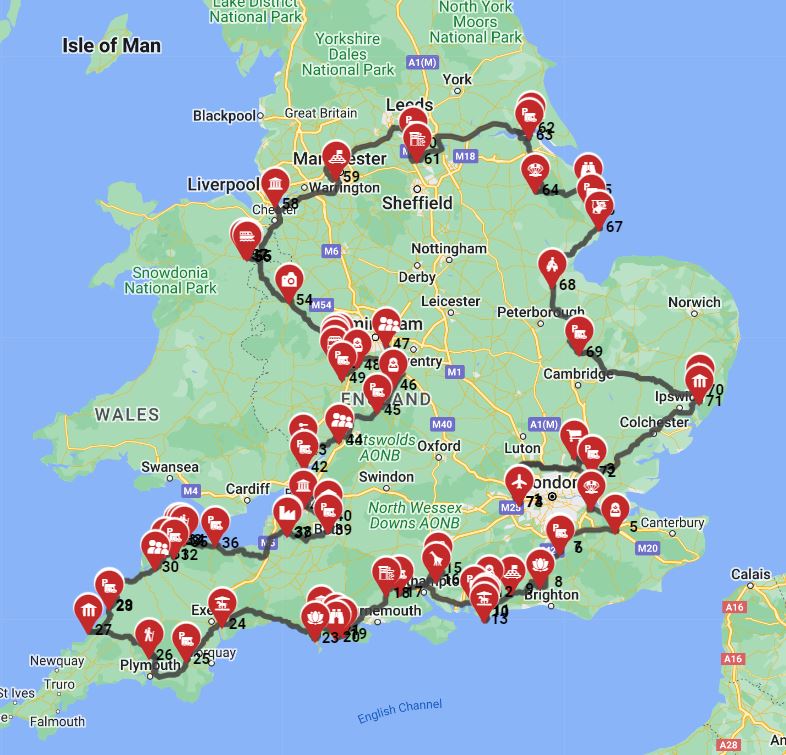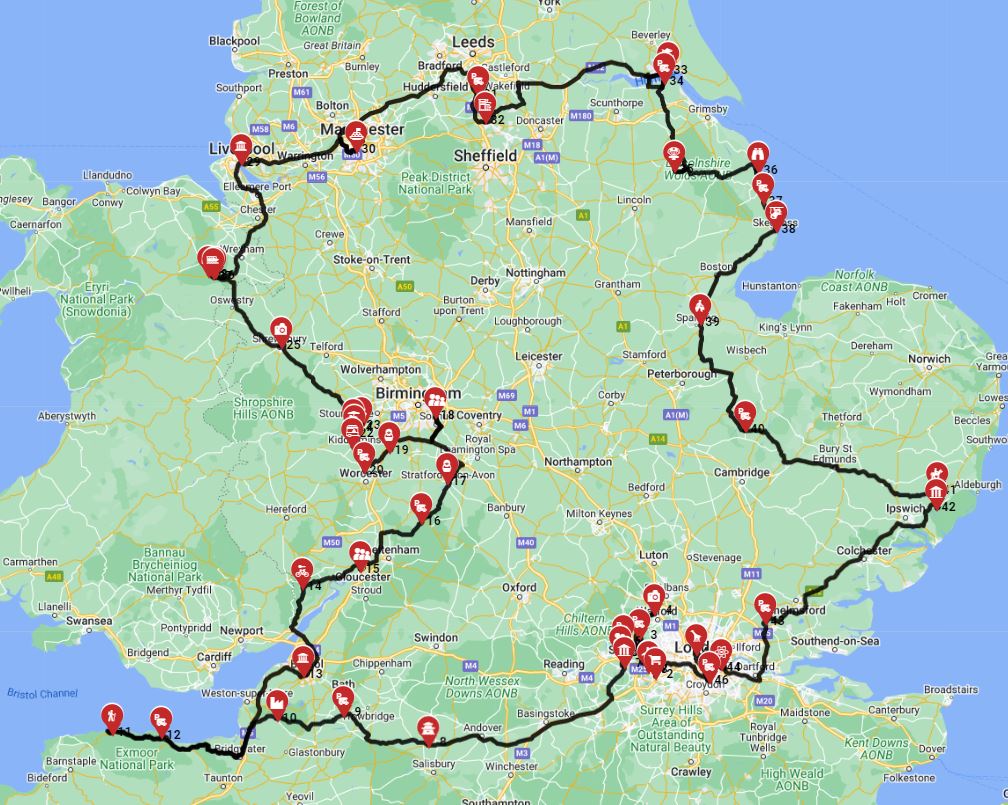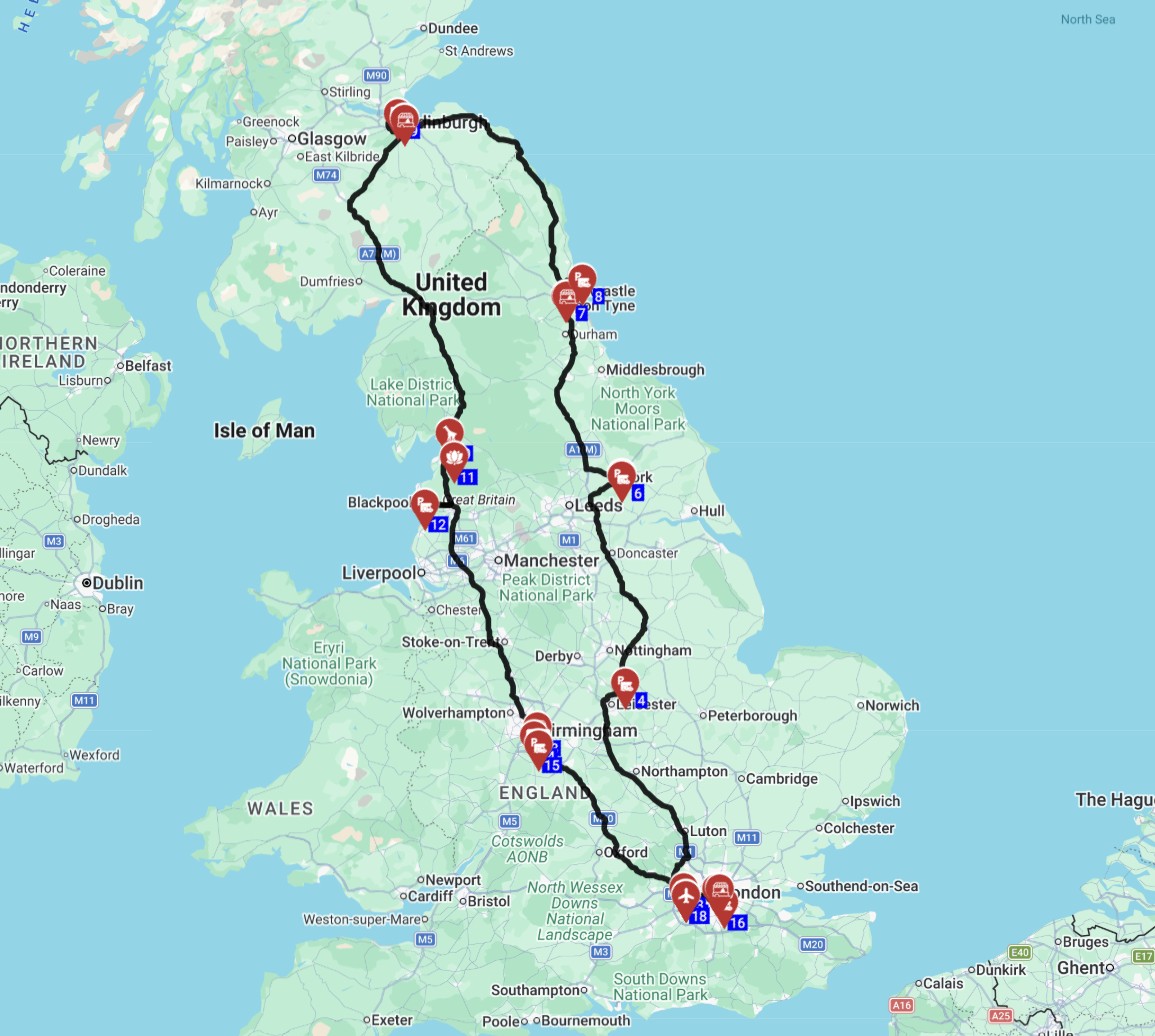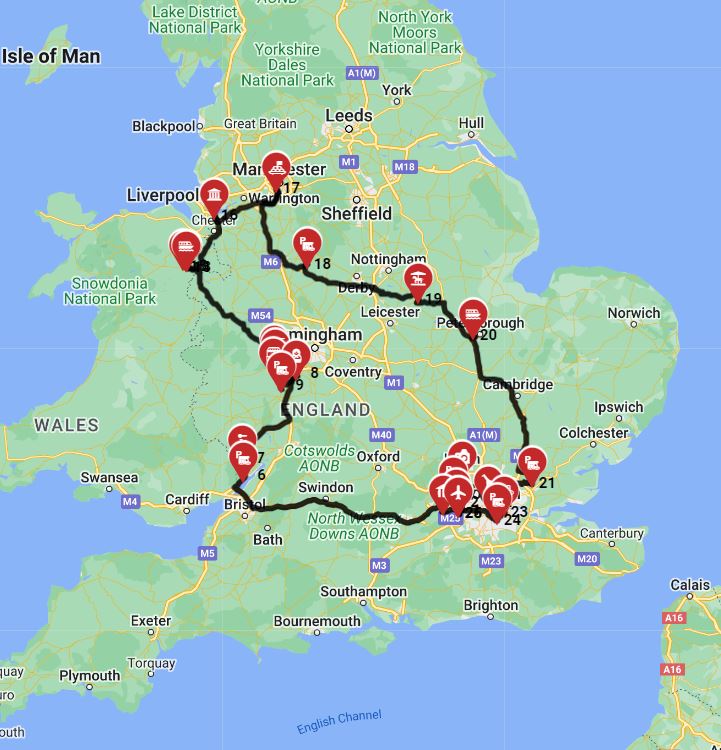
For live availability and current prices, start with our RV Rental London - Complete Guide 2026 guide.
In This Guide
- Can You Drive an RV in London? License & Age Rules
- Road Conditions & Terrain in London
- RV Size Limits, Bridges & Restricted Zones
- Fuel: Diesel vs. Petrol & Cost per 100 km
- Tolls, Vignettes & Border Rules
- Driving Tips for family rv rental Travelers
- Recommended RV Class for London Roads
- Should I Choose a Compact Van Instead of a Large RV in London?
- Can I Park Anywhere? Free & Wild Camping Rules in London
- Can I Drive an RV Into the City Center? Heights, Tunnels & Local Signage
Can You Drive an RV in London? License & Age Rules
Yes, you can drive an RV in London, but understanding the licensing and age requirements is crucial for a smooth experience. A standard UK Category B driving license, the same one used for cars, permits you to drive RVs (motorhomes) with a Maximum Authorised Mass (MAM) of up to 3,500 kg. For larger RVs, typically those between 3,500 kg and 7,500 kg MAM, a Category C1 license is required. It's important to note that if your Category B license was issued after 1 January 1997, you might need to undertake an additional test for the C1 category, as it's not automatically included. While the minimum age to drive a car in the UK is 17, most reputable RV rental companies in London have a higher minimum driver age, usually set at 21 or 25, primarily due to insurance stipulations. For international visitors, your valid foreign driving license is generally accepted for driving in the UK for up to 12 months. However, carrying an International Driving Permit (IDP) alongside your national license is highly recommended for clarity and to avoid any potential misunderstandings with local authorities.
Road Conditions & Terrain in London
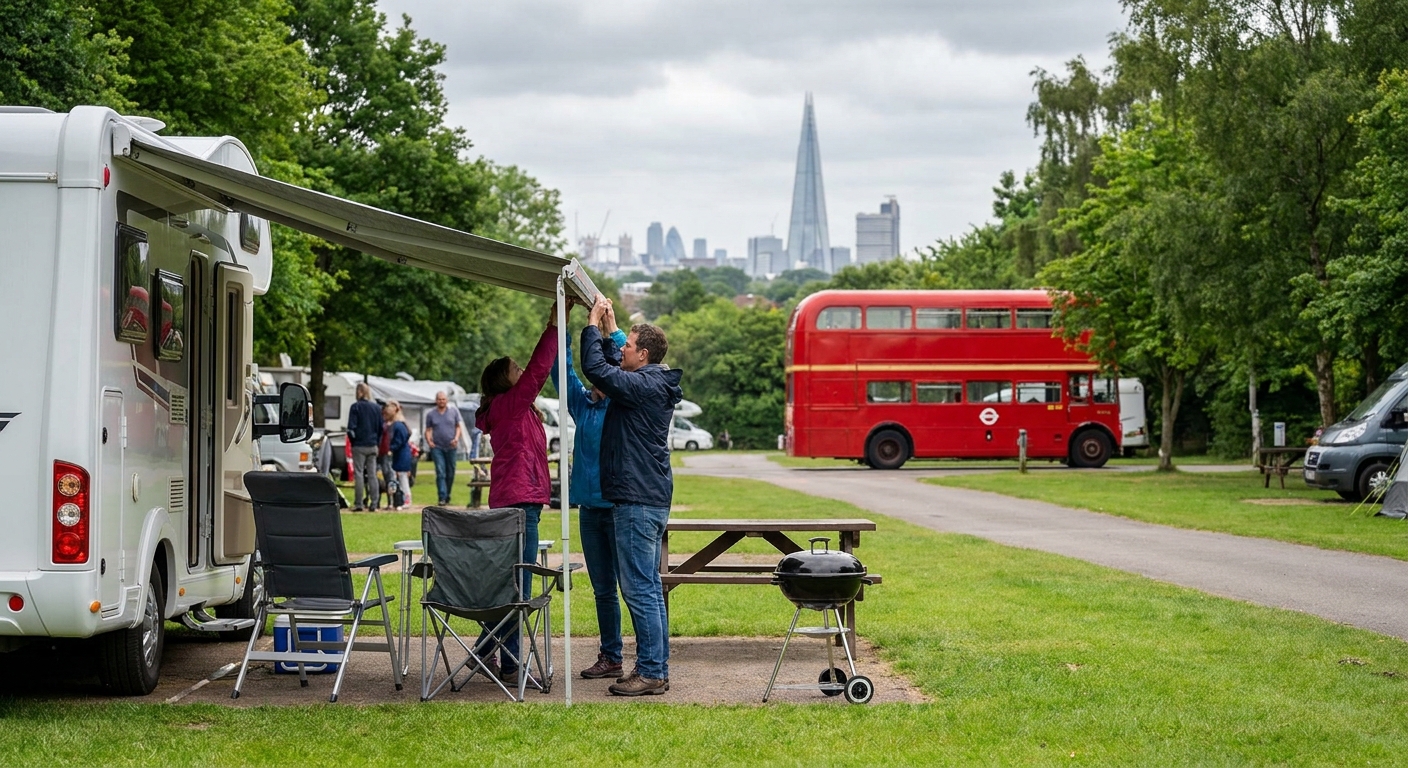
Navigating London in an RV presents a unique set of road conditions and terrain challenges. The city's road network is a complex mix, featuring high-speed motorways surrounding the periphery, busy multi-lane arterial roads leading into the center, and countless narrow, winding streets, particularly in its historic neighborhoods. Fortunately, the terrain around London itself is generally flat, meaning you won't encounter difficulties related to mountains or steep inclines. However, the sheer urban density and the resulting heavy traffic are significant factors that demand your full attention. Driving an RV within Greater London requires considerable patience and a keen awareness of your surroundings due to constant congestion, the presence of numerous bus lanes that can be mistaken for general traffic lanes, extensive roadworks that can alter routes unexpectedly, and complex junctions like the iconic roundabouts. For families planning an RV rental, it's highly advisable to plan your routes meticulously, aiming to avoid peak travel times such as morning and evening commutes. Additionally, consider utilizing 'park and ride' options, utilizing campsites located strategically outside the most congested zones, and then using London's excellent public transport system to explore the city.
RV Size Limits, Bridges & Restricted Zones
London presents distinct challenges for RV drivers due to its historic infrastructure, which includes numerous low bridges, narrow streets, and designated environmental zones. It is imperative for drivers to remain vigilant and pay close attention to road signage that indicates height, width, and weight restrictions, especially when navigating under railway bridges or within the tight confines of historic town centers. Furthermore, London operates stringent environmental zones, namely the Ultra Low Emission Zone (ULEZ) and the Congestion Charge Zone, which cover vast areas of the city. To avoid significant daily charges, RVs must meet specific emission standards: typically Euro 6 for diesel engines or Euro 4 for petrol engines. Ensuring your rented RV complies with these emission standards, or factoring the charges into your budget, is absolutely crucial for any travel within central and Greater London.
Fuel: Diesel vs. Petrol & Cost per 100 km
The majority of family RV rentals available in London, particularly the popular Class B Camper Vans, Class SI Semi-integrated, and Class C Alcove models, are powered by diesel fuel. This fuel type is readily available at petrol stations across the UK. When it comes to fuel consumption, you can expect a Class B Camper Van to average between 8-11 Liters per 100 km, while larger models like the Class SI Semi-integrated and Class C Alcove RVs typically consume between 10-13 Liters per 100 km. As of 2026, fuel prices in and around London can often be higher than the national average, making it an important cost factor to consider when budgeting for your family RV trip. Some rental agreements with providers like Bandana may include fuel discount cards, which can be a helpful way to mitigate these costs during your journey. On the routes offered through RV PLANET routes, you can itemize and track every expense along the way for easy budgeting.
Tolls, Vignettes & Border Rules
When driving an RV in London, you'll likely encounter specific charges rather than a traditional 'vignette' system common in some continental European countries. The most notable are the Congestion Charge and the Ultra Low Emission Zone (ULEZ) charge, which apply to vehicles entering central London and most of Greater London respectively. The Dartford Crossing, a vital Thames river crossing located to the east of London, also operates a barrier-free toll system that must be paid online in advance or by midnight the day after crossing. While the M25 motorway itself does not have a vignette system, other specific tolls, such as the M6 Toll in central England, might apply if your travels extend beyond the immediate London area. It's always wise to research your specific route for any applicable tolls. Some rent-motorhome RVs offer the convenience of pre-purchased toll passes or provide clear guidance on how to pay these charges, helping you avoid potential fines and making your journey smoother.
Driving Tips for family rv rental Travelers
When driving your rented RV in the UK, remember the fundamental rule: traffic drives on the left-hand side of the road, and priority is generally given to traffic coming from the right at roundabouts. Planning your routes meticulously is key, especially when navigating around London. Utilize GPS systems that are specifically designed to accommodate RV dimensions to help you avoid low bridges and restricted zones. For families traveling with children, it's essential to schedule frequent stops every 2-3 hours. This allows children to stretch their legs, use facilities, and stay refreshed, ensuring a much more enjoyable journey for everyone. Be aware of local road etiquette; for instance, flashing headlights is often used to indicate presence rather than giving way, and always adhere to the posted speed limits for different road types. Finally, consider parking your RV at a dedicated campsite located outside of central London and then leveraging the city's extensive and efficient public transport network – the Tube, buses, and trains – for your city sightseeing. This approach can significantly reduce driving stress and parking challenges.
Recommended RV Class for London Roads
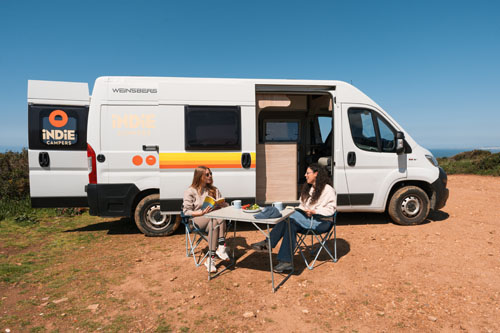
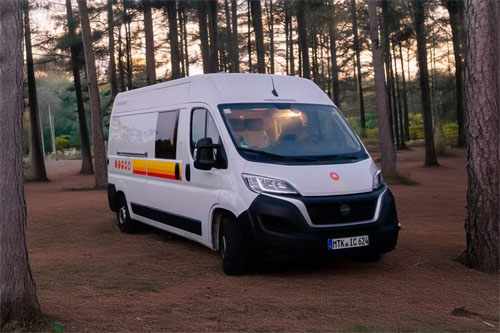
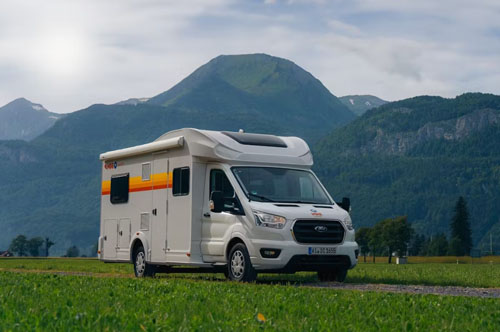
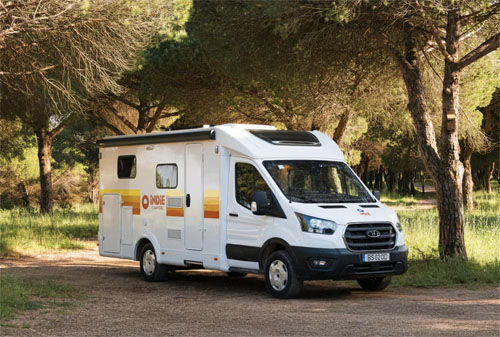
For families planning to navigate London's intricate road network, a Class B Camper Van is generally the most recommended RV class due to its superior maneuverability. These compact RVs, typically around 6.2 meters in length, are significantly easier to drive on narrow city streets and find parking for compared to their larger counterparts. While Class SI Semi-integrated RVs (averaging 7.3 meters) and Class C Alcove RVs (averaging 7.2 meters) offer more interior living and sleeping space, which can be advantageous for larger families (providing 3.9 and 5.8 sleeping places respectively), their increased length can pose a considerable disadvantage within the urban environment of London. If your London itinerary involves minimal city driving and primarily consists of staying on the outskirts, a Class SI or C model might offer a more comfortable living experience. However, for direct access and ease of movement within the city, a Class B Camper Van truly shines.
Should I Choose a Compact Van Instead of a Large RV in London?
Opting for a compact van, such as a Class B Camper Van, instead of a larger RV can offer distinct advantages for a family RV rental trip specifically centered around London. These compact vehicles provide greater ease of navigation on London's often narrow streets and are considerably simpler to park in the city's tight spaces. They are also less likely to encounter height or width restrictions that can be problematic for larger RVs in historic areas. While a larger RV undoubtedly offers more interior space and amenities, the potential comfort gains might be outweighed by the practical challenges of driving and parking in such an intensely urban environment. For exploring central London, a compact van offers superior flexibility. Conversely, a larger RV is more practical if you plan to stay on the city's outskirts and rely on public transport for city exploration, or if your trip involves extensive travel across the broader UK landscape.
Can I Park Anywhere? Free & Wild Camping Rules in London
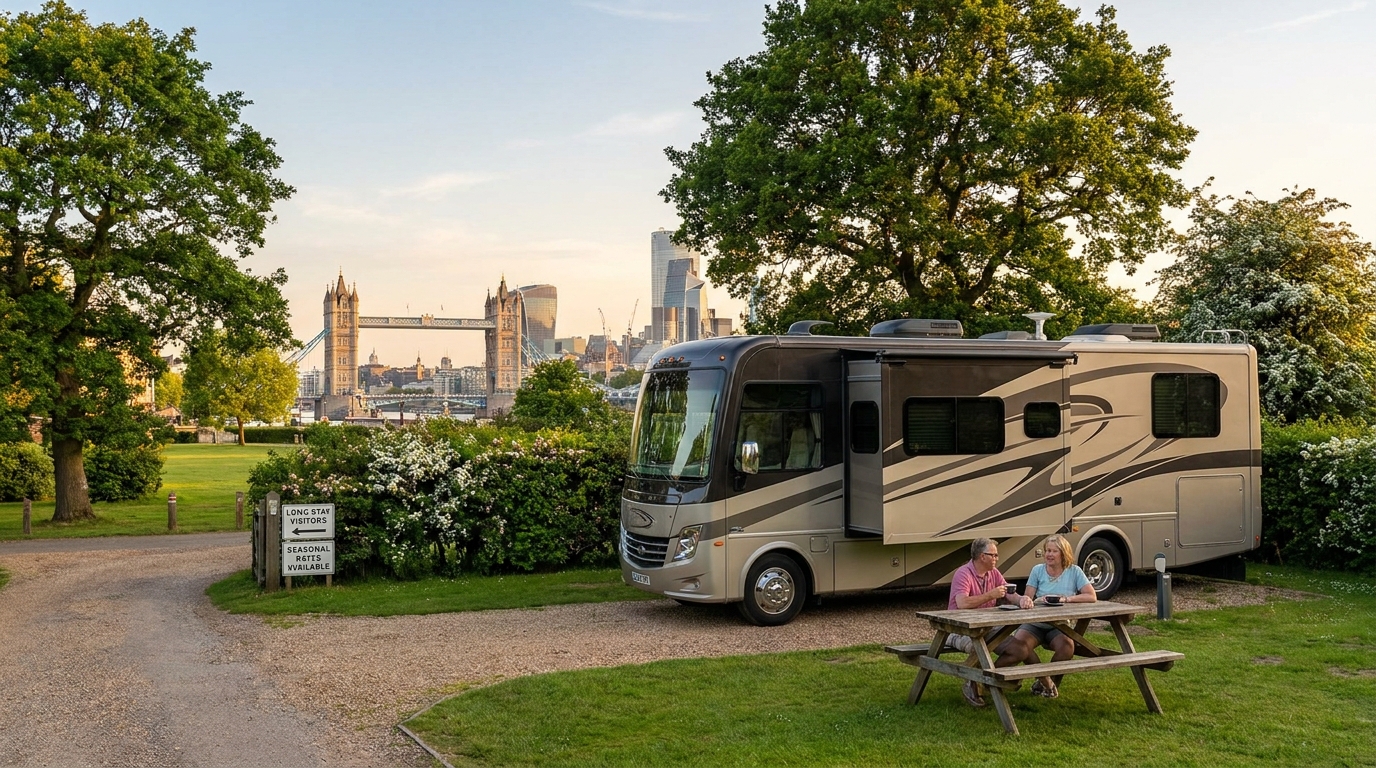
Wild camping, often referred to as 'free camping', is generally illegal throughout England, including the areas surrounding London, unless you have obtained explicit permission from the landowner. Overnight parking for RVs in London is also severely restricted. Attempts to park on public streets overnight are highly likely to result in fines or even the towing of your vehicle. London and its surrounding counties offer numerous official campsites and dedicated RV parks. These sites are typically located on the outskirts and provide essential services such as water hookups, electricity, and waste disposal facilities. These commercial sites represent the legal and safe option for overnight stays, often boasting convenient public transport links into central London. It is always recommended to check local regulations and adhere to local laws before attempting to park overnight.
Can I Drive an RV Into the City Center? Heights, Tunnels & Local Signage
While it's physically possible to drive an RV into London's city center, it comes with numerous practical and financial obstacles that need careful consideration. Drivers must be acutely aware of specific local signage that indicates height restrictions on low bridges and narrow tunnels, as well as width limits that apply to many older city streets. The Congestion Charge and the ULEZ fees, which are applicable to the city center, add considerable daily costs to your journey. Furthermore, finding legal, affordable, and appropriately sized parking for an RV in the city center is exceptionally challenging. For a less stressful and more enjoyable experience, it is highly recommended to park your family RV at a campsite situated outside the ULEZ and Congestion Charge zones. From there, you can effectively utilize London's excellent and extensive public transportation system to explore the central attractions.
What You Shouldn't Miss
- Explore the historic Tower of London and witness the Crown Jewels.
- Take a ride on the London Eye for panoramic city views, especially stunning at sunset.
- Walk across Tower Bridge and visit the exhibition inside its towers.
- Wander through Hyde Park and Kensington Gardens, perhaps visiting Kensington Palace.
- Catch a world-class theatre performance in the West End.
- Immerse yourself in history at the British Museum, home to a vast collection of world art and artifacts.
Final Thoughts
Renting an RV for a family trip to London offers a unique perspective on this vibrant city, blending the convenience of a mobile home with the excitement of urban exploration. While navigating London's streets in an RV requires careful planning and adherence to specific rules, the rewards of flexibility and shared adventure are immense. Remember to choose a vehicle size that suits city driving, be mindful of the specific charges and restrictions, and leverage the excellent public transport options for seamless city access.
With Bandana Caravan, you get the peace of mind that comes from true RV specialists who are dedicated to making your rental process as smooth as possible. We are here to support you before, during, and after your booking, ensuring your family RV adventure in London is memorable for all the right reasons.
Discover Top RV Deals in London