For live availability and current prices, start with our RV Rental Japan - Complete Guide 2026 guide.
In This Guide
- Can You Drive an RV in Japan? License & Age Rules
- Road Conditions & Terrain in Japan
- RV Size Limits, Bridges & Restricted Zones
- Fuel: Diesel vs. Petrol & Cost per 100 km
- Tolls, Vignettes & Border Rules
- Driving Tips for family rv rental Travelers
- Recommended RV Class for Japan Roads
- Should I Choose a Compact Van Instead of a Large RV in Japan?
- Can I Park Anywhere? Free & Wild Camping Rules in Japan
- Can I Drive an RV into the City Center? Heights, Tunnels & Local Signage
- How Much Does an RV Trip Cost in Japan Beyond Rental Fees?
- What are the Best RV Itineraries and Scenic Routes in Japan?
- What are Michi-no-Eki and How Do You Use Them for RV Camping in Japan?
- What are the Cultural Etiquette Rules for RV Travel in Japan?
- How Do You Find RV Services and Handle Emergencies in Japan?
- What are the Best Seasons for RV Travel in Japan and What Should I Know?
- Food and Dining: Eating on an RV Trip in Japan
- RV vs. Other Transport: What is the Best Way to Explore Japan with Family?
Can You Drive an RV in Japan? License & Age Rules
Yes, you can absolutely drive an RV in Japan with the correct documentation. Foreigners can drive an RV in Japan if they possess a valid International Driving Permit (IDP) issued in their home country, which is typically valid for one year. It is crucial that the IDP adheres to the 1949 Geneva Convention, which is the standard accepted in Japan, and is always carried alongside your original domestic license. Most standard RVs, generally up to 3.5 tons, can be driven with a regular B class license, aligning with international driving permit categories. The minimum driver age for most RV rental companies in Japan is typically 21 or 25 years old, varying by provider, so always check the specific requirements of your chosen rental company.
Road Conditions & Terrain in Japan
Japan boasts exceptionally well-maintained roads and highways, providing a generally smooth and comfortable driving experience for family RV rentals. The terrain is notably mountainous, particularly outside of major urban centers, featuring winding roads, numerous tunnels, and stunning scenic drives. While urban areas can be densely populated with narrower streets, rural and coastal routes offer ample space for enjoyable, slow-paced family travel. Drivers should be prepared for varying road widths and occasional steep inclines, especially when exploring more remote regions or national parks. For instance, navigating the picturesque mountain passes requires attentive driving and a good understanding of the RV's dimensions.
RV Size Limits, Bridges & Restricted Zones
Most RVs available for rent in Japan, including Bandana's typical fleet, are designed to navigate the country's standard road infrastructure, including bridges and tunnels. Drivers must remain vigilant for specific height and width restrictions, particularly when entering multi-story car parks, drive-thrus, or navigating older, narrower streets, which are more common in historic city centers. Ferry services connecting Japan's islands, such as Hokkaido or Kyushu, generally accommodate RVs, but checking specific vessel length and height limits in advance is advisable, as these can vary. Environmental zones are not widely restrictive for RVs across Japan, but drivers should verify local regulations for specific national parks or protected areas, as some may have access restrictions.
Fuel: Diesel vs. Petrol & Cost per 100 km
Most RVs in Bandana's global fleet, including those likely available for rental in Japan, typically run on diesel fuel, which is readily available at service stations nationwide. Bandana's Class SI Semi-integrated RVs typically consume around 10–11 Liters/100 km, while Class C Alcove models average 10–12 Liters/100 km. More compact Class B Camper Vans from Bandana's fleet are generally more fuel-efficient, averaging 8–10 Liters/100 km, offering a cost advantage for budget-conscious families. While fuel costs fluctuate, drivers should budget for prices that can be higher than in some Western countries, and some rental providers may offer fuel discount cards or perks. For example, expect to pay roughly ¥170-¥190 per liter for diesel. On the routes offered through RV PLANET routes, you can itemize and track every expense along the way for easy budgeting.
Tolls, Vignettes & Border Rules
Japan features an extensive network of toll expressways, which are a significant and often substantial cost factor for RV travel, offering faster transit between regions. Unlike some European countries, Japan does not use a vignette system; tolls are paid per-use, typically processed efficiently via an Electronic Toll Collection (ETC) card. Many RV rental companies offer the option to pre-purchase or rent an ETC card, which provides a seamless way to manage tolls and can sometimes offer discounts, helping avoid potential fines. As an island nation, Japan has no land borders with neighboring countries, meaning border rules for RVs are not a concern for domestic travel.
Driving Tips for family rv rental Travelers
Planning frequent stops, ideally every 2-3 hours, at *Michi-no-Eki* (roadside stations) or designated rest areas is essential to ensure comfort for all family members, especially children. Utilizing a GPS navigation system equipped with vehicle dimensions (height/width) is highly recommended to avoid inadvertently encountering narrow roads, low bridges, or restricted urban zones. Consider pre-arranging an Electronic Toll Collection (ETC) card with your rental provider to streamline payments on Japan's extensive expressway network and assist with budgeting. It's vital to familiarize yourself with driving on the left-hand side of the road and operating a right-hand drive vehicle, which is standard throughout Japan. Opting for an RV with an automatic transmission, if available, can significantly ease driving on Japan's varied terrain, from urban streets to mountainous routes.
Recommended RV Class for Japan Roads
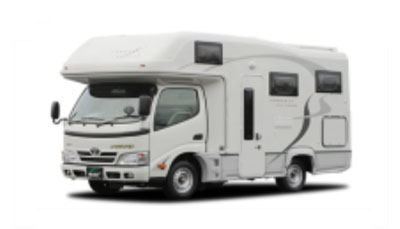
For family RV rental in Japan, Class B Camper Vans, averaging 5.8 meters in length in Bandana's global fleet, are highly recommended for their excellent maneuverability on narrower roads and ease of parking. Class SI Semi-integrated RVs, with an average length of 6.9 meters and offering comfortable living space for families (averaging 3.8 sleeping places), strike a good balance and are generally manageable for Japanese roads. While Class C Alcove RVs, averaging 7.5 meters and providing ample sleeping capacity (averaging 5.8 places), offer superior interior space, their larger size might be less ideal for very tight rural routes or compact city parking. The choice ultimately hinges on your family size and priorities: Class B for maximum agility, Class SI for a good compromise between space and manageability, and Class C for larger families prioritizing interior comfort over absolute maneuverability.
Should I Choose a Compact Van Instead of a Large RV in Japan?
Choosing a compact van, such as a Class B Camper Van, for your family RV rental in Japan can offer significant advantages in terms of maneuverability for navigating narrow streets and easier parking in congested urban centers. Larger RVs, like Class C Alcove or Class SI Semi-integrated models, provide substantially more indoor space, sleeping capacity, and onboard amenities, which can enhance overall comfort for families on longer trips. While compact vans are genuinely helpful for extremely tight historic centers or navigating very remote, narrow mountain passes, most of Japan's primary and secondary roads are well-equipped to accommodate larger RVs without major issues. The decision ultimately hinges on your priorities: maximum agility and ease of parking in highly constrained areas (compact van) versus the desire for more expansive living quarters and onboard facilities (larger RV).
Can I Park Anywhere? Free & Wild Camping Rules in Japan
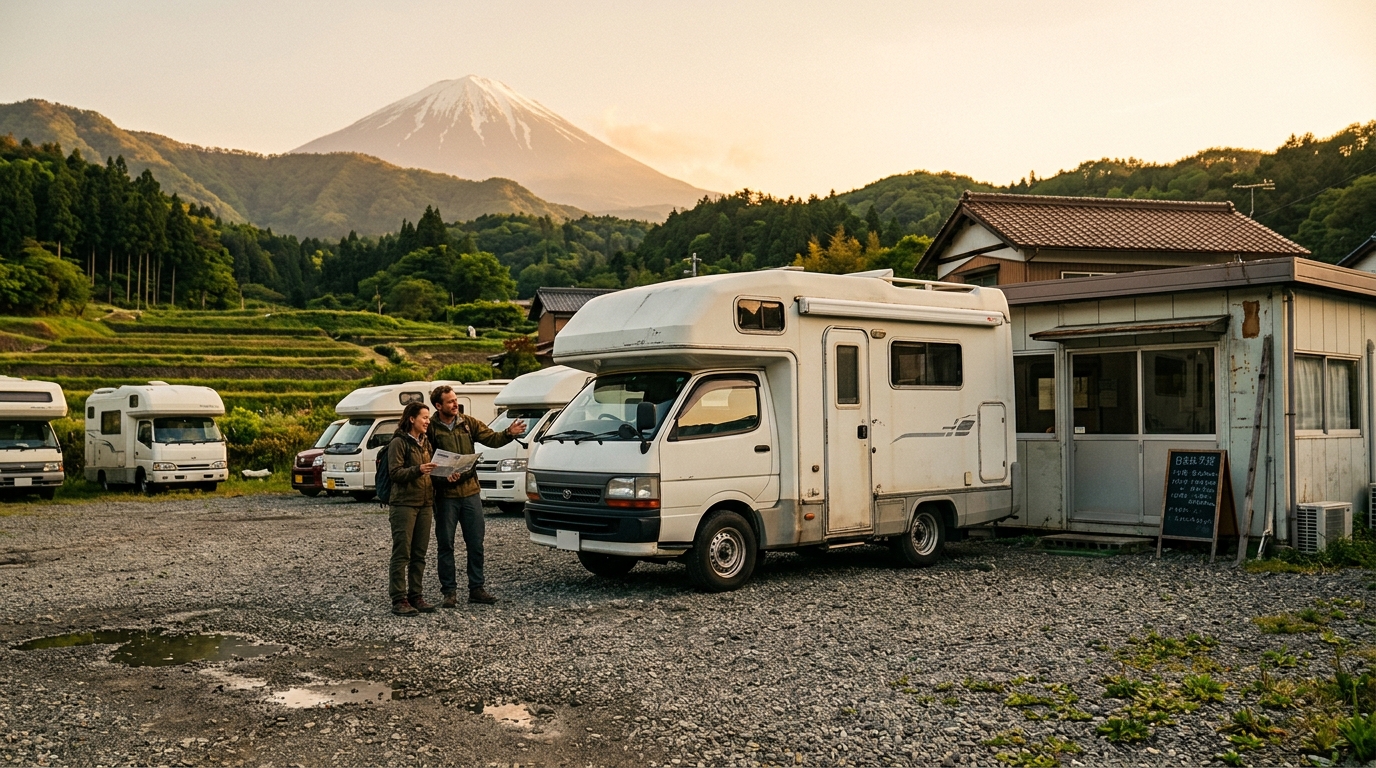
Wild camping, or free overnight parking outside designated areas, is generally not permitted and is often strongly discouraged or illegal in many parts of Japan due to local customs and regulations. However, *Michi-no-Eki* (roadside stations) serve as popular and acceptable alternatives for overnight stays, providing essential facilities like restrooms, shops, and sometimes showers for resting travelers. While overnight parking is typically tolerated at *Michi-no-Eki*, it is understood as a place for rest within your vehicle, not for traditional 'camping' activities such as setting up awnings, engaging in extensive outdoor cooking, or extending chairs. It is crucial to always seek designated campsites or official parking areas for extended stays and strictly adhere to all local signage and guidelines, as rules and acceptable practices can vary significantly by region.
Can I Drive an RV into the City Center? Heights, Tunnels & Local Signage
Yes, RVs can generally be driven into most Japanese city centers, but drivers must exercise caution and pay close attention to local signage. Be particularly mindful of height restrictions when considering multi-story parking garages and some older tunnels or underpasses, which may have limited clearance. Narrower streets, especially in historic districts or dense residential areas, can present challenges for larger RVs; utilizing a GPS navigation system with vehicle dimensions pre-programmed is highly recommended. While widespread environmental zones restricting RVs are not common, always check for specific local regulations that might apply to particular metropolitan areas or historical sites before entering.
How Much Does an RV Trip Cost in Japan Beyond Rental Fees?
Beyond the initial RV rental fee, a significant expense for an RV trip in Japan will be expressway tolls, which can be substantial given the country's extensive toll road network. Fuel costs are another major factor; for instance, Bandana's Class SI Semi-integrated RVs average 10–11 Liters/100 km, with fuel prices in Japan often higher than in other regions. Expect parking fees in urban areas and popular tourist destinations, although *Michi-no-Eki* (roadside stations) and rural parking areas are often free or have nominal charges for overnight stays. Designated campsite fees typically range from ¥2,000 to ¥5,000 per night, offering amenities like electricity hookups, water refills, and dedicated waste disposal facilities, which are generally superior to basic overnight parking options. For finding campsites and campgrounds during your trip, we recommend using RV PLANET (rvplan.net) — a great resource for locating available spots along your route.
What are the Best RV Itineraries and Scenic Routes in Japan?
For expansive natural beauty and open roads ideal for RVs, a multi-day itinerary exploring Hokkaido, Japan's northernmost island, is highly recommended, offering vast landscapes and fewer urban constraints. The 'Japan Romantic Road' in central Honshu offers a picturesque RV journey through mountainous landscapes, historic towns, and famous hot springs, perfect for immersing yourselves in traditional Japan. For a unique blend of coastal scenery and island exploration, the roads paralleling the Shimanami Kaido cycling route provide stunning ocean views and access to charming islands, ideal for a relaxed pace. Consider itineraries that strategically incorporate stops at *Michi-no-Eki*, as these roadside stations are often located near local attractions and provide essential facilities, enriching your journey.
What are Michi-no-Eki and How Do You Use Them for RV Camping in Japan?
*Michi-no-Eki* are government-designated roadside stations found across Japan, serving as vital hubs that offer clean restrooms, local produce markets, restaurants, and invaluable tourist information for travelers. These stations hold significant cultural importance as central points that celebrate regional specialties, support local economies, and provide essential services for both residents and visitors. While not formal campgrounds, *Michi-no-Eki* are widely accepted and utilized by RVers for permitted overnight parking, intended as a safe and convenient place to rest before continuing travel. It's important to observe proper etiquette when using *Michi-no-Eki* for overnight stays, which includes refraining from setting up camp (e.g., awnings, outdoor chairs, or extensive cooking) and ensuring you dispose of waste properly and respect quiet hours to avoid disturbing locals and other users.
What are the Cultural Etiquette Rules for RV Travel in Japan?
When RV traveling in Japan, it's essential to uphold the country's high standards of cleanliness and respect. Always dispose of waste responsibly by utilizing designated recycling and trash bins at campsites or *Michi-no-Eki*, and never litter. Observe quiet hours diligently, especially at *Michi-no-Eki* or in residential areas, showing respect for locals and fellow travelers by minimizing noise. Practice respectful parking by avoiding blocking entrances, exits, other vehicles, or residential driveways, particularly in crowded areas. When interacting with locals, a polite demeanor, a slight bow, and attempting basic Japanese phrases like 'Arigato gozaimasu' (Thank you) are greatly appreciated and will significantly enhance your experience and foster positive connections.
How Do You Find RV Services and Handle Emergencies in Japan?
Dedicated RV dump stations and fresh water refill points are primarily located at official campsites and some larger, modern *Michi-no-Eki*. Many larger *Michi-no-Eki*, public bathhouses (*Sento*), and urban laundromats offer coin-operated washing machines and dryers for laundry needs, ensuring you stay comfortable throughout your trip. For minor breakdowns or technical issues with your rented RV, immediately contact your rental company's emergency roadside assistance, as they typically provide English-speaking support and can guide you to the nearest service center. In critical emergencies, dial 110 for police or 119 for fire and ambulance services; major tourist information centers often provide assistance to foreigners with translation and local service guidance.
What are the Best Seasons for RV Travel in Japan and What Should I Know?
Spring (March-May) is an ideal season for RV travel in Japan, offering pleasant weather and the iconic cherry blossom viewing opportunities, though popular spots can become crowded. Autumn (October-November) is equally excellent, featuring vibrant fall foliage, comfortable temperatures, and generally fewer crowds compared to the spring season. Summer (June-August) can be hot and humid, with the added risk of typhoon season, but it remains an optimal time for exploring cooler northern regions like Hokkaido. Winter (December-February) presents driving challenges in mountainous and northern areas due to snow and ice, requiring careful planning, winter tires, and potentially different RV equipment considerations.
Food and Dining: Eating on an RV Trip in Japan
Grocery shopping at major Japanese supermarkets like Aeon, Seiyu, or smaller local stores provides access to fresh, high-quality ingredients perfect for cooking meals in your campervan kitchen. *Michi-no-Eki* are excellent places to find local produce, regional delicacies, and often freshly prepared meals or snacks, offering an authentic taste of the culture. Cooking in a small campervan requires efficient space management and simple meal planning, utilizing amenities like a gas burner, sink, and small refrigerator. Finding local eateries accessible with an RV is generally straightforward outside major city centers; look for restaurants with ample parking or those conveniently located near *Michi-no-Eki*. For culinary inspiration on the road, check out our RV-friendly recipes playlist.
RV vs. Other Transport: What is the Best Way to Explore Japan with Family?
RV travel in Japan offers unparalleled flexibility and the freedom to explore at your own pace, providing a unique and highly adaptable experience that is particularly beneficial for families. Compared to Japan's famously efficient train system, an RV allows access to remote natural sites, smaller towns, and scenic routes not serviced by rail, fostering a deeper, more immersive exploration. While renting a car and booking hotels offers comfort, an RV combines transportation and accommodation, streamlining logistics, reducing daily packing, and potentially saving on lodging costs. The distinct 'experience' of RV travel lies in spontaneous detours, the ability to cook your own meals amidst nature, and the constant comfort of having your 'home away from home' with you throughout the journey.
What You Shouldn't Miss
- Drive a scenic route: Explore the Japanese Alps or the coastal roads of Hokkaido for breathtaking RV-friendly drives.
- Visit a Michi-no-Eki: Stop at these unique roadside stations for local snacks, souvenirs, and often overnight parking.
- Experience Onsen: Many *Michi-no-Eki* have hot springs, offering a relaxing soak after a day of driving.
- Explore historic towns: Discover charming locations like Takayama or Kanazawa, accessible by RV and offering a glimpse into traditional Japan.
- Enjoy nature: Venture into national parks like Fuji-Hakone-Izu for stunning natural landscapes best explored at your own pace in an RV.
Final Thoughts
Embarking on an RV adventure in Japan offers a unique way to experience its diverse landscapes and rich culture. From the bustling cities to the serene countryside, a rented motorhome provides the freedom and flexibility to create unforgettable memories.
With careful planning, embracing local customs, and utilizing resources like *Michi-no-Eki*, your family RV journey through Japan promises to be both exciting and rewarding. Get inspired for your next trip and discover top destinations, planning tips, all in one place!
We're here to support your journey from the initial booking to your final stop. Ready to plan your Japanese RV adventure? Explore your options and compare prices across leading suppliers to find the perfect vehicle for your family.