For live availability and current prices, start with our RV Rental Europe - Complete Guide 2026 guide.
In This Guide
- Can You Drive an RV in Europe? License & Age Rules
- Road Conditions & Terrain in Europe
- RV Size Limits, Bridges & Restricted Zones
- Fuel: Diesel vs. Petrol & Cost per 100 km
- Tolls, Vignettes & Border Rules
- Driving Tips for family rv rental Travelers
- Recommended RV Class for Europe Roads
- Should I Choose a Compact Van Instead of a Large RV in Europe?
- Can I Park Anywhere? Free & Wild Camping Rules in Europe
- Can I Drive an RV Into the City Center? Heights, Tunnels & Local Signage
- What is the 3-3-3 rule for RV travel?
- What is the 444 rule for RV?
- Is Europe RV friendly?
- What do Europeans call an RV?
- What is the best travel insurance company for Europe?
- Who has the least expensive RV insurance?
Can You Drive an RV in Europe? License & Age Rules
Most travelers with a valid driver's license from their home country can drive an RV in Europe, often requiring an International Driving Permit (IDP) and adhering to age and vehicle weight restrictions.
A standard B-category driver's license typically covers RVs up to 3,500 kg Gross Vehicle Weight (GVW), which includes most campervans and smaller motorhomes, like Bandana's Class B camper vans (averaging 5.8m length). Larger RVs exceeding 3,500 kg, such as many Class C Alcove or Class A Integrated motorhomes (Bandana's Class C averages 7.5m length), may require a C1 or C license, depending on the specific GVW and the driver's home country license. Rental companies usually require drivers to be at least 21 years old, with some larger vehicles or specific suppliers requiring 25. A minimum of 1-3 years of driving experience is also common. An International Driving Permit (IDP) is strongly recommended and often required for non-EU citizens, serving as a multi-language translation of your domestic license. You can obtain one from your local automotive association (e.g., AAA in the US) before your travel.
Road Conditions & Terrain in Europe
European roads generally offer good conditions for RV travel, ranging from excellent motorways to scenic country lanes, but varied widths and gradients across terrains like mountains and historic urban areas require awareness.
Motorways, such as Germany's Autobahns or France's Autoroutes, are high-quality, multi-lane roads ideal for efficient long-distance travel. Secondary roads offer a slower, more scenic experience through rural areas and villages, often being narrower and winding. Mountainous regions like the Alps feature steep ascents, descents, and hairpin bends, demanding careful driving and appropriate gear selection for RVs. Historic city centers commonly present challenges with very narrow streets, pedestrian zones, and limited parking, making larger RVs less practical for direct access. While most main and secondary roads are paved, gravel roads can be encountered at some remote campsites or scenic detours.
RV Size Limits, Bridges & Restricted Zones
RV travelers in Europe must pay close attention to posted height, width, and weight limits, especially when navigating under bridges, through tunnels, and within designated low emission zones (LEZ) or historic city centers.
Many urban areas, historic gates, and tunnels have explicit height restrictions, commonly ranging from 2.0m to 3.0m; RVs like Bandana's Class C Alcove models (averaging 7.5m in length) require vigilance for these signs. Weight limits may apply to certain roads or bridges, particularly in rural areas or on older infrastructure, so knowing your RV's Gross Vehicle Weight (GVW) is crucial. Numerous European cities enforce Low Emission Zones (LEZs) where older or larger RVs might require a special permit, vignette, or face entry restrictions and fines; research city-specific requirements in advance. When planning ferry travel, RV dimensions (length, height, weight) are critical for accurate pricing and ensuring vehicle accommodation. Utilize RV-specific GPS systems or apps that allow dimension input to prevent routing through unsuitable roads or restricted areas.
Fuel: Diesel vs. Petrol & Cost per 100 km
Most family RV rentals in Europe, including Bandana's fleet, run on diesel fuel, which is widely available and typically priced similarly to or slightly higher than petrol (gasoline), with fuel consumption for common RV classes ranging from 8 to 12 Liters per 100 km.
Diesel is the dominant fuel type for RVs in Europe, favored for its efficiency and torque, with petrol RVs being exceptionally rare. Bandana's Class SI - Semi-integrated RVs average 10 – 11 Liters/100 km, while Class C - Alcove models average 10 – 12 Liters/100 km. Class B - Camper Vans from Bandana's fleet are more fuel-efficient, averaging 8 – 10 Liters/100 km. Budget approximately €1.70 - €2.00 per liter for diesel (as of 2026), with prices fluctuating across countries (e.g., higher in Norway/Netherlands, lower in Eastern Europe). Based on an average consumption of 11 Liters/100 km and a price of €1.90/liter, expect to spend approximately €20.90 per 100 km on fuel. Some rent-motorhome RVs may offer fuel discount cards, which can offer savings on your trip.
Tolls, Vignettes & Border Rules
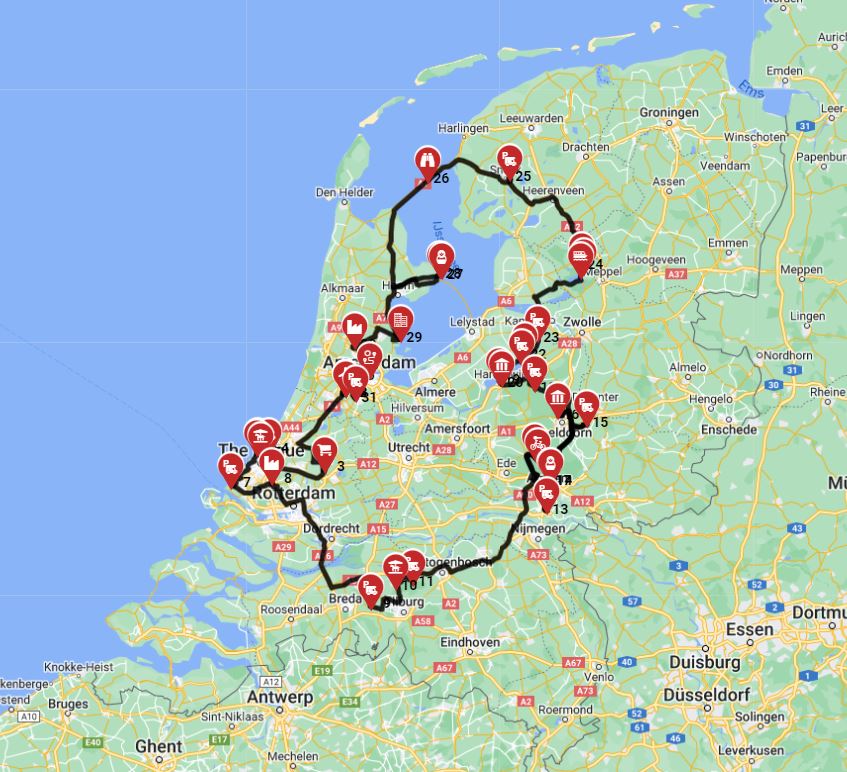
Traveling by RV in Europe necessitates understanding various road charging systems, including direct tolls on motorways, pre-paid vignettes for specific countries, and country-specific equipment requirements at borders. On the routes offered through RV PLANET routes, you can itemize and track every expense along the way for easy budgeting.
Toll roads are prevalent in countries such as France, Italy, Spain, Portugal, and Croatia, typically paid at booths or via electronic transponders. Many countries like Switzerland, Austria, Czech Republic, and Slovenia require a pre-paid 'vignette' (sticker or digital pass) for using their motorways for a set duration. Numerous cities enforce Low Emission Zones (LEZs) that require specific environmental stickers (e.g., Crit'Air in France, Umweltplakette in Germany) or registration for entry to avoid fines. Specific mandatory equipment includes high-visibility vests and warning triangles in most countries, with France requiring a breathalyzer (though enforcement is inconsistent) and Central European countries mandating winter tires or snow chains in winter conditions. While Schengen Area border checks are minimal, always have passports and vehicle rental documents ready; confirm with your rental company that cross-border travel is permitted. Some Bandana RVs may offer pre-purchased toll passes or transponders, which can streamline travel and help avoid fines for non-compliance.
Driving Tips for family rv rental Travelers
Successful family RV travel in Europe involves strategic planning, frequent breaks, and adapting to local driving customs to ensure a smooth and enjoyable journey for all passengers.
Implement a flexible version of the '3-3-3 rule' by aiming for breaks every 2-3 hours for children to stretch and use facilities, rather than strictly adhering to mileage limits. Avoid over-scheduling your itinerary to allow for a relaxed pace, spontaneous stops, and travel no more than 300-400 km a day. Utilize reliable RV-specific GPS systems (e.g., CoPilot RV) and local SIM cards or eSIMs for mobile data to access real-time traffic updates and points of interest. For city visits, plan to park your RV at designated spots on the outskirts or at campsites with good public transport links to avoid navigating tight urban centers. Budget comprehensively beyond just rental costs, factoring in fuel, variable campsite fees (€20-€60+ per night), food expenses (cooking saves money), and potential city taxes or special permits. Before each departure, conduct a quick check to ensure all cupboards are latched, windows are closed, awnings are retracted, and loose items inside the RV are secured. For ideas you can prep on the road, watch our RV-friendly recipes playlist on YouTube.
Recommended RV Class for Europe Roads
For family RV rentals in Europe, Class SI (Semi-integrated) and Class C (Alcove) motorhomes are generally recommended, as they strike a good balance between comfortable living space and manageable dimensions for European roads.
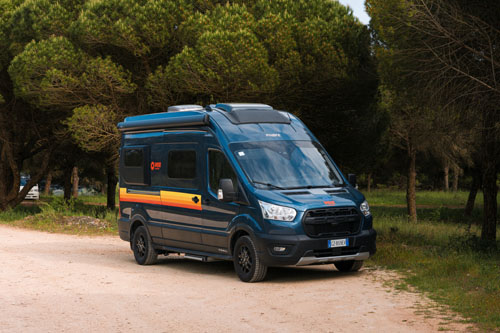
Class SI - Semi-integrated models from Bandana's fleet average 6.9m in length and 3.8 sleeping places, making them suitable for smaller families (2-3 adults + 1-2 children). These RVs are more aerodynamic and typically shorter, offering easier handling and better fuel efficiency (10-11 Liters/100 km) across varied European road types. Class C - Alcove RVs from Bandana's fleet average 7.5m in length and 5.8 sleeping places, ideal for larger families (4+ adults or families with 3+ children) requiring more beds and storage. While Class C Alcove models are taller due to the over-cab bed, requiring attention to height limits, they remain manageable on most European main roads with comparable fuel consumption (10-12 Liters/100 km). For couples or very small families (averaging 3.2 sleeping places), Bandana's Class B - Camper Vans (averaging 5.8m length) offer excellent maneuverability and slightly better fuel consumption (8-10 Liters/100 km), albeit with less interior living space.
Should I Choose a Compact Van Instead of a Large RV in Europe?
While compact campervans offer superior maneuverability in tight European spaces, a larger RV generally provides more comfort and indoor living area without significant driving difficulties on most European main roads, making the 'best' choice dependent on your family's priorities.
Compact vans, like Bandana's Class B Camper Vans (averaging 5.8m), excel in navigating narrow historic town centers, winding mountain passes, and parking in standard bays. Larger RVs (Class SI, Class C) significantly enhance family comfort with dedicated sleeping areas, more spacious kitchens, larger bathrooms, and ample storage, which is particularly beneficial during longer trips or adverse weather. The notion that all European roads are too narrow for RVs is often overstated; modern larger RVs are generally easy to drive on main highways and well-maintained secondary roads, with challenges mostly confined to specific very old urban or remote routes. Consider your itinerary: if frequent visits to remote villages or extensive mountain driving are planned, a compact van might reduce stress, but for comfortable living and touring well-connected areas, a larger RV often provides a better experience. For instance, Bandana's Class C averages 5.8 sleeping places, providing significantly more room than a Class B's 3.2 sleeping places, a key consideration for families.
Can I Park Anywhere? Free & Wild Camping Rules in Europe
While the legality of free or 'wild' camping in Europe varies significantly by country and even by region, it is generally restricted or prohibited in many popular tourist destinations, making official campsites the most reliable option for overnight stays.
Wild camping is largely illegal or heavily regulated in major Western European countries like Germany, France, Italy, Spain, Portugal, and the Netherlands, often incurring fines if caught. Some Nordic and Baltic countries (e.g., Norway, Sweden, Finland) permit wild camping under 'freedom to roam' laws, but strict conditions apply, such as distance from dwellings and a strict 'leave no trace' policy. Many European countries offer designated RV parking areas known as `Stellplätze` (Germany), `Aires de Service` (France), or `Aree di Sosta` (Italy), which provide basic amenities for overnight stays, often for free or at low cost. Overnight parking on private land is typically allowed only with the explicit permission of the landowner. Always prioritize safety and follow etiquette: be discreet, arrive late and leave early, and never dispose of waste inappropriately. Always check local regulations and follow local law before parking overnight, using apps like Park4Night for guidance.
Can I Drive an RV Into the City Center? Heights, Tunnels & Local Signage
Yes, you can almost always drive an RV into city centers in Europe, but it requires careful attention to local signage, including height and width restrictions, environmental zone rules, and designations for residents-only or public transport lanes.
Most major European cities have main roads that accommodate standard RV sizes, with the primary challenges being parking and navigating extremely narrow or historic streets. Pay strict attention to signs indicating maximum vehicle height (e.g., for low bridges, tunnels, archways) and width, which are critical in older European cities. Many cities enforce Low Emission Zones (LEZ) that require specific environmental vignettes (e.g., German Umweltplakette, French Crit'Air sticker) or registration for entry into the city center. Be aware of clearly marked 'residents-only' zones, pedestrian areas, or public transport lanes, as unauthorized entry can result in significant fines (e.g., `Einbahnstraße` in Germany indicates a one-way street). Finding suitable and legal parking for an RV directly within city centers is often difficult and expensive; parking on the outskirts with public transport connections into the city is generally the recommended strategy (e.g., when visiting Venice, vehicles are typically parked on the mainland). European road signs are generally clear and internationally recognized, making it essential to heed all regulatory signs, especially those indicating vehicle size restrictions.
What is the 3-3-3 rule for RV travel?
The '3-3-3 rule' for RV travel is a widely adopted guideline that suggests driving no more than 300 miles (or kilometers) in a day, arriving at your destination by 3 PM, and staying for a minimum of 3 nights, designed to promote a relaxed and enjoyable pace.
The '300 miles/kilometers' component encourages limiting daily driving to prevent fatigue, allowing for spontaneous stops and avoiding rushed travel, with 300-400 km being a practical adaptation for Europe. The '3 PM arrival' ensures ample daylight for setting up camp, exploring the immediate surroundings, and relaxing, which helps avoid stressful late-night arrivals. The '3 nights stay' encourages slowing down and fully experiencing a location, reducing the constant cycle of packing and unpacking, making it particularly beneficial for families. While a useful guideline, the rule offers flexibility and can be adapted, for example, by focusing on frequent breaks (e.g., every 2-3 hours) when traveling with children.
What is the 444 rule for RV?
The '444 rule' for RV travel is an alternative guideline suggesting driving no more than 400 miles a day, arriving at your destination by 4 PM, and staying for at least 4 nights, offering a slightly faster pace while still promoting leisure.
The '400 miles' component allows travelers to cover more ground compared to the 3-3-3 rule, which can be useful for longer distances between key destinations in Europe (potentially 400-500 km). An 'arrival by 4 PM' provides a bit more flexibility in the morning, accommodating later starts or more extended morning activities at your previous stop. The '4 nights stay' extends the duration at each location, allowing for deeper exploration and further reducing the feeling of constant movement, which is often ideal for families. When considering the 444 rule, it's crucial to balance increased driving distances with the need for regular breaks, especially when traveling with children, and the average speeds attainable for RVs on European roads.
Is Europe RV friendly?
Europe is highly RV friendly, offering an extensive network of campsites, dedicated motorhome parking (Stellplätze/Aires), and diverse landscapes ideal for touring, although navigating historic city centers and understanding varied national regulations requires careful planning.
The continent boasts an excellent infrastructure of official campsites in most countries, ranging from basic to luxury, often with essential services like water and waste disposal. Many countries provide dedicated RV parking areas, such as `Stellplätze` in Germany or `Aires de Service` in France, which are often low-cost or free options for overnight parking with basic amenities. RV travel offers unparalleled flexibility to explore Europe's vast variety of scenery, from stunning coastal drives and alpine routes to historic cities and charming rural landscapes. Primary challenges for RVers include navigating very narrow streets in older towns, understanding country-specific road laws (e.g., tolls, vignettes, Low Emission Zones), and the general restrictions on wild camping. Modern navigation tools and readily available mobile data via local SIM cards or eSIMs make planning routes and finding services straightforward across the continent.
What do Europeans call an RV?
In Europe, what Americans commonly refer to as an 'RV' (Recreational Vehicle) is typically called a 'motorhome' or 'campervan,' with distinctions often based on vehicle size and integrated features.
The most common overarching term for self-contained motorized living vehicles in Europe is 'motorhome,' encompassing larger units like Bandana's Class C Alcove (averaging 7.5m) and Class A Integrated models. 'Campervan' specifically refers to smaller, van-based conversions, often without a separate cab, similar to Bandana's Class B Camper Vans (averaging 5.8m), which are more compact and easier to maneuver. It is important to note that a 'caravan' in Europe refers exclusively to a travel trailer that is towed behind a separate vehicle, not a self-propelled unit. Regional variations exist: Germans use `Wohnmobil` for motorhomes and `Wohnwagen` for caravans, while the French use `Camping-car` for motorhomes and `Fourgon aménagé` for campervans, and Italians often use `Camper`.
What is the best travel insurance company for Europe?
Determining the 'best' travel insurance company for Europe depends on individual needs, but reputable providers like Allianz Travel Insurance, World Nomads, and SafetyWing are highly rated for their comprehensive coverage, which often includes medical emergencies, trip cancellation, and some rental vehicle protection.
Ensure the policy provides robust medical coverage for unexpected illnesses or accidents, including emergency medical evacuation, as healthcare costs for non-residents in Europe can be substantial. Look for trip cancellation and interruption benefits to protect your financial investment in flights, tours, and non-refundable RV rental deposits if unforeseen circumstances disrupt your trip. Verify if the travel insurance offers supplemental RV rental protection, which can cover deductibles or specific incidents not included in the rental company's primary vehicle insurance; always review the policy details meticulously. Leading providers like Allianz Travel Insurance are known for their comprehensive plans and strong customer service, while World Nomads is popular among those seeking flexible coverage for adventurous activities. For longer-term trips or digital nomads, SafetyWing offers a subscription-based model that can be a cost-effective option for extended European stays. Always use comparison websites to evaluate policies, read customer reviews, and obtain quotes tailored to your family's specific trip duration, destinations, and health considerations.
Who has the least expensive RV insurance?
For family RV rentals in Europe, the 'least expensive' RV insurance is typically provided as part of your rental agreement (often with a high deductible), with options to reduce this deductible through the rental company’s premium tiers or by purchasing third-party collision damage waiver (CDW) insurance.
All legitimate RV rental companies in Europe include basic liability and collision insurance in the rental cost, which usually comes with a substantial deductible (excess) ranging from €1,500 to €3,000. To reduce this high deductible, rental companies offer tiered insurance packages (e.g., standard, medium, premium) for an additional daily fee, allowing you to lower the excess to a more manageable amount (€500-€0). Third-party CDW insurance providers (e.g., RentalCover.com, insuremyrentalcar.com) specialize in offering often more cost-effective policies that cover the deductible in case of damage, potentially saving money compared to the rental company’s top-tier options. While some premium credit cards offer rental car insurance benefits, it is rare for these to extend to RVs, and explicit verification with the credit card issuer is crucial. The total cost of insurance will depend on the RV class (larger/more expensive RVs typically have higher deductibles), rental duration, driver's age, and the chosen level of coverage. Always thoroughly review the full terms and conditions of any insurance policy to understand what is covered (e.g., tires, windows, roof, underside damage) and what exclusions may apply, to prevent unexpected expenses.
What You Shouldn't Miss
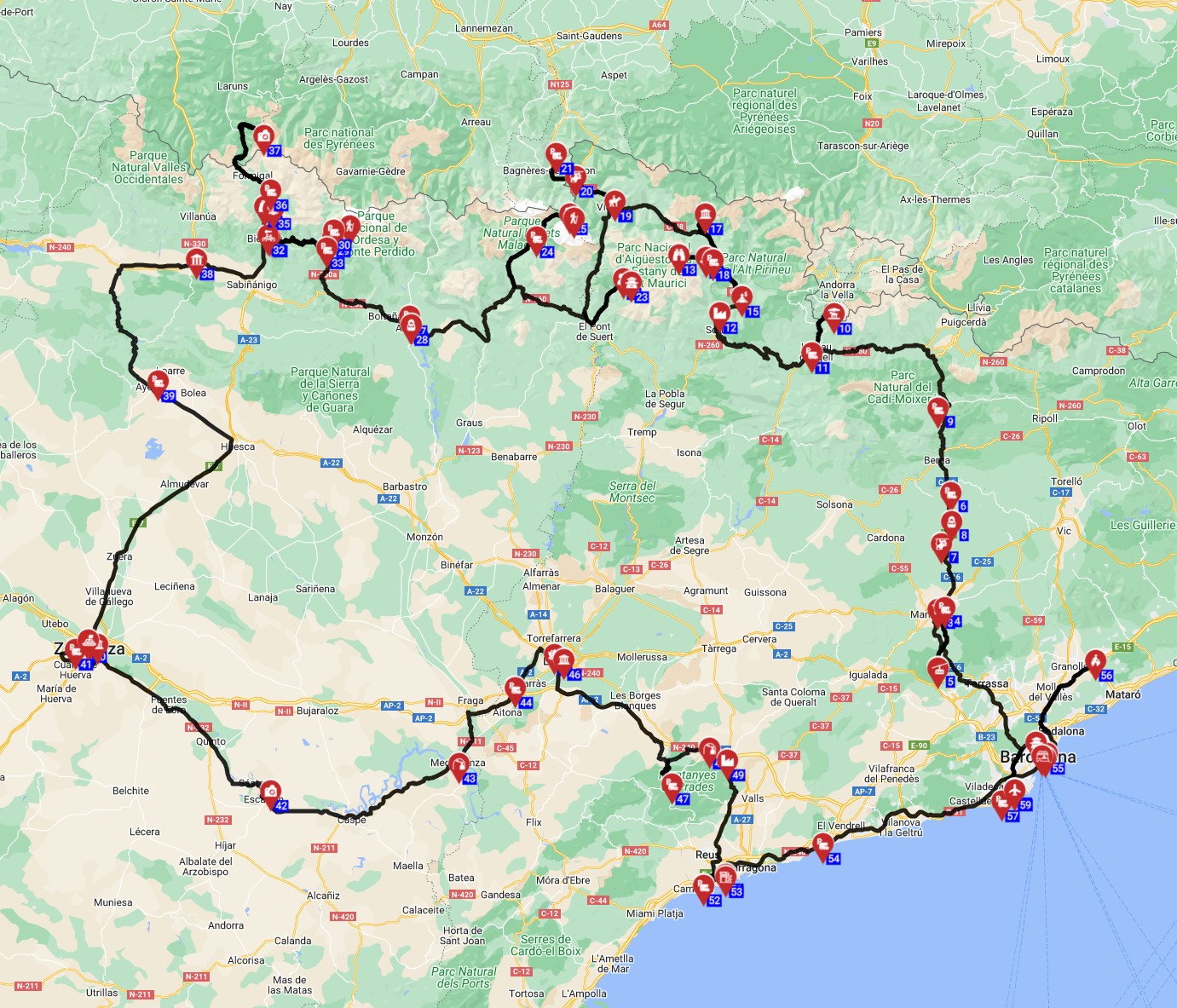
- Experience the iconic "Toulouse Round trip - European Charms & Family Delights" route, which spans 2,088.7 km over 15 days and includes 4 hiking areas, 3 museums, and 1 amusement park for a perfect family adventure.
- Embark on the "
" (18 days, 3,579 km) to explore 5 museums, 4 hiking areas, and witness 3 wildlife watching opportunities, offering a truly immersive Arctic experience.
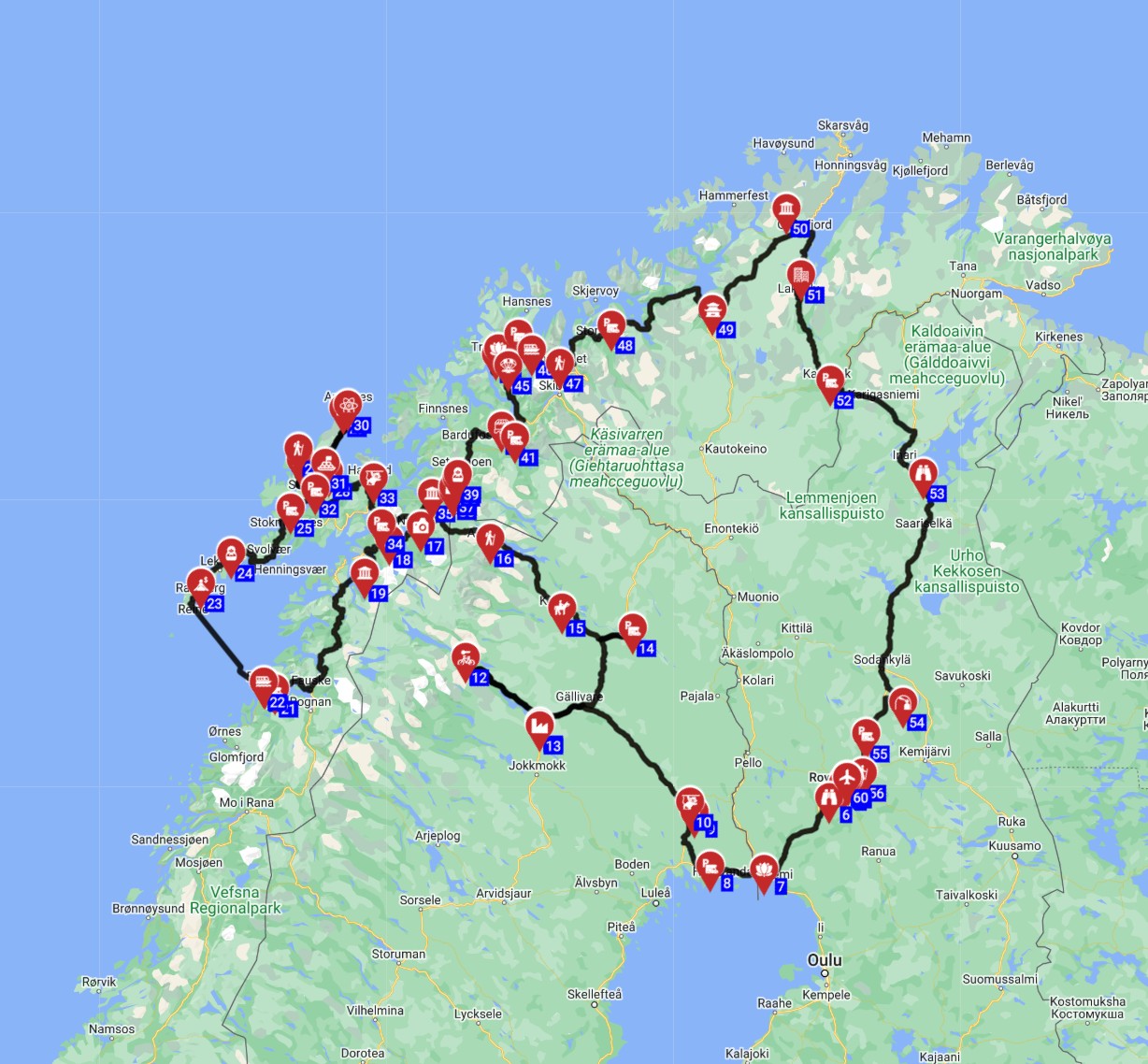 Rovaniemi Roundtrip - End of Europe scenic roads
 - Discover the magic of the "
" (15 days, 2,762 km), a journey that features 10 traditional markets, 2 museums, and 1 art gallery, perfect for a festive RV getaway.
 Vienna Roundtrip - The epic Eastern European Christmas markets
 - Navigate the scenic Swiss Alps, perhaps incorporating a drive on portions of the Stelvio Pass, famous for its 48 hairpin turns, offering breathtaking mountain vistas and a true test of RV handling.
- Utilize the extensive network of "Aires de Services" or "Stellplätze" found in countries like France and Germany for convenient and affordable overnight parking and service stops, a hallmark of Europe's RV-friendly infrastructure.
- Consider an RV journey through Scandinavia to experience the "Allemansrätten" (Everyman's Right), allowing for responsible wild camping in beautiful natural settings, a unique aspect of European RV travel.
Final Thoughts
Renting an RV for your European family adventure opens up a world of incredible experiences, offering unparalleled freedom and flexibility. From the charming villages of France to the dramatic landscapes of the Alps, a rented motorhome or campervan is your key to unlocking the continent at your own pace.
Remember to plan ahead, pack wisely, and embrace the journey. With Bandana Caravan, you have a partner dedicated to making your RV rental experience seamless and enjoyable, from the initial search to the moment you return home with unforgettable memories.
Get inspired for your next trip! Discover top destinations, planning tips, all in one place! Plan a trip itinerary in advance with minimal effort and maximum enjoyment.