In This Guide
- Can You Drive an RV in East Canada? License & Age Rules
- Road Conditions & Terrain in East Canada
- RV Size Limits, Bridges & Restricted Zones
- Fuel: Diesel vs. Petrol & Cost per 100 km
- Tolls, Vignettes & Border Rules
- Driving Tips for Family RV Rental Travelers
- Recommended RV Class for East Canada Roads
- Should I Choose a Compact Van Instead of a Large RV in East Canada?
- Can I Park Anywhere? Free & Wild Camping Rules in East Canada
- Can I Drive an RV Into the City Center? Heights, Tunnels & Local Signage
- What is the 3-3-3 rule for RV travel?
- Can Americans RV in Canada?
- Do you need a different license to drive an RV in Canada?
- Where can I camp with my RV in Eastern Canada?
- What is the largest RV you can drive without a special license?
- How much does RV insurance cost in Canada?
- Who has the least expensive RV insurance?
- Top Cities for RV Rental in East Canada
- Country-Wide Practical Information for RV Travelers in East Canada
- What You Shouldn't Miss
- Why Book with Bandana Caravan
- Final Thoughts
- Frequently Asked Questions
Embarking on a family RV driving adventure in East Canada offers an unparalleled opportunity to explore rugged coastlines, charming fishing villages, and vibrant cities at your own pace. East Canada, encompassing the Maritime provinces (Nova Scotia, New Brunswick, Prince Edward Island) and often including Newfoundland and Labrador and Quebec, presents a tapestry of natural beauty and rich cultural heritage perfect for a rented motorhome vacation. For live availability and current prices, start with our RV Rental East Canada - Complete Guide 2026 guide, where you can find comprehensive information to plan your journey. We are true RV specialists, dedicated exclusively to motorhome travel, ensuring you receive expert guidance every step of the way.
Can You Drive an RV in East Canada? License & Age Rules
Most recreational vehicles (RVs) in East Canada can be driven with a standard Class 5 (or equivalent) driver's license, provided they do not exceed 11,000 kg (24,250 lbs) gross vehicle weight rating (GVWR). This means that virtually all motorhome and campervan rentals, from compact Class B campervans to larger Class C Alcove models, fall within the standard licensing requirements, so there's no need for a special commercial driver's license. For non-residents, a valid driver's license from your home country is typically sufficient for up to three months; an International Driving Permit (IDP) is recommended for translation if your license is not in English or French. The minimum age to rent an RV in Canada is 21 years old with most rental companies, and importantly, there are no young driver surcharges or vehicle class restrictions based on age when booking through Bandana RV. Specific provinces, such as Quebec, may have unique regulations for foreign licenses, so always confirm details with your rental provider to ensure a smooth pick-up.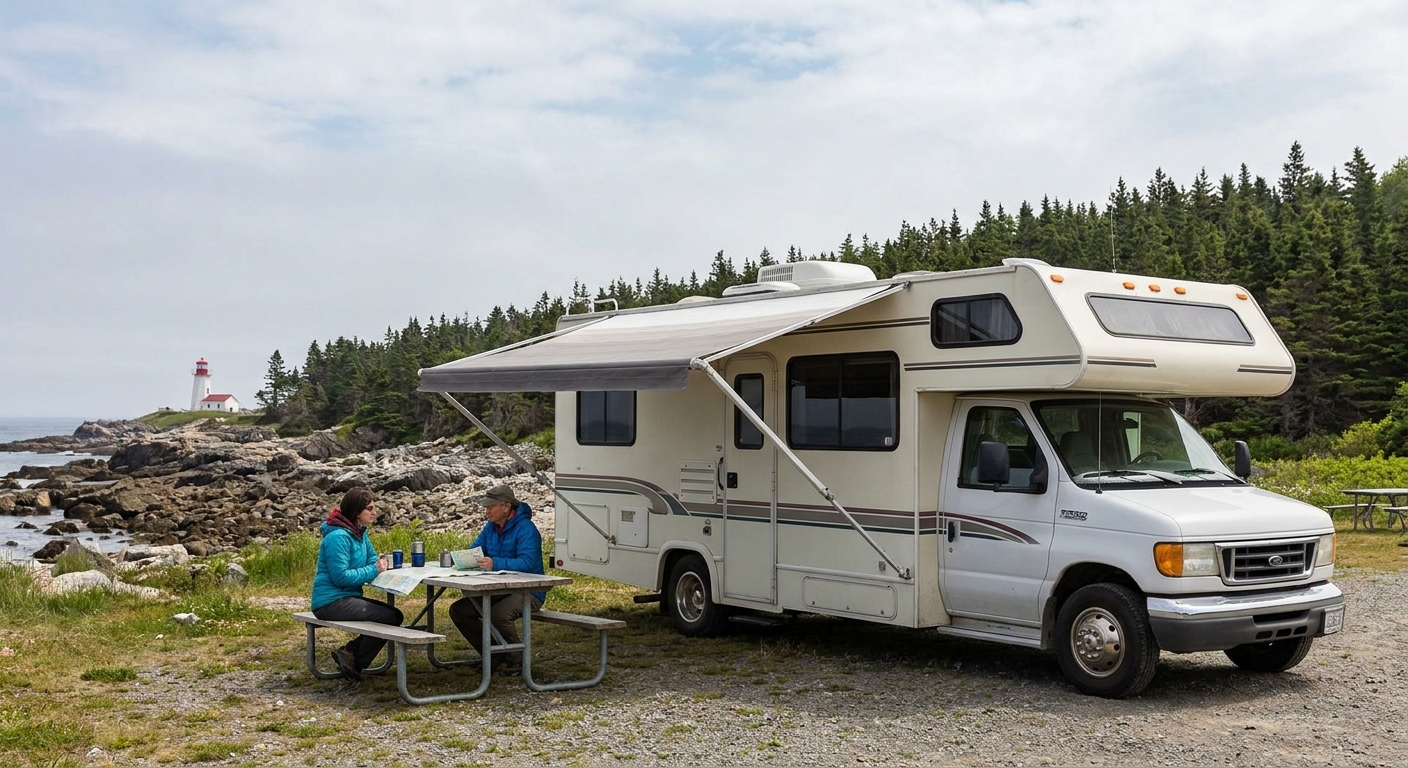
Road Conditions & Terrain in East Canada
East Canada's road conditions vary significantly, offering a mix of well-maintained major highways, like the Trans-Canada Highway which connects many provinces, and narrower, winding coastal roads, particularly in provinces like Nova Scotia, New Brunswick, and Newfoundland and Labrador. The terrain ranges from the gentle, rolling hills and rich agricultural lands of Prince Edward Island to the rugged coastal cliffs and forested mountains of Cape Breton Island and Gros Morne National Park. When driving a rented motorhome, you might encounter gravel roads when accessing some provincial parks, remote beaches, or scenic routes; always inquire about permitted road types with your rental company to avoid any issues. Driving an RV in East Canada often involves navigating through areas with abundant wildlife, including moose and deer, especially during dusk and dawn; extreme caution is advised to prevent collisions. We encourage slower, scenic driving, averaging a maximum of 100-150 km per day, to fully appreciate the picturesque landscapes, especially on routes like the Cabot Trail, which features significant elevation changes and tight curves.RV Size Limits, Bridges & Restricted Zones
While specific RV size limits are uncommon for general road use in East Canada, drivers must be aware of height and weight restrictions for certain bridges, tunnels, and ferries, especially when planning routes involving island provinces. The Confederation Bridge, spanning 12.9 km to Prince Edward Island, accommodates RVs but has specific fee structures based on vehicle length and axles. Ferry services to Newfoundland and Labrador, such as Marine Atlantic, have strict length and height classifications that directly impact cost and booking availability; early booking is essential for larger RVs to secure a spot. Most rental RVs, such as Bandana's typical Class C Alcove (averaging 7.5m in length) or Class SI Semi-integrated (averaging 6.9m in length), generally fit within standard road infrastructure limits. Environmental zones or specific low-emission vehicle requirements are not widely implemented for RVs in East Canada, but always check local signage in urban areas for specific vehicle restrictions or permissible parking.Fuel: Diesel vs. Petrol & Cost per 100 km
Most family rental RVs, particularly Class C Alcove and Class SI Semi-integrated models from Bandana's global fleet, commonly use diesel fuel, while smaller Class B Camper Vans often run on petrol. Fuel availability in East Canada is generally good in populated areas, but it can become sparse in more remote regions, especially in Newfoundland and Labrador or on less-traveled routes; planning your stops strategically is key. For Bandana's global fleet, a Class C Alcove typically consumes 10-12 Liters/100 km, while a Class SI Semi-integrated uses 10-11 Liters/100 km, and a Class B Camper Van consumes around 8-10 Liters/100 km. The average cost per 100 km will fluctuate based on current fuel prices, but for a diesel RV consuming 11 Liters/100 km, expect to spend approximately $20-25 CAD per 100 km based on 2026 average prices (at ~$1.80-2.20 CAD/Liter). Remember that beyond the rental itself, fuel is a significant ancillary cost; RV PLANET routes allow travelers to itemize and track every expense for easy budgeting. Some RV rental companies may offer fuel discount cards or programs; inquire about these perks when booking your family RV to help manage costs.Tolls, Vignettes & Border Rules
Tolls are present on some major arteries in East Canada, notably sections of Highway 104 in Nova Scotia and the Confederation Bridge to Prince Edward Island, which is a one-way toll collected when leaving PEI. Vignettes, common in parts of Europe, are not used in Canada; tolls are typically paid at booths or electronically. When crossing the Canada-U.S. border with a rented RV, Americans must present a valid passport and, if applicable, an International Driving Permit (IDP) for licenses not in English or French. Border Services Officers will inquire about the purpose of your trip, duration of stay, and items being brought into Canada; be prepared to declare all food items, alcohol, and tobacco. Prohibited items include firearms, certain agricultural products (like raw potatoes), and firewood; research Canadian import regulations meticulously before your trip. For RV rentals, ensure you have all necessary vehicle registration documents, rental agreements, and proof of insurance, as border officials may request to see them. Our One-Way RV Rental in East Canada - Price Guide 2026 provides more details on cross-border travel with a rental.Driving Tips for Family RV Rental Travelers
Successful family RV travel in East Canada hinges on thoughtful planning and a relaxed approach. First, plan regular stops: with families, it's wise to halt every 2-3 hours for breaks, restroom visits, and stretching, allowing children to burn off energy. Secondly, book ferries in advance: if traveling to Newfoundland or Prince Edward Island, book ferry crossings well ahead of time, especially during peak season, as RV spots are limited and can sell out quickly. Thirdly, prepare for variable roads: East Canada offers diverse terrains; slow down on gravel roads, winding coastal routes, and mountain passes, anticipating wildlife and unexpected turns. Budgeting for fuel and camping is also crucial, as fuel consumption for a family RV (e.g., 10-12 Liters/100 km) and varying camping fees (National Parks, Provincial Parks, private campgrounds) will be significant expenses; track your budget closely. Finally, pack for all seasons: Eastern Canadian weather can be unpredictable, even in summer; pack layers for warmth, rain gear, and appropriate footwear for outdoor activities. Planning a trip itinerary in advance with minimal effort and maximum enjoyment is made easy with resources like RV PLANET (rvplan.net).Recommended RV Class for East Canada Roads
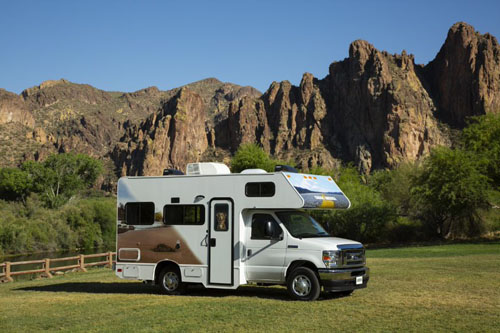
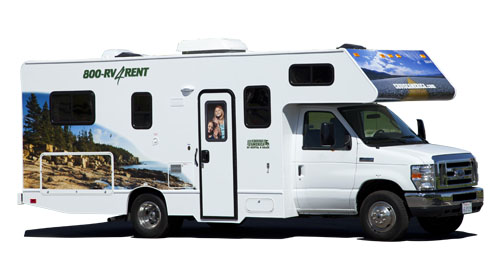
For family RV rentals in East Canada, a Class C Alcove or a Class SI Semi-integrated RV is often recommended, balancing comfortable living space with manageable driving dimensions. Bandana's global fleet shows Class C Alcove RVs average 7.5 meters in length and accommodate approximately 4.4 adults and 5.8 sleeping places, making them ideal for larger families. For example, a "29′ Class C Motorhome" is a popular choice for its ample space, offering multiple beds and seating areas. Class SI Semi-integrated RVs, averaging 6.9 meters in length with 3.4 adults and 3.8 sleeping places, offer slightly better maneuverability while still providing ample amenities for a family. These classes provide sufficient ground clearance for most paved and well-maintained gravel roads encountered when exploring East Canada's national and provincial parks. While Class B Camper Vans (averaging 5.8m length), like the "2 Berth Hi Top" or "Active Standard Auto," offer ultimate maneuverability, their smaller living and sleeping spaces (2.7 adults, 3.2 sleeping places) may be less comfortable for extended family trips.Should I Choose a Compact Van Instead of a Large RV in East Canada?
While East Canada's roads generally accommodate most RV sizes without major issues, choosing between a compact van and a larger RV depends on your family's priorities for comfort, amenities, and exploration style. Larger RVs like Class C Alcoves or Class A Integrated units (averaging 7.5m in length) offer significantly more indoor living space, dedicated sleeping areas, larger kitchens, and full bathrooms, enhancing comfort for families on longer trips. When you're thinking about preparing meals, having a full kitchen setup in a larger RV is a definite advantage, and you can find great ideas on our RV-friendly recipes playlist. Compact vans (Class B Camper Vans, averaging 5.8m in length) provide superior maneuverability, easier parking in tighter spaces, and better fuel efficiency, making them suitable for urban exploration or navigating very narrow coastal roads. For families, the trade-off usually leans towards the greater comfort and amenities of a larger RV, as most attractions and campgrounds in East Canada are accessible to standard-sized recreational vehicles. Consider a compact van if your itinerary involves frequent city driving, extremely remote unpaved roads where a larger RV might struggle, or if your family is small and prioritizes nimble travel over spacious living.Can I Park Anywhere? Free & Wild Camping Rules in East Canada
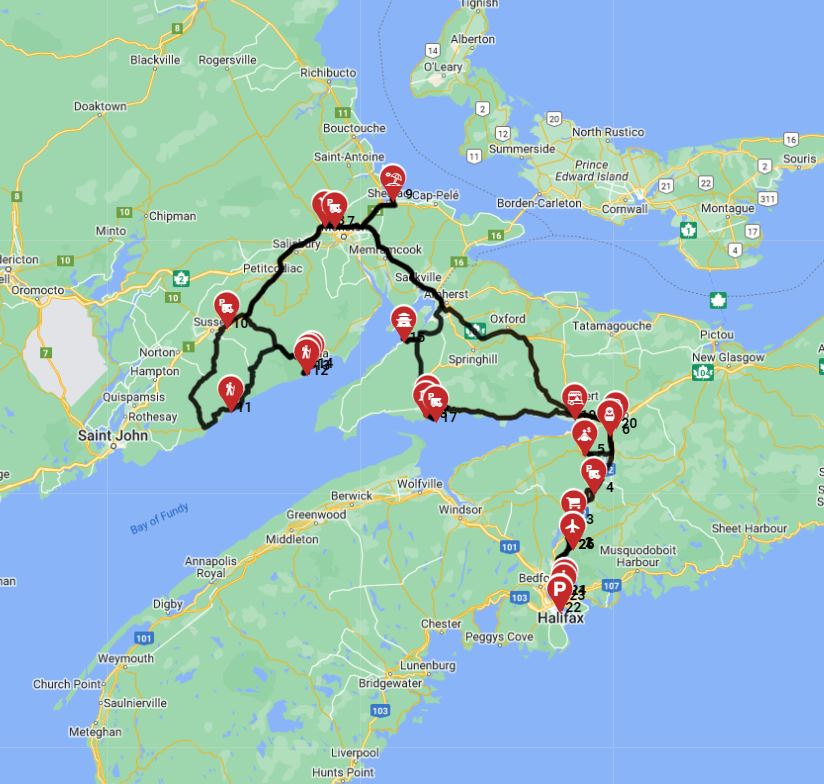
Generally, free or 'wild' camping is not permitted on public lands or within city limits across East Canada without explicit permission. National Parks and Provincial Parks require reservations for designated campsites, and overnight parking outside of these areas is usually prohibited to protect natural environments and ensure safety. Some private properties or businesses, such as Walmart, casinos, or truck stops, may allow overnight parking; always ask for permission from management before settling in for the night. Boondocking, or dispersed camping, is occasionally tolerated on Crown Land (publicly owned land) in less developed areas, but regulations vary by province and specific region, so it’s essential to research local bylaws thoroughly. Always follow local regulations and use common sense, particularly concerning fire restrictions, waste disposal, and environmental protection, to ensure a positive experience and respect for nature. You can find many designated RV campsites and plan your journey using RV PLANET (rvplan.net).Can I Drive an RV Into the City Center? Heights, Tunnels & Local Signage
Yes, you can almost always drive an RV into city centers in East Canada, but it requires careful attention to local signage, especially concerning height restrictions, one-way streets, and parking regulations. Major cities like Halifax, Charlottetown, and St. John's have historic cores with narrower streets and older infrastructure where a large RV might be challenging to maneuver or park. Drive slowly and carefully, and you can drive almost anywhere without issues. No need to stress - just use common sense and pay attention. Always be vigilant for height limit signs on underpasses, tunnels, and parking garages; Bandana's Class C Alcove and SI Semi-integrated RVs, for instance, typically exceed standard garage heights. Pay close attention to street parking regulations, which often have time limits, residential-only restrictions, or size limitations; using designated RV parking lots or parking outside the core and using public transit is often a better strategy. No specific environmental zones or emissions restrictions are widely in place for RVs entering East Canadian city centers, but local traffic bylaws and signage should always be followed.What is the 3-3-3 rule for RV travel?
The '3-3-3 rule' for RV travel is a widely adopted guideline that suggests driving no more than 300 miles (approximately 480 km) per day, arriving at your campsite by 3 PM, and staying for a minimum of 3 nights. Adhering to the 3-3-3 rule helps prevent driver fatigue, allows ample time for setup and breakdown at each campsite, and provides significant time to explore the local area, reducing the feeling of being rushed. For families, this rule is particularly beneficial as it minimizes long stretches of driving that can lead to restlessness in children and allows more opportunity for relaxation, play, and discovery at each destination. While a general guideline, the '3-3-3 rule' can be adapted based on specific routes in East Canada; some scenic routes like the Cabot Trail might demand shorter daily distances due to winding roads and numerous viewpoints. Following this rule supports a more enjoyable and less stressful RV experience, aligning with our recommendation to travel slowly, averaging 100-150 km per day.Can Americans RV in Canada?
Yes, Americans can RV in Canada, provided they meet all Canadian border entry requirements for individuals and vehicles, which include valid passports, appropriate vehicle documentation, and declarations. When entering Canada, U.S. citizens must present a valid U.S. passport; an enhanced driver's license or NEXUS card may also be accepted at land crossings. For a rented RV, ensure you have the rental agreement, proof of insurance (often provided by the rental company, confirming Canadian coverage), and vehicle registration readily available for inspection by Canadian Border Services Agency (CBSA) officials. Be prepared to declare all food items, alcohol, and tobacco; certain items like firearms, raw agricultural products (e.g., some fruits, vegetables, and meats), and firewood are restricted or prohibited to prevent pests and diseases. While generally not an issue for newer rental RVs, travelers bringing their *own* older RV should be aware that some campgrounds or even border crossings may have an unofficial '10-year rule' for vehicle age, though this is more often encountered in specific regions or for entry into Mexico, rather than a universal Canadian border rule for owned RVs.Do you need a different license to drive an RV in Canada?
No, for the vast majority of family RV rentals in East Canada, a standard driver's license (e.g., a Class 5 in most Canadian provinces, or a regular Class D license from the United States) is sufficient. This applies to common rental categories such as Class C Alcove, Class SI Semi-integrated, and Class B Camper Vans, which typically do not exceed the 11,000 kg (24,250 lbs) gross vehicle weight rating (GVWR) threshold. Only specialized, very large Class A RVs or those exceeding the 11,000 kg GVWR would require a higher-class license (e.g., a commercial license or specific RV endorsement), which is rare for rental fleets. Foreign drivers should ensure their license is valid and current; an International Driving Permit (IDP) is highly recommended for licenses not in English or French to facilitate communication with authorities. For more detailed guidance, refer to the "Can You Drive an RV in East Canada? License & Age Rules" section earlier in this article.Where can I camp with my RV in Eastern Canada?
Eastern Canada offers a diverse range of RV camping options, including numerous National Parks, Provincial Parks, and privately-owned campgrounds, catering to various family preferences and budgets. National Parks, like the stunning Cape Breton Highlands in Nova Scotia and Gros Morne in Newfoundland, offer breathtaking scenery, hookups, and amenities; reservations are essential, often opening months in advance. Provincial Parks, found across Nova Scotia, New Brunswick, Prince Edward Island, and Newfoundland & Labrador, boast a network of RV sites, typically offering a mix of serviced and unserviced spots, often closer to local attractions. Many privately run campgrounds provide more amenities like pools, playgrounds, and full hookups, popular for families seeking comfort and entertainment. While generally discouraged or illegal on public land without specific permission, some rural areas may have informal spots for boondocking; always prioritize designated campgrounds for safety and legality. Booking well in advance, especially for summer and fall travel, the peak season, is critical for securing desired RV sites in popular locations across East Canada, as many national and state parks reserve only 25-30% of their spots, leaving the rest for first-come-first-serve. Don't worry, you'll find a spot. If not at the first campground, then the next one. Just call ahead before driving.What is the largest RV you can drive without a special license?
In Canada, you can typically drive an RV with a standard driver's license as long as its Gross Vehicle Weight Rating (GVWR) does not exceed 11,000 kg (approximately 24,250 lbs). This weight limit means that almost all common family rental RVs, including large Class A Integrated units (which in Bandana's fleet average 7.5 meters in length), Class C Alcove, and Class SI Semi-integrated models, can be driven without a special license. For example, a "24' Class C Motorhome" or a "MHC24" (motorhome travel) are well within these limits. The specific type of license (e.g., Class 5 in most provinces, or Class D in the U.S.) is all that's required, as long as it's valid and appropriate for operating a passenger vehicle. It's the weight rating, not simply the length or physical size, that dictates the need for a special license; most manufacturers design family-oriented RVs to fall under this threshold. Always confirm the GVWR of your specific rental RV and check local provincial licensing regulations to ensure compliance, although this threshold is standard across Canada for recreational vehicles.How much does RV insurance cost in Canada?
For family RV rentals in East Canada, the cost of RV insurance is typically included in the rental price, or offered as an optional daily charge for additional coverage such as collision damage waivers (CDW) or enhanced liability. If you own an RV, the average annual cost for RV insurance in Canada can range from approximately $300 to over $2,000, depending on the RV's value, type, your driving record, and the level of coverage selected. Rental insurance often covers basic third-party liability and damage to the vehicle, but deductibles can be high; consider purchasing supplemental coverage from the rental company or your personal auto insurance provider (if they extend coverage) to reduce your out-of-pocket risk. You can also upgrade to a top-level deductible for extra peace of mind, an optional enhancement available through Bandana. Factors influencing personal RV insurance costs include the RV's age, make, and model, whether it's parked seasonally, the primary driver's experience, and chosen deductibles. Some credit cards offer rental vehicle insurance benefits; verify if these extend to RVs and what coverage limits apply before relying on them for your family RV rental.Who has the least expensive RV insurance?
Identifying 'the least expensive RV insurance' for an RV rental in East Canada largely depends on whether you opt for the basic coverage included by the rental company, purchase their supplementary insurance, or rely on existing personal policies or credit card benefits. For owned RVs, finding the least expensive insurance requires comparing quotes from multiple providers such as Intact Insurance, Aviva, Desjardins, or specialized RV insurers like Wayfarer Insurance, as rates vary significantly based on individual profiles and RV characteristics. Often, bundling RV insurance with your existing auto or home insurance can lead to discounts and potentially lower overall premiums with your current provider. While price is a factor, prioritizing adequate coverage for both liability and vehicle damage is crucial, especially when traveling with family, to avoid significant out-of-pocket expenses in case of an incident. Our commitment to full transparency means no hidden fees and no surprises when it comes to understanding your rental costs and insurance options. Always review the terms and conditions of any insurance policy carefully, paying attention to deductibles, exclusions, and coverage limits, rather than solely focusing on the lowest premium.Top Cities for RV Rental in East Canada
East Canada offers several fantastic starting points for your family RV adventure, each providing access to unique regional delights. Halifax, Nova Scotia, is a vibrant maritime hub with a rich history and is an excellent gateway to coastal drives like the Cabot Trail. St. John's, Newfoundland and Labrador, offers access to rugged coastlines, colorful houses, and iceberg viewing during spring and early summer. Moncton, New Brunswick, provides a central location for exploring the Bay of Fundy's extraordinary tides and charming Acadian villages. Charlottetown, Prince Edward Island, is perfect for those seeking gentle landscapes, red sand beaches, and culinary delights. Quebec City, Quebec, with its historic charm and European feel, serves as a great base to explore the Gaspe Peninsula or Saguenay Fjord. Each of these cities provides well-equipped RV rental pickup locations and access to diverse provincial and national parks. You can compare Motorhome Prices for East Canada to begin your journey from any of these fantastic locations.Country-Wide Practical Information for RV Travelers in East Canada
Navigating East Canada by rented RV is an incredibly rewarding experience, and a few practical tips can make your journey even smoother. Road rules generally align with North American standards: you drive on the right-hand side of the road, and seatbelts are mandatory for all passengers. Speed limits are typically posted in kilometers per hour (km/h), ranging from 50 km/h in urban areas to 100-110 km/h on major highways. For emergencies, dial 911 anywhere in Canada to reach police, fire, or ambulance services. Connectivity is generally strong in populated areas and along major routes, but cell service can be spotty in remote national parks or coastal stretches, so consider downloading offline maps. Purchasing a local SIM card from providers like Bell, Rogers, or Telus upon arrival can offer better data rates than international roaming. Propane is widely available at most larger gas stations and dedicated RV service centers. Always check road conditions before heading out, especially during spring thaw or late fall, by checking provincial transportation websites. We are always here to support you in finding the perfect RV for your needs and coordinating your booking seamlessly.What You Shouldn't Miss
East Canada is brimming with unforgettable experiences for family RV travelers. Here are a few must-do adventures:- **Drive the Cabot Trail in Nova Scotia**: This iconic 298 km (185-mile) loop around Cape Breton Island offers dramatic coastal scenery, charming artisan villages, and challenging but rewarding drives.
- **Explore the Bay of Fundy**: Witness the world's highest tides in New Brunswick, go whale watching, or explore the unique Hopewell Rocks formations at low tide.
- **Discover Gros Morne National Park in Newfoundland**: Hike to stunning fjords, take a boat tour of Western Brook Pond, and marvel at the park's unique geological features.
- **Relax on Prince Edward Island's Beaches**: Enjoy the warm waters and red sand beaches, visit Anne of Green Gables sites, and savor fresh seafood.
- **Wander through Historic Quebec City**: Park your RV just outside the old town and explore North America's only walled city on foot, soaking in its European ambiance and history.
Final Thoughts
An RV adventure through East Canada promises incredible family memories, blending stunning natural landscapes with rich cultural experiences. From the dramatic cliffs of Newfoundland to the charming coastal towns of Nova Scotia and the historic allure of Quebec, a rented motorhome gives you the freedom to explore at your own comfortable pace. Remember, planning is part of the fun, but leaving room for spontaneity is where the real magic happens. We are committed to making your RV rental experience as smooth and enjoyable as possible, offering transparent pricing, dedicated support, and a vast selection of vehicles from trusted suppliers. So, pack your bags, prepare your favorite RV-friendly recipes playlist, and get ready to discover the enchanting beauty of East Canada. Your next great family adventure awaits!🎬 Video coming soon
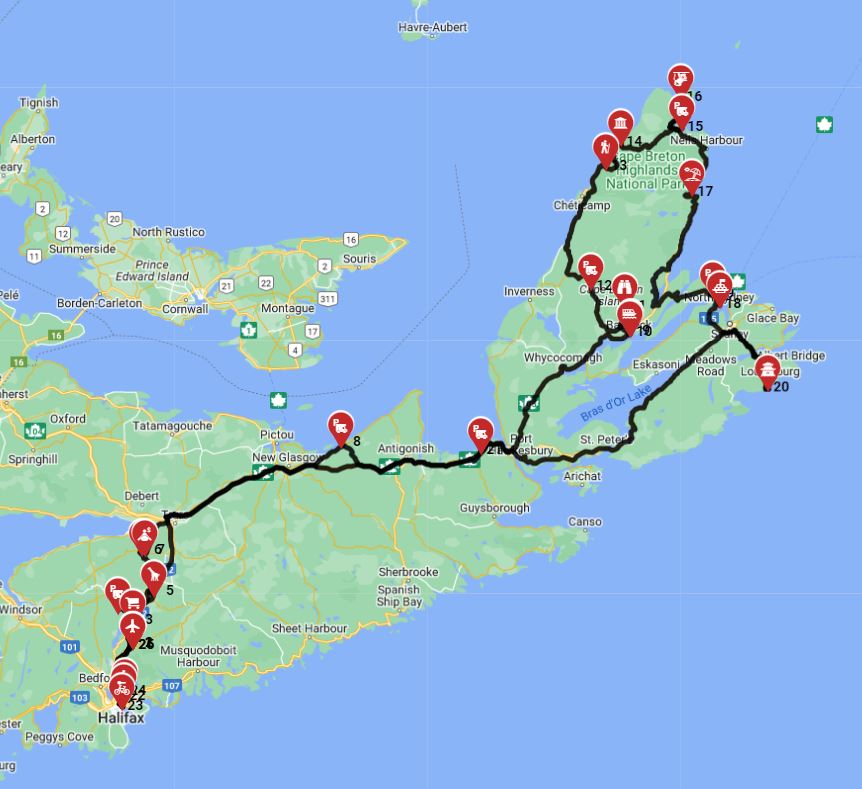
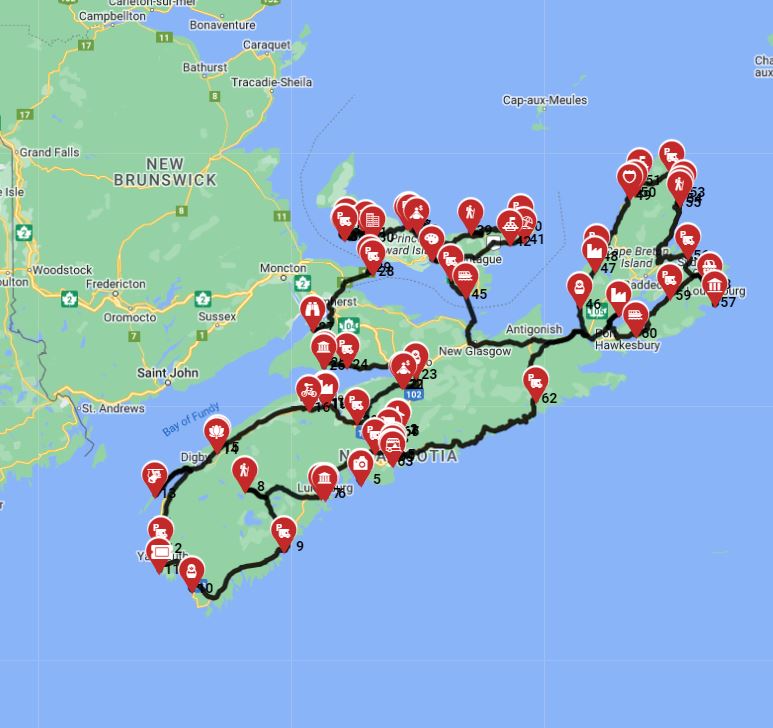
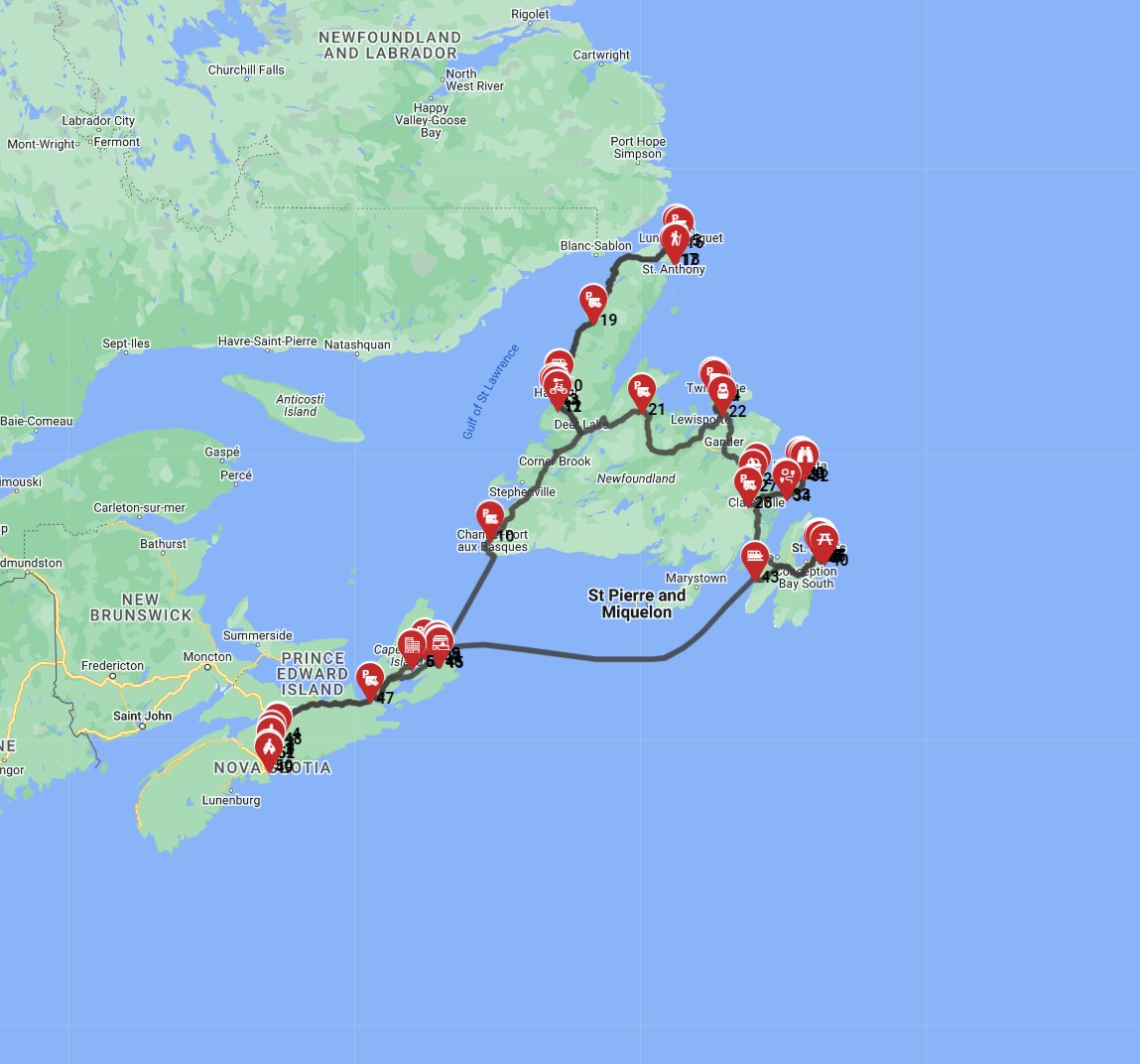
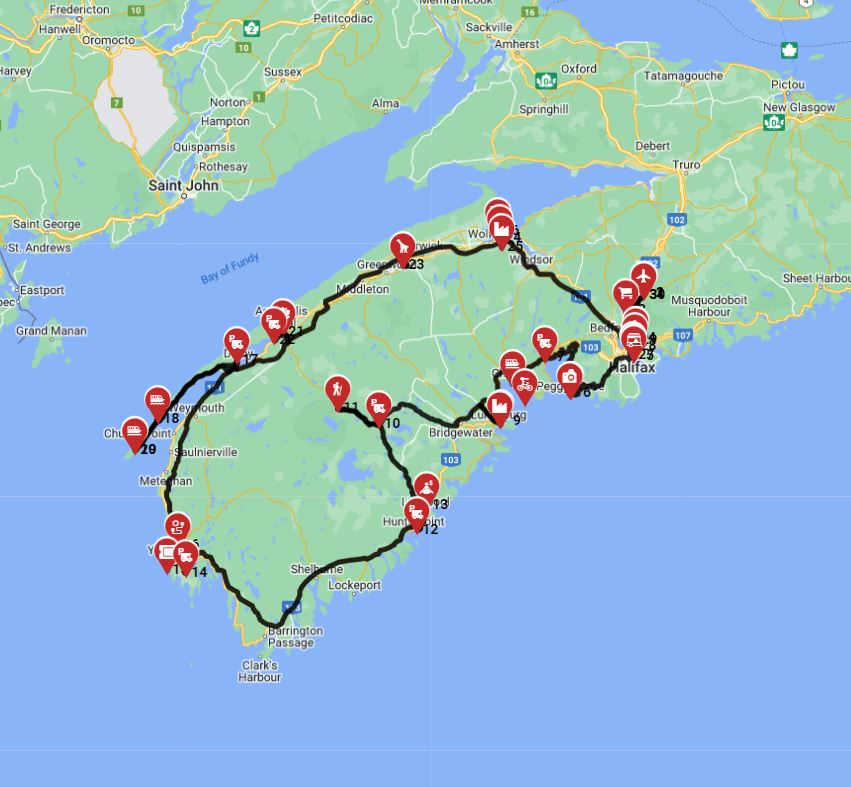
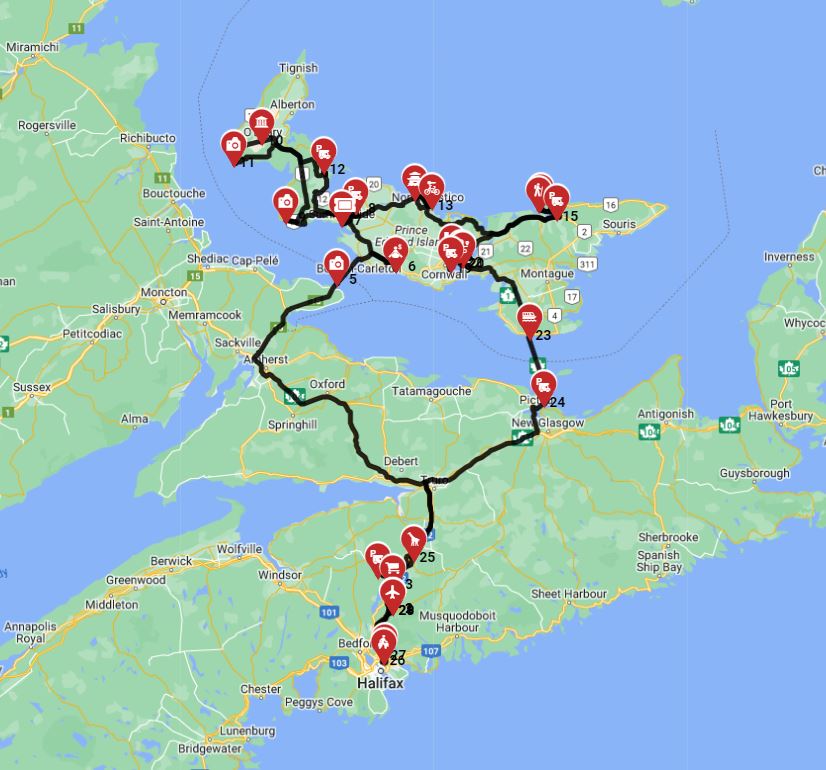
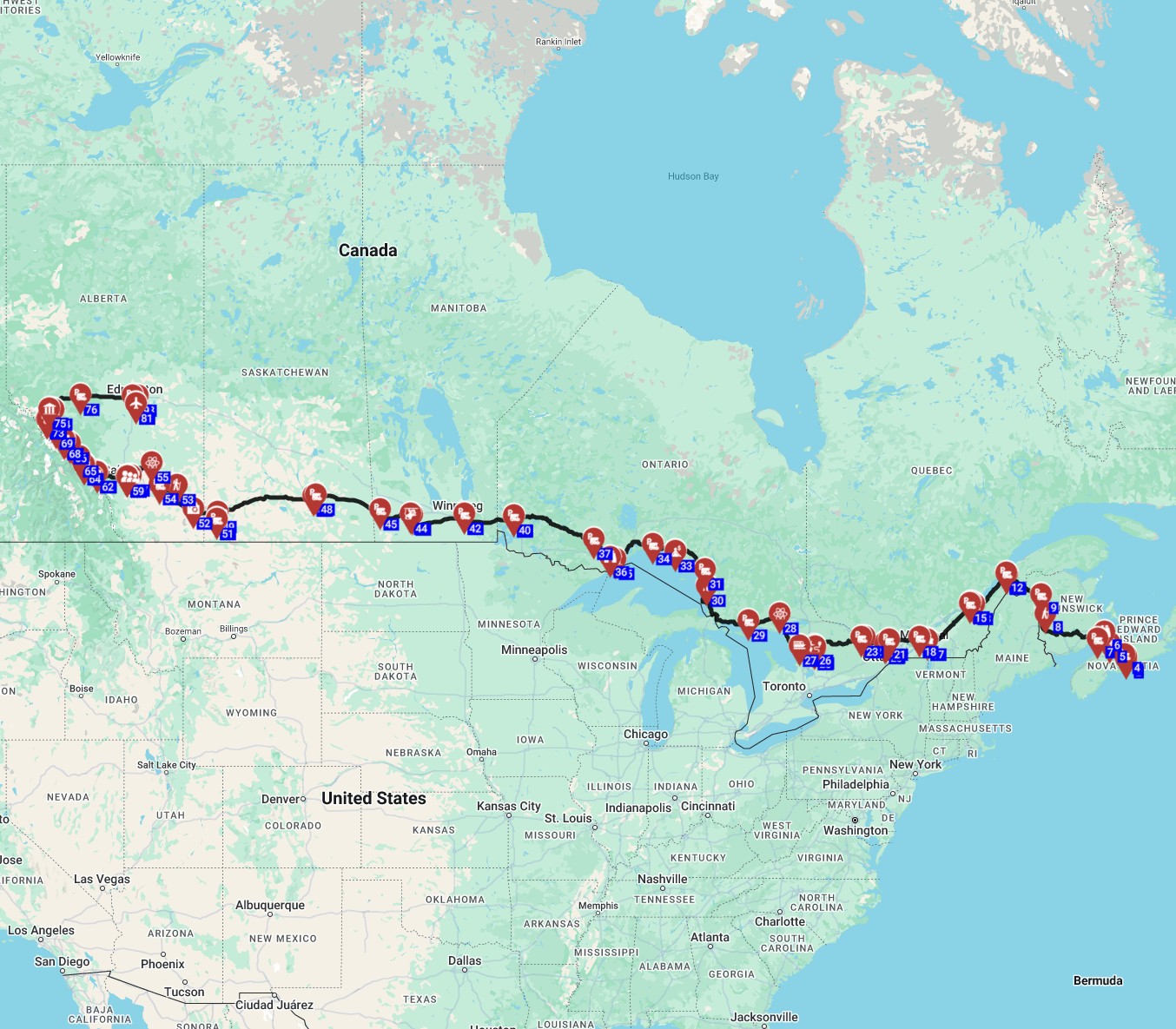
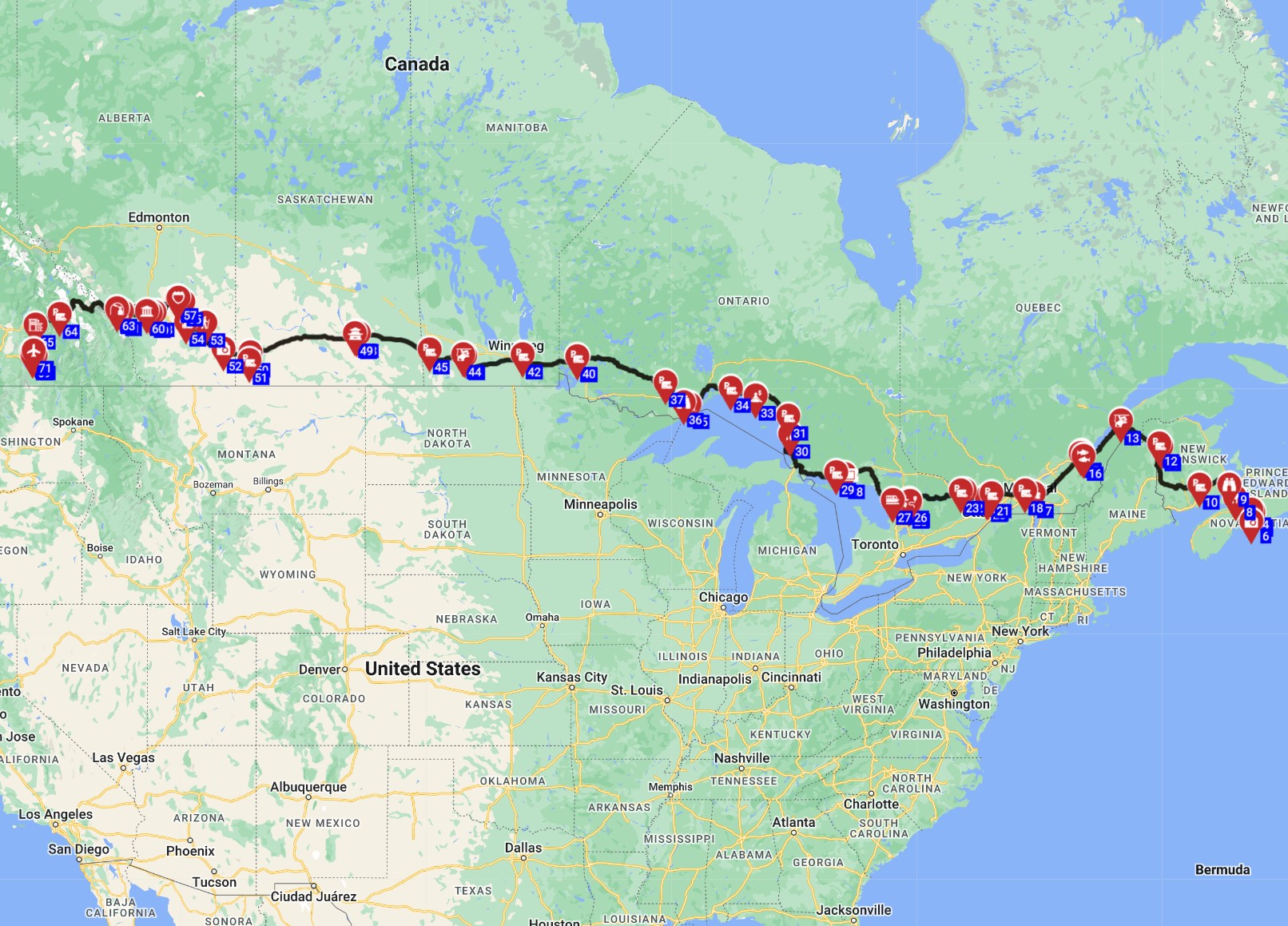
On the routes offered through RV PLANET routes, you can itemize and track every expense along the way for easy budgeting.