In This Guide
- Can You Drive an RV in Chicago? License & Age Rules
- Road Conditions & Terrain in Chicago
- RV Size Limits, Bridges & Restricted Zones
- Fuel: Diesel vs. Petrol & Cost per 100 km
- Tolls, Vignettes & Border Rules
- Driving Tips for family rv rental Travelers
- Recommended RV Class for Chicago Roads
- Should I Choose a Compact Van Instead of a Large RV in Chicago?
- Can I Park Anywhere? Free & Wild Camping Rules in Chicago
- Can I Drive an RV Into the City Center? Heights, Tunnels & Local Signage
- Can your family ride in a RV while it drives?
- Do you need a license to drive an RV in Illinois?
- Do you need a special license to drive a 25 foot RV?
- How many people can legally drive in an RV?
- Can you live in a camper with kids in Illinois?
- Who has the best rates on RV insurance?
- How much is insurance on a $200,000 RV?
- What is the average cost for RV insurance?
- Does American Family Insurance cover RV?
- What You Shouldn't Miss
- Why Book with Bandana Caravan
- Final Thoughts
- Frequently Asked Questions
Chicago, with its vibrant urban landscape and access to incredible natural escapes, offers an exciting backdrop for a family RV adventure. Imagine exploring world-class museums, enjoying deep-dish pizza, and then retreating to your comfortable motorhome to plan your next leg of the journey. For live availability and current prices, start with our RV Rental Chicago - Complete Guide 2026 guide.
Can You Drive an RV in Chicago? License & Age Rules
Yes, driving a rented RV in Chicago is entirely possible for most families, and for the majority of recreational motorhomes, a standard car driver's license is all you need in Illinois. A Commercial Driver's License (CDL) is generally not required for RVs unless their Gross Vehicle Weight Rating (GVWR) exceeds 26,001 pounds, which is uncommon for rental units. The minimum age to rent and drive a motorhome in Chicago through Bandana Caravan is 21 years old, and we're proud to offer full transparency with no hidden young driver surcharges or vehicle class restrictions based on age, allowing young adventurous families to embark on their journey.
Foreign visitors can typically drive a rented RV in Illinois with a valid driver's license from their home country for up to one year, though an International Driving Permit (IDP) is recommended for those from non-English-speaking countries to supplement their original license.
Road Conditions & Terrain in Chicago
Chicago's terrain is predominantly flat, meaning you won't encounter steep mountain passes or winding inclines often found in other regions, making for generally easier driving. However, road quality within Chicago can vary, with urban areas frequently experiencing potholes, construction zones, and uneven surfaces, particularly outside of major arteries like Lake Shore Drive or the Dan Ryan Expressway. Heavy urban density and frequent traffic congestion, especially during rush hours from 7-9 AM and 4-6 PM, are significant factors when navigating a rented RV in Chicago.
It's crucial to encourage slow, defensive driving and constant awareness of your surroundings due to cyclists, pedestrians, and public transportation. Consider planning your routes to avoid heavily residential streets or those known for extensive construction to ensure a smoother and more enjoyable family RV experience. Remember, drive slowly and carefully, and you can drive almost anywhere without issues. No need to stress - just use common sense and pay attention.
RV Size Limits, Bridges & Restricted Zones
While there are no universal strict RV length limits on most major Illinois highways, drivers of rented motorhomes must be highly aware of urban height restrictions, particularly for bridges and tunnels within Chicago. Many city underpasses and parking garage entrances, especially along Lake Shore Drive or near historic districts, have height clearances as low as 12-13 feet, which can be problematic for larger RVs (many Class C and Class A models exceed 10-11 feet in height, such as the "MHC24" at 7.3 meters long or the "C-MEDIUM PLUS" at 8.1 meters long, both exceeding standard garage heights). It's crucial to pre-plan routes using an RV-specific GPS or mapping tool that includes low clearance warnings to avoid unexpected detours.
Additionally, pay close attention to 'No Trucks' or 'Commercial Vehicle Restricted' signage, as these sometimes apply to larger recreational vehicles in certain downtown or residential areas, especially around Magnificent Mile or the Loop.
Fuel: Diesel vs. Petrol & Cost per 100 km
Most larger Bandana fleet motorhomes, such as Class C (Alcove) and Class SI (Semi-integrated) models, typically operate on diesel fuel, while smaller Class B (Camper Van) models, like a "V3" or "Combi Van", may use petrol. Diesel is widely available at truck stops and larger gas stations throughout Illinois and the Chicago metropolitan area, often found conveniently off major interstates. Bandana's global fleet Class SI RVs typically consume 10-11 Liters/100 km (approximately 21-24 MPG), while Class C Alcove RVs average 10-12 Liters/100 km (approximately 19-21 MPG).
Smaller Class B Camper Vans from Bandana's fleet generally have better fuel economy, consuming around 8-10 Liters/100 km (approximately 24-29 MPG). Average fuel costs per 100 km in Chicago depend on current market prices for diesel or petrol, but you can estimate by multiplying your RV's liter/100km rate by the current per-liter fuel price; budget accordingly as prices fluctuate significantly. For easy budgeting and tracking all ancillary costs like fuel, campground fees, and tolls along your journey, remember that RV PLANET routes allow you to itemize every expense along the way. On the routes offered through RV PLANET routes, you can itemize and track every expense along the way for easy budgeting.
Tolls, Vignettes & Border Rules
Chicago and the surrounding Illinois area utilize a comprehensive toll road system, primarily managed by the Illinois Tollway, requiring RV travelers to be prepared. RV travelers are highly encouraged to use an I-PASS transponder for seamless travel and discounted rates, as many cash lanes are being phased out, especially near major arteries like I-90 and I-294. RVs, particularly larger models or those with dual rear axles, are often classified differently than standard cars, typically by axle count, potentially incurring higher toll charges.
To avoid unexpected fines, drivers without an I-PASS should utilize the 'Pay By Plate' option online within 14 days of travel, though this can be more expensive than using a transponder. There are no special vignettes or border rules when driving a rented motorhome within the contiguous United States, simplifying interstate travel from Illinois. If you're planning a one-way trip, consult our One-Way RV Rental in Chicago - Price Guide 2026 for details on potential drop-off fees.
Driving Tips for family rv rental Travelers
Planning for a successful family RV rental trip in Chicago involves a few key considerations to ensure a smooth and enjoyable journey. Firstly, for families, plan frequent breaks every 2-3 hours for stretching, snacks, and restroom stops, utilizing rest areas or RV-friendly parks outside the immediate city center. Before moving your rented motorhome, always secure all loose items, cabinet doors, and appliances to prevent damage or injury during urban driving, as city streets can be bumpy. Pre-plan your routes carefully using an RV-specific GPS or app to navigate Chicago, actively avoiding low bridges, narrow streets, and known heavy traffic zones like the Kennedy Expressway during peak times.
Designate a co-pilot to assist with navigation, identifying road signs, and watching for potential hazards, especially in dense city traffic. If you plan to park your RV and explore Chicago on foot or via public transport, master parking and maneuvering in open lots before heading into the city; identify RV-friendly parking options like McCormick Place Lot B in advance. And remember, travel slowly, max 100-150 km per day on average. Take time to feel the place, connect to the culture, the food, and the scenery. Looking for expert insights from Avi Bandana? Top 5 Adventures - recommendations from Avi Bandana
Recommended RV Class for Chicago Roads
For navigating Chicago's dynamic urban environment with a family, a Class B - Camper Van or a Class SI - Semi-integrated RV generally offers the best balance of maneuverability and comfortable living space. Bandana's Class B Camper Vans, like a "V3" with a length of 6.36 meters (approximately 21 feet) and sleeping capacity for 2, or a "Combi Van" at 5 meters (approximately 16 feet) sleeping 4, are highly maneuverable and easier to park in tighter urban spaces. These smaller campervans offer ideal flexibility for city exploration.
Class SI Semi-integrated RVs, such as the "2 Berth Rover" or "2 Berth Tamar" which average 6.9 meters (approximately 23 feet) in length and offer average sleeping places for 3.8 people, provide more living space than a campervan while still being manageable for city driving, striking a good compromise between interior comfort and ease of handling. While larger Class C (Alcove) RVs like the "MHC24" at 7.3 meters (approximately 24 feet) with sleeping for 6, or Class A (Integrated) RVs offer more extensive amenities, their average lengths (7.5 meters and upwards) can make urban navigation and parking significantly more challenging in Chicago. You can compare different options by looking at our Family RV Rental in Chicago - Pricing Guide 2026 for a better idea of sizes and features.
Should I Choose a Compact Van Instead of a Large RV in Chicago?
Choosing a compact van (Class B motorhome) for a Chicago family RV rental can offer distinct advantages in maneuverability and urban parking, but a larger motorhome (Class SI or C) often provides better comfort and indoor space for extended family trips. For navigating very tight historic centers or extremely narrow streets, a compact van, like Bandana's smaller "Juliette 2-3" campervan, genuinely helps, but most major Chicago routes can accommodate larger RVs without significant issues. The trade-off often lies between ease of driving and parking, versus the comfort of amenities, dedicated space for children, and ample storage for family gear.
If your family values spacious living areas, multiple separate sleeping zones, and a full bathroom/kitchen for an urban basecamp to prepare RV-friendly recipes playlist, sticking with a larger RV like a Class SI or even a smaller Class C might be the better choice, provided you plan your routes and parking diligently. A compact van is ideal if you prioritize easy city access, expect to spend most of your time exploring outside the RV, and primarily use it for sleeping and transport, such as a quick week-long trip.
Can I Park Anywhere? Free & Wild Camping Rules in Chicago
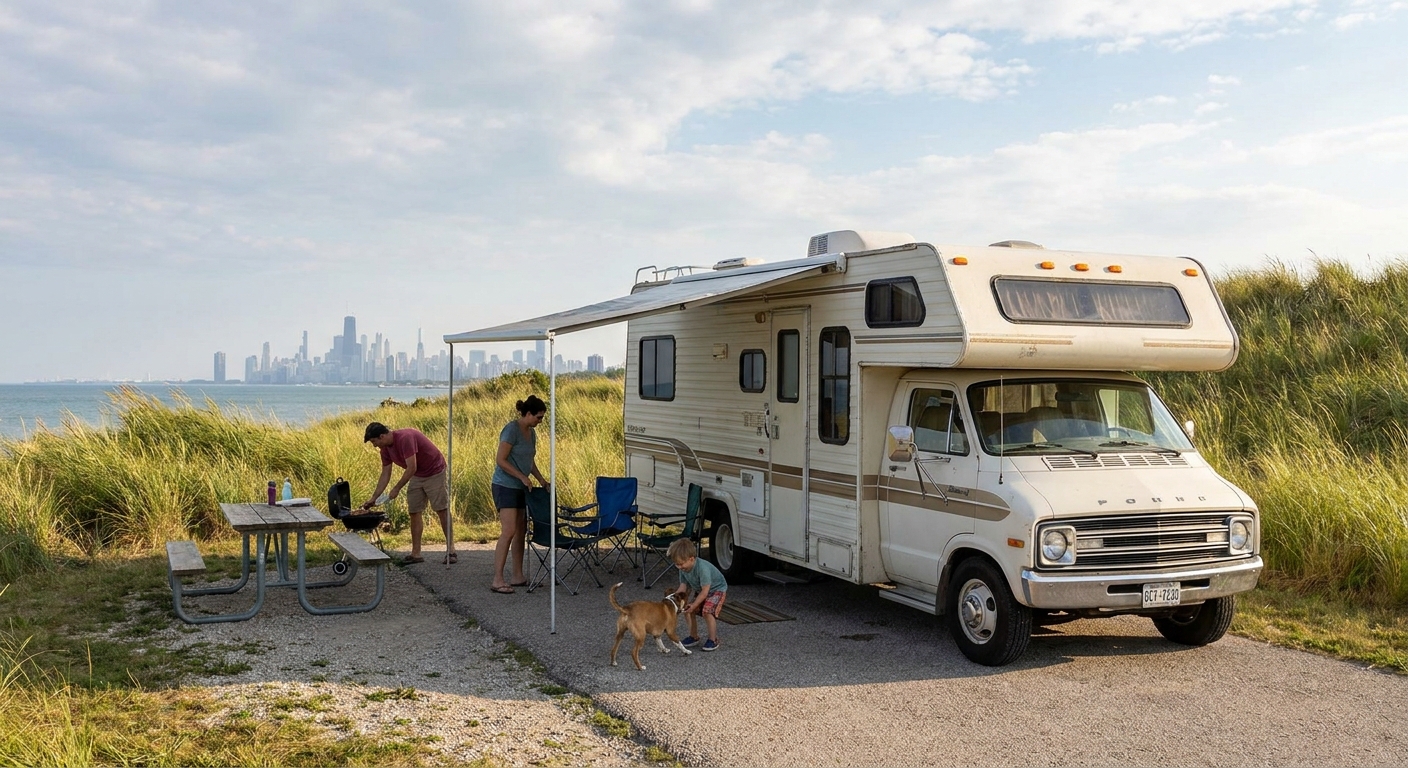
Free or 'wild' camping is generally not permitted within Chicago city limits, nor on most public lands in Illinois, and RVs parked overnight on city streets may be subject to local ordinances and towing. Designated RV parking is available at specific locations like McCormick Place Lot B, near Soldier Field, which offers secure, paid parking for larger vehicles and is conveniently accessible to downtown attractions. This is a rare amenity for a major U.S. city.
For comfortable overnight stays with a family RV rental, you should plan to utilize established RV campgrounds located in the surrounding suburbs or within state parks near the Chicago area, offering amenities like hookups and security. Always research and book campgrounds in advance, especially during peak season from May to September, as options close to Chicago can fill up quickly. Rules vary by region, so always check local regulations and follow local law before parking overnight or attempting to 'wild camp' anywhere in Illinois. For finding campsites and campgrounds during your trip, we recommend using RV PLANET (rvplan.net) - a great resource for locating available spots along your route.
Can I Drive an RV Into the City Center? Heights, Tunnels & Local Signage
Yes, you can generally drive a rented RV into Chicago's city center, but it requires diligent attention to local signage, height restrictions, and traffic conditions. Downtown Chicago has several low bridges and tunnels, especially those leading to lower-level streets or under elevated train tracks, making route planning essential for RVs; many clearances are typically 12-14 feet. Always pay close attention to posted height limits, 'No Trucks' signs, and residential parking restrictions on streets like Michigan Avenue or State Street.
The city center can experience heavy traffic and narrow streets, so driving an RV there requires confidence and awareness; consider parking on the outskirts, such as at McCormick Place Lot B or a suburban park-and-ride, and using Chicago's excellent public transport (CTA trains and buses) into the core. Drive slowly and carefully, and you can drive almost anywhere without issues. No need to stress - just use common sense and pay attention.
Can your family ride in a RV while it drives?
Yes, in Illinois, family members can generally ride in a rented RV while it drives, provided they are properly seated and secured in designated seats with seatbelts. Illinois law requires all passengers over the age of eight to wear a seatbelt, and children under eight must be secured in an appropriate child restraint system, just as they would be in a regular car. It is generally unsafe and illegal in many jurisdictions for passengers to ride in non-designated areas, such as the kitchen or unbelted on couches, while the RV is in motion.
Ensuring all passengers, especially children, understand the safety rules and remain seated and belted when the RV is in transit is paramount for a safe family trip. Bandana Caravan prioritizes safety and transparency, ensuring you have all the information needed for a secure journey.
Do you need a license to drive an RV in Illinois?
For most recreational vehicles, including the various classes of motorhomes and campervans available for rent in Illinois, a standard Class D driver's license is sufficient. This applies as long as the RV's Gross Vehicle Weight Rating (GVWR) is under 26,001 pounds, which covers nearly all typical rental units. A Commercial Driver's License (CDL) is typically only required if the RV has a GVWR of 26,001 pounds or more, or if it is towing a trailer with a GVWR of 10,001 pounds or more, and the combined weight is 26,001 pounds or more.
Most family RV rentals, including Class B, Class C, and many Class SI models, fall well within the limits for a standard Class D license, making RV travel accessible to most licensed drivers. Always verify the specific GVWR of your rented RV and ensure your license meets Illinois state requirements, though for Bandana rentals, a standard license is typically all you'll need.
Do you need a special license to drive a 25 foot RV?
No, a standard Class D driver's license is typically sufficient for driving a 25-foot RV in Illinois, as licensing requirements are primarily determined by the Gross Vehicle Weight Rating (GVWR), not vehicle length. A 25-foot RV, such as many Class B Camper Vans or smaller Class C Alcoves, usually has a GVWR well under the 26,001-pound threshold that would necessitate a Commercial Driver's License (CDL). For example, a 24' Class C Motorhome has a length of 7.46 meters (approx. 24.5 feet) and can be driven with a standard license.
Most family RV rentals around 25 feet are designed for easy handling with a regular license. Drivers should always confirm the exact GVWR of their specific rental motorhome and consult the Illinois Secretary of State's office if unsure, but rest assured, no special permits or licenses are needed for the vast majority of our rental fleet.
How many people can legally drive in an RV?
Only one person can legally operate the controls of a rented RV at any given time in Illinois, regardless of how many licensed drivers are present in the vehicle. However, for longer journeys such as a two-week adventure, it is highly recommended to involve multiple licensed drivers who can take turns operating the vehicle to combat driver fatigue and ensure everyone stays alert. All potential drivers must hold a valid driver's license appropriate for the RV's weight class in Illinois (typically a Class D license for most recreational RVs).
It's beneficial for all potential drivers to be listed on the rental agreement for insurance purposes and to ensure they understand the RV's specific operational features before setting off. This way, your family can share driving duties and enjoy the ride together, making for a safer and more relaxed trip.
Can you live in a camper with kids in Illinois?
While legally possible to live in a camper with kids in Illinois, for RV rental travelers, focusing on established campgrounds provides the necessary amenities and legal parking for a comfortable stay with children. Many municipalities in Illinois have restrictions on long-term RV parking or residency on private property, and extended stays often require staying at an RV park with full hookups. For shorter family RV rentals, utilizing designated campgrounds ensures access to electricity, fresh water, and waste disposal facilities.
Families embarking on a week-long trip with a rented RV should prioritize finding well-equipped RV parks in suburban areas like Crystal Lake or within state parks such as Illinois Beach State Park, which offer a stable base for exploring Chicago. This approach aligns perfectly with our focus on RV rentals for vacation travel, providing a temporary, exciting, and accessible experience rather than addressing full-time RV living.
Who has the best rates on RV insurance?
Determining the "best rates" for RV insurance in Chicago varies significantly by individual profile, the specific rented motorhome type, your location, and the desired level of coverage, making it essential to compare quotes from multiple providers. Top providers such as Progressive, GEICO, National General, Good Sam, and Foremost are often cited for competitive RV insurance rates and specialized policies for recreational vehicles. Factors influencing rates include the RV's class (e.g., Class B vs. Class C), age, value, driver's record, and your chosen deductible.
At Bandana, we partner directly with over 50 leading RV suppliers worldwide, ensuring full transparency in pricing. You can also upgrade to a top-level deductible for extra peace of mind, ensuring you travel without surprises. We encourage obtaining several quotes and directly comparing coverage options to find the policy that offers the best balance of cost and protection for your family RV rental in Chicago, always being honest and transparent in the process.
How much is insurance on a $200,000 RV?
Insurance costs for a high-value RV, such as a $200,000 motorhome, can range significantly, typically from $1,000 to over $4,000 annually, depending on a multitude of factors including the specific model, coverage choices, and driver history. A higher-value RV naturally incurs higher insurance premiums due to the increased cost of potential repairs or replacement in the event of an incident. Choosing comprehensive and collision coverage, which is often mandatory for financed RVs, will significantly impact the premium.
Personal factors such as driving history, age of drivers (minimum 21 for Bandana rentals), and where the RV is stored can also play a substantial role in the final insurance cost for a high-value RV. Bandana Caravan ensures you are aware of insurance options, including the ability to upgrade to a top-level deductible reimbursement, ensuring no hidden fees or surprises.
What is the average cost for RV insurance?
The average cost for RV insurance varies widely but generally falls between $800 and $2,000 annually for a typical recreational RV, influenced by the RV's class, age, value, and the chosen coverage levels. Smaller, less expensive RVs like Class B camper vans might be on the lower end of this spectrum, while larger Class A motorhomes or luxury models typically incur higher average costs. Factors such as the primary use (recreational, not full-time living), deductibles, coverage limits, and any added endorsements (e.g., roadside assistance) all impact the final premium.
Geographic location, including urban areas like Chicago with higher traffic density, can also influence rates due to varying risks of theft, accidents, or natural disasters. Remember, when you book with Bandana, you have the option to upgrade to a top-level deductible for extra peace of mind, providing transparent pricing and protection.
Does American Family Insurance cover RV?
Yes, American Family Insurance generally offers comprehensive coverage options for recreational vehicles (RVs), including various classes of motorhomes and campervans available for rent. Their RV insurance policies can include standard coverages such such as liability, collision, comprehensive, and uninsured/underinsured motorist protection, providing a robust safety net for your family RV rental. American Family Insurance may also provide specialized RV coverages like roadside assistance, total loss replacement, and personal effects coverage, which can be valuable for extended road trips.
It's advisable to contact an American Family Insurance agent directly to discuss specific RV coverage needs, get a personalized quote, and understand policy details for your family RV rental in Chicago. Always ensure your rental agreement specifies the required insurance and compare it with any personal policies you might carry for full transparency and peace of mind.
What You Shouldn't Miss
- Explore Millennium Park: Wander through this iconic downtown park, home to Cloud Gate ("The Bean"), Crown Fountain, and the Pritzker Pavilion. It's a fantastic spot for family photos and letting kids run around.
- Visit the Museum of Science and Industry: Located in Hyde Park, this massive museum offers hands-on exhibits like a captured German U-boat and a simulated coal mine, perfect for engaging curious minds during your Chicago family RV trip.
- Take an Architecture River Cruise: See Chicago's stunning skyscrapers from a unique perspective on a river cruise, offering fascinating insights into the city's rich architectural history.
- Enjoy Navy Pier: With its Ferris wheel, gardens, restaurants, and boat tours, Navy Pier offers a lively atmosphere and plenty of activities for all ages. You can even access it via shuttle from McCormick Place Lot B.
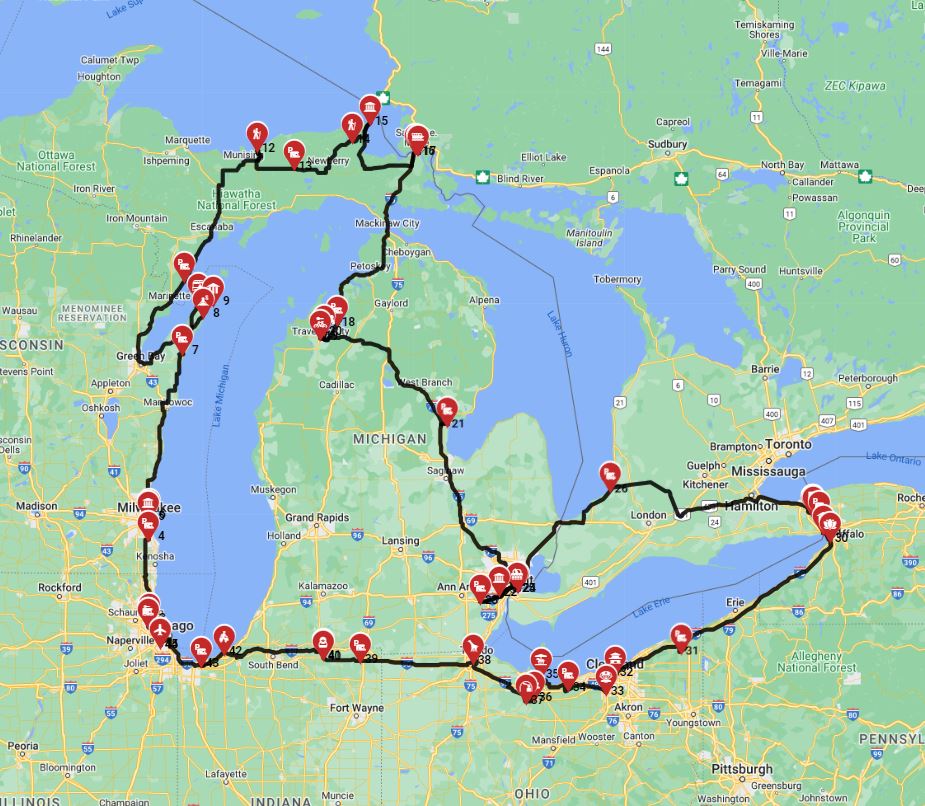
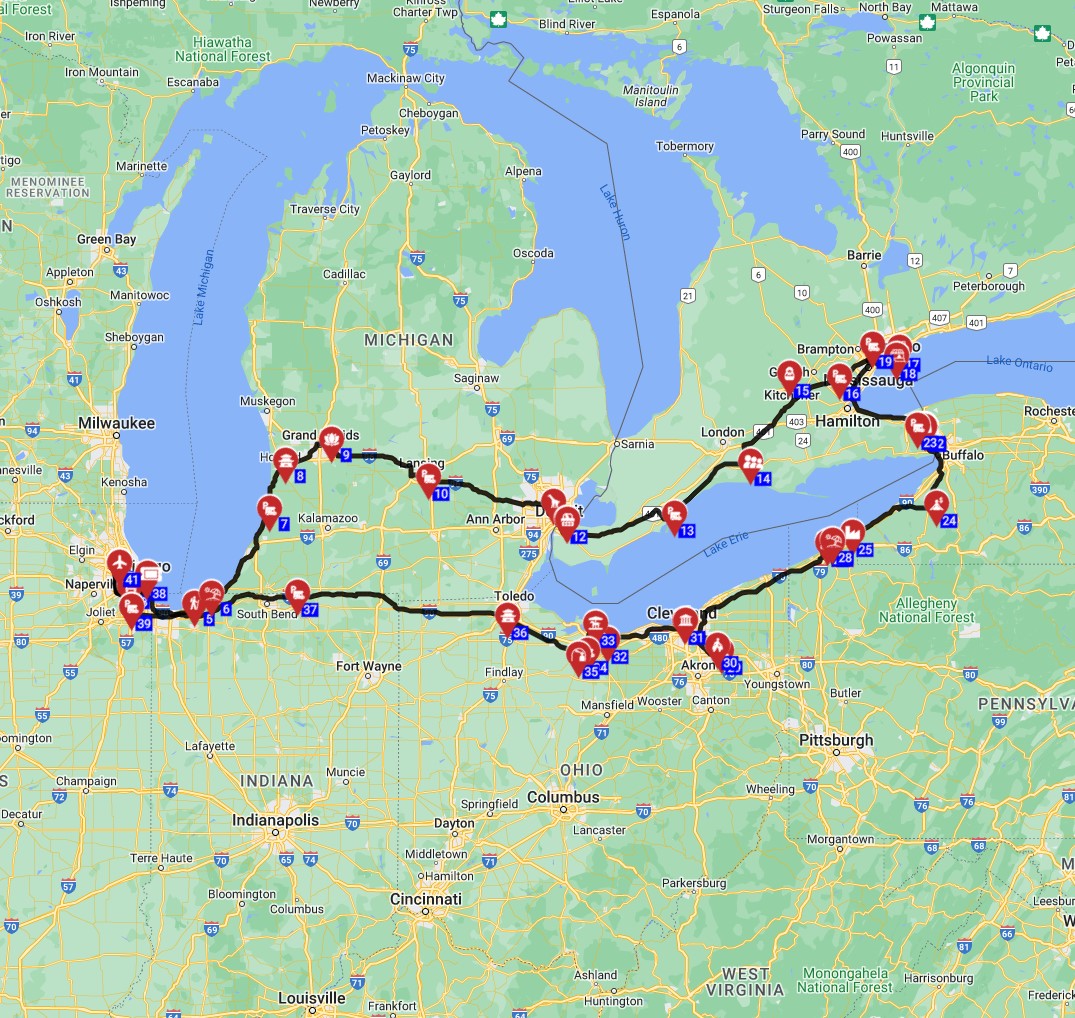
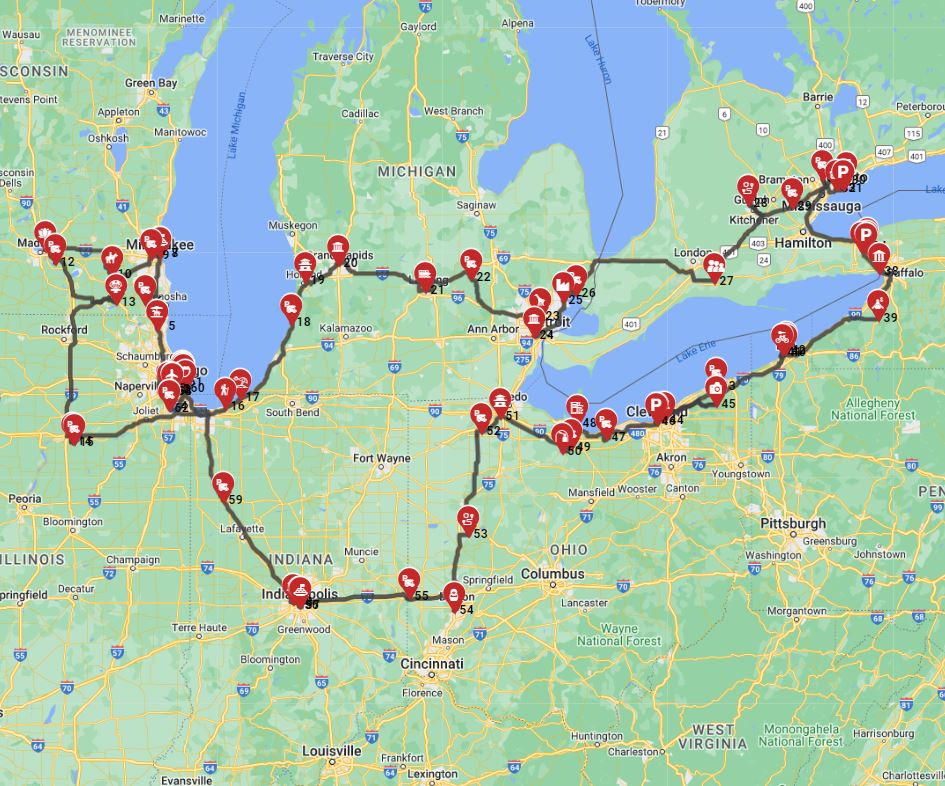
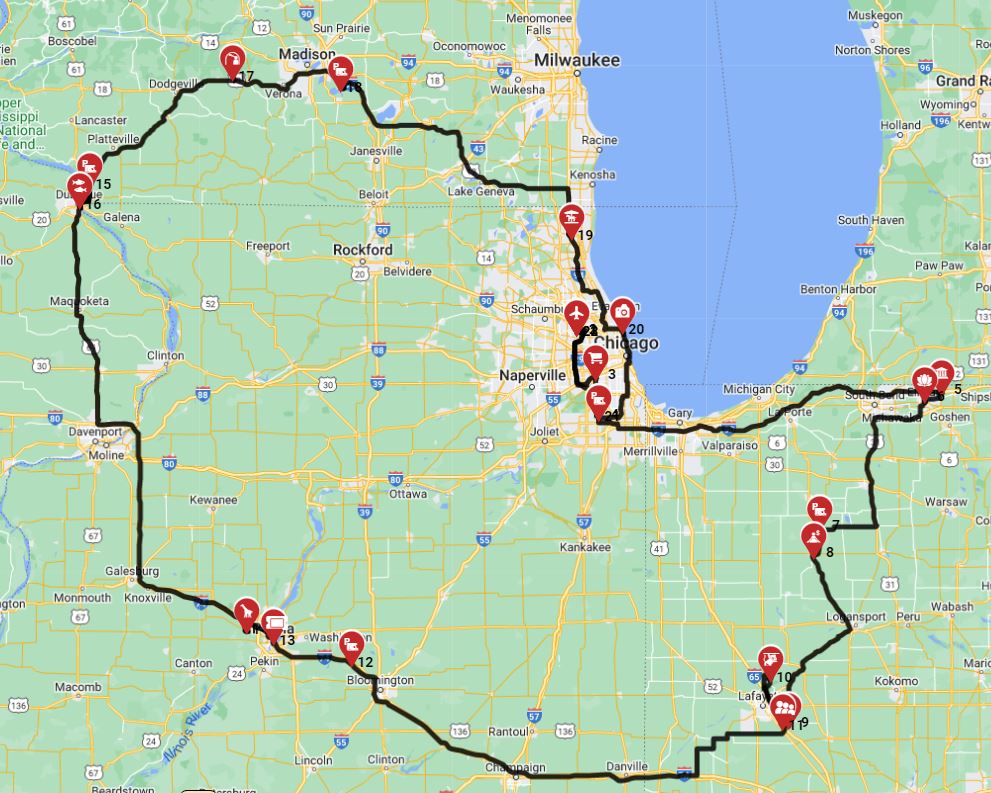
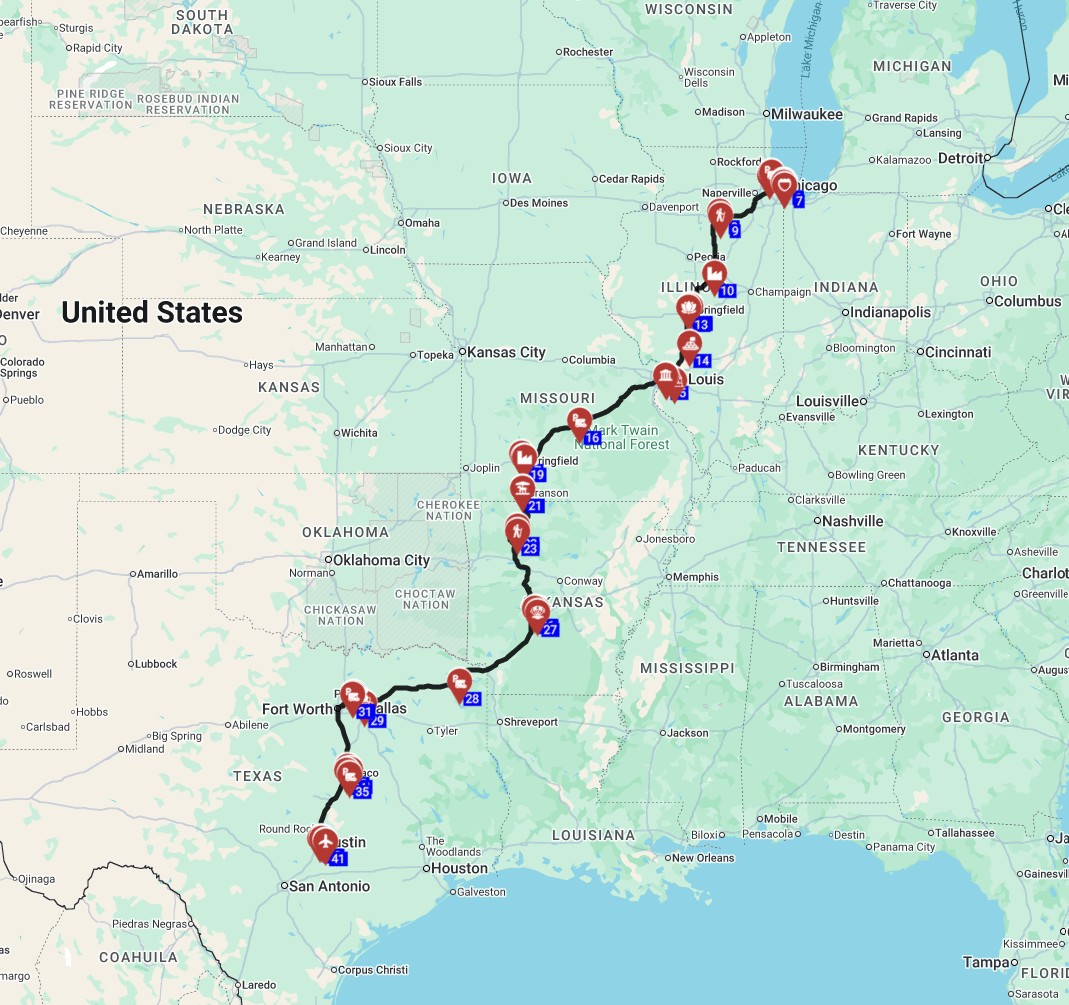
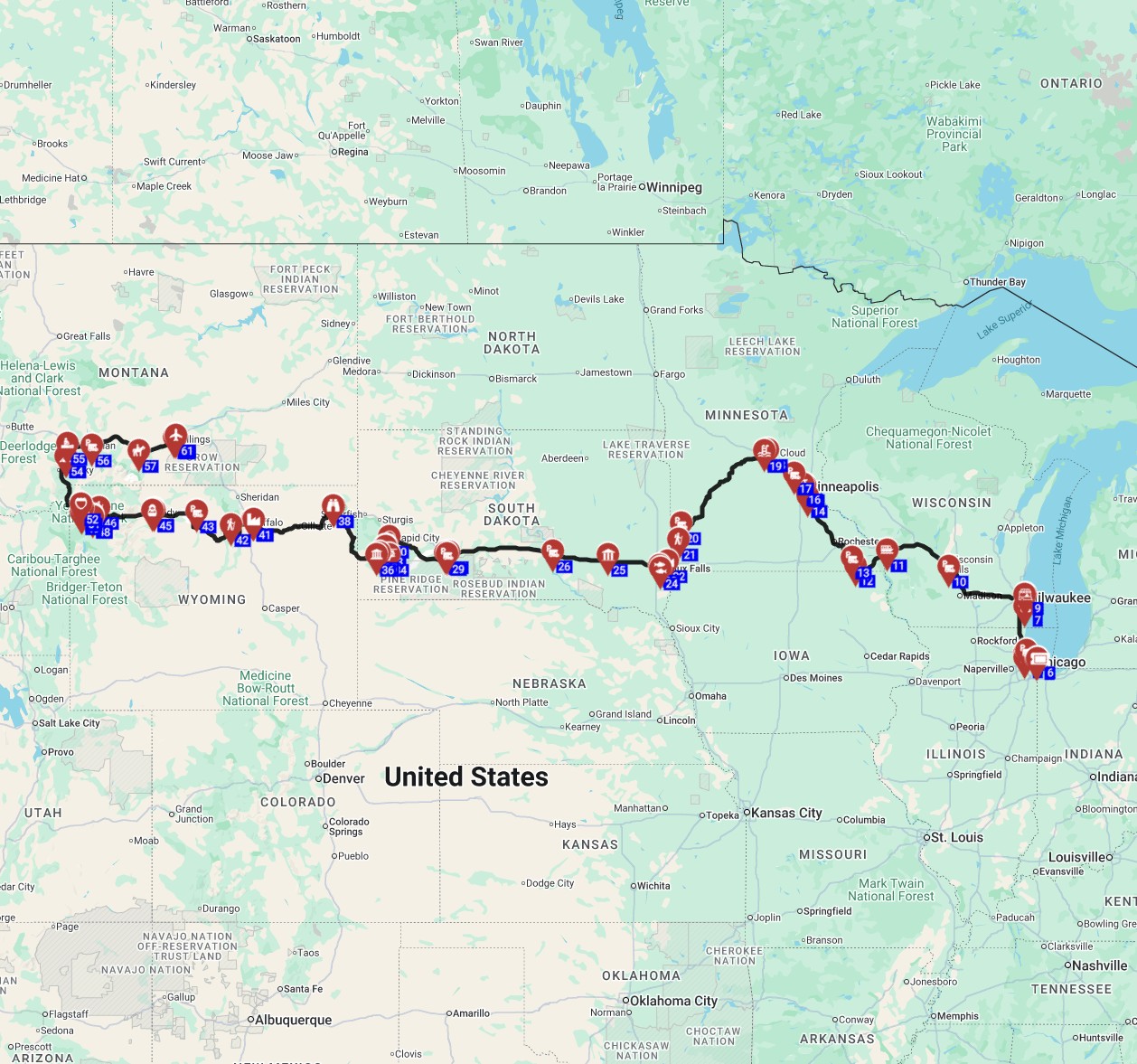
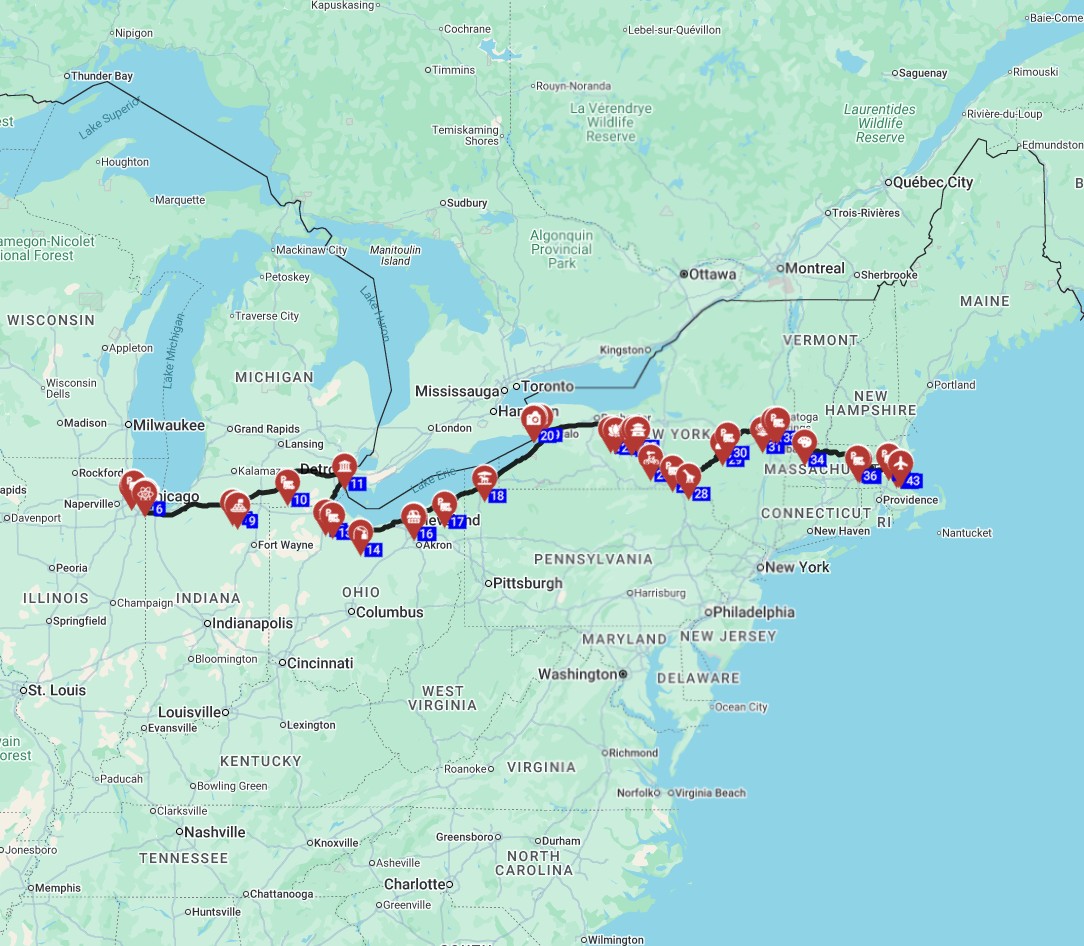
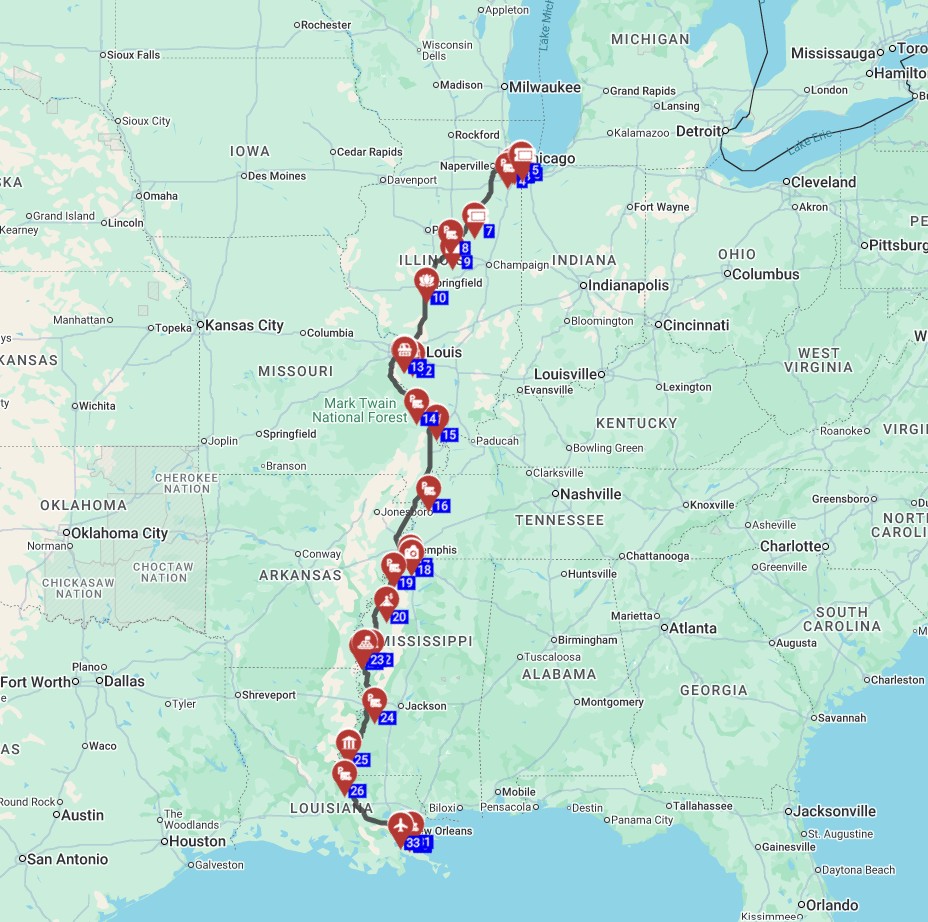
- Begin a Blues Highway Adventure: Embark on an epic multi-week journey from Chicago down to New Orleans. This 2918.4 km route, taking about 15 days, includes 6 museums, 3 heritage sites, and various natural features.
- Cycle along Lakefront Trail: Rent bikes and enjoy the scenic 29-kilometer (18-mile) Lakefront Trail, offering breathtaking views of Lake Michigan and the Chicago skyline.
Looking for expert insights from Avi Bandana? Top 5 Adventures - recommendations from Avi Bandana.
Why Book with Bandana Caravan
Full Transparency: No Hidden Fees, No Surprises
We believe in honest pricing. What you see is what you get, with no tricks or last-minute charges. Our commitment to full transparency means your family RV rental experience in Chicago will be straightforward and stress-free from the start.
24/7 Support: Real People Behind You
Before, during, and after your booking, real people are available to support you. Our dedicated team is here to answer your questions and ensure your Chicago adventure is seamless, providing peace of mind every step of the way.
Top-Level Deductible Reimbursement: Travel with Peace of Mind
You can upgrade to a top-level deductible for extra peace of mind. This optional enhancement provides added protection, allowing you to focus on enjoying your trip without worrying about unexpected costs.
Rent&Plan: Pre-planned Routes by Professionals
Take the guesswork out of planning with Rent&Plan. Our professionals have crafted over 1,300 pre-planned routes across 5 continents, including exciting itineraries like

Founded in 2001, Bandana Caravan has over 23 years of experience, helping tens of thousands of travelers explore the world by RV. We have direct partnerships with over 50 leading RV suppliers worldwide, including trusted names like El Monte and Cruise America. Our bookings are available in 30+ currencies with full price transparency, ensuring no hidden fees or conversion commissions. With coverage across 50+ countries, we offer local expertise and support wherever your journey takes you.
Compare Motorhome Prices for ChicagoFinal Thoughts
A family RV rental in Chicago offers an unparalleled way to experience this vibrant city and its surrounding natural beauty. With the flexibility of your own mobile home, you can delve into urban attractions, savor local cuisine, and then easily transition to scenic drives along Lake Michigan or on longer adventures like the
Bandana Caravan is here to support you with full transparency, 24/7 assistance, and expert advice, making your trip planning seamless. Whether you're comparing rental deals in Chicago or exploring other options, we ensure you have everything you need for an unforgettable family road trip. Get inspired for your next trip and discover top destinations, planning tips, all in one place!
Find Family RV Rentals in Chicago