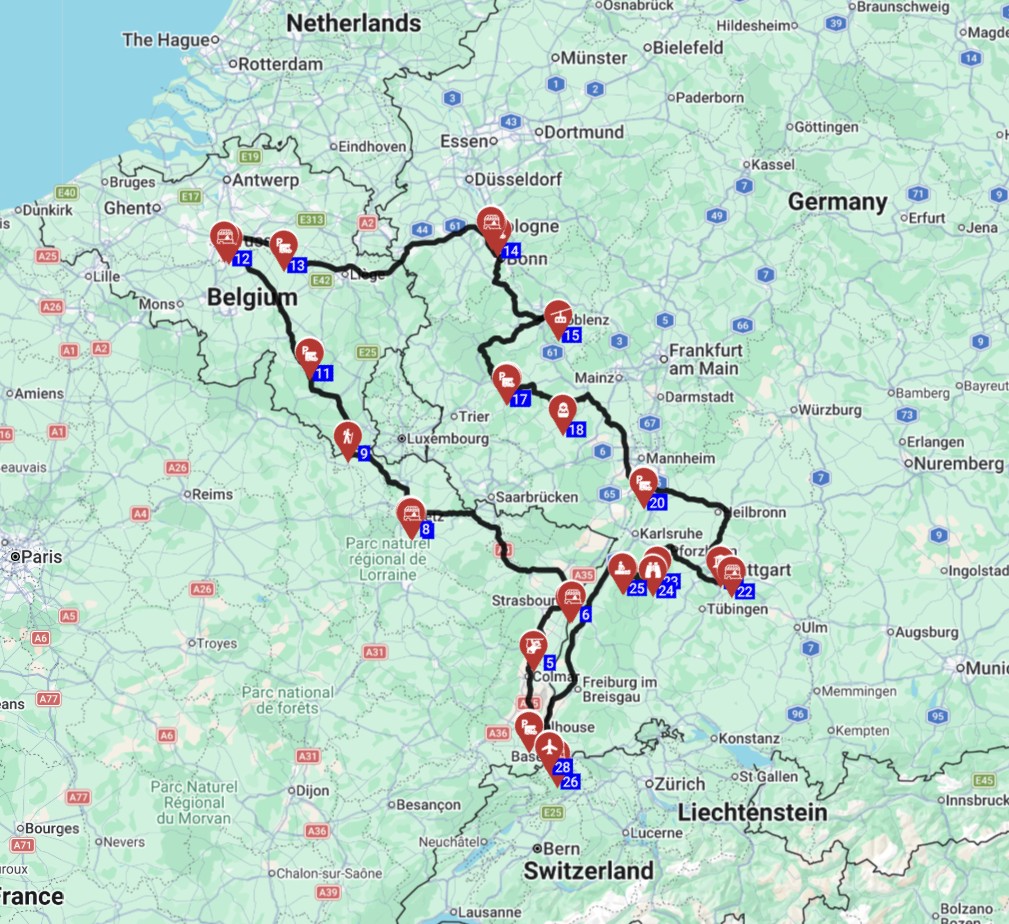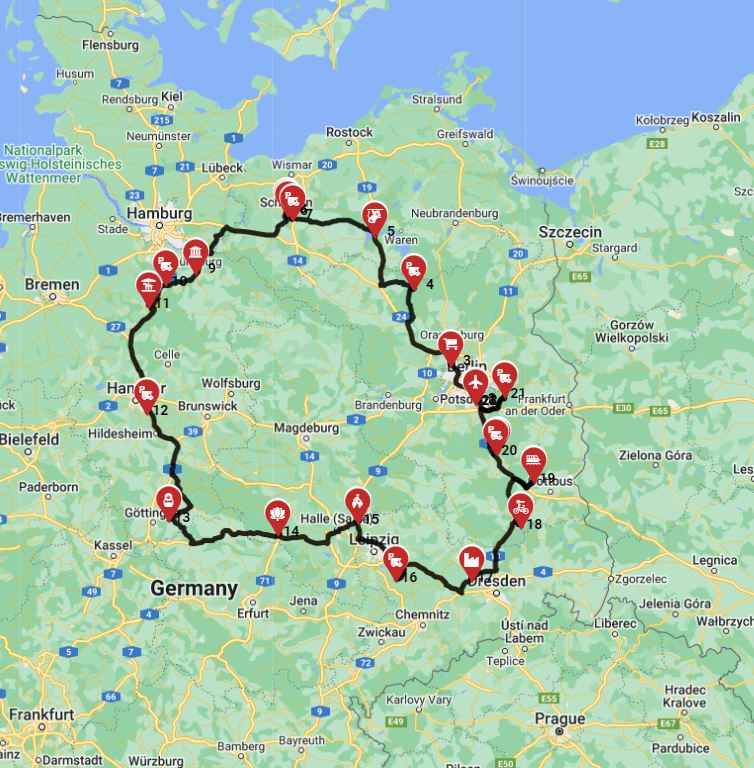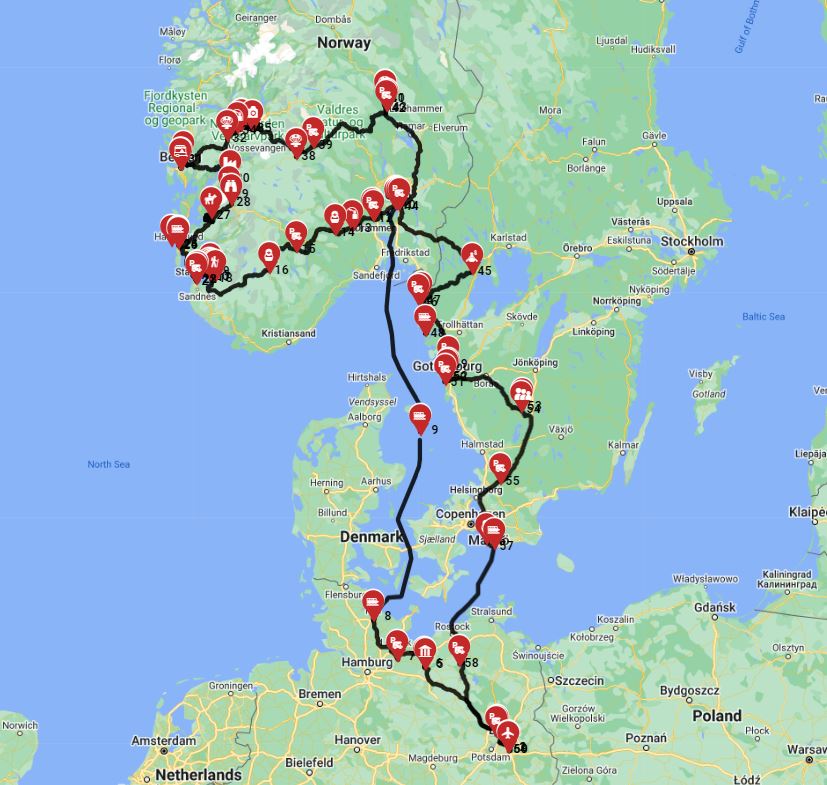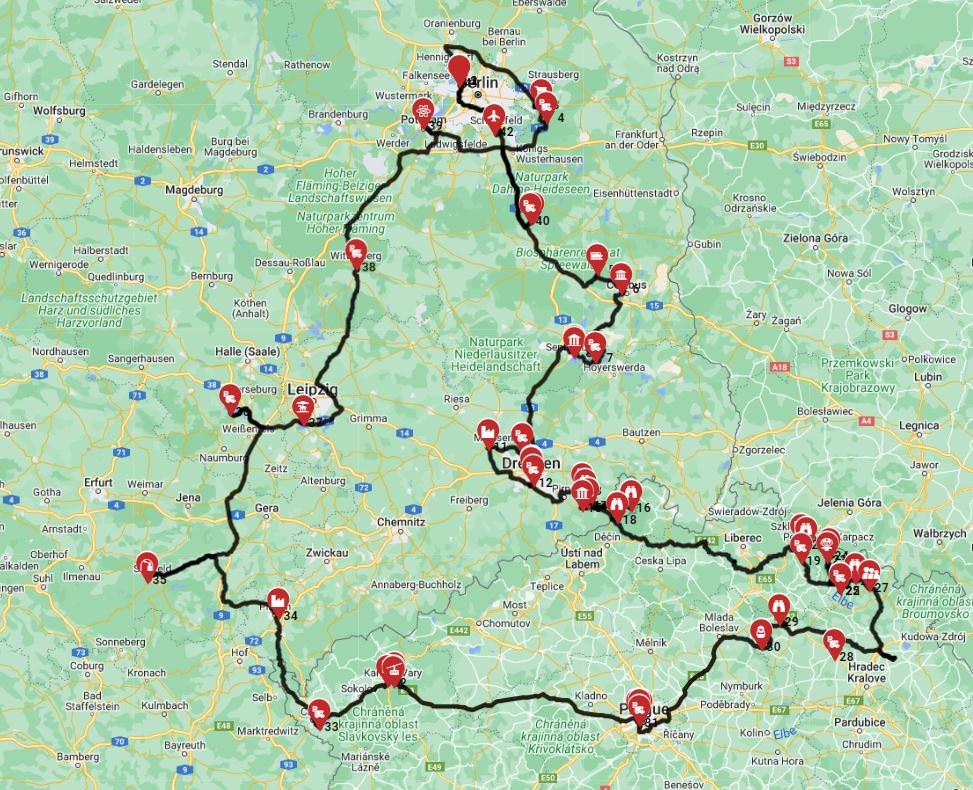
In This Guide
- Can You Drive an RV in Center Europe? License & Age Rules
- Road Conditions & Terrain in Center Europe
- RV Size Limits, Bridges & Restricted Zones
- Fuel: Diesel vs. Petrol & Cost per 100 km
- Tolls, Vignettes & Border Rules
- Driving Tips for family rv rental Travelers
- Recommended RV Class for Center Europe Roads
- Should I Choose a Compact Van Instead of a Large RV in Center Europe?
- Can I Park Anywhere? Free & Wild Camping Rules in Center Europe
- Can I Drive an RV Into the City Center? Heights, Tunnels & Local Signage
- What is the 3 3 3 rule for RV travel?
- What is the 444 rule for RV?
- What do I need to take my motorhome to Europe?
- Can I drive in Europe if I have a US driver's license?
- Is Europe RV friendly?
- Can your family ride in a RV while it drives?
- What is the hardest country in Europe to get a driver's license?
Can You Drive an RV in Center Europe? License & Age Rules
Yes, driving a rented RV in Central Europe is generally permissible for individuals with the appropriate driver's license and who meet the minimum age requirements. Typically, a standard 'B' category driver's license is sufficient for vehicles up to 3,500 kg Maximum Permissible Mass (MPM), which covers many of Bandana's Class B Camper Vans and some smaller integrated motorhomes. For larger motorhomes, such as some Class C Alcove models that may exceed 3,500 kg MPM, a 'C1' license might be necessary. The minimum driver age for most RV rentals in Central Europe is usually between 21 and 25 years old, with this varying slightly depending on the rental company and the specific class of RV. For travelers from the US, it's essential to carry your valid US driver's license along with an International Driving Permit (IDP) for smooth navigation and legal compliance across Central European countries.
Road Conditions & Terrain in Center Europe
Central Europe presents a varied road landscape, offering everything from immaculate highways perfect for efficient travel to charming, occasionally narrow, routes through historic towns and dramatic mountain passes. Countries like Austria and the Czech Republic boast exceptionally well-maintained highway networks that facilitate smooth journeys between major cities and attractions. However, venturing into mountainous regions, prevalent in countries like Austria, Slovenia, and parts of Slovakia, you'll encounter winding roads with steep inclines and tunnels, demanding cautious driving and a keen awareness of your RV's dimensions, especially for larger Class C models averaging 7.5 meters in length. Rural roads in countries such as Poland or Hungary can be narrower and less smooth, rewarding drivers with scenic vistas but necessitating slower speeds and careful maneuvering. Historic city centers, with their ancient architecture, often have restricted access and narrow streets, making smaller RVs or parking on the outskirts and utilizing public transport a more practical choice.
RV Size Limits, Bridges & Restricted Zones
Navigating Central Europe in an RV requires vigilance regarding explicit signage that indicates height and weight limits, particularly in older towns, tunnels, and designated environmental zones. European infrastructure, especially in historic city centers and some mountainous regions, can feature lower bridges, often under 3.5 meters, and stricter weight limits, frequently around 3.5 tonnes, on specific roads. Many Central European cities, including those in Germany, Austria, and the Czech Republic, enforce 'Umweltzonen' (environmental zones) or similar low-emission zones that restrict access for vehicles not meeting specific emission standards; RVs often need special stickers or prior registration to comply. For Bandana's fleet, models like the Class SI (average 6.9m length) or Class C (average 7.5m length) are generally manageable on most roads, but meticulous attention to posted height and weight restrictions is crucial for safety and to prevent damage, especially when entering urban areas or navigating very narrow passages.
Fuel: Diesel vs. Petrol & Cost per 100 km
The vast majority of modern RVs in Central Europe, including those in Bandana's fleet, operate on diesel fuel, which is widely available at fuel stations across the continent, although prices can vary significantly between countries. It's always important to confirm the specific fuel requirement for your rented RV. Bandana's Class SI Semi-integrated RVs typically consume around 10-11 liters per 100 km, while Class C Alcove RVs range from 10-12 liters per 100 km. Smaller Class B Camper Vans are more fuel-efficient, generally consuming between 8-10 liters per 100 km. Considering 2026 average diesel prices, which fluctuate by country, a Class C RV could incur fuel costs of approximately €17.00 - €20.40 per 100 km. Additionally, many modern diesel RVs require AdBlue (Diesel Exhaust Fluid), which is readily available at most fuel stations. On the routes offered through RV PLANET routes, you can itemize and track every expense along the way for easy budgeting.
Tolls, Vignettes & Border Rules
RV travel in Central Europe frequently involves navigating a system of road usage charges, typically through vignettes, tolls, or a combination of both, which differ from country to country. Nations such as Austria, the Czech Republic, Hungary, Slovakia, and Slovenia commonly mandate a pre-paid 'vignette'—a sticker or digital pass—for using their motorways and expressways; these are available for various durations. Poland, in contrast, primarily utilizes a barrier toll system on its motorways, where payment is collected per section, usually accepted via cash or card. For travelers moving between Schengen Area countries, which encompass most of Central Europe, internal border checks are minimal, but it's vital to always have passports or national ID cards and all vehicle documentation readily accessible. Driving without a valid vignette or attempting to bypass tolls can result in substantial fines, so ensuring compliance before entering toll roads is paramount for a stress-free journey.
Driving Tips for family rv rental Travelers
Prioritizing safety, comfort, and a relaxed pace is key to a memorable family RV adventure through Central Europe's diverse landscapes. It's advisable to plan for frequent stops every 2-3 hours to allow passengers, especially children, to stretch and refresh, utilizing designated rest areas or scenic overlooks. Employing RV-specific GPS devices or navigation apps can significantly aid in pre-planning routes and identifying suitable parking, helping you avoid narrow roads or low bridges, particularly with larger RVs like a Class C model (averaging 7.5m). Familiarizing yourself with European road signs, especially those indicating height/weight restrictions and environmental zones, is crucial for smooth travel. Don't forget to factor in the costs of fuel and vignettes or tolls, which can add up across multiple countries; some Bandana RVs may come with fuel discount cards or pre-paid toll options to help manage these expenses.
Recommended RV Class for Center Europe Roads
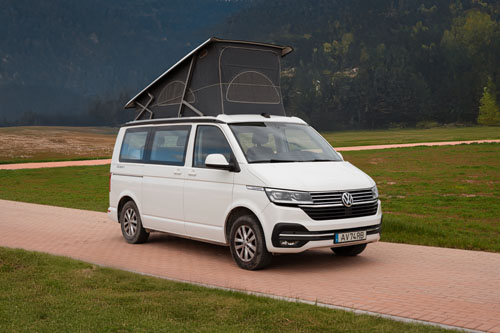
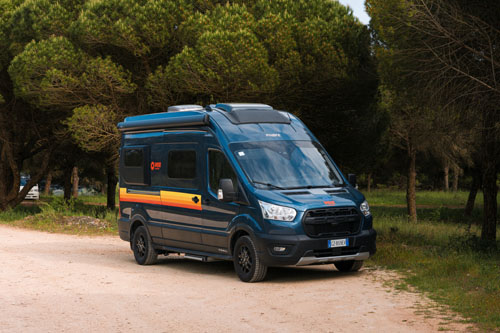
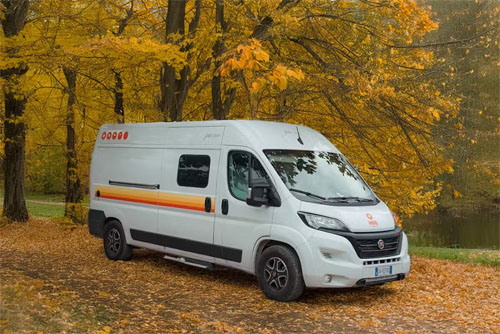
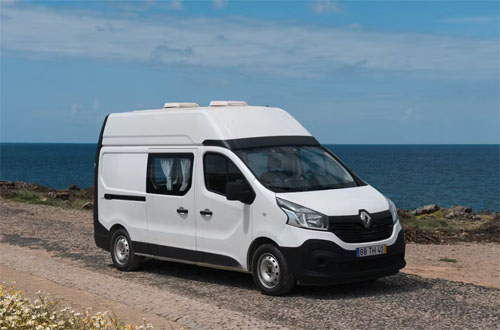
For family RV rentals in Central Europe, Bandana's Class SI (Semi-integrated) and Class C (Alcove) motorhomes offer an excellent balance of comfort, space, and maneuverability, making them well-suited for the varied European road conditions. Class SI RVs, averaging 6.9 meters in length and typically sleeping 3-4 people, are versatile for smaller families, providing comfortable living spaces and generally easier navigation. For larger families seeking ample room and amenities, Class C RVs, averaging 7.5 meters in length and sleeping 5-6 people, are an ideal choice, capable of handling both European highways and country roads with confidence. If your priority is extreme maneuverability and fuel efficiency (8-10 Liters/100 km), Bandana's Class B Camper Vans, averaging around 5.8 meters in length, present an excellent compact option for couples or very small families.
Should I Choose a Compact Van Instead of a Large RV in Center Europe?
While a compact van offers superior maneuverability in extremely tight urban centers or very narrow mountain passes, a larger RV generally presents no significant driving issues on most Central European roads and provides considerably more comfort and indoor living space for families. Compact vans, such as Bandana's Class B models (averaging 5.8 meters in length), are indeed excellent for fitting into smaller parking spots and navigating ancient city streets. However, Central Europe's main roads and highways are well-equipped to accommodate all common RV sizes, including larger Class C (average 7.5m) and Class A (average 7.5m) models from Bandana's fleet. For family RV rentals, the enhanced comfort of a larger RV—offering more sleeping berths, spacious living areas, and better facilities (like Bandana's Class C with 5.8 sleeping places)—often outweighs the marginal maneuverability advantage of a compact van. The choice largely depends on your itinerary: opt for a compact van if your trip heavily features urban exploration; otherwise, a larger RV is preferable if your family prioritizes comfort, dedicated living zones, and campsite stays.
Can I Park Anywhere? Free & Wild Camping Rules in Center Europe
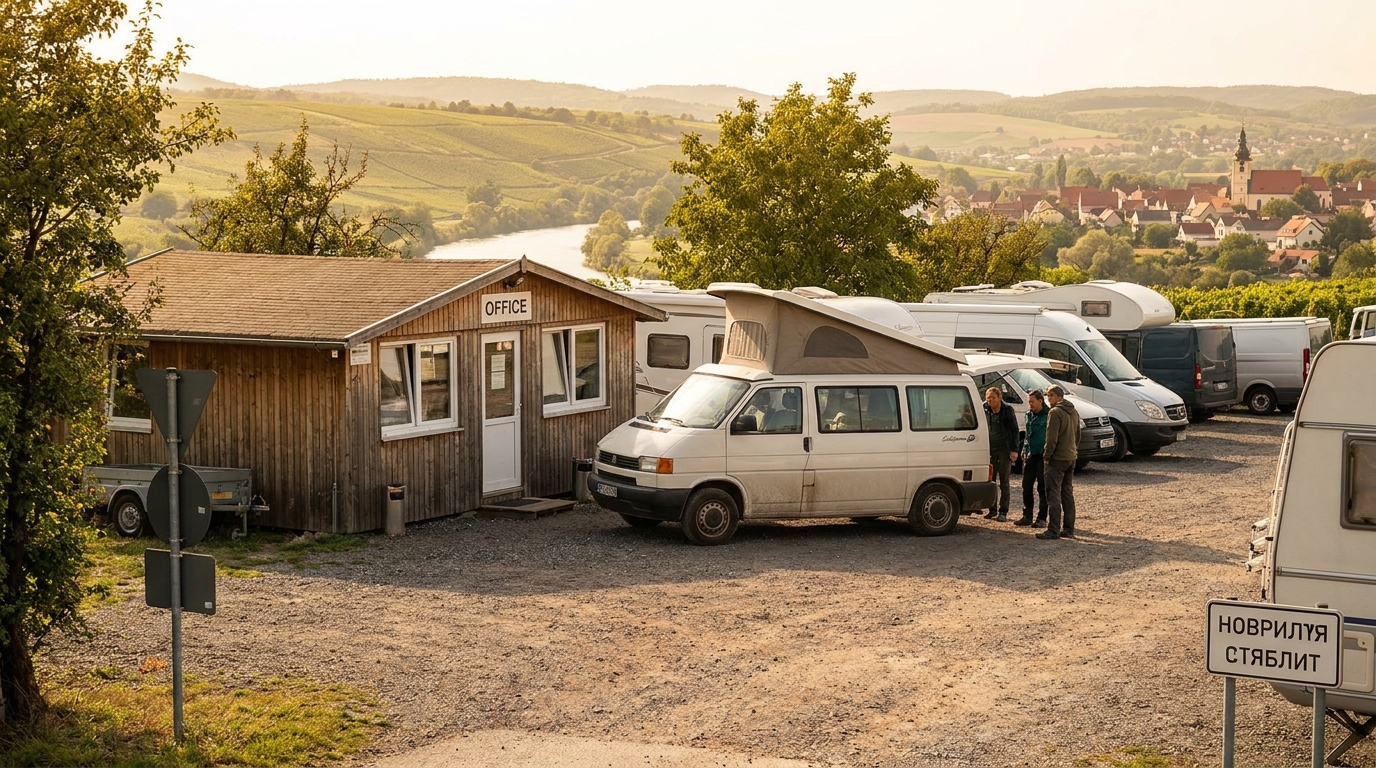
Free or 'wild camping' in an RV is generally prohibited or heavily restricted across most of Central Europe, with stringent rules in place to protect natural environments and ensure public safety. Countries like Austria, the Czech Republic, Hungary, Poland, Slovakia, and Slovenia largely forbid wild camping outside of designated areas, and violations can lead to significant fines. RV travelers are encouraged to utilize official campsites ('Campingsites') or designated motorhome parking areas ('Stellplatz' in German-speaking regions), which often provide essential services. It's crucial to remember that rules can vary even within regions of a country, so researching local regulations for your specific destinations is always recommended. Regardless of where you park, always practice 'Leave No Trace' principles: dispose of waste properly, avoid disturbing wildlife, and respect private property.
Can I Drive an RV Into the City Center? Heights, Tunnels & Local Signage
Yes, it is almost always possible to drive an RV into city centers in Central Europe, but this requires careful attention to specific local signage concerning height and weight limits, environmental zones, and streets designated for residents only. Most RVs can access city centers for drop-offs or to reach designated parking areas, although maneuvering and parking can present challenges. Always be on the lookout for red-bordered circular signs indicating height restrictions, typically found before tunnels, underpasses, or historic arches. Many Central European cities have low emission zones that may necessitate a special sticker or registration for your vehicle; ensure your rental RV complies, or plan to park outside these zones. Finding suitable and legal parking for an RV in a busy city center can be difficult, so it's often more practical to utilize outskirts parking like P+R (Park & Ride) facilities and then use public transport to explore the city.
What is the 3-3-3 rule for RV travel?
The '3-3-3 rule' for RV travel is a popular guideline suggesting that travelers drive no more than 300 miles (or kilometers), arrive at their destination by 3 PM, and stay for a minimum of 3 nights. This rule is designed to promote a relaxed and enjoyable travel pace. The '300' aspect limits daily driving distance to prevent fatigue, allowing for spontaneous stops and the chance to truly soak in the scenic routes of Central Europe. Arriving by '3 PM' ensures ample daylight for setting up camp, exploring the immediate surroundings, and beginning to unwind, avoiding the stress of late-night arrivals. The '3 nights stay' encourages a more leisurely pace, enabling families to fully experience a location without the constant disruption of packing and unpacking, fostering a deeper connection with the destinations.
What is the 4-4-4 rule for RV?
The '4-4-4 rule' for RV travel is a variation of the 3-3-3 guideline, suggesting drivers limit their daily travel to 400 miles (or kilometers), aim for arrival by 4 PM, and stay for at least 4 nights. This framework offers a slightly more ambitious itinerary while still prioritizing a relaxed rhythm. The '400' distance allows for covering more ground, which can be appealing when exploring larger regions in Central Europe or transitioning between countries. The '4 PM arrival' provides a slightly later window than the 3-3-3 rule, still ensuring sufficient daylight for setup and settling in. The '4 nights stay' further encourages a leisurely pace, ideal for in-depth exploration of specific areas or simply unwinding at a particularly scenic campsite. For family RV renters, both the 3-3-3 and 4-4-4 rules are excellent frameworks for balancing travel days with destination enjoyment.
What do I need to take my motorhome to Europe?
Beyond personal luggage, preparing your motorhome for Central Europe requires essential documents, mandatory safety equipment, and specific adapters for utilities to ensure a smooth and compliant journey. Crucial documents include valid passports or national ID cards, your driver's license (plus an International Driving Permit if you hold a non-EU license), vehicle registration documents, the rental agreement, and proof of international insurance, often referred to as a 'Green Card'. Mandatory safety equipment across most Central European countries typically includes a reflective safety vest for each occupant, a warning triangle, and a first-aid kit. Essential utility adapters for European electrical hookups (such as a CEE plug to domestic socket adapter for 230V) and potentially LPG cylinder adapters for refilling are also recommended. Lastly, a reliable GPS with European maps (consider an RV-specific one for navigation assistance) and a European SIM card for mobile data are highly recommended for seamless navigation and connectivity throughout your trip.
Can I drive in Europe if I have a US driver's license?
Yes, US citizens can drive in most European countries, including Central Europe, with their valid US driver's license, provided it is accompanied by an International Driving Permit (IDP). The IDP acts as a translation of your US license into multiple languages and is required or highly recommended in many Central European countries, such as Austria, the Czech Republic, Hungary, Poland, Slovakia, and Slovenia. The IDP is valid for one year from its issue date and must always be presented alongside your physical US driver's license; it is not a standalone driving document. Rental companies like Bandana typically require both your US license and an IDP, along with a major credit card, to complete an RV rental. Always carry both your US driver's license and your IDP when driving, along with your passport, to ensure full legal compliance during your travels.
Is Europe RV friendly?
Europe is exceptionally RV-friendly, boasting an extensive network of campsites and motorhome-specific parking areas, though the experience often differs from North America, with generally smaller pitches, stricter wild camping regulations, and a greater diversity of road conditions. Central Europe, much like the rest of the continent, offers a highly developed infrastructure for RVs, including thousands of official campgrounds ('Campingsites') that provide a range of amenities. Many towns and cities also provide dedicated, often inexpensive or free, 'Stellplatz' (in German-speaking regions) or similar areas specifically for motorhomes to park overnight, usually equipped with basic services. European RVs, including Bandana's fleet (e.g., Class B Camper Vans averaging 5.8m in length), are often designed with efficiency and maneuverability in mind for navigating tighter European roads. Expect smaller campsite pitches compared to North America, and be prepared for a strong culture of community at campgrounds, where booking in advance is often recommended during peak seasons.
Can your family ride in a RV while it drives?
Yes, your family can safely ride in an RV while it drives in Central Europe, provided all passengers are seated in designated travel seats and are properly secured with seatbelts, adhering to all local safety regulations. It is a strict legal requirement across Central Europe that all passengers must wear a seatbelt whenever the RV is in motion. Ensure all family members, particularly children, are seated in positions equipped with seatbelts; passengers should not be in beds or walking around while the RV is moving. Children must be secured in appropriate child seats or booster seats according to their age, height, and weight, as per specific country regulations, which are generally harmonized across the EU. Before driving, always secure all loose items inside the RV to prevent them from becoming potential hazards in case of sudden braking or sharp turns.
What is the hardest country in Europe to get a driver's license?
While the difficulty of obtaining a driver's license can vary significantly across Europe, countries like Finland, Norway, and Austria are often cited as having particularly rigorous and expensive processes for residents seeking to obtain a new license. However, this primarily concerns individuals relocating to Europe rather than temporary visitors driving with existing foreign permits. Austria, a prominent Central European country, is known for its demanding theoretical and practical driving tests, often requiring extensive professional training for aspiring drivers. For family RV renters in Central Europe, the primary focus should be on ensuring your current license is valid and that you possess an International Driving Permit (IDP) if you hold a non-EU license, rather than concerns about the local licensing difficulty itself. The real challenge for foreign visitors driving in Central Europe typically lies in adapting to different road rules, unfamiliar signage, varying vehicle sizes, and navigating complex urban environments.
Final Thoughts
Renting an RV for your family adventure in Central Europe offers an unparalleled way to experience the region's diverse cultures, stunning landscapes, and rich history at your own pace. By understanding the local driving regulations, embracing the unique road conditions, and choosing the right RV for your family's needs, you're setting the stage for an unforgettable journey. Remember to plan ahead, stay flexible, and most importantly, enjoy the freedom and flexibility that only RV travel can provide.
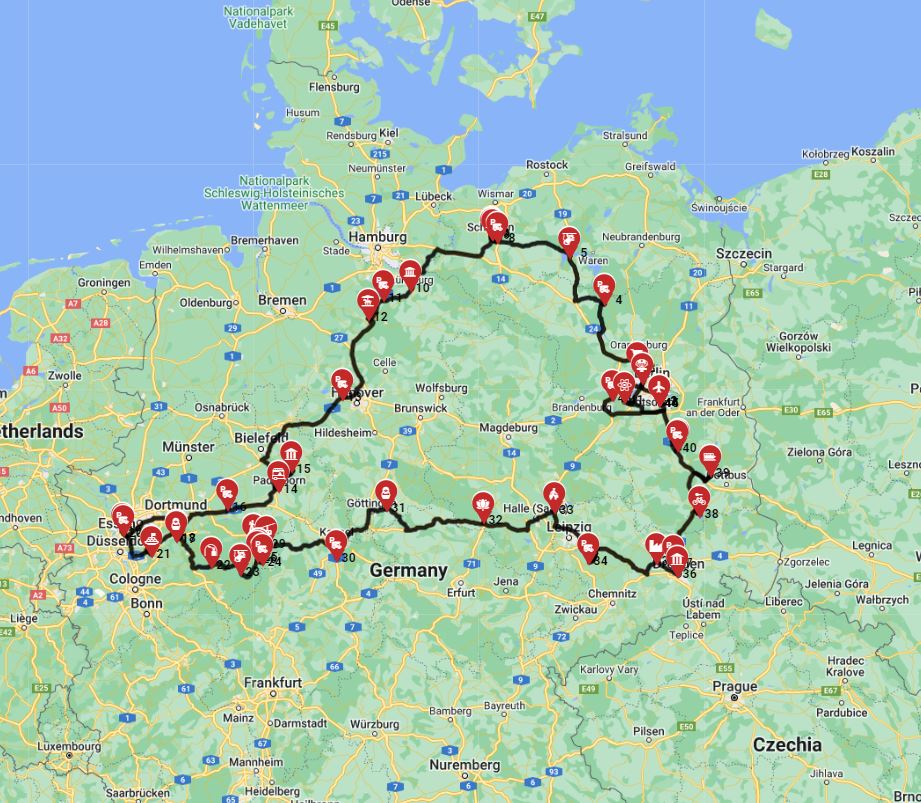
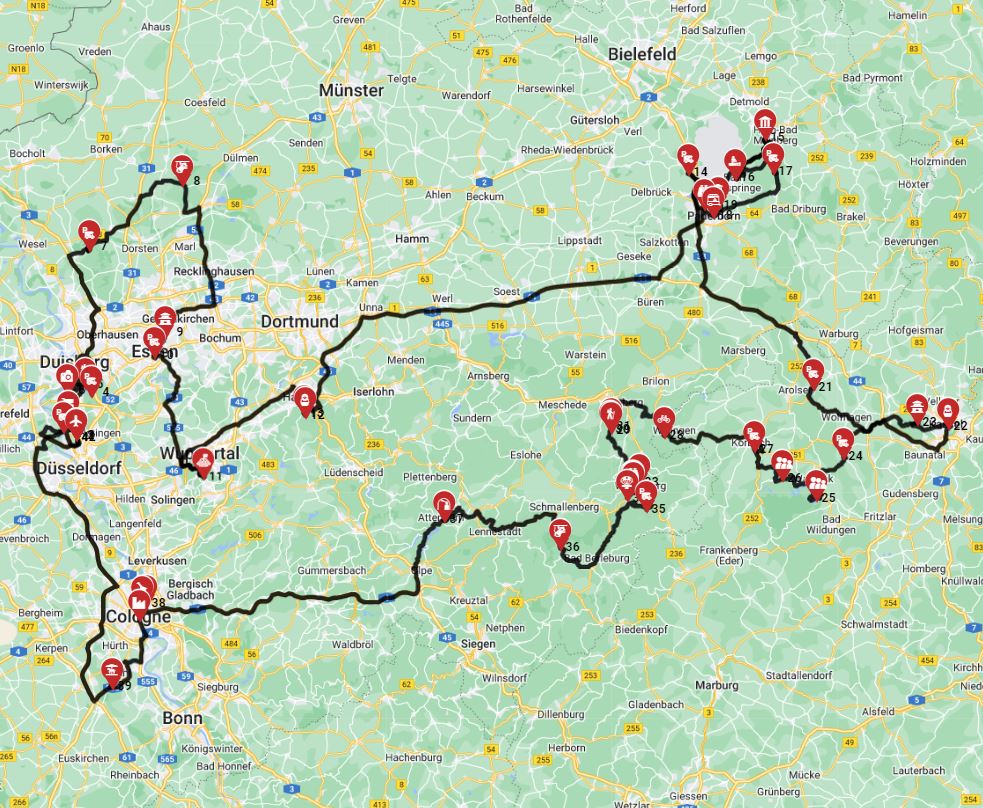
From the majestic Alps to charming historic towns, Central Europe is a treasure trove of experiences waiting to be discovered. Let Bandana Caravan help you find the perfect family RV rental to make your dream road trip a reality. For finding campsites and campgrounds during your trip, we recommend using RV PLANET (rvplan.net) — a great resource for locating available spots along your route.
Ready to embark on your Central European adventure? Compare RV rental prices and availability across top suppliers today!