In This Guide
- Can You Drive an RV in California? License & Age Rules
- Road Conditions & Terrain in California
- RV Size Limits, Bridges & Restricted Zones
- Fuel: Diesel vs Petrol & Cost per 100 km
- Tolls, Vignettes & Border Rules
- Driving Tips for RV Rental Travelers
- Recommended RV Class for California Roads
- Should I Choose a Compact Van Instead of a Large RV in California?
- Can I Park Anywhere? Free & Wild Camping Rules in California
- Can I Drive an RV Into the City Center? Heights, Tunnels & Local Signage
- How Much Does an RV Rental Trip Cost in California?
- What are the Best Reservation Strategies for California RV Parks?
- How to Navigate California-Specific RV Driving Challenges?
- Where are the Best Off-the-Beaten-Path RV Destinations in California?
- What are the Rules for Pet-Friendly RV Travel in California?
🎬 Video coming soon
Can You Drive an RV in California? License & Age Rules
Most recreational vehicles (RVs) under 26,000 pounds Gross Vehicle Weight Rating (GVWR) can be driven in California with a standard Class C driver's license. This means that for the vast majority of rented motorhomes and campervans, your regular car license is all you need to hit the road. For heavier RVs that exceed 26,000 lbs GVWR, a Class A or B non-commercial license is required, though these are less commonly encountered in the rental fleet. The minimum driver age for renting an RV in California is typically 21 years old across most of our partner suppliers like El Monte and Cruise America, with no young driver surcharges or vehicle class restrictions based on age. Foreign drivers are recommended to carry a valid driver's license from their home country along with an International Driving Permit (IDP) for easier interpretation, although it is not mandatory in most cases. Rest assured, we ensure full transparency in all licensing requirements before you book, so there are no surprises.Road Conditions & Terrain in California
California features incredibly diverse road conditions, ranging from the smooth, iconic coastal highways like the Pacific Coast Highway to winding mountain roads in the Sierra Nevada. Drivers should always be prepared for varied terrains including steep grades in areas like Yosemite or Big Sur, flat desert stretches in Death Valley, and the bustling urban freeways around Los Angeles and San Francisco. Road quality is generally excellent on major routes and interstates, but smaller roads, particularly in rural or mountainous areas, may be narrower or less smoothly paved. It's wise to allow ample time for travel, especially on scenic routes or through mountain passes, and drive slowly and carefully to enjoy the views and ensure safety. Remember, navigating these beautiful, varied roads is part of the adventure!RV Size Limits, Bridges & Restricted Zones
In California, a single rented RV generally has a maximum legal length of 40 feet, which applies to most Class A, Class C, and campervan rentals. While RVs towing another vehicle can be longer, Bandana RV specializes exclusively in motorhomes and campervans, so towable RVs are not a consideration for our renters. Standard height clearance for most roads is 13 feet 6 inches, though RV drivers must always check for specific low bridge or tunnel signage, especially in older urban areas. Fortunately, there are typically no significant low bridges on primary RV routes in California that would pose an issue for standard rental units. However, be aware of potential environmental zones or fire restriction areas, especially during dry seasons. These may limit RV access or activities in certain regions, so it's always good to check local park advisories.Fuel: Diesel vs Petrol & Cost per 100 km
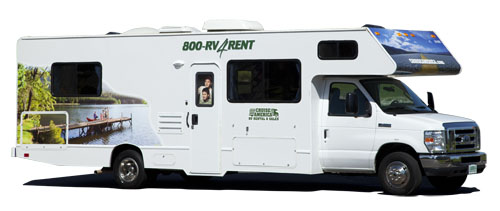
Most rented RVs in California operate on either petrol (gasoline) or diesel, with petrol being common for smaller Class B and C models, and diesel typically powering larger Class A and some Class C units. Both fuel types are widely available at gas stations across California, though diesel pumps may be less common in very remote areas, so plan accordingly. Based on Bandana's global fleet averages, fuel consumption typically ranges from 8-10 Liters/100 km for a Class B Camper Van to 12-17 Liters/100 km for a Class C motorhome like the "cruise america rv rental example Explorer" (7.1m length, 4 sleeping places, 75L fuel tank). Given California's generally higher fuel prices, expect to budget approximately $15-$20 per 100 km for a typical RV, assuming an average of $5.00/gallon (approximately $1.32/Liter). To help travelers manage their journey expenses, RV PLANET routes offer the ability to itemize and track every cost, including fuel, along the way for easy budgeting. RV PLANET routes are a valuable resource.Tolls, Vignettes & Border Rules
California primarily uses electronic tolling systems, especially for significant bridges like the Golden Gate Bridge and express lanes in metropolitan areas, rather than traditional physical toll booths. The state does not utilize a vignette system for road access, which is a common practice in some European countries. To avoid fines, RV renters should plan for electronic toll payment options such as FasTrak transponders (which can often be rented with your vehicle or acquired separately) or by making online one-time payments for your license plate after passage. When planning multi-state trips, ensure your RV rental agreement permits cross-state travel to neighboring states like Nevada, Arizona, or Oregon, although there are no physical border checks for internal US travel. Bandana RV offers full transparency on all rental terms, including cross-border allowances, so you know exactly what to expect.Driving Tips for RV Rental Travelers
Always allow significantly more stopping distance when driving a rented RV compared to a car, especially on California's varied terrain and busy highways. Planning your routes carefully using an RV-specific GPS is highly recommended to avoid narrow roads, low clearances, and excessively steep grades that may challenge larger vehicles. Be prepared for strong crosswinds, particularly on open highways, coastal routes (like the Pacific Coast Highway), and in desert regions, which can affect RV stability and require focused steering. Taking frequent breaks every 2-3 hours is crucial to combat driver fatigue, especially important for family travel or long stretches through California's expansive scenic areas. Lastly, utilize lower gears when ascending and descending mountain passes to maintain control, prevent overheating, and reduce strain on brakes and transmission. This mindful approach ensures a safe and enjoyable journey.Recommended RV Class for California Roads
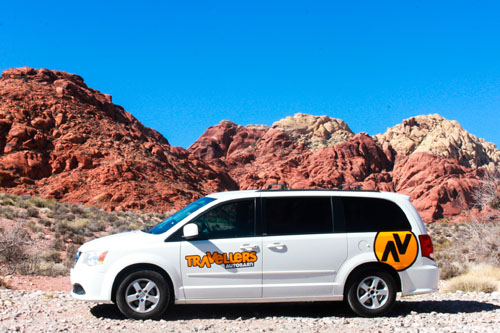
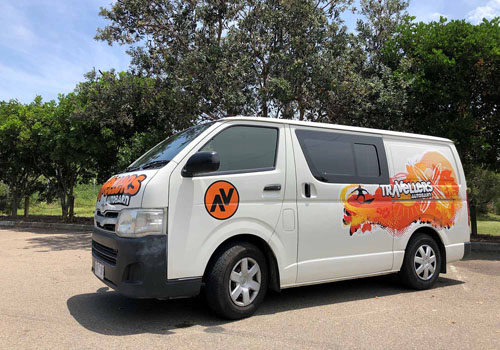
For optimal navigation of California's diverse road network, a Class B Camper Van or a Class C motorhome is highly recommended due to their balanced size and amenities. Class B Camper Vans, like the "rv rental denver example Category Van" (approx. 5.8m length, 3.2 sleeping places), offer excellent maneuverability, making parking easier in cities and national parks, and generally provide better fuel efficiency. For instance, the "V3" is another compact motorhome with a length of 6.36m, 2 sleeping places, and a fuel consumption of 11-13 Liters/100 km, ideal for couples. Mid-size Class C Alcove motorhomes, such as the "cruise america rv rental example Explorer" (7.1m length, 4 sleeping places), provide more interior comfort and storage than a campervan while remaining manageable on most state highways and campgrounds. Larger Class A Integrated RVs, like the "Class A - Thor ACE 30" (9.37m length, 6 sleeping places) are also suitable for California, especially for families or those prioritizing spacious living areas on primary routes.Should I Choose a Compact Van Instead of a Large RV in California?
Choosing a compact van (Class B Camper Van) over a larger RV in California provides superior maneuverability and ease of parking in congested urban centers and popular national park areas. Vehicles like the "Chubby Camper" (small, ideal for a couple, festival friendly) offer agility. A larger RV, however, offers significantly more interior space, dedicated amenities like full bathrooms and kitchens, and enhanced comfort, which can be preferable for longer week-long trips or larger groups. The "Denali Searcher 30 - Gold" (large, 3 double beds, ideal for a big family/group of friends) is an example of a spacious choice. Most of California's primary roads and popular destinations are well-equipped to accommodate larger RVs, meaning size is rarely a restrictive factor on major routes, so there's no need to stress about driving a bigger vehicle. Opt for a compact van if your itinerary emphasizes city exploration, spontaneous stops, and fuel efficiency; choose a larger RV if comfort, amenities, and living space are your top priorities for a more relaxed journey.Can I Park Anywhere? Free & Wild Camping Rules in California
In California, free and wild camping (often called boondocking or dispersed camping) is generally permitted on lands managed by the Bureau of Land Management (BLM) and in National Forests, provided specific regulations are followed, such as staying 150-200 feet from water sources. Overnight parking is typically prohibited in developed urban areas, most state and national park campgrounds without a prior reservation, and highway rest stops (exceptions may apply for short periods, usually up to 8 hours). When boondocking on public lands, it's critical to adhere strictly to 'Leave No Trace' principles, including packing out all trash and respecting fire restrictions, especially during California's prevalent dry seasons. While some retail parking lots (e.g., Walmart) historically allowed overnight RV parking, many California locations now prohibit it; always ask store management for permission first. Rules can vary significantly by region and specific land management, so always check local regulations and follow local law before parking overnight to ensure compliance and avoid fines. For finding campsites and campgrounds during your trip, we recommend using RV PLANET (rvplan.net), a great resource for locating available spots along your route.Can I Drive an RV Into the City Center? Heights, Tunnels & Local Signage
Yes, it is generally possible to drive a rented RV into California city centers, as major roads are usually designed to accommodate vehicles of all sizes. Drive slowly and carefully, and you can drive almost anywhere without issues. No need to stress-just use common sense and pay attention to your surroundings. Drivers must, however, pay close attention to local signage, including posted height limits for tunnels and parking garages, and any weight restrictions on bridges. Finding suitable parking for an RV in a busy city center can be challenging and expensive; therefore, research parking options in advance or consider utilizing public transit from a peripheral RV park or campground. Be aware of potential localized environmental zones or residents-only streets that might have specific vehicle restrictions, though these are less common for RVs than in some other regions. Always prioritize and obey local street signs, as they provide critical information on parking regulations, turning restrictions, and specific vehicle prohibitions.How Much Does an RV Rental Trip Cost in California?
The total cost of a week-long RV rental trip in California can broadly range from $1,500 to over $4,000, varying significantly based on factors like RV class, season, and duration. Rental fees typically range from $150 to $400+ per night, influenced by the RV's size (e.g., a "Class I Van" campervan for 4 people will be cheaper than a large "C-MEDIUM PLUS" motorhome for 5 people), age, and demand during peak travel seasons like summer or national holidays. Budgeting for California's generally higher fuel prices is crucial, as this can add $15-20 per 100 km, based on an average RV consumption of 10-12 Liters/100 km for smaller models and up to 25 Liters/100 km for larger Class A motorhomes like the "MHLUX". Campground fees vary widely, from $30-$80+ per night for state or private campgrounds offering hookups, with free options available on BLM or National Forest lands. Additional expenses include national park entry fees (e.g., $35/vehicle for 7 days or an annual America the Beautiful pass for $80), dump station fees ($10-$25), and costs for food and activities. Remember, prices are dynamic, much like flight tickets, changing daily based on availability and supplier decisions, so the final price is set at the actual booking time. For managing these ancillary costs, exploring RV PLANET routes can be helpful, as they allow travelers to itemize and track every expense.What are the Best Reservation Strategies for California RV Parks?
Securing popular RV campsites in California, especially in coveted national and state parks during peak season, demands advanced planning, often requiring bookings up to 6 months in advance. For California State Parks, utilize ReserveCalifornia.com, noting that sites become available on a rolling 6-month window and can be booked within minutes for popular dates. For National Parks, Recreation.gov is the platform, where sites typically open 6 months in advance; for highly sought-after areas like Yosemite or Death Valley, be ready to book precisely when windows open or explore lottery systems for specific campgrounds. Spontaneous travelers should know that many national and state parks reserve only 25-30% of spots, with the rest being first-come-first-serve. You'll find a spot; if not at the first campground, then the next one. Always call ahead before driving a long distance. Consider alternative booking platforms for private campgrounds (e.g., KOA, Good Sam Parks) if state or national park sites are unavailable, though these may have higher rates. Actively check booking sites for last-minute cancellations, particularly 1-2 weeks before your desired travel dates, as these spots frequently become available. Traveling during the shoulder seasons (spring and fall) or off-peak winter months can significantly increase campsite availability and reduce crowds.How to Navigate California-Specific RV Driving Challenges?
Navigating California-specific RV driving challenges like fire season restrictions requires proactive planning, including monitoring local fire alerts and road closures via official state resources. When encountering steep mountain passes, such as those in the Sierra Nevada, utilize lower gears for both ascents and descents to prevent overheating and maintain control, and be aware of winter chain control laws that may be in effect from November to April. Practice water conservation diligently, as California frequently experiences drought conditions; opt for shorter showers and mindful water use, especially if you're boondocking. Prepare for limited cell service in remote areas, particularly within national parks and deserts, by downloading offline maps and informing others of your itinerary. Finally, be cautious of strong crosswinds, common in open desert regions and along coastal stretches, which can impact RV stability and require careful steering. These precautions will help ensure a smooth and safe journey.Where are the Best Off-the-Beaten-Path RV Destinations in California?
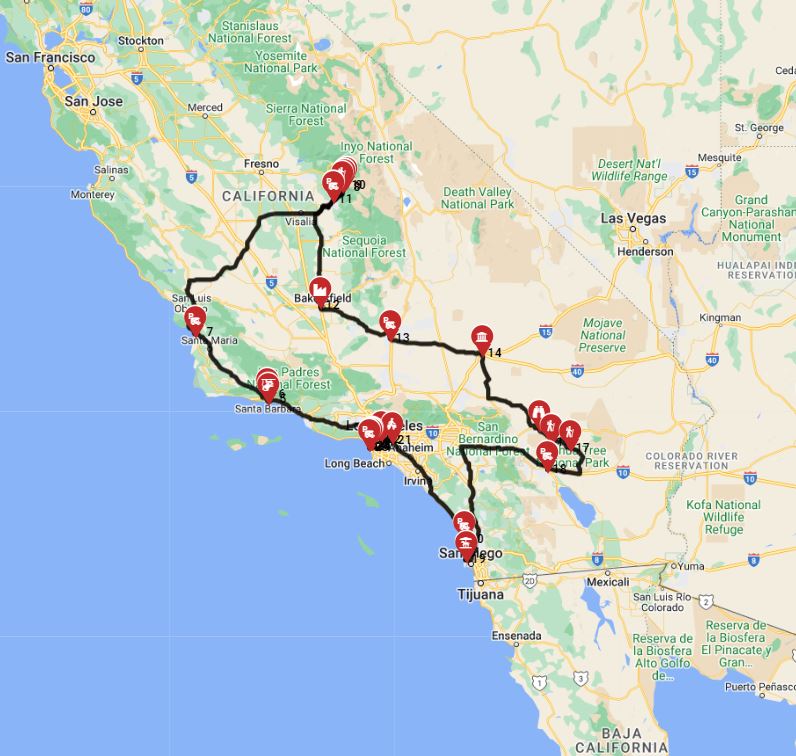
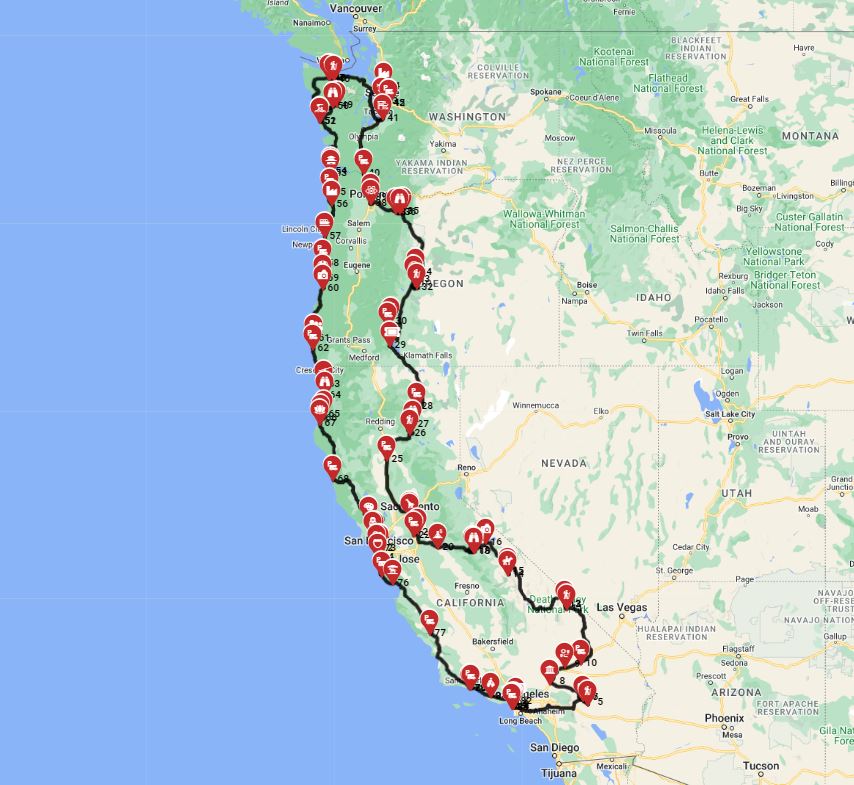
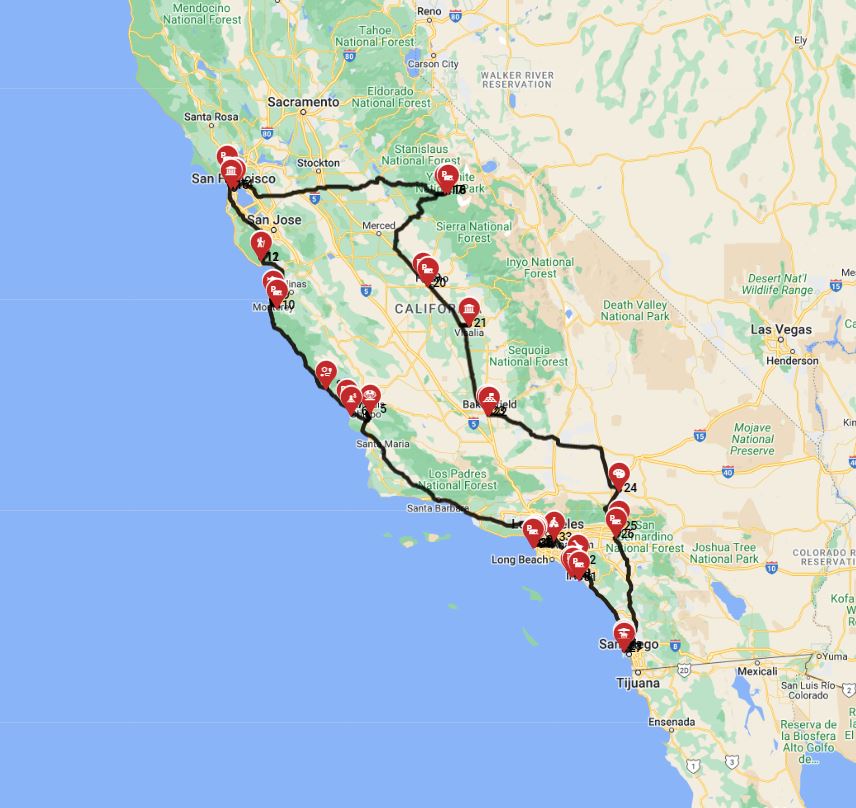
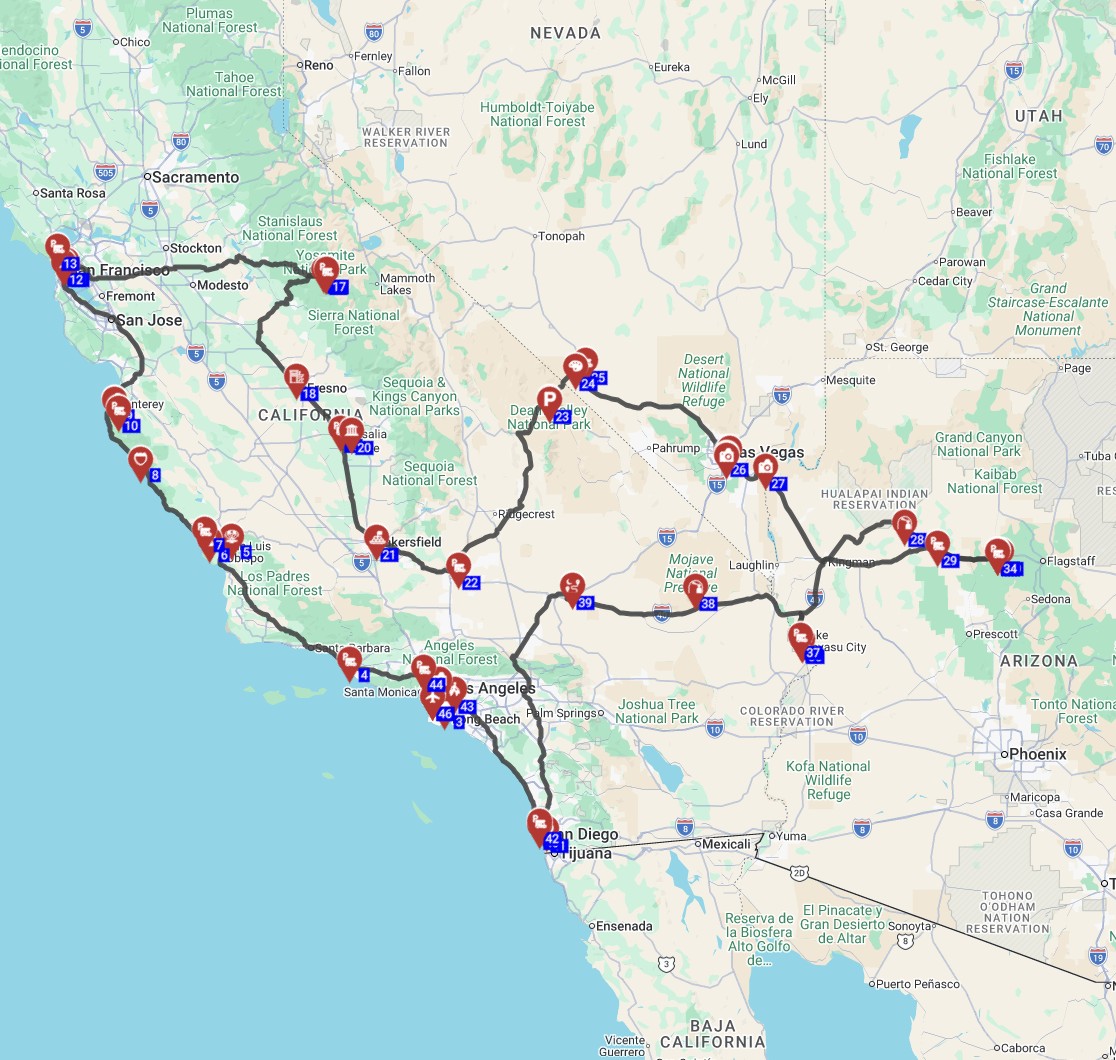
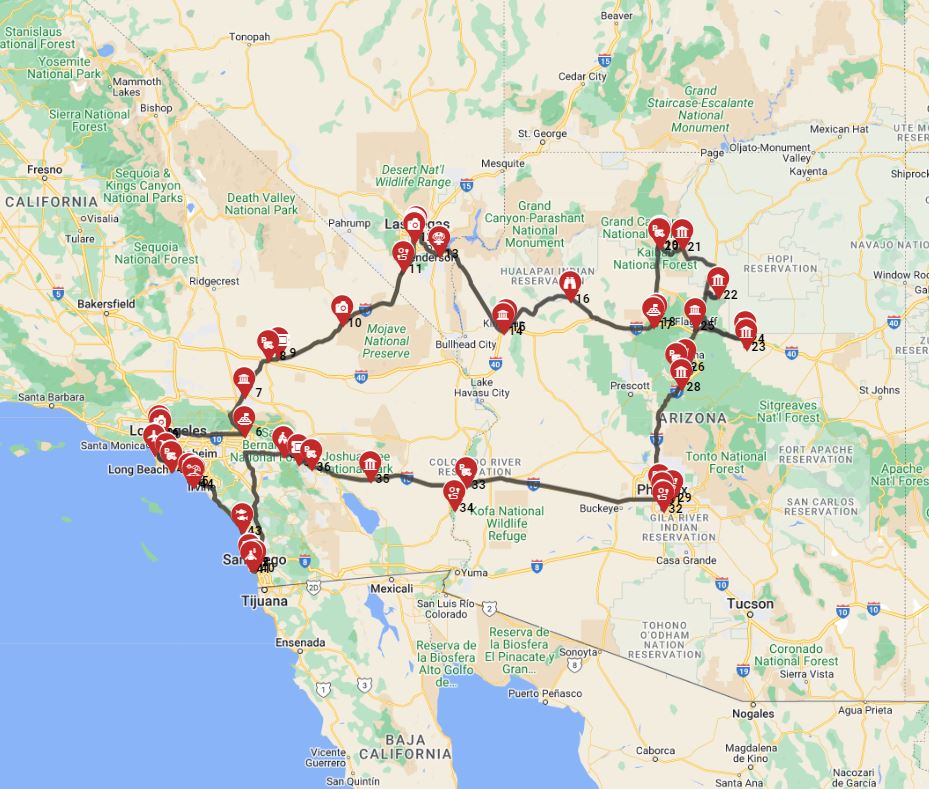
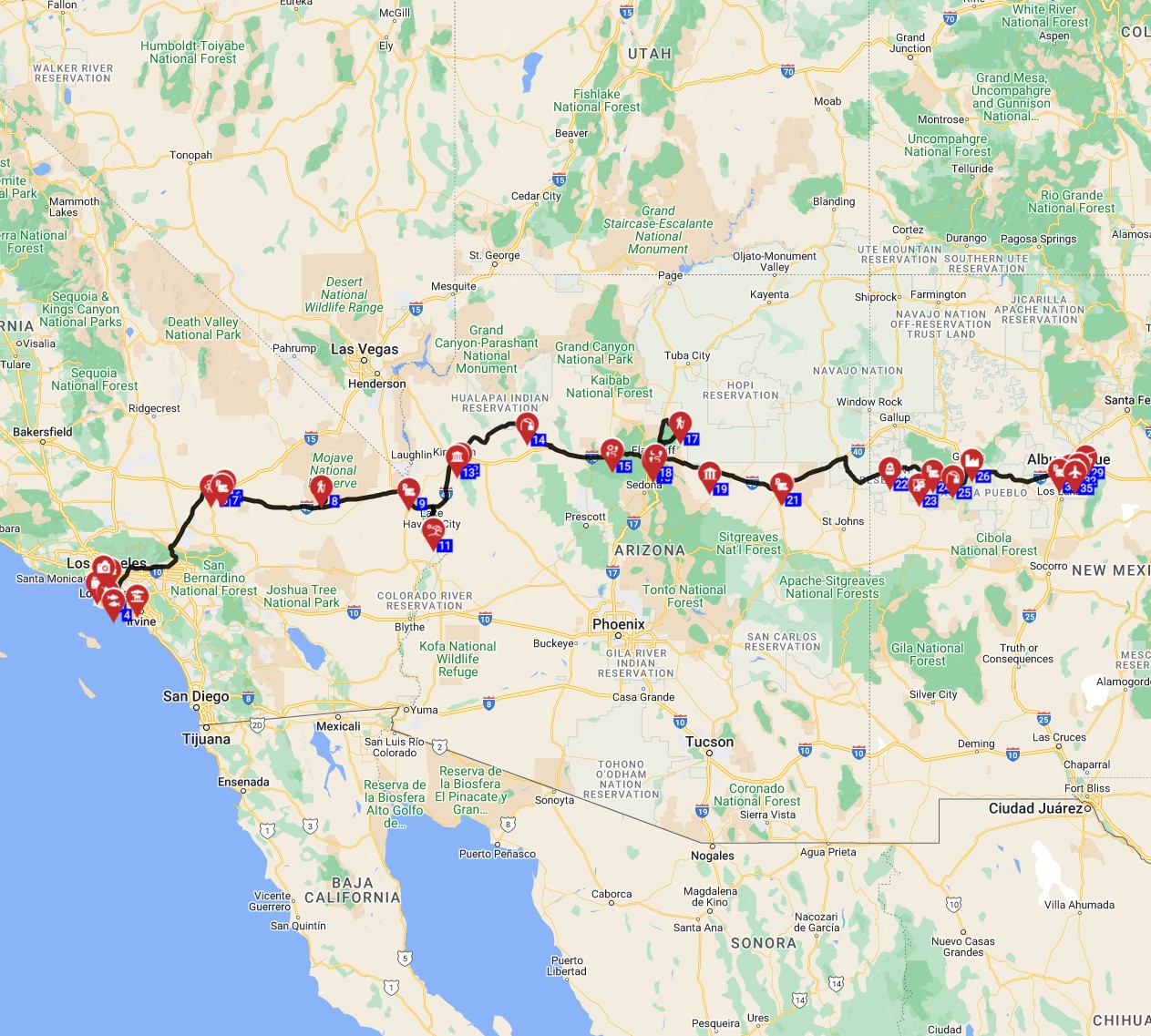
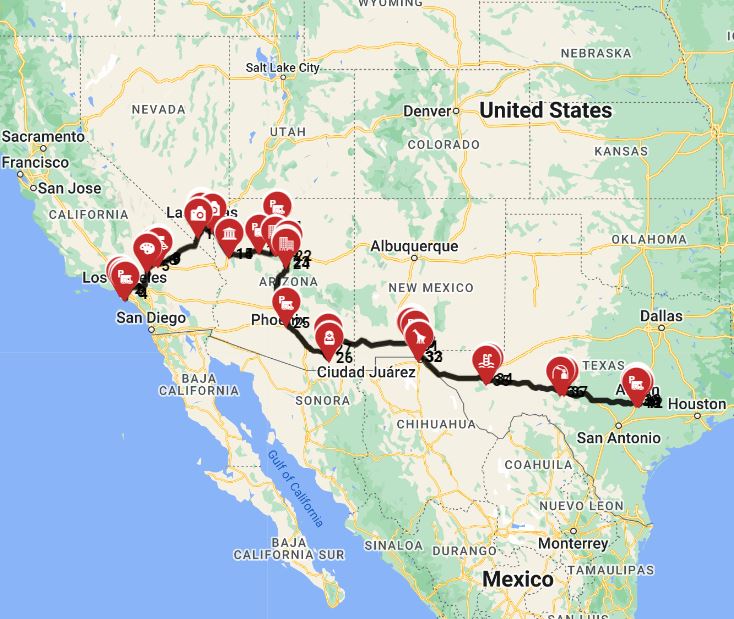
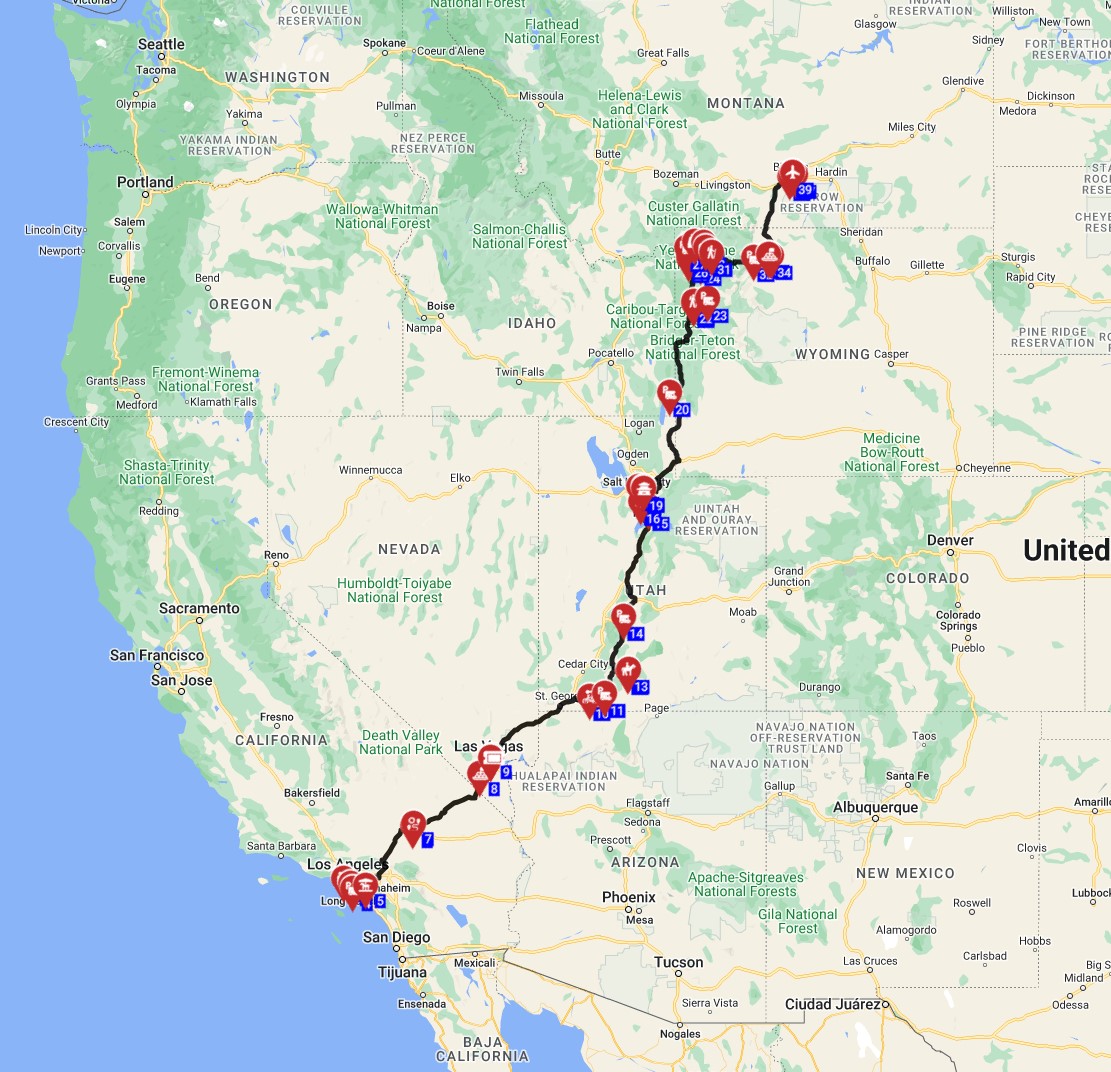
Beyond California's most popular national parks, the state offers unique off-the-beaten-path RV destinations that provide incredible experiences with fewer crowds. For instance, Anza-Borrego Desert State Park is renowned for its exceptional stargazing opportunities and vibrant spring wildflowers, offering over 500 miles of dirt roads for exploration. Another gem is Humboldt Redwoods State Park, where you can drive the scenic "Avenue of the Giants" through magnificent ancient redwood trees. Consider exploring California's diverse regional and county parks for unique natural attractions and often more readily available campsites. For a different kind of adventure, journey through California's Gold Rush history along Highway 49, visiting charming historic towns and lesser-known state historic parks like Bodie, a remarkably preserved ghost town. The "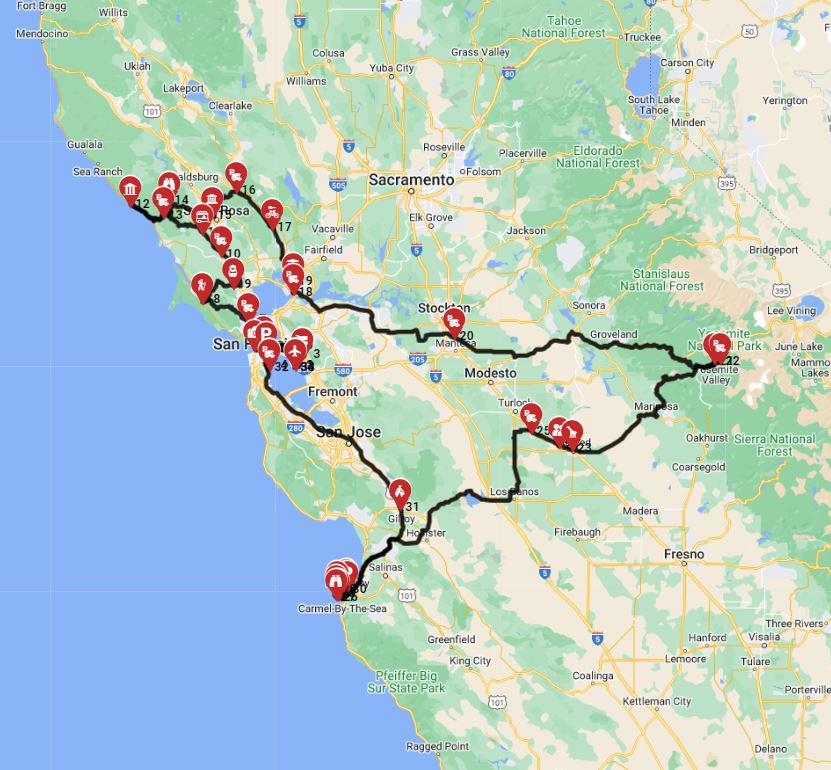
San Francisco Roundtrip
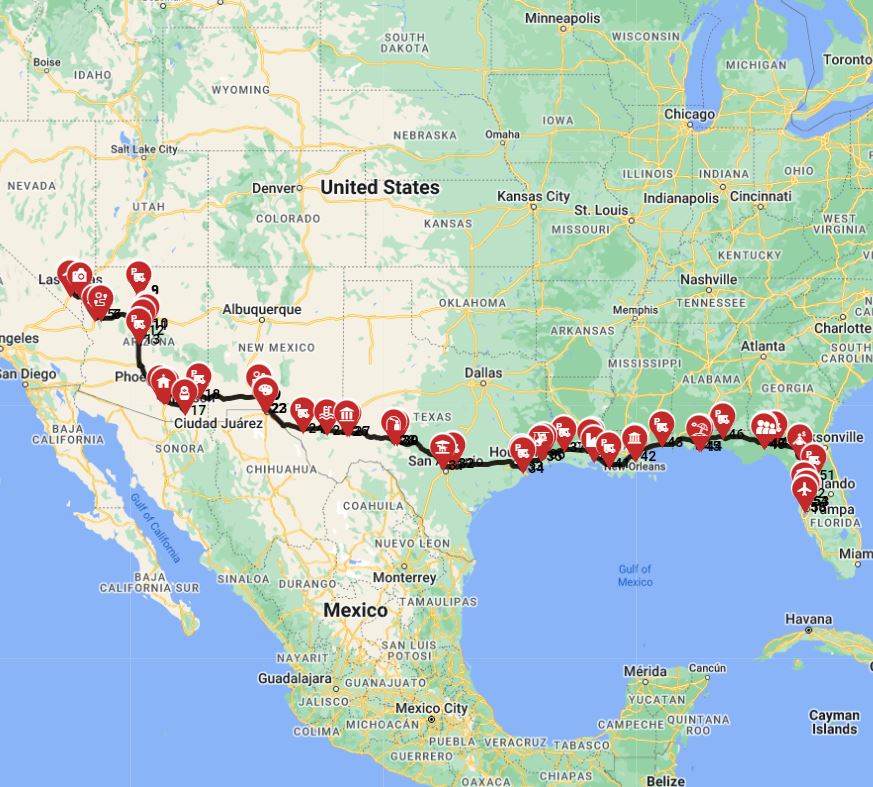
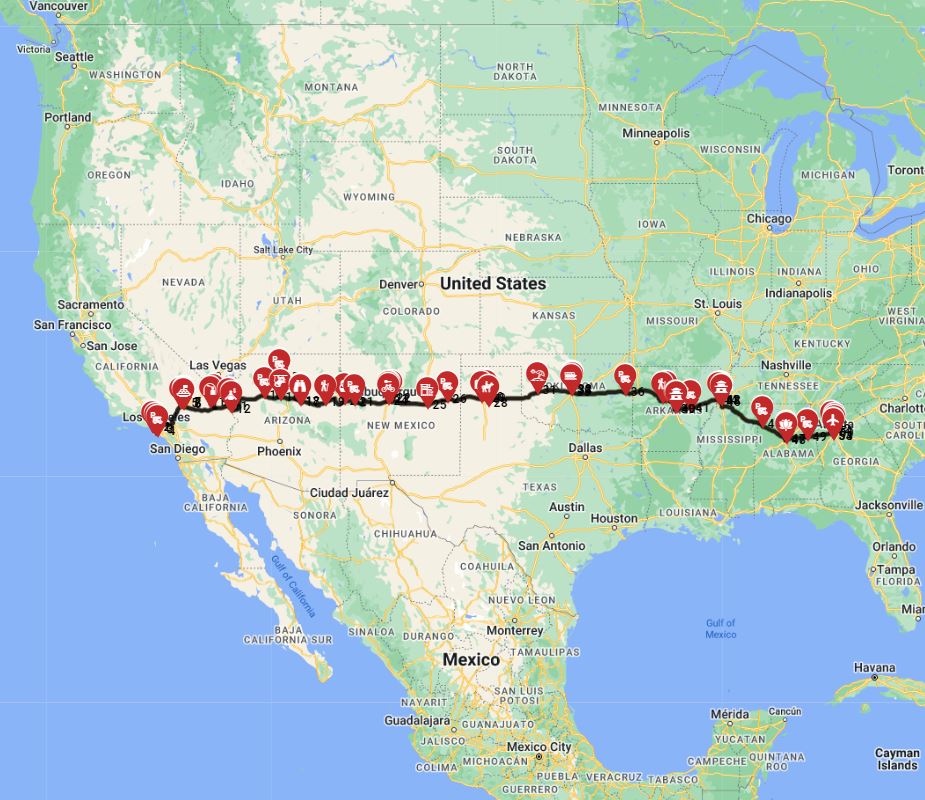
Charlotte to San Francisco - Southern Roots and California Shores
What are the Rules for Pet-Friendly RV Travel in California?
Pet-friendly RV travel in California is very much feasible, but rules for pets vary significantly across different types of parks and public spaces, often requiring leashes. In National Parks, pets are generally allowed in developed areas (campgrounds, paved roads, picnic areas) and must always be on a leash of 6 feet or less, but are typically prohibited on hiking trails and shuttle buses to protect wildlife and natural resources. California State Parks have diverse pet policies; some allow leashed pets in campgrounds and day-use areas, while others strictly forbid them on certain beaches or trails, so always check individual park regulations before arriving. Many California beaches offer specific dog-friendly sections or designated times when pets are permitted; always remember to clean up after your pet to maintain cleanliness. Private RV campgrounds are largely pet-friendly but consistently enforce leash rules, require waste cleanup, and some may have breed or size restrictions, so confirm policies when booking. For families traveling with their furry friends in a rented "Pet Friendly" Class C motorhome like the "24' Class C Motorhome", always research ahead to ensure a smooth trip for everyone.What You Shouldn't Miss
- **Drive the Pacific Coast Highway (Highway 1):** Experience one of the world's most iconic scenic routes, especially the Big Sur section, with breathtaking ocean views and dramatic cliffs. Stop at numerous overlooks and small coastal towns.
- **Explore Yosemite National Park:** Witness the grandeur of El Capitan, Half Dome, and Yosemite Falls. Plan campsite reservations well in advance, or arrive early for first-come, first-serve spots in shoulder seasons.
- **Visit Joshua Tree National Park:** Marvel at the surreal landscapes where the Mojave and Colorado deserts meet, filled with unique Joshua Trees and striking rock formations perfect for hiking and stargazing.
- **Discover the Redwoods National and State Parks:** Drive through ancient groves of the world's tallest trees, experiencing the quiet majesty of these natural giants. Don't miss the drive-through tree in Leggett!
- **Experience San Francisco's Charm:** Park your RV at a nearby campground and use public transit to explore landmarks like the Golden Gate Bridge, Alcatraz, and Fisherman's Wharf. Drive slowly and carefully, and you can drive almost anywhere without issues. No need to stress-just use common sense and pay attention.
- **Unwind in Lake Tahoe:** Enjoy the pristine alpine lake with opportunities for hiking, swimming, kayaking, and skiing depending on the season. Numerous RV-friendly campgrounds are available around the lake.
Final Thoughts
Embarking on a family RV driving adventure in California is more than just a trip; it's an opportunity to create lasting memories, explore diverse landscapes, and truly connect with the Golden State. Whether you're navigating the coastal roads or venturing into the desert, the freedom of a rented motorhome or campervan puts you in control of your journey. Remember to travel slowly, averaging max 100-150 km per day, allowing yourself to fully immerse in the culture, food, and stunning scenery that California offers. At Bandana RV, we are passionate about making your RV rental experience seamless and enjoyable. From transparent pricing to expert advice and comprehensive support, we're with you every step of the way. Compare Motorhome Prices for California today and start planning your unforgettable family road trip!On the routes offered through RV PLANET routes, you can itemize and track every expense along the way for easy budgeting.