For live availability and current prices, start with our RV Rental Atlanta - Complete Guide 2026 guide.
In This Guide
- Can You Drive an RV in Atlanta? License & Age Rules
- Road Conditions & Terrain in Atlanta
- RV Size Limits, Bridges & Restricted Zones
- Fuel: Diesel vs. Petrol & Cost per 100 km
- Tolls, Vignettes & Border Rules
- Driving Tips for family rv rental Travelers
- Recommended RV Class for Atlanta Roads
- Should I Choose a Compact Van Instead of a Large RV in Atlanta?
- Can I Park Anywhere? Free & Wild Camping Rules in Atlanta
- Can I Drive an RV Into the City Center? Heights, Tunnels & Local Signage
Can You Drive an RV in Atlanta? License & Age Rules
Georgia requires a standard Class C driver's license for most RVs under 26,001 pounds Gross Vehicle Weight Rating (GVWR), with specific age restrictions and rules for foreign drivers. Most family RV rentals, including Class C and Class B camper vans, fall within this standard Class C license requirement in Georgia. Drivers generally must be at least 21 years old to rent an RV, although specific rental agencies may impose higher age requirements, often 25 for larger Class A motorhomes. International Driving Permits (IDPs) are recommended for foreign drivers to supplement their home country license when operating an RV in Atlanta, though they are not always mandatory. For RVs exceeding 26,001 pounds GVWR or those towing a trailer over 10,000 pounds GVWR, a higher class license, such as a non-commercial Class A or B, may be necessary in Georgia.
Road Conditions & Terrain in Atlanta
Atlanta's road conditions present a varied landscape, combining urban sprawl with extensive interstate highway networks and surrounding hilly terrain, all of which demand attentive RV driving. The primary interstate highways, including I-75, I-85, and I-20, are generally well-maintained but are notorious for significant traffic congestion, particularly during peak rush hours. While the city center offers relatively flat urban stretches, the broader Atlanta metropolitan area features rolling hills and some steeper grades, especially when venturing towards the North Georgia mountains. Navigating smaller side streets in some of the city's older neighborhoods might involve tighter turns and less uniform pavement quality. For family RV renters, it's often advisable to plan routes that utilize the I-285 perimeter highway to bypass downtown traffic, encouraging the selection of slower, more scenic routes when feasible outside the immediate urban core.
RV Size Limits, Bridges & Restricted Zones
While there are no universal RV-specific width or length restrictions that typically affect most rental RVs in Georgia, drivers must remain vigilant for local signage, particularly regarding bridge clearances and any designated urban restricted zones. Georgia state law generally limits overall vehicle length for single vehicles to 40 feet (approximately 12.2 meters) and for combination vehicles (an RV towing a car) to 60-65 feet. The maximum width allowed is 8 feet 6 inches (2.59 meters), a dimension that most rental RVs comfortably fall within. Atlanta does feature several overpasses and underpasses; always observe posted bridge clearance signs diligently, especially when navigating older roads or entering parking structures. It's important to note that downtown Atlanta does not have widespread environmental zones that restrict RVs, but specific historic districts or privately owned lots may impose their own size limitations. Larger RVs, such as Class A motorhomes averaging around 8.9 meters in length and capable of sleeping up to 8 people, should meticulously plan their routes to avoid tight turns or low clearances that can be common in older city areas.
Fuel: Diesel vs. Petrol & Cost per 100 km
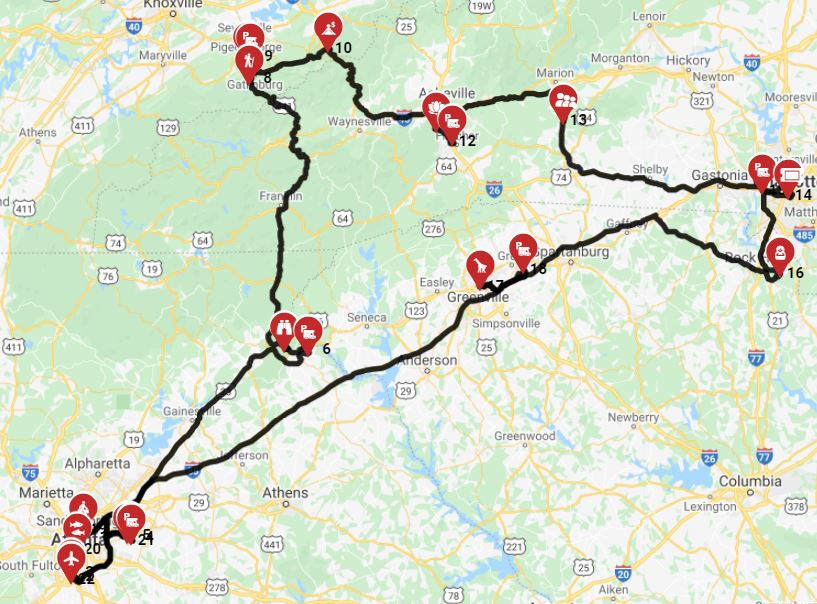
The majority of RVs available for family rentals in Atlanta will typically run on petrol (gasoline). However, some larger Class A motorhomes or specific diesel-spec models do utilize diesel fuel, which can influence where you stop for fuel and the associated costs. Many rental RVs, particularly the more compact Class C - Alcove and Class B - Camper Van models, are petrol-powered and petrol is readily available at service stations throughout Atlanta and the wider Georgia area. Diesel fuel is usually found at larger truck stops or at designated pumps within conventional gas stations. Based on Bandana's fleet data, a typical Class C - Alcove RV can average between 7-10 Miles Per Gallon, translating to approximately 23 Liters per 100 Kilometers. It's crucial for renters to budget for significant fuel expenses, especially on longer trips, as the cost per 100 km will fluctuate with current market fuel prices. Some rental providers may offer fuel discount cards, which can be a helpful way to offset these costs for family travelers. On the routes offered through RV PLANET routes, you can itemize and track every expense along the way for easy budgeting.
Tolls, Vignettes & Border Rules
Atlanta features several toll roads, most notably its Express Lanes, which RV drivers should be aware of. It's important to note that Georgia does not utilize a vignette system, and there are no immediate international borders to consider when renting an RV in Atlanta. The primary toll roads in Georgia consist of the I-75, I-85, and I-575 Express Lanes, which operate on dynamic pricing and offer faster travel for a fee; RVs are generally permitted to use these lanes. Payment for these tolls is often cashless, utilizing Peach Pass transponders or the "Toll by Plate" system, where cameras capture license plates and a bill is mailed, frequently with higher administrative fees. For rental RVs, it is highly advisable to inquire about obtaining a pre-purchased Peach Pass or a compatible transponder from the rental company. This can help avoid the higher "Toll by Plate" fees and potential fines. As Georgia borders other US states, there are no international border crossings or associated rules and fees relevant to family RV rentals originating in Atlanta.
Driving Tips for family rv rental Travelers
Safe and enjoyable RV travel in Atlanta with family involves mindful planning, especially concerning driving pace, route selection, and understanding the vehicle's handling characteristics. With family onboard, it’s essential to plan for frequent stops, ideally every 2-3 hours, to allow for rest, snacks, and bathroom breaks, which helps prevent driver fatigue and keeps passengers comfortable. Pre-planning your routes is crucial; utilizing RV-specific GPS or navigation apps can help identify suitable routes, avoiding low bridges, tight turns, or congested areas, particularly around Atlanta's city center. Always monitor the weather, as Atlanta can experience sudden thunderstorms; be prepared to pull over safely if visibility is significantly reduced. Remember that RVs are heavier and require longer braking distances than standard cars; practice gradual braking and maintain ample following distance, especially on Atlanta's busy interstates. Finally, pack smart: secure all loose items inside the RV before driving to prevent shifting, damage, and potential distractions while underway.
Recommended RV Class for Atlanta Roads
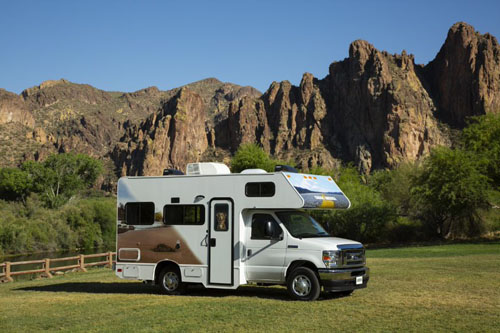
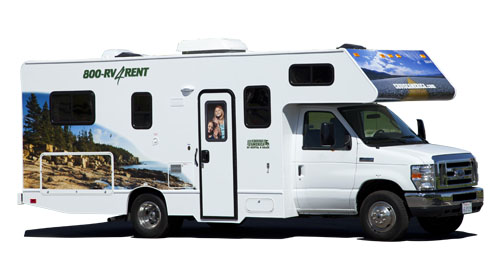
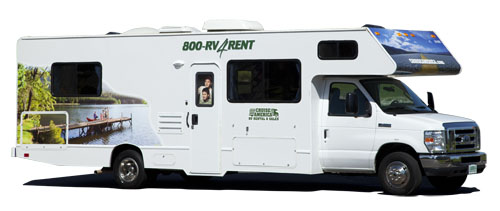
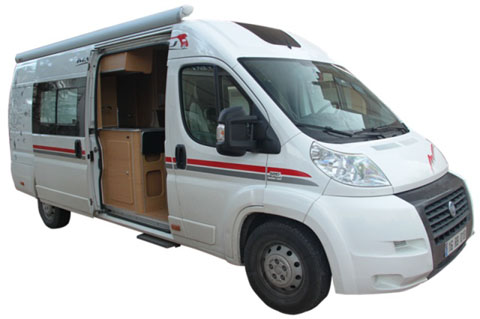
For navigating Atlanta's diverse blend of urban, suburban, and surrounding natural landscapes, Class C - Alcove and Class B - Camper Van RVs are generally well-suited for family renters. A Class C - Alcove RV, with an average length of 7.9 meters and the capacity to sleep up to 6 people, offers a good balance of living space for families and manageable size for Atlanta's roads, with their slightly higher driving position providing excellent visibility. The Class B - Camper Van, averaging 6.1 meters in length and sleeping up to 4, is highly maneuverable, making it an excellent choice for urban driving, fitting into smaller campsites, and navigating tighter city streets within Atlanta. While a Class A - Integrated RV, which averages 8.9 meters and can sleep up to 8 people, provides maximum comfort and space, its larger dimensions can present more challenges for city parking and navigating some of the potentially narrower routes around Atlanta. Ultimately, the best choice depends on your family's size, the desired amenities, and your comfort level with driving a larger vehicle.
Should I Choose a Compact Van Instead of a Large RV in Atlanta?
While a compact camper van offers superior maneuverability, a larger RV typically provides enhanced comfort and significantly more space for a family, and most RV sizes can comfortably navigate Atlanta's main thoroughfares. A Class B - Camper Van (averaging 6.1 meters) excels in urban settings, fitting into standard parking spots more easily and making turns in tighter city streets, which can be beneficial when exploring Atlanta's core. However, for family RV rental trips, a larger Class C - Alcove (averaging 7.9 meters) or even a Class A (averaging 8.9 meters) offers considerably more living space, separate sleeping areas, larger kitchens, and more complete bathrooms, enhancing the overall family experience. It's important to remember that Atlanta's major interstates and the I-285 perimeter highway are designed to accommodate large vehicles, meaning a larger RV won't inherently struggle on primary routes; the main concern for larger RVs is specific city parking or navigating very narrow historic roads. The decision therefore often comes down to the trade-off between ease of driving and parking (compact van) versus the quality of the living experience and amenities for the entire family (larger RV).
Can I Park Anywhere? Free & Wild Camping Rules in Atlanta
Free or "wild camping" in an RV is generally not permitted within Atlanta city limits or on private land without explicit permission, as strict regulations govern overnight parking. Overnight parking in public areas, residential streets, or retail parking lots (such as Walmart) is often prohibited or restricted by local ordinances in Atlanta. Designated campgrounds, RV parks, or state parks (like Stone Mountain Park or Red Top Mountain State Park) are the legal and safest options for overnight RV stays near Atlanta. Boondocking or wild camping on undeveloped public lands is largely restricted in Georgia, and specific areas for this are rare or nonexistent near a major metropolitan area like Atlanta. It's always recommended to check local regulations and adhere to local laws before parking overnight.
Can I Drive an RV Into the City Center? Heights, Tunnels & Local Signage
Yes, you can drive an RV into Atlanta's city center, but it requires careful attention to height restrictions, tunnel clearances, and local signage for safe navigation. Most primary routes into and through downtown Atlanta are accessible to RVs, including interstate connectors. Drivers must remain vigilant for posted height limits, particularly when approaching tunnels (though Atlanta has few significant ones directly downtown) or entering older parking structures. Local signage may also indicate specific traffic restrictions, one-way streets, or "no truck/RV" routes that drivers should strictly obey to avoid citations or difficult maneuvers. It is worth noting that parking a large RV in the city center can be challenging; consider utilizing public transit from an RV-friendly parking spot on the outskirts or from a nearby campground when planning to visit attractions.
What You Shouldn't Miss
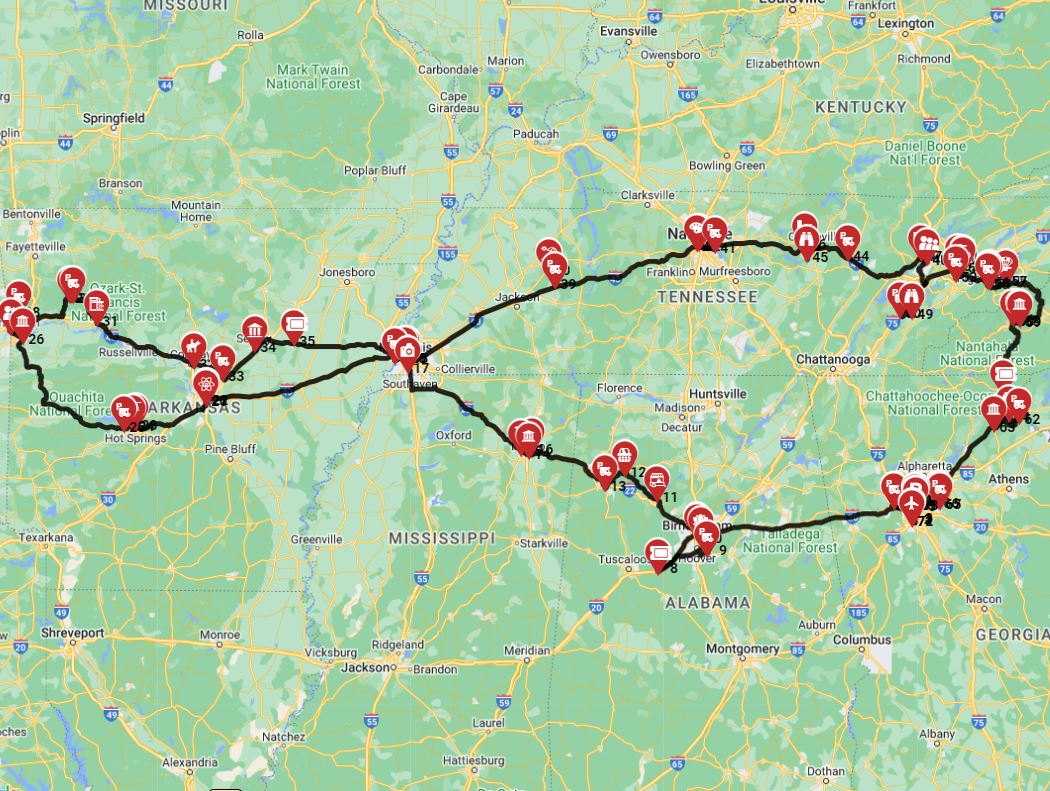
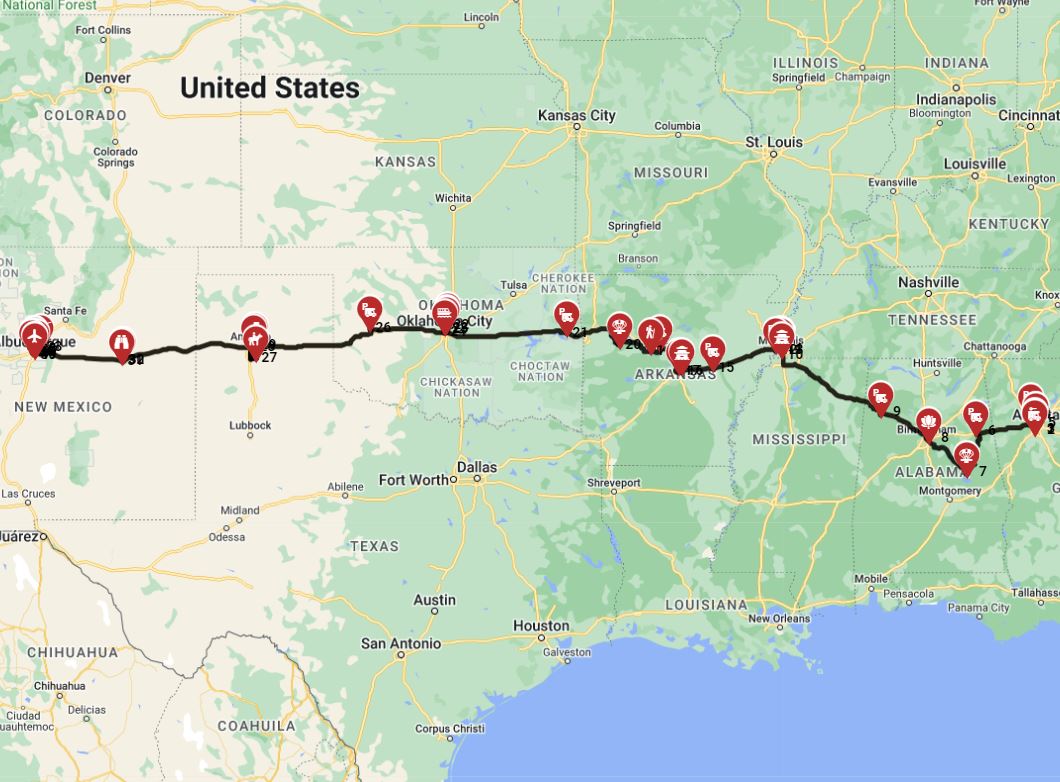
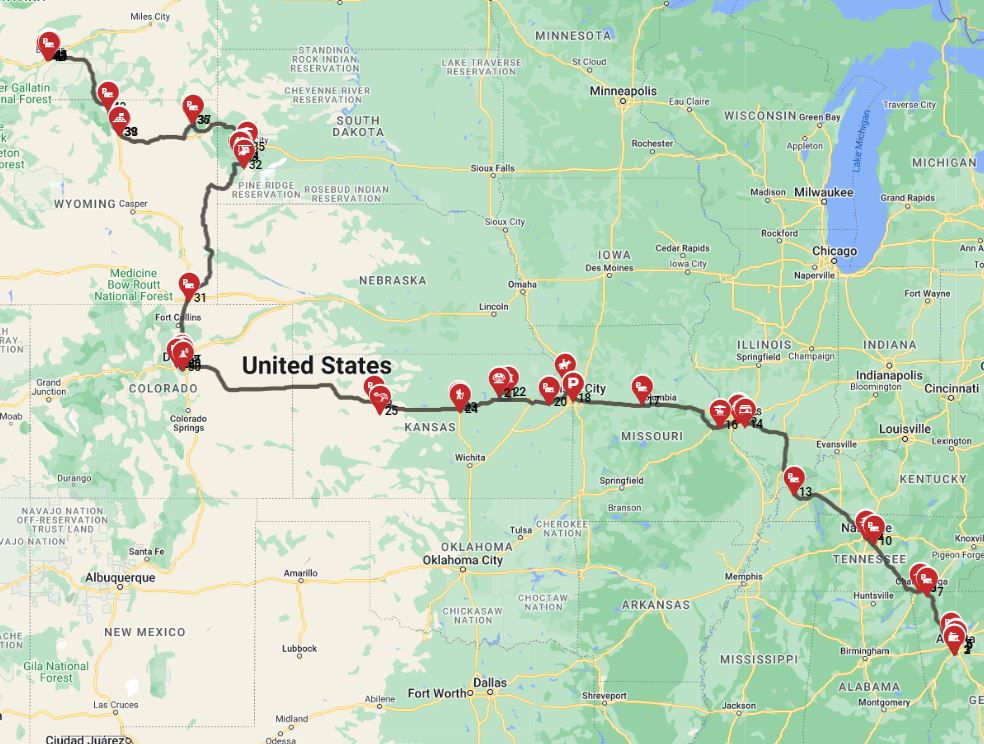
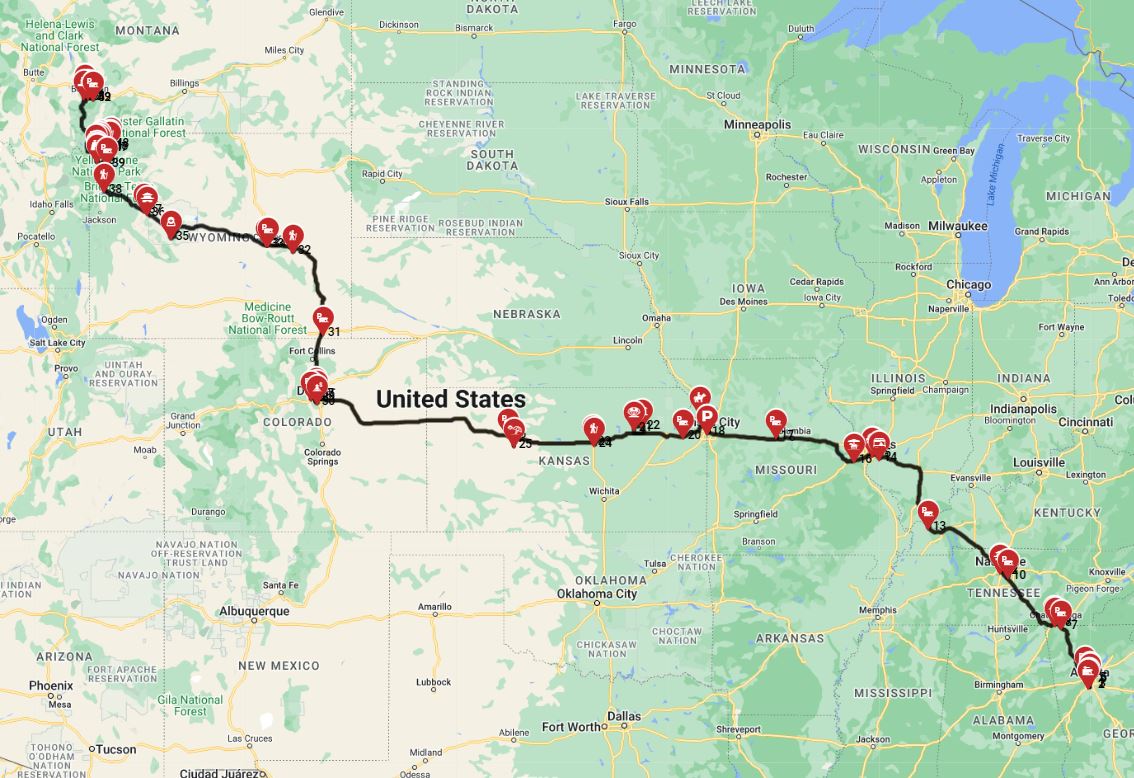
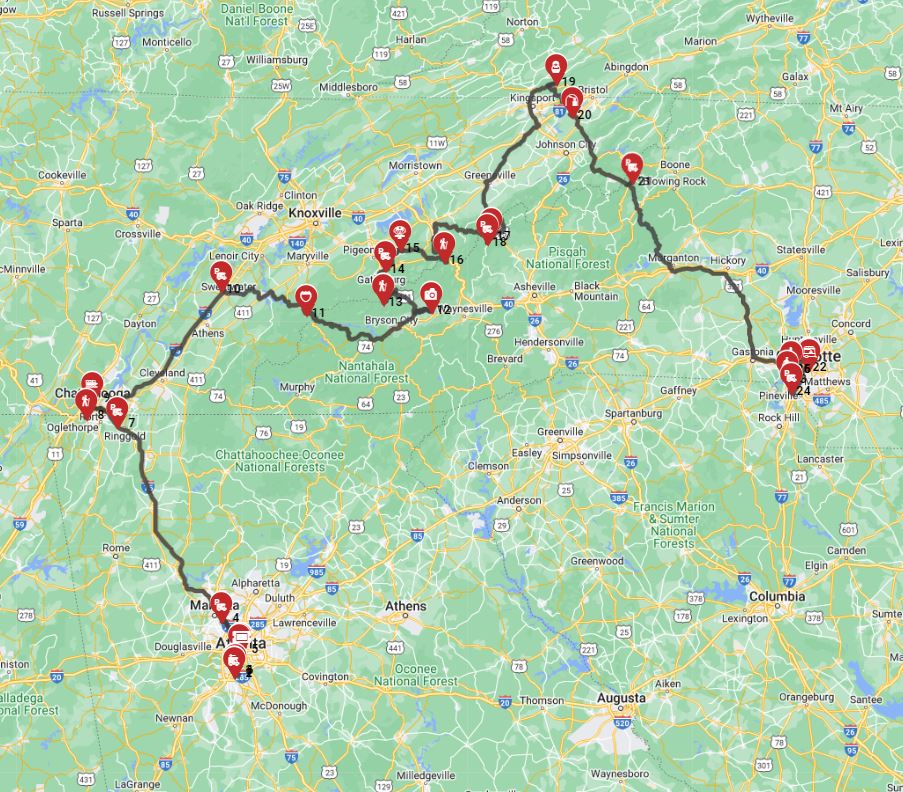
- Drive the scenic routes: While navigating Atlanta, consider incorporating segments of the Billings to Atlanta - Mountains, Music & Motorhomes route into your travels for a taste of Georgia's natural beauty, even if you're not doing the full 20-day trip.
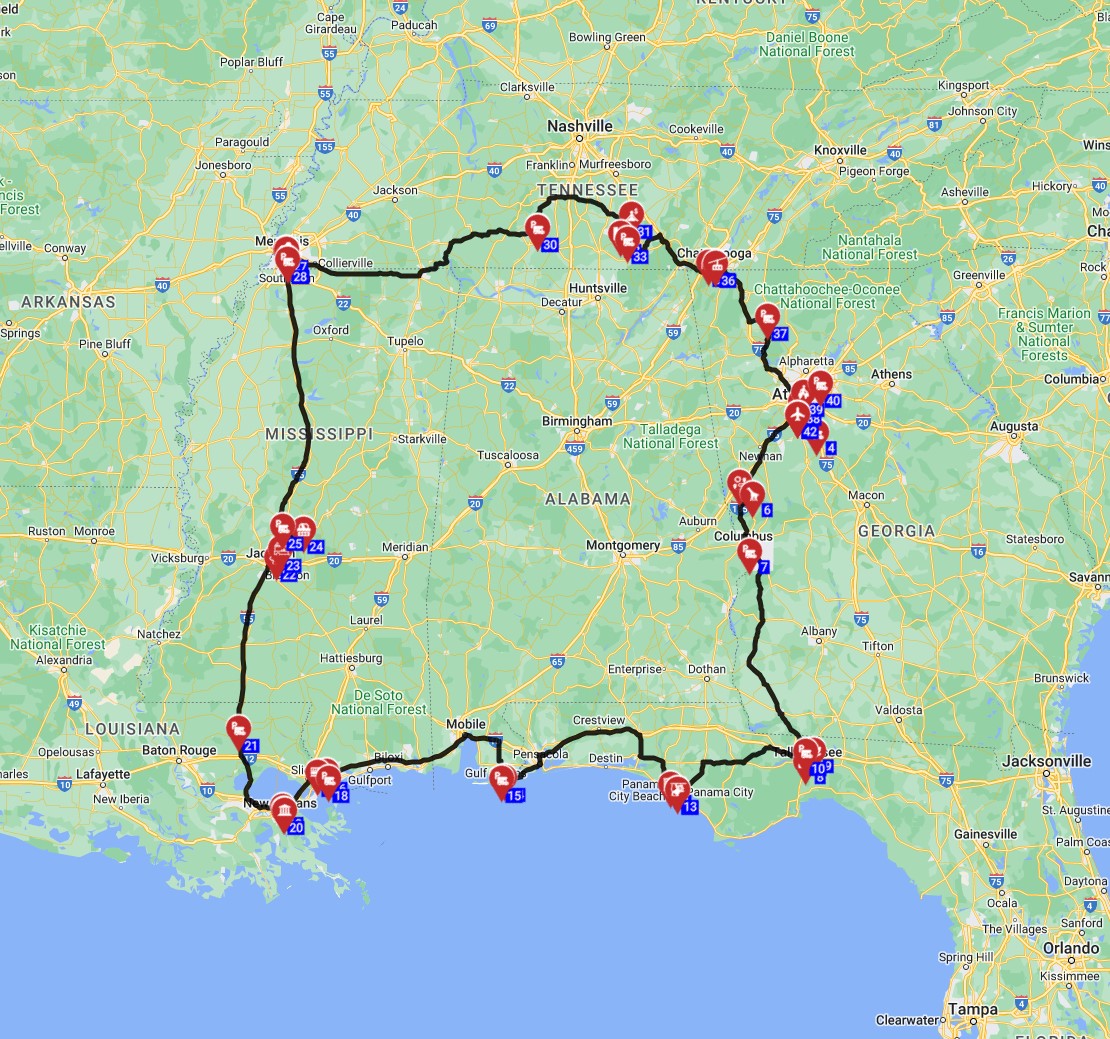
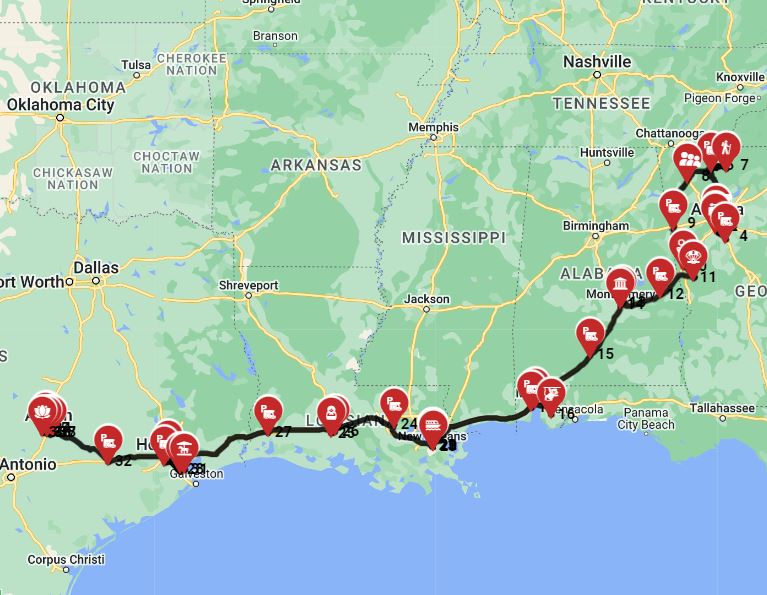
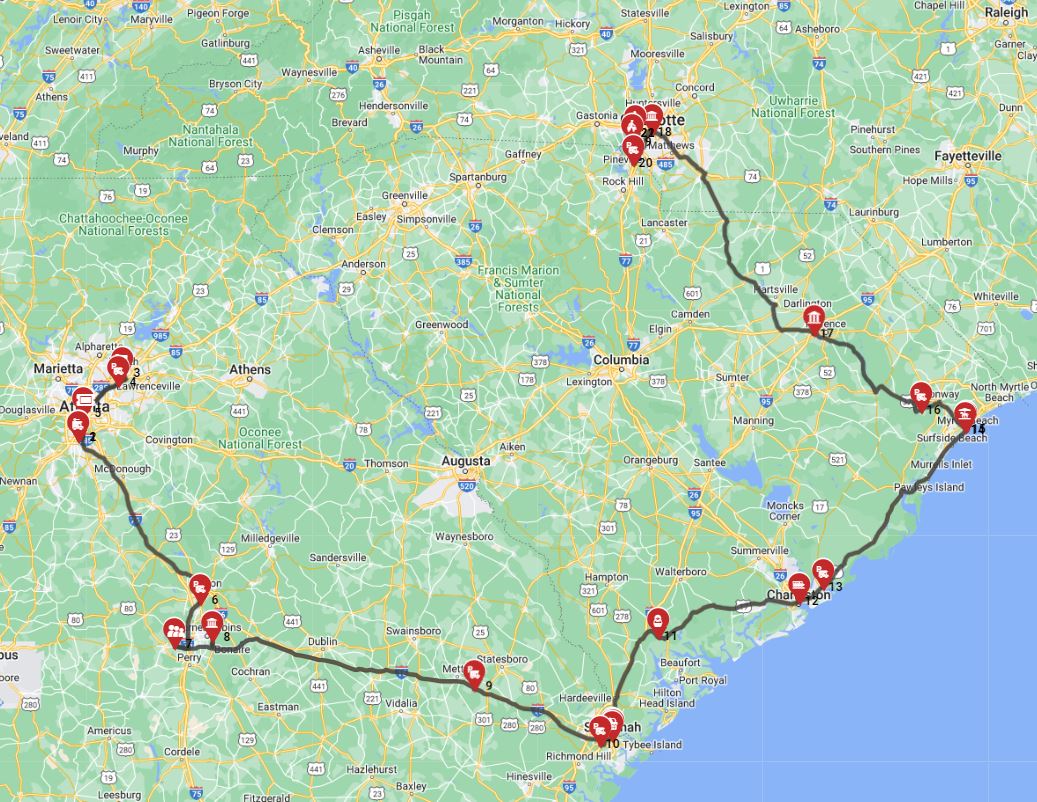
- Explore Stone Mountain Park: Just outside Atlanta, Stone Mountain offers not only camping but also hiking and historical sites. It's a great example of the 3 Tourist Attractions and 1 Natural Feature mentioned in the Atlanta Roundtrip - South West itinerary.
- Consider a longer trip: If time permits, the Billings to Atlanta - Mountains, Music & Motorhomes trip showcases the diversity of RV travel across the US, highlighting over 100 different types of attractions.
- Embrace slow travel: Utilize the driving tips about planning stops every 2-3 hours to truly enjoy the journey. This aligns with the spirit of the "3-3-3 rule" for RV travel, which encourages shorter driving days and longer stays to connect with the destination.
- Visit local attractions: Atlanta itself boasts numerous points of interest, museums, and cultural sites. Planning your route to include some of the 3 Tourist Attractions, 1 Museum, and 1 Science Site mentioned in the Atlanta Roundtrip - South West itinerary will enhance your experience.
Final Thoughts
Renting a family RV in Atlanta offers an unparalleled way to experience the vibrant culture and beautiful surrounding landscapes of Georgia. By understanding the local driving nuances, adhering to RV laws, and choosing the right vehicle, your family road trip can be both safe and incredibly memorable.
Remember to leverage resources like RV PLANET (rvplan.net) for detailed trip planning and campground information to make the most of your adventure. With Bandana Caravan, you're not just renting an RV; you're gaining a partner in creating unforgettable travel experiences.
Find Motorhome Rentals in Atlanta