For live availability and current prices, start with our RV Rental Asia - Complete Guide 2026 guide.
In This Guide
- Can You Drive an RV in Asia? License & Age Rules
- Road Conditions & Terrain in Asia
- RV Size Limits, Bridges & Restricted Zones
- Fuel: Diesel vs. Petrol & Cost per 100 km
- Tolls, Vignettes & Border Rules
- Driving Tips for Family RV Rental Travelers
- Recommended RV Class for Asia Roads
- Should I Choose a Compact Van Instead of a Large RV in Asia?
- Can I Park Anywhere? Free & Wild Camping Rules in Asia
- Can I Drive an RV Into the City Center? Heights, Tunnels & Local Signage
Can You Drive an RV in Asia? License & Age Rules
Yes, with the right documentation and adherence to local laws, you can drive an RV in Asia. For foreign drivers, a valid home country driving license, typically alongside an International Driving Permit (IDP), is generally required. Most standard car licenses, equivalent to a European Class B, permit driving RVs with a Maximum Authorized Mass (MAM) or Gross Vehicle Weight Rating (GVWR) up to 3,500 kg (approximately 7,716 lbs). However, RVs exceeding this threshold may require a higher license category, such as a C1, which is not usually covered by a standard car license. While the legal driving age in many Asian countries starts at 18, RV rental companies often impose a higher minimum age, commonly 21 or 23, for all drivers listed on the rental agreement to ensure responsible operation of the vehicle.
Road Conditions & Terrain in Asia
Road conditions across Asia vary dramatically, ranging from excellently maintained expressways in countries like Japan and South Korea to challenging unpaved or poorly maintained roads in more rural or developing regions. Family RV travelers should anticipate encountering diverse terrains, including mountainous passes, coastal routes, dense urban traffic, and sometimes narrow village roads. For a comfortable family RV journey, planning routes to prioritize well-maintained roads and allowing for slower travel speeds, especially on secondary routes, is crucial. Encouraging slow, scenic driving not only enhances safety but also allows families to better appreciate the diverse landscapes and cultural experiences Asia offers.
RV Size Limits, Bridges & Restricted Zones
RV size limits, particularly concerning height, width, and weight, are critical considerations for travel in Asia due to varying infrastructure, including low bridges, narrow tunnels, and city access restrictions. Many Asian cities, especially older ones, feature infrastructure not designed for large vehicles, meaning drivers must vigilantly watch for height clearances (e.g., 3.5-4 meters in urban tunnels) and weight limits on bridges. Environmental zones are becoming increasingly common in major urban centers across Asia, which may restrict access for certain vehicle types or ages, so pre-checking city-specific regulations is advisable. For island-hopping or crossing significant waterways, ferry services often impose their own length, width, and weight limitations, which must be confirmed in advance for family RVs.
Fuel: Diesel vs. Petrol & Cost per 100 km
Diesel is the predominant fuel type for most RVs and is widely available across Asia, with petrol also being common, particularly for smaller camper vans. Based on Bandana's global fleet averages, common fuel consumption rates are: Class SI - Semi-integrated at 10-11 Liters/100 km, Class C - Alcove at 10-12 Liters/100 km, Class B - Camper Van at 8-10 Liter/100 Km, Class A - Integrated at 8-11 Liter/100 Km, and Class TC - Truck Camper at 12-17 Liter/100 km. The average cost per 100 km for an RV in Asia varies significantly depending on the country's fuel prices, which fluctuate, making a precise figure impossible but allowing for budgeting based on consumption. While specific fuel-card perks are not universally guaranteed with every RV rental in Asia, it is worth inquiring with your provider if they offer any fuel discount cards or pre-pament options. On the routes offered through RV PLANET routes, you can itemize and track every expense along the way for easy budgeting.
Tolls, Vignettes & Border Rules
RV travel in Asia frequently involves navigating toll roads, particularly in countries like Japan, South Korea, and parts of China, which boast extensive expressway networks. Unlike some European systems, specific 'vignette' purchases are less common across all of Asia, but electronic toll collection systems are prevalent in more developed nations, often requiring special passes or payment methods. Border crossing rules for RVs in Asia can be complex, typically necessitating pre-arranged permits, specific visas for the vehicle and occupants, and sometimes a Carnet de Passages en Douane (CPD), especially for private vehicles crossing multiple borders (e.g., into China, Myanmar, or Laos). Some RV rental services may offer the convenience of pre-purchasing toll passes or provide clear guidance on local toll payment methods, which can help family RV travelers avoid fines and streamline their journey.
Driving Tips for Family RV Rental Travelers
To ensure a smooth and enjoyable journey for your family, consider these essential driving tips for your RV rental in Asia. Plan for frequent stops, ideally every two hours, to allow children to stretch, use facilities, and prevent restlessness, contributing to a more pleasant family journey. Opting for an RV with an automatic transmission can significantly ease driving in Asia's often varied traffic conditions and on challenging terrain. It's highly recommended to acquire a local SIM card immediately upon arrival for reliable GPS navigation, essential communication, and internet access, which is crucial for safety and planning. Familiarize yourself with local driving customs and etiquette, such as prevalent scooter traffic, horn usage, and right-of-way rules, to ensure a safer and more respectful travel experience. Always keep a supply of water, snacks, and age-appropriate entertainment readily accessible within the RV to keep family members comfortable and engaged during travel periods.
Recommended RV Class for Asia Roads
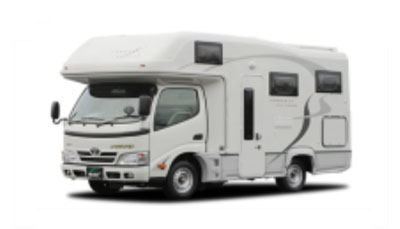
For family RV travel in Asia, Class C - Alcove and Class SI - Semi-integrated RVs are generally recommended as they offer an optimal balance of spaciousness for families and manageable dimensions for varied road conditions. Class C - Alcove RVs, averaging 7.5 meters in length and sleeping around 5.8 people, provide generous living and sleeping space, making them ideal for families prioritizing comfort and separate sleeping areas. Class SI - Semi-integrated RVs, with an average length of 6.9 meters and accommodating about 3.8 people, present a slightly more compact option, offering improved maneuverability in tighter spots without sacrificing significant family amenities. Both these classes typically offer adequate ground clearance for navigating a range of Asian roads, from highways to some less-developed routes, ensuring a versatile and comfortable family adventure.
Should I Choose a Compact Van Instead of a Large RV in Asia?
While compact vans offer superior maneuverability in very tight urban centers or narrow mountain passes, larger RVs generally provide greater comfort and indoor space, which often presents a better trade-off for family RV travel in Asia. Class B Camper Vans, averaging 5.8 meters in length, are easier to park and navigate through congested areas and typically offer better fuel efficiency (8-10 Liters/100 Km), suiting adventurous couples or small families with minimalist needs. However, for families requiring separate sleeping areas, more storage, and enhanced onboard amenities, a larger Class C (average 7.5m length) or Class SI (average 6.9m length) RV significantly boosts comfort, especially on longer trips. The decision hinges on your specific itinerary: opt for a compact van if urban exploration or very remote, narrow routes are primary, but lean towards a larger RV if family comfort, ample space, and less restrictive main road travel are priorities.
Can I Park Anywhere? Free & Wild Camping Rules in Asia
Free or wild camping for RVs in Asia is generally less formalized and more region-dependent than in Western countries, with rules varying significantly by country and local jurisdiction. In developed countries like Japan and South Korea, designated campsites, caravan parks, or 'Michi-no-Eki' (roadside stations in Japan) are often preferred or required for overnight parking. In Southeast Asian countries such as Thailand, Vietnam, or Laos, wild camping might be tolerated in very rural areas, but it is always advisable to seek permission from local landowners or authorities for safety and cultural respect. Rules vary by region – always check local regulations and follow local law before parking overnight, and prioritize safety, leave no trace, and respect local customs to ensure a responsible travel experience.
Can I Drive an RV Into the City Center? Heights, Tunnels & Local Signage
Yes, it is generally possible to drive an RV into city centers in Asia, but drivers must exercise extreme vigilance for local signage, particularly regarding height restrictions, narrow tunnels, and designated environmental zones. Major Asian cities, such as Tokyo, Bangkok, or Seoul, have complex road networks where low bridges, narrow streets, pedestrian-priority zones, and residents-only areas are common, necessitating careful route planning. Always pay close attention to blue signs indicating permissible vehicle types and red signs denoting prohibitions or restrictions, especially for height, width, and weight limits. While most modern RVs are within standard road legal limits, older city infrastructure may pose challenges; pre-checking routes with Google Street View or local navigation apps for potential bottlenecks is highly recommended for a smoother family journey.
What You Shouldn't Miss
- Experience Japan's Michi-no-Eki: Utilize these fantastic roadside stations for free overnight parking, fresh local produce, and clean facilities, offering a unique glimpse into Japanese hospitality and a convenient amenity for RV travelers.
- Navigate India's Roads with Caution: Embrace the organized chaos of Indian traffic, where diverse vehicles, pedestrians, and animals share the road, making driving an RV an unforgettable adventure that requires focus and adaptability.
- Discover Thailand's Island Routes: Explore the stunning coastal roads and picturesque islands of Thailand by RV, taking advantage of the generally good road conditions on main routes and the warm climate for an enjoyable family trip.
- Embrace South Korea's Modern Infrastructure: Enjoy RV travel on South Korea's well-maintained highways and discover dedicated RV campgrounds, offering a comfortable and modern experience for families exploring the country's rich history and natural beauty.
- Adapt to Diverse Driving Cultures: Be prepared for the varying driving styles and customs across Asia, from the disciplined traffic in Japan to the more free-flowing approach in Southeast Asia, always prioritizing safety and cultural respect.
Final Thoughts
Embarking on an RV adventure across Asia is an unparalleled way to experience the continent's incredible diversity. From bustling cities to serene landscapes, a rented RV offers the freedom and flexibility to explore at your own pace. Remember to plan ahead, be prepared for varying road conditions, and embrace the local culture. With Bandana Caravan, you're not just booking a vehicle; you're unlocking a world of possibilities for an unforgettable family journey.
We encourage you to explore the possibilities and discover the ease of planning your next great escape. Let Bandana Caravan help you navigate the world, one adventure at a time!
Get inspired for your next trip! Discover top destinations, planning tips, all in one place! Plan a trip itinerary in advance with minimal effort and maximum enjoyment.