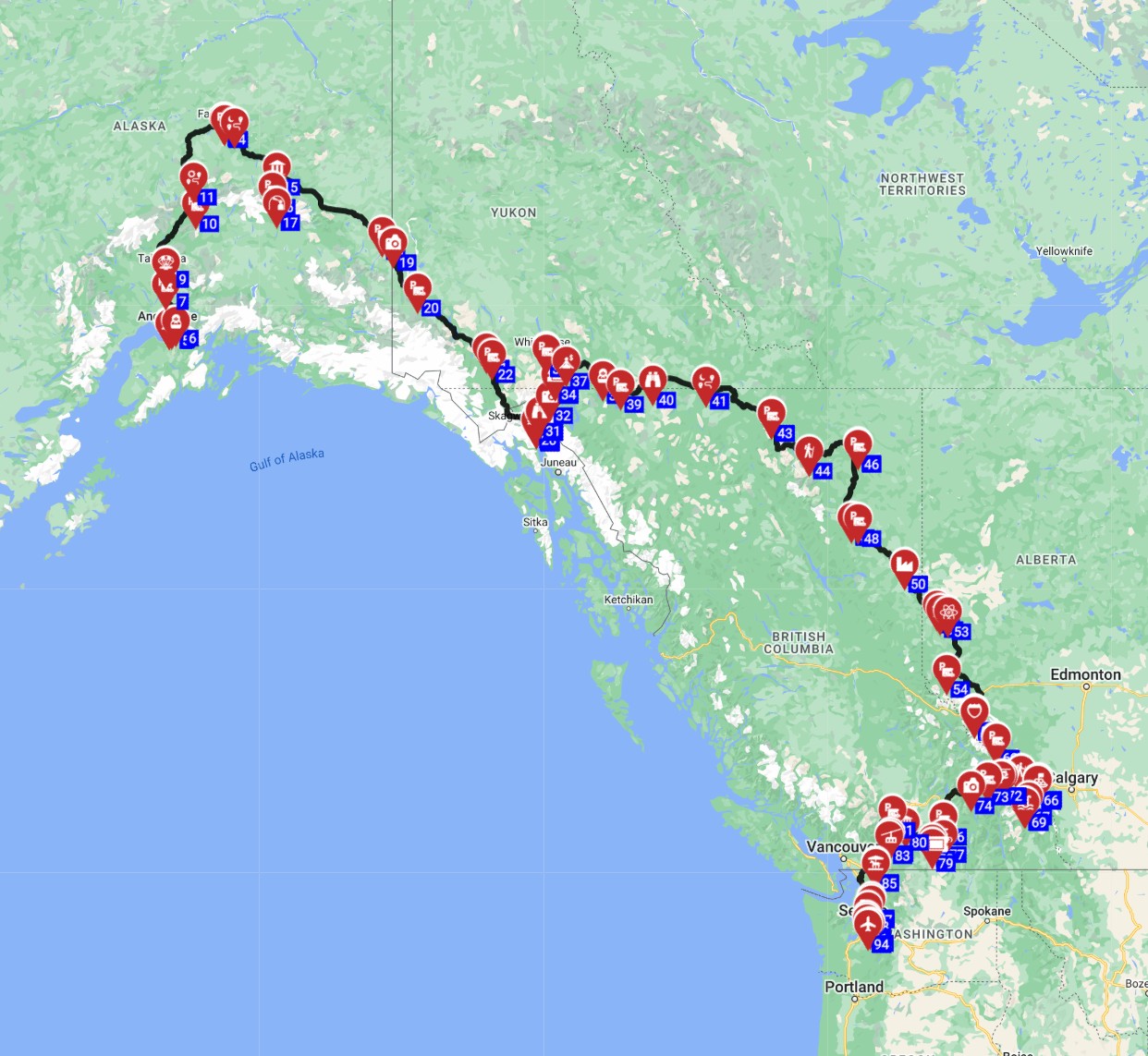
In This Guide
- Can You Drive an RV in Alaska? License & Age Rules
- Road Conditions & Terrain in Alaska
- RV Size Limits, Bridges & Restricted Zones
- Fuel: Diesel vs. Petrol & Cost per 100 km
- Tolls, Vignettes & Border Rules
- Driving Tips for Rv rental Travelers
- Recommended RV Class for Alaska Roads
- Should I Choose a Compact Van Instead of a Large RV in Alaska?
- Can I Park Anywhere? Free & Wild Camping Rules in Alaska
- Can I Drive an RV Into the City Center? Heights, Tunnels & Local Signage
- Do you need a special license to drive an RV in Alaska?
- Do you have to have a special license to drive a 30 ft RV?
- Can I drive my RV to Alaska?
- Can I park my RV anywhere in Alaska?
- What is the 3-3-3 rule for RV living?
- Can you sleep in an RV while driving in the USA?
- Can you turn left on a red light in Alaska?
- How do I transfer my license to Alaska?
- Do I need to register my trailer in Alaska?
Imagine yourself on the open road, vast wilderness stretching before you, and the freedom of Alaska unfolding from the comfort of your rented motorhome or campervan. Driving an RV in Alaska offers an unparalleled adventure, allowing you to discover remote landscapes and iconic national parks at your own pace. With Bandana RV, we're here to make that dream a reality, providing full transparency and expert guidance every step of the way. For live availability and current prices, start with our RV Rental Alaska - Complete Guide 2026 guide, offering a comprehensive overview of what to expect.
Can You Drive an RV in Alaska? License & Age Rules
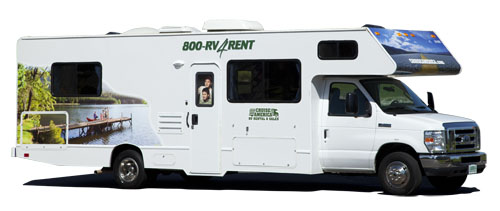
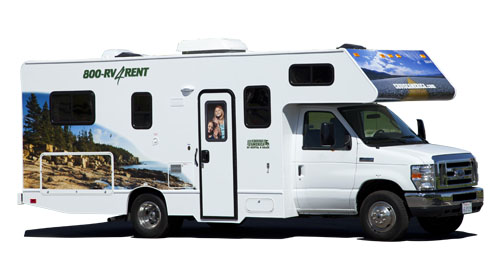
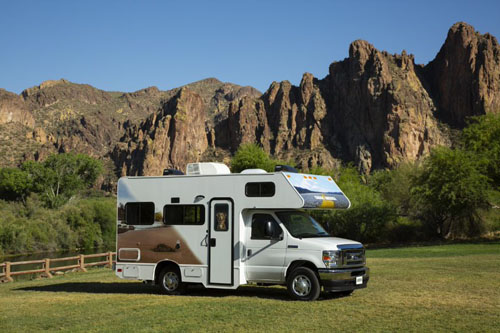
A standard Class D driver's license is typically sufficient for driving most recreational vehicles (RVs) in Alaska, provided the Gross Vehicle Weight Rating (GVWR) is under 26,001 pounds. This applies to all Class A, Class B, and Class C motorhomes and campervans available for rent through our partners like El Monte and Cruise America. Drivers must generally be at least 21 years old to rent an RV in Alaska, and Bandana RV does not impose young driver surcharges or vehicle class restrictions based on age, making it accessible for a wide range of adventurers. Foreign visitors can usually drive a rented motorhome in Alaska with a valid driver's license from their home country for up to 90 days, and while an International Driving Permit (IDP) is recommended for visitors from non-English-speaking countries, it is generally not mandatory.
Road Conditions & Terrain in Alaska
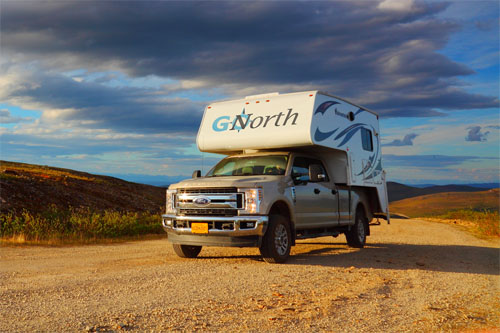
Alaska's road conditions can vary significantly, ranging from well-maintained paved highways to gravel roads, especially in more remote areas. The terrain predominantly features mountainous regions, vast tundras, and coastal routes, necessitating careful driving and awareness of changing weather. Many popular routes, such as the Seward Highway, Parks Highway, and Glenn Highway, are generally suitable for motorhomes and campervans but often involve winding roads and elevation changes, encouraging slower, scenic travel. Drive slowly and carefully, and you can drive almost anywhere without issues. No need to stress - just use common sense and pay attention. Alaska’s natural beauty is best enjoyed at a leisurely pace, typically averaging no more than 100-150 km per day.
RV Size Limits, Bridges & Restricted Zones
Alaska generally does not impose strict overall length limits for single recreational vehicles, but drivers should be mindful of maneuverability, especially on smaller roads or in campgrounds. While specific low bridges are rare on major RV routes, drivers should always observe posted height and weight restrictions, particularly when entering state parks or navigating older infrastructure. Certain areas, like narrow ferry routes to specific islands or unpaved wilderness trails, may have size or weight restrictions. Environmental zones are not common in Alaska for RVs, meaning you won't typically encounter areas with emissions-based entry restrictions. Choosing a comfortable Class C or even a spacious Class A motorhome for your Alaskan journey will allow you to enjoy all the amenities of home without undue concern over size on main routes.
Fuel: Diesel vs. Petrol & Cost per 100 km
Both diesel and petrol (gasoline) are widely available in Alaska, though diesel stations can be less frequent in extremely remote areas; it's advisable to fill up when opportunities arise. Based on Bandana's global fleet averages and an estimated 2026 diesel price of ~$1.19/liter in Alaska, approximate fuel costs per 100 km for various motorhome and campervan classes are: On the routes offered through RV PLANET routes, you can itemize and track every expense along the way for easy budgeting.
- Class SI (Semi-integrated) averages 10.5 L/100 km, costing approximately $12.48 per 100 km.
- Class C (Alcove) averages 11 L/100 km, costing approximately $13.08 per 100 km.
- Class B (Camper Van) averages 9 L/100 km, costing approximately $10.70 per 100 km.
- Class A (Integrated) averages 10 L/100 km, costing approximately $11.89 per 100 km.
Some RV rental partners may offer fuel discount cards, which can help offset these costs. For comprehensive budgeting and to itemize every expense along the way, we highly recommend planning your trip using RV PLANET routes.
Tolls, Vignettes & Border Rules
Alaska does not have any toll roads or vignette systems for standard highways, meaning you won't encounter electronic tolls or require a sticker for road usage within the state. This simplifies travel planning and helps keep your overall trip costs down. However, when driving to Alaska from the lower 48 states, travelers will pass through Canada, where specific entry requirements apply for both vehicles and passengers. Drivers should ensure all vehicle registration and insurance documents are current and accessible when crossing international borders. Always double-check current travel advisories and border regulations for both Canada and the USA before your departure to ensure a smooth journey.
Driving Tips for Rv rental Travelers
An RV adventure through Alaska is truly magical, and with a few practical tips, you can ensure a smooth and enjoyable journey:
- Plan Frequent Stops: For families, aim for stops every 2-3 hours to allow children to stretch and explore, aligning with Alaska's many scenic pull-offs and small towns.
- Monitor Wildlife: Alaska is rich in wildlife; always drive cautiously, especially at dawn and dusk, and be prepared to stop suddenly for animals like moose or bears. Keeping a safe distance from wildlife is crucial for both your safety and theirs.
- Carry Emergency Supplies: Given the vast distances between services, pack extra food, water, a first-aid kit, and an emergency roadside kit. Connectivity can be sparse in remote areas, so having physical maps and satellite communication is a wise addition.
- Check Weather Conditions: Alaskan weather can change rapidly; regularly check forecasts and road conditions, especially when traveling through mountain passes or during shoulder seasons. Preparation is key to enjoying all seasons safely.
- Book Campgrounds in Advance: During peak summer months, popular campgrounds can fill quickly, so secure your spots ahead of time to avoid scrambling for overnight parking. Keep in mind that many national/state parks reserve only 25-30% of spots; the rest are first-come-first-serve. You'll find a spot. If not at the first campground, then the next one. Call ahead before driving to confirm availability. For finding campsites and campgrounds during your trip, we recommend using RV PLANET (rvplan.net) - a great resource for locating available spots along your route.
Recommended RV Class for Alaska Roads
For optimal navigation of Alaska's diverse roads, the Class B (Camper Van) or Class SI (Semi-integrated) motorhomes are highly recommended due to their balance of maneuverability and comfort. Class B Camper Vans, often averaging around 5.8 meters in length, such as the "rv rental denver example Category Van" or "Active Standard Auto," offer excellent agility for winding roads and easier parking, making them ideal for couples or small families seeking flexibility. Class SI Semi-integrated RVs, typically around 6.9 meters in length, like the "2 Berth Rover," provide more living space and amenities while remaining relatively easy to drive, suitable for families of 3-4 looking for a comfortable adventure. While larger Class C and Class A motorhomes also handle Alaska's main routes beautifully, these smaller classes offer a bit more flexibility for spontaneous stops and navigating smaller towns.
When selecting your ideal rental motorhome, consider how much space your family needs for sleeping and preparing meals. Many of our models come equipped with gas stoves and refrigerators, perfect for cooking up hearty breakfasts or campfire dinners. Discover more meal ideas with our RV-friendly recipes playlist.
Should I Choose a Compact Van Instead of a Large RV in Alaska?
For most major Alaskan routes and destinations, there is usually no inherent issue with driving any size RV; the choice often comes down to comfort preferences versus minor maneuverability gains. Drive slowly and carefully, and you can drive almost anywhere without issues. No need to stress - just use common sense and pay attention. A compact van, such as a Class B Camper Van like a "Combi Van", genuinely helps in very specific scenarios like navigating exceptionally narrow, unpaved backroads, finding parking in crowded small towns, or accessing primitive campsites. However, a larger RV (like a Class C or Semi-integrated motorhome, such as a "24' Class C Motorhome" or "Category Family 5 AT") offers significantly more indoor living space, greater storage capacity, and enhanced amenities, which can be a better trade-off for longer trips or those traveling with family. Ultimately, the decision balances the desire for easier handling in rare tight spots against the considerable comfort and convenience benefits of a larger home-on-wheels during an extended Alaskan journey. Bandana RV offers a diverse fleet through partners like Cruise America and Apollo, ensuring you find the perfect fit.
Can I Park Anywhere? Free & Wild Camping Rules in Alaska
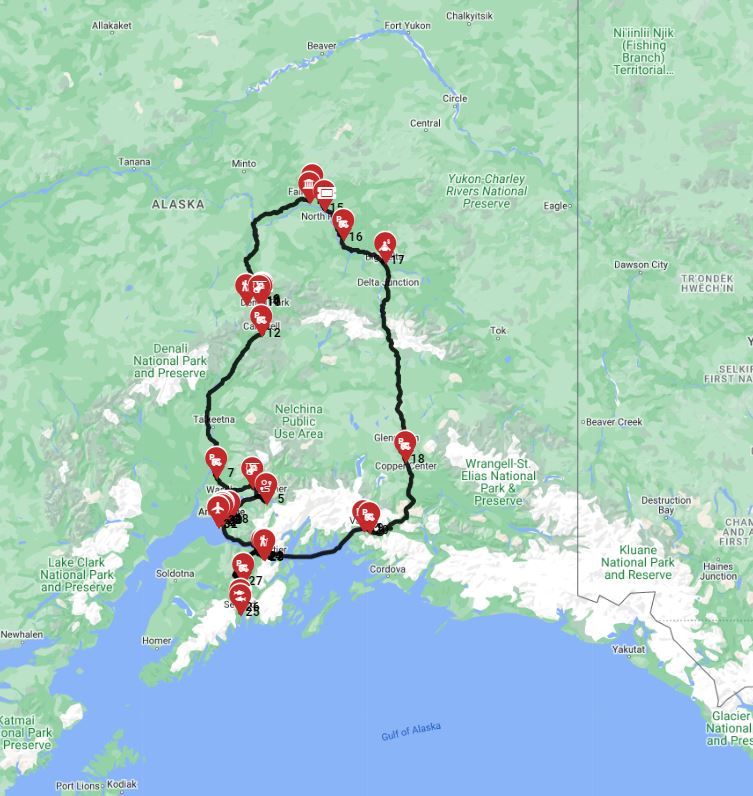
While tempting, you cannot legally park a rented RV just anywhere in Alaska for overnight stays, as regulations vary by land ownership and local ordinances. Dispersed camping (or boondocking) is generally permitted and popular on federal lands managed by the Bureau of Land Management (BLM) and in some National Forests, provided you adhere to Leave No Trace principles, which includes packing out all trash and properly disposing of waste. State parks and designated campgrounds typically require fees for overnight parking, offering amenities like hookups and dump stations. Private land requires explicit permission from the landowner for any overnight parking. Rules vary significantly by region and specific land management agency; always check local regulations and follow local law before parking overnight to avoid fines or unwanted interactions.
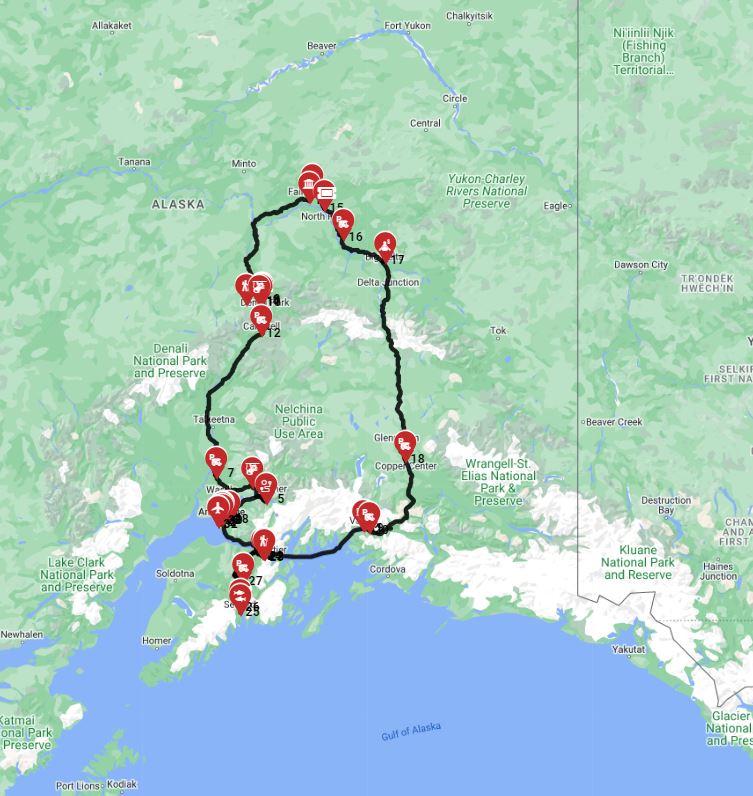
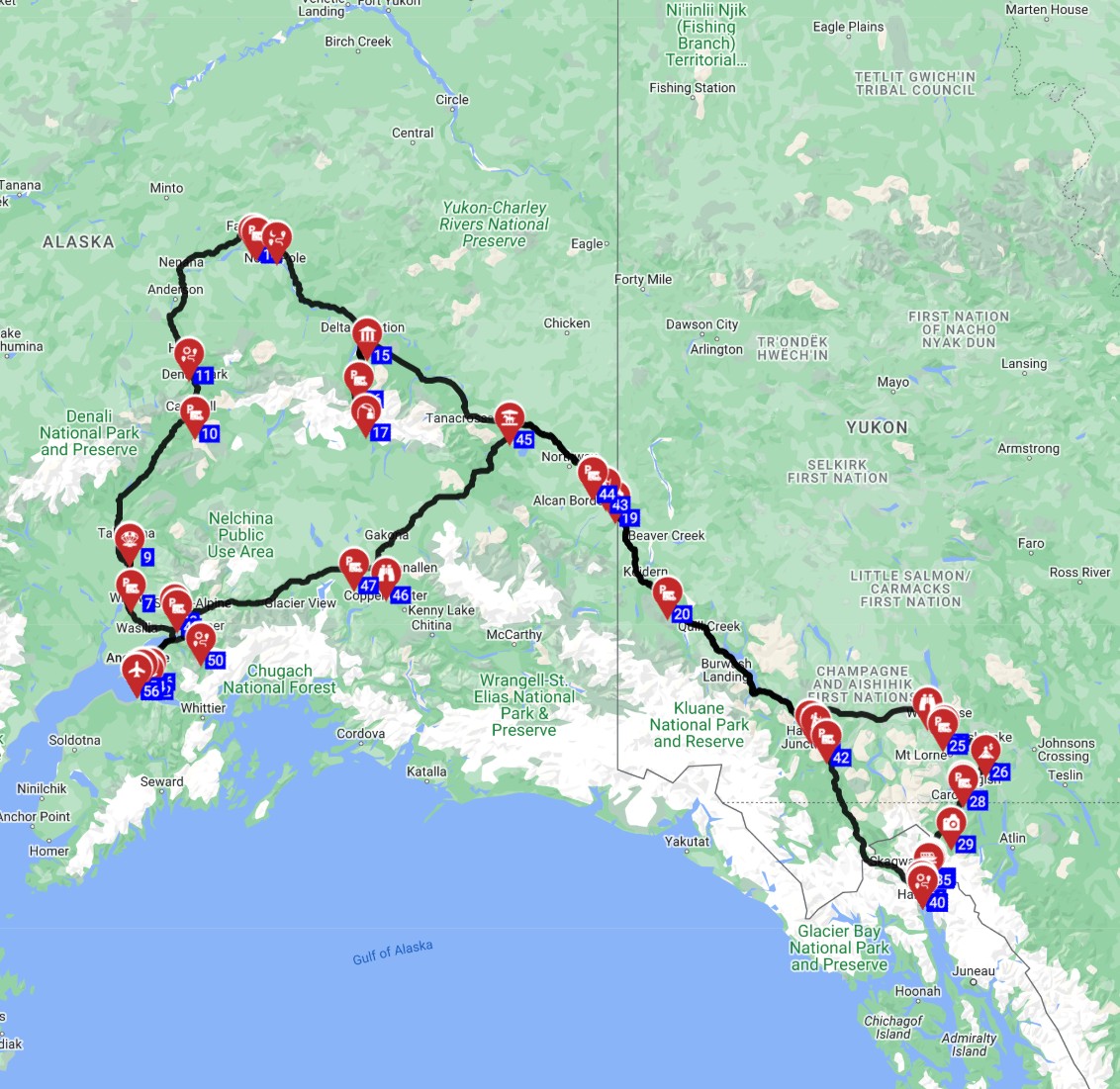
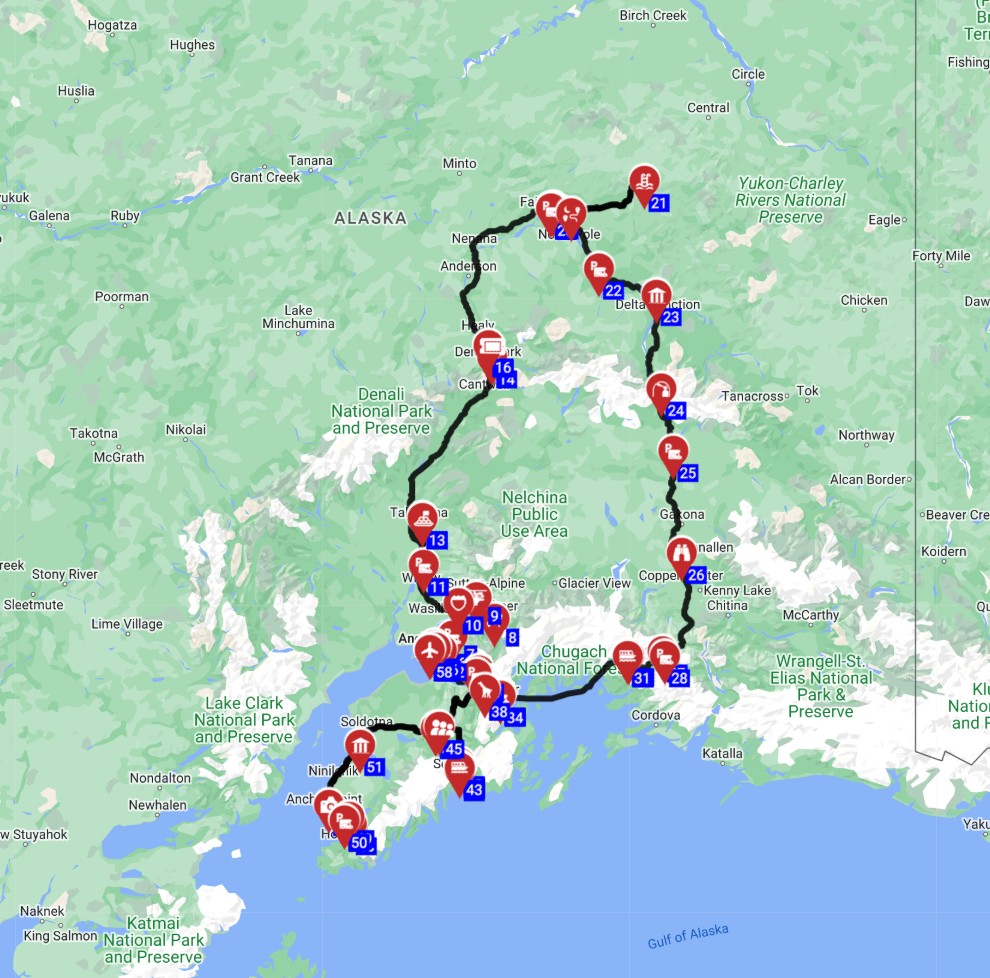
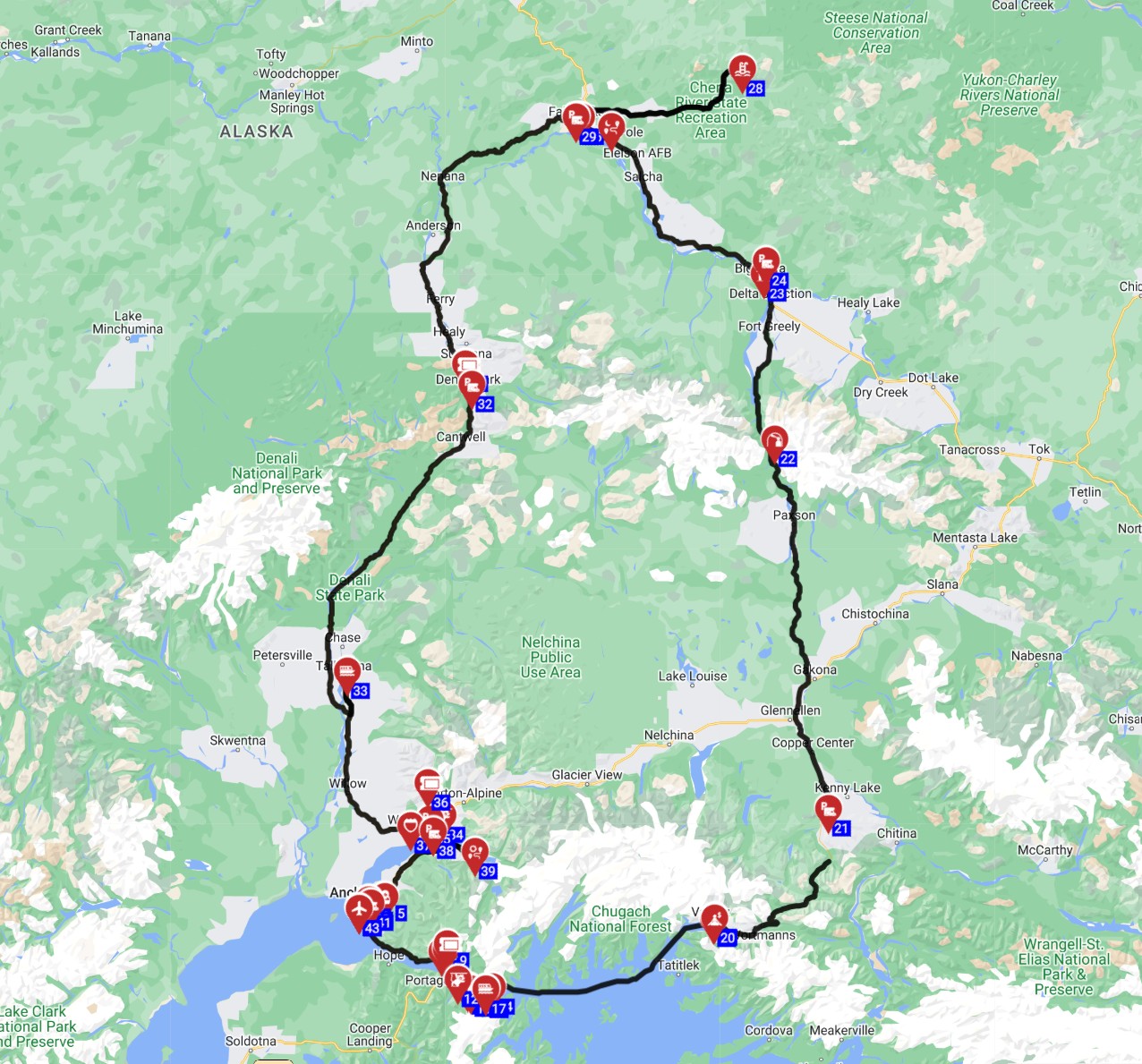
For a reliable spot to spend the night, consider a pre-planned route like the "
Can I Drive an RV Into the City Center? Heights, Tunnels & Local Signage
Yes, you can generally drive a rented RV into most city centers in Alaska, including Anchorage and Fairbanks, as major roads are designed to accommodate large vehicles. Drive slowly and carefully, and you can drive almost anywhere without issues. No need to stress - just use common sense and pay attention. Drivers must pay close attention to local signage for height limits, particularly for older structures, parking garages, or underpasses, though these are less common on primary city routes. Tunnels are infrequent on main city roads in Alaska, but if encountered, they are typically designed to accommodate standard highway vehicle dimensions. Be aware of specific local parking regulations, environmental zones (which are rare in Alaska), or residents-only streets that might restrict RV access or parking in very dense areas. Our partners like Apollo and Britz offer a range of campervans and motorhomes suitable for city access.
Do you need a special license to drive an RV in Alaska?
For the vast majority of RVs, including Class C, Class B, and most Class A motorhomes typically rented for recreational travel, a standard Class D driver's license (the same as for a car) is sufficient in Alaska. A special license, specifically a Commercial Driver's License (CDL), is generally only required if the RV has a Gross Vehicle Weight Rating (GVWR) of 26,001 pounds or more, or if it is towing a trailer with a GVWR over 10,000 pounds and the combined weight exceeds 26,001 pounds. Most rental RVs fall well below the CDL threshold, making them accessible to standard licensed drivers for Alaskan adventures, allowing you to easily hit the road for your "RV Travel Guide to Alaska - Tips and Top Spots 2026" trip.
Do you have to have a special license to drive a 30 ft RV?
You typically do not need a special license solely based on an RV's length, such as a 30-foot motorhome, for recreational driving in Alaska. Licensing requirements in Alaska, as in most U.S. states, are primarily determined by the vehicle's Gross Vehicle Weight Rating (GVWR) rather than its overall length. A 30-foot RV that has a GVWR under 26,001 pounds can be driven with a standard Class D driver's license, giving you access to a wide range of comfortable Class C and Class A rentals like the "29′ Class C Motorhome" or "Class A - Thor ACE 30".
Can I drive my RV to Alaska?
Yes, you can absolutely drive your personal RV to Alaska, primarily via the Alaska Highway (also known as the Alcan Highway), which traverses through Canada. Before embarking, ensure your RV is in excellent mechanical condition, as services can be sparse on sections of the highway, and have proper insurance for international travel. You will need a valid passport for all occupants, and ensure your vehicle registration and driver's license are current for border crossings into Canada and then Alaska. This epic journey through Canada offers stunning scenery, a great prelude to your Alaskan exploration. For those considering this grand adventure, checking our "RV Rental USA - Complete Guide 2026" can provide additional context for planning.
Can I park my RV anywhere in Alaska?
No, you cannot park your RV just anywhere in Alaska for overnight stays, as specific regulations govern where you can legally stop. While dispersed camping is permitted on much of Alaska's public lands (BLM, National Forests) under 'Leave No Trace' principles, private property requires explicit permission from the owner. Designated campgrounds in state parks, national parks, and private RV parks are the most reliable options for overnight parking, often requiring reservations and fees. Overnight parking in city limits, at trailheads, or in rest areas is usually subject to local ordinances, which can vary widely and may include time limits or prohibit overnight stays. Always plan ahead by calling campgrounds or checking local municipal websites.
What is the 3-3-3 rule for RV living?
The '3-3-3 rule' is a popular guideline for comfortable and safe RV travel, especially relevant in expansive areas like Alaska, encouraging travelers to drive no more than 300 miles (approximately 480 km) in a day. It also suggests arriving at your destination by 3 PM to allow ample time for setting up camp and exploring the area before dark. Finally, the rule recommends staying at least 3 nights in each location, promoting a slower pace of travel to fully experience your surroundings and avoid constant packing and unpacking. This guideline helps ensure you don't rush through the incredible Alaskan scenery, allowing you to truly feel the place, connect to the culture, the food, and the scenery.
Can you sleep in an RV while driving in the USA?
No, it is illegal and extremely dangerous to sleep in an RV while it is actively being driven in the USA, including Alaska. All occupants of a moving vehicle must be properly secured with seatbelts, and it is unlawful for anyone to be in the sleeping quarters, bathroom, or kitchen area while the RV is in motion. Only the driver and front passenger (if applicable) should be in the cab, awake and attentive, with all other passengers properly seated and belted. This regulation is crucial for safety and applies to all rented motorhomes and campervans to prevent serious injury in the event of an accident or sudden stop.
Can you turn left on a red light in Alaska?
In Alaska, similar to most other U.S. states, you are generally permitted to turn left on a red light only when turning from a one-way street onto another one-way street, provided there is no sign prohibiting the turn. This specific rule requires you to come to a complete stop first and yield to all cross-traffic and pedestrians before safely making the left turn. Turning left on a red light from a two-way street or onto a two-way street is typically illegal and should only be done when a green signal or specific signage allows it. Always observe traffic laws and signage carefully while driving your rented campervan in Alaska.
How do I transfer my license to Alaska?
To transfer your driver's license to Alaska, you must apply for an Alaska driver's license within 90 days of becoming a resident. You will typically need to provide proof of identity, Alaska residency, and Social Security number, along with surrendering your out-of-state license. A vision test is required, and a written knowledge test or road skills test may be waived if your out-of-state license is valid and not expired beyond one year. For visitors who are renting an RV for a vacation, a temporary license transfer is not necessary; your home country's valid license (and recommended IDP) is usually sufficient for short-term travel.
Do I need to register my trailer in Alaska?
Yes, if you establish residency in Alaska and your trailer (including travel trailers or cargo trailers) will be primarily garaged or operated in the state, you must register it with the Alaska Division of Motor Vehicles (DMV). New residents have 30 days to register their vehicles and trailers after establishing residency in Alaska. Proof of ownership, such as a title or bill of sale, and identification are typically required for trailer registration. Since Bandana RV exclusively offers motorhomes and campervans, this information primarily pertains to personal vehicles brought into the state by new residents, rather than rental agreements.
🎬 Video coming soon
What You Shouldn't Miss
- Drive the Seward Highway: This stunning 204 km (127 mile) scenic byway from Anchorage to Seward offers breathtaking views of the Chugach Mountains, Turnagain Arm, and glacier-carved fjords. Keep an eye out for beluga whales and Dall sheep!
- Explore Denali National Park: Witness North America's tallest peak, Denali, and explore over 2.4 million hectares of wild tundra, taiga, and mountains. The park road is largely accessible by bus, but RVers can enjoy camping at several designated campgrounds like Riley Creek Campground with 148 sites.
- Visit Kenai Fjords National Park: Take a boat cruise from Seward to experience massive tidewater glaciers, abundant marine wildlife including whales, sea otters, and puffins, and dramatic coastal scenery. Many of our RV PLANET routes include cruise terminal options to facilitate this experience.
- Journey to Fairbanks and the Arctic Circle: Drive north to Fairbanks for its vibrant arts scene, gold rush history, and as a gateway to the Arctic. Consider venturing further north on the Dalton Highway to cross the Arctic Circle for an unforgettable adventure.
- Discover the Matanuska Glacier: Take a guided walk or ice climb on Alaska's largest road-accessible glacier, an incredible natural wonder that truly puts the scale of Alaska into perspective. Many RV-friendly campgrounds are available nearby.
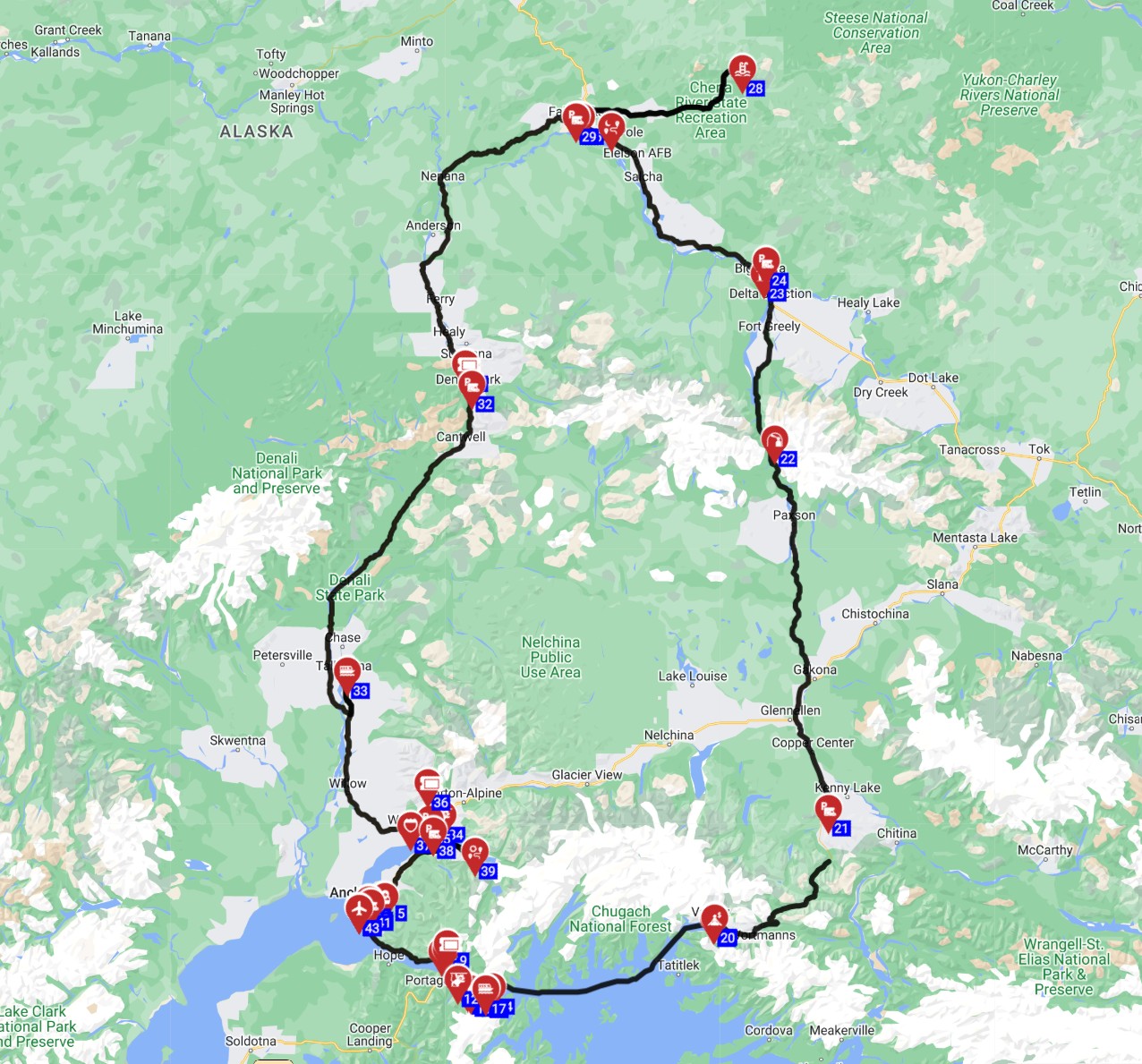
Our pre-planned route
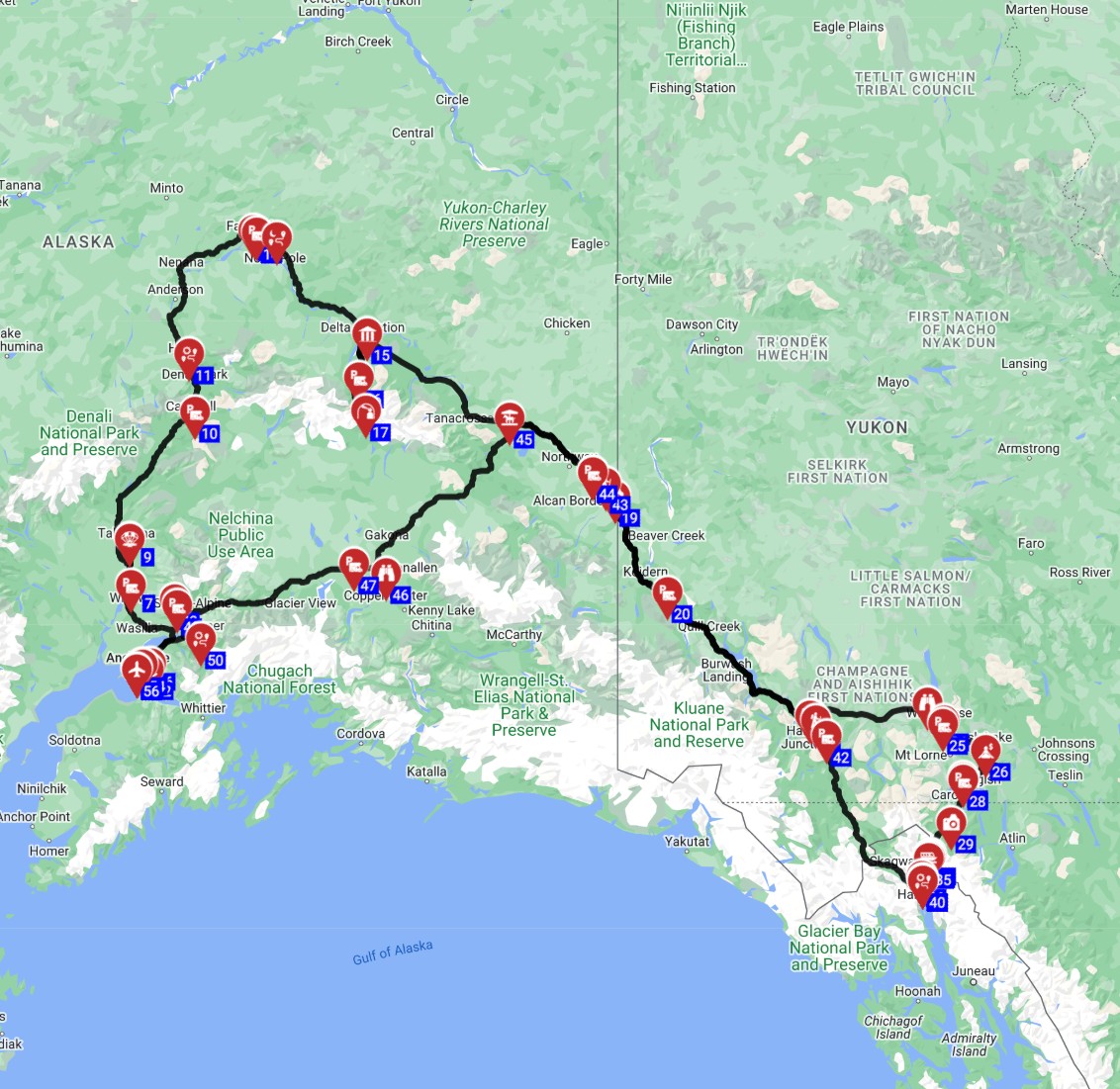
Another excellent option is the
Final Thoughts
An RV adventure in Alaska is more than just a trip; it's an immersive experience into one of the world's last great wildernesses. The freedom of a rented motorhome allows you to wake up to a new, breathtaking view every day, create family memories around a campfire, and discover hidden gems off the beaten path. Whether you're a seasoned RVer or embarking on your very first journey, Alaska offers routes and experiences to captivate every traveler. Remember to travel slowly, taking time to feel the place, connect to the culture, the food, and the scenery – that's what makes the big difference.
With Bandana RV, you're choosing a partner dedicated to full transparency, unmatched personal experience, and attention to the smallest details. We're with you before, during, and after your booking, ensuring your Alaskan road trip is everything you've dreamed of and more. Get inspired for your next trip and discover top destinations, planning tips, all in one place!
Ready to start planning your Alaskan family RV adventure? Compare Motorhome Prices for Alaska and let Bandana RV help you find your perfect home on wheels.