In This Guide
- Where to Camp in Zambia - Top Options
- Campground Types in Zambia (National, Private, Wild)
- Featured RV Park or Campground in Zambia
- Hookups & Amenities - What to Expect
- Booking Windows & Reservations in Zambia
- Nearby Supermarkets & Resupply Points
- Best RV Class for Camping in Zambia
- How to Save on Campgrounds in Zambia
- Is it safe to RV in Zambia?
- What documents do I need to rent an RV in Zambia?
- What essential items should I pack for an RV trip in Zambia?
- What is the best time of year to RV in Zambia?
- How much does an RV rental cost in Zambia?
- What are the road conditions like for RVs in Zambia?
- What are some popular RV routes in Zambia?
- Can I take an RV to national parks in Zambia?
- What are the advantages of RV camping over lodge stays in Zambia?
- Are there any specific driving rules for RVs in Zambia?
- Do I need a special license to drive an RV in Zambia?
- Can I get internet or cell service while RVing in Zambia?
- How do I handle waste and water in my RV in Zambia?
- What about fuel availability for RVs in Zambia?
- Is it possible to find RV repair services in Zambia?
Imagine yourself and your family on an incredible journey, exploring the vibrant landscapes and rich wildlife of Zambia from the comfort of a rented motorhome. Family RV camping in Zambia offers an unparalleled sense of freedom and adventure, allowing you to discover hidden gems and create unforgettable memories at your own pace. With Bandana RV, you’re choosing full transparency; we believe in no hidden fees and no surprises, so you always know what to expect. For live availability and current prices, start with our RV Rental Zambia - Complete Guide 2026 guide.
Where to Camp in Zambia - Top Options
Zambia offers diverse camping experiences, ranging from basic wilderness sites within national parks to well-equipped private lodges, providing options for every family's preference. Popular regions for RV camping include Livingstone for easy access to Victoria Falls, the Lower Zambezi for incredible riverside wildlife viewing, and South Luangwa for prime safari adventures. Private campsites often boast more amenities, such as hot showers, flush toilets, and sometimes even restaurants or swimming pools, making them ideal for families with children. To truly immerse yourself in the natural beauty, consider staying at least 3-4 nights in each region, traveling slowly to connect with the scenery and local culture.Campground Types in Zambia (National, Private, Wild)
Zambia's camping landscape provides national park campsites, private campgrounds, and limited opportunities for wild camping, each delivering a distinct experience for RV travelers. National park sites, managed by the Department of National Parks and Wildlife (DNPW), typically offer basic facilities and a profound wilderness immersion, legally designated for camping within protected areas. These sites often place you directly in nature, though amenities like electrical hookups are usually absent. Private campgrounds, frequently associated with lodges or tourist operations, provide enhanced amenities such as more reliable water sources, modern ablutions, and sometimes restaurants, offering greater comfort and security. While strict 'wild camping' or freedom camping is generally not legally permitted in protected areas and can be unsafe, some remote areas outside designated parks might tolerate it with prior local permission, though extreme caution is advised for safety and environmental impact. For planning your routes and finding suitable campsites, we recommend using RV PLANET (rvplan.net). It's a fantastic resource for locating available spots and planning your journey, allowing you to itemize and track every expense along the way for easy budgeting.Featured RV Park or Campground in Zambia
When selecting an RV park in Zambia, prioritizing locations that accommodate larger vehicles with secure parking and essential services is crucial for a comfortable family trip. A prime example is Flatdogs Camp in South Luangwa National Park, which offers dedicated, unfenced campsites where wildlife frequently wanders through, providing an authentic and thrilling safari experience directly from your rented motorhome. While not all campsites offer comprehensive hookups, Flatdogs does provide some basic facilities suitable for RVs, including water points and communal ablutions. For families, having amenities like secure parking, a reliable water source for tank refills (many RVs have 80-150 liter fresh water tanks), and waste disposal options (which may be more common at private lodges) is key. RVs like a Class C (Alcove) or Class A (Integrated) often average 7.5m in length, requiring space for maneuvering, so checking access roads and pitch sizes beforehand is always a good practice.Hookups & Amenities - What to Expect
RV hookups and amenities in Zambia are generally more rustic than those found in Western countries, with availability varying significantly across different campground types. Electrical hookups, typically offering 220-240V power with Type G or D sockets, are more common at private campsites, though sometimes they are limited or require you to bring your own international adapters. Water sources for refilling RV tanks (which can hold up to 150 liters) are usually available at private and some national park sites, but carrying a high-quality water filter is always advisable for drinking water. Dedicated dump stations for grey and black water are rare outside of larger, more established private lodges, so plan for alternative waste management strategies or inquire directly with the site before arrival. For connectivity, Wi-Fi is generally limited to private lodges and urban areas; for reliable mobile data in your rented motorhome, consider purchasing local SIM cards from providers like MTN, Airtel, or Zamtel. Laundry facilities and hot showers are predominantly found at private campgrounds, while national park sites may offer very basic cold-water facilities or none at all, embracing a true wilderness feel.Booking Windows & Reservations in Zambia
Proactive booking is highly recommended for popular national park campsites and private lodges in Zambia, especially during the peak dry season, although spontaneous travelers can often find alternative spots. For prime locations, such as those in South Luangwa or Lower Zambezi National Park, planners should aim to book their family RV rental and campsites several months in advance to secure a spot. However, it's worth noting that many national park campgrounds, managed by DNPW, often release only 25-30% of their spots for advance reservations, leaving the majority available on a first-come, first-served basis. This system provides a degree of flexibility for more spontaneous travelers. Don't stress too much about finding a spot: you will almost certainly find a place to camp if not at the first campground, then at the next one. Always remember to call ahead before driving long distances to confirm availability, especially when traveling with a family RV.Nearby Supermarkets & Resupply Points
Stocking your rented RV for a family trip in Zambia requires careful planning around resupply points, as large supermarkets are primarily concentrated in major urban centers. You'll find well-stocked chains like Shoprite or Pick n Pay in cities such as Lusaka, Livingstone, and Kitwe, offering a wide selection of groceries, fresh produce, and household essentials. These are excellent places to fully provision your motorhome before heading into more remote regions. Smaller towns and villages will have local markets and smaller shops for basic provisions, but the variety and quality may be limited, so don't count on finding specific items. Always carry extra non-perishable food and sufficient water when venturing into remote areas, as resupply opportunities can be infrequent. If you enjoy cooking meals in your RV's kitchen, check out our RV-friendly recipes playlist for inspiration!Best RV Class for Camping in Zambia
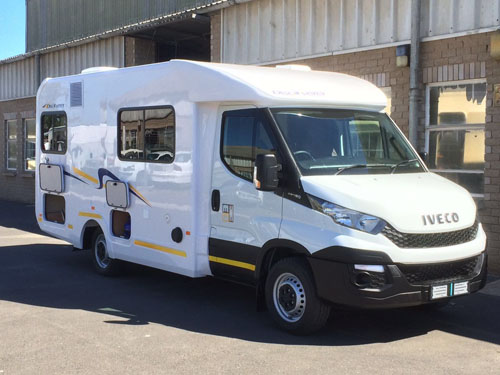
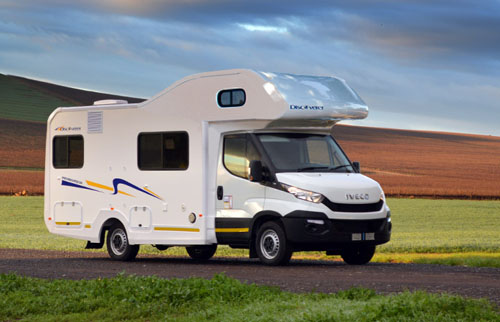
For family RV camping in Zambia, Class C (Alcove) and Class SI (Semi-integrated) motorhomes from Bandana's global fleet are generally the most suitable options, effectively balancing space, amenities, and maneuverability on Zambia's varied road network. A Class C (Alcove) RV, often around 7.5m in length and sleeping 5-6 people, is ideal for larger families, offering ample interior space and a well-equipped kitchen, though its size demands careful navigation on narrower or more challenging tracks. For instance, a Class C like the "24' Class C Motorhome" typically features a 152/203cm bed over the cab and can sleep up to 5 people, with a 166-liter fresh water tank. Class SI (Semi-integrated) RVs, averaging 6.9m in length and sleeping 3-4 people, provide a more compact and easier-to-maneuver option while still ensuring comfort for smaller families. The "2 Berth Tamar" model, for example, is a Class SI, ideal for a couple, and offers good comfort. While Class A (Integrated) RVs (averaging 7.5m in length, sleeping around 4 people) offer luxury, their larger footprint might be less practical for Zambia's diverse terrain and more challenging roads. Class B (Camper Van) options are available, such as the "Active Bunk Auto" which is a Class B and features an automatic transmission, but they might be too small for extended family comfort, averaging 5.8m in length and sleeping up to 3 people.How to Save on Campgrounds in Zambia
To significantly reduce expenses on campground costs in Zambia, strategic planning, utilizing discount opportunities, and choosing appropriate campground types are key. Bandana RV sometimes offers campground discount cards or can advise on partners that provide savings on participating campsites. Traveling during the shoulder season (April-May or October-November) often results in lower nightly rates and fewer crowds compared to the peak dry season, which spans from June to September. Opting for municipal or regional campgrounds over more luxurious private resorts, when available, generally provides a more budget-friendly accommodation choice. Many campgrounds also offer reduced weekly rates, making it more cost-effective to stay 3 or more nights at a single location rather than moving every day. If you're traveling with another rented RV, inquire about sharing hookups or potential group discounts, as some sites may accommodate this.Is it safe to RV in Zambia?
RVing in Zambia is generally safe, particularly when you adhere to recommended safety protocols such as securing your vehicle, avoiding night driving, and staying within established campgrounds or designated areas. Implement RV-specific security measures, including consistently locking all compartments, not leaving valuables visible, and considering external locks for added peace of mind on your rented motorhome. Practice enhanced road safety for larger vehicles by maintaining a safe speed, being acutely aware of potholes, local driving habits, pedestrians, and wildlife, especially at dusk and dawn. Always carry essential emergency contact information, a well-stocked first-aid kit, and consider a satellite communication device for remote areas where cell service is unreliable. Police checkpoints are common in Zambia, so navigate them politely and cooperatively; ensure all vehicle documents, including your driver's license and International Driving Permit, are readily accessible. This level of preparedness will ensure your family adventure is both exciting and secure.What documents do I need to rent an RV in Zambia?
To rent an RV in Zambia, you will typically need a valid driver's license, an International Driving Permit (IDP), your passport, and a credit card for payment and the security deposit. A valid national driver's license from your home country is essential, and it must have been held for a minimum period, usually 2 years. An International Driving Permit (IDP) is strongly recommended and often legally required to accompany your national license, providing translations into multiple languages which can be very helpful at police checkpoints. Your passport is required for identification purposes and any necessary border crossing procedures if your RV adventure takes you into neighboring countries. Finally, a major credit card is necessary for the rental booking itself and for the security deposit, which covers potential damages or additional charges.What essential items should I pack for an RV trip in Zambia?
Packing for an RV trip in Zambia requires a focus on self-sufficiency, safety, and comfort, including appropriate clothing, medical supplies, navigation tools, and specific RV accessories. Essential clothing should include light, breathable safari wear for daytime, sturdy walking shoes, a wide-brimmed hat, and sunglasses, along with warm layers for cool evenings, especially during the dry season. A comprehensive medical kit, high-quality insect repellent (with DEET), broad-spectrum sunscreen, and any personal prescription medications are critical for health and safety. Navigation tools are invaluable; consider offline maps (like Maps.me or Tracks4Africa), a dedicated GPS device, and a reliable power bank for charging electronics, especially when connectivity is limited. RV-specific items for your rented motorhome should include a water filter, potentially extra fuel containers, a basic tool kit, a tire repair kit, headlamps, and cooking essentials, including a cooler or portable fridge for perishables.What is the best time of year to RV in Zambia?
The best time of year to RV in Zambia is generally during the dry season, from May to October, as this period offers ideal weather for wildlife viewing and more accessible road conditions. The cool dry season (May to August) provides pleasant daytime temperatures, with early months featuring lush green landscapes before gradually drying out. Game viewing becomes excellent as animals congregate around diminishing water sources. The hot dry season (September to October) can be very warm, with temperatures often exceeding 30°C, but it offers the most concentrated wildlife viewing opportunities, particularly around rivers and waterholes. The rainy season (November to April) makes many dirt roads, especially in national parks, potentially impassable for larger 2WD RVs, and some parks may even close, making careful route planning crucial for any rented motorhome.How much does an RV rental cost in Zambia?
The cost of an RV rental in Zambia can fluctuate considerably based on the motorhome class, rental duration, season, and specific inclusions, requiring a detailed budget that accounts for rental fees, fuel, park entry fees, cross-border permits, and insurance. Rental rates differ by vehicle type: for instance, a Class C (Alcove) RV, which averages 7.5m in length and can sleep up to 5-6 people, might have a daily rate different from a smaller Class SI (Semi-integrated) RV, which averages 6.9m in length and sleeps 3-4 people. Estimated fuel costs are a significant budgeting factor; a Class C motorhome typically consumes 10-12 Liters/100 km, while a Class SI consumes 10-11 Liters/100 km, so consider this when planning longer routes. National park entry fees vary per person and per vehicle, with some parks having different rates for larger RVs compared to standard 4x4s, making it essential to factor these into your overall trip cost. Additional costs may include border crossing permits (if traveling to neighboring countries), comprehensive insurance (beyond the basic included), camping fees, and RV-specific supplies like propane refills or water purification tablets. Remember, prices are dynamic, much like flight tickets, changing daily based on availability and seasonality. To get a clear picture for your planned trip, compare Motorhome Prices for Zambia directly on our platform.What are the road conditions like for RVs in Zambia?
Road conditions for rented RVs in Zambia vary significantly, from relatively well-maintained tarmac on major inter-city routes to challenging dirt and gravel tracks, necessitating careful planning and consideration for larger vehicles. Major routes, such as those connecting Lusaka, Livingstone, and the Copperbelt, are generally paved and suitable for most motorhomes, including larger Class C and Class A models. However, rural roads and those within national parks are often unpaved, prone to corrugations, sand, or mud, and can present significant challenges for bigger RVs. Seasonal accessibility is crucial: during the rainy season, roughly from November to April, many unpaved roads can become impassable, particularly for 2WD motorhomes. Always check current road conditions locally or with your rental provider, as they can change rapidly due to weather or heavy traffic, and consider routes specifically recommended for larger vehicles to avoid unexpected difficulties. Drive slowly and carefully, and you can drive almost anywhere without issues. No need to stress - just use common sense and pay attention.What are some popular RV routes in Zambia?
Popular RV routes in Zambia generally focus on key tourist attractions, but for larger RVs, it's often advisable to stick to well-traveled paths connecting major parks and cities to ensure better road conditions. A classic route suitable for a rented motorhome involves linking Livingstone (home to Victoria Falls) to Lusaka, and then potentially heading east towards Lower Zambezi National Park, though internal park roads can be challenging for very large RVs. Another option for a blend of culture and nature beyond safaris is a route through the Copperbelt region, which offers insights into local mining towns and communities, providing a unique non-safari RV experience. Always prioritize routes known for better road infrastructure when driving larger RVs to avoid getting stuck or damaging the vehicle, even if it means foregoing some more remote, off-the-beaten-path destinations better suited for 4x4 vehicles. Remember to travel slowly, averaging a maximum of 100-150 km per day, to truly feel the place and connect to the culture, food, and scenery. RV PLANET (rvplan.net) offers many pre-planned routes by professionals that can help you navigate Zambia effectively.Can I take an RV to national parks in Zambia?
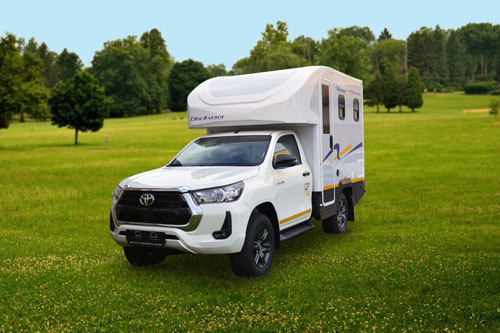
Yes, you can generally take a rented RV to national parks in Zambia, although access and maneuverability within the parks vary significantly depending on the specific park's infrastructure and the prevailing road conditions. Many national parks, including popular ones like South Luangwa and Lower Zambezi, feature designated campsites that can accommodate motorhomes, though facilities might be more basic compared to private lodges. However, larger RVs like Class C or Class A models might encounter challenges on the narrow, sandy, or heavily corrugated internal park roads, which are often primarily designed for smaller 4x4 vehicles. Always inquire directly with the specific national park or your RV rental provider about current road conditions, any vehicle restrictions, and recommended routes before planning your visit with your family RV.What are the advantages of RV camping over lodge stays in Zambia?
RV camping in Zambia provides distinct advantages over traditional lodge stays, primarily offering greater flexibility, enhanced cost-effectiveness, and unique opportunities for deeper cultural immersion and self-sufficient exploration. Traveling with a rented RV grants unparalleled freedom to spontaneously adjust your itinerary, linger longer in favored spots, and access areas not typically served by lodges. It is generally more cost-effective for families, as self-catering capabilities significantly reduce food expenses and allow you to avoid expensive per-person lodge rates, contributing to a more manageable budget for your Comprehensive Budget Breakdown for RV Travel. RV camping also fosters deeper cultural engagement by enabling stays in local community campsites, visits to vibrant local markets, and direct interaction with local populations, providing authentic non-safari RV experiences. The self-sufficiency of a motorhome, complete with its kitchen, bathroom, and comfortable sleeping quarters, offers privacy and comfort, truly making the journey itself an integral part of the adventure.Are there any specific driving rules for RVs in Zambia?
While Zambia adheres to general international driving rules, drivers of rented RVs should pay extra attention to specific considerations regarding speed limits, vehicle weight, and road etiquette for larger vehicles. Standard Zambian driving rules apply: always drive on the left side of the road, seatbelts are mandatory for all occupants, and speed limits are typically 50 km/h in urban areas and 100 km/h on open roads. For larger motorhomes, always maintain a safe stopping distance, especially given the potential load capacities (a Class C can average 42.4 kg load capacity) and the longer braking times required. Be courteous on narrow roads, pulling over safely to allow faster or smaller vehicles to pass, and exercise caution when overtaking, as passing lanes are not always clearly marked. Special attention should be given to road signs indicating low bridges or narrow passages, which could be relevant for the dimensions of a Class C (Alcove) or Class A (Integrated) RV. Drive slowly and carefully, and you can drive almost anywhere without issues. No need to stress - just use common sense and pay attention.Do I need a special license to drive an RV in Zambia?
No, you typically do not need a special license to drive a rented RV in Zambia if your national driver's license is valid for the vehicle class you are renting, provided it is accompanied by an International Driving Permit (IDP). Most standard family RVs, such as Class C (Alcove) or Class SI (Semi-integrated) motorhomes, fall within the permissible weight and size limits for a standard passenger car license in many countries. Always verify with your RV rental provider and your home country's licensing authority that your current license is appropriate for the motorhome class you intend to drive. An IDP acts as a translation of your national license and is a mandatory requirement for foreign drivers in Zambia, ensuring your documents are understood by local authorities. The minimum rental age is 21.Can I get internet or cell service while RVing in Zambia?
Reliable internet and cell service while RVing in Zambia can be inconsistent outside of major towns and established tourist areas, making it essential to plan for offline communication and entertainment. Local SIM cards from major providers like MTN, Airtel, or Zamtel offer the best mobile data coverage, particularly along populated corridors and near cities. Purchasing a local SIM with a data package upon arrival is highly recommended for staying connected. Mobile hotspots can effectively share a single SIM card's data with multiple devices in your rented motorhome. For truly remote areas, satellite communication devices, such as Starlink or Garmin inReach, are highly recommended to bridge the connectivity gap. While some higher-end private campsites and lodges may offer Wi-Fi, it's quite rare at national park sites or more rustic campgrounds, so prepare for limited to no connectivity in deep wilderness areas.How do I handle waste and water in my RV in Zambia?
Managing waste and water in a rented RV in Zambia requires careful planning, as dedicated dump stations and reliable potable water sources are less common than in more developed RVing destinations. Water conservation is paramount in your motorhome, as fill-up points can be scarce; prioritize filtered or commercially bottled water for drinking and minimize usage for showering and dishes. Greywater (from sinks and showers) should only be disposed of at designated points or, if absolutely permitted and necessary, well away from any water sources and human activity in an environmentally responsible manner-never in national parks. Blackwater (from toilets) disposal facilities are extremely limited; plan to primarily use chemical toilets that can be manually emptied at suitable facilities, or inquire with larger private campsites or lodges for specific arrangements. Always carry sufficient fresh water in your RV tanks (e.g., a "Class C - Alcove" can have a 166-liter fresh water tank) and potentially extra containers, along with a reliable water purification system for emergencies.What about fuel availability for RVs in Zambia?
Fuel availability for rented RVs in Zambia is generally good in major towns and along main routes, but it becomes scarcer in remote areas, necessitating careful planning for longer journeys. Both petrol (gasoline) and diesel are widely available at service stations in urban centers like Lusaka and Livingstone and in larger towns. Always ensure your RV's fuel tank is full before venturing into national parks or off major routes, and consider carrying extra fuel in approved jerry cans, especially for larger vehicles. For example, a Class C (Alcove) RV consumes approximately 10-12 Liters/100 km, making pre-planning fuel stops critical for any Comprehensive Budget Breakdown for RV Travel. Fuel costs are a significant part of the overall budget; regularly check prices, as they can fluctuate. Some remote areas may only have smaller, privately run pumps with varying fuel quality; prioritize using trusted, well-known stations whenever possible to avoid vehicle issues with your motorhome.Is it possible to find RV repair services in Zambia?
Finding specialized RV repair services in Zambia can be challenging outside of major cities, requiring a proactive approach to maintenance and an understanding that general vehicle workshops will likely handle most common issues. General vehicle repair workshops are readily available in larger towns such as Lusaka and Livingstone, and they can often address mechanical issues related to your rented RV's chassis and engine. However, finding workshops specifically equipped to deal with RV habitation issues (ee.g., plumbing, interior electrical, or appliance repairs) is rare; be prepared for self-reliance or local improvisation. Carry a comprehensive basic tool kit and spare parts for common wear-and-tear items for your motorhome. It is always advisable to have a thorough pre-trip inspection of your RV and to understand basic troubleshooting procedures before embarking on your journey. If assistance is needed, contacting your rental provider for guidance to local mechanics can be helpful, addressing potential Connectivity & Modern Conveniences for RVers gaps in maintenance access.🎬 Video coming soon
What You Shouldn't Miss
- **Victoria Falls (Livingstone):** Experience the awe-inspiring Mosi-oa-Tunya, "The Smoke that Thunders," from both the Zambian side and consider activities like helicopter rides or whitewater rafting.
- **South Luangwa National Park:** Embark on unparalleled walking safaris, widely considered some of the best in Africa, offering intimate encounters with incredible wildlife.
- **Lower Zambezi National Park:** Enjoy stunning riverside camping where wildlife often visits your camp, coupled with canoeing and boat safaris for unique perspectives.
- **Kafue National Park:** Explore Zambia's largest national park, known for its vast wilderness, diverse ecosystems, and excellent birdwatching opportunities, accessible via well-chosen routes.
- **Shiwa Ng'andu Manor:** Discover an unexpected English country estate in the heart of Africa, offering a fascinating historical and cultural detour for those seeking Non-Safari RV Experiences & Cultural Immersion.
- **Lake Kariba:** Relax by the enormous man-made lake, offering fishing, houseboat trips, and beautiful sunsets, a perfect slower-paced stop for your rented motorhome.
Looking for expert insights from Avi Bandana? Top 5 Adventures - recommendations from Avi Bandana
Final Thoughts
Embarking on a family RV adventure in Zambia is an experience unlike any other, offering the perfect blend of wildlife, culture, and personal freedom. While the roads and amenities might be a bit more rugged than some destinations, the rewards of discovering Zambia at your own pace, with the comfort of your rented motorhome, are immeasurable. Remember to plan slowly, savoring each moment and connecting deeply with this incredible country.
With Bandana RV, you have a partner committed to your seamless journey. We're here to help you compare final prices from 50+ suppliers and navigate all the small details that make a big difference. So, gather your family, choose your ideal campervan, and prepare for an unforgettable Zambian road trip.
Ready to start planning your dream vacation? Discover top destinations, planning tips, all in one place, or plan a trip itinerary in advance with minimal effort and maximum enjoyment using RV PLANET.
For ideas you can prep on the road, watch our RV-friendly recipes playlist on YouTube.
On the routes offered through RV PLANET routes, you can itemize and track every expense along the way for easy budgeting.