In This Guide
- Where to Camp in West Europe - Top Options
- Campground Types in West Europe (National, Private, Wild)
- Featured RV Park or Campground in West Europe
- Hookups & Amenities - What to Expect
- Booking Windows & Reservations in West Europe
- Nearby Supermarkets & Resupply Points
- Best RV Class for Camping in West Europe
- How to Save on Campgrounds in West Europe
- Is it worth it to RV in Europe?
- Is it better to rent a car or an RV in Europe?
- Where is the best place to rent a motorhome in Europe?
- What is the best motorhome to rent in Europe?
- What documents do I need to rent an RV in Europe?
- What kind of license do you need to drive an RV in Europe?
- How much does it cost to rent an RV in Europe?
- What is the cheapest way to rent an RV in Europe?
- What You Shouldn't Miss
- Why Book with Bandana Caravan
- Final Thoughts
- Frequently Asked Questions
Imagine your family cruising through picturesque landscapes, waking up to fresh mountain air, and having the freedom to change your view every day. A family RV camping trip in West Europe offers an unforgettable adventure, blending comfort and exploration seamlessly. With a rented motorhome, you have a mobile home base, making it incredibly easy to navigate charming towns, explore stunning natural parks, and immerse yourselves in diverse cultures at your own pace. For live availability and current prices, start with our RV Rental West Europe - Complete Guide 2026 guide. We're true RV specialists, passionate about helping families like yours discover the joy of the open road.
Where to Camp in West Europe - Top Options
West Europe offers a diverse range of family-friendly camping options, from sun-drenched coastal sites to serene alpine retreats, perfect for any family adventure. Popular regions for family RV camping include the South of France with its vibrant beaches and charming villages, the rolling Tuscan countryside in Italy dotted with historic towns, and the fairytale-like Black Forest in Germany, famous for its dense forests and quaint towns. When choosing a location, focus on regions with family-friendly amenities like playgrounds, swimming pools, and organized activities, ensuring the kids stay entertained. Prioritize sites with easy access to cultural sites, national parks, or scenic beauty like the French Riviera, Italian Dolomites, or Bavarian Alps, allowing for both relaxation and exploration. Drive slowly, max 100-150 km per day on average, and take time to feel the place, connect to the culture, the food, and the scenery.Campground Types in West Europe (National, Private, Wild)
West European campgrounds typically include national park sites, private commercial campgrounds, and designated wild camping areas, though legality varies significantly by country. National Parks or municipal sites are often more rustic and scenic, providing a true nature immersion with fewer amenities, and sometimes operating on a first-come, first-served basis. Private commercial campgrounds are widespread and usually offer resort-like amenities such as full hookups, swimming pools, restaurants, and organized kids' activities, making them ideal for families; these usually require advance booking, especially during peak season. Wild camping legality varies greatly across West Europe; it's generally restricted or illegal in core countries like France and Germany but more tolerated in remote areas of Scandinavia or Portugal, always requiring strict adherence to responsible and sustainable practices. Additionally, countries like Germany and France offer designated 'stellplatz' or 'aires' that provide sanctioned, low-cost overnight parking for RVs, often with basic services like fresh water and dump stations.Featured RV Park or Campground in West Europe
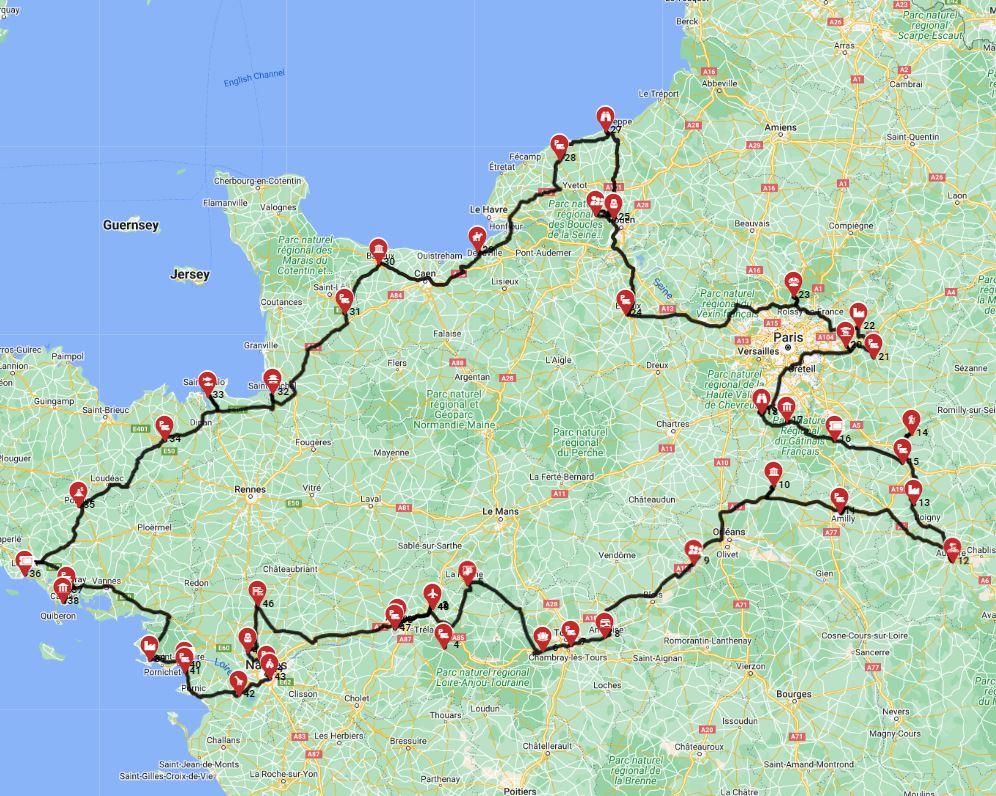
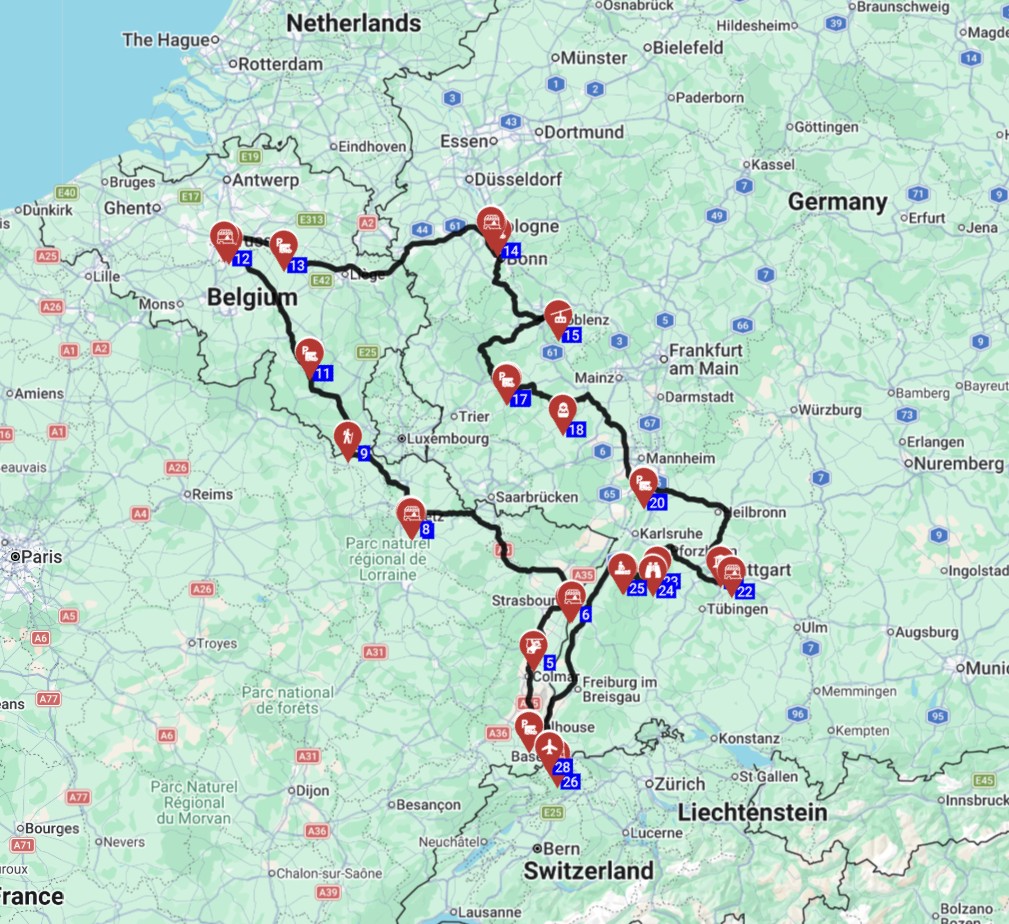
A high-quality, family-friendly RV park in West Europe often features extensive amenities such as multiple swimming pools, elaborate playgrounds, on-site restaurants, and a schedule of organized activities for children. For example, campsites like Camping La Plage Fleurie in the Ardèche, France, or Union Lido Vacanze in Cavallino-Treporti, Italy, are known for their exceptional family offerings. Look for sites with excellent customer reviews, secure environments, and a wide array of child-friendly services to ensure a relaxing vacation for parents and endless fun for kids. Prioritize locations that are conveniently close to major attractions or natural parks, which will enhance the overall family experience and minimize travel time. For specific recommendations and to find campsites and campgrounds during your trip, we recommend using RV PLANET (rvplan.net) - a great resource for locating available spots along your route.Hookups & Amenities - What to Expect
Campgrounds in West Europe generally provide essential electric hookups, fresh water connections, and convenient grey/black water dump stations. Electric hookups typically operate at 220-240V and require a CEEFORM blue plug, so bringing a universal adapter for any standard US appliances is a smart move. Fresh water taps and designated 'service points' for wastewater disposal are widely available at most campsites, ensuring you can easily manage your onboard resources. While Wi-Fi can sometimes be spotty or involve an additional fee, often strongest in communal areas, considering local SIM cards or portable Wi-Fi devices is recommended for reliable connectivity throughout your family rv adventure. Many private campgrounds go beyond the basics, offering laundry facilities, hot showers (though some might be coin-operated), playgrounds, small shops for essentials, and even on-site restaurants.Booking Windows & Reservations in West Europe
Proactive planning is crucial for family RV rentals and popular campground reservations in West Europe, with peak season (June-August) spots often needing to be booked months in advance. Families planning specific itineraries should aim to reserve their motorhome and prime campground locations 3-6 months ahead of their travel dates to ensure availability and potentially secure better rates. However, spontaneous travelers can often find last-minute spots, as many national or municipal campgrounds reserve 25%-30% of their sites for first-come, first-served arrivals. It is always recommended to call ahead before driving to a campground to confirm availability, especially during busy periods. Rest assured, you will almost certainly find a place- if not at the first campground, then at the next one- ensuring flexibility for your family's West Europe adventure. For inspiration, explore RV Rental Deals in West Europe - Latest Offers 2026 on our platform.Nearby Supermarkets & Resupply Points
Resupplying your rented RV in West Europe is straightforward, with major supermarket chains such as Lidl, Aldi, Carrefour, and E.Leclerc widely available. These stores are typically located on the outskirts of towns and cities, offering ample parking space for larger motorhomes. Lidl and Aldi are excellent choices for budget-friendly groceries and everyday essentials, while Carrefour, E.Leclerc, and Auchan provide a broader selection, including fresh local produce, regional specialties, and often specific supplies useful for RVers. Don't overlook smaller, local shops in charming villages for unique regional products and an authentic cultural experience. Always remember to check opening hours, as these can vary significantly by country and even by region, especially on Sundays and public holidays. When planning your budget, remember that RV PLANET routes offer tools to itemize and track every expense along the way, helping you manage costs for fuel, groceries, and more. For delightful meal ideas, check out our RV-friendly recipes playlist for cooking inspiration on the road.Best RV Class for Camping in West Europe
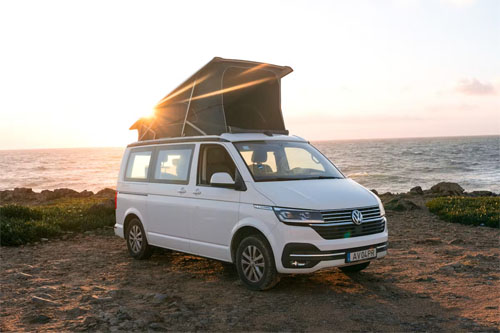
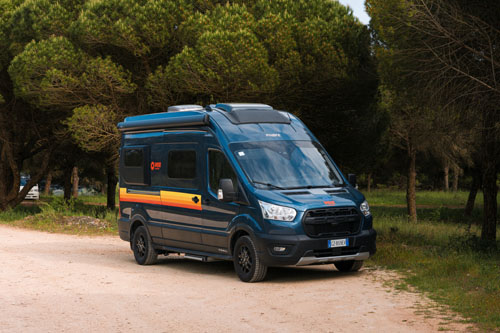
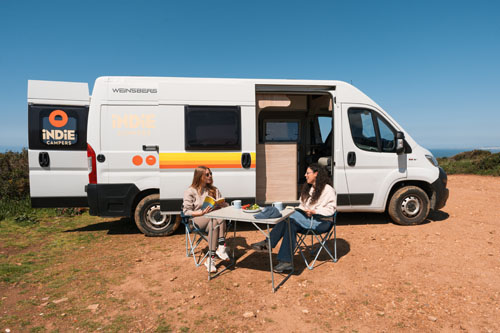
For family RV camping in West Europe, Class C - Alcove and Class SI - Semi-integrated motorhomes are generally considered ideal due to their excellent balance of living space, sleeping capacity, and manageable dimensions for European roads. A Class C - Alcove motorhome (Bandana's fleet typically averages 7.5m in length, offering 5.8 sleeping places and accommodating 4.4 adults, with common fuel consumption of 10-12 Liter/100 km) is excellent for larger families needing separate sleeping areas and ample space, though its average load capacity is 42.4 kg. Alternatively, a Class SI - Semi-integrated motorhome (Bandana's fleet typically averages 6.9m in length, providing 3.8 sleeping places and comfortable for 3.4 adults, with common fuel consumption of 10-11 Liter/100 km) offers a good compromise, being more aerodynamic and often easier to drive while comfortably accommodating a family, and boasting a higher average load capacity of 72.2 kg. For smaller families or couples prioritizing ease of navigation in urban areas and better fuel efficiency (8-10 Liter/100 km), a Class B - Camper Van (Bandana's fleet typically averages 5.8m in length, 3.2 sleeping places for 2.7 adults) is highly maneuverable. While a Class A - Integrated motorhome (Bandana's fleet typically averages 7.5m in length, 4.4 sleeping places for 4 adults, with an average load capacity of 209.5 kg) provides maximum luxury and space, it can be more challenging on narrow European roads and in smaller towns. Drive slowly and carefully, and you can drive almost anywhere without issues. No need to stress - just use common sense and pay attention.How to Save on Campgrounds in West Europe
To save on campgrounds in West Europe, families should strategically leverage discount cards, book during shoulder seasons, opt for more economical municipal sites, and consider longer stays for reduced weekly rates. Many rental providers, including Bandana, offer access to campground discount cards (e.g., ACSI, CampingCard International) that provide significant savings, especially during off-peak and shoulder seasons (April-May, September-October). Traveling in these shoulder seasons not only avoids peak prices but also reduces crowds at popular attractions. Choosing municipal or regional campgrounds often provides better value than private resorts, offering essential amenities at a lower cost, sometimes as little as €20 per night compared to €60+ for premium sites. Additionally, many campgrounds offer reduced weekly or monthly rates, making longer stays more economical per night. Utilizing legal Stellplätze or Aires in countries like Germany and France can offer free or low-cost overnight parking, often with basic services, when full hookups are not essential, provided you adhere strictly to local regulations. For more detailed insights on budgeting, check out "RV Rental in West Europe - Prices and Best Deals 2026".Is it worth it to RV in Europe?
RVing in West Europe with family offers unparalleled freedom and flexibility to explore diverse landscapes and cultures at your own pace, providing a unique 'day-in-the-life' travel experience. Imagine waking up to a different vista every morning, from a quaint French village to a stunning Italian coastline, all from the comfort of your rented motorhome. This travel style allows for deeper cultural immersion and more local interactions, such as visiting farmers' markets to cook fresh meals in your RV kitchen, or discovering hidden gems off the main tourist routes. It fosters strong family bonding through shared adventures and creates lasting memories, all with the convenience and comfort of a 'home away from home'. For families, it can often be more cost-effective than traditional hotel stays and dining out, especially on longer trips. This travel style easily accommodates niche travel preferences like pet-friendly adventures or specific child-focused activities, enhancing the overall experience for everyone.Is it better to rent a car or an RV in Europe?
Deciding between renting a car or an RV in West Europe depends heavily on your travel priorities; an RV combines accommodation and transport, offering greater flexibility and potential savings for families on longer trips, while a car suits rapid urban exploration and shorter distances. An RV provides the unique convenience of having your lodging and transport together, eliminating daily packing and unpacking, which is a huge benefit for families with children. For families (especially 4+ people) on trips longer than two weeks, an RV can be significantly more cost-effective than managing separate car rental, nightly hotel bookings, and constant restaurant meals. RVs also provide more space and personal facilities, enhancing comfort and privacy for the entire family. In contrast, cars are superior for navigating narrow city streets, finding parking in dense urban centers, and covering long distances quickly, but require booking separate accommodation nightly, which can quickly add up for a family. We specialize in RV rentals and are confident in their benefits for family travel across Europe.Where is the best place to rent a motorhome in Europe?
The best places to rent a motorhome in West Europe are typically major cities with international airports, such as Frankfurt (Germany), Paris (France), Milan (Italy), or Amsterdam (Netherlands), as these offer the widest selection of vehicles and competitive pricing. These major hubs usually have the most inventory from our 50+ leading RV suppliers worldwide, including trusted partners like El Monte, Apollo, and Britz, leading to better rates and easier flight connections for your family. Consider your desired itinerary when choosing a pick-up location; for example, starting in Lisbon, Portugal for a scenic coastal tour or Munich, Germany for an alpine adventure allows you to begin your journey immediately. Always confirm that your rental agreement permits cross-border travel if your trip involves multiple countries, a common feature with Bandana. Exploring rental depots near picturesque regions can allow you to start your adventure directly, bypassing city traffic and accessing hidden gems more efficiently. For a broader perspective, you might want to consult our "RV Rental Europe - Complete Guide 2026".What is the best motorhome to rent in Europe?
The best motorhome for a family RV rental in West Europe largely depends on your family size, desired comfort level, and specific travel style, with Class C - Alcove and Class SI - Semi-integrated models being top choices for their spaciousness and practicality. For larger families of 4-5+ people, a Class C - Alcove motorhome (Bandana's fleet typically avg. 7.5m length, 5.8 sleeping places) offers distinct sleeping areas and generous living space, perfect for active kids. For 3-4 people or those seeking a balance of size and comfort, a Class SI - Semi-integrated (Bandana's fleet typically avg. 6.9m length, 3.8 sleeping places) is often easier to drive and more fuel-efficient while still accommodating a family comfortably. Smaller families or urban explorers will significantly benefit from a Class B - Camper Van (Bandana's fleet typically avg. 5.8m length, 3.2 sleeping places), which is highly maneuverable for narrow European roads and navigating city parking. Always consider the RV's payload capacity (e.g., Class SI at 72.2kg vs. Class C at 42.4kg) for carrying all your family's gear, and specific vehicle features like bicycle racks or ample storage to suit different terrains and climates.What documents do I need to rent an RV in Europe?
To rent an RV in West Europe, you will typically need to present a valid national driving license, an International Driving Permit (IDP) for non-EU/EEA licenses, your passport, and a major credit card for the rental and security deposit. Your national driving license must be valid and held for a minimum period, which is often 1-2 years, as specified by individual rental companies. An International Driving Permit (IDP) is highly recommended for visitors from non-English-speaking countries and is often legally required as a translation of your national license for non-EU/EEA drivers, though it is not mandatory in all cases. A passport or national ID card is essential for identification purposes during the rental process. A major credit card is universally required for payment and a potentially substantial security deposit, which will be held for the duration of the rental period. Bandana Caravan ensures full transparency on these requirements, so there are no hidden fees or surprises.What kind of license do you need to drive an RV in Europe?
Most RVs suitable for family travel in West Europe, typically those with a Maximum Authorized Mass (MAM) under 3,500 kg, can be driven with a standard B-category driver's license, which is equivalent to a regular car license. A Category B license is sufficient for the vast majority of rental motorhomes, including popular Class B, Class C, and Class SI models, all of which comfortably fall within the 3,500 kg MAM limit. For larger RVs with an MAM between 3,500 kg and 7,500 kg, a C1 license may be required, though these are less common in standard rental fleets. It is crucial to ensure your license is current and meets the minimum holding period, usually 1-2 years, as specified by the rental company. An International Driving Permit (IDP) is highly recommended and often crucial for non-EU license holders to provide a legal translation of their national license, simplifying interactions with local authorities. There are no special licenses, CDLs, or additional permits required for any rental motorhome from our fleet.How much does it cost to rent an RV in Europe?
The cost to rent an RV in West Europe varies significantly based on RV class, rental duration, season, and how far in advance you book, with daily rates typically ranging from €80 to €200+ for family-sized vehicles during peak season, excluding fuel and campsite fees. Camper Vans (Class B) are generally the most affordable option, followed by Semi-integrated (Class SI), then Alcove (Class C), with Integrated (Class A) motorhomes being the most luxurious and expensive. Peak summer season (July-August) commands the highest prices due to high demand, while traveling in shoulder seasons (April-June, September-October) or off-season offers considerable savings. Longer rental periods often result in lower per-day rates, making a two-week adventure more economical than a series of short trips. Always factor in additional costs such as fuel (e.g., Class C averages 10-12 Liter/100 km, Class SI 10-11 Liter/100 km), campground fees (€20-€60+ per night), optional insurance excess reduction, road tolls, and extras like bedding or kitchen kits. We offer bookings in 30+ currencies with full price transparency, so there are no hidden fees or conversion commissions. You can compare Motorhome Prices for West Europe through Bandana Caravan.What is the cheapest way to rent an RV in Europe?
The cheapest way to rent an RV for a family in West Europe involves booking early, traveling during the shoulder or off-season, choosing a smaller RV class like a Camper Van or Semi-integrated, and utilizing local discount cards. Booking your rental motorhome several months in advance can secure significantly better rates and a wider selection of vehicles. Opting for shoulder seasons (spring or autumn) significantly reduces both rental costs and campground fees, as demand is lower than in peak summer. Smaller RVs, such as Camper Vans (Class B) with an average fuel consumption of 8-10 Liter/100 km, are more fuel-efficient and generally cheaper to rent than larger models. Leverage campground discount cards (often available through rental providers like Bandana) to save on overnight stays, and consider using legal Stellplätze or Aires for free or low-cost parking where available. Cooking your own meals in the RV, choosing longer rental periods for reduced daily rates, and picking up and dropping off at the same location to avoid one-way fees are also highly effective cost-saving strategies. For specific insights, explore "RV Rental Deals in West Europe - Latest Offers 2026".What You Shouldn't Miss
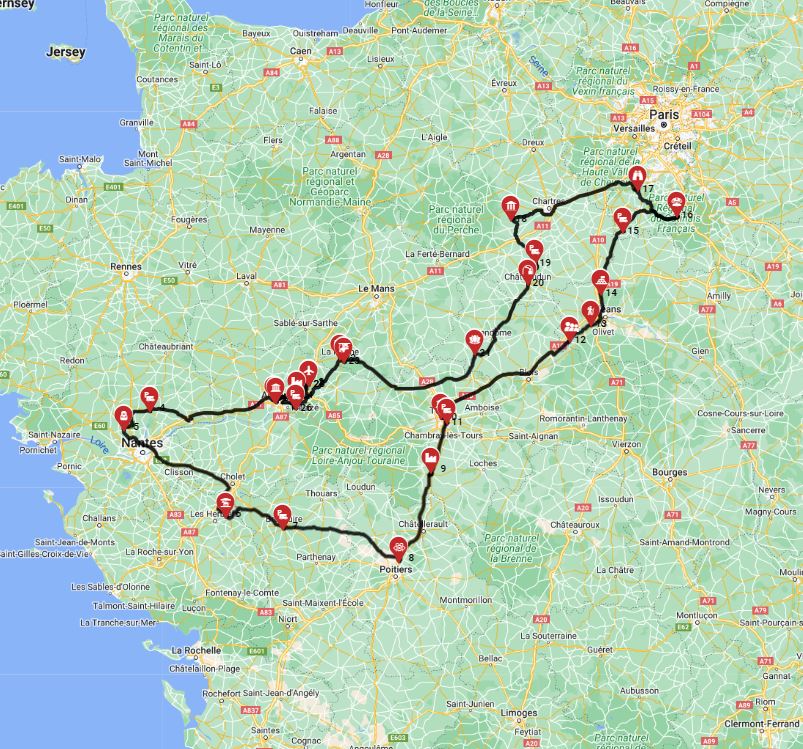
- The Loire Valley Châteaux, France: Drive through the heart of France and marvel at magnificent castles like Château de Chambord and Château de Chenonceau. Many offer family-friendly tours and sprawling grounds for kids to explore.
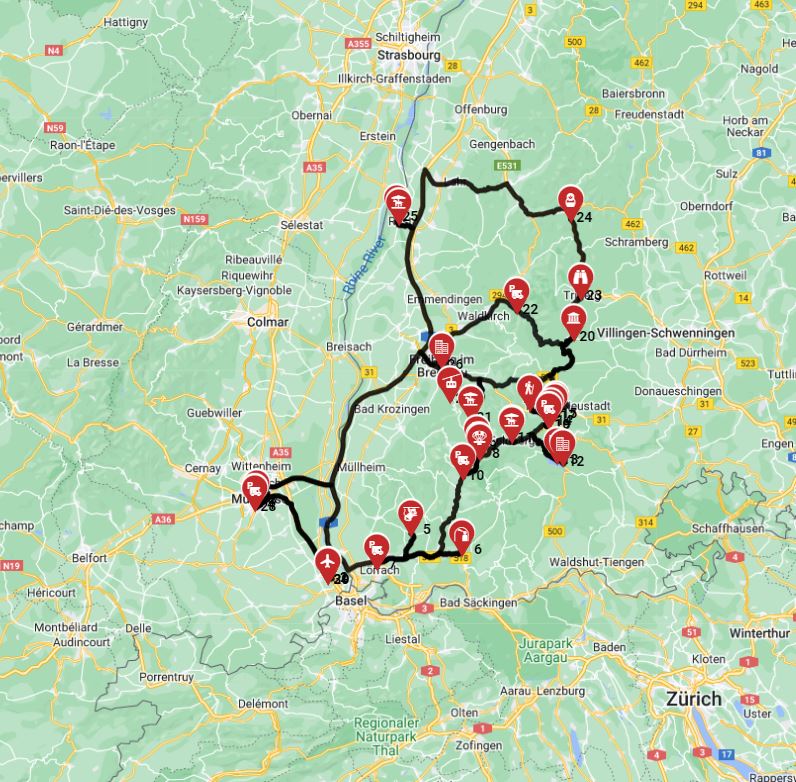
- The Black Forest Scenic Route, Germany: Experience charming villages, dense pine forests, and delicious cake on a leisurely drive through the Black Forest, making sure to stop at a traditional German 'Boerencamping' for an authentic stay.
- The Italian Dolomites, Italy: Hike or bike through stunning alpine landscapes, with campsites offering breathtaking mountain views. The fresh air and dramatic scenery are perfect for active families.
- Coastal Drives of Portugal: Explore the Algarve's golden beaches and dramatic cliffs with your rented campervan, enjoying fresh seafood and charming seaside towns.
- Swiss Alpine Passes: Navigate the iconic mountain passes in Switzerland, stopping at picturesque lakes and quaint towns. Remember to check Alpine Tunnels & RV Restrictions for larger vehicles.
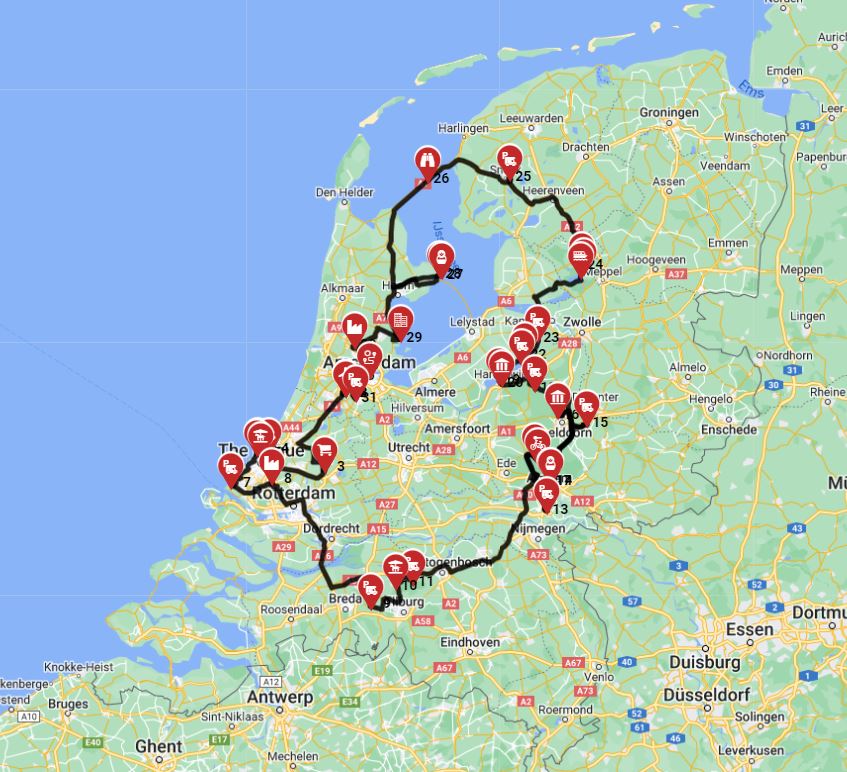
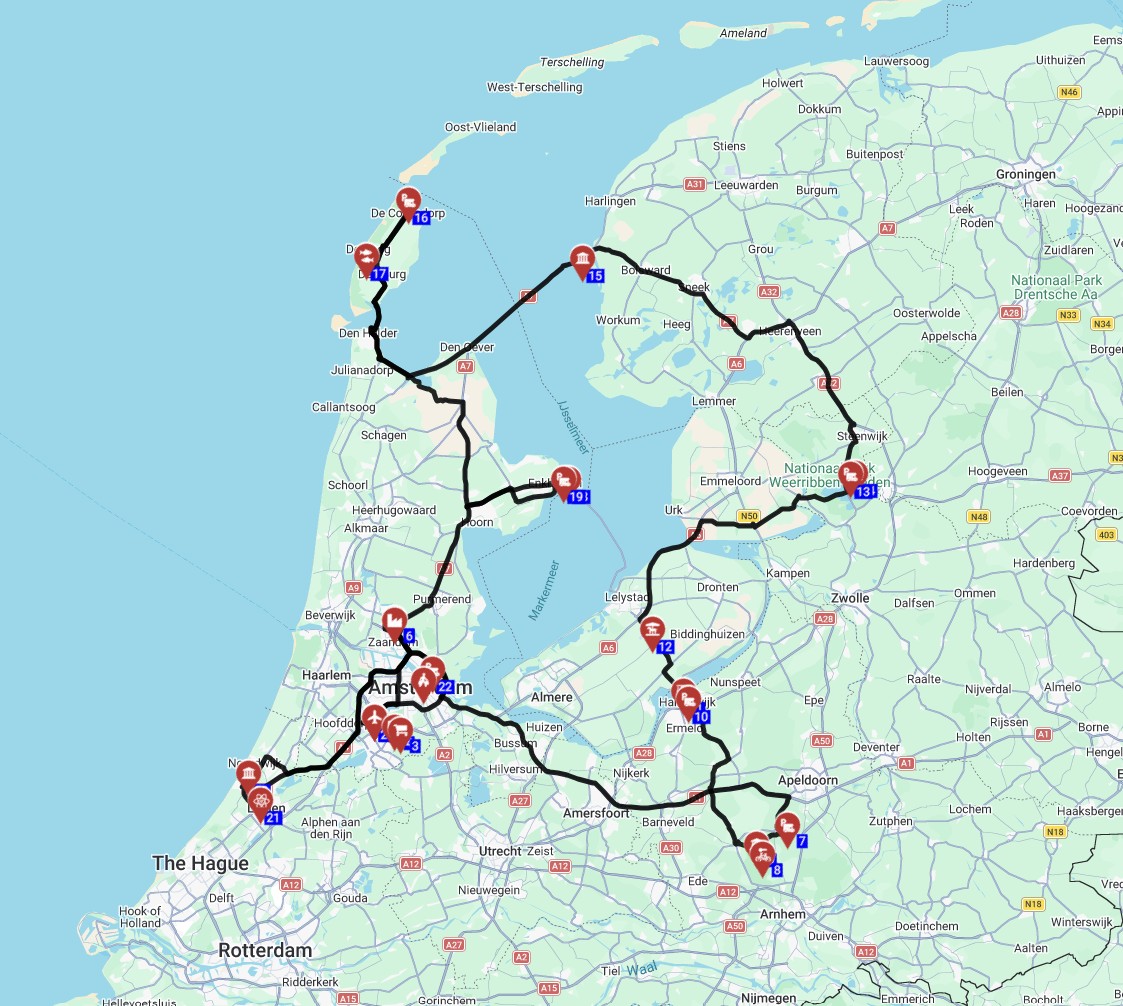
- Dutch Windmills and Canals, Netherlands: Visit iconic windmills and explore the flat, cycling-friendly routes. Stay at a 'Boerencamping' for a unique, local experience.
Final Thoughts
Embarking on a family RV camping trip in West Europe is truly an adventure that brings families closer and creates memories to last a lifetime. With the unparalleled freedom of a rented motorhome, you can chart your own course, discover hidden gems, and experience the continent's diverse cultures and breathtaking landscapes at a comfortable pace. Remember, we're here to handle the details so you can focus on living the journey, offering personal service from day one until your booking is confirmed. Whether you're a meticulous planner or a spontaneous explorer, West Europe welcomes RV families with abundant campsites and endless possibilities. By choosing the right vehicle, planning your stops, and embracing the local rhythm, you're set for an incredible adventure. Are you ready to create your family's next great story? Compare Motorhome Prices for West Europe and start planning your unforgettable road trip today!On the routes offered through RV PLANET routes, you can itemize and track every expense along the way for easy budgeting.