In This Guide
- Where to Camp in South Europe - Top Options
- Campground Types in South Europe (National, Private, Wild)
- Featured RV Park or Campground in South Europe
- Hookups & Amenities - What to Expect
- Booking Windows & Reservations in South Europe
- Nearby Supermarkets & Resupply Points
- Best RV Class for Camping in South Europe
- How to Save on Campgrounds in South Europe
- How much does it cost to rent an RV in South Europe?
- What is the best time to RV in South Europe?
- Is RV travel popular in South Europe?
- Where can you park an RV overnight in South Europe?
- What are the disadvantages of RV travel in Europe?
- How do I plan an RV trip in Europe?
Imagine your family waking up to the gentle lapping of waves on a pristine Croatian beach, or perhaps surrounded by the rolling vineyards of Tuscany, all from the comfort of your rented motorhome. South Europe offers an incredible array of landscapes and experiences perfect for a family RV adventure, blending historical exploration with sun-drenched relaxation. Planning a memorable journey for your loved ones involves understanding the unique camping environment, local customs, and selecting the perfect mobile home to create lasting memories. For live availability and current prices, start with our RV Rental South Europe - Complete Guide 2026 guide.
Where to Camp in South Europe - Top Options
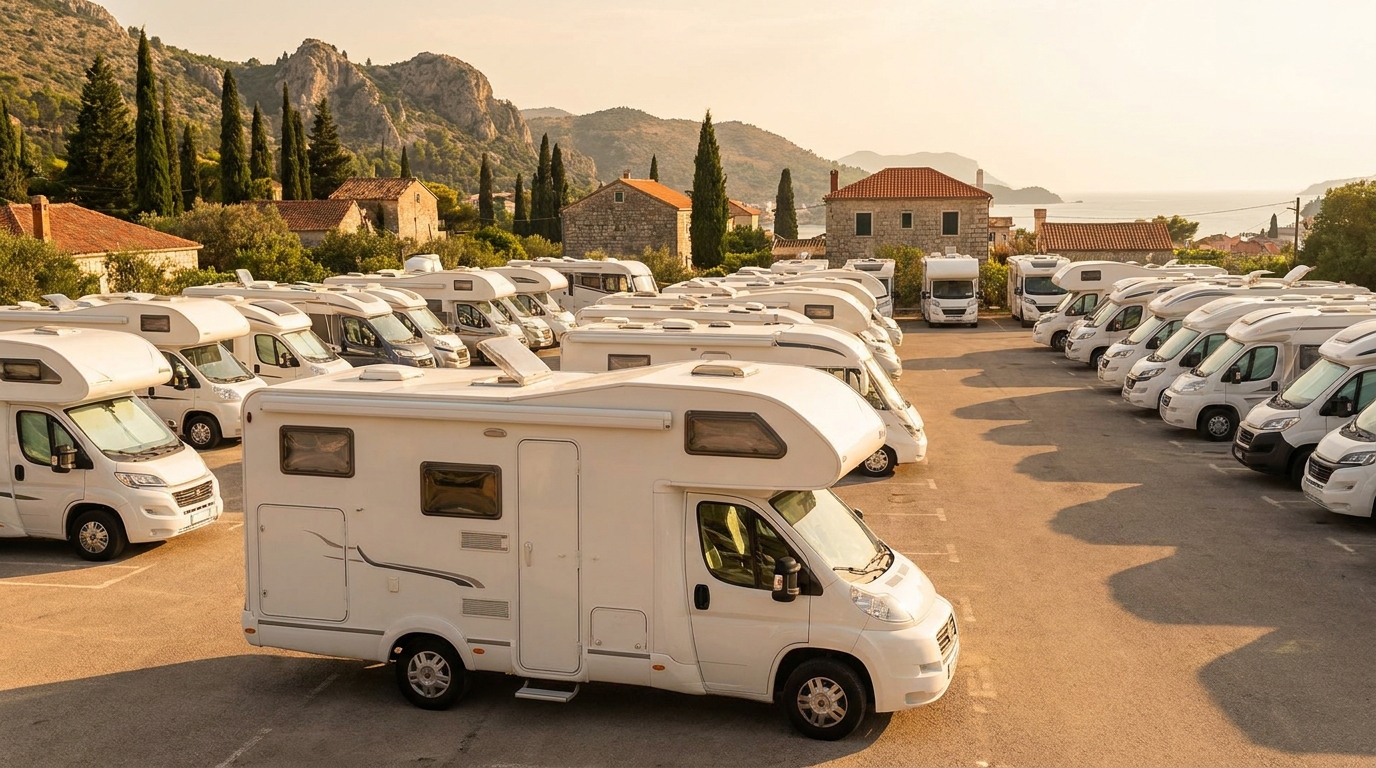
Private campsites are among the top options for families traveling by RV in South Europe, offering extensive amenities designed for comfort and entertainment. These well-equipped sites, often found along the coasts of Portugal's Algarve, Italy's vibrant shores, or Croatia's stunning Dalmatian Coast, typically feature swimming pools, restaurants, children's play areas, and organized activities. They provide a secure and social environment, making them an excellent base for a week-long trip or an extended road trip. Alternatively, national and regional park campgrounds offer a more natural, serene setting, perfect for families seeking direct access to hiking trails and stunning scenery, though facilities might be more basic. For shorter stays or transit, designated RV parking areas, known as 'Aree di Sosta' in Italy or 'Áreas de Autocaravanas' in Spain, provide essential services like water and waste disposal, often at a low cost or for free. Each option presents a different facet of South European camping, allowing families to tailor their experience to their preferences.Campground Types in South Europe (National, Private, Wild)
In South Europe, camping options for families range from luxurious private resorts to rustic national park sites, with strict limitations on wild camping. Private campsites are the most prevalent and family-friendly choice, providing amenities such as swimming pools, restaurants, playgrounds, and full hookups (electricity, water, waste disposal), ensuring a comfortable stay. These sites are abundant in popular tourist areas across Italy, Spain, Portugal, and Croatia, offering a secure base for exploration. National and regional park campgrounds are typically managed by park authorities and offer a more immersive natural experience, usually with fewer luxuries but essential facilities, and direct access to outdoor activities. Booking these sites well in advance is crucial, especially during peak season, as only 25-30% of spots may be available for advance reservations. Wild camping, or 'free camping,' varies significantly in legality across South Europe and is often prohibited or severely restricted. In Portugal, wild camping outside designated areas is generally illegal, though overnight parking for RVs in non-prohibited areas is often tolerated for short durations (max 48 hours in the same municipality). Spain also broadly prohibits wild camping, but overnight parking in suitable spots is often accepted if you don't 'set up camp' (e.g., no awnings, chairs out). Italy, Croatia, and Greece maintain strict bans on wild camping outside official sites, particularly in coastal areas and national parks, to protect the environment and manage tourism. Always consult local regulations, utilize RV-specific apps for guidance, and prioritize designated RV parking areas or official campsites to ensure a hassle-free journey and respect local communities.Featured RV Park or Campground in South Europe
When selecting a featured RV park or campground in South Europe for families, look for establishments that prioritize children's activities and safety. An ideal family RV park will offer a variety of amenities, such as a swimming pool, diverse children's play areas, and family-friendly facilities, ensuring entertainment for all ages. Top-rated options often include secure pitches for your rented motorhome, impeccably clean restroom and shower facilities (some may even offer family bathrooms), and convenient on-site dining options or close proximity to local restaurants and supermarkets. During the high season, many premier campgrounds organize entertainment programs and activities, from kids' clubs to evening shows, enhancing the family vacation experience. Always research recent reviews for family-oriented services and consider the location, such as proximity to beautiful beaches, national parks, or cultural attractions, to identify the perfect spot for your adventure in South Europe.Hookups & Amenities - What to Expect
In South European campgrounds, families can generally expect a good range of essential hookups and amenities, though availability often varies by site quality and price. Most private campsites offer 220-240V electricity, typically requiring a standard CEE (blue) plug adapter, which is common across Europe, so ensure your RV's electrical system is compatible. Fresh water taps are widely available, and greywater and blackwater dump stations are standard at all but the most basic sites, with some premium pitches offering direct water and waste connections for added convenience. Wi-Fi is increasingly provided, often free in common areas and sometimes at individual pitches, although signal strength and speed can be inconsistent depending on location and provider. Coin-operated washing machines and dryers are a staple at most mid-to-large sized campgrounds, which is particularly useful for families embarking on longer week-long trips or multi-week adventures. Clean, private showers (some with coin-operated hot water) and flush toilets are standard, with many family-focused sites also offering dedicated family bathrooms. Beyond these essentials, many campgrounds designed for families also boast swimming pools, playgrounds, mini-markets, and even restaurants or entertainment during peak seasons, making your rented motorhome a true mobile home base. To effortlessly plan and budget for all these amenities, explore RV PLANET routes where you can itemize and track every expense.Booking Windows & Reservations in South Europe
For families planning an RV trip in South Europe, securing campsite reservations well in advance, especially for popular destinations and peak season, is highly recommended to ensure a stress-free journey. If your family plans to travel during the high season (July-August) or visit iconic locations such as the Italian coast or the Greek islands, booking 3-6 months ahead significantly increases your chances of securing your preferred spot, particularly for larger Class C motorhomes or specific pitch types. Many popular national park campgrounds, in particular, may only release 25%-30% of their spots for advance reservations, leaving the remainder on a first-come, first-served basis. However, spontaneous travelers need not worry excessively: while challenging in peak season, it is often still possible to find a place, especially during the shoulder seasons (May-June, September-October). Municipal or smaller private campgrounds frequently have same-day or next-day availability. It is always wise to call ahead before driving a long distance, especially with children, to confirm availability. You'll find a spot; if not at the first campground, then the next one. Don't stress, just use common sense and pay attention. If you're looking for Weekly RV Rental in South Europe - Pricing 2026 often varies based on booking lead time.Nearby Supermarkets & Resupply Points
Resupplying your family RV in South Europe is generally convenient, with numerous supermarket chains readily accessible even in smaller towns and near major camping areas. Look for major European chains such as Lidl, Aldi, Carrefour, E.Leclerc, and Mercadona (predominantly in Spain) for budget-friendly groceries, fresh produce, and essential household supplies. In Italy, Coop and Conad are widespread; in Portugal, Continente and Pingo Doce are popular; and in Croatia, Konzum is a common choice, all offering a comprehensive selection of items suitable for RV living and cooking on board. Many larger supermarkets also offer ample parking, making them easy to access with a rented motorhome. Smaller local markets or 'minimarts' are perfect for picking up fresh, regional specialties, allowing your family to experience local flavors. For families interested in preparing meals in their RV, check out our RV-friendly recipes playlist for inspiration.Best RV Class for Camping in South Europe
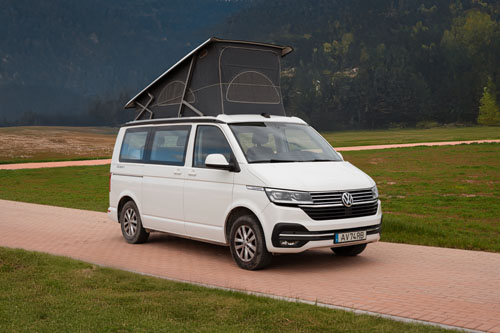
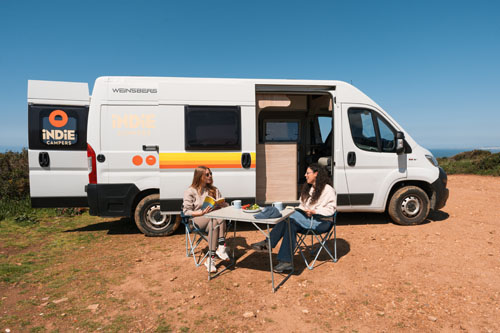
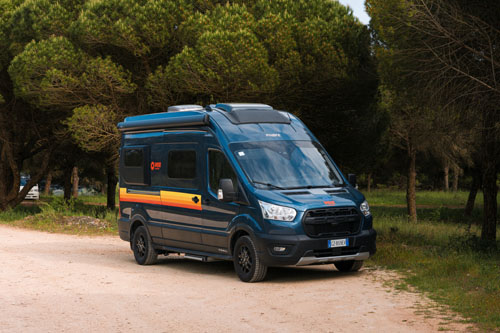
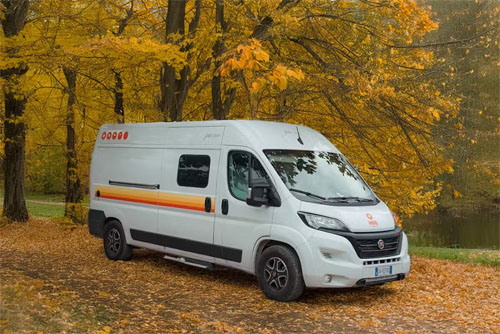
For families exploring South Europe, Class C (Alcove) and Class SI (Semi-integrated) motorhomes typically offer the best balance of space, amenities, and maneuverability. Class C motorhomes are ideal for larger families, with Bandana's fleet averaging 7.5 meters in length, capable of sleeping 5.8 people and accommodating 4.4 adults comfortably. Their generous overhead sleeping area provides extra space without sacrificing living room, making them perfect for families needing separate sleeping zones. Fuel consumption for these models typically ranges from 10-12 Liters/100 km. Class SI (Semi-integrated) RVs are a great choice for smaller families, such as two adults and one or two children. These rented motorhomes from Bandana's fleet average 6.9 meters in length, sleeping 3.8 people and accommodating 3.4 adults. They offer a more streamlined profile, which can be advantageous on narrower South European roads, especially when navigating charming villages, while still providing comfortable living spaces. Common fuel consumption for Class SI models is around 10-11 Liters/100 km. While Class A (Integrated) offers more luxury, its larger size (average 7.5 meters) can be challenging on historic town streets and for parking in busy areas. Campervans (Class B), averaging 5.8 meters, are highly maneuverable but typically too small for most families, averaging 3.2 sleeping places and 2.7 adults, making them better suited for couples or small groups on a minimalist trip. Our true RV specialists can help you compare Motorhome Prices for South Europe and find the right vehicle for your family.How to Save on Campgrounds in South Europe
Families can significantly reduce campground costs in South Europe by utilizing discount cards and strategic booking practices. RV discount cards, such as ACSI or CampingCard International, are often available through rental providers, including Bandana, and can provide substantial off-season discounts, sometimes up to 50%, at thousands of participating campgrounds across Europe. Traveling during the shoulder seasons (May-June or September-October) is another excellent way to save money, as it avoids peak season pricing and crowds, offering a more serene and budget-friendly experience. Choosing municipal or regional campgrounds, which are often less expensive than large private resorts, can also help cut costs, especially if your family prioritizes basic amenities over extensive luxury facilities. Planning for longer stays, ideally 3+ nights at key locations, can also lead to savings as many campgrounds offer discounted weekly rates compared to daily rates. Finally, consider utilizing designated RV parking areas, known as 'Aires' (France), 'Aree' (Italy), or 'Áreas de Autocaravanas' (Spain); these spots are often free or very low-cost, providing basic services (water, dump) without the full campground experience, making them ideal for transit days or overnight parking. Find family rv Rentals in South Europe at great prices with these tips.How much does it cost to rent an RV in South Europe?
The total cost to rent an RV in South Europe for a family varies widely based on factors like RV class, rental duration, season, and additional expenses such as fuel, tolls, and campsites. Expect daily rental rates for a Class C or SI RV, suitable for a family, to fluctuate significantly, ranging from approximately €80-€150 per day in the shoulder season to €150-€250+ per day during peak summer months. Fuel will be a major expense; with Bandana's Class C RVs averaging 10-12 Liters/100 km and Class SI RVs at 10-11 Liters/100 km, current fuel prices, which can be around €1.70-€2.00 per liter, should be factored into your budget. Tolls are also a significant cost in many South European countries, particularly France, Italy, Spain, Portugal, and Croatia, with extensive networks that can add €10-€30 or more for a single long stretch. Budget €25-€60 per night for a family pitch at a private campground with hookups, less for municipal sites or designated RV parking areas. Groceries from local supermarkets will be more economical than frequent restaurant meals, helping families save money on food. Allocate additional funds for attractions, potential ferry costs (if island hopping, especially in Greece or Croatia), and local experiences. Be aware of potential parking fines in historic towns, specific urban access restrictions (ZTLs in Italy), and the cost of essential supplies like gas for cooking or toilet chemicals, as these are often overlooked expenses that can impact your overall family rv rental cost. Our RV Rental in South Europe - Prices and Best Deals 2026 page offers more details on these dynamic costs.What is the best time to RV in South Europe?
The best time for a family RV trip in South Europe is during the shoulder seasons-late spring (May-June) and early autumn (September-October)-to enjoy pleasant weather, fewer crowds, and more affordable rates. Spring offers blooming landscapes, comfortable temperatures typically ranging from 20-28°C, and lower tourist density, making it ideal for exploring historic towns, national parks, and coastal regions without the intense summer heat. Autumn provides still-warm seas perfect for swimming, beautiful fall foliage in inland areas, and a relaxed atmosphere as the peak tourist rush subsides, with campground and attraction prices tending to drop, offering better value for families. Summer (July-August), while popular for beach holidays, often brings higher temperatures (frequently above 30°C), crowded campsites and attractions, and peak pricing, making navigation more challenging due to increased traffic. Traveling in the shoulder season also allows families to discover more authentic, off-the-beaten-path experiences, as local communities are less overwhelmed and more accessible, fostering a deeper connection to the culture, the food, and the scenery. Remember to travel slowly, max 100-150 km per day on average, to truly appreciate the region's charm.Is RV travel popular in South Europe?
Yes, RV travel is increasingly popular in South Europe, attracting both domestic and international tourists seeking flexible, immersive, and family-friendly holidays. The region's diverse landscapes, from Portugal's stunning Atlantic coastlines and Spain's historic cities to Italy's picturesque countryside and Greece's iconic islands, are highly appealing for exploration by rented motorhome or campervan. Southern European countries have significantly invested in dedicated RV infrastructure, including an expanding network of official campsites and specialized 'aires de service' (France), 'aree di sosta' (Italy), and 'áreas de autocaravanas' (Spain). This robust infrastructure supports the growing trend of RV travel, making it a convenient and accessible option for many. The flexibility of a rented RV allows families to explore at their own pace, discover hidden gems, and fully experience local culture and nature, contributing significantly to its popularity.Where can you park an RV overnight in South Europe?
In South Europe, families can typically park their RVs overnight in official campgrounds, designated RV parking areas, and, with strict local adherence, some informal spots, though wild camping laws are stringent. Official campgrounds are the most common and safest option, offering secure parking, hookups, and amenities tailored for RVs, and are widely available across all Southern European countries. Designated RV parking areas, known as 'Aree di Sosta' in Italy, 'Áreas de Autocaravanas' in Spain, or 'Aires de Service' in France, are specific parking spots, often municipal, that provide basic services like water and waste disposal, sometimes for a small fee or for free. These spots are excellent for short stays, transit, or as a convenient alternative to full campsites. In some rural or less-touristed areas, particularly in Portugal and Spain, overnight parking for a rented camper might be tolerated if there are no explicit prohibitions and you are not 'camping' (meaning no awnings out, no chairs outside). However, wild camping is largely illegal in countries like Italy, Croatia, and Greece, and generally prohibited or heavily restricted in Spain and Portugal. Ignoring these laws can lead to significant fines, potentially hundreds of Euros in Croatia, and negative environmental impacts. Always prioritize legal and designated parking solutions to ensure a smooth and respectful journey.What are the disadvantages of RV travel in Europe?
While rewarding, RV travel in South Europe does present specific challenges, including navigating narrow roads, managing tolls, and adhering to strict urban access rules, which families should be prepared for. Historic towns and rural villages in Southern Europe often feature very narrow, winding roads not originally designed for larger vehicles like a Class C or SI motorhome. This can make driving challenging and stressful, frequently requiring careful planning to park outside town centers and use public transport to explore. Finding suitable parking for a larger RV in popular tourist towns or cities can be extremely difficult and expensive, as many historic centers have restrictions, and dedicated RV parking may be far from attractions. Countries like Italy, France, Spain, and Portugal have intricate toll road systems; understanding the different payment methods (manual, electronic tags like Via Verde or Telepass) and associated costs can be confusing and add significantly to your budget. Many Italian cities, and increasingly others, enforce 'Zona a Traffico Limitato' (ZTL) areas, restricting vehicle access to historic centers during certain hours, and entering these zones without a permit often results in hefty fines, which can arrive months later. Rural areas or older infrastructure may also have low bridges or tunnels, requiring careful attention to your rented RV's height to avoid damage. While we strive to make your experience seamless, please note that Bandana handles pre-booking comparison, booking support, and post-booking coordination, but local road conditions and regulations are the renter's responsibility during the trip. Drive slowly and carefully, and you can drive almost anywhere without issues. No need to stress - just use common sense and pay attention.How do I plan an RV trip in Europe?
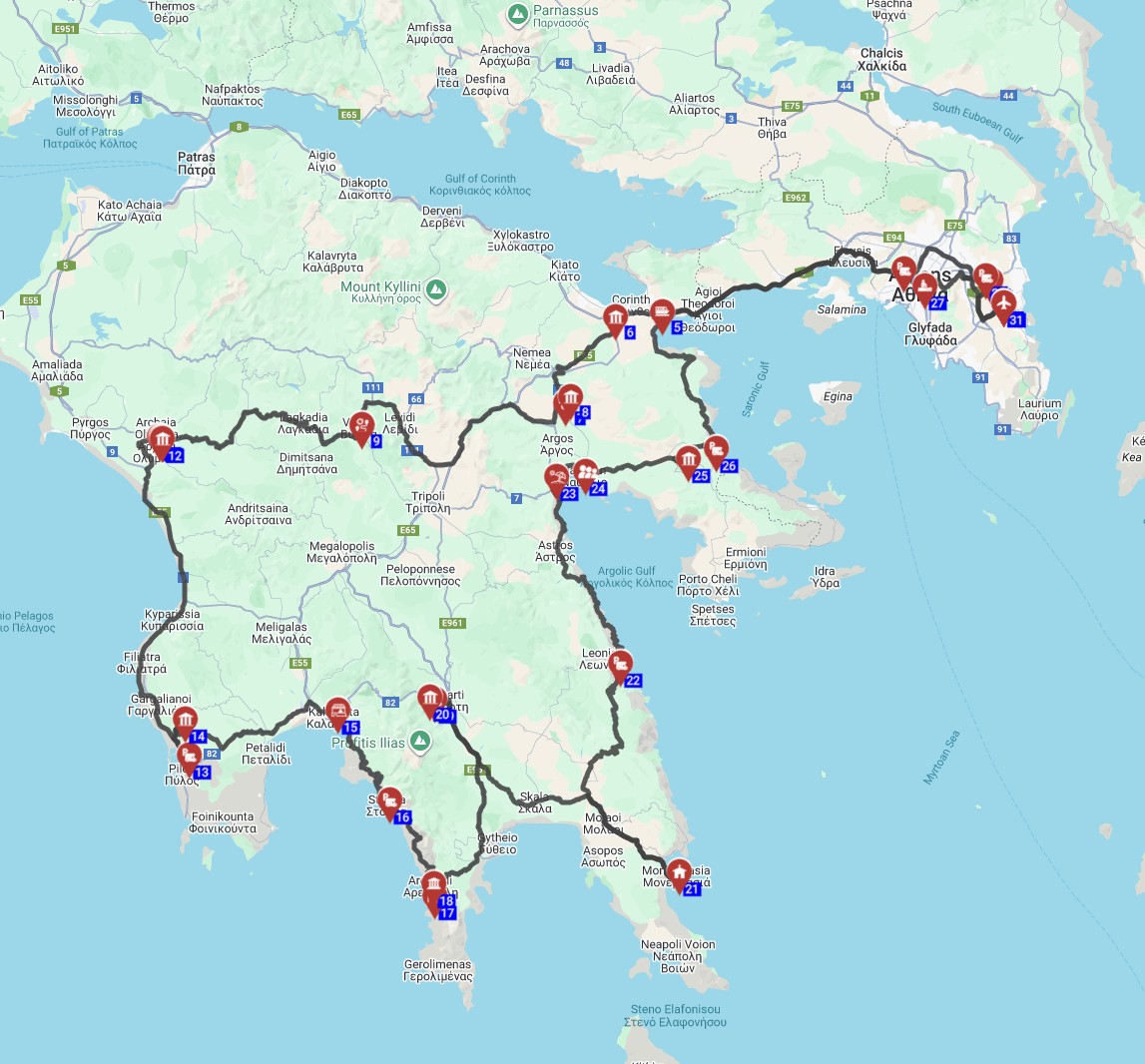
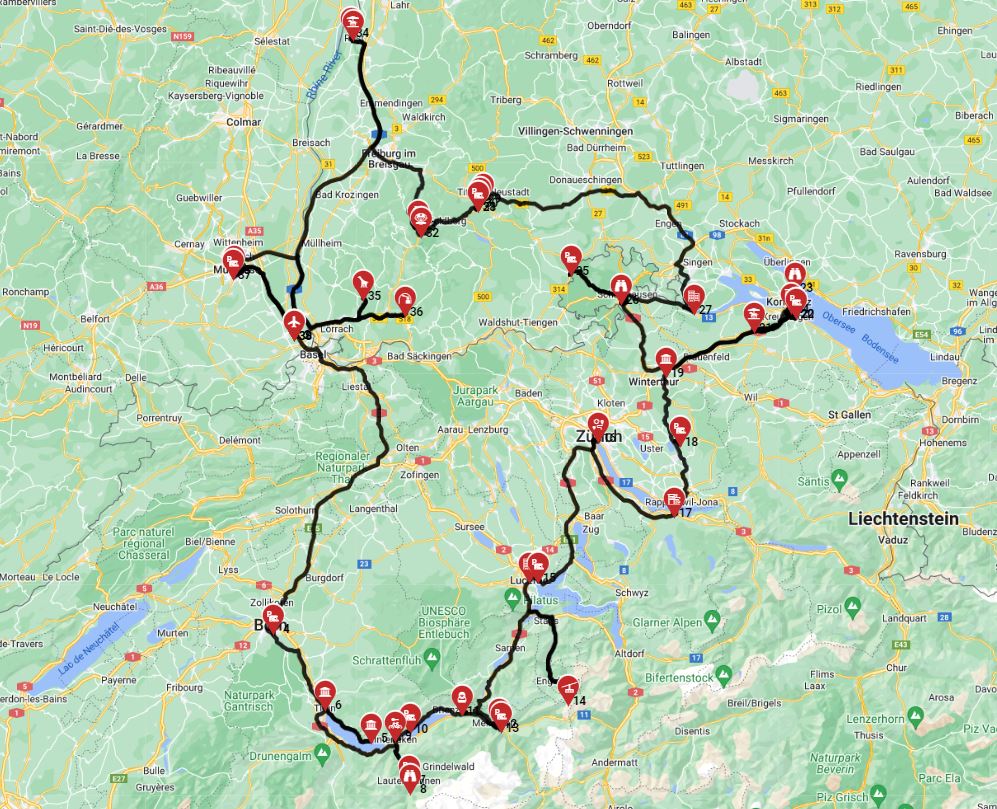
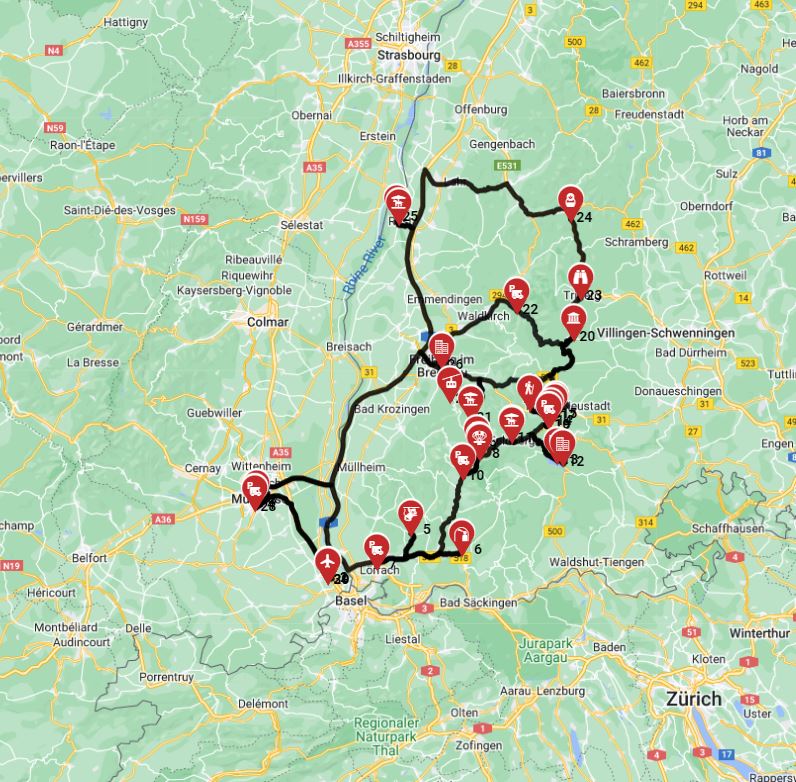
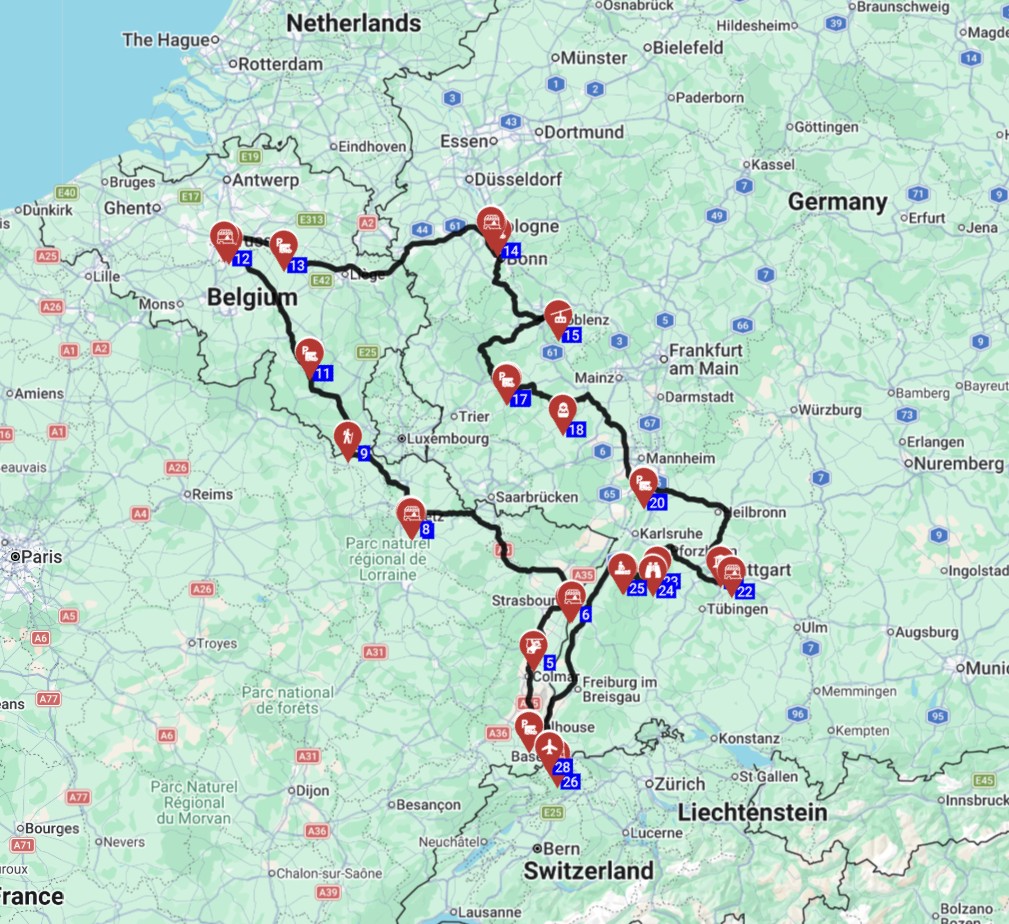
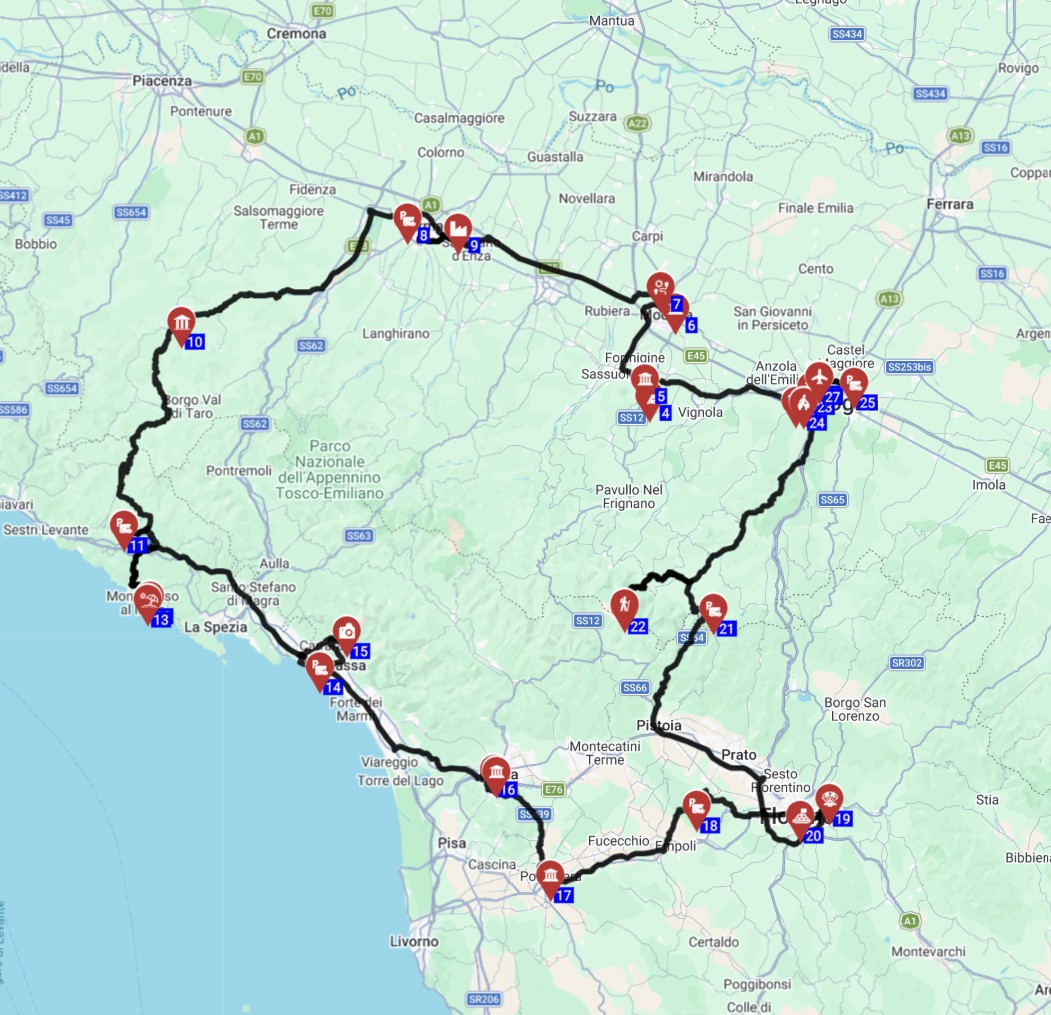
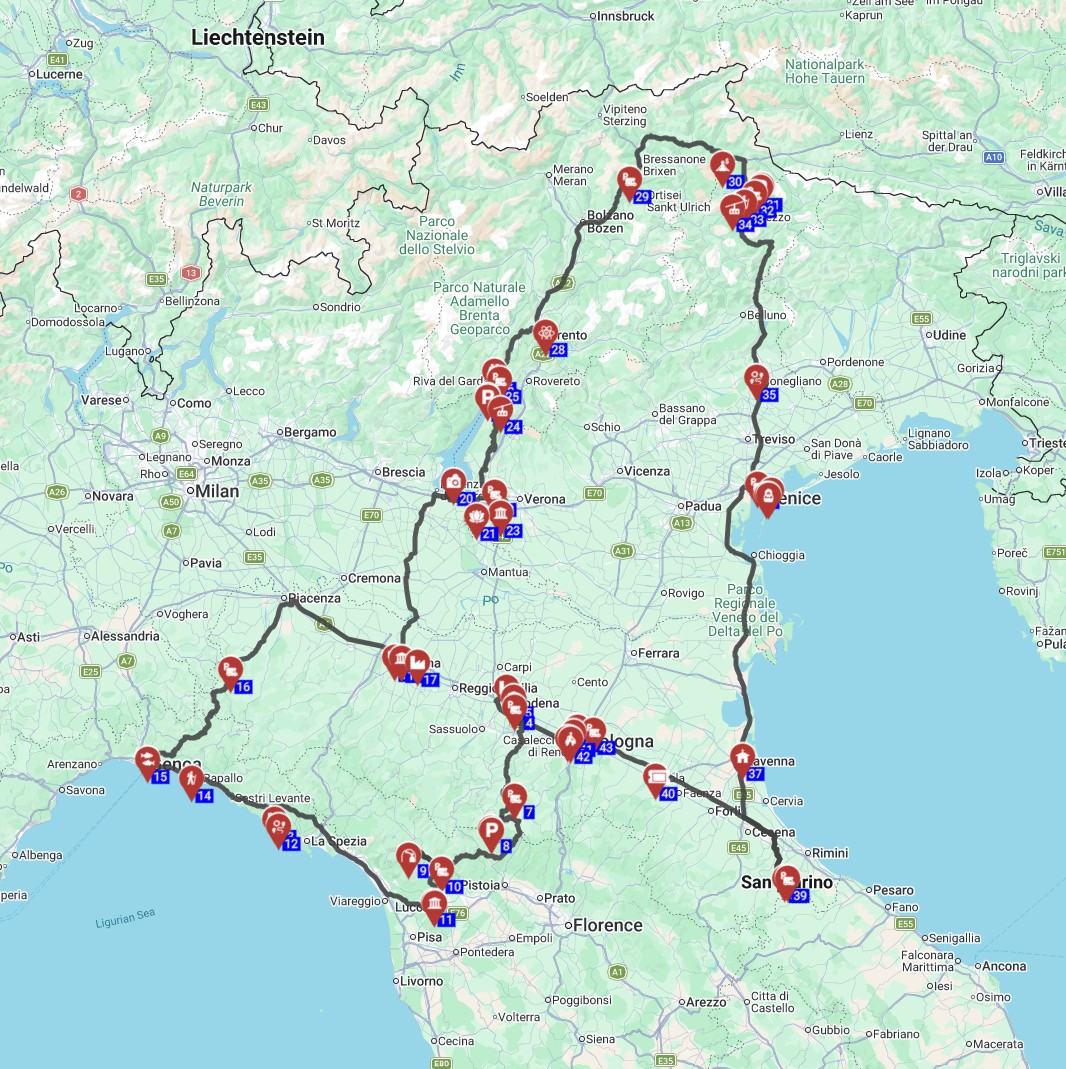
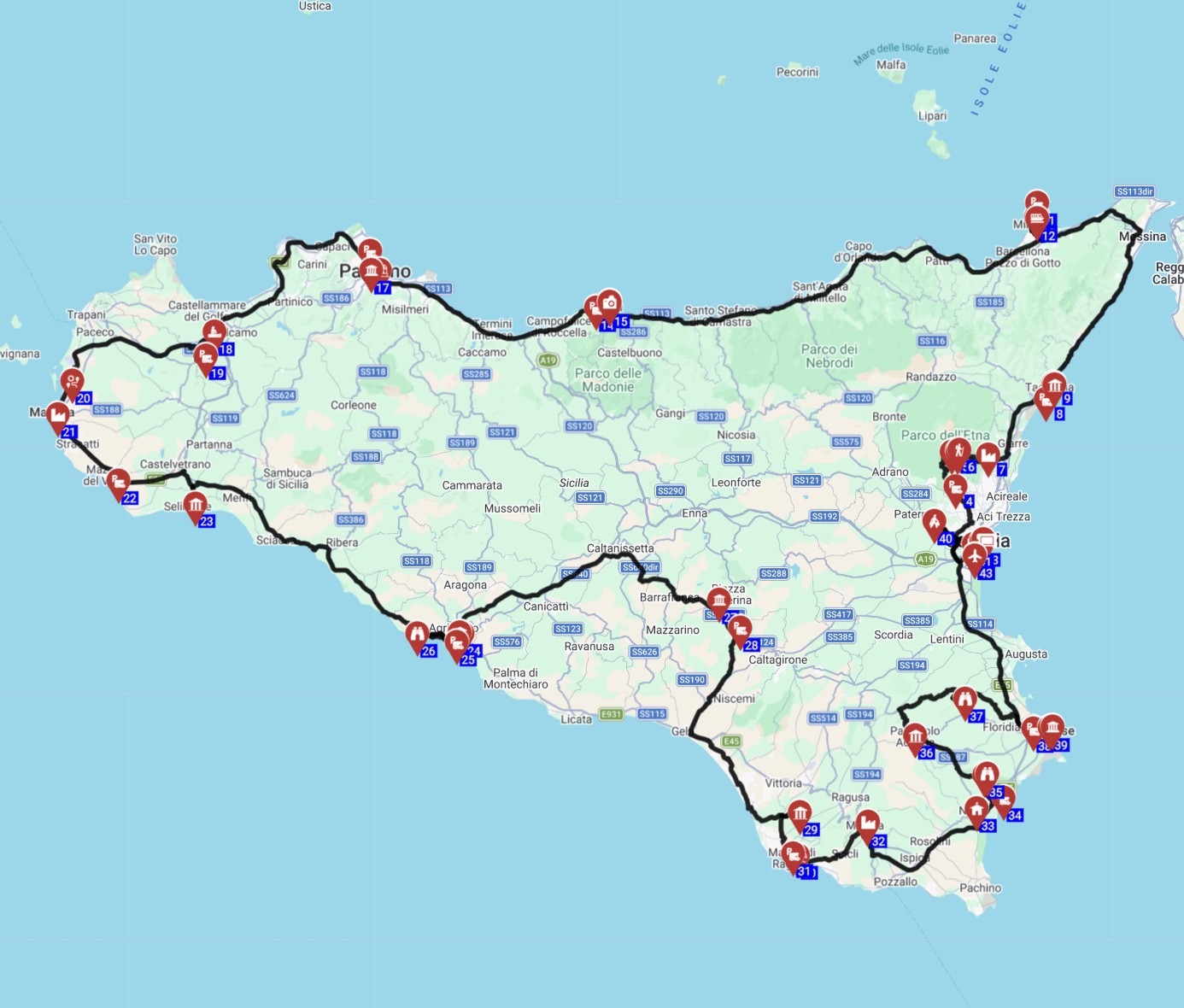
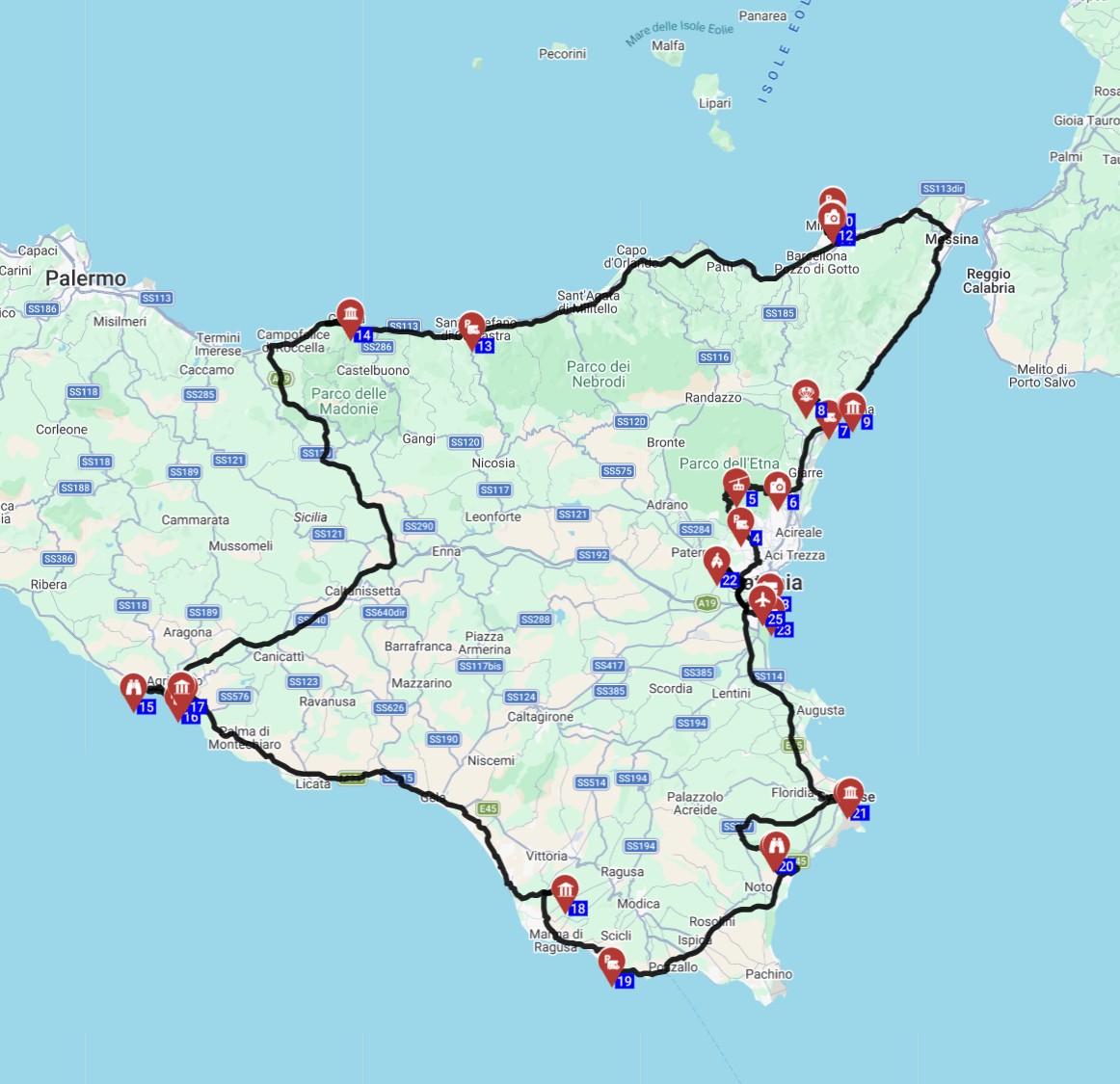
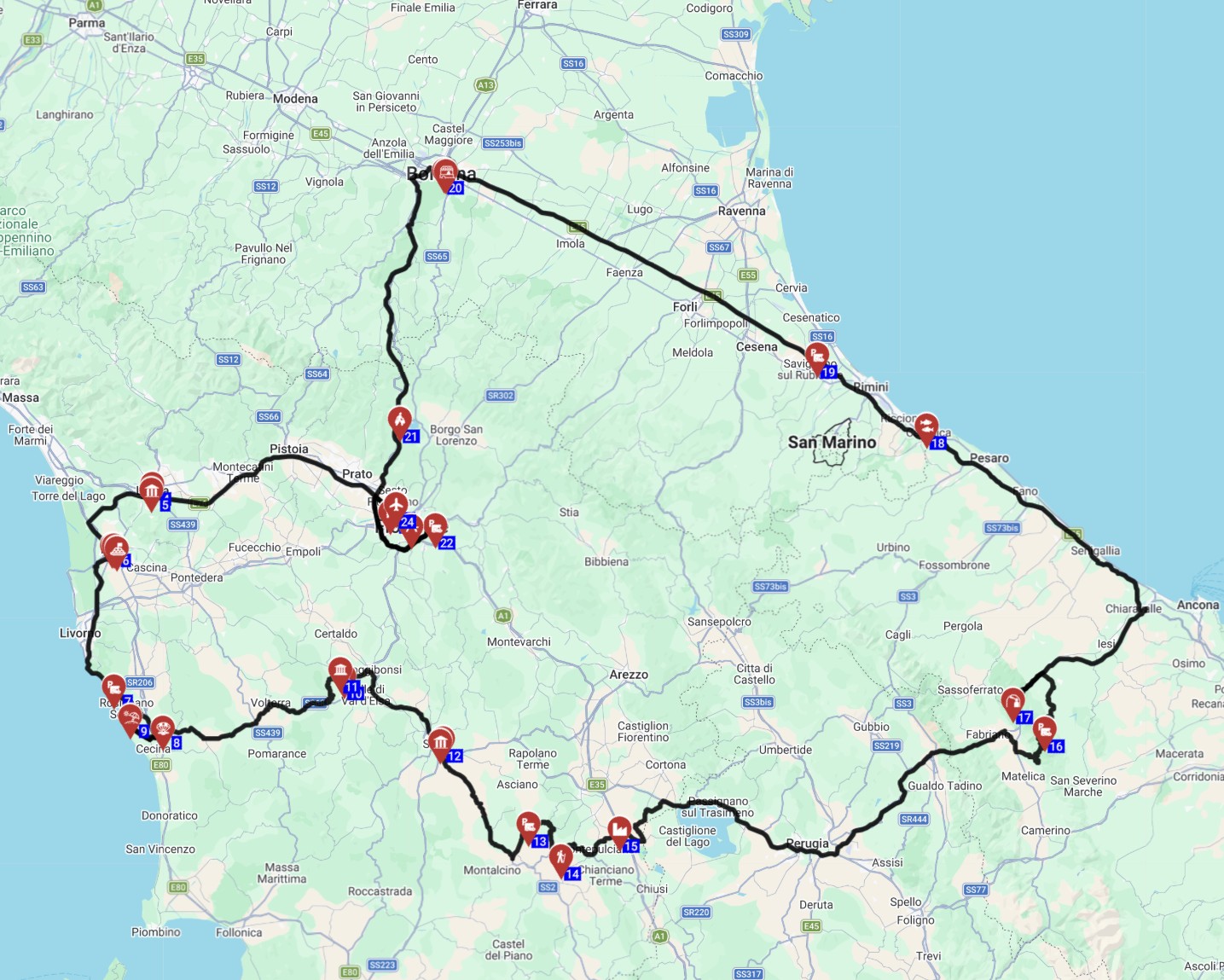
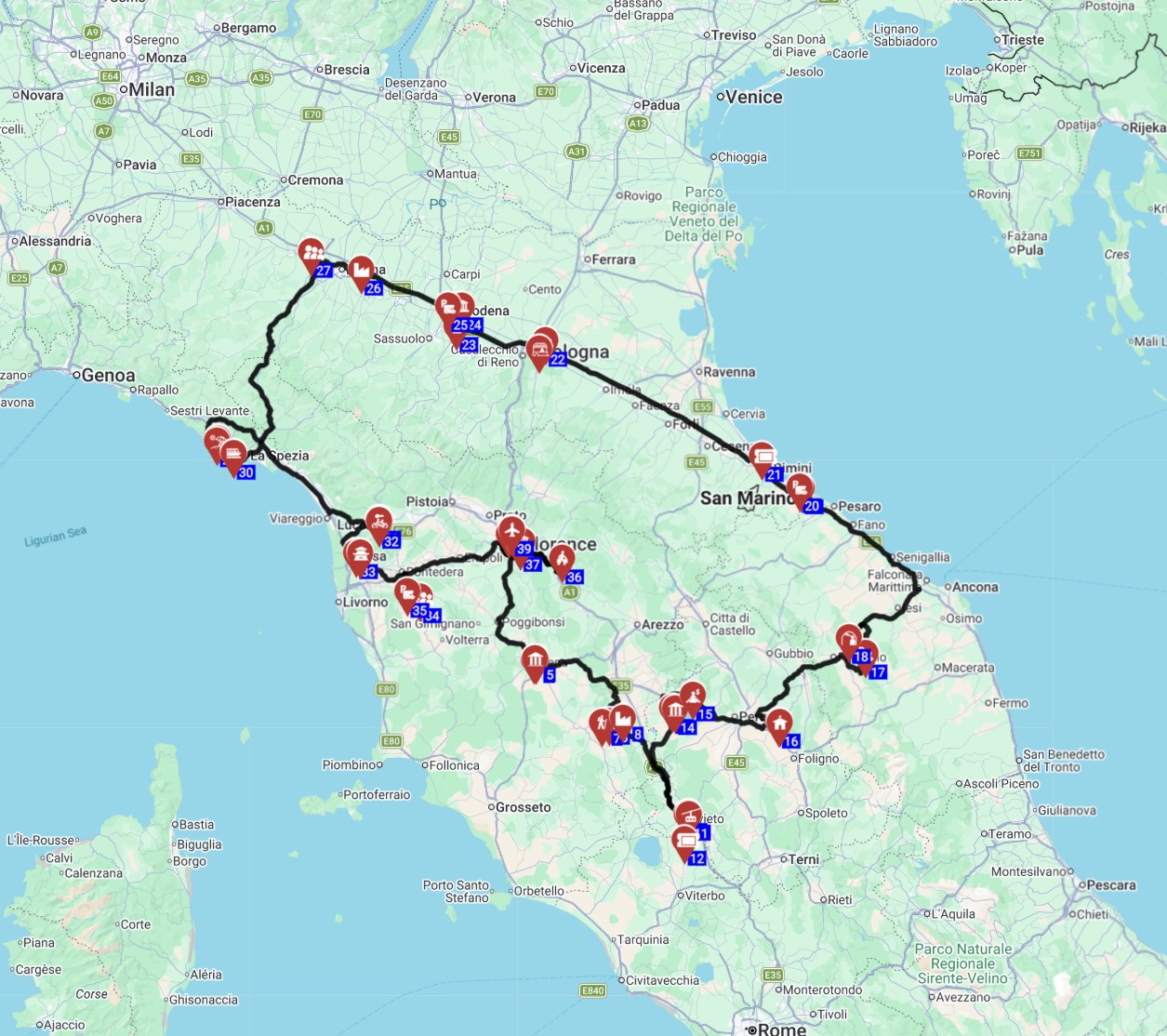
Planning a family RV trip in South Europe involves selecting your destinations, choosing the right RV, understanding local regulations, and preparing for practical challenges to ensure a smooth and memorable adventure. First, determine your itinerary: decide which countries and regions you want to visit, considering travel time between destinations and prioritizing scenic routes over speed, especially when traveling with children. For assistance, explore RV PLANET routes to discover pre-planned itineraries crafted by professionals. Next, select the right RV based on your family size and comfort needs; a Class C or SI motorhome is often ideal for families, balancing space with maneuverability on European roads. Crucially, research local regulations regarding wild camping, toll systems, urban access zones (like ZTLs), speed limits, and mandatory equipment (e.g., high-visibility vests, warning triangles). Create a detailed budget encompassing rental costs, fuel, tolls, campsite fees (which can be €25-€60 per night), groceries, activities, and a contingency fund for unexpected expenses. For popular areas or peak season travel, reserve family-friendly campsites in advance, and utilize discount cards for potential savings. Finally, prepare for practicalities: purchase necessary electrical and water adapters, familiarize yourself with your rented RV's systems, and consider a European SIM card for navigation and connectivity. Remember, embracing sustainable and responsible travel practices, such as proper waste disposal, water conservation, and supporting local businesses, contributes positively to the communities you visit.What You Shouldn't Miss
- Explore the Algarve Coastline (Portugal): Drive along Portugal's southern coast, stopping at family-friendly beaches like Praia da Rocha and visiting the caves of Benagil by boat. Many excellent campgrounds offer direct beach access.
- Discover Rome's Ancient Wonders (Italy): Park your motorhome just outside the city center at a well-equipped campsite and use public transport to explore iconic sites like the Colosseum, Roman Forum, and Vatican City, bringing history to life for the kids.
- Island Hopping in Croatia's Dalmatian Coast: Rent a motorhome and take a ferry to explore islands like Brač or Hvar, enjoying crystal-clear waters and charming coastal towns. Remember, some ferries offer 'Camping on Board' for a unique experience.
- Taste Tapas in Andalusia (Spain): Journey through Southern Spain, savoring delicious local food in cities like Seville and Granada, while staying in convenient 'Áreas de Autocaravanas' near the city outskirts.
- Hike in Olympus National Park (Greece): Combine beach relaxation with mountain adventure by exploring the stunning trails of Olympus National Park, the mythical home of the gods, offering breathtaking views and invigorating outdoor activities.
🎬 Video coming soon
Looking for expert insights from Avi Bandana?
Top 5 Adventures - recommendations from Avi Bandana
Final Thoughts
An RV adventure through South Europe promises an unforgettable family experience, filled with diverse landscapes, rich history, and incredible food. By choosing a rented motorhome or campervan, you unlock the freedom to explore at your own pace, creating a personalized itinerary that perfectly suits your family's desires. From the sunny beaches of Portugal to the historic cities of Italy and the stunning coasts of Croatia, South Europe is truly a region best discovered on the open road. Remember to embrace the journey, take your time, and savor every moment with your loved ones. With careful planning and the right vehicle, you're not just taking a trip; you're building a treasure trove of memories. We are here to support you every step of the way, ensuring your family's RV rental in South Europe is everything you dreamed of and more. Discover top destinations, planning tips, all in one place! Plan a trip itinerary in advance with minimal effort and maximum enjoyment.On the routes offered through RV PLANET routes, you can itemize and track every expense along the way for easy budgeting.