In This Guide
- Where to Camp in Botswana - Top Options
- Campground Types in Botswana (National, Private, Wild)
- Featured RV Park or Campground in Botswana
- Hookups & Amenities - What to Expect
- Booking Windows & Reservations in Botswana
- Nearby Supermarkets & Resupply Points
- Best RV Class for Camping in Botswana
- How to Save on Campgrounds in Botswana
- How do I manage waste and water for an RV in Botswana?
- Which roads are suitable for RV travel in Botswana?
- How much does RV travel in Botswana cost compared to other options?
- What do I need to know about border crossing with an RV into Botswana?
- How can I stay connected while RVing in Botswana?
- What unique cultural experiences can I have with an RV in Botswana?
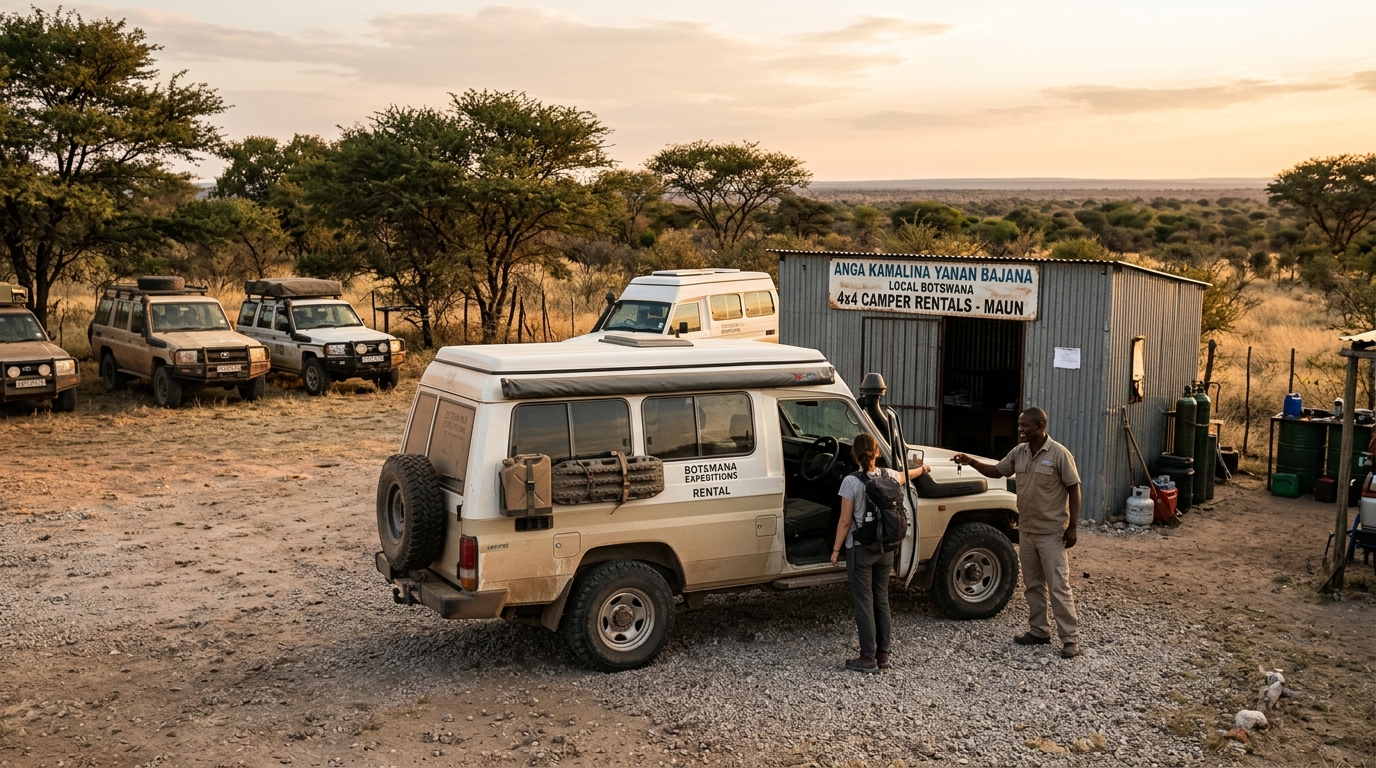
Imagine your family waking up to the sounds of the African bush, the gentle rustle of leaves, and perhaps the distant call of a lion. A family RV rental in Botswana offers an unparalleled way to explore this incredible country, bringing you closer to nature and culture than any other travel style. Botswana, renowned for its pristine wilderness and abundant wildlife, is an adventurer's dream, and with a comfortable motorhome or campervan, it becomes an accessible and truly unforgettable family journey. For live availability and current prices, start with our RV Rental Botswana - Complete Guide 2026 guide.
Where to Camp in Botswana - Top Options
Botswana offers a diverse range of camping experiences, from wild national park sites to amenity-rich private campgrounds, catering to every family's preference. National parks like Chobe and Moremi Game Reserve are premier destinations for wilderness camping, placing you directly amidst the wildlife. These sites provide a raw, immersive experience where nature is at your doorstep, often with basic facilities only. For families seeking more creature comforts, private campsites near bustling towns such as Maun, Gaborone, and Kasane offer a blend of convenience and adventure, providing amenities like flush toilets, hot showers, and sometimes even Wi-Fi. Many sites offer designated electrical hookups, ensuring your rented RV has power throughout your stay. The decision on where to camp will largely depend on your desired level of wilderness immersion versus comfort and accessibility.
Campground Types in Botswana (National, Private, Wild)
Botswana features three primary types of campgrounds: national park sites, private campgrounds, and designated wild camping areas, each offering a distinct experience. National park sites, such as those within the Okavango Delta or Chobe National Park, provide raw wilderness experiences, often with basic facilities like long-drop toilets and cold showers, emphasizing a truly authentic bush experience. Private campgrounds, found closer to towns like Maun, Kasane, and Gaborone, offer more comprehensive amenities including modern ablution blocks, reliable electric hookups (typically 220-240V), freshwater access, and sometimes swimming pools or restaurants. Wild camping, or 'bush camping,' is generally restricted to designated areas within wildlife management areas or requires special permits and experienced guides, making it less common for independent family RV travelers.
Featured RV Park or Campground in Botswana
When selecting a featured RV park in Botswana, families should prioritize sites offering secure parking, essential amenities such as water and waste disposal, and convenient access to key attractions or wildlife viewing areas. Look for campgrounds that provide family-friendly facilities, ample shade, and robust safety measures, especially given Botswana's wild nature. Locations like Maun, Kasane, or specific sites near the Okavango Delta offer prime access to the region's renowned safari experiences. An excellent example is Island Safari Lodge in Maun, which offers powered sites, swimming pools, restaurants, and activity bookings, serving as an ideal base for exploring the Okavango Delta. Another notable option is Senyati Safari Camp near Kasane, famous for its underground bunker that provides an up-close, safe wildlife viewing experience at its waterhole.
🎬 Video coming soon
Hookups & Amenities - What to Expect
RV campgrounds in Botswana typically offer a range of amenities, with electric hookups (usually 220-240V, Type M or Type G sockets common in Southern Africa), freshwater access, and designated grey/black water dump stations increasingly available, especially in private facilities. While national park sites may offer more basic facilities, many private campgrounds in popular tourist hubs like Maun and Kasane provide excellent services. Wi-Fi and laundry services are more common in private campgrounds than national park sites. Showers (often cold water only in remote sites) and basic ablution blocks are standard at most established campsites. Always remember that water is a precious resource in Botswana, so practicing water conservation is a thoughtful and necessary habit. When planning meals in your comfortable RV kitchen, you might enjoy our RV-friendly recipes playlist for delicious and easy ideas. On the routes offered through RV PLANET routes, you can itemize and track every expense along the way for easy budgeting.
Booking Windows & Reservations in Botswana
For family RV rentals in Botswana, proactive planning is crucial, with popular national park campsites often requiring reservations up to a year in advance, particularly for peak season (July-October). However, 25-30% of spots in many national and state parks are typically held for last-minute, first-come-first-serve bookings, offering flexibility for spontaneous travelers. It's always a good idea to call ahead before driving long distances to confirm availability. Rest assured, you'll almost certainly find a spot; if not at the first campground, then the next one down the road. Both early planners and last-minute adventurers can find suitable camping options, but specific highly sought-after locations, especially within Chobe or Moremi, benefit greatly from early booking. Remember, prices for RV rentals are dynamic, similar to flight tickets, changing daily based on availability and seasonality.
Nearby Supermarkets & Resupply Points
For RVers in Botswana, major towns like Gaborone, Maun, and Kasane serve as primary resupply points, featuring supermarket chains such as Spar, Choppies, and Shoprite where essentials can be purchased. It is highly recommended to stock up on groceries, potable water, and fuel in these larger towns before venturing into more remote safari areas, where supplies become scarce and more expensive. Smaller villages may have basic general stores but with limited selections and higher prices. Planning your route to include these resupply points is key to a smooth and enjoyable week-long trip. When considering all your trip expenses, from fuel to groceries and campground fees, RV PLANET routes allow travelers to itemize and track every expense along the way for easy budgeting.
Best RV Class for Camping in Botswana
For family camping in Botswana, Class C - Alcove and Class SI - Semi-integrated RVs are often ideal, balancing comfortable living space with maneuverability suitable for varied road conditions, especially if venturing off major tarred roads. Bandana's global fleet of Class C - Alcove RVs averages 7.5 meters in length and comfortably sleeps 5-6 people, making them excellent for larger families, while Class SI - Semi-integrated RVs average 6.9 meters and sleep 3-4, suitable for smaller families seeking more agility. For adventurous families or couples aiming for greater off-road capability and fuel efficiency, a Class B - Camper Van (averaging 5.8m, sleeping 2-3) might be preferred, as Bandana's global fleet averages 8-10 Liters/100 Km. The "MH-A" motorhome, with its 6.8 Liter / Gas engine and 302 Liter refrigerator/freezer, is perfect for longer excursions. Always choose a rented motorhome that matches your family's size and your planned route.
How to Save on Campgrounds in Botswana
To reduce family RV camping costs in Botswana, consider utilizing campground discount cards often available through rental providers or booking platforms, and traveling during the shoulder season (April-May, September-October) for potentially lower rates. Opting for municipal or regional campgrounds over more expensive private resorts can also lead to significant savings. Many campgrounds offer reduced rates for longer stays; staying for three or more nights can often qualify for weekly rates. When traveling with another RV or campervan, sharing hookup sites (where permitted) can also help reduce costs. Additionally, cooking most of your meals in your rented RV's kitchen from groceries purchased in larger towns will drastically cut down on dining expenses, enhancing your budget-friendly adventure. For more ideas on how to manage your overall RV Rental in Botswana - Prices and Best Deals 2026, planning is key.
How do I manage waste and water for an RV in Botswana?
Managing waste and water for an RV in Botswana primarily involves utilizing designated dump stations for black and grey water at private campgrounds and some national park sites. Freshwater can be replenished at established campsites or specific potable water points in towns. It is crucial to ensure your rented RV has sufficient tank capacity, and for extended stays in remote areas without direct hookups, consider bringing a portable waste tank. Water conservation is critical, especially in remote regions where supply can be extremely limited; every drop counts when you're off-grid. Always inquire about water and waste facilities when booking campsites, and plan your stops carefully to avoid unexpected challenges.
Which roads are suitable for RV travel in Botswana?
In Botswana, major tarred roads connecting key towns like Gaborone, Maun, and Kasane are generally suitable for all RV classes, including larger Class A and Class C motorhomes. However, access to popular wildlife areas often requires well-graded dirt roads or even rugged 4x4 tracks. While larger Class C RVs or motorhomes can navigate most well-maintained dirt roads, driving slowly and carefully allows you to go almost anywhere without issues. For more challenging routes, especially during the rainy season or within some national parks, a smaller Class B campervan or a rugged 4x4 camper may be more appropriate. Always check local road conditions, particularly when planning routes through national parks or remote conservancies, and remember that animal encounters on roads are frequent, requiring constant vigilance.
How much does RV travel in Botswana cost compared to other options?
RV travel in Botswana can offer a more budget-friendly option for families compared to traditional lodge safaris, with costs typically encompassing the RV rental fees, fuel, national park entry fees, and groceries. The ability to self-cater and avoid expensive lodge accommodation significantly reduces overall expenditure, often saving hundreds of dollars per day for a family. For example, while a Class C motorhome from Bandana's global fleet averages 10-12 Liters/100 km fuel consumption, a Class B campervan might achieve 8-10 Liters/100 km, impacting your overall fuel budget. Ancillary costs like campsite fees can range from $20 to $70 USD per night depending on amenities and location. When factoring in the freedom and flexibility, a rented RV trip provides excellent value. For a detailed breakdown, explore our RV Rental in Botswana - Prices and Best Deals 2026 guide.
What do I need to know about border crossing with an RV into Botswana?
Crossing international borders into Botswana with an RV, especially from South Africa, requires specific documentation to ensure a smooth entry. You will need your vehicle's original registration papers, a certified copy of your rental agreement if you are not the owner, a valid international driving permit (recommended for non-English speaking visitors, though a standard driver's license is sufficient for all motorhome classes in Botswana), and potentially a 'Temporary Import Permit' for the vehicle. All passengers must have valid passports and, if required, relevant visas. Research current border regulations for any vehicle import duties, road levies, or carbon taxes, which can differ for larger rented RVs compared to standard vehicles. For a seamless experience, ensure all paperwork is organized and easily accessible.
How can I stay connected while RVing in Botswana?
Staying connected while RVing in Botswana is achievable, though coverage varies significantly between urban and remote areas. Local SIM cards from providers like Mascom or Orange offer reliable mobile data in populated areas like Gaborone, Maun, and Kasane. However, signal strength can be sparse to non-existent in remote wilderness regions and national parks. Wi-Fi is often available at private campsites and lodges, usually for a fee. For critical communication when venturing into very remote areas, consider bringing a satellite phone or a portable satellite internet device. It's also wise to inform family and friends of your travel plans and expected connectivity limitations for safety. Planning a week-long trip will typically involve periods of being off-grid, so embrace the digital detox!
What unique cultural experiences can I have with an RV in Botswana?
RV travel in Botswana uniquely allows families to immerse themselves in local culture by providing the flexibility to visit traditional villages, bustling markets in towns like Maun or Ghanzi, and interact with communities beyond the typical safari circuit. This offers a deeper, more authentic understanding of the country's rich heritage. You can attend local festivals, sample traditional foods, and explore local craft markets, directly supporting local businesses. Look for opportunities to experience local music and dance. Responsible tourism involves respecting local customs, asking for permission before photographing people, and engaging thoughtfully with the communities you encounter. This approach enhances your adventure, offering cultural insights far beyond a simple game drive. Discover more unique itineraries and cultural stops with RV Rental Africa - Complete Guide 2026 and RV PLANET routes.
What You Shouldn't Miss
- Chobe National Park: Witness one of Africa's largest elephant populations on a self-drive game safari or a Chobe River sunset cruise.
- Okavango Delta: Experience a traditional mokoro (dugout canoe) safari in the watery wilderness, ideal for birdwatching and spotting semi-aquatic wildlife.
- Makgadikgadi Pans National Park: Spend a night under the stars in this vast salt pan, a truly unique camping experience for stargazers.
- Moremi Game Reserve: Explore this wildlife-rich area by rented motorhome, combining diverse landscapes with exceptional game viewing, from big cats to wild dogs.
- Tsodilo Hills: Visit this UNESCO World Heritage site, home to over 4,500 ancient San rock paintings, offering a glimpse into Botswana's rich cultural past.
- Kubu Island: Discover this magical granite rock island in the Makgadikgadi Pans, adorned with ancient baobab trees and offering breathtaking sunrise and sunset views.
Final Thoughts
Embarking on a family RV adventure in Botswana is an experience that will create lasting memories, bringing you closer to both nature and each other. With the freedom of your own rented motorhome or campervan, you set the pace, whether you're slowly cruising through Chobe National Park or enjoying a peaceful night under the incredible starry skies of the Makgadikgadi Pans. Botswana's unique blend of spectacular wildlife, diverse landscapes, and rich culture makes it an ideal destination for a family road trip.
Remember that planning is part of the fun, and with Bandana Caravan, you have a partner committed to making your journey as smooth and enjoyable as possible. Our expertise and transparent booking process ensure you have all the information and support you need to confidently explore. So, pack your bags, prepare your RV-friendly recipes playlist, and get ready for an unforgettable African experience.
Discover top destinations, planning tips, all in one place! Why wait? Compare Family RV Rental Prices for Botswana now and start planning your ultimate African family adventure!