In This Guide
- Where to Camp in Boston - Top Options
- Campground Types in Boston (National, Private, Wild)
- Featured RV Park or Campground in Boston
- Hookups & Amenities - What to Expect
- Booking Windows & Reservations in Boston
- Nearby Supermarkets & Resupply Points
- Best RV Class for Camping in Boston
- How to Save on Campgrounds in Boston
- Where can I park an RV in Boston?
- What is the 444 rule for camping?
- Are there any campgrounds near Boston?
- Are there any year-round RV parks in Massachusetts?
- How can I reserve a campsite in Massachusetts?
- How can I reserve a campsite or yurt at Boston Harbor Island?
- What You Shouldn't Miss
Embarking on a family RV camping trip in Boston promises an unforgettable adventure, blending the historical charm of the city with the scenic beauty of Massachusetts. A rented motorhome gives your family the freedom to explore iconic landmarks like the Freedom Trail and nearby natural escapes at your own pace. For live availability and current prices, start with our RV Rental Boston - Complete Guide 2026 guide. We handle the details, so you can live the journey, ensuring personal service from day one until your booking is confirmed.
Where to Camp in Boston - Top Options
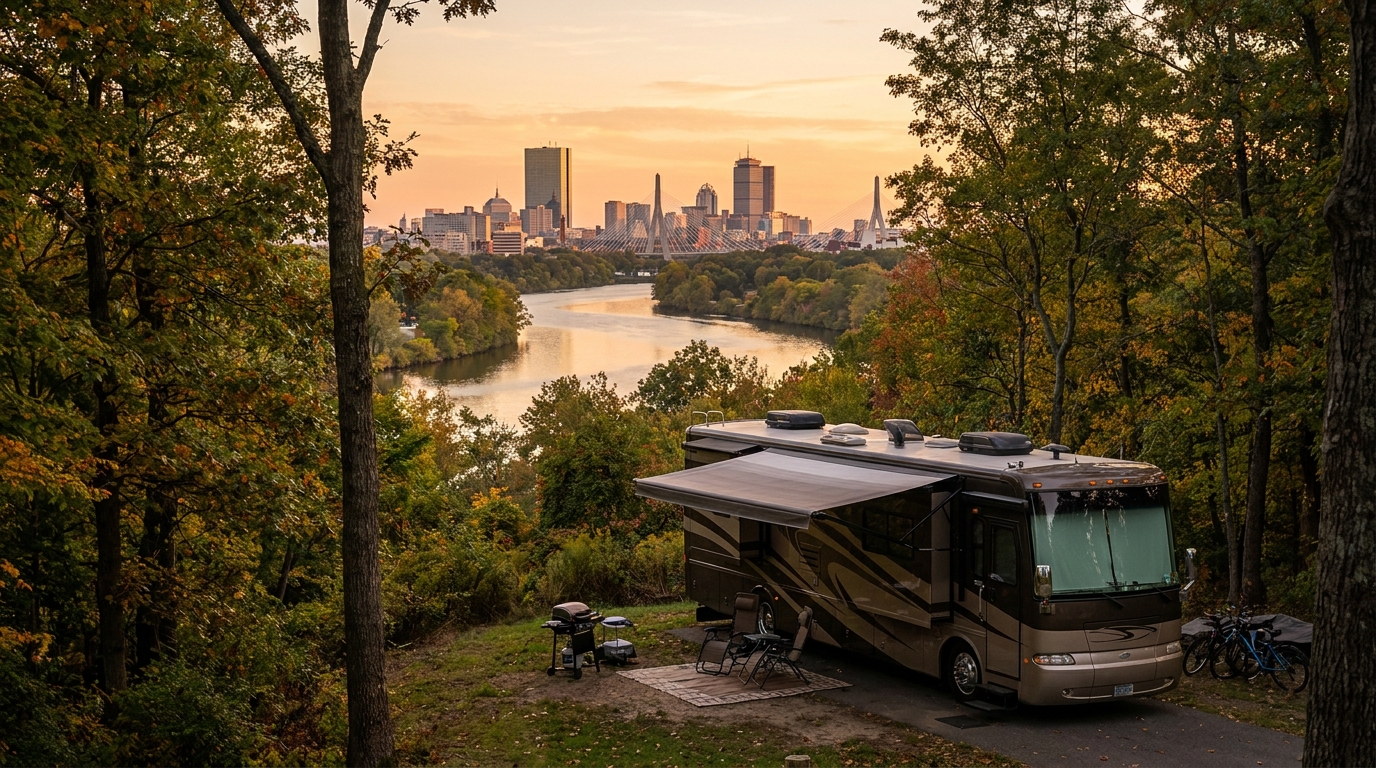
Campgrounds offering convenient RV access to Boston are generally located in the surrounding areas of Massachusetts, balancing proximity to the city with natural settings for a family RV rental. These sites provide a peaceful base while still allowing easy day trips into the bustling city. Consider state parks or private campgrounds within a 1-2 hour drive of downtown Boston, such as those found on the North or South Shore, or west towards Central Massachusetts, ensuring a comfortable distance for your family. Look for locations with direct access to commuter rail or bus lines for easier city exploration without having to drive your motorhome into the congested areas.
For families planning a more extended journey, the "

Campground Types in Boston (National, Private, Wild)
Camping options near Boston predominantly include private campgrounds and state park campgrounds; traditional national park RV sites are less common directly within the metropolitan area. Private campgrounds typically offer a wider range of amenities, including full hookups, Wi-Fi, and recreational facilities, which can be a huge plus for families on an extended road trip with a rented RV. State parks, managed by the Massachusetts Department of Conservation and Recreation (DCR), provide a more natural experience, often with fewer amenities but at a lower cost, perfect for those seeking a tranquil retreat after a day of city exploration. Wild camping or boondocking is generally prohibited in the immediate Boston area and throughout most of Massachusetts for public safety and environmental reasons. For a broader perspective on the region's camping opportunities, refer to our RV Rental Massachusetts - Complete Guide 2026.
Featured RV Park or Campground in Boston
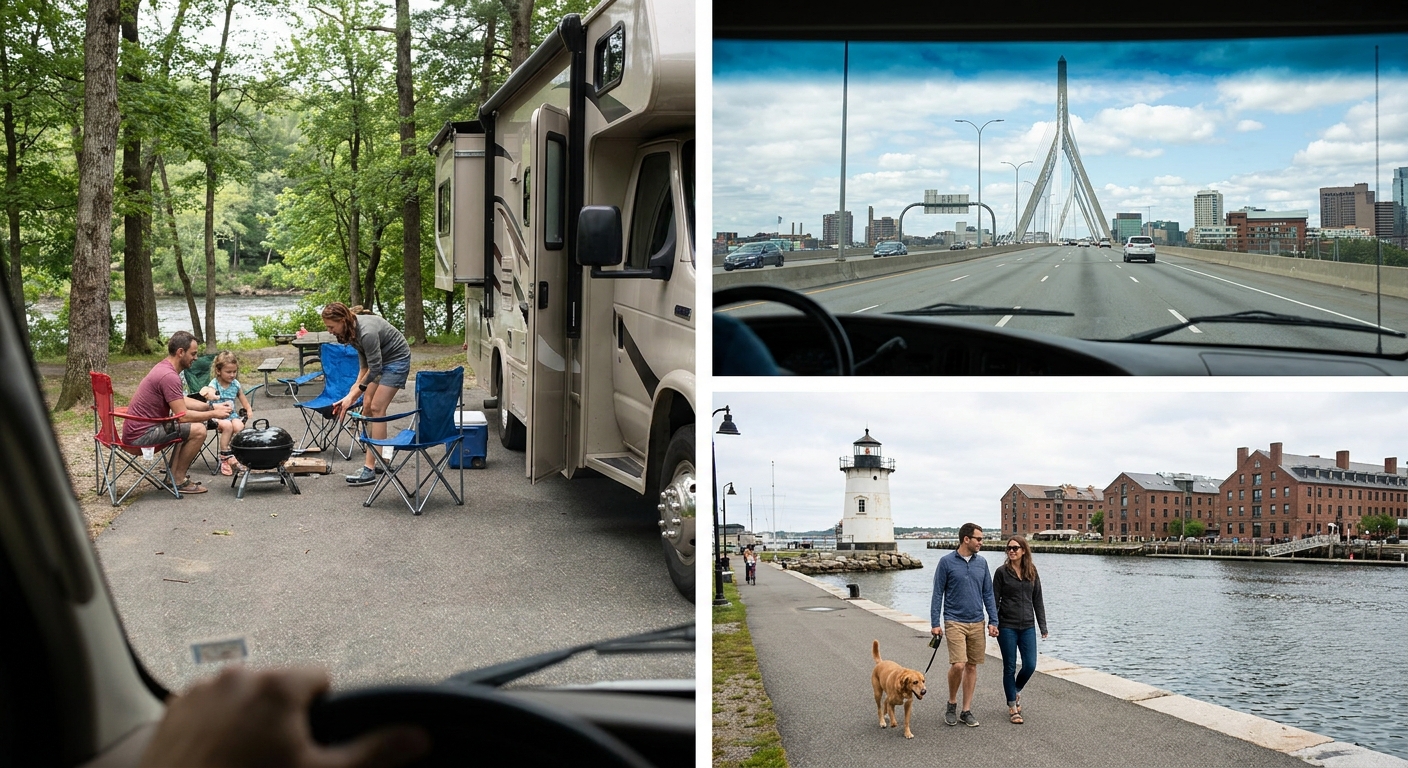
An ideal family-friendly RV park near Boston, such as Wompatuck State Park in Hingham, would offer full hookups, family activities, and convenient access to public transportation for city excursions. When choosing a park for your family RV rental, look for locations that specifically mention amenities like playgrounds, swimming pools, recreational programs, and pet-friendly policies, ensuring everyone in the family, including furry friends, has a great time. Prioritize campgrounds that provide shuttle services to local attractions or have readily accessible MBTA (Massachusetts Bay Transportation Authority) subway or commuter rail stops nearby, minimizing the need to drive your RV into the congested city and simplifying your daily logistics. For instance, the MBTA Greenbush Line from Hingham provides a direct route into South Station, a central hub in Boston.
Hookups & Amenities - What to Expect
Most family-friendly RV campgrounds near Boston provide essential hookups like electric (typically 30 or 50 amp), fresh water, and sewer connections, alongside amenities such as Wi-Fi, laundry facilities, and shower houses. Expect standard 30-amp or 50-amp electrical hookups, requiring appropriate adapters for your rented motorhome, and potable water access at each site or communal fill stations. Dump stations for grey and black water are standard at most full-service campgrounds, and some may offer propane refills and basic RV repair services on-site or nearby, providing convenience for your trip. Wi-Fi availability can vary significantly in quality and speed, often best for basic browsing rather than streaming or heavy work; consider supplementing with a mobile hotspot if you need reliable internet. Cooking delicious meals in your RV kitchen is a fantastic way to bond as a family; check out our RV-friendly recipes playlist for inspiration. On the routes offered through RV PLANET routes, you can itemize and track every expense along the way for easy budgeting.
Booking Windows & Reservations in Boston
For family RV rentals in Boston, it is highly recommended to book campsites well in advance, especially during peak seasons like summer (June-August) and the vibrant fall foliage period (late September-October), as popular campgrounds fill quickly. Pre-planners should aim to reserve 3-6 months ahead for peak travel times to secure preferred spots, while spontaneous travelers may find more availability during the shoulder seasons (spring, April-May, and late fall, November). Many national and state park campgrounds, including those managed by Massachusetts DCR, release spots in waves (e.g., a portion for reservations, the rest first-come, first-served); always check specific park rules. While popular spots book quickly, you will almost certainly find a place- if not at the first campground, then the next one- but always call ahead before driving to confirm last-minute availability, especially with a family RV rental in tow. You can often find RV Rental Deals in Boston - Latest Offers 2026 if you are flexible with your dates.
Nearby Supermarkets & Resupply Points
Families renting an RV in Boston will find numerous supermarkets and resupply points in the suburban areas surrounding common campgrounds, including major chains like Stop & Shop, Market Basket, Wegmans, and Walmart Supercenters. Plan your grocery stops upon arrival or near your chosen campground, utilizing these larger stores for a comprehensive stock-up, allowing you to prepare meals in your motorhome. Smaller convenience stores are also available closer to some campgrounds for quick necessities, but prices may be higher. For finding campsites and campgrounds during your trip, we recommend using RV PLANET (rvplan.net) - a great resource for locating available spots along your route, where you can also itemize and track every expense for easy budgeting.
Best RV Class for Camping in Boston
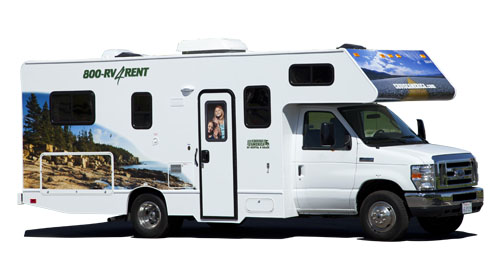
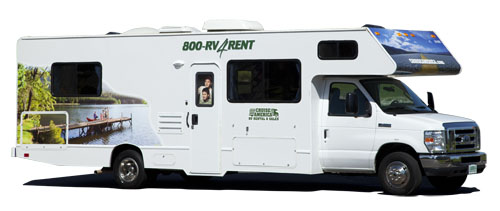
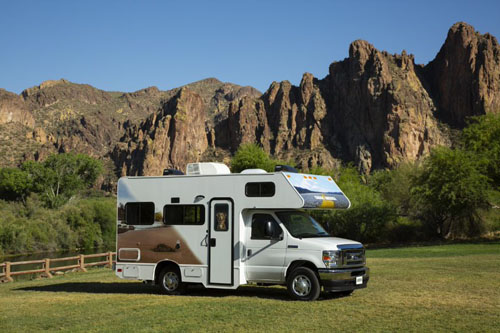
For navigating the Boston area and its surrounding campgrounds, smaller RV classes like Class B Camper Vans or Class SI Semi-integrated RVs are generally the most advantageous due to their maneuverability and easier parking, though Class C Alcove models offer more space for families. Consider the specific needs of your family RV rental in Boston when making your choice. A Class B Camper Van, averaging 5.8m in length and accommodating 2-3 adults, is excellent for city navigation and parking, with fuel consumption typically around 10 Liter / 100 Km, ideal for couples or small families prioritizing urban access. A Class SI Semi-integrated, with an average length of 6.9m and sleeping 3-4 adults, provides a good balance of space and manageable size, consuming 10-11 Liter/100 km. These offer more comfort than a Class B while remaining relatively nimble. A Class C Alcove, averaging 7.5m in length and accommodating 4-5 adults, offers ample sleeping and living space for larger families, consuming 10-12 Liter/100 km. While comfortable, their larger size can present challenges for parking and navigating Boston's narrower roads and historical infrastructure. Drive slowly and carefully, and you can drive almost anywhere without issues. No need to stress - just use common sense and pay attention.
How to Save on Campgrounds in Boston
Families can significantly reduce camping costs in Boston by utilizing campground discount cards, booking during shoulder seasons, opting for municipal or regional parks, and extending stays for weekly rates, while also factoring in other trip expenses for a full cost analysis. Discount Cards offered by Bandana or partner suppliers can secure reduced rates at participating RV parks, contributing to a Cheap RV Rental in Boston - Budget Guide 2026 strategy. Visiting in spring (April-May) or fall (September-October) often provides lower rates, fewer crowds, and pleasant weather compared to peak summer. Municipal or regional campgrounds typically have more affordable rates than private resort-style campgrounds. Many campgrounds offer discounted weekly or monthly rates, making extended trips more cost-effective per night. Remember to budget for estimated tolls (consider an E-ZPass for Massachusetts to avoid higher pay-by-plate fees), specific parking fees for city excursions, and public transportation passes (like an MBTA LinkPass) if not driving the RV into Boston, which are all part of a comprehensive Family RV Rental in Boston - Pricing Guide 2026. For more advanced planning, consider using RV PLANET routes to itemize and track every expense along the way for easy budgeting.
Where can I park an RV in Boston?
Parking an RV directly within the city of Boston is extremely challenging due to narrow streets, height restrictions in garages, and limited oversized vehicle spaces, making designated RV-friendly parking lots on the city's outskirts or at suburban MBTA stations the most practical solution. Avoid attempting to park a rented RV in Boston's historical core; all garages have height limits (typically under 2 meters or 6.5 feet), and street parking for oversized vehicles is virtually non-existent or heavily restricted. Look for perimeter parking options in surrounding towns, which might include commercial lots, oversized vehicle zones, or specific venues that accommodate large vehicles; always confirm regulations in advance. For example, some MBTA commuter rail stations like Alewife (Red Line), Wonderland (Blue Line), or Riverside (Green Line) offer large parking lots where RVs *might* be permitted for daily parking, but you must confirm specific oversized vehicle policies with the MBTA directly as they are not dedicated RV parks. From these perimeter parking locations or your campground, utilize Boston's extensive public transportation system (MBTA subway, commuter rail, bus) to reach major attractions; a LinkPass can cover unlimited travel across different modes for a set period. Be aware of Boston's complex network of one-way streets, narrow historical roads, confusing interchanges, and tunnel systems (like the Ted Williams, Sumner, and Callahan tunnels) which are particularly difficult for larger RVs; smaller Class B or C RVs have a significant advantage here for ease of navigation. For essential RV services like dump stations, fresh water, or propane refills when not at a campground, research truck stops or specialized RV service centers located outside the immediate city perimeter.
What is the 444 rule for camping?
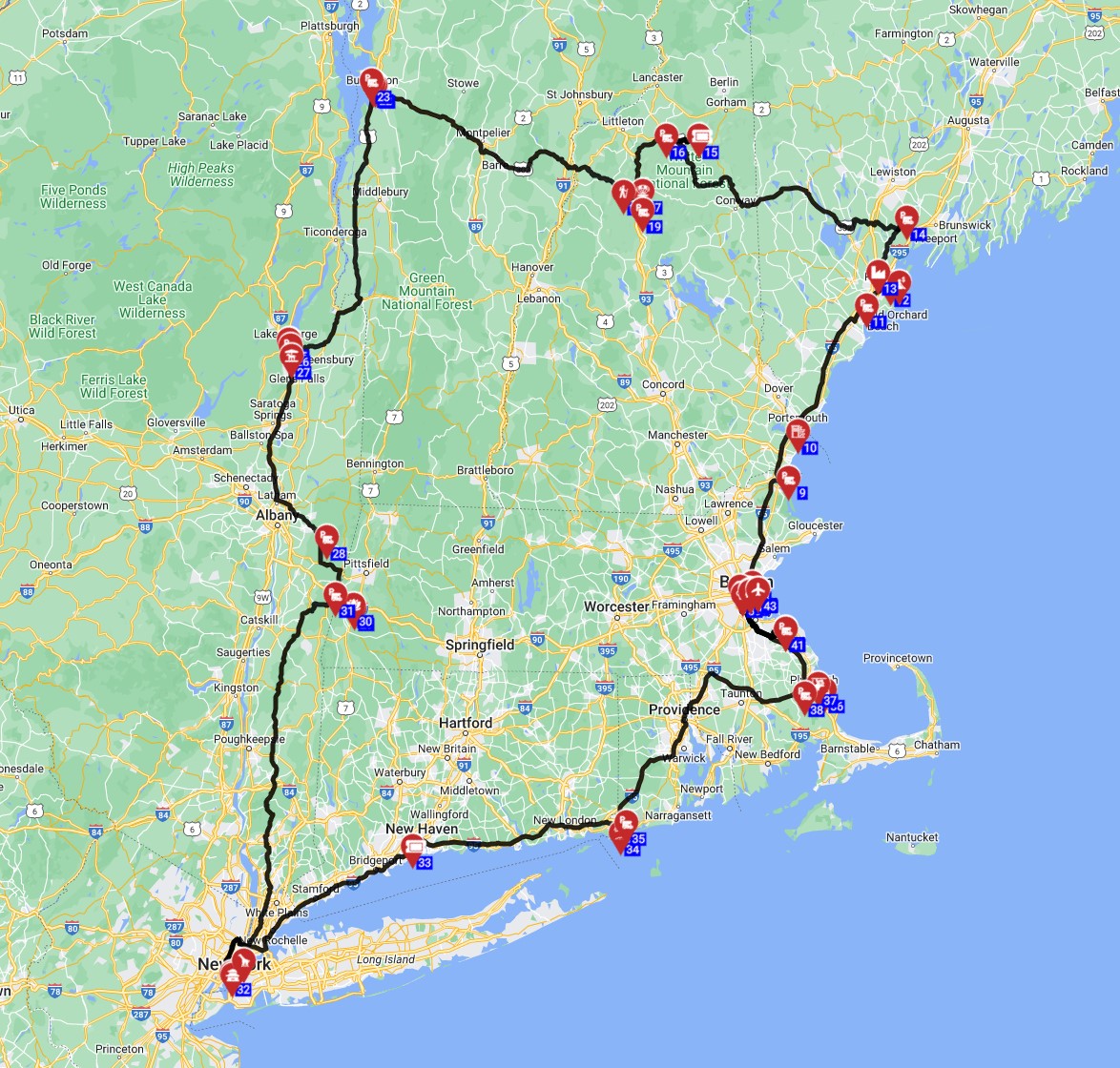
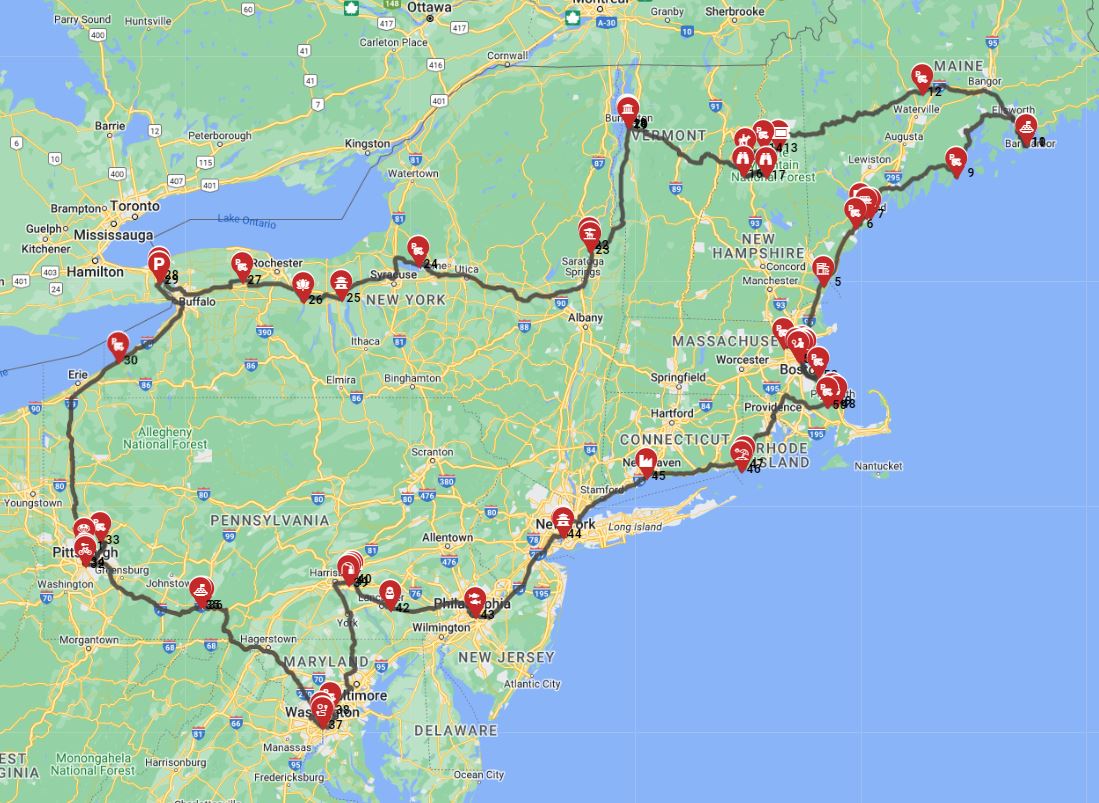
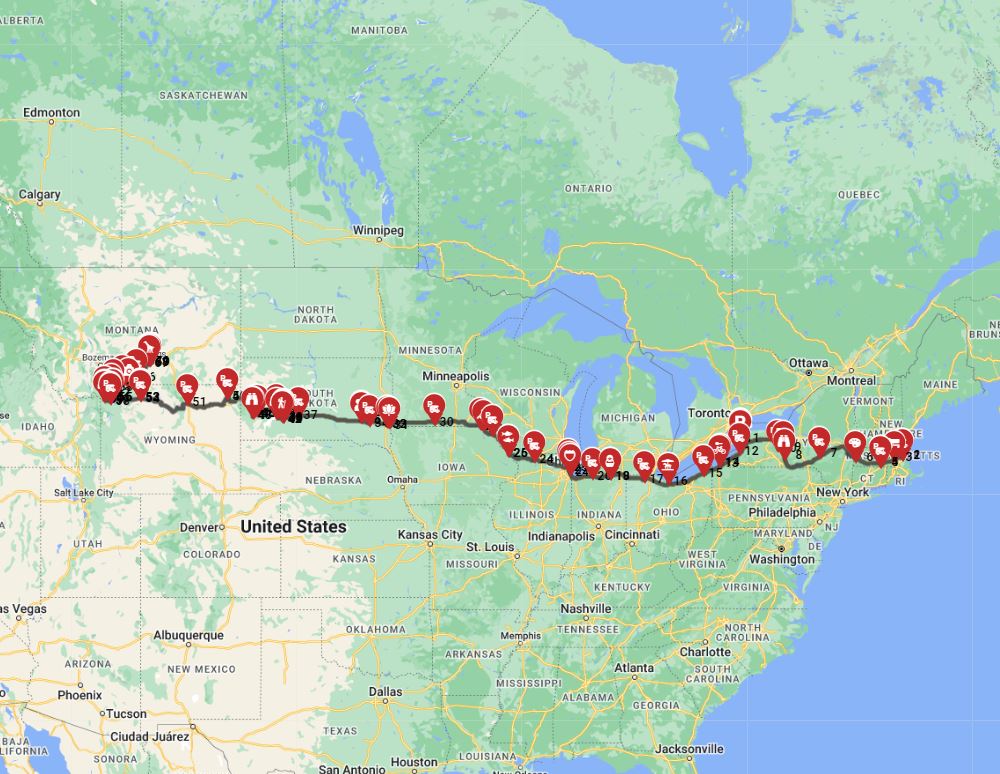
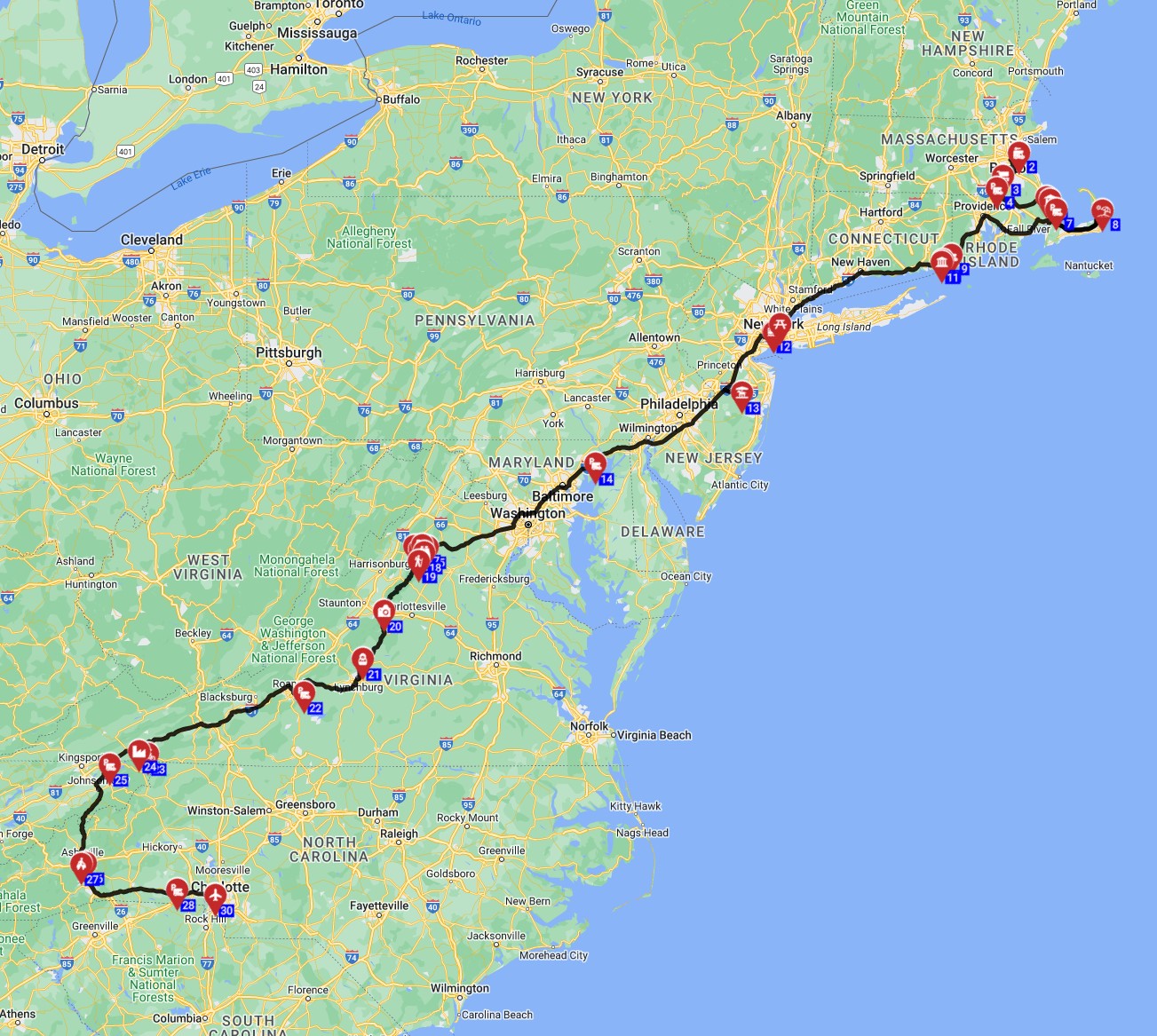
The "4/4/4 rule" is a popular guideline for RV travel that suggests driving no more than 400 miles (approximately 640 km) a day, arriving at your destination by 4 PM, and staying for a minimum of 4 nights, designed to promote a relaxed and enjoyable family road trip experience in your rented motorhome. The "400 Miles/Day" guideline aims to prevent driver fatigue and allows for comfortable travel, especially important when driving a larger RV like a Class C across different states as detailed in the Billings to Boston - Mountains, Falls & Freedom Trail: A Family RV Adventure Across 9 States route. Arriving by 4 PM provides ample daylight for setting up your campsite, connecting hookups, and familiarizing your family with the campground before dark. Staying for at least four nights encourages deeper exploration of the area, reduces the stress of constant packing and unpacking, and allows for genuine relaxation, making the most of your family RV rental experience. While a useful framework, the rule is flexible and can be adapted based on your family's preferences and travel pace.
Are there any campgrounds near Boston?
Yes, there are several campgrounds located within a reasonable driving distance of Boston, offering convenient access to the city's attractions while providing a natural retreat for RVers. Popular areas with campgrounds include coastal regions north and south of the city, such as the North Shore (e.g., near Salisbury or Cape Ann) and the South Shore (e.g., near Plymouth or the Cape Cod Canal). Inland options west of Boston in Central Massachusetts also offer beautiful settings and are typically within an hour or two drive, allowing for day trips into the city. When planning your RV itinerary, consider campgrounds that balance proximity to Boston with suitable amenities for families, potentially including shuttle services or public transit links to ease city access. For live availability, our RV Travel Guide to Boston - Tips and Top Spots 2026 can help you find suitable options for your family RV rental in Boston.
Are there any year-round RV parks in Massachusetts?
While many RV parks and campgrounds in Massachusetts operate seasonally, typically from May to October, there are a limited number of year-round RV parks available, primarily catering to extended stays or those equipped for cold weather camping. Most state parks and many private campgrounds close their RV sites during the colder months due to weather conditions and maintenance. For winter RV travel in Massachusetts, it is crucial to contact specific private RV parks directly to confirm year-round availability and understand what amenities (e.g., water hookups) might be limited or require special cold-weather precautions (like heated hoses). Winter camping requires proper RV winterization and preparedness for colder temperatures, including checking tire pressure and ensuring adequate heating capacity in your rented motorhome. Traveling during the shoulder seasons can also be delightful, with fewer crowds and unique events like fall foliage tours, offering a different perspective compared to a peak season Luxury RV Rental in Boston - Premium Prices 2026 adventure.
How can I reserve a campsite in Massachusetts?
To reserve a campsite for your family RV rental in Boston or anywhere else in Massachusetts, you typically use online reservation systems, such as the Massachusetts Department of Conservation and Recreation (DCR) website for state parks, or direct websites and phone lines for private campgrounds. For Massachusetts State Parks, reservations are primarily made through the DCR's online portal, which often links to services like ReserveAmerica; bookings typically open up to six months in advance. Private RV parks manage their own reservations, usually through their dedicated websites or by phone; it's advisable to check cancellation policies and specific booking windows directly with them. When making reservations, have your desired dates, rented RV dimensions (especially length), and electrical needs (30 or 50 amp) ready, and consider having alternative dates or campgrounds in mind, especially during peak season for a Weekly RV Rental in Boston - Pricing 2026 trip. Compare final prices across suppliers when planning your route: what you see is what you pay, with no surprise fees at pickup.
How can I reserve a campsite or yurt at Boston Harbor Island?
Campsites and yurts on Boston Harbor Islands are reserved exclusively through the National Park Service (NPS) reservation system, specifically Recreation.gov, which manages bookings for Spectacle Island and Peddocks Island. It is important to note that RVs are not permitted on the Boston Harbor Islands; camping here is exclusively for tents or yurts, which are accessed via ferry from the mainland, making it a unique excursion from your family RV rental base. Availability for both campsites and yurts is limited and highly sought after, so booking well in advance through Recreation.gov is essential, especially for weekend and summer dates. Remember to factor in ferry schedules and costs when planning your island camping trip, as well as the need to pack light since you will be carrying your gear to the site, truly blending an urban island escape with your Massachusetts RV adventure.
What You Shouldn't Miss
When enjoying your family RV rental in Boston, there are so many memorable experiences waiting for you:
- Freedom Trail Exploration: Walk Boston's iconic Freedom Trail, a 4 km (2.5 mile) path leading to 16 historically significant sites, including the Paul Revere House and Faneuil Hall. Park your RV at an MBTA station outside the city and take public transport in for easy access.
- Whale Watching Tour: Depart from Boston's waterfront for a thrilling whale watching excursion. During peak season (May-October), you have a 99% chance of spotting magnificent humpback and fin whales.
- New England Aquarium: Discover marine life at the New England Aquarium, home to over 20,000 animals, including penguins, seals, and a giant ocean tank. It's easily accessible via public transportation from nearby RV parks.
- Museum of Science: Engage your family with interactive exhibits at the Boston Museum of Science, located on the Charles River. It's a fantastic educational stop that's simple to reach from most suburban campgrounds.
- Harvard University Campus Tour: Take a stroll through the historic grounds of Harvard University in Cambridge, just across the Charles River. Many walking tours offer insights into this prestigious institution, providing a cultural and historical contrast to your outdoor RV adventures.
Looking for expert insights from Avi Bandana? Top 5 Adventures - recommendations from Avi Bandana
🎬 Video coming soon
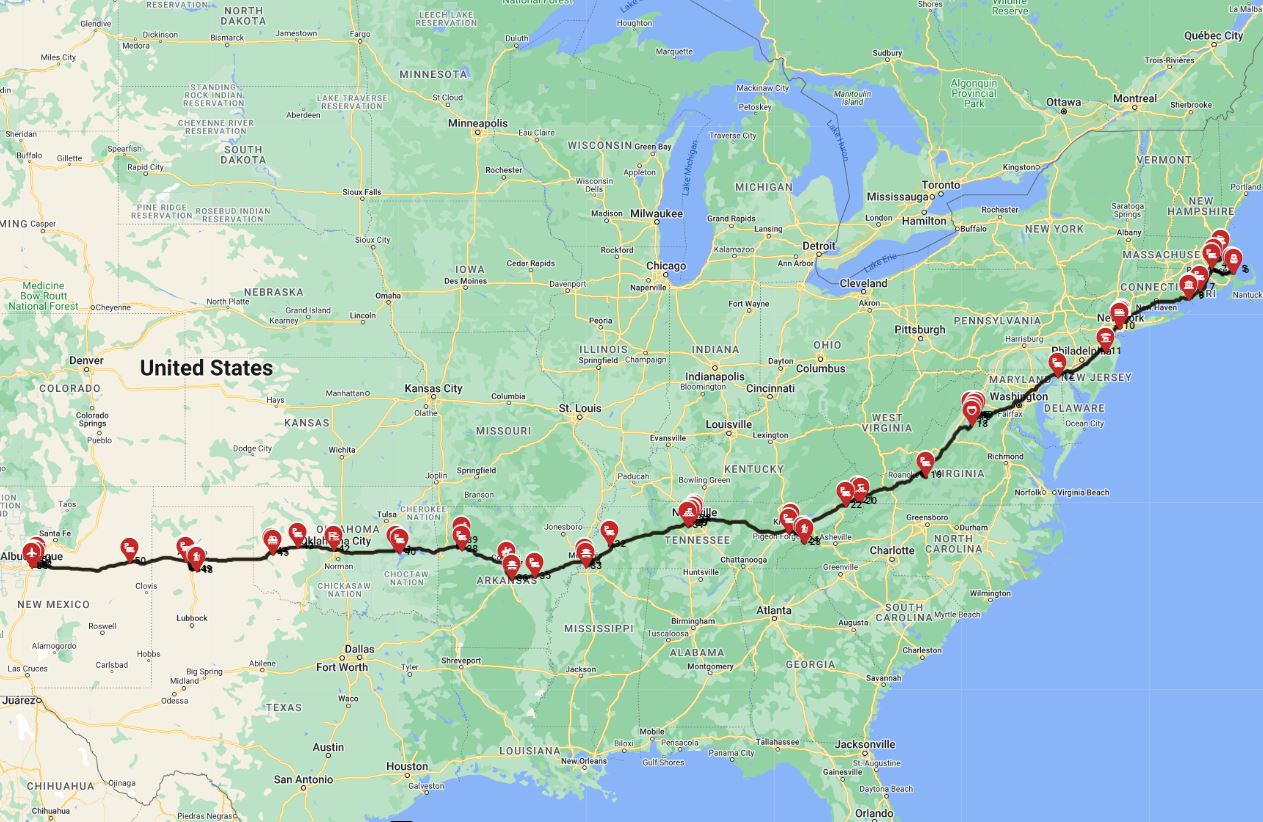
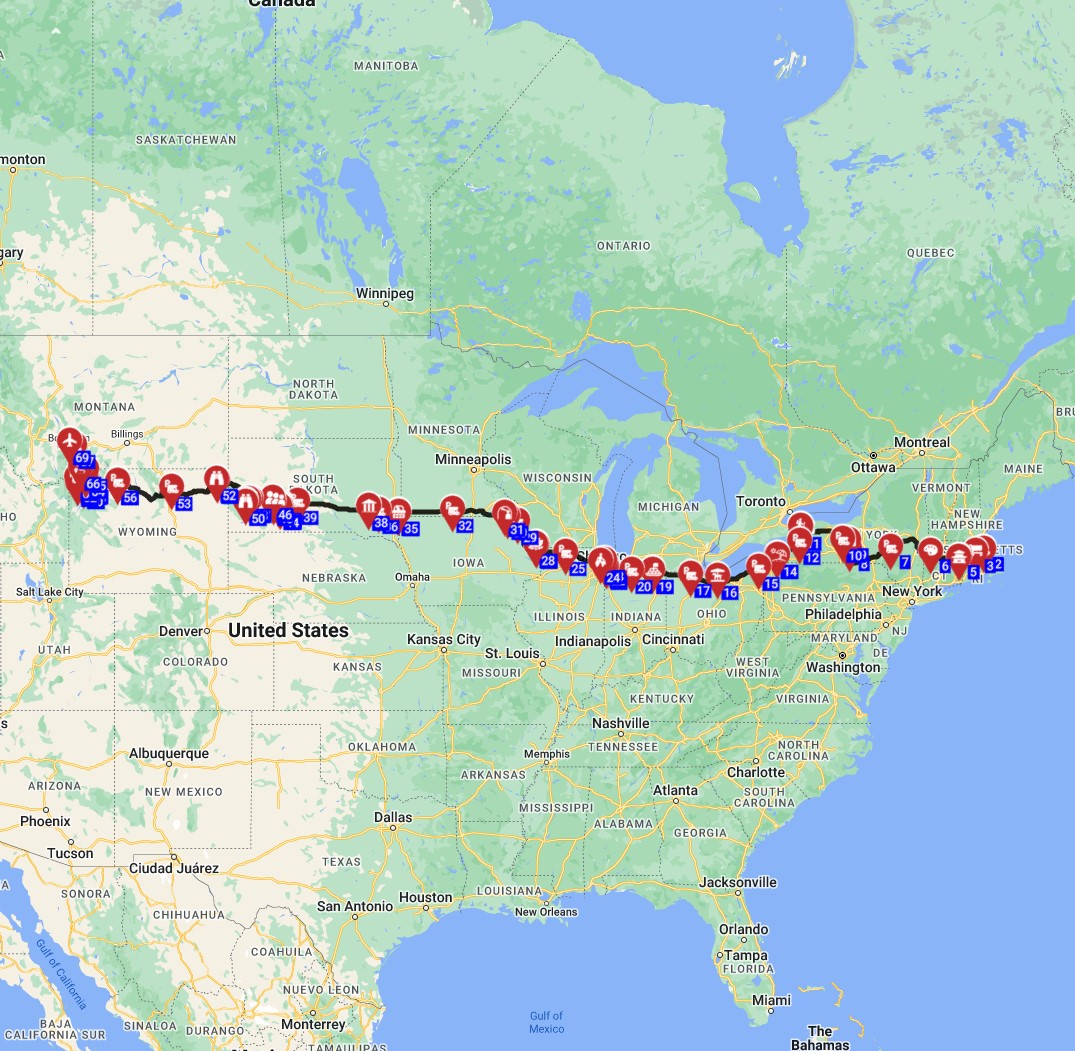
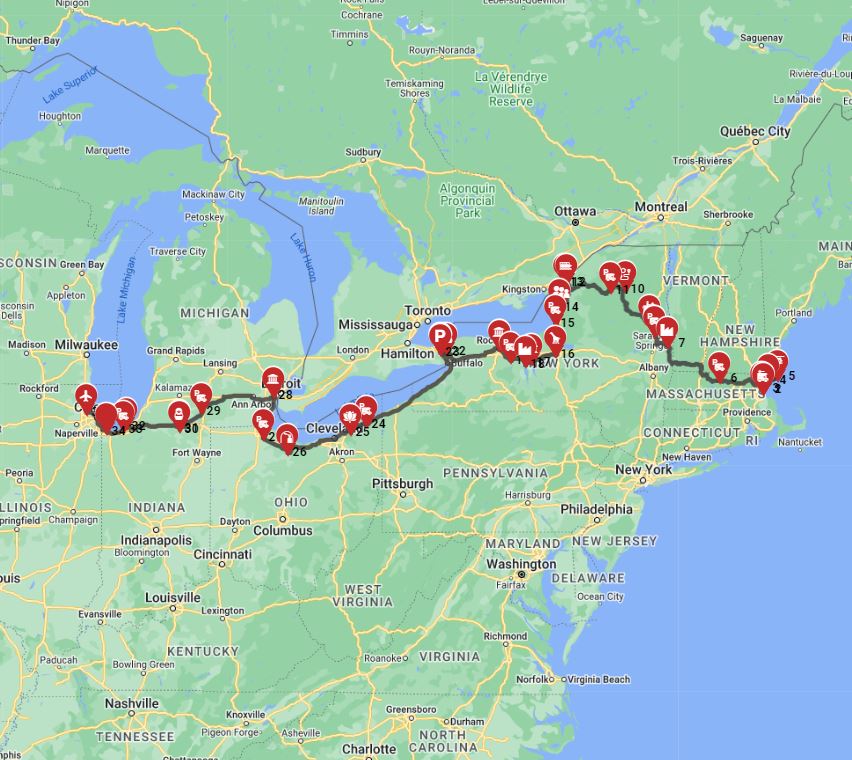
For those looking for truly extensive family itineraries, the "Salt Lake City to Boston - Mountains, Monuments, and Memories" route plan covers an incredible 29 days and 5,567 km, featuring 5 museums, 4 natural features, 4 tourist attractions, and 3 traditional visits, providing a wealth of experiences for every family member.
Final Thoughts
A family RV rental in Boston opens up a world of possibilities, offering the perfect blend of urban exploration and natural escapes. Imagine the joy of having your cozy mobile home as you discover historical sites, enjoy family activities, and unwind at scenic campgrounds just a short distance from the city. With careful planning and our expert advice, your Boston RV adventure will be smooth, enjoyable, and filled with cherished memories.
Remember to travel slowly, averaging max 100-150 km per day, allowing your family to truly feel the place, connect to the culture, the delicious food, and the stunning New England scenery. Bandana Caravan is here to support you every step of the way, providing transparent pricing, dedicated expertise, and the tools you need for a truly unforgettable trip. Get inspired for your next trip and plan a family adventure with minimal effort and maximum enjoyment!
Find Motorhome Rentals in Boston