In This Guide
- Where to Camp in Asia - Top Options
- Campground Types in Asia (National, Private, Wild)
- Featured RV Park or Campground in Asia
- Hookups & Amenities - What to Expect
- 🎯 Fun Facts About Asia
- Booking Windows & Reservations in Asia
- Nearby Supermarkets & Resupply Points
- Best RV Class for Camping in Asia
- How to Save on Campgrounds in Asia
- What is the 3-3-3 rule for RVs?
- What is the 333 rule for campervan?
- What is the 444 rule for RV?
- What is the 2-2-2 rule for RV?
- What is the 3-3-3 rule for RV travel?
- What are some good long-term RV parks in Hampton, VA?
- Which countries are RV friendly?
- What is the 10 year RV rule?
- What is the 3-3-3 rule for RV camping?
- What is the 4-4-4 rule for RV camping?
- What You Shouldn't Miss
- Why Book with Bandana Caravan
- Final Thoughts
- Frequently Asked Questions
Embarking on a family RV adventure in Asia offers a unique blend of cultural immersion, stunning landscapes, and unforgettable memories. While RV travel in Asia might be different from what you're used to in North America or Europe, it's an increasingly accessible and rewarding way to explore this vibrant continent with your loved ones. For live availability and current prices, start with our RV Rental Asia - Complete Guide 2024 guide, which provides comprehensive insights for your journey.
Where to Camp in Asia - Top Options
While traditional RV parks similar to Western standards are less common, Asia offers diverse camping experiences including national park sites, private campgrounds, and designated tourist zones. Popular regions for RV travel include parts of Japan, South Korea, and Thailand, which are actively developing more infrastructure to cater to motorhome travelers. Exploring countries like Japan, with Hokkaido's expansive nature and coastal drives, South Korea's stunning national parks, and Thailand's northern mountains and beautiful beaches, provides unique family adventures. China permits rented RV travel but requires specific permits and often benefits from local guidance, frequently arranged through organized tours. Consider a long-term RV rental in Asia for a truly immersive experience.
Campground Types in Asia (National, Private, Wild)
Asia's camping landscape varies significantly, encompassing national park campgrounds, privately-owned sites, and limited opportunities for wild camping. National park sites often provide basic amenities, stunning natural beauty, and are generally well-regulated, though they may have stricter rules regarding rented vehicle size and open fires. Private campgrounds, found more frequently in countries like Japan and South Korea, tend to offer more amenities such as electrical hookups (typically 220-240V), showers, and sometimes leisure facilities. Wild camping, or "boondocking," is largely discouraged or legally ambiguous in most Asian countries due to property laws, safety concerns, and cultural norms; it is generally not recommended for family RV renters without local expert guidance. Always opt for designated camping spots to ensure safety and compliance with local regulations during your family RV camping in Asia adventure.
Featured RV Park or Campground in Asia
When selecting an RV park in Asia, families should prioritize locations that offer clear English instructions, robust security, and proximity to cultural or natural attractions. Look for well-maintained facilities that cater to international visitors, often found in regions actively promoting tourism, such as those near popular national parks or coastal areas in Japan or South Korea. A good featured park would ideally offer full hookups, clean restrooms, laundry facilities, and perhaps play areas for children, ensuring a comfortable stay for families. While detailed pricing for Asia is dynamic and changes daily, you can find a suitable RV park that meets your family's budget and amenity needs. Researching specific regional forums and local tourism boards is essential to find reputable and family-friendly campgrounds.
Hookups & Amenities - What to Expect
Hookups and amenities at Asian campgrounds can be less standardized and comprehensive than those found in North America or Europe, varying significantly by country and site. Expect electrical hookups typically to be 220-240V, often requiring an adapter for Western appliances, with water and grey/black water dump stations being less common at every site, particularly outside private RV parks in more developed regions. WiFi availability ranges from excellent in private parks in Japan and South Korea to non-existent in more remote national park settings, making local SIM cards crucial for connectivity. Laundry facilities and hot showers are increasingly available at higher-end private campgrounds, but may be basic or absent elsewhere; planning for self-sufficiency is advisable for family renters. Remember, what you see is what you pay when you book through Bandana Caravan, with full transparency on included features and add-ons. On the routes offered through RV PLANET routes, you can itemize and track every expense along the way for easy budgeting.
Booking Windows & Reservations in Asia
For family RV rentals in Asia, pre-planners should generally book campsites well in advance, especially during peak travel seasons or for popular destinations like national parks, to secure preferred spots. Many national park campgrounds, similar to global practices, may release only 25-30% of their spots for advance reservations, leaving the remainder for first-come, first-served arrivals. Spontaneous travelers can often find same-day or next-day availability at various campgrounds, particularly during shoulder seasons, but it is highly recommended to call ahead before driving to a specific site. Families renting a motorhome can almost certainly find a place to stay; if not at the first campground, then at the next one. This flexibility is a key part of the adventure.
Nearby Supermarkets & Resupply Points
Finding supermarkets and resupply points for family RV rentals in Asia generally involves seeking out major urban centers or well-trafficked tourist routes. Large supermarket chains such as AEON, Ito-Yokado (Japan), Lotte Mart, E-Mart (South Korea), and various local markets or hypermarkets across Southeast Asia (e.g., Big C in Thailand, Lotte Mart in Vietnam) are reliable options. It is advisable for families to stock up on groceries and essentials when passing through larger towns, as options can become scarce in remote or rural camping areas. Availability of familiar Western brands varies by country, so embracing local produce and goods is part of the Asian RV experience. For managing all your trip expenses, including groceries, fuel, and campsite fees, RV PLANET routes allow you to itemize and track every cost for easy budgeting. If you're planning to cook in your rented RV, explore our RV-friendly recipes playlist for delicious and easy meal ideas on the go.
Best RV Class for Camping in Asia
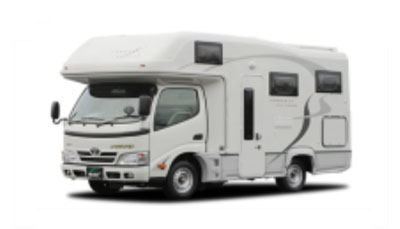
For family RV camping in Asia, the Class C - Alcove and Class SI - Semi-integrated motorhomes are generally well-suited, balancing living space with maneuverability on Asian roads. Class C - Alcove motorhomes typically offer 5-6 sleeping places and an average length of 7-8 meters, making them ideal for families requiring more room, such as the '29′ Class C Motorhome' which has 3 double beds. Class SI - Semi-integrated vehicles are slightly more compact, averaging 6-7 meters in length and accommodating 3-4 sleeping places, offering a good balance for families seeking easier navigation. While Class B - Camper Vans (averaging 5-6 meters) offer maximum maneuverability for smaller roads and urban areas, their more compact sleeping capacity (2-3 places) might be a tighter squeeze for larger families. We compare final prices across 50+ suppliers so you can find the ideal family motorhome rental in Asia for your adventure.
How to Save on Campgrounds in Asia
To save on campground costs for a family RV rental in Asia, leveraging any available campground discount cards or loyalty programs can provide significant savings. Booking during the shoulder season (spring or autumn) instead of peak summer or holiday periods often results in lower rates and fewer crowds for RV camping in Asia. Choosing municipal or regional campgrounds, which are generally more affordable than private resort-style parks, is another cost-effective strategy. Staying for three or more nights at a single location can sometimes qualify for weekly rates or multi-night discounts, while sharing hookups with another RV, if permitted and traveling in a group, can split utility costs. Remember to check out potential RV Rental Deals in Asia - Latest Offers 2024 to find current promotions.
What is the 3-3-3 rule for RVs?
The 3-3-3 rule for RVs is a popular guideline designed to promote safe and enjoyable travel, advising RVers not to drive more than 300 miles in a day, arrive at their campsite by 3 PM, and stay for at least 3 nights. This rule helps prevent driver fatigue, ensures ample time for campsite setup and relaxation, and encourages a slower pace to fully experience the destination, which is especially beneficial for families in an unfamiliar region like Asia. While a general guideline, its application in Asia might vary given different road conditions, speed limits, and the density of suitable campgrounds. Adhering to the arrival time ensures you can navigate and set up camp safely before dark, which can be critical in areas with less developed infrastructure.
What is the 333 rule for campervan?
The 333 rule for campervans mirrors the guideline for larger RVs, suggesting drivers limit their daily travel to 300 miles, aim to reach their destination by 3 PM, and plan to stay for a minimum of 3 nights. This rule is particularly relevant for campervan travelers in Asia, where the compact size offers flexibility but the principle of mindful travel remains key to avoiding rushed itineraries and fatigue. It encourages families to establish a comfortable pace, allowing for unexpected stops, cultural immersion, and reduced stress on unfamiliar roads. Even with a smaller rented campervan, respecting the 333 rule ensures a more relaxed and immersive family RV experience, promoting longer stays to explore local areas.
What is the 444 rule for RV?
The 444 rule for RV travel is an alternative guideline to the 3-3-3 rule, advising not to drive more than 400 miles a day, park by 4 PM, and stay for at least 4 nights. This rule is tailored for RVers who prefer to cover slightly more ground daily and enjoy longer stays at each destination, offering a more extensive exploration of a region. For families exploring Asia, while this rule provides a framework, it is crucial to adjust daily mileage based on local road quality, traffic congestion, and the availability of suitable campgrounds. The extended stay (4 nights) can be particularly beneficial for experiencing a destination more deeply and reducing the frequency of packing and unpacking, which is ideal for family travel.
What is the 2-2-2 rule for RV?
The 2-2-2 rule for RVs is a more conservative travel guideline, recommending drivers do not exceed 200 miles a day, arrive at their campsite by 2 PM, and stay for at least 2 nights. This rule is ideal for families with young children, those new to RVing, or travelers who prioritize a very relaxed pace and extensive local exploration, minimizing stress on the road. In Asia, adopting the 2-2-2 rule can be highly beneficial given potentially challenging driving conditions, language barriers, and the desire for deeper cultural experiences without rushing. The earlier arrival time ensures ample daylight for setup, settling in, and enjoying campground amenities or nearby attractions, making it a very family-friendly approach.
What is the 3-3-3 rule for RV travel?
The 3-3-3 rule for RV travel dictates driving no more than 300 miles daily, reaching your campsite by 3 PM, and staying for a minimum of 3 nights. This travel principle is widely adopted to enhance the RV experience by preventing burnout, allowing time for sightseeing and relaxation, and ensuring a less hurried journey. When applied to family RV travel in Asia, this rule helps manage expectations for daily distances, considering varied road quality and unfamiliar navigation. The emphasis on longer stays supports a more immersive travel style, enabling families to fully engage with local cultures and attractions, rather than just passing through. Remember to compare Motorhome Prices for Asia to find the best deals for your trip.
What are some good long-term RV parks in Hampton, VA?
While the query pertains to Hampton, VA, finding designated long-term RV parks specifically for family RV rental in Asia is considerably different due to varied infrastructure and regulatory landscapes. Unlike the extensive long-term RV park options in North America, Asia generally has fewer dedicated facilities for extended stays, with most campgrounds catering to shorter tourist visits. For families seeking longer stays in Asia, it is often more practical to identify specific private campgrounds or resort-style parks in countries like Japan or South Korea that may offer monthly rates, rather than traditional long-term parks. Legal and bureaucratic navigation, including visa requirements and local registration, becomes a key consideration for any extended RV travel in Asian countries, requiring thorough research well in advance. Check our One-Way RV Rental in Asia - Price Guide 2024 if you're considering a longer journey through different locations.
Which countries are RV friendly?
RV friendliness in Asia varies significantly by country, with Japan and South Korea emerging as increasingly accommodating destinations for family RV rentals, offering developing infrastructure and clear regulations. Japan boasts a growing network of '道の駅' (Michi-no-Eki) roadside stations that often permit overnight RV parking, along with private campgrounds and scenic routes, making it a top choice. South Korea also offers excellent national park campgrounds and a developing 'auto-camping' culture, providing a mix of natural beauty and modern amenities for RVers. Other countries like Thailand and parts of China (with permits and guided tours) are emerging, but often present more challenges regarding infrastructure, legalities, and cultural differences for independent RV travel; India and Vietnam are significantly less developed for RV tourism, often requiring highly specialized planning and local support. Bandana Caravan covers 50+ countries, offering local expertise and support for your journey.
What is the 10 year RV rule?
The '10-year RV rule' is a common guideline, primarily enforced in North American RV parks and resorts, which stipulates that RVs older than 10 years may be denied entry to maintain the aesthetic and perceived quality of the park. This rule is generally not applicable to family RV rentals in Asia, as the RV park infrastructure and age restrictions are less standardized or prevalent compared to Western countries. When renting a motorhome through a reputable company like Bandana Caravan, the fleet will typically consist of newer, well-maintained vehicles, thus negating any concerns about age-related entry restrictions. Instead of age rules, RVers in Asia are more likely to encounter restrictions based on vehicle size or specific permit requirements for certain national parks or protected areas. Our direct partnerships with 50+ leading RV suppliers worldwide, including El Monte, Cruise America, Apollo, and Britz, ensure you have access to a modern fleet.
What is the 3-3-3 rule for RV camping?
The '3-3-3 rule for RV camping' is a behavioral guideline for a balanced and relaxed RV trip: drive no more than 300 miles daily, arrive at your camp by 3 PM, and stay for at least 3 nights. This specific phrasing emphasizes the camping aspect, promoting sufficient time at each site for families to unpack, explore, and relax without feeling rushed. Implementing this rule in an Asian context helps family RV renters to factor in potential travel delays due to local conditions and to fully immerse themselves in the destination's unique culture and natural beauty. It fosters a sustainable travel pace, allowing for unexpected discoveries and genuine local interactions, which are hallmarks of an enriching family adventure in Asia. Consider a Weekly RV Rental in Asia - Pricing 2024 plan to fully embrace this rule.
What is the 4-4-4 rule for RV camping?
The '4-4-4 rule for RV camping' is a slightly more expansive version of travel guidelines, recommending no more than 400 miles of driving per day, arriving at your camp by 4 PM, and staying for a minimum of 4 nights. This rule caters to family RVers who desire to cover more ground on their journey while still allowing for a substantial stay at each camping location. For Asia-bound families, employing the 4-4-4 rule demands careful route planning to ensure that 400-mile segments are feasible and that campgrounds capable of accommodating longer stays are identified. The extended 4-night stay enhances the opportunity for deeper exploration and reduces the frequency of setting up and breaking down camp, which can be particularly advantageous for families with children. Explore options for a Luxury RV Rental in Asia - Premium Prices 2024 if you desire enhanced comfort for longer stays.
What You Shouldn't Miss
- Japan's Cherry Blossom Routes: Experience the breathtaking beauty of cherry blossoms in spring (March-April) with a rented campervan, especially around Mount Fuji or in the serene parks of Kyoto.
- South Korea's Coastal Drives: Take an RV along the East Sea coast, stopping at charming fishing villages and pristine beaches.
- Thailand's Northern Mountains: Explore the lush, misty mountains around Chiang Mai and Chiang Rai, visiting ancient temples and vibrant markets.
- Israel's Desert Landscapes: Discover the unique beauty of the Negev Desert, from ancient fortresses to stunning craters, an unforgettable family experience with a rented motorhome.
- The Karakoram Highway Adventure: For the truly adventurous, a section of this engineering marvel in Pakistan or China offers unparalleled mountain vistas (requires special permits and guided tours).
- Looking for expert insights from Avi Bandana? Top 5 Adventures - recommendations from Avi Bandana.
🎬 Video coming soon
Final Thoughts
An RV adventure in Asia with your family is a journey unlike any other, promising a blend of unique cultures, stunning natural beauty, and the freedom of the open road. While planning may require a bit more attention to detail than in more traditional RV destinations, the rewards are immense. Imagine waking up to a different vista each morning, sharing meals prepared in your comfortable rented motorhome, and discovering hidden gems far from the usual tourist paths.
Remember to travel slowly, averaging a maximum of 100-150 km per day, allowing your family ample time to truly feel the place, connect to the local culture, savor the food, and immerse yourselves in the scenery. Drive slowly and carefully, and you can drive almost anywhere without issues. No need to stress - just use common sense and pay attention. We at Bandana Caravan are here to support you every step of the way, from comparing final prices across suppliers to providing peace of mind with top-level deductible options.
So, get inspired for your next trip! Discover top destinations and planning tips all in one place. Plan a trip itinerary in advance with minimal effort and maximum enjoyment. Your incredible family RV camping adventure in Asia is waiting!
Find family rv Rentals in Asia