In This Guide
- Where to Camp in Alaska - Top Options
- Campground Types in Alaska (National, Private, Wild)
- Choosing Your Alaskan RV Campsite
- Hookups & Amenities - What to Expect
- Booking Windows & Reservations in Alaska
- Nearby Supermarkets & Resupply Points
- Best RV Class for Camping in Alaska
- Alaskan-Specific RV Rules & Etiquette
- Connectivity & Emergency Preparedness in Alaska
- Vehicle Preparation for Alaskan Conditions
- How to Save on Campgrounds in Alaska
- Can I park my RV anywhere in Alaska?
- What is the 3-3-3 Rule for RVs and Campers?
- Where is the Best Place to Park an RV for Free?
- Is Boondocking Legal in Alaska?
- What does FF mean in camping?
- What is the Best Time of Year to RV to Alaska?
- How much are campsites in Alaska?
- What is the 200 rule for camping?
- What You Shouldn't Miss
- Why Book with Bandana Caravan
- Final Thoughts
- Frequently Asked Questions
An RV adventure through Alaska offers an unparalleled opportunity to explore North America's Last Frontier with your family. Imagine waking up to mountain views, cooking breakfast with the crisp Alaskan air, and spotting wildlife right from your mobile home. With a rented motorhome, you control your itinerary, allowing for spontaneous stops and deep dives into the stunning landscapes.
For live availability and current prices, start with our RV Rental Alaska - Complete Guide 2026 guide. This comprehensive overview will help you navigate everything from picking the right vehicle to finding the perfect camping spots for an unforgettable family trip.
Where to Camp in Alaska - Top Options
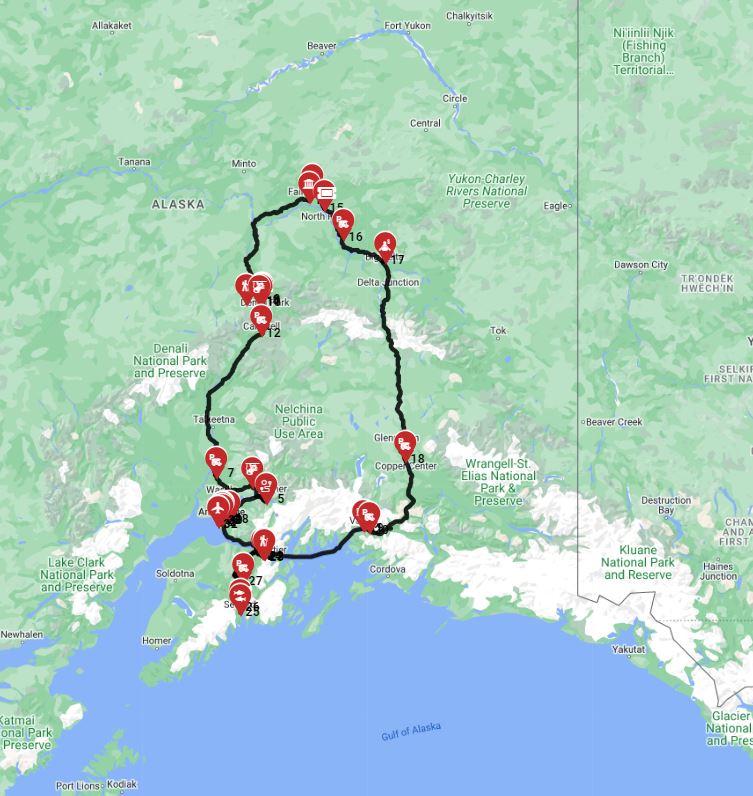
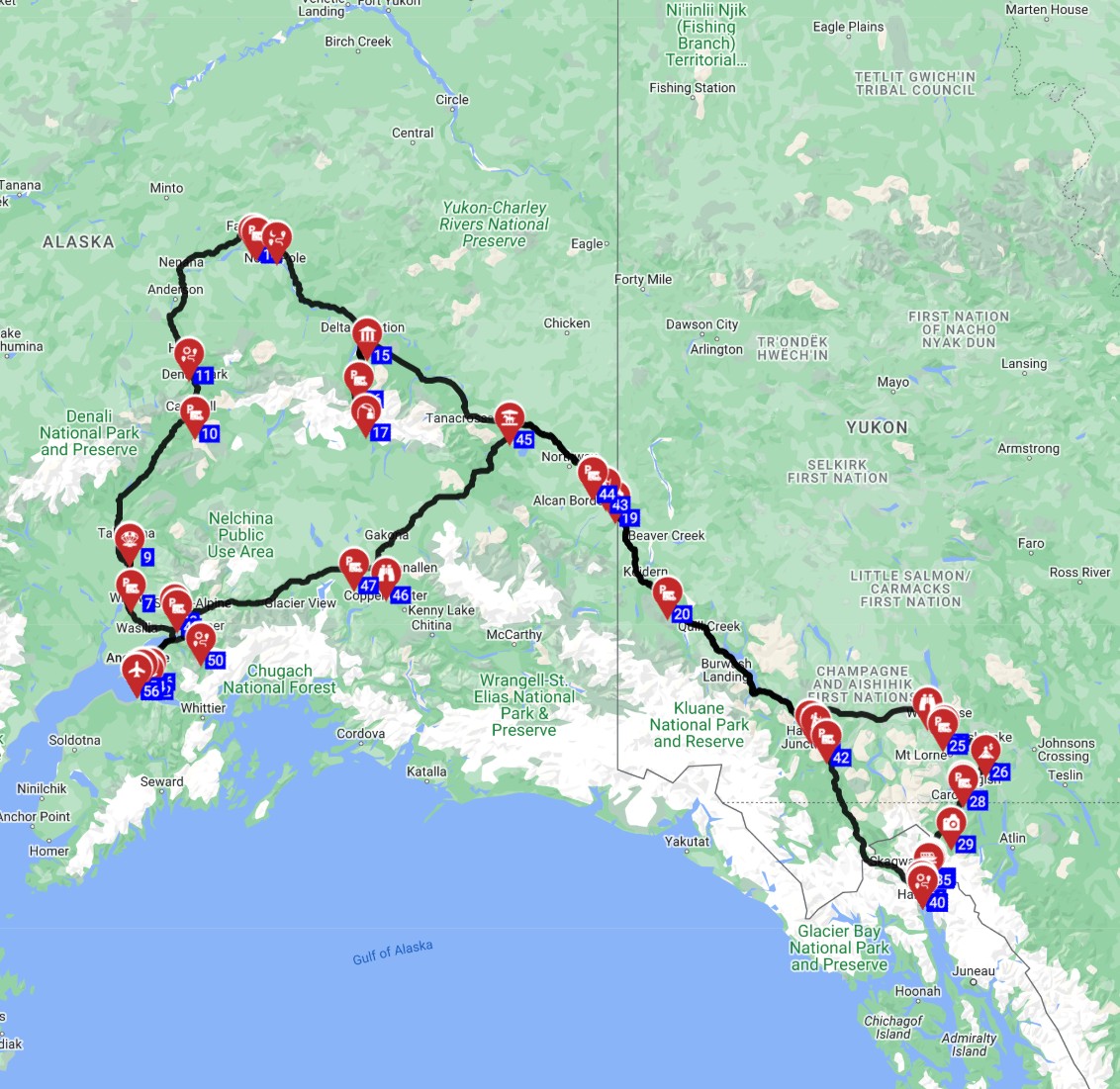
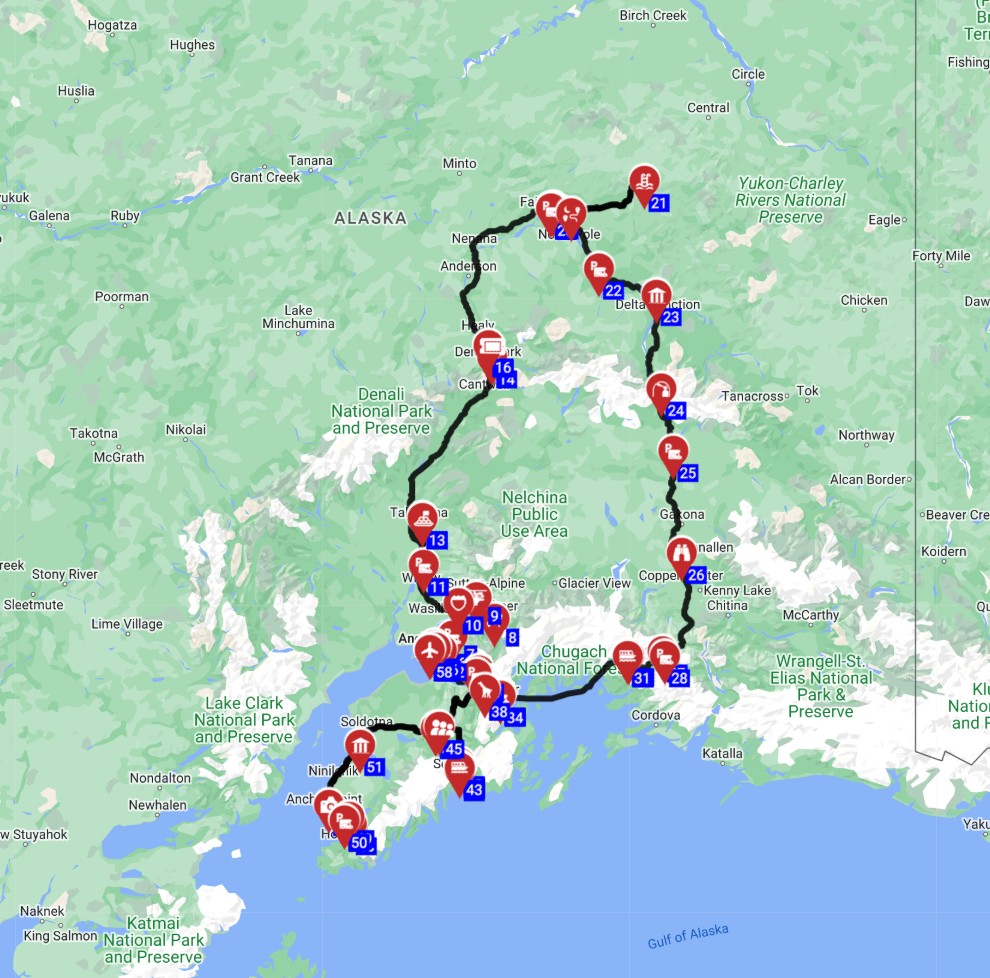
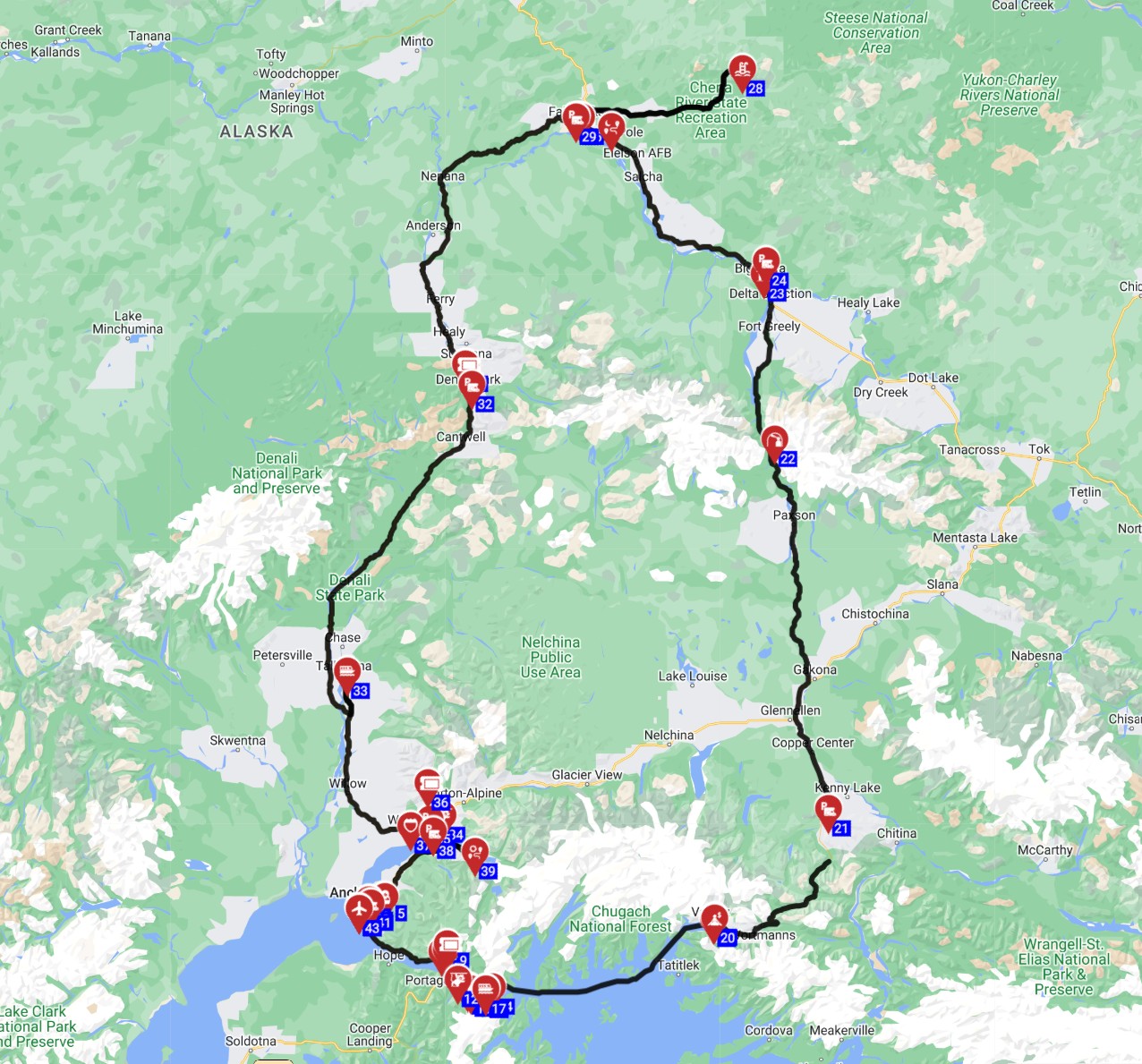
Alaska offers diverse camping experiences from established campgrounds to remote wilderness sites, catering to every preference. Popular regions include the Anchorage area, which boasts convenient choices like the Eagle River Campground, offering access to the city while feeling immersed in nature. The scenic Seward Highway corridor provides numerous coastal views and opportunities, while Interior Alaska, particularly around Fairbanks, presents vast landscapes and access to northern attractions.
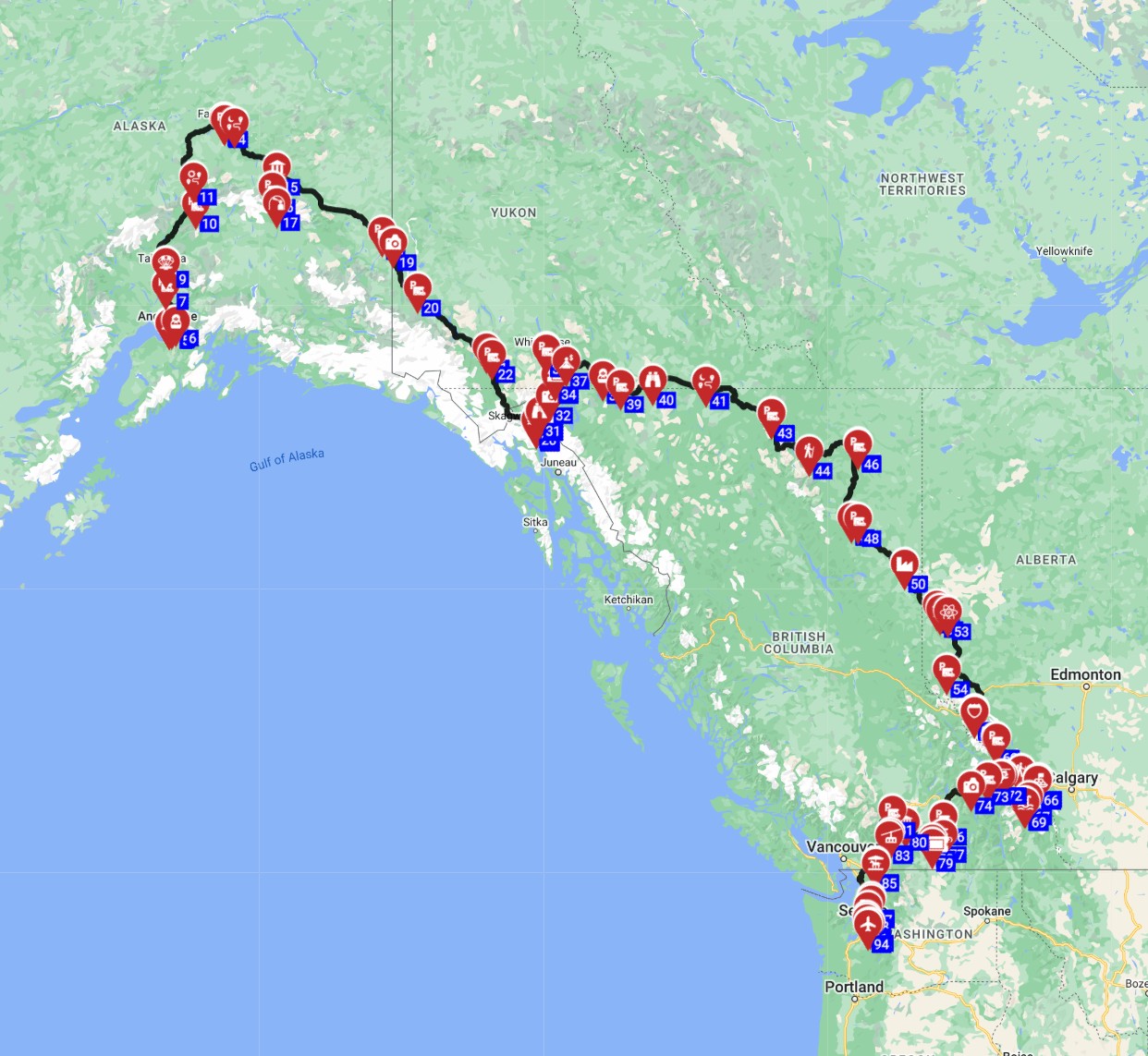
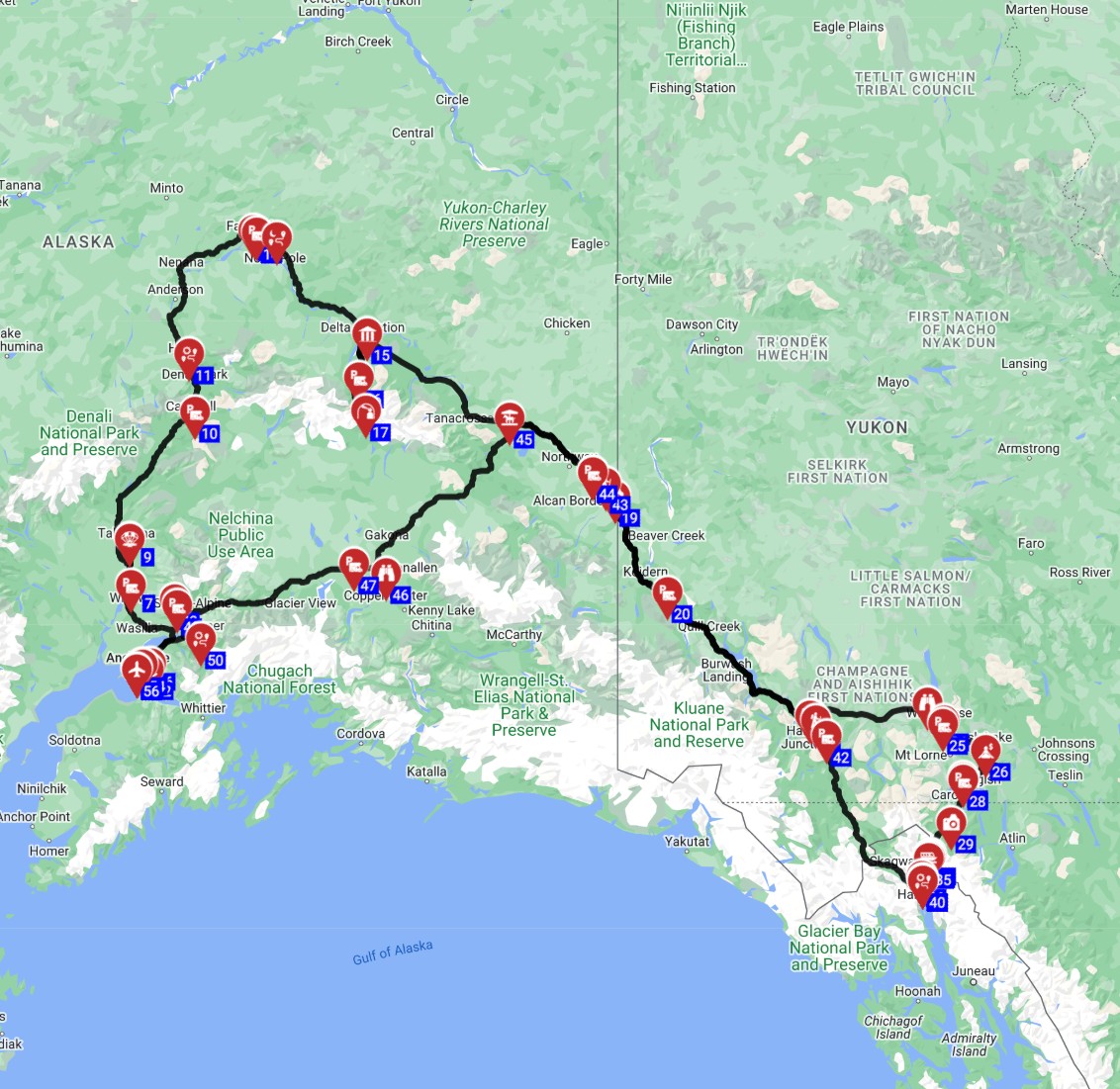
The Kenai Peninsula is another prime area, known for its abundant wildlife, fishing, and stunning coastal scenery. When planning your route, consider attractions such as Denali National Park or the numerous state parks that dot the Alaskan highways. Remember, traveling slowly, ideally at a maximum of 100-150 km per day on average, allows you to truly feel the place, connect to the culture, the food, and the scenery without rushing. For finding campsites and campgrounds during your trip, we recommend using RV PLANET (rvplan.net) - a great resource for locating available spots along your route.
Campground Types in Alaska (National, Private, Wild)
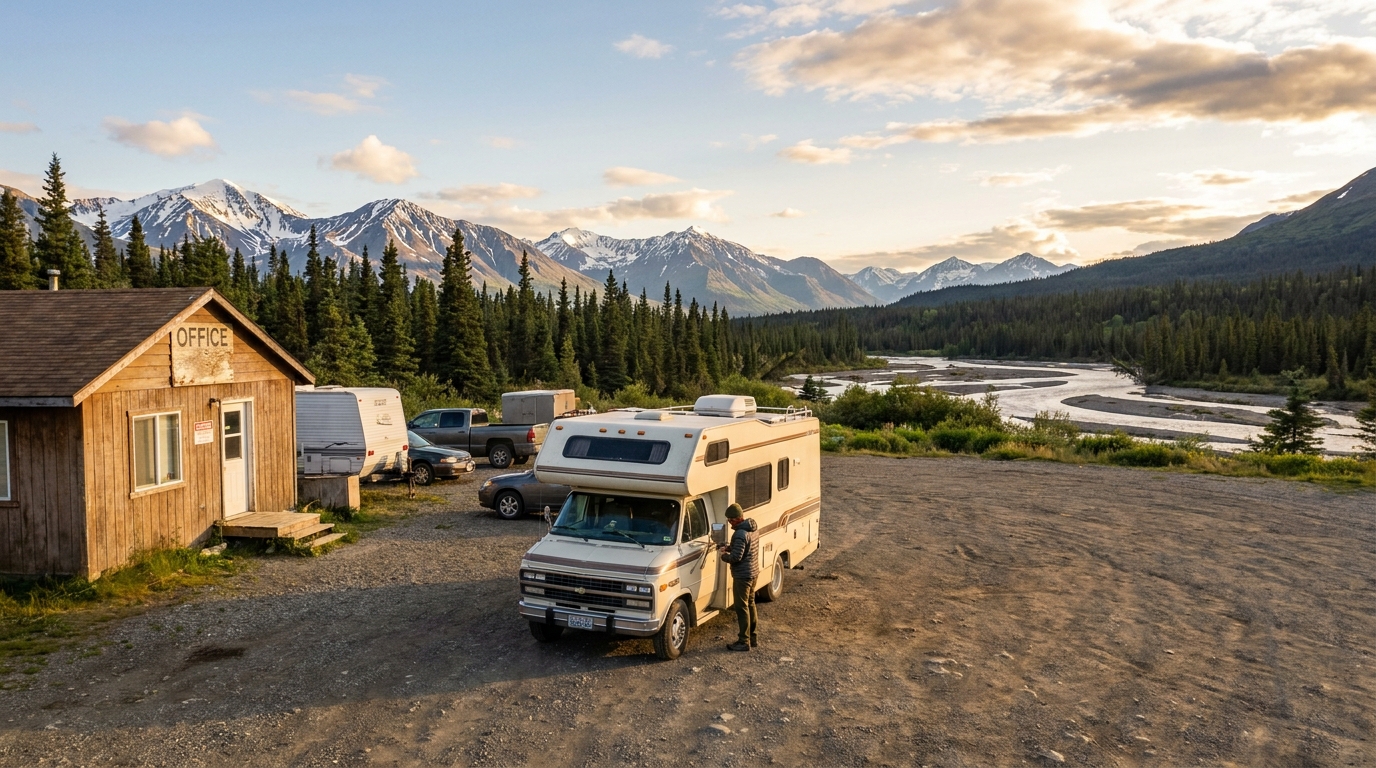
Alaska features a variety of campground types, including National Park Service sites, state park campgrounds, private RV parks, and extensive options for dispersed or 'wild' camping. National and State Park campgrounds often provide basic amenities like vault toilets and water spigots, are located in highly scenic areas, and sometimes require reservations well in advance, though many operate on a first-come, first-served (FCFS) basis. This flexibility means spontaneous travelers can often find spots.
Private RV parks, typically found in or near towns like Anchorage or Fairbanks, offer full hookups (electric, water, sewer), Wi-Fi, laundry facilities, and other conveniences for a fee, often ranging from $40 to $70+ per night. Dispersed camping, or boondocking, is legal and widely available on Bureau of Land Management (BLM) and National Forest lands, providing free, primitive camping away from developed sites. This requires self-sufficiency in terms of water, waste management, and careful adherence to Leave No Trace principles. It's crucial to understand specific regulations for each land type, as 'wild' camping is generally tolerated on public lands but illegal on private property or within city limits without explicit permission.
Choosing Your Alaskan RV Campsite
When selecting an RV park or campground in Alaska, look for establishments that cater to the unique needs of Alaskan travel. Prioritize parks offering amenities like large pull-through sites for bigger motorhomes, robust hookup options (30-amp or 50-amp electrical service, potable water), and easily accessible dump stations. Reliability of Wi-Fi and cellular service is a key consideration, as connectivity can be spotty outside of major towns; some private parks may offer better service. Many top-rated RV parks also feature picnic tables, fire rings, and proximity to local attractions or services, providing a comfortable base for exploration. On the routes offered through RV PLANET routes, you can itemize and track every expense along the way for easy budgeting.
Always check recent reviews for practical information on road conditions within the park, site leveling, and overall hospitality to ensure a pleasant stay. For families, look for parks with playgrounds or nature trails to keep kids entertained. Remember that not all parks will offer all amenities, especially in more remote or public land settings, so match your expectations and vehicle's self-sufficiency to the campground type.
Hookups & Amenities - What to Expect
In Alaska, expect a wide range of hookup availability, from full-service sites at private RV parks to no hookups at many public campgrounds and dispersed camping areas. Electric hookups typically provide 30-amp or 50-amp service using standard RV connectors, with 20-amp outlets sometimes available. Water hookups usually offer potable water, but always conserve water, especially in remote locations, as fresh water is a precious resource.
Dump stations for black and grey water tanks are common at private parks and some public campgrounds; their locations are often listed on state highway maps or apps like RV PLANET. Wi-Fi and cell service can be spotty outside of major towns and along long stretches of highway, so consider satellite communication devices like Starlink or inReach for staying connected and for emergency situations in remote areas. Many private RV parks also offer additional amenities such as coin-operated laundry facilities, hot showers, clean restrooms, and sometimes even recreational facilities or general stores, making your stay more comfortable. If you are preparing meals in your RV kitchen, remember to check our RV-friendly recipes playlist for delicious ideas on the go.
Booking Windows & Reservations in Alaska
For popular campgrounds in Alaska, especially those in or near National Parks and major attractions like Denali, pre-planners should aim to book reservations as far as 3-6 months in advance, particularly for the peak season (June-August). Many national park campgrounds and some state park sites only release 25-30% of spots for reservations online, with the remaining majority available on a first-come, first-served (FCFS) basis. This system accommodates spontaneous travelers who prefer to book day-to-day.
While spontaneous travelers can often find same-day or next-day spots, especially in less-visited areas or during shoulder seasons (May-early June or late August-mid-September), it's always wise to call ahead before driving long distances to confirm availability. Apps like Campendium or The Dyrt can help locate available spots, and local Visitor Centers are excellent resources for current campground availability. Rest assured, with the vastness of Alaska, you will almost certainly find a place to stay - if not at your first-choice campground, then at a nearby alternative, allowing your RV adventure to continue smoothly.
Nearby Supermarkets & Resupply Points
Resupplying groceries and other essentials in Alaska typically involves planning around larger towns where major supermarkets are located. Look for chains like Fred Meyer (Kroger), Safeway, Carrs (Safeway affiliate), and Walmart in major hubs such as Anchorage, Fairbanks, Wasilla, Soldotna, and Juneau. These stores will offer the widest selection and best prices.
Smaller towns and remote communities may have limited general stores with higher prices and fewer options, making it wise to stock up whenever possible in the larger centers. Always keep an eye on your fuel and fresh water levels, as services can be few and far between on long stretches of Alaskan highway. Budgeting for these ancillary costs is crucial for a smooth trip. For planning and tracking all trip expenses, including fuel and groceries, consider using RV PLANET routes, which allow you to itemize and track every expense along the way for easy financial management.
Best RV Class for Camping in Alaska
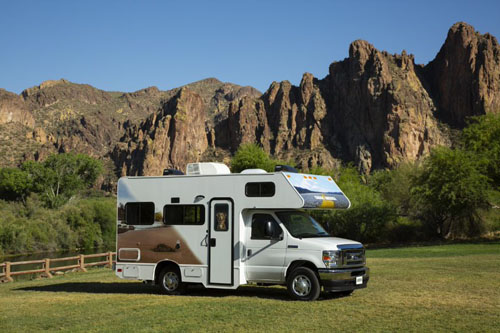
The best RV class for camping in Alaska largely depends on your family's travel style and desired level of comfort and maneuverability. For families seeking a balance of living space and ease of driving on Alaskan roads, a Class C - Alcove motorhome is a popular choice. These vehicles, often around 7.5 meters (24 feet) in length, can comfortably sleep 4 to 6 people (average 4.4 adults, as seen in models like the Cruise America Explorer with beds over the cab and a double bed). They offer amenities like a shower and toilet, along with a functional kitchen.
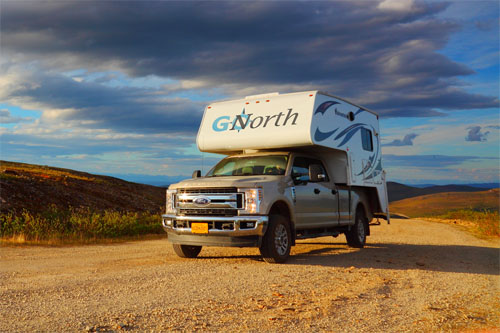
If you prioritize flexibility and access to more remote areas, a Class B - Camper Van is excellent. These compact vehicles, averaging 5.8 meters (19 feet) in length and sleeping 2 to 4 people (average 2.7 adults), are easier to navigate on smaller roads and often find secluded boondocking spots. For those desiring a balance of comfort and fuel efficiency, a Class SI - Semi-integrated motorhome provides a streamlined profile. While we do not rent truck campers, some travelers may consider them for ultimate ruggedness and off-grid capabilities, especially if extensive backcountry travel is planned. Remember that a standard car driver's license is sufficient for all motorhome classes in Alaska.
Alaskan-Specific RV Rules & Etiquette
Driving a rented RV in Alaska requires a blend of standard road safety and an awareness of the state’s unique challenges. While there are no specific restrictive technical requirements for RVs in Alaska, understanding local driving conditions is key. Drive slowly and carefully, and you can drive almost anywhere without issues. No need to stress - just use common sense and pay attention. Alaskan highways can feature gravel sections, frost heaves (bumps from permafrost melting and refreezing), and sudden wildlife crossings (moose, caribou, bears). Maintain extra stopping distance, especially on gravel, and be vigilant for animals at all times.
Fuel stops can be far apart, so always top off your tank when you see a station, particularly on routes like the Dalton Highway (which most rental companies restrict or prohibit). When passing smaller towns, respect local customs and speed limits. Emergency services can be hours away in remote areas, emphasizing the need for self-sufficiency and preparedness. This local etiquette and road awareness contribute significantly to a safe and enjoyable RV rental Alaska experience.
Connectivity & Emergency Preparedness in Alaska
Maintaining connectivity and being prepared for emergencies are crucial considerations for any RV rental Alaska adventure, given the state's vast and often remote terrain. Cell service coverage, particularly for AT&T and Verizon, is generally reliable in major population centers like Anchorage, Fairbanks, and Juneau, but it quickly becomes sparse or nonexistent once you venture onto highways or into wilderness areas. T-Mobile has more limited coverage. For remote travel, a satellite communication device such as a Garmin inReach or a Starlink setup is highly recommended for emergency communication and basic internet access.
Emergency planning should include carrying a comprehensive first-aid kit, extra water and non-perishable food, and a spare tire and repair kit for your motorhome. Inform someone of your itinerary, especially if you plan to explore less-traveled routes. The state's official emergency number is 911 for immediate assistance. Remember, due to the sheer size and wild nature of Alaska, preparedness is not just a convenience, it's a fundamental part of responsible RV travel, ensuring peace of mind even when far from civilization. For finding the specific details for your trip, check out RV PLANET (rvplan.net).
Vehicle Preparation for Alaskan Conditions
Preparing your rented motorhome for Alaska's unique road conditions is vital for a smooth and enjoyable trip. Alaskan highways can present challenges such as long stretches of gravel (like parts of the Denali Highway), potholes, and notorious frost heaves, which are significant bumps caused by freezing and thawing ground. Before setting off, ensure your tires are in excellent condition and properly inflated; consider a tire pressure monitoring system for added safety. While rental RVs are well-maintained, knowing how to change a tire is a good skill to have, and carrying basic tools and a tire patch kit can be beneficial for minor issues in remote areas where repair facilities are scarce.
It's also wise to travel with a full tank of fuel whenever possible, as gas stations can be hundreds of kilometers apart. Check your fluid levels regularly, and don't hesitate to ask your rental provider about any specific maintenance tips for their vehicles in cold or rugged conditions. For instance, a larger Class C motorhome like the "Cruise America Explorer" might have a Fresh Water Tank of 82 Liters, requiring careful monitoring when hookups are limited. Drive defensively, adjust your speed to road conditions, and always be on the lookout for wildlife. Proper preparation minimizes surprises and maximizes your enjoyment of the Alaskan wilderness.
How to Save on Campgrounds in Alaska
To save significantly on campground costs in Alaska, travelers can leverage discount programs and strategic booking. Exploring campground discount cards or memberships like Passport America or Good Sam can offer 10-50% off nightly rates at participating private RV parks. Opting for public campgrounds (state parks, national forests, Bureau of Land Management - BLM sites) over private resorts is often a more economical choice; these sites are frequently cheaper, with some dispersed camping opportunities on BLM lands even being free. Prices for public campgrounds typically range from $15 to $30 per night for dry sites.
Consider traveling during the shoulder seasons (May-early June or September) when campground rates may be lower and crowds are thinner, potentially saving you money and offering a more serene experience. Staying 3 or more nights at the same campground often qualifies you for weekly rates, which are typically more economical than paying nightly rates. Additionally, if traveling with a group, sharing hookups or splitting the cost of a larger site can also reduce individual expenses, making your RV rental Alaska trip more budget-friendly.
Can I park my RV anywhere in Alaska?
No, you cannot park your rented RV anywhere in Alaska; parking regulations vary significantly depending on land ownership, local ordinances, and specific signage. Dispersed camping (boondocking) is generally allowed on Bureau of Land Management (BLM) and National Forest lands, provided you follow Leave No Trace principles and specific area rules. Parking on private property without explicit permission is illegal and considered trespassing.
Many city and borough ordinances prohibit overnight RV parking on streets or in public parking lots, so always check local signs and regulations. Be aware of wildlife management areas and other protected zones where RV parking may be restricted or prohibited to protect sensitive ecosystems or wildlife corridors; always look for designated camping areas. Given the vast and wild nature of Alaska, preparedness for remote conditions, including emergency supplies and satellite communication, is crucial even when parking in legal, undesignated areas.
What is the 3-3-3 Rule for RVs and Campers?
The 3-3-3 rule for RVs and campers is a widely adopted guideline suggesting travelers drive no more than 300 miles (approximately 480 km) a day, arrive at their campsite by 3 PM, and stay at least 3 nights. In Alaska, while the spirit of the rule remains valuable for stress-free travel, the "300 miles a day" aspect might need adjustment due to vast distances between services, variable road conditions (gravel, frost heaves), and frequent wildlife viewing opportunities that naturally slow travel. We generally recommend slow travel, averaging 100-150 km per day, to truly immerse yourself in the Alaskan experience.
Arriving by 3 PM is particularly important in Alaska to secure desirable first-come, first-served campsites, especially during peak season, and to allow ample time to set up before the extended daylight hours make finding spots feel less urgent but can lead to overlooking prime locations. Staying at least 3 nights allows for deeper exploration of an area, reduces setup/takedown fatigue, and is often more cost-effective due to potential weekly or multi-night discounts. This Alaskan-specific interpretation of RV rules and etiquette helps ensure a more relaxed and fulfilling journey.
Where is the Best Place to Park an RV for Free?
The best places to park a rented RV for free in Alaska are predominantly on Bureau of Land Management (BLM) lands and within National Forests, specifically in designated dispersed camping areas or along forest service roads where not explicitly prohibited. These public lands offer abundant opportunities for boondocking, allowing campers to experience Alaska's wilderness without campground fees. Always confirm land ownership using resources like the BLM website, National Forest maps, or apps like iOverlander, and adhere to a minimum 200-foot distance from water sources.
Other potential free parking spots include designated pull-offs on state highways (for short overnight stays if not prohibited by signage) and occasionally parking lots of businesses that permit overnight RVs, though these are less common and should always be confirmed with management. For detailed itineraries that include boondocking options, exploring RV PLANET (rvplan.net) can provide valuable insights. Remember that proper waste disposal and Leave No Trace principles are critical when utilizing free camping areas in Alaska.
Is Boondocking Legal in Alaska?
Yes, boondocking (also known as dispersed camping or wild camping) is legal in Alaska on vast tracts of public land, primarily managed by the Bureau of Land Management (BLM) and the U.S. Forest Service. This type of camping allows for free overnight stays in undeveloped areas, typically accessible via dirt roads or established pull-offs, offering a truly immersive Alaskan wilderness experience. However, boondocking is not permitted everywhere; it is generally prohibited on state park lands (unless in designated FCFS campgrounds), private property, or within municipal boundaries unless explicitly allowed.
Campers must practice Leave No Trace principles rigorously, ensuring they pack out everything they pack in, properly dispose of human waste, and minimize their impact on the environment. Being self-sufficient with water and waste management is essential. Additionally, being highly aware of local wildlife, especially bears, requires proper food storage and bear-safe practices to ensure both your safety and that of the animals. Resources like "RV Rental USA - Complete Guide 2026" offer more general boondocking tips.
What does FF mean in camping?
In camping terminology, 'FF' commonly stands for 'Full Hookups,' signifying a campsite that provides all three primary utility connections: electricity, fresh water, and a sewer drain. Campsites labeled 'FF' are typically found in private RV parks and some upgraded public campgrounds, offering maximum convenience for RVers who prefer not to rely on their onboard tanks and batteries. These sites often come with a higher nightly fee, reflecting the provided amenities.
Understanding this abbreviation helps RVers quickly identify sites that meet their amenity needs, particularly for longer stays or for those with larger motorhomes requiring full services. Lesser hookup options often include 'W/E' (Water and Electric only) or 'No Hookups' (primitive sites), which are more common in state parks and national forests. When searching for an RV rental Alaska, understanding these terms can help you choose the right vehicle and plan your stops effectively.
What is the Best Time of Year to RV to Alaska?
The best time of year to RV to Alaska is typically during the peak summer months, from mid-June to mid-August, when the weather is warmest, most services are fully operational, and daylight hours are longest. This period offers the best access to all attractions, highest likelihood of clear skies, and prime wildlife viewing opportunities. However, this is also when campgrounds and popular attractions are most crowded, and rental prices can be at their highest.
Alternatively, the shoulder seasons (late May to early June and late August to mid-September) offer unique advantages such as fewer crowds, potentially lower prices for a weekly RV rental in Alaska, and distinct natural beauty. Early shoulder season brings spring wildflowers and migratory birds, while the late shoulder season (September) showcases stunning fall foliage and increased chances of seeing the Northern Lights. While some services may begin to close down in late September, the trade-off for a more serene experience can be well worth it for many travelers seeking an "RV Travel Guide to Alaska - Tips and Top Spots 2026" style adventure.
How much are campsites in Alaska?
Campsite prices in Alaska vary significantly based on location, amenities, and land management, ranging from free for dispersed camping to over $70 per night for premium private RV parks. Basic public campgrounds, such as those in state parks or national forests, typically cost between $15 and $30 per night for a dry site (no hookups). These sites offer a more rustic experience, often with vault toilets and hand-pump water.
Private RV parks offering full hookups (electric, water, sewer), Wi-Fi, and other conveniences generally charge $40 to $70+ per night, especially in popular tourist towns. Free camping is widely available on designated Bureau of Land Management (BLM) and National Forest lands, though these sites offer no amenities and require self-sufficiency. Prices can also fluctuate based on peak season demand, with some popular locations requiring advance booking and higher fees during July and August. For general pricing insights, review our "RV Rental in Alaska - Prices and Best Deals 2026" article.
What is the 200 rule for camping?
The '200 rule' for camping, particularly relevant for dispersed camping or boondocking in Alaska, is a common guideline advising campers to set up their site at least 200 feet (approximately 70 paces) away from water sources, roads, and trails. This rule is primarily a Leave No Trace principle designed to protect fragile riparian ecosystems, prevent water contamination, and maintain the aesthetic and wilderness experience for others. Adhering to this guideline is crucial in Alaska's pristine environment.
By respecting the 200-foot rule, campers minimize their impact on natural environments, reduce disturbance to wildlife, and ensure privacy for both themselves and other visitors. In a state where wildlife encounters are common, giving animals space is also a key safety measure. This principle is fundamental for preserving the natural beauty and ecological integrity of Alaska's vast public lands, allowing future generations to enjoy the same untouched wilderness.
What You Shouldn't Miss
- Explore the stunning landscapes of Denali National Park, taking in its majestic mountains and diverse wildlife. Consider booking an early morning bus tour deep into the park for the best chances of spotting grizzly bears, moose, and caribou.
- Discover the rich marine life of the Kenai Peninsula. Take a scenic drive along the coast, stopping for whale watching tours from Seward or Homer, or try your hand at halibut fishing in Kachemak Bay.
- Experience the wonders of Matanuska Glacier, the largest road-accessible glacier in North America. Join a guided trek across its icy surface, a truly unforgettable and family-friendly adventure.
- Immerse yourself in Anchorage's vibrant culture, visiting the Anchorage Museum to learn about Alaskan history and art, or enjoying a meal at a local eatery. Drive slowly and carefully in the city, and you'll find it manageable in your rented motorhome.
- Journey along the scenic Seward Highway, consistently ranked among America's most beautiful drives. Keep your camera ready for breathtaking views of mountains, glaciers, and Turnagain Arm, where beluga whales are sometimes spotted.
- Looking for expert insights from Avi Bandana? Top 5 Adventures - recommendations from Avi Bandana.
Why Book with Bandana Caravan
Full Transparency
At Bandana RV, we believe in honest pricing. What you see is what you get, with no hidden fees or unwelcome surprises when you book your RV rental Alaska adventure. We ensure complete clarity from the very first click.
Dedicated Support
Our team of real people is behind you every step of the way, offering support before, during, and after your booking process. We're true RV specialists, not just a side department of a generic travel agency.
Peace of Mind
You can upgrade to a top-level deductible reimbursement for extra peace of mind on your travels. We partner directly with over 50 leading RV suppliers worldwide, including trusted names like El Monte and Cruise America, to ensure quality and reliability.
Expert Planning
Access 1,300+ pre-planned routes across 5 continents via our sister company, RV PLANET (rvplan.net). You can even get a 25% planning discount when using rvplan.net to craft your perfect "
Founded in 2001, Bandana Caravan has over 20 years of experience, helping tens of thousands of travelers explore the world by RV across 50+ countries. We handle the details, you live the journey, with personal service from day one until your booking is confirmed. Our platform offers bookings in 30+ currencies with full price transparency and no hidden conversion commissions.
Final Thoughts
Embarking on an RV rental Alaska adventure is an incredible way to experience the vastness and beauty of the Last Frontier. From the bustling streets of Anchorage to the serene wilderness of Denali, a rented motorhome or campervan provides the freedom and flexibility to create lasting family memories. By understanding the unique aspects of Alaskan camping, planning your route, and choosing the right vehicle, you're well on your way to an extraordinary trip.
We're here to make your journey as smooth as possible, offering full transparency, dedicated support, and expert tools to help you plan. Get inspired for your next trip! Whether you're a meticulous planner or a spontaneous adventurer, Alaska welcomes you to discover its wonders on your own terms. Plan a trip itinerary in advance with minimal effort and maximum enjoyment.
Ready to explore the majestic landscapes and vibrant towns of Alaska? Compare Motorhome Prices for Alaska and start building your ultimate family road trip today. Discover top destinations, planning tips, all in one place!
🎬 Video coming soon