For live availability and current prices, start with our RV Rental Zurich - Complete Guide 2026 guide.
In This Guide
- Can You Drive an RV in Zurich? License & Age Rules
- Road Conditions & Terrain in Zurich
- RV Size Limits, Bridges & Restricted Zones
- Fuel: Diesel vs. Petrol & Cost per 100 km
- Tolls, Vignettes & Border Rules
- Driving Tips for RV Rental Travelers
- Recommended RV Class for Zurich Roads
- Should I Choose a Compact Van Instead of a Large RV in Zurich?
- Can I Park Anywhere? Free & Wild Camping Rules in Zurich
- Can I Drive an RV Into the City Center? Heights, Tunnels & Local Signage
- How much does it cost to rent an RV in Zurich?
- What is the best month to RV in Switzerland?
- What are the best RV rental companies in Zurich?
- What is the cheapest RV rental in Zurich?
- Is it worth renting an RV in Switzerland?
Can You Drive an RV in Zurich? License & Age Rules
In Switzerland, driving an RV up to 3,500 kg (7,700 lbs) generally requires a standard Category B driving license, making it accessible for most drivers. For larger rented RVs exceeding 3,500 kg, such as some Class A or larger Class C motorhomes, a Category C1 license (up to 7,500 kg) or Category C license (over 7,500 kg) is typically required by Swiss law, though this is less common for standard rental fleets. Most rental companies in Zurich adhere to a minimum driver age of 21, often requiring 1-3 years of driving experience, with no young driver surcharges and no vehicle class restrictions based on age for Bandana's rental options. Foreign drivers need a valid national driver's license; an International Driving Permit (IDP) is highly recommended for visitors from non-English-speaking countries to avoid potential issues, though it is not mandatory in all cases. This clarity on licensing and age is part of our full transparency commitment.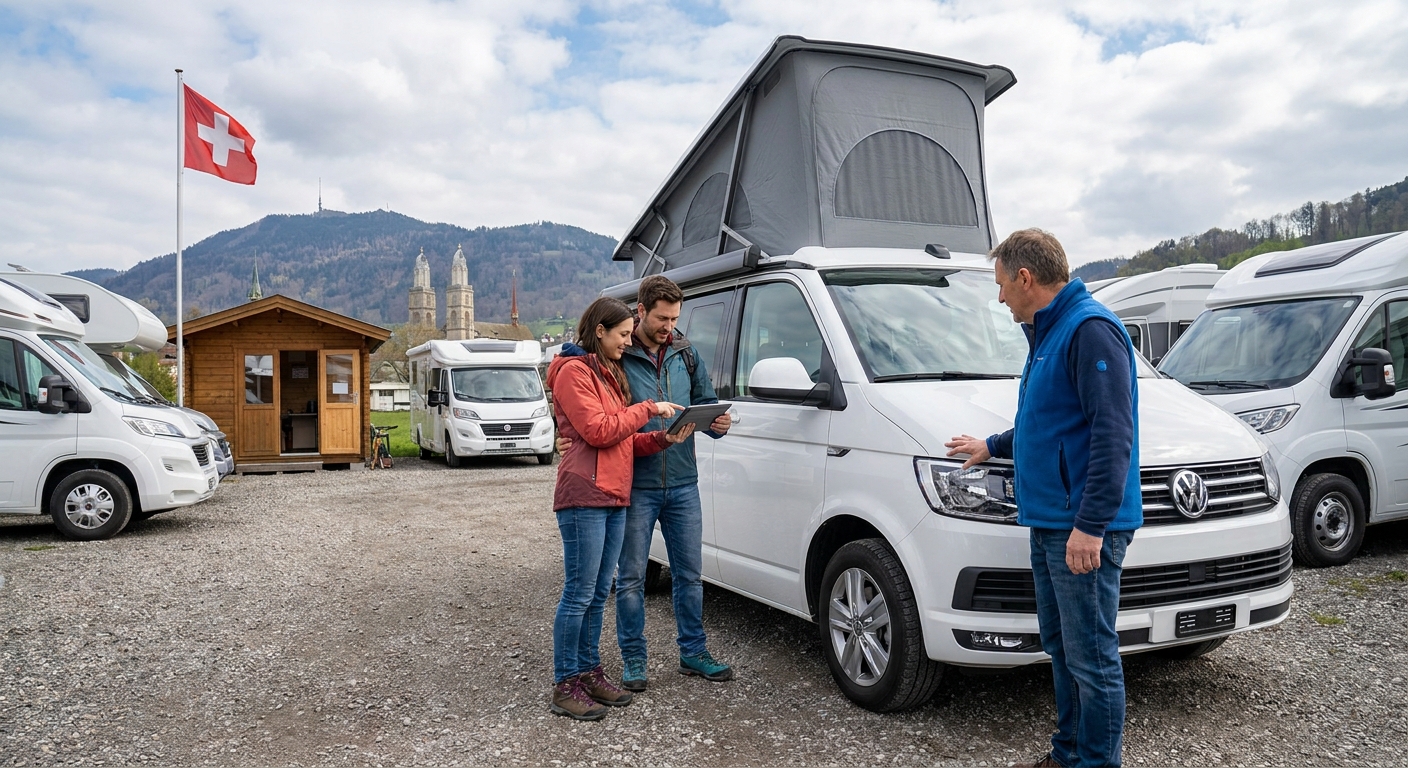
Road Conditions & Terrain in Zurich
Zurich's road conditions are consistently excellent, providing a smooth and comfortable driving experience for rented RVs. While the city itself features relatively flat urban streets and well-maintained main roads, travel beyond Zurich quickly introduces you to Switzerland's famous mountainous terrain, complete with steep inclines, winding roads, and breathtaking scenic passes. Drivers should be ready for this varied terrain, adapting their speed and attention, especially with larger motorhomes. Although major routes are designed for efficient travel, some charming rural or high alpine passes can be narrow, making slow and careful driving a recommended approach to truly appreciate the scenery and ensure a stress-free journey. Remember, you can drive almost anywhere without issues; just use common sense and pay attention. If you're planning a trip further afield, our "RV Rental Switzerland - Complete Guide 2026" offers a broader look at what to expect across the country.RV Size Limits, Bridges & Restricted Zones
Switzerland does not impose a single maximum RV length for all its roads, but drivers must always observe local signage for height, width, and weight restrictions, particularly important in tunnels, underpasses, and historic city centers. Most standard RVs and campervans available for rent through Bandana, typically ranging from 5.5m to 7.5m in length, will generally fit on major Swiss roads. Pay careful attention to height limits at tunnel entrances (a common feature in mountain regions like those on the routes to Lucerne or Interlaken) and multi-story city parking garages, as well as weight limits on older bridges. Zurich does not currently have permanent environmental (low emission) zones that restrict RV access based on emission standards, but it's always wise to check for any updates before your trip. This ensures full transparency and no surprises during your adventure.🎬 Video coming soon
Fuel: Diesel vs. Petrol & Cost per 100 km
The vast majority of rented motorhomes and campervans available in Zurich operate on diesel, which is readily available at fuel stations throughout Switzerland. Understanding fuel consumption is key to budgeting your trip. Based on Bandana's global fleet averages, a Class B - Camper Van typically consumes 8-10 liters/100 km, while a Class SI - Semi-integrated RV often uses 10-11 liters/100 km. A Class C - Alcove motorhome generally consumes 10-12 liters/100 km. The average cost per 100 km for an RV in Zurich can be estimated by multiplying this typical fuel consumption by current Swiss diesel prices, which are generally higher than in neighboring countries but offer exceptional quality. On RV PLANET routes, travelers can itemize and track every expense, including fuel, for easy budgeting. Some suppliers may offer fuel discount cards, so always ask about available options to help manage your overall trip cost.Tolls, Vignettes & Border Rules
To use Swiss national motorways (Autobahn/Autoroute/Autostrada) in and around Zurich, a vignette is mandatory for all vehicles up to 3,500 kg, costing CHF 40 for an entire calendar year, and is typically purchased at border crossings, gas stations, or post offices. For rented RVs exceeding 3,500 kg, a Heavy Vehicle Fee (HVF) applies instead of the vignette, which is calculated based on vehicle weight, emissions, and kilometers driven, and can be paid daily or monthly. Beyond the national vignette/HVF, additional tolls apply for specific tunnels, such as the Great St Bernard Tunnel connecting Switzerland and Italy, or the Munt la Schera Tunnel near the Livigno region. When planning your route from Zurich to neighboring countries like Germany, France, Italy, or Austria, be aware of their respective toll systems, which might include vignettes (like in Austria), distance-based tolls (common in France and Italy), or specific environmental badges (required in certain German cities).Driving Tips for RV Rental Travelers
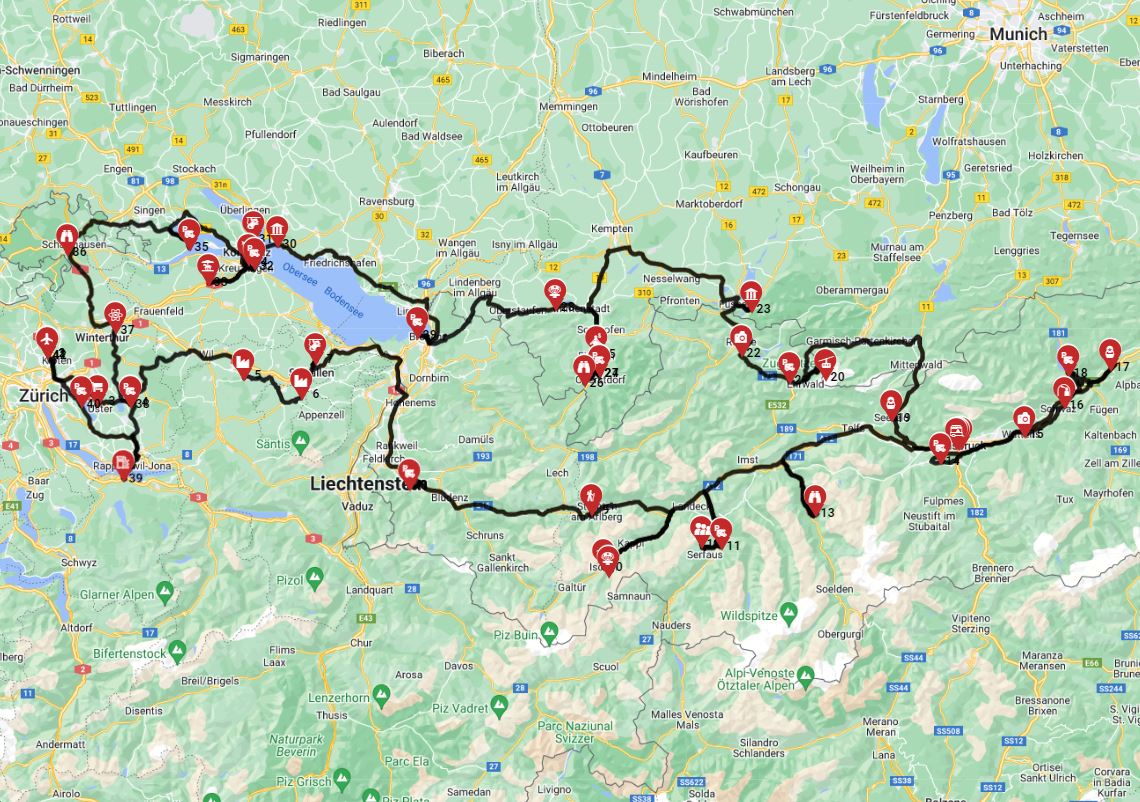
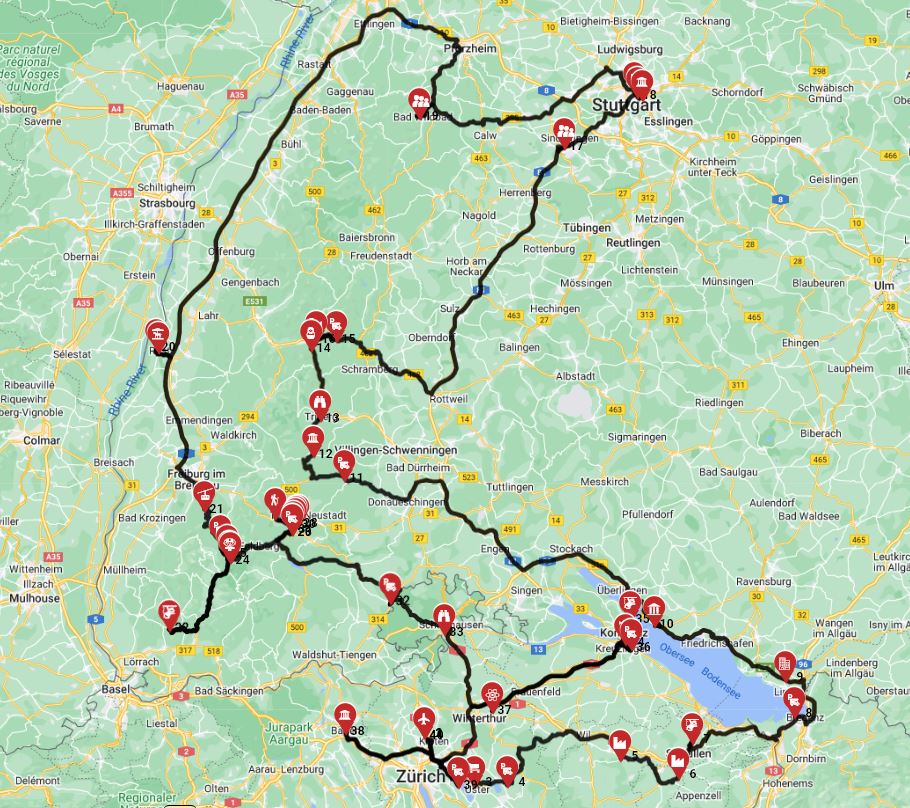
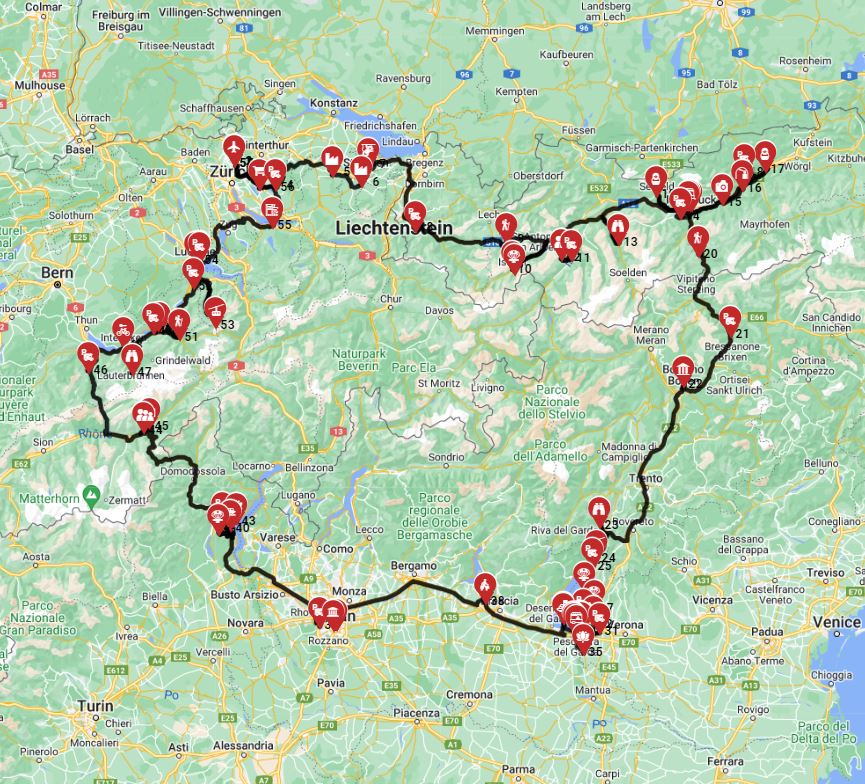
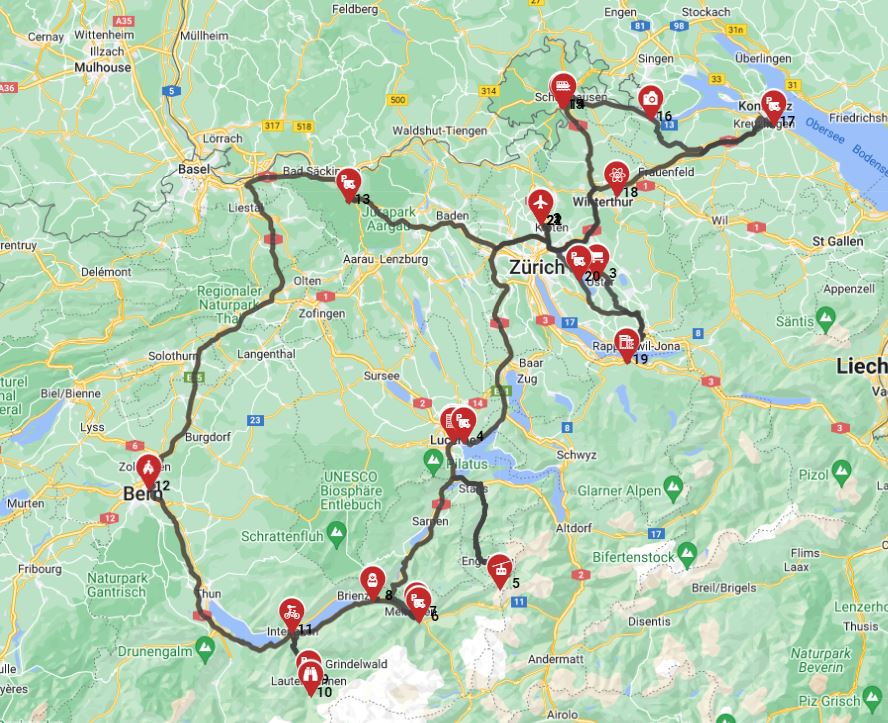
Pace yourself when exploring Switzerland by rented RV, as the country's stunning landscapes truly encourage slow, scenic driving, with a recommendation of max 100-150 km per day on average. This allows for frequent stops to enjoy the breathtaking views and prevents driver fatigue, especially when traveling with family. For larger RVs, master mountain driving techniques by practicing shifting to lower gears on descents to effectively use engine braking and prevent brakes from overheating; always be mindful of narrow turns and oncoming traffic on winding mountain passes. Maximize your RV experience by parking at designated park-and-ride lots outside major cities, such as those near the Zurich-Altstetten train station, and using Switzerland's excellent public transport (trains, trams, buses) for stress-free city excursions. While many national and state parks reserve only 25-30% of spots, leaving the rest for first-come-first-serve, it’s always wise to pre-book campsites during peak season (summer) to avoid disappointment, or call ahead before driving if you prefer spontaneous travel. Remember, you'll find a spot; if not at the first campground, then the next one. Budget beyond your rental fee, accounting for all RV-related costs including fuel, the Swiss vignette/HVF, specific parking fees in popular areas (which can be high in central Zurich), and grocery budgets, as Switzerland can be more expensive than expected. For detailed, RV-specific itineraries, like a "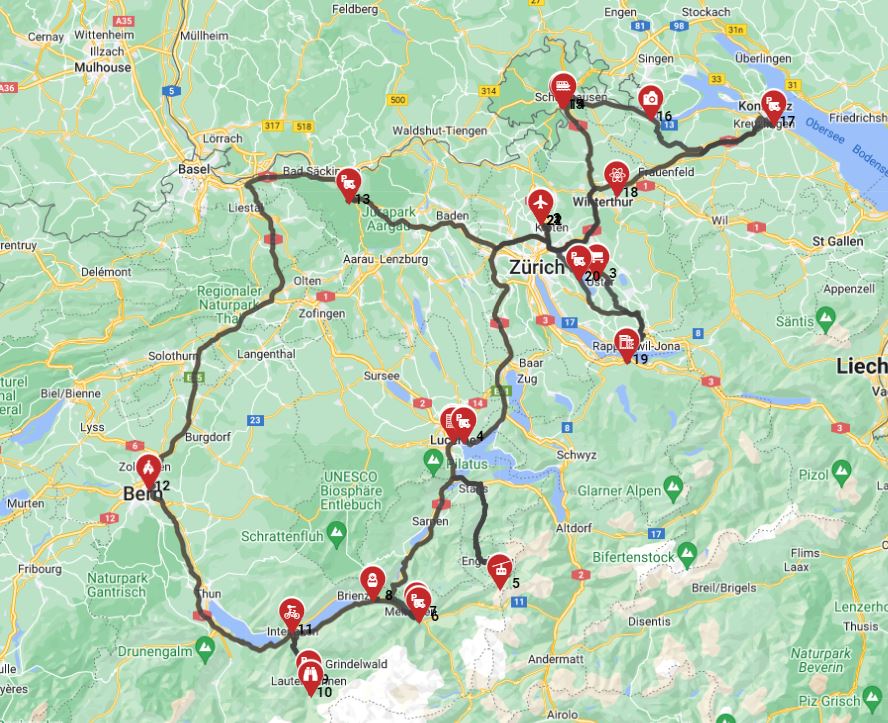
Zurich Roundtrip - Switzerland Short
Recommended RV Class for Zurich Roads
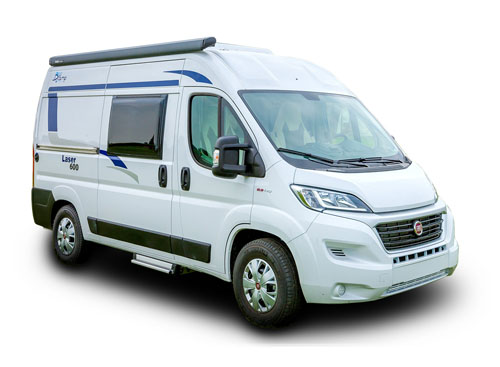
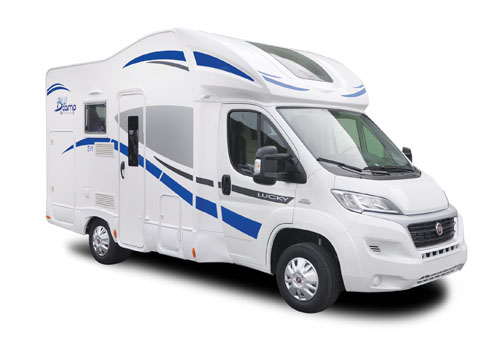
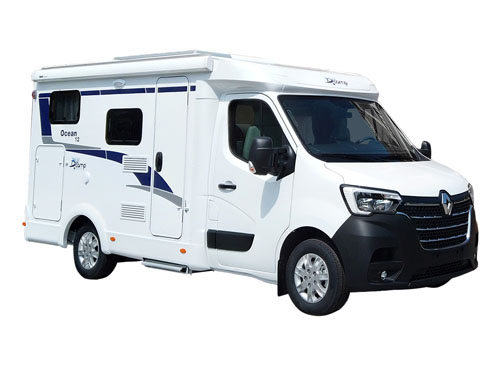
For a balanced experience combining maneuverability with comfort on Zurich's roads and the scenic routes beyond, Class SI - Semi-integrated motorhomes and Class B - Camper Vans are highly recommended. Class SI - Semi-integrated RVs, with an average length of 6.9 meters from Bandana's fleet and around 3.8 sleeping places, offer a good compromise between generous living space and ease of driving on Swiss roads. For example, a 2 Berth Tamar or 2 Berth Rover can provide excellent comfort for couples. Class B - Camper Vans, averaging 5.8 meters in length, are excellent for navigating narrower mountain roads and city streets while providing comfortable accommodation for around 2-3 adults. These smaller campervans, like the "cruise america example EX-Group A" (5.99m length, 2 sleeping places, 8 liters/100 km fuel consumption) or a `V3` (6.36m length, 2 sleeping places, 11-13 liters/100 km), are particularly fuel-efficient at 8-10 liters/100 km. These classes typically provide sufficient ground clearance for most Swiss routes and are less cumbersome than larger Class C or Class A models when encountering tight turns or limited parking.Should I Choose a Compact Van Instead of a Large RV in Zurich?
While larger RVs, such as Class C Alcoves or Class A Integrated motorhomes, generally pose no major issue on Switzerland's main roads and offer superior comfort and indoor space for families, a compact van (Class B Camper Van) can genuinely enhance flexibility in specific scenarios. A compact van, like the `V3` at 6.36m in length with 2 sleeping places or `Koru Star 3 Freedom` with a 103KW turbo diesel engine, is advantageous for navigating very tight historic city centers, parking in standard-sized spots, and tackling particularly narrow or challenging mountain passes. However, the trade-off with a compact van is often less living space and fewer amenities, such as a full shower or separate sleeping areas, and reduced load capacity. For example, a Class B typically has an average load capacity of 37 kg compared to a Class SI's 72.2 kg. For travelers prioritizing extensive interior space, multiple sleeping areas (a Class C Alcove averages 5.8 sleeping places, such as a `C-30` which can sleep up to 7), and a fully equipped kitchen, the comfort of a larger rented RV often outweighs the marginal maneuverability benefits of a compact van, provided careful route planning is observed.Can I Park Anywhere? Free & Wild Camping Rules in Zurich
Generally, wild camping (sleeping in your RV or campervan outside designated campgrounds) is not permitted in Switzerland, particularly on private land, within municipal boundaries, national parks, or nature reserves, and strict adherence to local laws is crucial. While cantonal and communal regulations vary, most areas around Zurich and throughout Switzerland require RVs to park overnight at official campsites or designated overnight parking spots, often called 'Stellplätze'. Some municipalities may tolerate a single night of 'standing' (meaning no outdoor furniture, awnings, or leveling jacks deployed) for rest purposes in public parking areas, but this is rarely a guaranteed right and can be subject to local discretion or clear signage. For finding campsites and campgrounds during your trip, we recommend using RV PLANET (rvplan.net) - a great resource for locating available spots along your route. Apps like Park4night or Campercontact are also invaluable tools for locating official campsites, 'Camping Cheques' locations, or specific overnight parking areas that offer amenities and legal peace of mind.Can I Drive an RV Into the City Center? Heights, Tunnels & Local Signage
Yes, you can generally drive a rented RV into Zurich's city center, but it absolutely requires careful attention to local signage regarding height limits, restricted zones, and parking. Zurich's city center, like many European cities, has numerous one-way streets and can be quite congested, making navigation for larger RVs challenging. For inner-city exploration, it's often more convenient to park your RV at designated park-and-ride facilities or campgrounds just outside the city, such as Camping Zürich-Wollishofen near Lake Zurich, then utilize Zurich's excellent tram and train network to reach central attractions like Bahnhofstrasse or Grossmünster Church. Be especially vigilant for specific height restrictions at tunnel entrances, underpasses, and multi-story parking garages, which are often too low for RVs. Always observe local signage for 'residents-only' streets, no-entry zones, and specific parking restrictions that may apply to larger vehicles, as fines can be substantial. Drive slowly and carefully, and you can drive almost anywhere without issues. No need to stress - just use common sense and pay attention.How much does it cost to rent an RV in Zurich?
The cost to rent an RV in Zurich varies significantly based on factors such as RV class, rental season, duration, and included amenities, typically ranging from CHF 100 to CHF 300+ per night. For live availability and current prices, start with our RV Rental Zurich - Complete Guide 2026 guide. Beyond the base rental fee, a comprehensive budget should include fuel costs (e.g., a Class B - Camper Van consumes 8-10 liters/100 km, while a Class SI - Semi-integrated RV uses 10-11 liters/100 km), the mandatory CHF 40 Swiss motorway vignette or heavy vehicle fees for vehicles over 3,500 kg, and any additional tunnel tolls. You should also factor in daily campsite fees, which average CHF 30-60 per night at places like Camping Fischer's Fritz, and specific parking fees in popular areas, which can be high in Swiss cities. Allocate a sufficient budget for groceries, as prices in Switzerland are generally higher than expected. Additional costs may include insurance deductibles (you can upgrade to a top-level deductible for extra peace of mind), one-way fees if you plan to pick up in Zurich and return in Geneva (typically CHF 150-500 depending on the route), and any optional extras like bedding, kitchen kits, or bicycle racks, all of which contribute to the total trip cost. Prices are dynamic like flight tickets and change daily based on availability, seasonality, and supplier marketing decisions, with the final price set at actual booking time. For tips on finding the cheapest RV rental in Zurich, flexibility with your travel dates and vehicle type can make a big difference.What is the best month to RV in Switzerland?
The best month to enjoy an RV trip in Switzerland largely depends on your desired activities and weather preferences, with June through September generally offering the most favorable conditions for touring and accessing all mountain passes. Summer (June-August) provides warm weather (averaging 20-25°C), long daylight hours, and full accessibility to all mountain passes, making it ideal for hiking in the Alps, swimming in Lake Zurich's clean waters, and exploring quaint Swiss villages. However, be prepared for peak crowds and higher campsite prices at popular spots. Shoulder seasons (May & September-October) offer a sweet spot with pleasant temperatures (10-20°C), fewer tourists, and often lower rental and campsite rates. Some higher mountain passes might still be closed in early May or begin to close in late October, so check conditions if your route includes specific alpine crossings. Winter (November-April) RV travel provides a unique experience for winter sports enthusiasts, but it requires specific winter camping considerations, such as insulated RVs, winter tires, and snow chains, and many campsites and mountain passes will be closed.What are the best RV rental companies in Zurich?
Choosing the 'best' RV rental company in Zurich depends entirely on your specific needs, budget, and desired RV class, as various reputable global platforms and local providers offer diverse fleets. Bandana, as a true RV specialist, offers a wide selection of motorhomes and campervans from over 50 leading suppliers worldwide, including trusted names like Touring Cars and DRM, providing options ranging from compact Class B Camper Vans to spacious Class C Alcoves and Semi-integrated models. Key considerations when selecting a rental company include the range of available RV classes (e.g., a "MHC24" motorhome with 6 sleeping places or a "luxury rv rentals example Carthago Malibu 600" campervan for 2), clarity of pricing with full transparency, robust insurance options (including optional top-level deductible reimbursement), customer service reputation, and the availability of essential extras like roadside assistance. Always compare customer reviews, check for any hidden fees, and inquire about specific vehicle features, such as automatic transmission or pet-friendly options, to ensure the company perfectly aligns with your travel plans. We handle the details, you live the journey, with personal service from day one until your booking is confirmed.What is the cheapest RV rental in Zurich?
The cheapest RV rentals in Zurich are typically secured by booking well in advance, opting for the shoulder seasons (spring or autumn), choosing smaller RV classes, and utilizing comparison platforms like Bandana. Class B Camper Vans, averaging 5.8 meters in length and designed for 2-3 adults, often represent the most budget-friendly option in Bandana's fleet due to their smaller size and lower fuel consumption of 8-10 liters/100 km. For example, the `cruise america example EX-Group A` can be a very economical choice. Prices are significantly lower during off-peak seasons (e.g., November to April, excluding major holiday periods) compared to the peak summer months (July-August) when demand is highest. To find the lowest rates, compare prices across multiple rental platforms, be flexible with your travel dates and duration, and consider renting for longer periods, as daily rates often decrease with extended bookings, such as a week-long trip or a two-week adventure. Remember, Bandana ensures full price transparency, so there are no hidden fees or surprises at checkout. Check our "Cheap RV Rental in Zurich - Budget Guide 2026" for more detailed advice.Is it worth renting an RV in Switzerland?
Renting an RV in Switzerland is absolutely worthwhile for travelers seeking unparalleled flexibility, immersive natural experiences, and the freedom to explore diverse landscapes at their own pace. A rented motorhome provides a mobile headquarters, allowing you to wake up to breathtaking alpine views in Grindelwald, enjoy breakfast overlooking Lake Geneva, or savor an evening meal prepared in your RV's kitchen after a day of exploring Zurich's vibrant Altstadt. The ability to combine RV travel with Switzerland's excellent public transport system is a huge advantage; you can park your RV at strategic points, like near Zurich Airport, and seamlessly use trains or trams for city visits or to reach remote hiking trails without city driving stress. Despite potentially higher costs for fuel and campsites, the convenience of having your accommodation and kitchen on wheels, coupled with the opportunity for pet-friendly travel and finding reliable internet and waste disposal utilities across many campgrounds (look for dump stations near Zurich airport or along major routes), often makes it a valuable investment for an unforgettable Swiss adventure. Imagine enjoying a picnic with stunning mountain backdrops or cooking up some local specialties with your RV-friendly recipes playlist. To plan a trip itinerary in advance with minimal effort and maximum enjoyment, explore the 1,300+ pre-planned routes across 5 continents available via RV PLANET (rvplan.net).What You Shouldn't Miss
- Explore Lake Zurich by Boat: Take a leisurely cruise on Lake Zurich, easily accessible from city-side campgrounds like Camping Zürich-Wollishofen, offering stunning views of the city and the distant Alps.
- Hike Uetliberg Mountain: Drive your RV to the base or a nearby park-and-ride, then take a short train or hike up Zurich’s "local mountain" for panoramic views of the city, the lake, and the Glarus Alps.
- Wander Zurich's Old Town (Altstadt): Park your RV at a designated area outside the city center, then use public transport to explore the charming narrow streets, historic guild houses, and iconic churches like Grossmünster and Fraumünster.
- Visit Rhine Falls: Just an hour's drive north of Zurich, witness Europe's largest waterfall, the Rhine Falls. Several RV-friendly parking areas are available nearby, making it a perfect day trip.
- Discover the Lindt Home of Chocolate: Located in Kilchberg, a short drive from Zurich, indulge in an immersive experience at the Lindt museum. Parking for RVs is available, and it's a delightful treat for all ages.
Looking for expert insights from Avi Bandana? Top 5 Adventures - recommendations from Avi Bandana
Final Thoughts
Renting an RV in Zurich opens up a world of adventure, offering a flexible and immersive way to experience the beauty of Switzerland. From the bustling city streets to the tranquil alpine landscapes, a motorhome or campervan provides the comfort and freedom to create your perfect itinerary. Remember to plan slowly, averaging no more than 100-150 km per day, allowing you to truly connect with the culture, the delicious food, and the breathtaking scenery. At Bandana, we're passionate about helping you craft these unforgettable journeys. With our full transparency, expert pre-planned routes from RV PLANET, and dedicated support, you can book your RV rental in Zurich with complete confidence. Imagine the possibilities, prepare for the open road, and get ready to live your adventure! Find Motorhome Rentals in ZurichFor ideas you can prep on the road, watch our RV-friendly recipes playlist on YouTube.
On the routes offered through RV PLANET routes, you can itemize and track every expense along the way for easy budgeting.