In This Guide
- Can You Drive an RV in Toulouse? License & Age Rules
- Road Conditions & Terrain in Toulouse
- RV Size Limits, Bridges & Restricted Zones
- Fuel: Diesel vs. Petrol & Cost per 100 km
- Tolls, Vignettes & Border Rules
- Driving Tips for RV Rental Travelers
- Recommended RV Class for Toulouse Roads
- Should I Choose a Compact Van Instead of a Large RV in Toulouse?
- Can I Park Anywhere? Free & Wild Camping Rules in Toulouse
- Can I Drive an RV Into the City Center? Heights, Tunnels & Local Signage
- Are D-roads in France suitable for motorhomes?
- What are the new rules for motorhomes in France?
- Do I need speed stickers on my motorhome in France?
- What is the largest RV you can drive without a special license?
- Is France motorhome friendly?
- What are the motorhome rules in France?
- Can you sleep in a campervan anywhere in France?
Embarking on a motorhome adventure in Toulouse, the vibrant heart of Occitanie, offers a fantastic way to explore the South of France and beyond. With a rented RV, you have the ultimate freedom to discover picturesque villages, stunning natural parks, and the rich culinary heritage of the region at your own pace. Whether you're a seasoned RVer or planning your first journey, understanding the local driving rules, road conditions, and RV-specific regulations is key to a smooth and enjoyable trip. For live availability and current prices, start with our RV Rental Toulouse - Complete Guide 2024 guide, your go-to resource for a seamless booking experience. For broader context on touring the country, you might also find our RV Rental France - Complete Guide 2024 useful.
🎬 Video coming soon
Can You Drive an RV in Toulouse? License & Age Rules
Yes, you can absolutely drive an RV in Toulouse, and a standard B driving license is sufficient for most rental motorhomes up to 3,500 kg, covering popular campervans and many semi-integrated models. For instance, a Class B Camper Van with a length of around 5.4 meters, which often seats a couple or small family, typically falls within this weight limit. If you're considering a larger Class A or some heavy-duty Class C motorhomes exceeding 3,500 kg, a C1 license (or equivalent European category) is typically required, though these are less common for casual rentals. The minimum age for RV rental in Toulouse is generally 21 years old, and most suppliers require at least 2-3 years of driving experience, without imposing young driver surcharges based on vehicle class. Foreign drivers need a valid national license, and an International Driving Permit (IDP) is highly recommended for non-EU licenses to facilitate communication, though it's not strictly mandatory in all cases. Our direct partnerships with 50+ leading RV suppliers worldwide, including trusted names like Apollo and Britz, ensure you get clear information on licensing for your chosen RV.
Road Conditions & Terrain in Toulouse
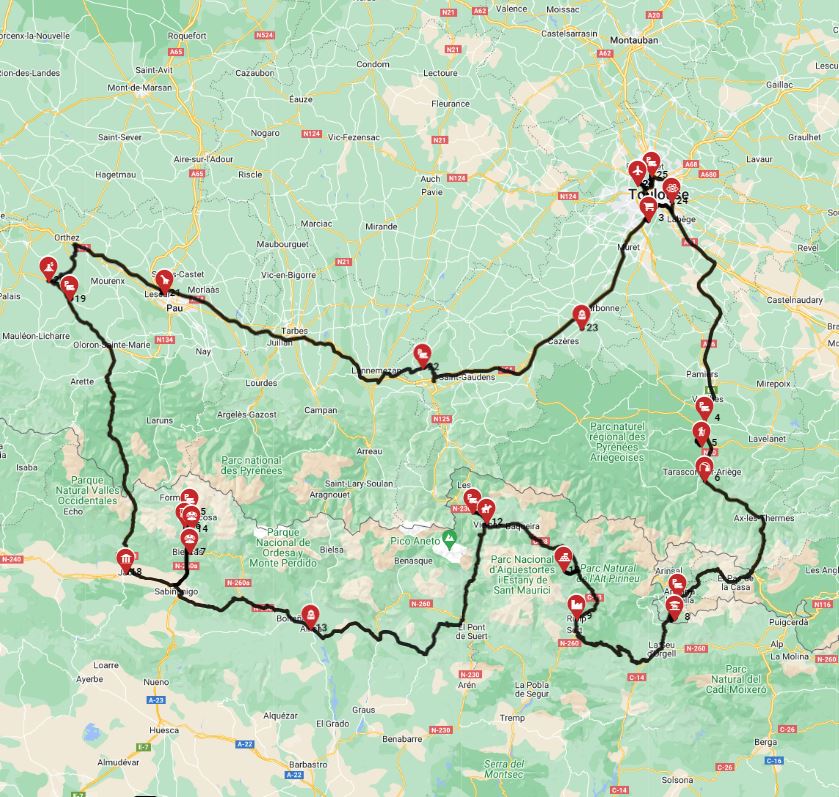
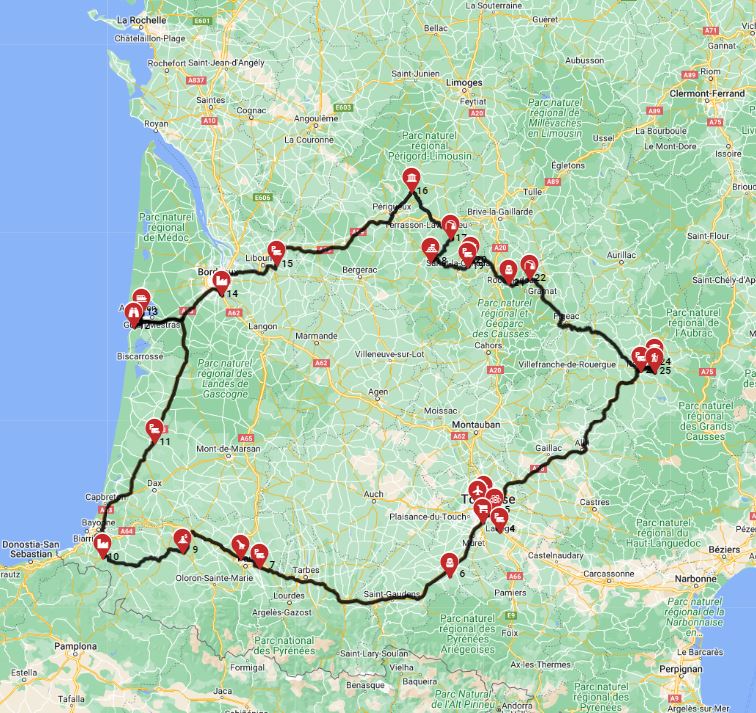
Road conditions around Toulouse and throughout the Occitanie region are generally excellent, with smooth surfaces on major motorways (autoroutes) and well-maintained national roads (N-roads). The terrain immediately surrounding Toulouse is largely flat to gently rolling, making for relaxed driving, but it quickly transitions to more challenging mountainous areas like the majestic Pyrenees to the south. While motorways are wide and smooth, rural D-roads and charming village streets can be narrower and winding, requiring careful driving for larger RVs. Our philosophy at Bandana is to travel slowly, averaging a maximum of 100-150 km per day; this pace allows you to truly feel the place, connect to the culture, the delicious food, and the stunning scenery, while also making navigation in a rented motorhome much easier, even on less-traveled routes.
RV Size Limits, Bridges & Restricted Zones
While there are no blanket RV size limits for driving on most French roads, specific local restrictions apply, particularly in historic city centers and under low bridges in Toulouse. You must pay close attention to height limit signage (gabarit) at tunnels, underpasses, and when entering car parks, as these can be as low as 2 meters, which can easily catch a larger motorhome unawares. Toulouse, like many French cities, has a 'Zone à Faibles Émissions' (ZFE) or Low Emission Zone, which requires vehicles to display a Crit’Air sticker based on emission levels to avoid fines. Larger RVs might face challenges in narrow village streets or specific weight-restricted bridges; always heed local signage to prevent issues. Remember, you can drive almost anywhere without issues, just use common sense and pay attention, and there's no need to stress about the size of your rental RV.
Fuel: Diesel vs. Petrol & Cost per 100 km
Most motorhomes available for rent in Toulouse operate on Diesel fuel, which is widely available at French service stations. The average fuel consumption for a Class B Camper Van from Bandana's local fleet is typically 9-15 liters per 100 km, while a Class SI Semi-integrated RV generally consumes 10-20 liters per 100 km. Fuel costs fluctuate, but as of 2024, expect average prices to be around €1.80 - €2.00 per liter for Diesel; therefore, budget approximately €18-€40 per 100 km for fuel. When considering your total trip costs, including fuel, campground fees, and groceries to prepare meals in your fully equipped RV kitchen, remember that on RV PLANET routes, travelers can itemize and track every expense along the way for easy budgeting. If you're looking for inspiration for what to cook on the road, check out our RV-friendly recipes playlist. On the routes offered through RV PLANET routes, you can itemize and track every expense along the way for easy budgeting.
Tolls, Vignettes & Border Rules
France primarily uses a toll road system (péage) for its motorways rather than vignettes, with charges varying based on distance, vehicle category, and specific road sections around Toulouse. RV classification for tolls in France typically falls into Category 2 for vehicles under 3.5 tonnes and less than 3 meters high, or Category 3 for vehicles over 3.5 tonnes or over 3 meters high, which significantly impacts costs. To avoid queues and potential fines, consider purchasing an electronic toll pass, such as a Liber-t tag, which allows automatic payment via a transponder in your rented RV; these are often available through rental providers. When planning to travel to neighboring countries from Toulouse, always research their specific toll or vignette requirements in advance, as countries like Switzerland and Austria require vignettes, while Spain primarily uses a toll system similar to France.
Driving Tips for RV Rental Travelers
To make your RV rental journey around Toulouse as enjoyable as possible, adopt a relaxed approach to driving. Firstly, take frequent breaks, especially with families, planning stops every 2-3 hours to allow everyone to stretch and explore, turning the journey itself into an adventure. Secondly, plan your route carefully using GPS systems that allow for RV dimensions to avoid narrow roads, low bridges, and challenging urban areas; this can save you a lot of stress in an unfamiliar locale. Thirdly, familiarize yourself with French road signage, particularly those indicating height, weight, and speed limits, as well as 'no overnight parking' zones, which are common in many scenic spots. Utilize France's extensive network of designated motorhome service areas (aires de services) which provide essential facilities for water, waste disposal, and often affordable overnight parking. For instance, there are several "aires" along the Canal du Midi near Toulouse, offering a serene base. Finally, embrace the slower pace of French driving, especially on rural D-roads, which encourages enjoying the scenery and being prepared for agricultural vehicles. Remember, you can also reward yourself for being a pre-planner with a 25% planning discount when you craft your ideal journey using rvplan.net.
Recommended RV Class for Toulouse Roads
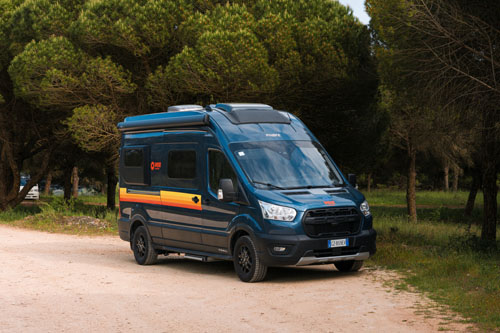
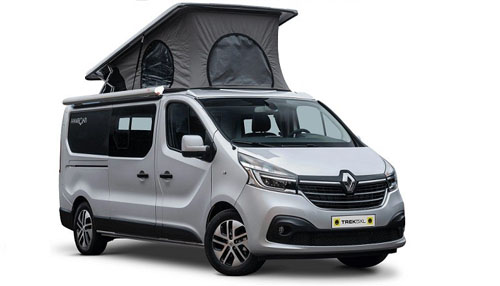
For driving around Toulouse and exploring the stunning Occitanie region, a Class B Camper Van or a Class SI Semi-integrated RV offers an ideal balance of comfort and maneuverability. Class B Camper Vans, averaging around 5.4 meters in length in Bandana's local fleet, are nimble enough for smaller roads and easier parking, making them perfect for couples or small families looking for flexible travel. Models like the "rv rental denver example Category Van" are small and efficient, perfect for navigating tight spaces. Class SI Semi-integrated RVs, with an average length of 6.9 meters, provide more living space and amenities without being overly challenging to drive on French roads, offering features such as a shower and toilet. These classes offer sufficient ground clearance for varied terrain and are generally well-suited for navigating both major routes and charming village roads around Toulouse. For current availability and further details on different vehicle types, consult our RV Rental in Toulouse - Prices and Best Deals 2024 page.
Should I Choose a Compact Van Instead of a Large RV in Toulouse?
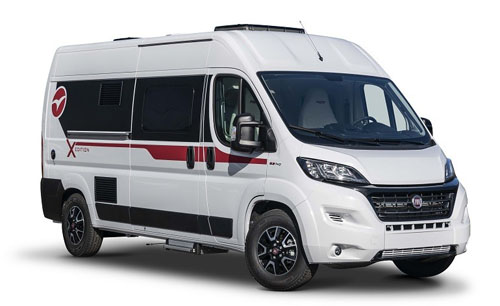
While a compact van offers superior maneuverability in very tight historic centers or extremely narrow mountain passes, most RV sizes are generally manageable on main roads around Toulouse and wider rural routes. The decision often comes down to balancing comfort and indoor space against potential parking challenges in highly congested areas. A compact van, like a Class B Camper Van, is genuinely advantageous for exploring ancient villages with restricted access or parking in standard car spaces, such as those found on side streets in the city. However, for longer trips, family travel, or those valuing amenities like a full kitchen, separate sleeping areas, and a larger bathroom, a larger motorhome (such as a Semi-integrated Class SI like the "2 Berth Tamar" model) often provides a much more comfortable experience with minimal driving compromise outside of very specific urban centers. Remember, Bandana is a true RV specialist, not a travel agency side department, and we can help you compare final prices across 50+ suppliers to find the perfect RV for your needs.
Can I Park Anywhere? Free & Wild Camping Rules in Toulouse
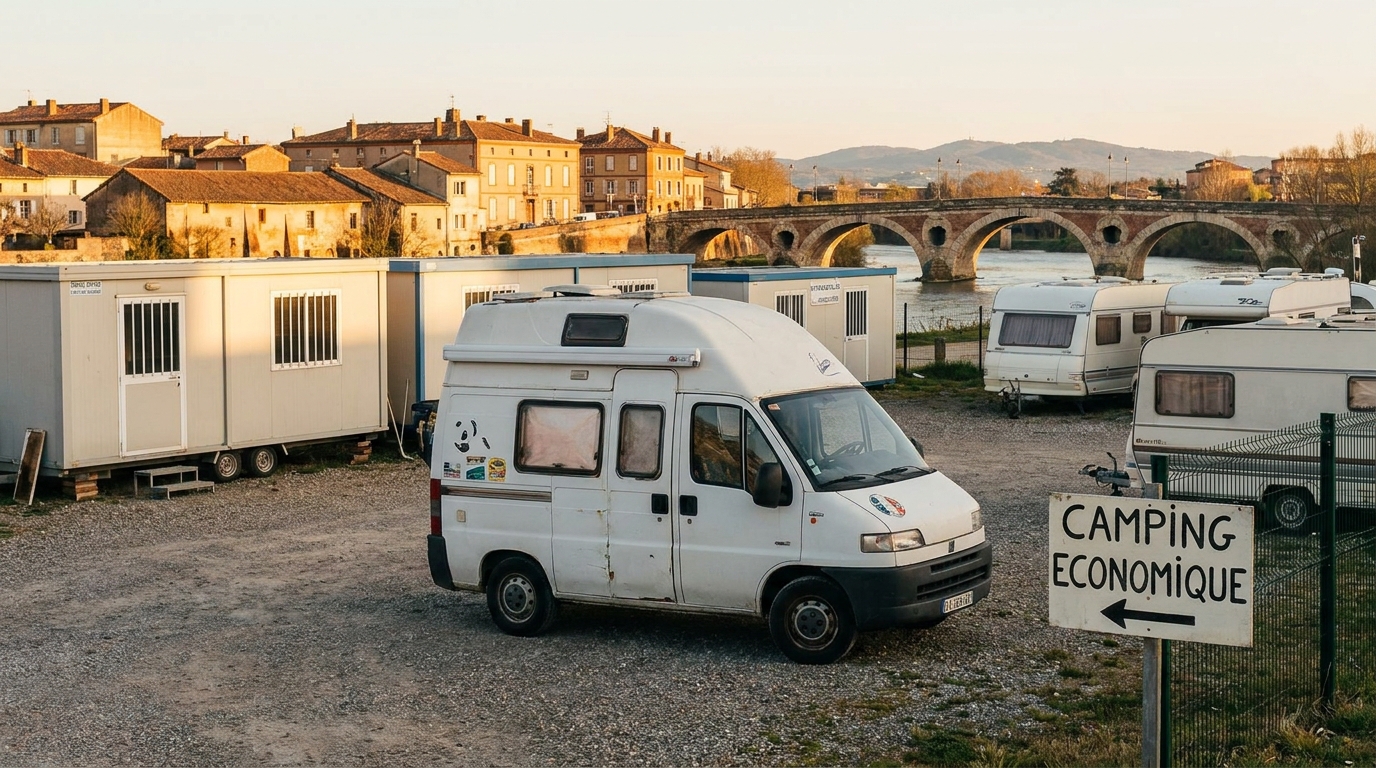
No, in France, while wild camping or free parking outside of designated areas is generally discouraged and often prohibited, specifically in Toulouse and its immediate vicinity, it is typically forbidden. Overnight parking for rented RVs is generally restricted to official campsites ('campings') or designated motorhome service areas ('aires de services') across France. For example, local municipalities in the Toulouse region have the authority to implement specific bylaws regarding overnight parking for RVs, often indicated by clear signage. Rules vary significantly by region and commune, so always check local regulations and follow local law before parking overnight, especially concerning private property or protected natural areas. You'll find plenty of designated spots, and if not at the first campground, then the next one is usually just a short drive away; always call ahead before driving.
Can I Drive an RV Into the City Center? Heights, Tunnels & Local Signage
Yes, you can generally drive a rented RV into most city centers in France, including Toulouse, but careful attention to local signage is paramount. Be aware of height limits on tunnels, underpasses, and car park entrances, which can be restrictive for larger vehicles; for example, many underground car parks in central Toulouse have height restrictions of 1.90 meters. Toulouse operates a Low Emission Zone (ZFE) requiring a Crit’Air sticker, which must be displayed on your RV to avoid fines when entering the designated area within the city's inner ring road. Look out for specific local signs indicating 'residents only' streets, no-RV zones, or restricted parking areas, especially around historic sites like Place du Capitole. While driving through is often possible, finding suitable parking for an RV within the central core of Toulouse can be challenging; consider parking on the outskirts and using the excellent public transport system (metro, bus, tram) for easier city exploration. Drive slowly and carefully, and you can navigate almost anywhere without issues.
Are D-roads in France suitable for motorhomes?
Yes, departmental roads (D-roads) in France are generally suitable for motorhomes, offering incredibly scenic routes through rural areas and charming villages around Toulouse. While well-maintained, D-roads can vary significantly in width; some may be narrow and winding, especially in older villages or mountainous regions, requiring extra caution. For instance, driving a larger Class C motorhome through a small Pyrenean village accessible by a D-road demands slower speeds and careful maneuvering. For smaller campervans, D-roads are usually a breeze. Many D-roads connect directly to local attractions, vineyards, and 'aires de services', making them a popular choice for motorhome travel, allowing you to discover hidden gems that main motorways often bypass. It's all about embracing the journey and enjoying the local flavor.
What are the new rules for motorhomes in France?
As of 2024, key regulations for motorhomes in France include the Crit’Air sticker requirement for Low Emission Zones (ZFEs) in major cities like Toulouse, which aims to reduce air pollution. Speed limit stickers are now mandatory for motorhomes exceeding 3.5 tonnes, indicating reduced speed limits on specific roads. For example, these stickers clearly display that vehicles over 3.5 tonnes must adhere to a maximum of 110 km/h on motorways and 80 km/h on other roads. Stricter enforcement of wild camping rules continues, with overnight stays generally restricted to designated campsites or 'aires de services' to protect natural environments. Vehicle safety checks and environmental standards are regularly updated, ensuring all vehicles, including rental RVs, meet current French and EU regulations for safe and responsible travel.
Do I need speed stickers on my motorhome in France?
Yes, if your motorhome weighs over 3.5 tonnes (3,500 kg), you are legally required to display specific speed limit stickers on the rear of your vehicle in France. These stickers, visible from the back, clearly indicate reduced maximum speeds for heavy vehicles: 110 km/h on motorways, 100 km/h on dual carriageways, 80 km/h on other roads, and 50 km/h in urban areas. Failure to display these stickers, or ignoring the indicated speed limits for heavy vehicles, can result in fines. Even if your rented RV is under 3.5 tonnes, it's always wise to be aware of general French speed limits, which are often lower for all vehicles on certain roads, and always prioritize safety and local regulations.
What is the largest RV you can drive without a special license?
In France, and across the EU, the largest RV you can drive with a standard B driving license (the equivalent of a regular car license) is one with a Maximum Authorised Mass (MAM) of up to 3,500 kg. This weight limit covers a wide range of motorhomes, including most campervans (like Class B models such as the "rv rentals utah example Sunrise Escape" which can sleep up to 5 people) and many semi-integrated models (like Class SI) that are popular for rental. For RVs with a MAM exceeding 3,500 kg, such as some larger integrated or alcove models (e.g., a "32′ Class C Motorhome"), a higher license category like a C1 is required. It's crucial to always check the specific MAM of your chosen rental RV and ensure your driving license permits you to operate it legally before you set off on your adventure from Toulouse.
Is France motorhome friendly?
France is widely considered one of the most motorhome-friendly countries in Europe, largely due to its extensive and well-maintained network of 'aires de services' and beautiful camping sites. The country boasts thousands of 'aires de services' which provide essential facilities like fresh water, waste disposal, and often electricity, with many offering affordable or even free overnight parking. Motorhome travelers benefit from incredibly diverse landscapes, from the sun-drenched coastal routes and historic cities like Toulouse to the majestic mountains of the Pyrenees and the rolling vineyards, all accessible via generally excellent road infrastructure. While strict rules exist for wild camping, the sheer abundance of dedicated facilities and a culture that embraces RV travel make France an ideal destination for an unforgettable motorhome adventure. We pride ourselves on offering over 1,300 pre-planned routes across 5 continents via our sister company, rvplan.net, making planning your French escape effortless.
What are the motorhome rules in France?
Motorhome rules in France encompass various aspects to ensure safety and environmental responsibility, including driver's license requirements (standard B license for RVs under 3.5T, C1 for over 3.5T), speed limits tailored for heavier vehicles, and mandatory safety equipment. Key regulations include the display of Crit’Air stickers for Low Emission Zones in cities such as Toulouse, and speed limit stickers on the rear for vehicles over 3.5 tonnes. It's also mandatory to carry safety equipment like a warning triangle and a reflective vest in your RV. Parking and overnight stays are largely restricted to designated campsites or 'aires de services', with wild camping generally prohibited in public areas. Toll roads (péage) are common across the country, and motorhomes are subject to specific vehicle categories for toll calculation, requiring awareness for budgeting and route planning to ensure full price transparency and no hidden surprises.
Can you sleep in a campervan anywhere in France?
No, you cannot legally sleep in a campervan or motorhome just anywhere in France; wild camping and unregulated overnight parking are generally prohibited, especially in protected areas, coastal zones, and private land without explicit permission. The preferred and legal options for overnight stays are dedicated campsites ('campings') and the extensive network of 'aires de services' specifically designed for motorhomes, which are abundant even near Toulouse. Local municipal bylaws ('arrêtés municipaux') often dictate where overnight parking is permitted or forbidden, with clear signage indicating restrictions in towns and villages. While some rural areas may tolerate discreet overnight parking in non-prohibited spots, relying on official facilities is highly recommended to avoid fines and ensure access to essential amenities like fresh water and waste disposal. Remember, many national and state parks only reserve 25-30% of spots, with the rest being first-come-first-serve, so you'll usually find a spot.
What You Shouldn't Miss
Toulouse and its surroundings are brimming with experiences perfect for RV travelers. Here are some top recommendations:
- Explore the Cité de l'Espace: Just outside Toulouse, this space-themed park offers interactive exhibits, a real Ariane 5 rocket, and a Mir space station. It's an inspiring day out for families and space enthusiasts alike, with ample parking for your motorhome.
- Cruise the Canal du Midi: Park your RV at one of the many picturesque 'aires' along the UNESCO-listed Canal du Midi (e.g., near Castelnaudary), rent bicycles, and cycle along the towpaths. This offers a tranquil escape and a taste of rural French life.
- Visit Carcassonne: A stunning medieval fortified city, about an hour's drive from Toulouse. There are designated RV parking areas outside the ramparts, allowing you to explore its impressive history on foot.
- Taste authentic Cassoulet: No trip to Toulouse is complete without trying its signature dish. Head to local markets like Marché Victor Hugo in Toulouse, or venture to nearby villages like Revel to find the freshest ingredients or a cozy restaurant serving the hearty stew.
- Hike in the Pyrenees foothills: Drive your RV south towards the Pyrenees, just a couple of hours away. Areas around Foix or Saint-Girons offer incredible hiking opportunities and charming mountain villages, perfect for a day trip or an overnight stay in a scenic campground.
- Looking for expert insights from Avi Bandana? Top 5 Adventures - recommendations from Avi Bandana - get personalized advice from someone who lives and breathes RV travel.
Final Thoughts
Driving an RV in Toulouse and through the enchanting Occitanie region is an experience unlike any other. It offers a unique blend of urban exploration, cultural immersion, and scenic beauty, all at your own pace. With the right preparation regarding licenses, local rules, and a little common sense, you'll find French roads and facilities incredibly accommodating for your rented motorhome or campervan.
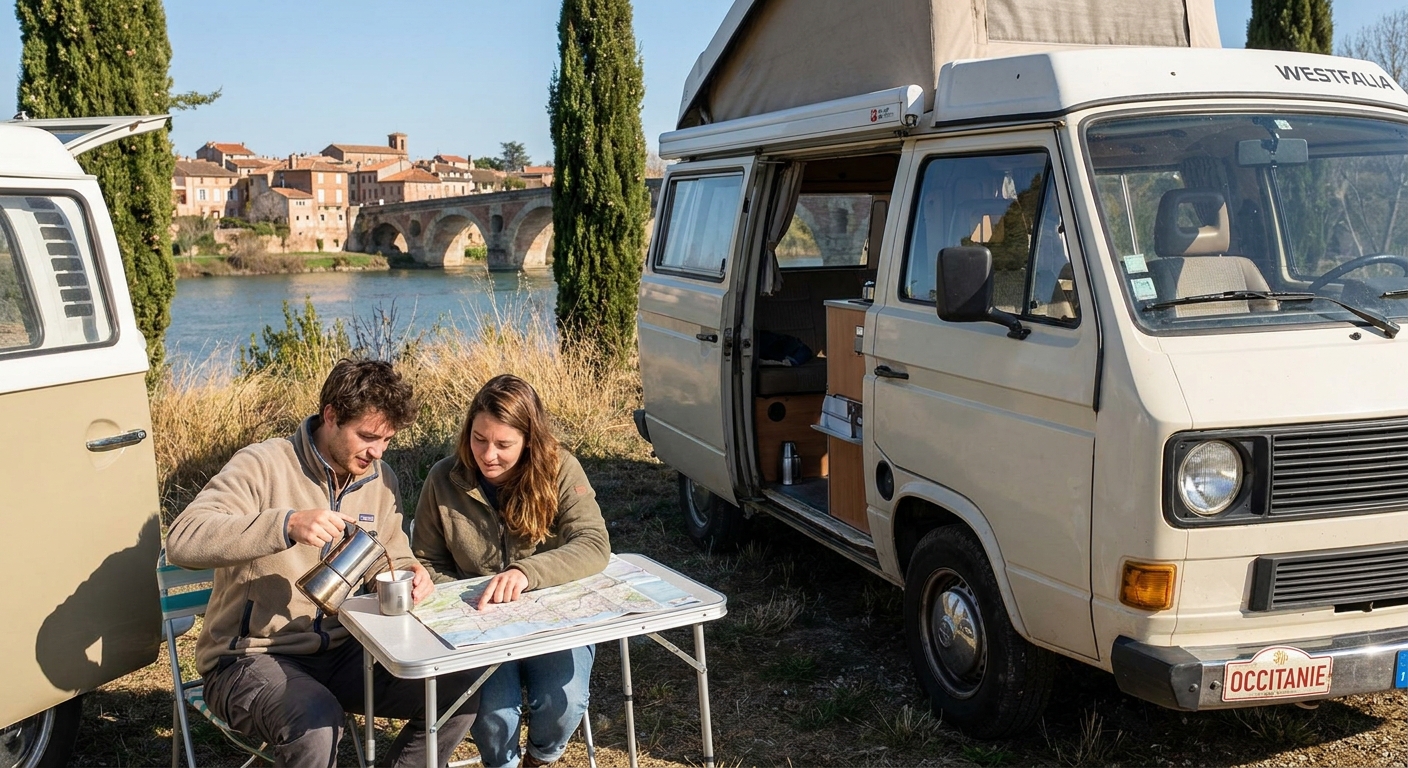
At Bandana, we're with you every step of the way, from comparing options across 50+ suppliers before you book, to coordinating your pickup and return, ensuring a smooth and delightful adventure. Imagine yourself sipping coffee overlooking the Canal du Midi or exploring a bustling Toulouse market, all from the comfort of your mobile home. The open road is calling, and your Toulouse adventure awaits!
Find Motorhome Rentals in Toulouse