In This Guide
- Can You Drive an RV in Scandinavia? License & Age Rules
- Road Conditions & Terrain in Scandinavia
- RV Size Limits, Bridges & Restricted Zones
- Fuel: Diesel vs. Petrol & Cost per 100 km
- Tolls, Vignettes & Border Rules in Scandinavia
- Driving Tips for RV Rental Travelers in Scandinavia
- Recommended RV Class for Scandinavia Roads
- Should I Choose a Compact Van Instead of a Large RV in Scandinavia?
- Can I Park Anywhere? Free & Wild Camping Rules in Scandinavia
- Can I Drive an RV Into the City Center in Scandinavia?
- Is Norway RV friendly?
- Can you drive an RV in Europe?
- Can I drive in Sweden as an American?
- Can you drive an RV through the mountains in Scandinavia?
- What is the 3-3-3 rule for RV travel?
- What countries are RV friendly in Europe?
- Is Sweden campervan friendly?
- Can I drive in Sweden with a US driver's license?
- What is the largest RV you can drive in Scandinavia without a special license?
- Can you park a campervan anywhere in Norway?
- Top Cities for RV Rental in Scandinavia
- Practical Information for RV Travel in Scandinavia
- What You Shouldn't Miss
- Why Book with Bandana Caravan
- Final Thoughts
- Frequently Asked Questions
Scandinavia, with its breathtaking fjords, pristine forests, and vibrant cities, offers an unparalleled adventure for travelers exploring by rented RV or campervan. Imagine waking up to a stunning lake view in Sweden, driving through Norway's dramatic mountain passes, or exploring Denmark's charming coastal towns, all from the comfort of your mobile home. This comprehensive guide, part of our broader RV Rental Scandinavia - Complete Guide 2026, is designed to equip you with all the essential information for a smooth and unforgettable RV journey through this incredible region. We'll cover everything from licensing requirements and road conditions to wild camping rules and top destinations, ensuring you feel confident and inspired to hit the open road.
Can You Drive an RV in Scandinavia? License & Age Rules
Most travelers can drive an RV in Scandinavia with a standard Category B license, which is valid for vehicles up to 3,500 kg (7,700 lbs) Maximum Authorised Mass (MAM). This covers the vast majority of motorhomes and campervans available for rental, making RV travel accessible for many. For non-EU drivers, such as those from the US or Canada, a valid national driver's license is typically accepted for short visits, usually up to 3-6 months. However, an International Driving Permit (IDP) is strongly recommended by rental companies and local authorities for easier translation and compliance, and some suppliers may require it. The minimum driver age for RV rentals in Scandinavia is usually 21 years old, with some companies requiring drivers to be over 25 for certain larger Class A or Class C vehicle classes, but Bandana offers options for drivers aged 21 and above across all vehicle types without young driver surcharges. Vehicles exceeding 3,500 kg MAM generally require a higher license category, like C1 or C, which is less common for standard tourist rentals. Bandana RV Specialists provide full transparency on all licensing requirements before you book, ensuring no surprises.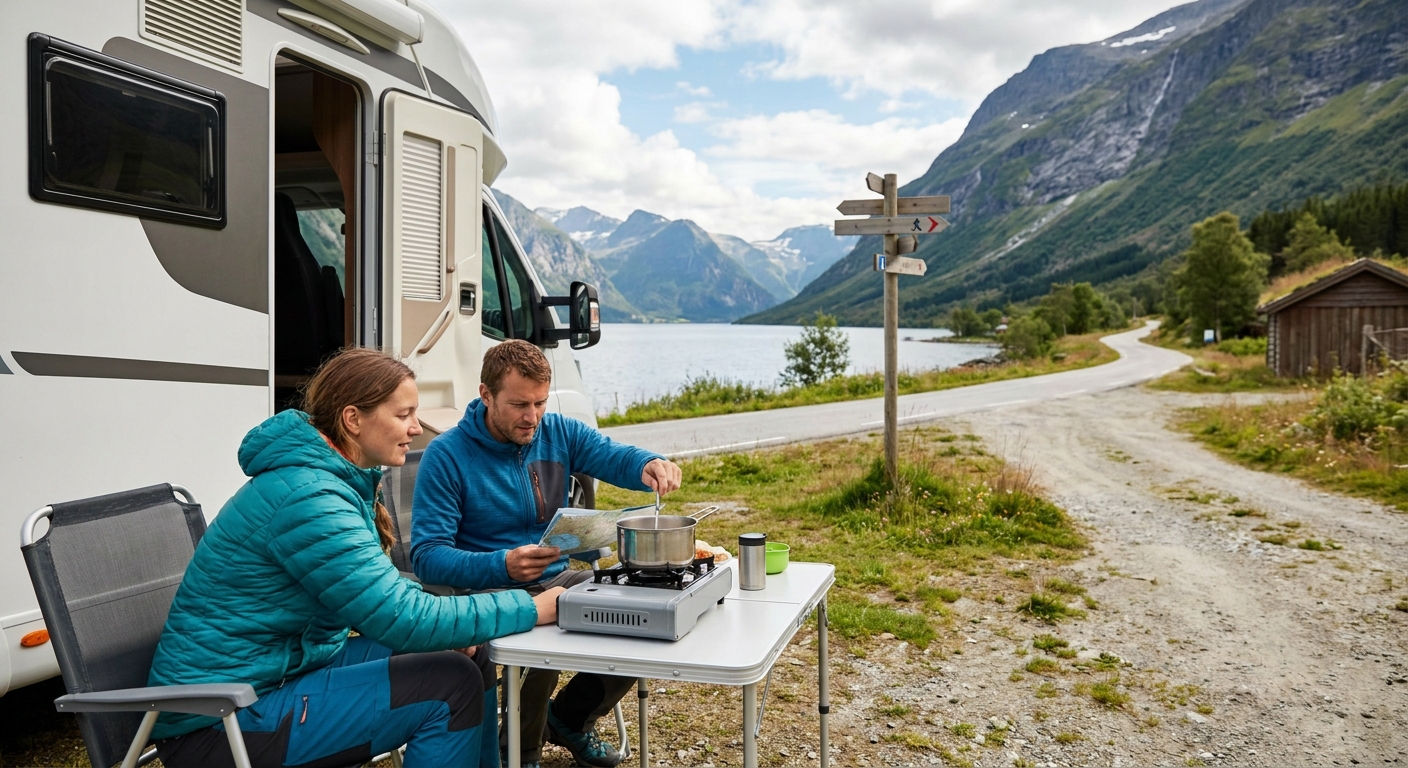
Road Conditions & Terrain in Scandinavia
Scandinavia boasts excellent road infrastructure with well-maintained highways connecting major cities and regions, making RV travel generally smooth and enjoyable. Travelers can expect diverse terrain, from flat coastal roads in Denmark and southern Sweden to winding, steep mountain passes and breathtaking fjord-side routes in Norway, often featuring impressive tunnels and requiring ferry crossings. While major roads are usually in top condition, gravel roads are common in more remote or rural areas, particularly when accessing hiking trails or wild camping spots, so driving slower on these roads is advisable to protect your rented vehicle. Embracing a slow, scenic driving pace, averaging max 100-150 km per day, allows travelers to fully appreciate Scandinavia's breathtaking landscapes and navigate changing road conditions safely. Seasonal conditions vary greatly: summer (June-August) offers long daylight hours and optimal driving, while winter (November-March) requires specific tires (often studded, provided by rental companies) and extreme caution due to snow and ice, with some mountain roads closing temporarily.RV Size Limits, Bridges & Restricted Zones
Scandinavia generally accommodates RVs of various sizes, but it's crucial to be aware of local signage indicating height, weight, and width restrictions, especially on older bridges, in historic town centers, and through some mountain tunnels. Major national roads rarely pose issues for most standard motorhomes, but some smaller, highly scenic routes or ferry crossings might have size-based pricing or even restrictions; always check ferry booking requirements and review your rented RV's exact dimensions. Environmental zones (low-emission zones or LEZ) are present in several Scandinavian cities, including Stockholm, Gothenburg, and Oslo, restricting older or higher-emission vehicles; ensure your rental RV complies by checking its emission class or plan alternative access and parking outside these zones. Ferries are an integral part of Scandinavian travel, particularly in Norway's intricate fjord country, and operate on a size-based fee structure, so be prepared for these costs. Booking ferry spots in advance for larger RVs is highly recommended during peak summer season to avoid long waits.Fuel: Diesel vs. Petrol & Cost per 100 km
Diesel is the predominant fuel type for rented RVs and campervans in Scandinavia, widely available at service stations across all countries, while petrol (gasoline) is also readily accessible for smaller campervans. Based on Bandana's global fleet averages, a Class SI - Semi-integrated RV typically consumes 10-11 Liters/100 km, a Class C - Alcove RV 10-12 Liters/100 km, and a Class B - Camper Van around 8-10 Liters/100 km. Fuel prices in Scandinavia are generally higher than in many other European countries, making it a significant part of your overall travel budget; it's wise to roughly estimate your daily fuel cost based on anticipated mileage. Some RV rental companies may offer fuel discount cards or specific perks, so always inquire about these upon collection to help manage your costs. For tracking all your trip expenses, from fuel and campground fees to tolls and groceries, the RV PLANET routes system allows you to itemize and track every expense for easy budgeting.Tolls, Vignettes & Border Rules in Scandinavia
Norway heavily uses electronic road tolls, particularly around major cities and on new infrastructure projects, which are typically managed by an AutoPass system that automatically registers your rented vehicle. Travelers will usually find these costs added to their rental bill after the trip. Sweden and Denmark have fewer tolls, with notable ones including the iconic Øresund Bridge between Copenhagen and Malmö, which has a specific fee for RVs. Vignettes, common in many other parts of Europe for highway access, are not used in Scandinavia; tolls are typically pay-as-you-go or automatically billed. It's highly recommended to clarify toll payment methods with your RV rental provider, as some Bandana RVs allow for pre-purchasing toll passes or manage the billing directly to avoid unexpected fines. Border crossings between Scandinavian countries (Norway, Sweden, Denmark, and Finland) are generally seamless with no passport checks for EU/Schengen citizens; for non-EU travelers, it's always wise to keep all necessary travel documents, such as your passport and International Driving Permit, readily accessible.Driving Tips for RV Rental Travelers in Scandinavia
To truly savor the essence of Scandinavia, embrace slow travel by aiming for a maximum of 100-150 km per day on average, allowing ample time to feel the place, connect to the culture, the food, and the scenery. Planning your route and breaks is essential, especially for families, by aiming for stops every 2-3 hours to prevent driving fatigue and discover charming roadside attractions; apps like 'Park4Night' are invaluable for locating suitable rest areas and scenic viewpoints. When mastering mountain driving, particularly in Norway's fjords and mountainous regions, utilize engine braking on descents, downshift to maintain control, and be mindful of narrow roads and blind corners. Integrating ferry schedules into your itinerary is crucial, especially for coastal Norway, as they are often required to traverse fjords; book popular routes in advance, understanding that RVs usually pay based on their length. Stay alert for wildlife like moose, deer, and reindeer, which are common, especially at dawn and dusk, by driving cautiously outside urban areas. Seasonal considerations greatly impact your trip; winter driving demands studded tires (often pre-fitted by rental suppliers) and knowledge of road closures, while summer offers the magical Midnight Sun but also more traffic in popular spots. For detailed itinerary suggestions and essential advice, refer to our RV Travel Guide to Scandinavia - Tips and Top Spots 2026. For finding campsites and campgrounds during your trip, we recommend using RV PLANET (rvplan.net) - a great resource for locating available spots along your route. You can find comprehensive route plans with integrated stops and activities on RV PLANET.Recommended RV Class for Scandinavia Roads
For navigating Scandinavia's diverse terrain while offering optimal comfort and amenities, the Class SI - Semi-integrated and Class B - Camper Van models from Bandana's fleet are highly recommended for your adventure. Class SI - Semi-integrated RVs, with an average length of 6.9m and sleeping capacity for 3-4 people, strike an excellent balance, providing ample living space for families or small groups without being overly cumbersome on narrower roads or mountain passes. These vehicles, like our "2 Berth Tamar" or "Active Standard Select," often come with a fully equipped kitchen and comfortable sleeping arrangements. For those prioritizing superior maneuverability and easier parking, a Class B - Camper Van, averaging 5.8m in length and sleeping 2-3 people, is an ideal choice, making it perfect for navigating city streets, accessing more remote wild camping spots, and generally offering a more agile driving experience. Examples include the "2 Berth Hi Top" or "Active Classic" models. Both classes typically provide sufficient ground clearance for most Scandinavian roads, including well-maintained gravel sections, and ensure a comfortable travel experience tailored to the region's incredibly scenic routes.Should I Choose a Compact Van Instead of a Large RV in Scandinavia?
Generally, there is no significant issue driving almost any RV size in Scandinavia, as roads and infrastructure are well-suited for diverse vehicles. The choice between a compact van and a larger RV often hinges on your desired level of comfort and indoor space versus slight gains in maneuverability. A compact campervan, like Bandana's Class B - Camper Van with an average length of 5.8m, genuinely helps when you plan to navigate very tight historic city centers, extremely narrow mountain passes, or specifically seek out discreet wild camping spots. However, for extended week-long trips or longer, families, or those desiring more amenities like a full kitchen with space for RV-friendly recipes playlist, separate sleeping areas, or larger bathrooms, a larger motorhome (such as a Class SI - Semi-integrated, averaging 6.9m) often provides a better trade-off in comfort and living space. Many popular Scandinavian routes and most designated campsites are well-equipped to handle larger vehicles, meaning the perceived benefit of a compact van for 'maneuverability' might only apply to a small fraction of your journey.Can I Park Anywhere? Free & Wild Camping Rules in Scandinavia
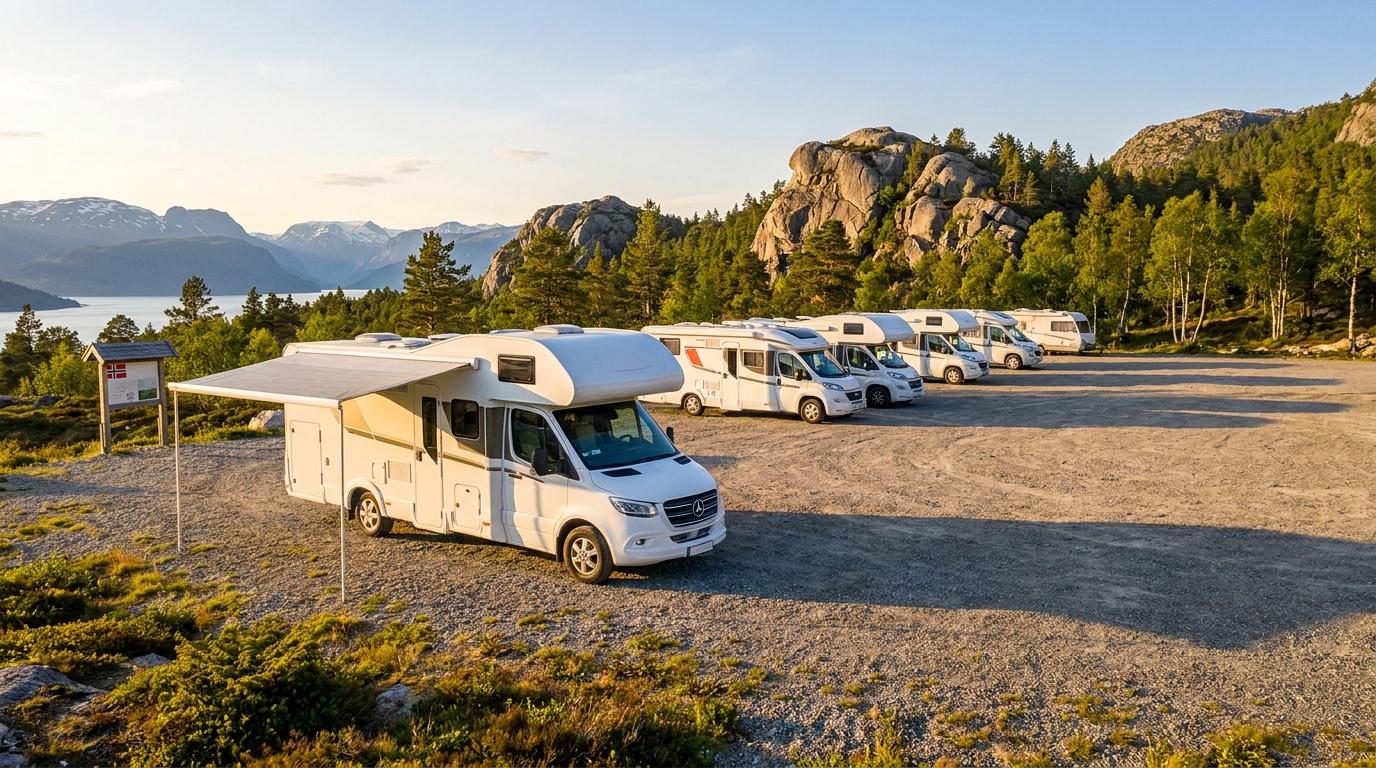
Scandinavia is renowned for its generous 'Right to Roam' (Allemansrätten in Sweden and Finland, and similar principles in Norway), which generally permits pitching a tent or staying overnight in an RV for a night or two on uncultivated land. While this right is indeed generous, it comes with crucial responsibilities: always leave no trace, respect private property, avoid cultivated fields or close proximity to houses, and do not disturb wildlife. Specific rules can vary by country and even by local municipality; for instance, while tent camping is broadly allowed, parking an RV overnight might be more restricted, especially near popular attractions or within national parks. In Norway, while Allemannsretten is strong, it's generally understood that motorhomes should primarily use designated campsites or specific overnight parking areas, particularly in popular tourist regions, to minimize environmental impact and manage waste. Always check local regulations and follow local law before parking overnight; using apps like 'Park4Night' can help locate permitted spots and ensure you're compliant. For example, the Lulea Round trip - Timeless Scandinavia: Fjords, Forests, and History offers numerous opportunities to experience both organized and wild camping.Can I Drive an RV Into the City Center in Scandinavia?
Yes, you can almost always drive an RV into city centers in Scandinavia, but you must pay close attention to local signage, which is crucial for navigating urban environments successfully. Always watch out for explicit height limits on tunnels and low bridges, particularly prevalent in older city districts, and obey environmental zone (LEZ) restrictions which may apply to older diesel vehicles in cities like Oslo and Stockholm. Parking an RV in city centers can be challenging due to limited space and higher costs compared to outer areas; consider utilizing designated RV parking areas located just outside the immediate city core or opting for efficient park-and-ride public transport options. Some streets may be marked 'residents-only' or have restricted access during certain hours, especially in historic or pedestrianized districts, so always read signs carefully. Scandinavia's cities are generally accustomed to larger vehicles, but pre-planning your route and parking solutions can save you significant time and stress during your visit.Is Norway RV friendly?
Norway is exceptionally RV friendly, offering stunning scenic drives, well-developed infrastructure, and numerous campsites alongside extensive opportunities for free camping under the 'Right to Roam' (Allemannsretten). The country's national scenic routes, such as the Atlantic Road or Trollstigen, are specifically designed to showcase its dramatic fjords, towering mountains, and coastal beauty, with many featuring RV-friendly pull-offs and facilities. While some mountain roads can be challenging with winding turns and steep inclines, they are generally well-maintained, and larger RVs navigate them regularly; drivers should be prepared for tunnels and frequent ferry crossings, which are integral to Norwegian travel. The 'Right to Roam' allows for a deep connection with Norway's pristine nature, enabling overnight stays on uncultivated land, provided environmental etiquette is strictly followed and private property is respected, giving travelers immense flexibility.Can you drive an RV in Europe?
Yes, driving an RV in Europe is a highly popular and incredibly rewarding way to explore the continent, offering unmatched flexibility and access to diverse landscapes and cultures across many countries, including Scandinavia. For most standard rented RVs (under 3,500 kg MAM), a valid national driver's license, such as a US license, is often sufficient for short visits, though an International Driving Permit (IDP) is highly recommended and sometimes required by rental companies and local authorities for easier translation and compliance. Travelers should be aware of varying road rules, speed limits, and differing toll systems (vignettes vs. pay-as-you-go) across different European countries, as well as environmental zones in major cities. Understanding specific requirements for non-EU drivers, including IDP necessity and license validity periods, is crucial before planning your trip to any part of Europe. For a broader overview, consult our RV Rental Europe - Complete Guide 2026.Can I drive in Sweden as an American?
Yes, American citizens can drive in Sweden, typically for up to one year, using their valid US driver's license. While a US license is generally accepted by Swedish authorities for short-term tourism, obtaining an International Driving Permit (IDP) before your trip is strongly recommended. An IDP serves as an official translation of your US license, making interactions with local police or your RV rental company smoother and ensuring compliance with all local regulations. After one year of residency in Sweden, Americans would generally need to obtain a Swedish driver's license, but this does not typically apply to tourists enjoying an RV holiday. Always confirm the most current IDP requirements and license validity periods directly with your rental agency and the Swedish Transport Agency before traveling to ensure full compliance.Can you drive an RV through the mountains in Scandinavia?
Yes, you can absolutely drive a rented RV or campervan through the mountains, including the stunning and dramatic ranges of Scandinavia, but it requires careful preparation, specific driving techniques, and heightened awareness. Navigating steep ascents and descents with an RV demands using lower gears to maintain engine control and prevent brake overheating, often employing engine braking for a safer and more controlled descent. Drivers should be mindful of narrow, winding roads, hairpin turns, and numerous tunnels, especially common in Norway's fjord regions. While most popular mountain passes are well-maintained, some might have weight or length restrictions or be closed seasonally due to snow and ice, so always check road conditions locally. Before embarking on mountain routes, ensure your rented RV is in good mechanical condition, check tire pressure, and properly secure all interior items.What is the 3-3-3 rule for RV travel?
The '3-3-3 rule' is a popular guideline for RV travel advising travelers to drive no more than **300 miles (or 300 kilometers)** per day, arrive at their destination by **3 PM**, and stay for at least **3 nights**. This simple yet effective rule is designed to promote a relaxed and enjoyable RV experience, preventing the fatigue that can come from long driving days and allowing ample time for setting up camp and thoroughly exploring the local area. Adhering to the 3-3-3 rule in Scandinavia enables travelers to truly savor the scenic beauty, engage in activities like hiking or kayaking, and immerse themselves deeper in each location rather than rushing through. It encourages a slower pace, fostering a greater connection to the diverse cultures and breathtaking landscapes that Scandinavia offers.What countries are RV friendly in Europe?
Scandinavia, encompassing Norway, Sweden, Denmark, and Finland, is exceptionally RV friendly, known for its stunning natural landscapes, excellent road infrastructure, and 'Right to Roam' policies that provide unparalleled freedom for explorers. Beyond Scandinavia, other highly RV-friendly countries in Europe include Germany and France, both of which boast extensive networks of well-equipped campsites, motorhome service areas, and beautiful scenic routes. Additionally, New Zealand and Australia are renowned for their vibrant campervan culture, offering incredible road trip opportunities with dedicated facilities tailored for RV travelers. Across the Atlantic, the USA and Canada feature vast national parks and extensive highway systems, making them ideal for long-distance RV adventures with abundant RV parks and amenities to support a mobile lifestyle.Is Sweden campervan friendly?
Yes, Sweden is highly campervan friendly, largely thanks to its unique 'Allemansrätten' (Right to Roam), which grants extensive public access to nature for recreation and allows for respectful overnight stays. This fundamental right means you can typically park your rented campervan for a night or two on uncultivated land, provided you are not disturbing residents, violating local rules, or leaving any trace of your visit. Beyond wild camping opportunities, Sweden offers a wide range of official campsites, often with excellent facilities like fresh water, dump stations, and electrical hookups, located conveniently near cities, picturesque lakes, and stunning coastal areas. The 'Allemansrätten' provides unparalleled freedom for campervan travelers to explore Sweden's vast forests, countless lakes, and extensive coastlines, making it a prime destination for those who cherish freedom and connection with nature.Can I drive in Sweden with a US driver's license?
Yes, American citizens can drive in Sweden for up to one year using a valid US driver's license, which is accepted by Swedish authorities for short-term visits and tourism. While your US license is technically sufficient, it is strongly advised to also carry an International Driving Permit (IDP) alongside it, as this document provides an official translation of your license. An IDP can be particularly helpful for interactions with local police or in situations like renting a campervan, where the rental agency might explicitly request it to ensure all comprehensive international driving requirements are met. Always ensure your US license is current and in good standing, and for peace of mind, consider obtaining an IDP before your trip. This advice is also applicable for those considering a Cheap RV Rental in Scandinavia - Budget Guide 2026.What is the largest RV you can drive in Scandinavia without a special license?
In most European countries, including those within Scandinavia, the largest RV you can drive without needing a special license is typically a vehicle with a Maximum Authorised Mass (MAM) of up to 3,500 kg (approximately 7,700 lbs). This weight limit corresponds to the standard Category B driver's license, which is what most drivers obtain for passenger cars, making a vast selection of rental motorhomes accessible. Many popular RV classes, such as Class B - Camper Vans (averaging 5.8m in length) and Class SI - Semi-integrated RVs (averaging 6.9m in length), are specifically designed to fall within this 3,500 kg limit, ensuring they are accessible to standard license holders. However, some larger RVs, like certain full-size Class C - Alcove (average length 7.5m) or Class A - Integrated (average length 7.5m) models, may exceed this weight and would therefore require a higher license category, such as C1. It's always crucial to check the specific MAM of any rented vehicle before booking to ensure you meet the licensing requirements.Can you park a campervan anywhere in Norway?
No, you cannot park a campervan absolutely anywhere in Norway; while the 'Right to Roam' (Allemannsretten) is very generous for tent camping, overnight parking for campervans and motorhomes is more regulated and nuanced. The spirit of Allemannsretten allows for respectful overnight stays on uncultivated land that is not private property, but for RVs, this generally translates to using designated parking areas, official rest stops, or established campsites to minimize environmental impact and manage waste effectively. A deep dive into Allemannsretten clarifies that while public access is broad, RVs are typically expected to utilize established facilities, especially in popular tourist regions and sensitive natural areas, to prevent overcrowding and ensure proper disposal of grey and black water. Parking directly in national parks, protected natural areas, or on private land without explicit permission is generally forbidden, and heavy fines may apply. Always look for signs indicating permitted overnight RV parking or use reliable apps to find suitable and legal locations.Top Cities for RV Rental in Scandinavia
Scandinavia offers numerous fantastic cities from which to begin or end your RV rental adventure, each providing unique charm and access to stunning natural landscapes. **Oslo, Norway**, is a vibrant capital city nestled by a fjord, perfect for exploring museums like the Viking Ship Museum before heading to the majestic fjords. **Bergen, Norway**, is the gateway to the Norwegian fjords, famous for its colorful Bryggen wharf and surrounding mountains. In Sweden, **Stockholm** combines urban sophistication with archipelago beauty, offering easy access to national parks and coastal drives once you've picked up your RV. **Gothenburg**, on Sweden's west coast, is a relaxed city known for its seafood and proximity to picturesque fishing villages. Denmark's capital, **Copenhagen**, is a fairytale city with its canals and Tivoli Gardens, providing a flat and easy-to-navigate starting point for trips across the country or into southern Sweden. Just across the Øresund Bridge, **Malmö, Sweden**, offers a blend of historic charm and modern design, a convenient pick-up location for cross-border trips. For a truly northern experience, consider **Tromsø, Norway**, often called the 'Gateway to the Arctic,' ideal for chasing the Northern Lights in winter or enjoying the Midnight Sun in summer. Each of these cities is a hub for top RV suppliers, offering excellent starting points for your Scandinavian journey. For details on how to manage your budget for an RV Rental in Scandinavia - Prices and Best Deals 2026, consider reviewing our dedicated pricing guides.Practical Information for RV Travel in Scandinavia
Embarking on a rented RV adventure through Scandinavia requires a little practical knowledge to ensure a smooth journey. All Scandinavian countries drive on the right-hand side of the road, similar to mainland Europe and North America. Speed limits are strictly enforced and typically range from 50 km/h in urban areas to 80-90 km/h on rural roads and 100-110 km/h on highways, with specific limits often posted for RVs and larger vehicles. It's always best to adhere to these limits diligently to avoid hefty fines. In case of emergencies, remember that the pan-European emergency number is 112 for police, ambulance, or fire services across Norway, Sweden, and Denmark. For staying connected, purchasing a local SIM card upon arrival, particularly in Sweden or Denmark, is easy and affordable, offering reliable mobile data coverage across the region. Many rental RVs may also come with Wi-Fi options. Always ensure your rental has roadside assistance, a feature standard with Bandana's direct partners like Apollo and Britz. Having a few local phrases can also enhance your interactions, as communication apps can only go so far! Consider our Luxury RV Rental in Scandinavia - Premium Prices 2026 if you're looking for an elevated experience.What You Shouldn't Miss
- **Norway's Geirangerfjord and Trollstigen:** Drive the legendary Trollstigen mountain road before taking a ferry across the stunning Geirangerfjord, a UNESCO World Heritage site, for truly iconic views.
- **Swedish Lapland's Arctic Wonders:** Head north to experience the Midnight Sun in summer or the Northern Lights in winter, perhaps combining it with a stay at the Icehotel in Jukkasjärvi.
- **Danish Riviera's Coastal Charms:** Explore the scenic coastal road north of Copenhagen, visiting charming fishing villages, historic castles like Kronborg (Hamlet's Castle), and beautiful beaches.
- **Fjords and Islands of Western Norway:** Spend a week-long trip or longer navigating the intricate network of fjords, taking car ferries, and hiking to viewpoints like Pulpit Rock.
- **Stockholm Archipelago Exploration:** Dedicate a few days to exploring the thousands of islands in the Stockholm Archipelago by hopping on local ferries, and find a cozy spot for your rented campervan near the water's edge.
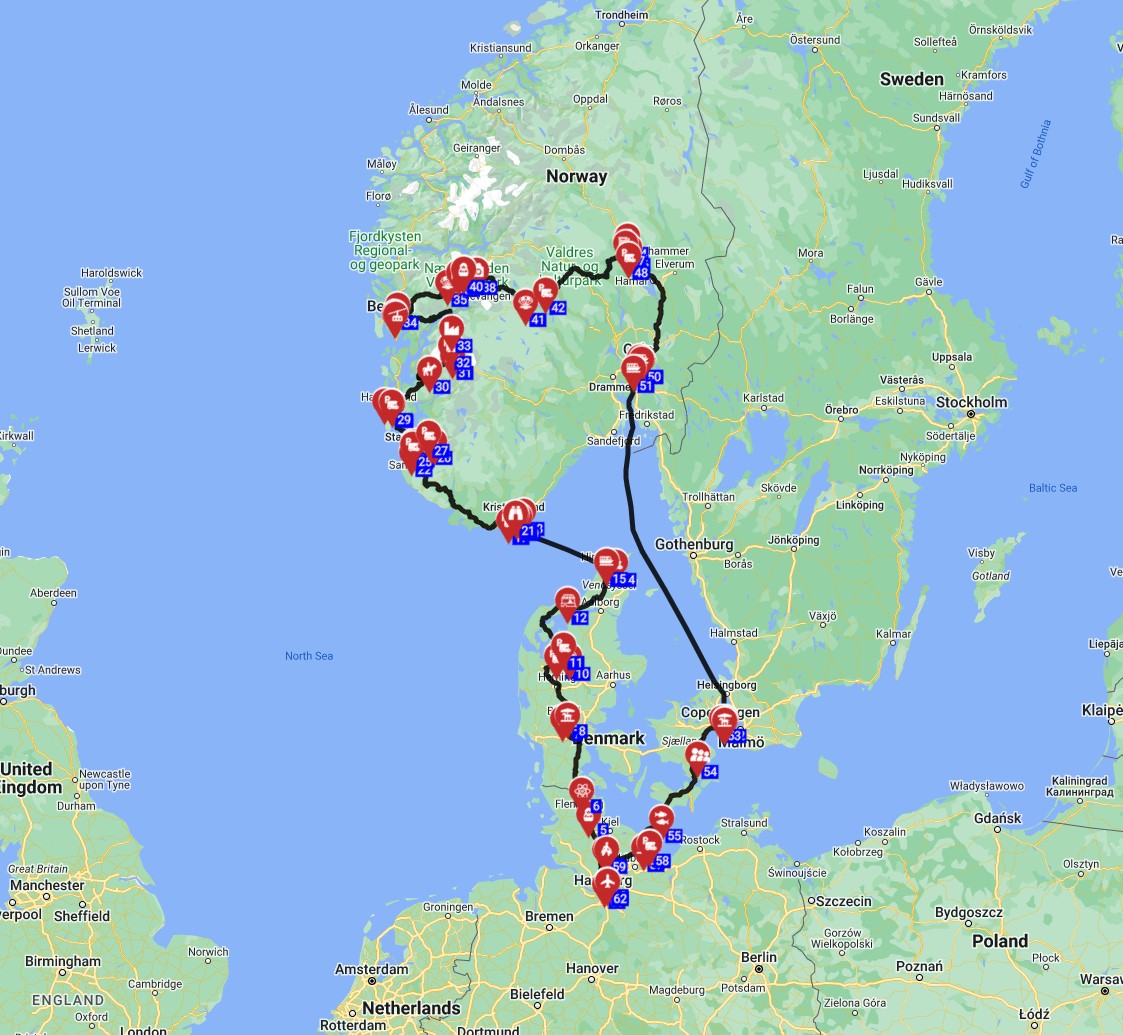
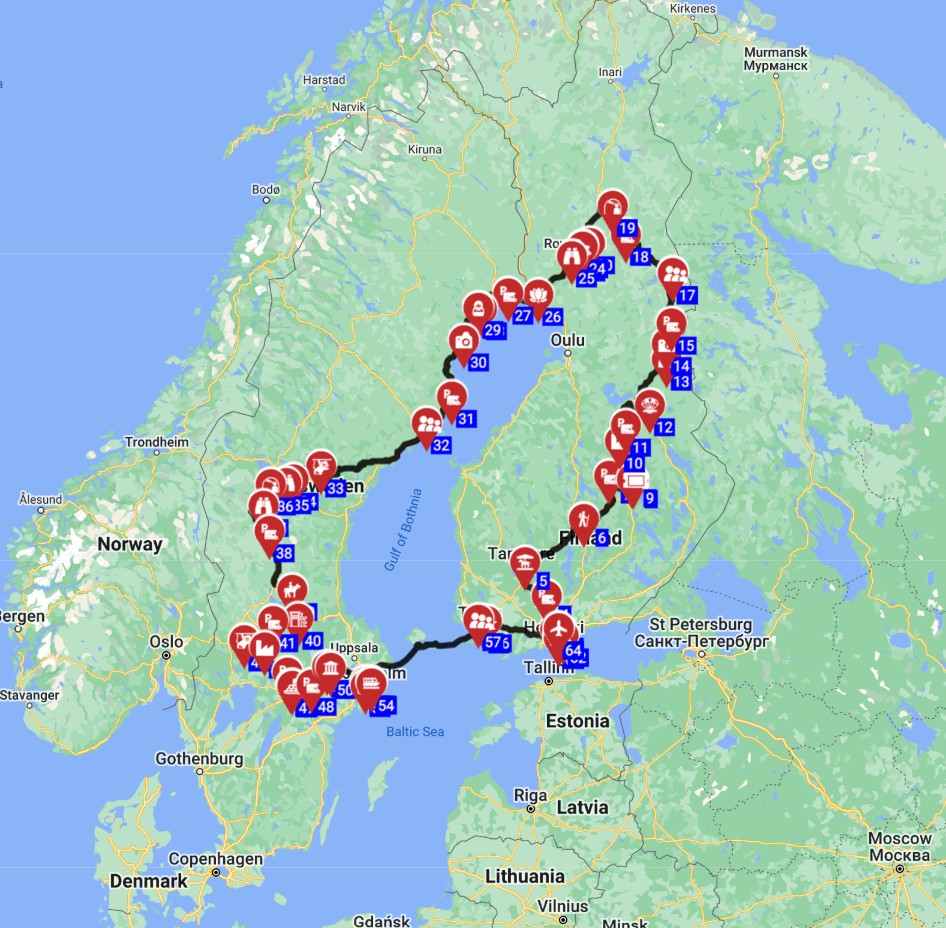
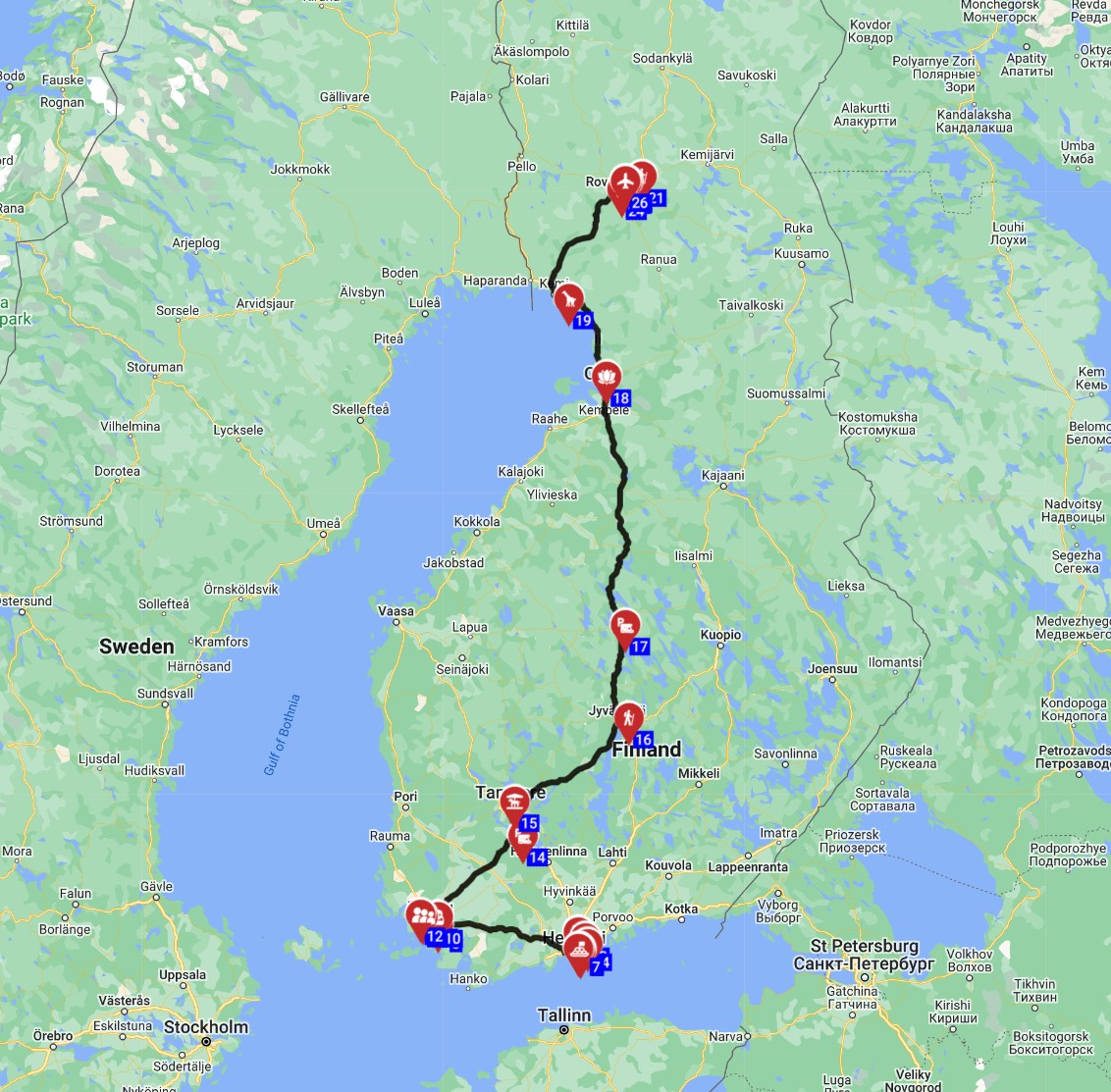
- **Luleå Round Trip - Timeless Scandinavia:** For an unforgettable two-week adventure, consider the Lulea Round trip - Timeless Scandinavia: Fjords, Forests, and History route plan from RV PLANET, covering over 2,900 km. This itinerary includes 2 wildlife watch experiences, 1 bike rental, 1 canoe/kayak excursion, visits to 3 museums, and opportunities for hiking, making it perfect for nature and culture enthusiasts.
🎬 Video coming soon
Final Thoughts
An RV rental in Scandinavia truly opens up a world of breathtaking landscapes, serene nature, and cultural richness that's best explored at your own pace. From Norway's dramatic fjords and the 'Right to Roam' in Sweden to Denmark's charming coastlines, a campervan or motorhome offers the freedom and flexibility to craft your perfect adventure. Remember to embrace the slow travel philosophy, pay attention to local driving nuances, and leverage resources like RV PLANET (rvplan.net) for seamless trip planning and route ideas. At Bandana Caravan, we are dedicated to making your RV journey in Scandinavia as easy, transparent, and enjoyable as possible. We provide the tools and expertise to compare final prices, understand all regulations, and select the ideal vehicle for your family or group. So, pack your bags, prepare for incredible scenery, and get ready to experience the magic of Scandinavia on an unforgettable road trip. We are here to support you before, during, and after your booking, ensuring you have the trip of a lifetime.On the routes offered through RV PLANET routes, you can itemize and track every expense along the way for easy budgeting.