For live availability and current prices, start with our RV Rental Poland - Complete Guide 2026 guide.
In This Guide
- Can You Drive an RV in Poland? License & Age Rules
- Road Conditions & Terrain in Poland
- RV Size Limits, Bridges & Restricted Zones
- Fuel: Diesel vs. Petrol & Cost per 100 km
- Tolls, Vignettes & Border Rules
- Driving Tips for rv rental Travelers
- Recommended RV Class for Poland Roads
- Should I Choose a Compact Van Instead of a Large RV in Poland?
- Can I Park Anywhere? Free & Wild Camping Rules in Poland
- Can I Drive an RV Into the City Center? Heights, Tunnels & Local Signage
- How much does it cost to rent an RV in Poland?
- What are the best RV routes in Poland?
- Is Poland good for RV travel?
- What are the rules for camping in Poland?
- When is the best time to RV in Poland?
- Is Poland RV friendly?
- Can you wild camp in Poland?
- How do I plan an RV trip to Poland?
- Do I need an IDP for Poland?
Can You Drive an RV in Poland? License & Age Rules
Most international drivers can operate RVs up to 3,500 kg with a standard B-category driver's license in Poland, which is the common weight threshold for many rental motorhomes. For RVs over 3,500 kg, a C1 or C category license is typically required, depending on the vehicle's specific weight and class, necessitating a check of your rental RV's Gross Vehicle Weight (GVW). Drivers generally need to be at least 21 years old to rent an RV in Poland, though some rental companies may impose higher age requirements (e.g., 23 or 25) or apply surcharges for younger drivers. An International Driving Permit (IDP) is highly recommended for non-EU license holders, especially if your national license is not in English, Polish, or another widely understood language, as it serves as an official translation. Always carry your original national driver's license along with your IDP (if applicable) and passport or ID card while driving in Poland.
Road Conditions & Terrain in Poland
Poland's major highways (autostrady) and national roads are generally well-maintained and suitable for RV travel, offering smooth and efficient journeys between key cities and regions. Expect varied terrain across Poland, from flat lowlands in the north and central plains to rolling hills and the mountainous regions of the Carpathians (Tatra and Bieszczady Mountains) in the south. While main routes are excellent, rural roads, particularly in picturesque villages or leading to natural attractions, can be narrower, less perfectly paved, or feature historic cobblestones, requiring slower speeds and careful driving. Mountain passes, especially in the south, are stunning but demand caution due to winding roads, steep inclines, and potential changes in weather conditions. RV drivers should be prepared for diverse road conditions and enjoy the opportunity to experience Poland's scenic beauty at a leisurely pace, allowing time for unexpected stops.
RV Size Limits, Bridges & Restricted Zones
Standard RVs are generally accommodated on Polish roads, but drivers must be vigilant for local signage indicating height, width, and weight restrictions, particularly on older routes, underpasses, and in historic town centers. While universal height limits are uncommon on major Polish roads, always watch for signs at tunnels, railway bridges, and specific city entrances, where limits such as 3.5m or 3.8m may apply. Poland does not currently have widespread mandatory environmental zones (like Germany's 'Umweltzonen') that restrict vehicle entry based on emissions, but it's essential to check for any updates or local restrictions before your trip. When planning ferry travel, such as to the Baltic Sea islands or neighboring countries, always verify the ferry operator's specific length, height, and weight restrictions and pricing for RVs, as these can vary significantly. Carefully consider your RV's dimensions, especially its height, when planning routes through older towns or areas with numerous overhead obstacles.
Fuel: Diesel vs. Petrol & Cost per 100 km
The vast majority of RVs available for rent in Poland and globally operate on diesel fuel, which is widely available at service stations across the country, marked as 'Diesel' or 'ON' (olej napędowy). While fuel prices fluctuate, as of 2026, drivers can estimate average RV fuel consumption based on Bandana's global fleet data: Class SI (Semi-integrated) RVs typically consume 10-11 liters per 100 km, while Class B (Camper Van) models average 8-10 liters per 100 km. Larger Class C (Alcove) RVs generally use 10-12 liters per 100 km, and Class A (Integrated) models consume 8-12 liters per 100 km. To budget, multiply your RV's estimated liters per 100 km by current Polish diesel prices (available at petrol stations) and your total planned distance; for example, at €1.50/liter, 10 liters/100km equals €15 per 100km. Inquire with your rental provider about any potential fuel discount cards or programs they may offer, which can help manage costs.
Tolls, Vignettes & Border Rules
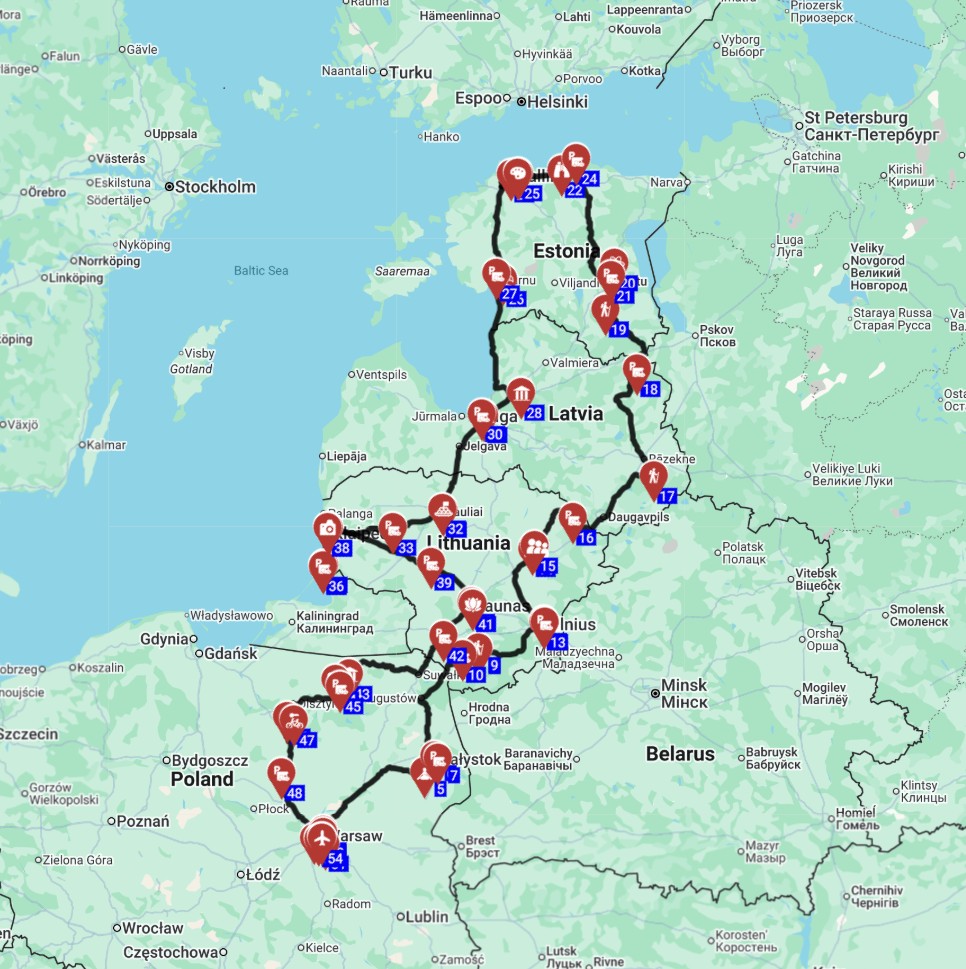
Poland utilizes a toll system for certain highway segments, primarily managed by the 'e-Toll' system for vehicles over 3.5 tonnes and specific segments for lighter vehicles. RVs exceeding 3.5 tonnes Gross Vehicle Weight (GVW) are typically subject to mandatory electronic toll payment via the e-Toll app or an on-board unit, which must be registered and topped up prior to use. For RVs under 3.5 tonnes, tolls are often paid manually at toll gates or through specific electronic systems, depending on the highway operator; check the relevant highway sections for specific payment methods. It is crucial to check the most current toll regulations on official Polish government websites (e.g., etoll.gov.pl) before your trip, as systems and applicable roads can change, and non-compliance can result in fines. When planning international trips, be aware that neighboring countries like the Czech Republic and Slovakia require electronic vignettes for highway use, which should be purchased online in advance; Germany generally has no tolls for passenger vehicles, but trucks are tolled. On the routes offered through RV PLANET routes, you can itemize and track every expense along the way for easy budgeting.
Driving Tips for rv rental Travelers
Cultural Driving Nuances: Be aware that Polish drivers can be assertive; maintain a safe distance, be ready for quick lane changes, and exercise patience, especially in urban areas. Secure Everything: Before setting off, ensure all internal cupboards, doors, and loose items are securely fastened to prevent damage or injury from movement on varied road surfaces. Take Frequent Breaks: For family RV trips, plan regular stops every 2-3 hours at designated rest areas or scenic viewpoints to ensure driver alertness and passenger comfort. Precise Parking Strategies: Always scout parking locations carefully in cities and at popular attractions, considering your RV's length and height to avoid restricted zones or areas where maneuvering is difficult. Emergency Preparedness: Keep the emergency number 112 handy for all urgent situations, and ensure you have a high-visibility vest and warning triangle in your RV, as required by Polish law for roadside emergencies.
Recommended RV Class for Poland Roads
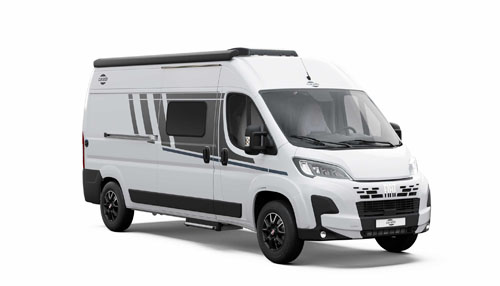
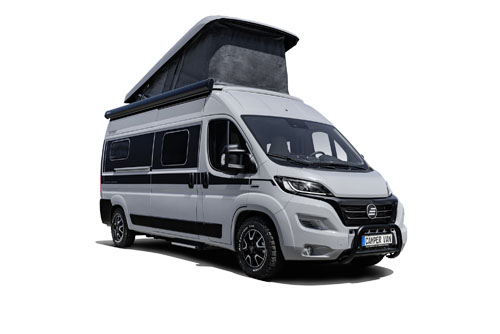
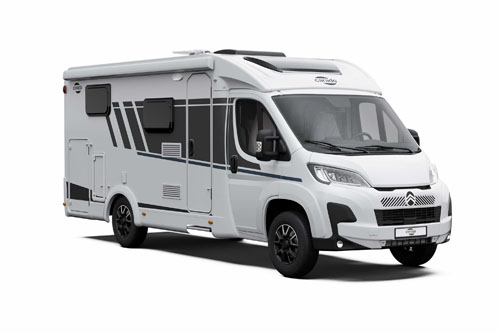
For navigating Poland's diverse road network, the Class SI - Semi-integrated RV offers an excellent balance of comfort and maneuverability, making it a highly recommended choice for most travelers. With an average length of 6.9 meters from Bandana's global fleet, Semi-integrated models are manageable for smaller towns and rural roads, yet provide ample living space for 3-4 adults. Alternatively, for couples or small groups prioritizing urban exploration and agility, the Class B - Camper Van is ideal, averaging 5.8 meters in length. Camper Vans offer car-like handling, easier parking in dense areas, and better fuel efficiency (typically 8-10 liters/100 km), while still providing essential amenities for a comfortable journey. Both classes are well-suited for Poland's infrastructure, from well-maintained highways to scenic, winding regional routes, allowing access to a wide range of destinations.
Should I Choose a Compact Van Instead of a Large RV in Poland?
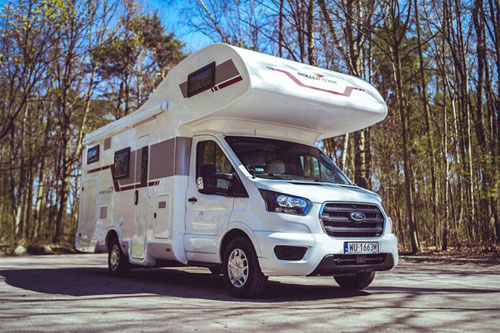
While larger RVs are generally manageable on Poland's main roads, the choice between a compact camper van and a larger motorhome depends on your travel priorities and itinerary. A compact camper van (Class B, average length 5.8m) offers superior maneuverability, easier parking in tight historic city centers and villages, and generally better fuel economy, making it ideal for urban-focused trips or solo/couple travelers. A larger RV (such as a Class SI at 6.9m or Class C at 7.5m) provides significantly more indoor living space, separate sleeping areas, and enhanced amenities like larger kitchens and bathrooms, offering greater comfort for families or longer trips. For most of Poland's attractions, including national parks, lakes, and less dense towns, a Class SI RV strikes an optimal balance, offering sufficient space without being overly cumbersome. Ultimately, prioritize comfort and amenities if your trip involves longer stays and diverse landscapes, opting for a compact van primarily if your itinerary is heavily focused on dense city centers and very narrow routes.
Can I Park Anywhere? Free & Wild Camping Rules in Poland
Wild camping with an RV is generally restricted or prohibited in most of Poland, particularly in national parks, nature reserves, protected landscapes, and on private land without explicit permission. Recent regulations in 2026 may allow limited overnight parking in specific designated forest areas under strict conditions, but a general 'right to roam' for wild camping with RVs is not established. It is always safest and legally sound to utilize official campsites, designated RV parking areas, or agritourism farms, which provide necessary facilities and enhance security. For informal overnight stops, always seek explicit permission from landowners or inquire at local tourist information centers about 'stopover' options or areas where overnight parking is tolerated. Rules vary by region — always check local regulations and follow local law before parking overnight to avoid fines and ensure responsible waste disposal and environmental protection.
Can I Drive an RV Into the City Center? Heights, Tunnels & Local Signage
Yes, you can generally drive an RV into Polish city centers, but navigation can be challenging due to narrow streets, pedestrian zones, and limited suitable parking. Always pay close attention to local signage indicating height and weight restrictions, especially for tunnels, low bridges, and historic city gates, which may be common in older Polish cities. Many city centers have restricted traffic zones (e.g., for residents only, or limited access hours); ensure you are not entering these areas unless specifically permitted, as fines are common. Finding appropriate parking for an RV in popular city centers like Kraków or Warsaw can be difficult, often necessitating parking on the outskirts and using public transport, or locating designated RV-friendly parking lots if available. It is highly advisable to research city parking options in advance and consider using public transport for city exploration, reserving your RV for travel between destinations.
How much does it cost to rent an RV in Poland?
The cost to rent an RV in Poland varies significantly based on factors such as RV class, rental season, duration, and included amenities, typically ranging from €70 to €180 per night. Compact camper vans (Class B) are generally the most budget-friendly, while larger Class A (Integrated) or Class C (Alcove) RVs, offering more space and luxury, will be at the higher end of this range. Expect peak season rates (July-August) to be up to 30-50% higher than off-season prices (late spring/early autumn), with winter offering the lowest rates, though fewer options. Beyond the base rental fee, comprehensive budgeting for an RV trip should include fuel (e.g., 8-12 liters/100 km for most RVs, costing approximately €15-€25 per 100 km based on 2026 diesel prices), tolls, campground fees (averaging €15-€40 per night), groceries, and activity costs. Factoring in all essential expenses, a reasonable daily budget for RV travel in Poland can range from €100-€200+ per day, excluding significant attraction entry fees or frequent dining out.
What are the best RV routes in Poland?
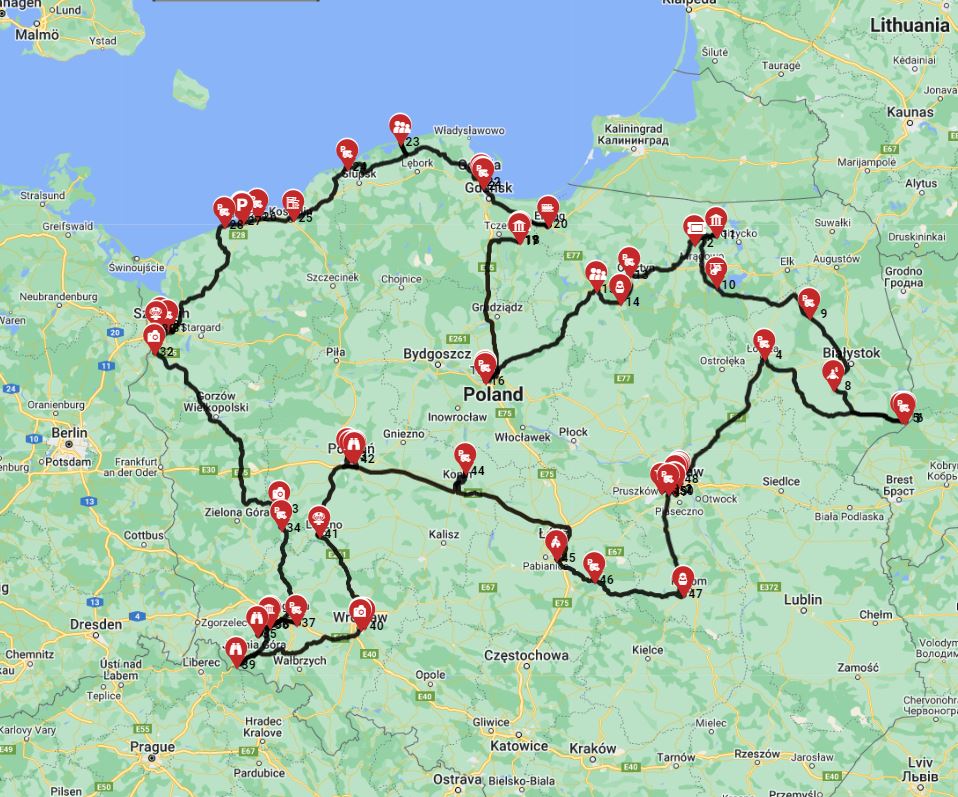
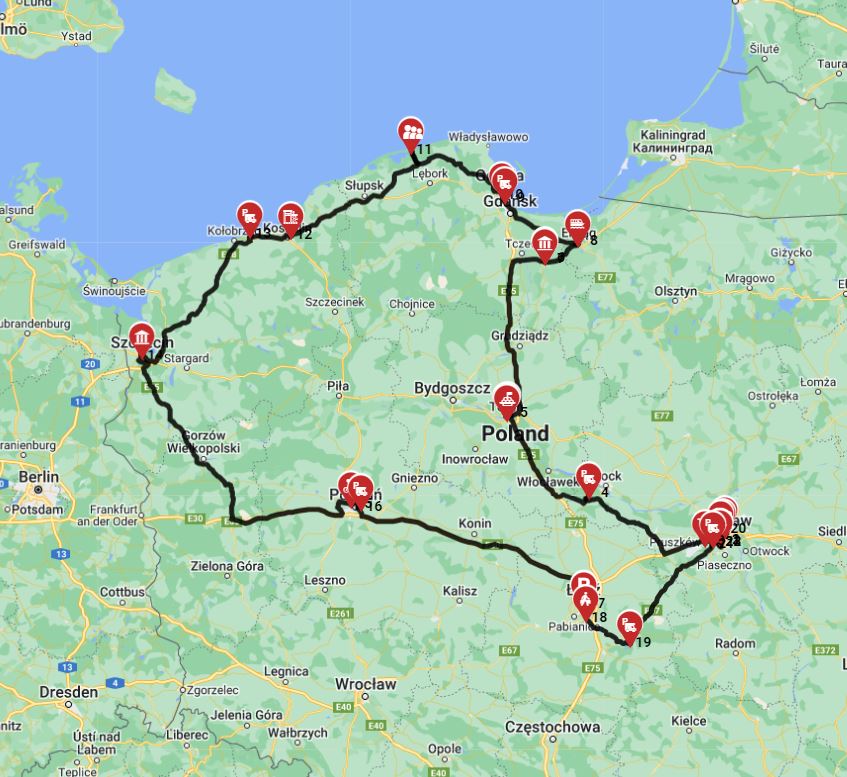
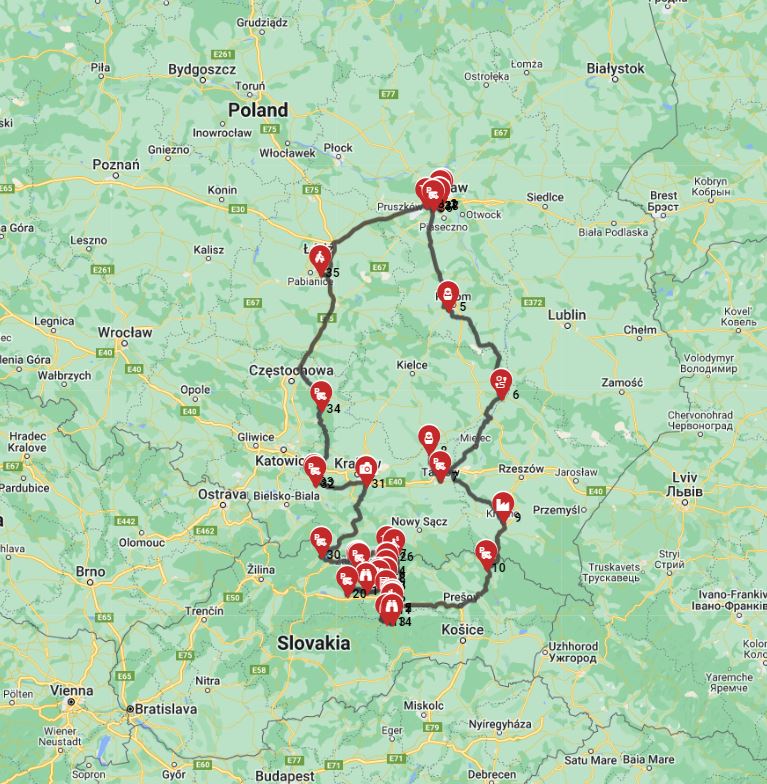
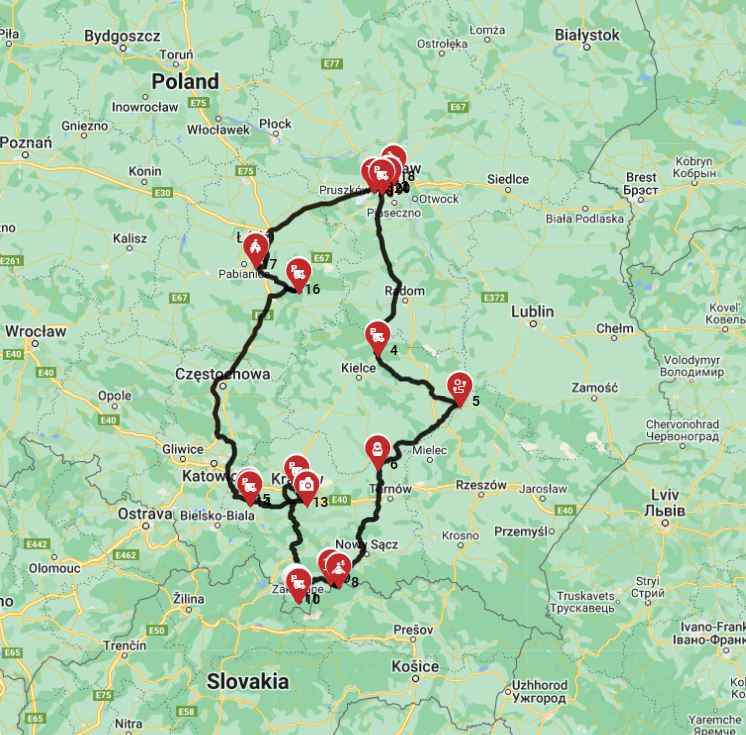
Poland offers diverse and scenic RV routes, with popular choices including the Baltic Sea Coast for its sandy beaches, historic cities like Gdańsk and Sopot, and numerous campsites. The Masurian Lake District in northeastern Poland is ideal for nature lovers, offering thousands of lakes, forests, and watersports, with many RV-friendly campgrounds. For mountain enthusiasts, the southern regions around Zakopane in the Tatra Mountains and the remote Bieszczady Mountains provide stunning landscapes, hiking trails, and picturesque villages, though roads can be winding. A cultural and historical route could connect Poland's major cities like Kraków (with its old town and Wawel Castle), Wrocław (known for its gnomes), and the revitalized capital, Warsaw. Recommended durations vary; allocate at least 5-7 days for a deep dive into regions like Masuria or the southern mountains, while a comprehensive cross-country tour might require 2-3 weeks, allowing for combining city visits with natural attractions and opportunities for cultural immersion through local markets and events.
Is Poland good for RV travel?
Yes, Poland is an excellent and increasingly popular destination for RV travel, offering a compelling blend of well-developed infrastructure, diverse landscapes, rich history, and affordability compared to many Western European countries. The country boasts a growing network of modern highways and well-maintained regional roads highly suitable for motorhomes, facilitating smooth travel between various attractions. A wide array of accommodation options includes numerous well-equipped campsites, unique agritourism farms, and designated RV parking areas, providing essential services. From the Baltic coast's sandy beaches to the majestic Tatra Mountains and charming medieval towns, RV travelers can explore a vast range of experiences at their own pace. Its relatively lower cost of living, including fuel and campsite fees, makes it an attractive option for budget-conscious adventurers seeking a rich European experience.
What are the rules for camping in Poland?
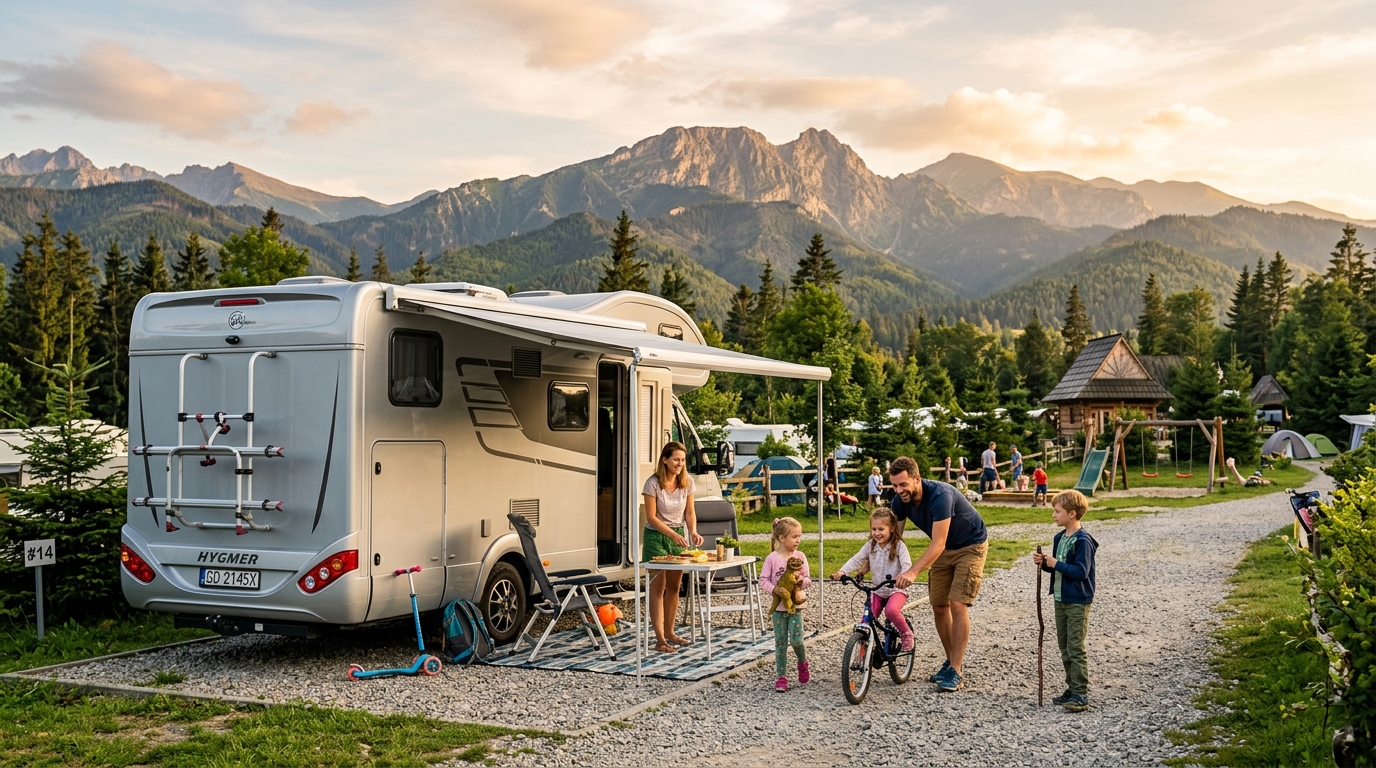
Camping in Poland is primarily permitted in designated campsites, which vary from basic municipal sites to private, fully-serviced resorts and unique agritourism farms. Official campsites provide essential amenities for RVs, including electricity hook-ups, fresh water, grey/black water disposal points, and sanitary facilities, which are crucial for responsible travel. Always check in upon arrival at a campsite, adhere to their specific rules regarding noise levels, open fires, waste disposal, and pet policies, and show respect for fellow campers and the natural environment. Booking campsites in advance is highly recommended during peak tourist season (July-August), especially in popular regions like the Baltic Coast, Masurian Lakes, or the Tatra Mountains, to secure a spot. Agritourism farms offer a distinctive camping experience, often allowing RV parking on their premises, providing fresh local produce, and opportunities for cultural immersion beyond typical sightseeing.
When is the best time to RV in Poland?
The best time to RV in Poland is generally during the late spring (May-June) and early autumn (September-early October) when the weather is pleasantly mild, nature is vibrant, and tourist crowds are thinner. Summer (July-August) offers the warmest temperatures and full accessibility to all attractions and activities, but also brings higher prices for RV rentals and campsites, along with more crowded roads and popular destinations. Spring provides blossoming landscapes and comfortable temperatures, making it ideal for hiking, sightseeing, and enjoying outdoor activities before the summer rush. Autumn showcases stunning fall foliage, particularly in the forested and mountainous regions, offering picturesque drives and fewer crowds, perfect for tranquil RV travel. Winter (November-April) can be challenging for RV travel due to cold temperatures, snow, and potential road closures in mountainous areas, though dedicated winter campsites exist for those interested in skiing or snow activities.
Is Poland RV friendly?
Yes, Poland is increasingly RV-friendly, with a supportive infrastructure for motorhome travel, making it an excellent and welcoming destination for road trip enthusiasts. The country boasts a solid network of national roads and highways that are generally well-suited for RVs, ensuring comfortable travel between its diverse regions. RVers will find a good selection of designated campgrounds, including both private and municipal sites, typically offering essential services like electricity, water, and waste disposal points. While navigating major city centers and finding suitable RV parking can require planning, many popular attractions, national parks, and tourist sites offer accommodating parking solutions. Overall, Poland's growing tourism sector and positive attitude towards motorhome travelers contribute to a pleasant and accessible RV vacation experience.
Can you wild camp in Poland?
Generally, wild camping with an RV in Poland is restricted or prohibited across most areas, including national parks, nature reserves, and private land without explicit permission, as further detailed in the 'Can I Park Anywhere? Free & Wild Camping Rules in Poland' section. While some recent changes in 2026 may allow limited overnight parking in specific designated forest areas, a broad legal right for wild camping with an RV does not typically exist. To ensure compliance with local laws and practice responsible tourism, it is highly recommended to utilize official campsites, agritourism farms, or approved RV stopovers for overnight stays. Always ensure proper waste management, disposing of grey and black water at designated points, and following a strict 'leave no trace' policy to protect Poland's beautiful natural environment. Verify current local regulations through tourist information centers or official government websites, as rules can vary by region and are subject to change.
How do I plan an RV trip to Poland?
Planning an RV trip to Poland involves selecting your desired regions (e.g., Baltic Coast, Masurian Lakes, Tatra Mountains), determining your travel duration, and establishing a comprehensive budget for rental costs, fuel, tolls, and camping fees. Start by researching popular RV-friendly routes and attractions, then map out a flexible itinerary that balances driving days with ample time for exploration, relaxation, and potential cultural immersion. Book your RV rental well in advance, especially for peak season, and consider which RV class best suits your group size, comfort preferences (e.g., Class SI for families, Class B for couples), and planned activities. Familiarize yourself with practicalities such as Polish driving rules, securing necessary documents (e.g., IDP if applicable), and understanding local parking and camping regulations before you depart. For an authentic experience, integrate visits to local markets, traditional eateries, and community events into your itinerary, allowing flexibility for spontaneous discoveries and interaction with local culture.
Do I need an IDP for Poland?
An International Driving Permit (IDP) is highly recommended for non-EU citizens driving an RV in Poland, particularly if your national driver's license is not in English, Polish, or another widely understood language. While not always strictly mandatory for all foreign licenses, an IDP serves as an official translation of your national license, which is invaluable for communicating with local authorities or in case of a traffic stop or accident. Citizens from EU countries can typically drive in Poland using their national driving license without the need for an IDP. Always carry your original national driver's license along with your IDP (if obtained), as the IDP is only valid when accompanied by your primary license. For comprehensive details on license requirements for driving an RV in Poland, refer to the 'Can You Drive an RV in Poland? License & Age Rules' section of this guide.
What You Shouldn't Miss
- Baltic Coast Scenic Drive: Explore the picturesque coastline from Świnoujście to Krynica Morska, stopping at charming seaside towns like Sopot and Hel, with plenty of RV-friendly campgrounds along the way.
- Masurian Lake District Exploration: Immerse yourself in thousands of lakes and forests, perfect for kayaking, sailing, and discovering hidden gems with your rented RV, with numerous campsites available.
- Tatra Mountains Hiking and Views: Drive your RV to Zakopane, the gateway to the Tatra Mountains, and explore stunning hiking trails and breathtaking vistas, ensuring you mind the winding mountain roads.
- Historic City Centers: Visit Kraków's Old Town and Wawel Castle, Wrocław's Market Square with its charming gnomes, and Warsaw's beautifully reconstructed Old Town, using your RV for intercity travel and parking on the outskirts.
- Białowieża Forest Primeval Experience: Venture towards Europe's last primeval forest, a UNESCO World Heritage site, to witness unique flora and fauna, including European bison, and find nearby RV parking.
- Cultural Immersion in Local Markets: Explore Poland's vibrant traditional markets in cities like Warsaw or Kraków to sample local delicacies and experience Polish culture firsthand, easily accessible with your RV.
Final Thoughts
Embarking on an RV adventure in Poland is a fantastic way to experience the country's diverse beauty and rich history at your own pace. From the Baltic coast to the mountain ranges, your rented motorhome will be your comfortable basecamp for exploration.
Remember that thorough planning, especially regarding routes, campsites, and understanding local regulations, will greatly enhance your experience. We're here to support you through the booking process, ensuring you find the perfect RV for your Polish journey.
So, pack your bags, plan your route, and get ready to discover the wonders of Poland from the unique perspective only an RV can offer. Happy travels!