In This Guide
- Can You Drive an RV in Paris? License & Age Rules
- Road Conditions & Terrain in Paris
- RV Size Limits, Bridges & Restricted Zones
- Fuel: Diesel vs. Petrol & Cost per 100 km
- Tolls, Vignettes & Border Rules
- Driving Tips for rv rental Travelers
- Recommended RV Class for Paris Roads
- Should I Choose a Compact Van Instead of a Large RV in Paris?
- Can I Park Anywhere? Free & Wild Camping Rules in Paris
- Can I Drive an RV Into the City Center? Heights, Tunnels & Local Signage
- Do I need a Crit'Air sticker for my motorhome in France?
- Are D-roads in France suitable for motorhomes?
- Do I have to pay Paris low emission zone?
- Is France motorhome friendly?
- Can I drive in Paris with a US driver's license?
- Can you own an RV in Europe?
- What kind of license is required for an RV?
- How much is insurance on a $200,000 RV?
- Does France have public liability insurance?
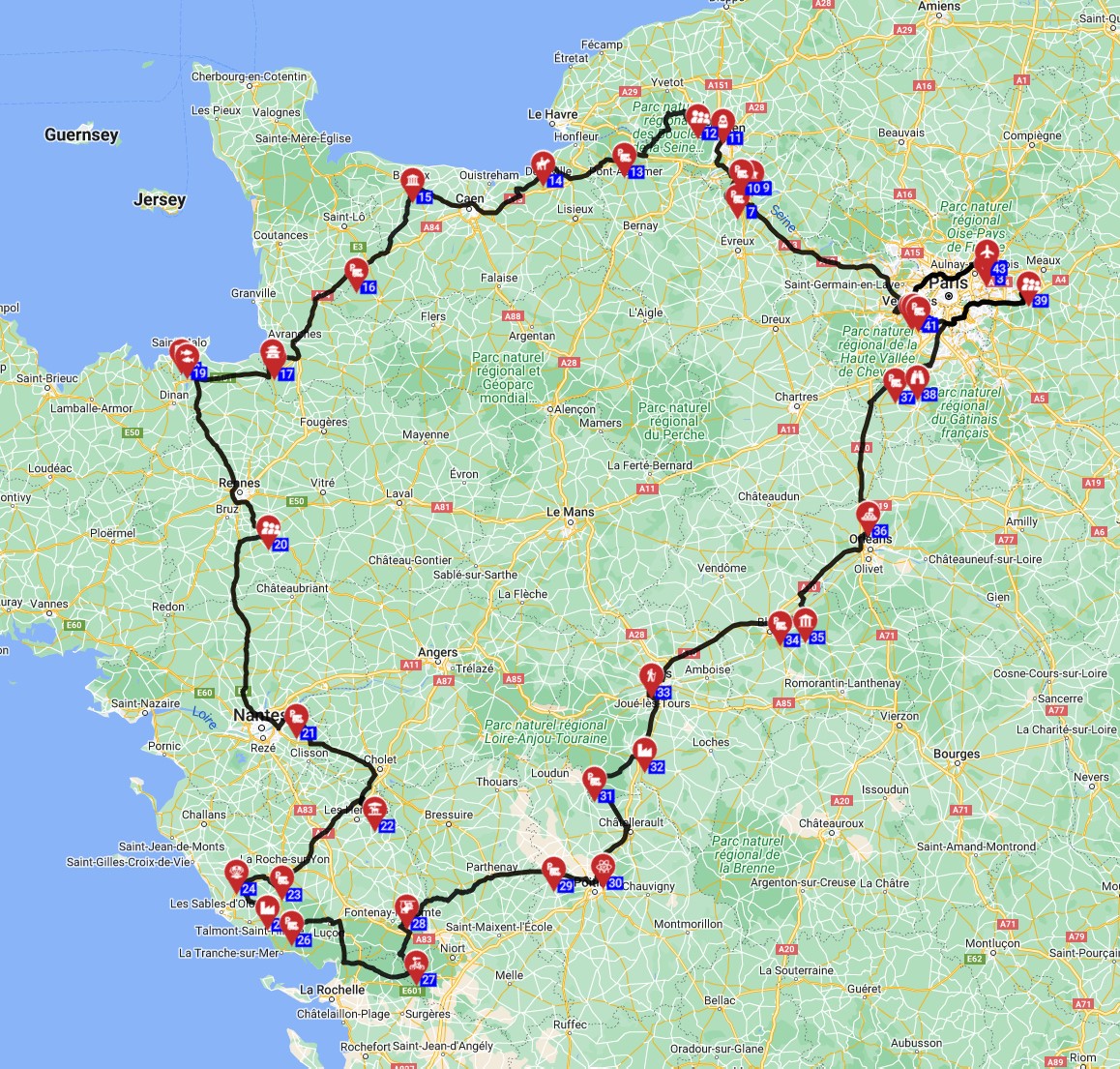
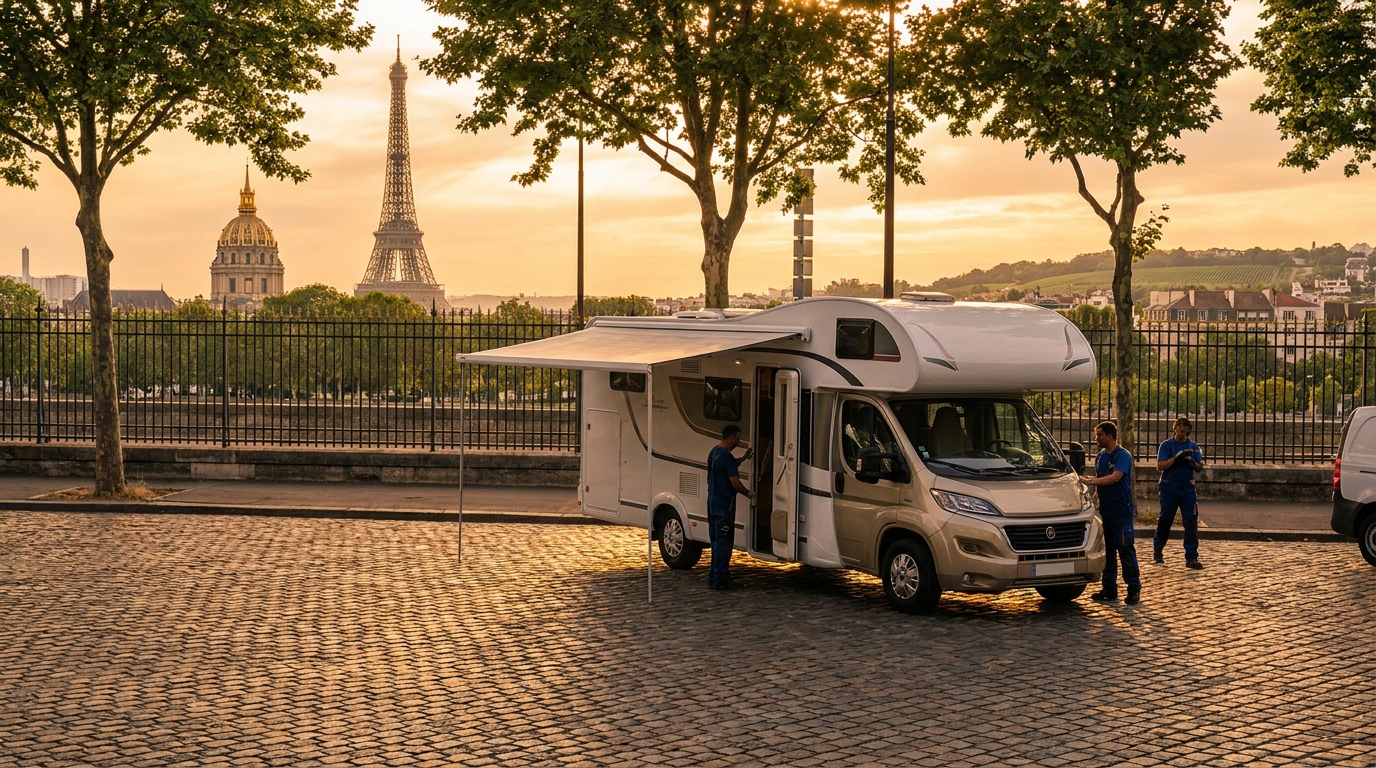
Exploring Paris and its enchanting surroundings with a rented RV or campervan offers a unique blend of urban adventure and road trip freedom. For live availability and current prices, start with our RV Rental Paris - Complete Guide 2026 guide. While navigating the bustling streets of Paris itself requires careful planning, the greater Île-de-France region and beyond become your oyster with a mobile home. We, at Bandana Caravan, have been helping tens of thousands of travelers discover the world by RV since 2001, and we're here to share our insider knowledge to ensure your trip is smooth and unforgettable.
Can You Drive an RV in Paris? License & Age Rules
To drive most rental RVs in Paris, a standard 'B' driving license is sufficient for vehicles up to 3,500 kg (3.5 tonnes) gross vehicle weight (GVW), covering most Class B - Camper Vans and many Class SI - Semi-integrated motorhomes. For larger RVs exceeding 3,500 kg GVW, a Category C or C1 license is required, depending on the exact weight. Most Bandana rental suppliers require drivers to be at least 21 years old and to have held their license for a minimum of 2 years, with no young driver surcharges for any vehicle class. Non-EU drivers, including those from the US, must carry an International Driving Permit (IDP) alongside their valid national driver's license; while not always mandatory, it is strongly recommended for legal clarity and ease during any traffic stops.
Road Conditions & Terrain in Paris
Road conditions in and around Paris are generally well-maintained, providing a comfortable driving experience outside of peak traffic hours. The terrain within Paris is predominantly flat, characterized by wide boulevards like the Avenue des Champs-Élysées, interspersed with narrower, winding streets in historic districts such as Le Marais or the Latin Quarter. Outside the immediate city, roads transition to a mix of major highways (autoroutes), regional routes (N-roads), and charming departmental roads (D-roads), which vary in width and curvature. We always recommend embracing slow travel, averaging max 100-150 km per day, especially on D-roads where the scenery and local culture are best savored. Imagine preparing a meal in your campervan kitchen after a leisurely drive through the French countryside; for culinary inspiration, check out our RV-friendly recipes playlist.
RV Size Limits, Bridges & Restricted Zones
While France generally accommodates RVs, Paris enforces strict environmental zones (ZFE – Zone à Faibles Émissions) and has specific height and width restrictions that require attention. All vehicles driving within Paris's ZFE, including RVs, must display a Crit'Air vignette corresponding to their emissions class to avoid fines that can reach up to €135. Pay close attention to local signage for height limits, especially when approaching tunnels, underground parking facilities, or older city structures; typical clearances in urban areas can be as low as 2.0-2.5 meters. The Boulevard Périphérique, while a main arterial route circling Paris, can be extremely congested, and RV drivers should be aware of its unique right-of-way rules (though 'priorité à droite' at merges is being phased out, always observe current signage) and multiple lane changes.
Fuel: Diesel vs. Petrol & Cost per 100 km
The vast majority of rental RVs in France, including those from Bandana's direct partnerships with 50+ leading RV suppliers worldwide like El Monte and Apollo, run on Diesel (Gazole), which is widely available at service stations. Average fuel consumption for a Class B - Camper Van like a "luxury rv rentals example Carthago Malibu 600" is typically 8-10 Liters/100 km, while Class SI - Semi-integrated RVs such as a "B 2 - Classic" average 10-11 Liters/100 km. Based on these averages and current 2026 fuel prices, the estimated cost per 100 km for an RV can range from approximately €15 to €20, varying with vehicle size and your driving style. While some RV rentals might offer fuel-card perks, it's generally best to budget for fuel costs as a significant part of your trip. Remember that on RV PLANET routes, you can itemize and track every expense along the way for easy budgeting. On the routes offered through RV PLANET routes, you can itemize and track every expense along the way for easy budgeting.
Tolls, Vignettes & Border Rules
France operates an extensive toll road (péage) system, primarily on its major autoroutes, which RV drivers will encounter when traveling to or from Paris. There is no general vignette system for RVs in France; tolls are typically paid at booths or via automated lanes (marked 't' for télépéage) based on distance traveled and vehicle class. For most motorhomes, the vehicle class for tolls is generally Class 2, which incurs a higher rate than standard cars. Some rental RVs offer the option to pre-purchase a 'télépéage' badge, like the one sometimes available with a "rent motorhome example E3", allowing automatic payment and direct passage through toll gates, which can save time and avoid queues, especially during peak travel seasons.
Driving Tips for rv rental Travelers
Navigating Paris in a rented motorhome, such as a "Category Van", requires a few key strategies to ensure a smooth journey. First, master the Crit'Air Sticker: ensure your RV has the correct Crit'Air vignette applied *before* entering Paris's low emission zone to avoid fines. Second, utilize RV-Specific GPS: use a GPS system that allows you to input your RV's dimensions (height, length, weight) to avoid unsuitable roads, low bridges, or tight turns, especially near historical areas like Notre Dame or the Eiffel Tower. Third, plan parking in advance: due to limited street parking for RVs in Paris, research and book campsites or designated RV parks outside the city center, then plan your public transport routes into central Paris. Fourth, understand Parisian Traffic: be prepared for dense traffic, frequent roundabouts (priorité à droite often applies, but observe signage), and the fast-paced, multi-lane Boulevard Périphérique. Finally, take Public Transport into the City: park your RV at a peripheral campsite, such as Camping de Paris in Bois de Boulogne, and use Paris's excellent Metro, RER, or bus system to access central attractions efficiently. This allows you to enjoy the city without the stress of urban RV driving and parking. For more local insights, consider checking out the "RV Travel Guide to Paris - Tips and Top Spots 2026".
🎬 Video coming soon
Recommended RV Class for Paris Roads
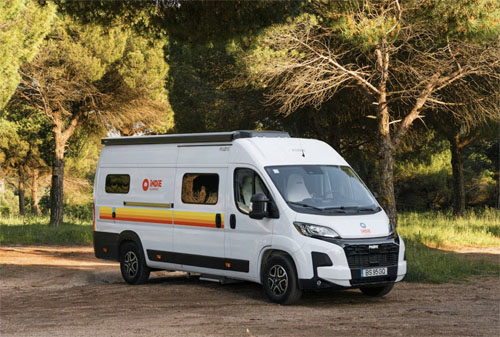
For navigating the blend of urban and suburban roads around Paris, a Class B - Camper Van or a Class SI - Semi-integrated RV is generally recommended due to their more manageable sizes and maneuverability. Class B - Camper Vans, with an average length of 5.8 meters across Bandana's global fleet, offer excellent maneuverability and are easier to park or navigate through narrower streets, resembling a larger passenger van. Class SI - Semi-integrated RVs, averaging 6.9 meters in length like the "rent a campervan example Matrix M 670 SL Platinum" model, provide a good balance of interior comfort and exterior compactness, making them suitable for accessing campsites and traveling on D-roads. While larger RVs, such as Class C - Alcove (avg. 7.5m) or Class A - Integrated (avg. 7.5m) models like the "MHA30", offer more space and amenities, their increased length can make urban navigation and finding suitable parking significantly more challenging near Paris, necessitating reliance on peripheral campsites.
Should I Choose a Compact Van Instead of a Large RV in Paris?
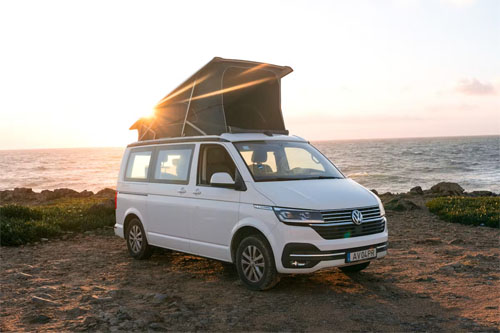
The choice between a compact campervan and a larger motorhome for your RV rental in Paris primarily depends on your comfort needs, budget, and how you plan to travel around the greater Paris region. Compact vans (Class B - Camper Vans) like the "Active Pop Top" genuinely help when navigating very tight historic centers or when seeking more discreet parking options closer to towns due to their nimble size. For an RV rental in Paris, the primary consideration is usually where you will *park* the RV and how you will *access* the city center, making larger interior space for comfort and amenities often a better trade-off for staying slightly further out. A larger RV offers significantly more living space, a full bathroom, and kitchen facilities, enhancing the overall comfort of your journey even if you primarily use public transport to reach the Parisian core. Consider your group size: a couple might prefer a compact van, while families often appreciate the extra room a Class C or SI provides. If you're looking for value, exploring "Cheap RV Rental in Paris - Budget Guide 2026" can provide excellent options for all sizes.
Can I Park Anywhere? Free & Wild Camping Rules in Paris
In and directly around Paris, free camping or wild camping in a rented RV is generally prohibited and strongly discouraged due to local regulations and safety concerns. Designated campsites, like the Camping de Paris located in the Bois de Boulogne, and regulated aires de services (service areas specifically for motorhomes) are the only legal and recommended options for overnight parking for RVs near Paris. These dedicated areas provide essential services such as water, electricity, and waste disposal. While wild camping is generally tolerated in some very rural areas of France, particularly in less populated regions far from urban centers, strict rules apply regarding private land, protected areas, and local municipal bylaws. Always check local regulations and follow local law before parking overnight, particularly in sensitive urban or environmental zones. This ensures a stress-free and legal camping experience.
Can I Drive an RV Into the City Center? Heights, Tunnels & Local Signage
It is technically possible to drive a motorhome into certain parts of the Paris city center, but it requires extreme caution due to vehicle restrictions, dense traffic, and very limited parking. Drivers must pay close attention to local signage, including explicit height limits for tunnels and low bridges, which are common in older urban areas and can pose a significant hazard to taller RVs, potentially causing costly damage. Paris's low emission zone (ZFE) covers most of the city, meaning your RV must display a valid Crit'Air sticker to avoid heavy fines when entering the area. Many central Parisian streets are narrow, one-way, or designated for residents only, making navigation extremely difficult and potentially illegal for larger vehicles. For these reasons, many experienced RV travelers choose to park their campervan at a peripheral campsite and use public transportation, which is efficient and extensive, to explore the heart of Paris.
Do I need a Crit'Air sticker for my motorhome in France?
Yes, you absolutely need a Crit'Air sticker (vignette) for your motorhome to drive in most major French cities, including Paris, to comply with their Low Emission Zones (ZFE). The Crit'Air vignette categorizes vehicles based on their Euro emissions standard, determining if and when they can enter restricted zones. Failure to display the correct Crit'Air sticker when driving in a ZFE can result in significant fines, making it an essential pre-trip purchase for any RV rental in Paris. You can order the Crit'Air sticker online from the official French Ministry of Environment website for about €4.51 (including postage), and it's advisable to do so well in advance of your trip as delivery can take several weeks.
Are D-roads in France suitable for motorhomes?
Yes, D-roads (Routes Départementales) in France are generally very suitable and often highly recommended for motorhomes, offering a scenic and authentic travel experience away from busy autoroutes. These roads vary in quality but are typically well-maintained, providing direct access to charming smaller villages, picturesque landscapes, and local attractions that larger highways bypass. While generally suitable, D-roads can sometimes be narrower, more winding, and have fewer passing opportunities than N-roads or autoroutes, requiring drivers to be attentive to their RV's dimensions. Many D-roads offer frequent opportunities for rest stops, roadside picnics, and access to local amenities, enhancing the motorhome journey through regions like Central and Western France, aligning perfectly with our recommendation for slow travel.
Do I have to pay Paris low emission zone?
You do not pay a direct fee to enter the Paris low emission zone (ZFE), but you must have a valid Crit'Air vignette displayed on your motorhome to comply with regulations. The ZFE covers central Paris and areas within the Boulevard Périphérique, restricting access for the most polluting vehicles based on their Crit'Air classification. Even with a valid sticker, certain Crit'Air categories may be restricted during specific hours or days, especially for older diesel vehicles, so always check the current rules for 2026. The Crit'Air vignette itself costs a small administrative fee to obtain, about €4.51, but there is no additional charge for entering the ZFE if your vehicle meets the allowed emissions standard.
Is France motorhome friendly?
Overall, France is exceptionally motorhome friendly, boasting a vast network of dedicated campsites, 'aires de services' (service points specifically for RVs), and a general culture that embraces RV travel, making it a top destination for a week-long trip or an extended road trip. The country offers diverse landscapes, from coastal routes like the Normandy coast to mountainous regions like the Alps and historic towns, all accessible via well-maintained road networks suitable for RVs. However, being 'motorhome friendly' significantly decreases when trying to directly access major city centers like Paris, where traffic, parking, and environmental zones present considerable challenges. For an authentic Parisian experience with a rented RV, it's best to stay at a dedicated campsite or RV park on the outskirts and use France's efficient public transport to explore the capital. Our network with 50+ leading RV suppliers worldwide, including Britz, ensures you'll find the perfect vehicle for your French adventure.
Can I drive in Paris with a US driver's license?
Yes, you can drive a rented motorhome in Paris with a US driver's license, but it must be accompanied by an International Driving Permit (IDP) for it to be legally recognized. The IDP serves as a translation of your US driver's license and validates your driving privileges in over 150 countries, including France. It is highly recommended to obtain an IDP from AAA or AATA in the United States before your trip, as local French authorities may request it during checks. Beyond the license, US drivers should familiarize themselves with French road signs (which use the metric system), right-of-way rules, particularly at roundabouts, and standard fuel types (primarily Gazole/Diesel in rental RVs). Driving slowly and carefully will help you navigate Parisian roads without issues.
Can you own an RV in Europe?
Yes, individuals and residents can own an RV in Europe, with specific registration, insurance, and taxation rules varying by country. However, for travelers from outside Europe, buying an RV can be a complex process due to residency requirements, intricate vehicle registration procedures, and potential customs duties. For those planning a vacation trip to Paris, renting an RV from a local provider like Bandana Caravan is generally a much more practical and cost-effective solution than attempting to purchase one for a temporary visit. Renting bypasses the complexities of ownership, including maintenance, storage, insurance, and resale, allowing you to focus on enjoying your trip with full transparency and no hidden fees.
What kind of license is required for an RV?
For most standard RV rentals in France, a Category B driving license, which permits driving vehicles up to 3,500 kg (3.5 tonnes) Maximum Authorised Mass (MAM), is sufficient. This Category B license covers the vast majority of Class B - Camper Vans and Class SI - Semi-integrated motorhomes offered by Bandana and its partners, such as a "cruise america rv rental example Explorer" or a "campervan hire new zealand example Aquila". If you plan to rent a larger RV, such as some Class C - Alcove or Class A - Integrated models that exceed 3,500 kg MAM, a higher license category like a C1 or C license is required. Always confirm the specific license requirements with your rental provider based on the exact RV model you intend to book to ensure you are legally compliant for your Parisian adventure.
How much is insurance on a $200,000 RV?
When renting an RV for a trip to Paris, the cost of insurance is typically included in the rental price or offered as an optional add-on, rather than requiring separate personal insurance for a high-value RV. Rental RVs come with basic third-party liability insurance as mandated by French law (referred to as 'assurance de responsabilité civile'), covering damages to third parties. Most Bandana rental companies also offer additional collision damage waiver (CDW) or comprehensive insurance options that reduce your deductible (excess) in case of damage to the rental RV. This optional upgrade to a top-level deductible for extra peace of mind typically ranges from an extra €15-€40 per day, depending on the provider and coverage level. We ensure full price transparency, so what you see is what you pay.
Does France have public liability insurance?
Yes, France has mandatory public liability insurance, known as 'assurance de responsabilité civile', which covers damages or injuries caused to a third party. All legally registered vehicles operating in France, including rental RVs, are required to carry this type of insurance as a minimum level of coverage. When you rent an RV in Paris or anywhere in France, the rental company will ensure the vehicle is covered by this essential third-party liability insurance. It is always advisable to understand the full scope of your rental insurance coverage, including any deductibles or optional extensions for personal belongings, before starting your trip. Bandana compares final prices across suppliers, so you have no surprise fees at pickup.
What You Shouldn't Miss
- **A Seine River Cruise:** Experience Paris's iconic landmarks like the Eiffel Tower and Notre Dame from a unique perspective, especially at sunset.
- **Versailles Palace & Gardens:** Drive your rental motorhome just outside Paris (about 20 km southwest) to explore the opulent palace and its vast, stunning gardens. There are RV-friendly parking options nearby.
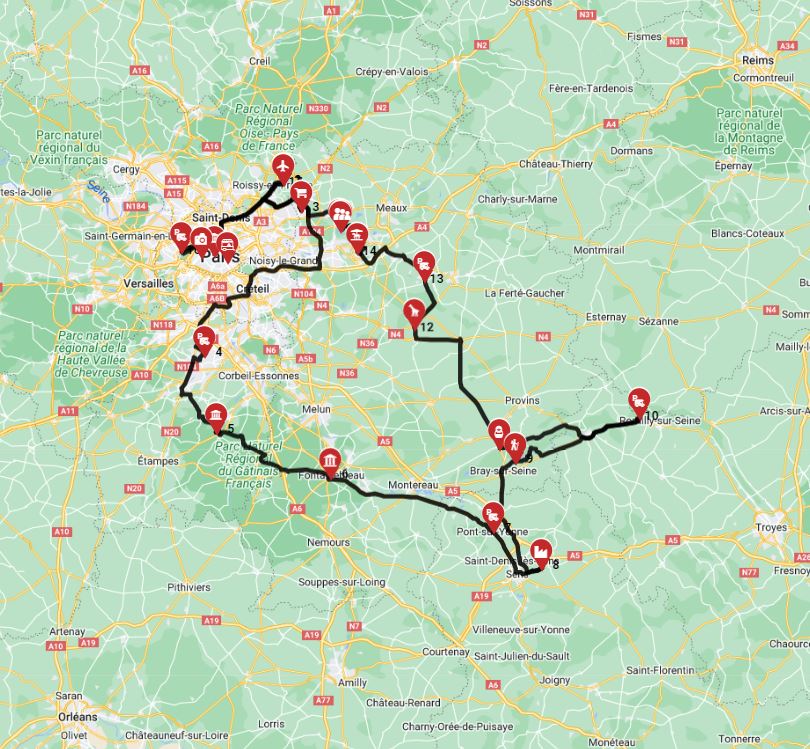
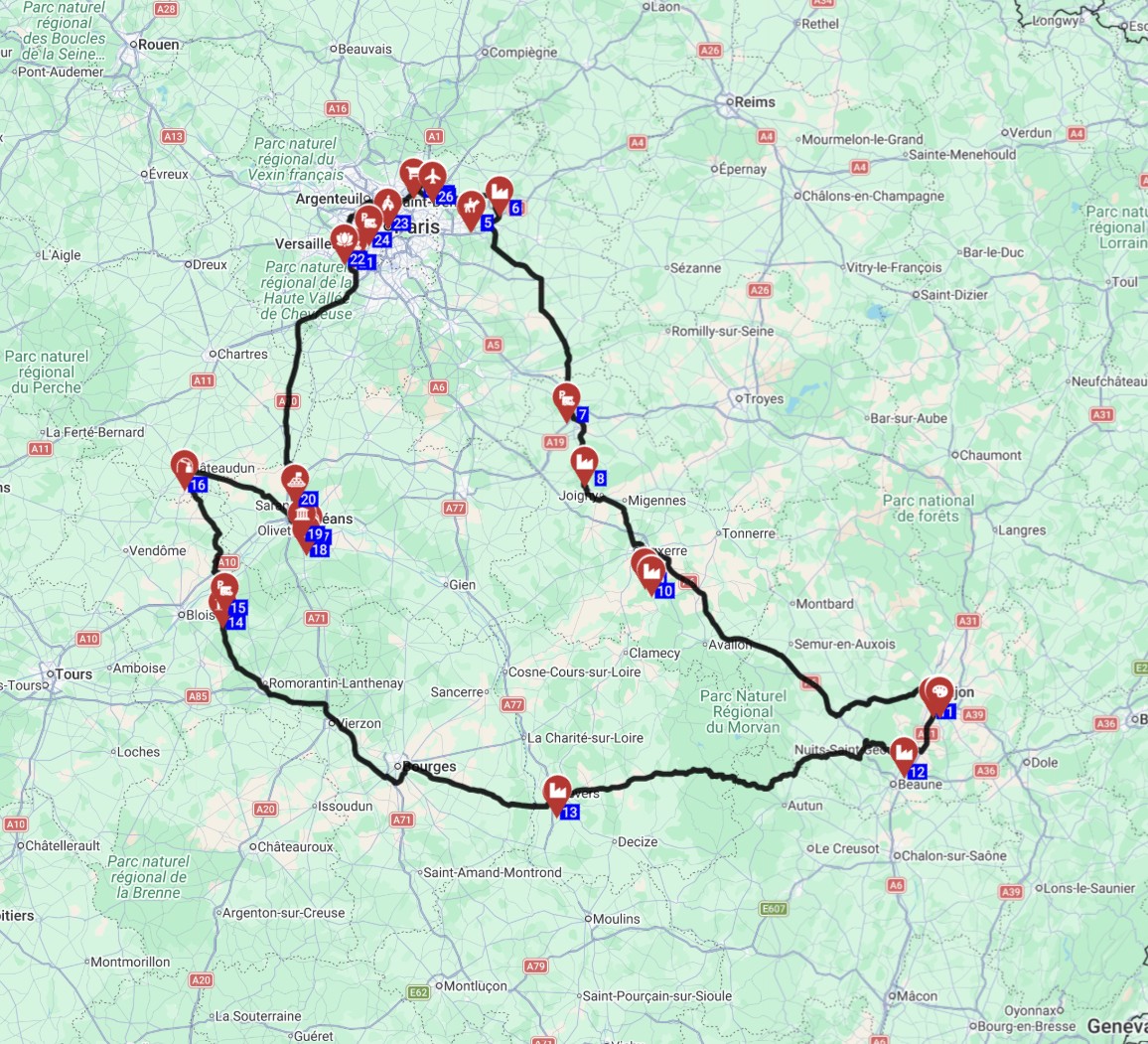
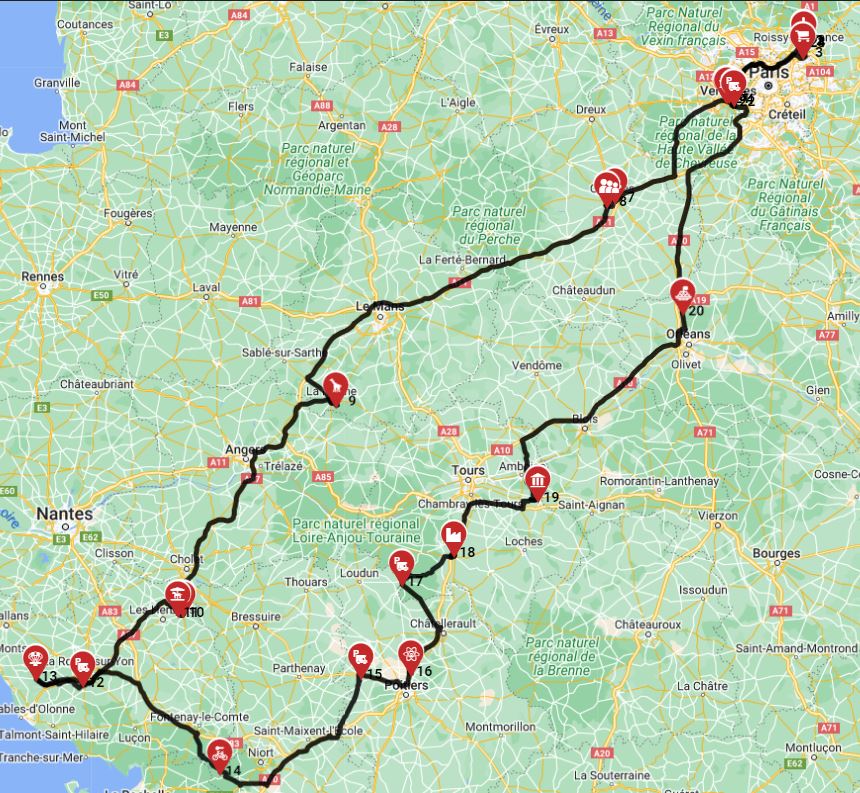
- **Loire Valley Châteaux Tour:** Head southwest from Paris on D-roads and regional routes to discover the magnificent castles of the Loire Valley. This region is perfect for slow travel, allowing you to immerse yourself in history and scenery.
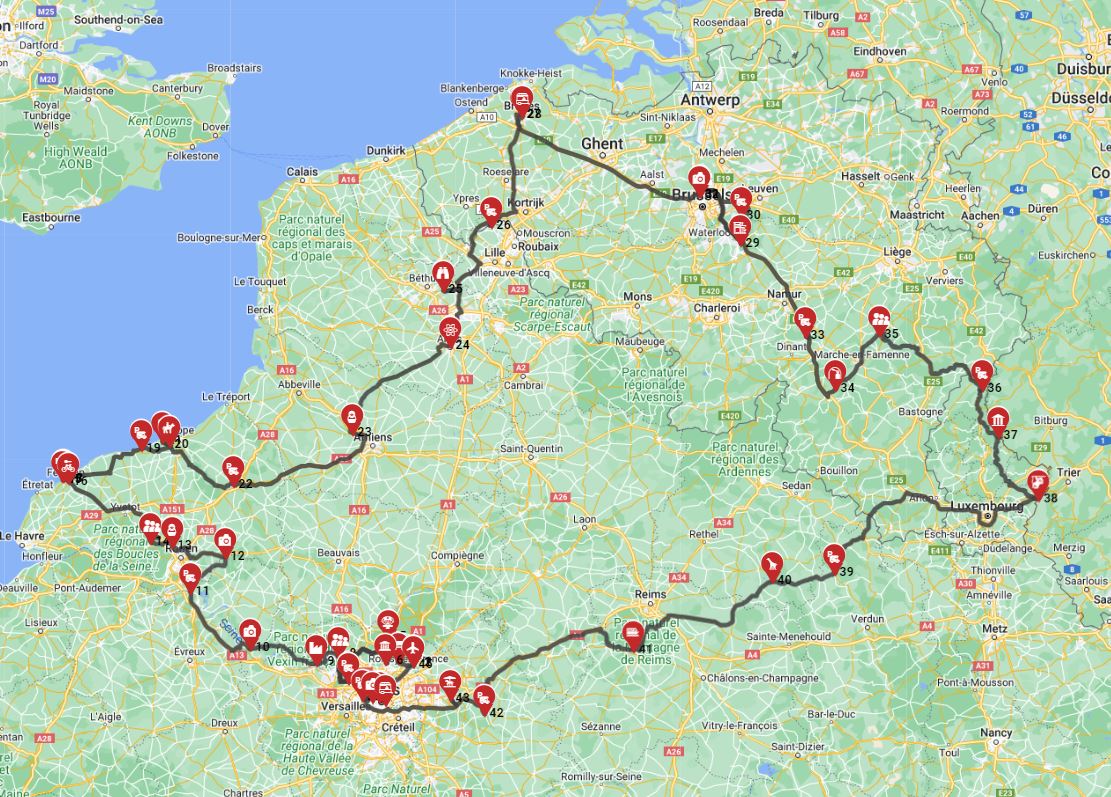
- **Giverny and Monet's Gardens:** A short drive northwest of Paris takes you to Claude Monet's house and gardens, offering a picturesque escape filled with water lilies and charming bridges.
- **Local Parisian Markets:** Step out from your rented campervan to explore vibrant markets like Marché des Enfants Rouges or Marché Bastille for fresh produce and local delicacies.
- **Looking for expert insights from Avi Bandana?** Top 5 Adventures - recommendations from Avi Bandana.
Final Thoughts
Driving an RV in Paris truly offers an unparalleled adventure, blending the romance of one of the world's greatest cities with the freedom of the open road. While navigating the dense urban core requires careful consideration of local regulations and traffic, planning your trip with Bandana Caravan and utilizing peripheral RV parks will unlock the best of both worlds. Remember to take your time, explore the beautiful French countryside on its D-roads, and truly connect with the culture, food, and scenery.
Whether you choose a compact campervan for nimble city access or a spacious motorhome for family comfort, your journey will be supported by our dedicated team and transparent pricing. So, go ahead, imagine yourself cruising along the Seine or parking near a charming French village – your Paris RV adventure awaits! We also offer guides like "Last-Minute RV Rental in Paris - What to Expect 2026" and "RV Rental Deals in Paris - Latest Offers 2026" for even more insights.
Find Motorhome Rentals in Paris