In This Guide
- Can You Drive an RV in North Europe? License & Age Rules
- Road Conditions & Terrain in North Europe
- RV Size Limits, Bridges & Restricted Zones
- Fuel: Diesel vs. Petrol & Cost per 100 km
- Tolls, Vignettes & Border Rules
- Driving Tips for RV Rental Travelers
- Recommended RV Class for North Europe Roads
- Should I Choose a Compact Van Instead of a Large RV in North Europe?
- Can I Park Anywhere? Free & Wild Camping Rules in North Europe
- Can I Drive an RV Into the City Center? Heights, Tunnels & Local Signage
- What is the 3-3-3 rule for RV travel?
- What is the 333 rule for campervan?
- What are the new rules for motorhomes in France?
- What is the 444 rule for RV?
- Is Europe RV friendly?
- What do Europeans call an RV?
- Can you sleep anywhere in a campervan in Europe?
- Can you drive an RV in Europe?
- Can I drive in Europe if I have a US driver's license?
- What is the largest RV you can drive without a special license?
- Top Cities for RV Rental in North Europe
- Practical Information for North Europe RVers
- What You Shouldn't Miss
North Europe, encompassing the stunning landscapes of Norway, Sweden, Finland, Denmark, and Iceland, offers an unparalleled adventure for rented motorhome travelers. Imagine winding through majestic Norwegian fjords, exploring the vast forests of Sweden, experiencing the vibrant cities of Denmark, or chasing the Northern Lights in Finnish Lapland – all from the comfort and flexibility of your own mobile home. This comprehensive guide will equip you with all the essential knowledge for driving an RV in North Europe, ensuring your journey is as smooth and enjoyable as the breathtaking scenery.
Planning your dream road trip doesn't have to be complicated. For live availability and current prices, start with our RV Rental North Europe - Complete Guide 2026 guide. We are true RV specialists, dedicated to making your travel seamless and transparent.
🎬 Video coming soon
Can You Drive an RV in North Europe? License & Age Rules
Most standard RVs under 3,500 kg can be driven with a standard Category B license in North Europe, making RV rental accessible for most licensed drivers. A standard Category B license, valid in EU/EEA countries, permits driving vehicles up to 3,500 kg Maximum Authorized Mass (MAM), which includes the vast majority of Class B Campervans, Class SI Semi-integrated, and many Class C Alcove motorhome models.
For RVs exceeding 3,500 kg, which are typically larger Class A Integrated models, a higher license category like C1 (up to 7,500 kg) or C (over 7,500 kg) is required. However, such large vehicles are less common for rental purposes in North Europe, focusing instead on more agile models. The minimum driving age for RV rental is typically 21 years old across our suppliers, and Bandana Caravan has no young driver surcharges or vehicle class restrictions based on age, ensuring fair access for all eligible travelers. Non-EU drivers, such as those from the US, usually need an International Driving Permit (IDP) alongside their national license for travel in North Europe, especially in Norway, or for longer stays, so be sure to obtain one before your trip.
Road Conditions & Terrain in North Europe
North Europe offers diverse road conditions, generally excellent, ranging from well-maintained highways to narrow fjord roads and occasional gravel tracks. Main roads in Sweden, Denmark, and Finland are typically smooth and wide, suitable for all rented RV sizes, including larger Class C models. However, countries like Norway, Iceland, and the Faroe Islands feature more mountainous terrain, winding coastal routes, and can have unpaved sections, requiring more careful and slower driving.
If you're considering a "Winter RV Rental in North Europe - Pricing Guide 2026", be aware that winter travel specifically demands appropriate winter tires (often studded in Nordic countries like Norway and Sweden) and vigilance for snow and ice conditions, which may require chains in extreme cases. Always ensure your rental motorhome is properly equipped for the season. We encourage slow, scenic driving, averaging a maximum of 100-150 km per day, to truly appreciate the stunning landscapes and ensure safety on varying terrain. This also allows more time to connect with the local culture, food, and scenery.
RV Size Limits, Bridges & Restricted Zones
Drivers of a rented RV in North Europe should be aware of specific motorhome size limits for height, weight, and environmental zones. Standard rented motorhomes, like Bandana's Class SI Semi-integrated (averaging 6.9m length) and Class C Alcove (averaging 7.5m length), are generally fine on major routes and most secondary roads across North Europe. However, low bridges and tunnels, often marked with limits of 3.5m or 4m, are clearly signposted, and you must always check the precise height of your particular RV rental to avoid issues. Environmental zones are becoming more common across Europe, with congestion charges in cities like Stockholm and Gothenburg, and low-emission zones in places like Copenhagen. These zones may restrict access to city centers or require pre-payment for entry, so research specific city rules for your RV PLANET routes. Ferry services, which are a common and enjoyable part of inter-island or fjord travel in Norway, Denmark, and Iceland, price vehicles based on length, meaning larger RVs may incur higher costs.
When picking up your motorhome, ensure you are fully informed about its dimensions. For example, a typical "cruise america rv rental example Explorer" has a length of 7.1m and width of 2.78m. This transparency is part of what makes Bandana Caravan a true RV specialist, ensuring no surprises.
Fuel: Diesel vs. Petrol & Cost per 100 km
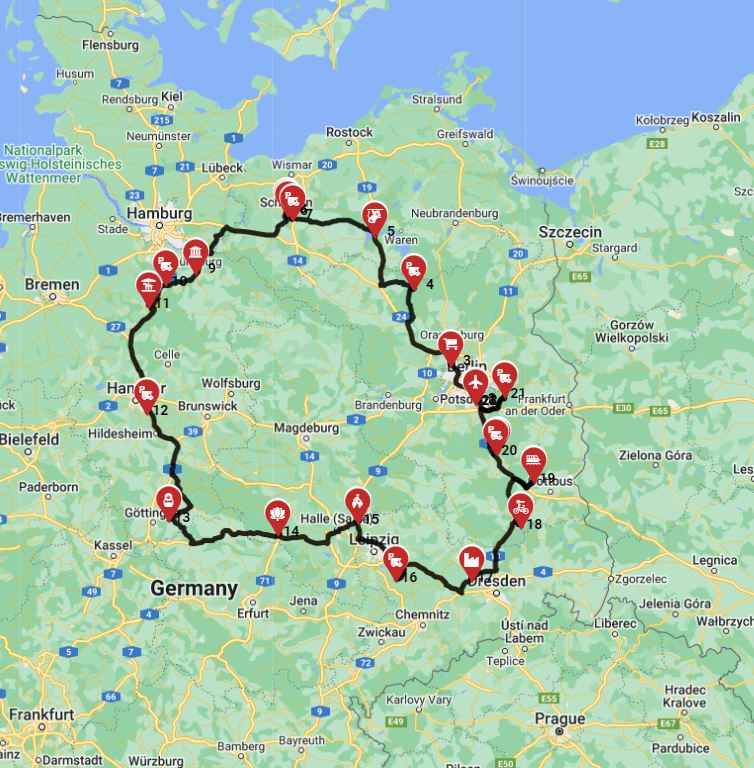
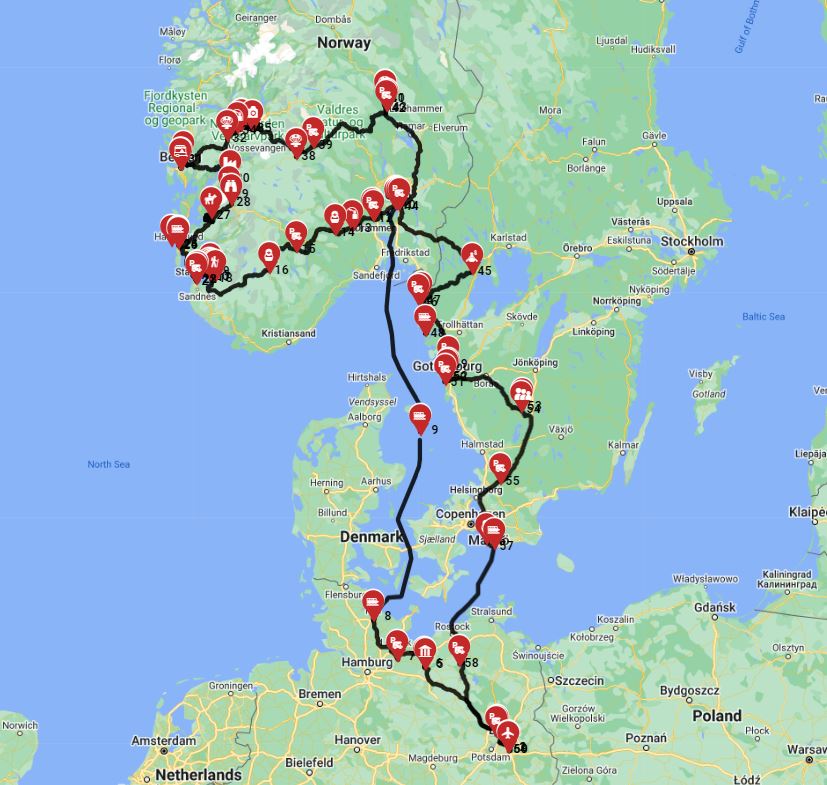
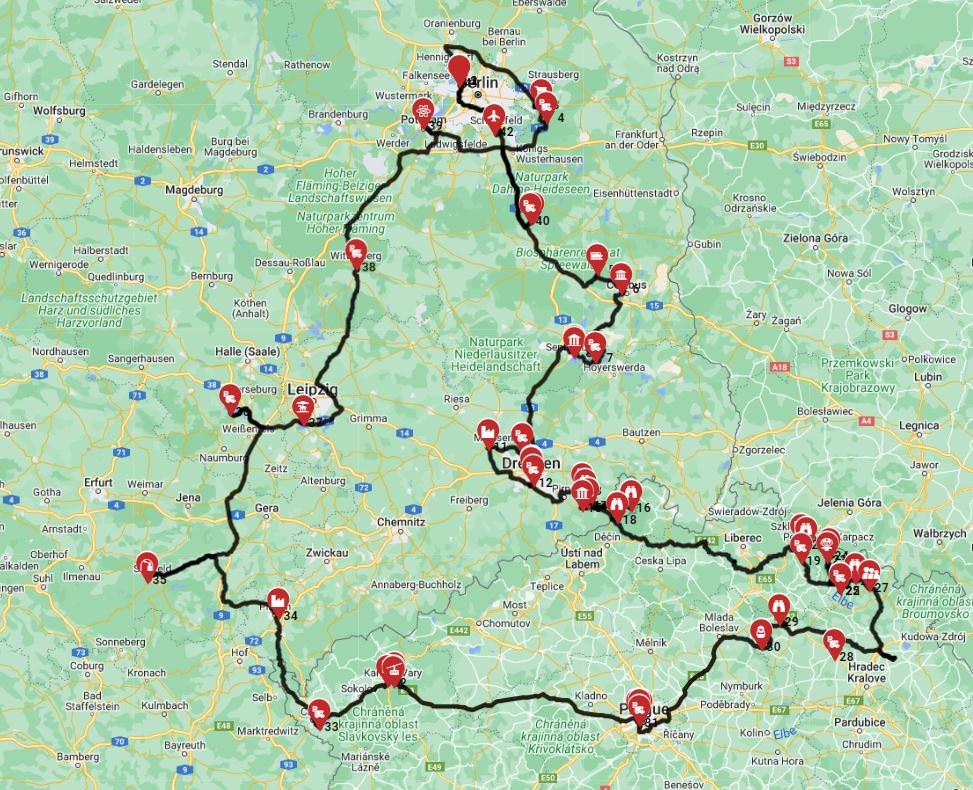
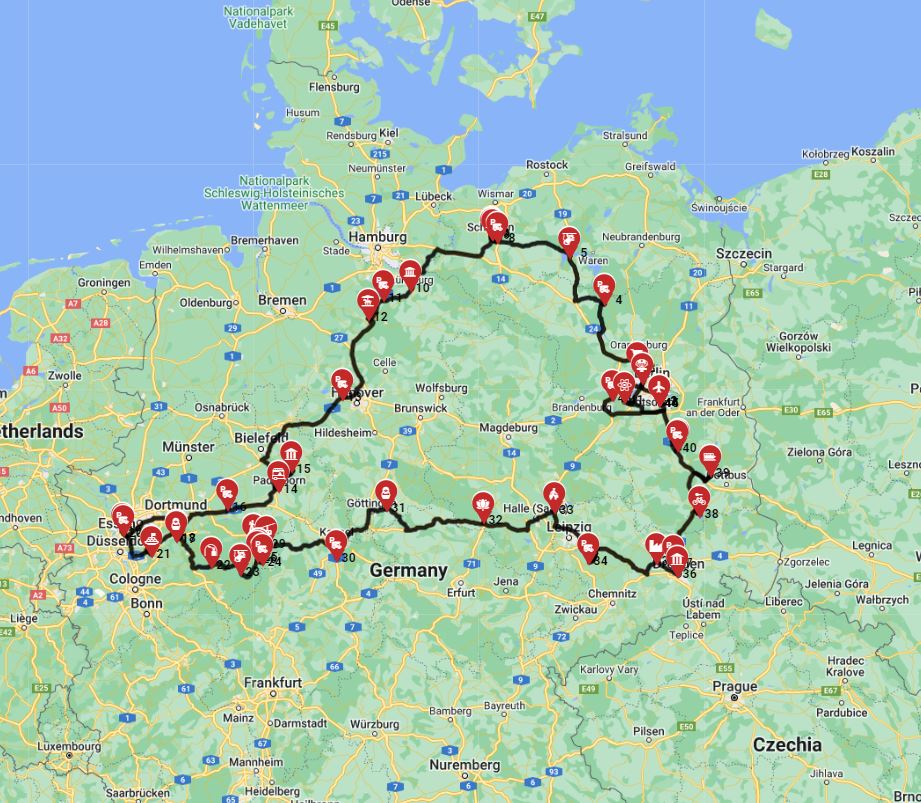
Diesel is the predominant and most fuel-efficient fuel type for RVs in North Europe, and it is widely available at service stations. Bandana's Class SI RVs typically average 10-11 Liters/100 km, Class C Alcove models 10-12 Liters/100 km, and Class B Camper Vans 8-10 Liters/100 km. Considering an average diesel price of approximately €1.80/L, you can expect fuel costs of around €18-€21 per 100 km for your rented motorhome. It's always wise to plan your fuel stops, particularly when traveling in more remote areas of Iceland or northern Scandinavia, where stations may be fewer and farther between. Many rental providers may offer fuel discount cards to help reduce costs, and with RV PLANET routes, you can itemize and track every expense along the way for easy budgeting. On the routes offered through RV PLANET routes, you can itemize and track every expense along the way for easy budgeting.
This transparent approach to costs, with no hidden fees, is a cornerstone of our service philosophy at Bandana Caravan, ensuring you can confidently plan your "RV Rental in North Europe - Prices and Best Deals 2026".
Tolls, Vignettes & Border Rules
Tolls are common in North Europe, particularly in Norway with its extensive automatic AutoPASS system for roads, bridges, and tunnels. Many rental RVs often come pre-equipped with an AutoPASS tag for Norway's tolls, with invoices conveniently sent to the rental company for later billing; pre-purchasing passes online can also help avoid potential fines. Denmark features tolls on its major Øresund and Storebælt Bridges, which connect key regions. Sweden has congestion charges in its major cities like Stockholm and Gothenburg, but it does not have traditional toll roads for light vehicles.
Finland and Iceland generally do not have toll roads, simplifying travel in those regions. Border crossings within the Schengen Area (which includes most North European countries like Sweden, Denmark, Finland, and Norway) are seamless with minimal checks, but you should always carry your passport and all vehicle documentation (rental agreement, insurance) at all times. If your rented camper trip includes these countries, check out our guide on "RV Rental Europe - Complete Guide 2026".
Driving Tips for RV Rental Travelers
When traveling in a rented motorhome through North Europe, embracing a scenic pace is essential; allow ample extra time for winding roads, particularly in Norway and Iceland, and frequent photo stops. If you're traveling outside the summer months, especially during a "Winter RV Rental in North Europe - Pricing Guide 2026", ensure your RV is equipped with appropriate winter tires (and potentially chains for extreme conditions) and understand how to handle snow and ice. Practice local etiquette: always respect private property, leave no trace when parking or camping, and keep noise to a minimum to preserve the natural tranquility.
Downloading offline maps for navigation is highly recommended for remote areas with limited mobile signal, and consider purchasing a local SIM card upon arrival for reliable connectivity and easier communication. For added comfort on North Europe's varied terrain, especially if you're accustomed to automatic cars, opt for an automatic transmission RV if available in your chosen class.
Recommended RV Class for North Europe Roads
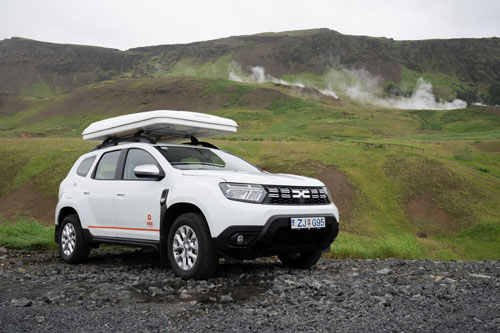
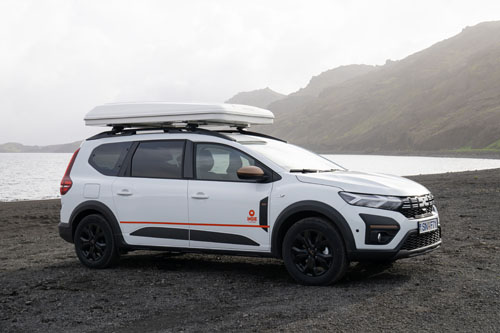
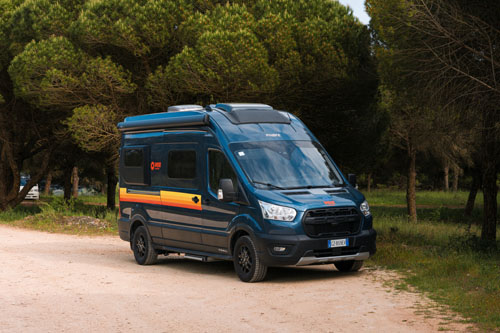
Class SI Semi-integrated motorhomes and Class B Camper Van models are highly recommended for navigating North Europe's diverse roads with ease and comfort. Class SI Semi-integrated RVs, averaging 6.9m in length, strike a perfect balance between spacious living areas and excellent maneuverability, making them suitable for most routes. These models typically provide comfortable interiors with an average of 3.8 sleeping places and accommodation for 3.4 adults, ideal for families or couples. For example, a popular "V3" model is 6.36m long with a 100L fresh water tank and 11-13L/100km fuel consumption, perfect for couples.
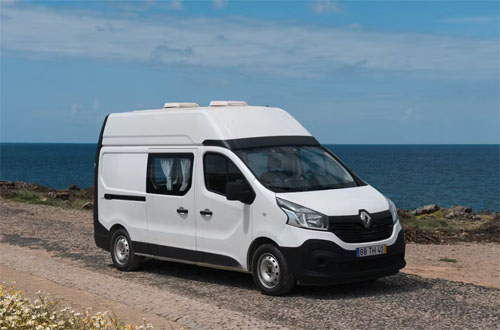
Class B Camper Vans, averaging 5.8m in length, are exceptionally agile, making them ideal for very narrow roads, city parking, and off-the-beaten-path adventures. Camper vans are perfect for couples or small families, typically offering 3.2 sleeping places and comfort for 2.7 adults, prioritizing ease of driving and flexible travel. When considering an "RV Rental in North Europe for Couples - Pricing 2026", these smaller models often provide the best experience. The choice depends on your group size, luggage, and desired level of onboard amenities.
Should I Choose a Compact Van Instead of a Large RV in North Europe?
Most main roads and national routes in North Europe comfortably accommodate all rented RV sizes, so your decision often comes down to your priorities for comfort versus extreme maneuverability. Compact vans, specifically Class B Camper Vans (averaging 5.8m in length), truly excel in very tight city centers, extremely narrow mountain passes, or when venturing onto adventurous unpaved tracks in more remote areas. However, larger RVs, such as a Class SI Semi-integrated (averaging 6.9m) or a Class C Alcove (averaging 7.5m), offer significantly more indoor living space, better amenities, and often separate sleeping areas, which can greatly enhance comfort on longer trips or for families.
For families with kids or for extended week-long trips, the additional comfort, storage, and amenities of a larger motorhome often provide a superior overall experience. For example, a "cruise america rv rental example Explorer" at 7.1m long offers 4 sleeping places and a 82L fresh water tank, giving more space than a smaller van. Ultimately, consider your specific itinerary's road types and your comfort priorities when making your choice, and remember Bandana provides full transparency on vehicle specs to help you decide.
Can I Park Anywhere? Free & Wild Camping Rules in North Europe
The "Right to Roam" (Allemansrätten) in Sweden, Norway, and Finland is a unique legal right allowing respectful access to uncultivated land, which includes limited overnight stays for RVs. In these three Nordic countries, rented motorhomes can often park overnight on public land, such as along roadsides or in designated rest areas, for a short period (typically one or two nights), provided it is not explicitly prohibited and you are not disturbing anyone or damaging the environment. However, wild camping for RVs in Denmark and Iceland is generally more restrictive and largely prohibited outside of official campsites or private land with explicit permission.
Regardless of location, always adhere strictly to 'leave no trace' principles, respect the privacy of local residents, avoid sensitive natural areas, and never, under any circumstances, empty waste or gray water into nature. Rules can vary significantly by specific region and municipality, so always check local signage and follow local laws and regulations before parking overnight. For finding campsites and campgrounds during your trip, we recommend using RV PLANET (rvplan.net) - a great resource for locating available spots along your route.
Can I Drive an RV Into the City Center? Heights, Tunnels & Local Signage
Yes, you can almost always drive a rented RV into city centers in North Europe, but careful attention to local signage is absolutely crucial for a stress-free experience. You must vigilantly watch for height limits on underpasses, tunnels, and multi-story car parks, which typically range from 3 to 4 meters maximum for most RVs and can vary greatly. Be acutely aware of environmental zones, such as congestion charges in Stockholm and low-emission zones in Copenhagen, which may restrict vehicle access or require online pre-payment.
It's best to avoid residents-only parking areas or pedestrian zones, which are often found in historic town centers and are clearly marked. Finding suitable and affordable RV parking directly in busy city centers can be challenging; often, the best approach is to locate designated RV parking on the outskirts of the city and utilize North Europe's excellent public transport systems to reach the central attractions. Drive slowly and carefully, and you can drive almost anywhere without issues. No need to stress - just use common sense and pay attention.
What is the 3-3-3 rule for RV travel?
The '3-3-3 rule' is a popular guideline for a relaxed RV travel experience, suggesting you drive no more than 300 miles (approximately 500 km) in a single day, aim to arrive at your destination by 3 PM, and stay for at least 3 days. This guideline promotes a leisurely pace, significantly reduces travel fatigue, and allows for much deeper exploration of each location you visit with your rented motorhome. While 300 miles might be ambitious for North Europe's winding coastal roads, particularly in Norway or Iceland, consider adapting it to '3-3-3 hours' of actual driving time per day to better account for diverse terrain and photo stops. Arriving by 3 PM is beneficial as it helps you secure good spots at popular campsites or legal overnight parking locations, especially during peak season. Staying for at least 3 days allows for deeper immersion in a location's culture, food, and activities, enhancing your overall experience and truly embodying the spirit of slow travel, which we always recommend (max 100-150 km per day on average).
What is the 333 rule for campervan?
The '3-3-3 rule' for campervans advises limiting daily driving to around 300 miles (500 km), arriving by 3 PM, and staying for at least 3 nights at each location. This rule is particularly fitting for compact Class B Camper Vans (averaging 5.8m in length) in North Europe, encouraging flexibility and a deeper connection with your surroundings. While the 300-mile figure is a general guide, it's practical to adapt it to 4-5 hours of actual driving time per day in North Europe's diverse and sometimes challenging terrain, especially on scenic routes. Arriving by 3 PM provides ample time to find suitable overnight parking or a well-equipped campsite, especially in popular regions. Staying for 3 nights maximizes your experience in one location, preventing 'travel burnout' and allowing you to immerse yourself in local culture and outdoor activities. This approach aligns perfectly with our philosophy of slow travel, averaging 100-150 km per day, making your rented campervan adventure truly memorable.
What are the new rules for motorhomes in France?
France has indeed introduced new environmental rules, such as the Crit'Air vignette, for motorhomes to access certain urban areas, requiring specific emission stickers. However, these specific French regulations do not directly apply to North European countries like Norway, Sweden, Finland, Denmark, and Iceland, which have their own distinct traffic and environmental policies. North European cities may have their own versions of environmental zones, such as congestion charges in Stockholm or low-emission zones in Copenhagen, which are typically enforced by automatic systems or require local registration. RV travelers planning a multi-country trip across Europe must research and understand the specific regulations for each country and major city they intend to visit, as rules vary significantly regarding environmental access, overnight parking, and speed limits for rented motorhomes. Bandana Caravan always recommends thorough pre-trip research to ensure compliance and a smooth journey across all destinations.
What is the 444 rule for RV?
The '4-4-4 rule' is a less common RV travel heuristic, suggesting a daily drive of no more than 400 miles (approximately 640 km), arriving at your destination by 4 PM, and staying for 4 nights. This rule is typically adopted by experienced RVers or those embarking on more relaxed, longer itineraries that allow for deeper immersion. For North Europe's exceptionally scenic and often winding regions, such as the Norwegian fjords or Icelandic Highlands, driving 400 miles daily is often an excessive and impractical goal, as it would rush the experience. A more practical adaptation for North Europe would be to aim for 4-6 hours of driving per day, allowing ample time for stops, sightseeing, and accounting for slower road conditions. The '4-4-4 rule' emphasizes deep exploration of each location, which greatly enhances the travel experience, perfectly aligning with Bandana's recommendation to travel slowly and connect with the scenery.
Is Europe RV friendly?
Europe is generally very RV friendly, offering diverse and welcoming experiences for motorhome travelers with its extensive road networks, numerous campsites, and a culture that supports outdoor exploration. North Europe, in particular, with its stunning natural landscapes, efficient infrastructure, and unique concepts like the 'Right to Roam' in Nordic countries, is an exceptionally rewarding region for rented RV adventurers. While some city centers may have specific access restrictions or challenging parking for larger vehicles, the overall flexibility and accessibility of RV travel across the continent are highly supported. A wide selection of rental options, ranging from compact Class B Camper Vans (averaging 5.8m) to spacious Class C Alcove models (averaging 7.5m), makes RV travel accessible and enjoyable for various group sizes and travel styles. Bandana Caravan, as true RV specialists, is dedicated to making your RV rental in Europe a seamless experience.
What do Europeans call an RV?
In Europe, what Americans commonly refer to as an 'RV' (Recreational Vehicle) is typically called a 'motorhome' or a 'campervan.' Larger, self-contained vehicles with integrated living spaces, such as Bandana's Class A or Class SI Semi-integrated models, are generally known as 'motorhomes.' Smaller, van-based conversions that offer more compact living and driving experiences, like Bandana's Class B Camper Vans (averaging 5.8m in length), are almost universally referred to as 'campervans.' It's important to note that the term 'caravan' in Europe typically refers to a travel trailer or a static caravan, which is towed by a car and is not a self-propelled vehicle. Using 'motorhome' or 'campervan' will ensure clarity and understanding when searching for rentals, booking campsites, or speaking with locals throughout North Europe, enhancing your overall travel experience.
Can you sleep anywhere in a campervan in Europe?
The ability to sleep anywhere in a rented campervan varies significantly across Europe, with specific rules governing each North European country. 'Wild camping' for campervans is more broadly accepted in Sweden, Norway, and Finland due to their 'Right to Roam' (Allemansrätten) laws. This right permits temporary overnight stays on uncultivated public land, provided you are respectful, self-contained, do not disturb locals, avoid private or cultivated land, and stay for only a single night. Conversely, in Denmark and Iceland, wild camping for RVs and campervans is largely prohibited outside of designated official campsites or private land where you have explicit permission from the owner. Always prioritize designated rest areas, truck stops, or official campsites for overnight stays, especially if your campervan lacks full self-contained facilities.
Crucially, consistently check for local signs prohibiting overnight parking and always adhere to 'leave no trace' principles, ensuring the beautiful North European environment remains pristine. Rules can vary greatly by specific region and municipality, so always follow local law and guidance. For finding campsites and campgrounds during your trip, we recommend using RV PLANET (rvplan.net) - a great resource for locating available spots along your route.
Can you drive an RV in Europe?
Yes, you can absolutely drive a rented RV in Europe, which is an incredibly popular and rewarding method for exploring the continent's diverse landscapes and cultures. Europe boasts extensive and well-maintained road networks, numerous fully-equipped campsites, and a strong cultural appreciation for outdoor and mobile travel, making it highly accommodating for RV enthusiasts. North Europe, with its dramatic fjords, vast forests, volcanic landscapes, and efficient ferry systems, is a particularly rewarding region for RV adventurers. Rental options abound, ranging from compact and agile Class B Camper Vans (averaging 5.8m) to spacious Class C Alcove models (averaging 7.5m), ensuring there's a perfect vehicle for every traveler's needs. While some busy city centers may have limited access or challenging parking, the overall RV travel experience in Europe is highly accommodating and enjoyable, offering unparalleled freedom. For a deeper dive into all European RV travel, consult our "RV Rental Europe - Complete Guide 2026".
Can I drive in Europe if I have a US driver's license?
Yes, US citizens can generally drive a rented RV in Europe with a valid US driver's license for short tourist visits, typically up to 90 days. However, an International Driving Permit (IDP) is strongly recommended and sometimes legally required, as it serves as an official translation of your US license into multiple languages. Norway, for example, explicitly requires an IDP if your US license is not in English, to avoid any issues with local authorities or rental companies. It is crucial to obtain your IDP from reputable organizations like AAA or AATA before your trip, as they cannot be acquired overseas. Always carry both your valid US driver's license and your International Driving Permit at all times while driving your rented motorhome in North Europe to ensure compliance and a smooth travel experience. This small step can save you considerable hassle and potential fines.
What is the largest RV you can drive without a special license?
In North Europe and the European Union, a standard Category B driver's license allows you to drive RVs with a Maximum Authorized Mass (MAM) or Gross Vehicle Weight (GVW) of up to 3,500 kg (approximately 7,700 lbs). This 3,500 kg limit covers the vast majority of rental RVs available, including all Class B Camper Vans (like the "luxury rv rentals example Carthago Malibu 600" at 5.99m long with a 120L fuel tank), Class SI Semi-integrated (averaging 6.9m), and many Class C Alcove (averaging 7.5m) models. RVs exceeding this 3,500 kg threshold, such as some larger Class A Integrated models, typically require a higher license category like C1 (which permits driving vehicles up to 7,500 kg) or C (for vehicles over 7,500 kg). These higher license categories are generally considered commercial vehicle licenses and are not typically held by leisure travelers. Therefore, always verify the Gross Vehicle Weight (GVW) of your specific rental RV against your driver's license category before embarking on your North European adventure, and remember, the minimum rental age is 21 with no vehicle class restrictions for eligible drivers.
Bandana is committed to full transparency, so you'll always know exactly what you're getting and what licenses are needed.
Top Cities for RV Rental in North Europe
North Europe offers numerous fantastic starting points for your rented motorhome adventure, each providing unique access to the region's diverse attractions. Here are some top cities to consider:
- Oslo, Norway: A vibrant capital nestled by a fjord, Oslo is an excellent gateway to the stunning Norwegian fjords and coastal routes. From here, you can easily drive north towards Bergen or explore the scenic Hardangerfjord.
- Stockholm, Sweden: Spread across 14 islands, Stockholm offers a blend of urban charm and archipelago beauty. It's a great base for exploring Sweden's vast forests, lakes, and the historic Uppsala.
- Copenhagen, Denmark: This charming city with its canals and cycling culture is ideal for a gentle start. From Copenhagen, you can explore the Danish countryside, its picturesque coastlines, or even venture across the Øresund Bridge to Malmö, Sweden.
- Helsinki, Finland: Known for its distinctive design and saunas, Helsinki provides access to Finland's Lakeland region and the remote wilderness of Lapland, perfect for chasing the Northern Lights in a well-insulated RV rental.
- Reykjavik, Iceland: The world's northernmost capital is the ultimate starting point for exploring Iceland's volcanic landscapes, geothermal wonders, and the famous Ring Road (Route 1) in a rugged 4x4 camper.
- Malmö, Sweden: Located just across from Copenhagen, Malmö offers a relaxed atmosphere and easy access to southern Sweden's national parks and quaint towns.
- Bergen, Norway: Often called the "Gateway to the Fjords," Bergen is a picturesque city surrounded by seven mountains. It's an ideal pick-up location if your primary focus is exploring the iconic Western Fjords.
No matter which city you choose, Bandana offers a wide selection of motorhomes and campervans to suit your group size and travel style. For those planning a journey that combines the stunning landscapes of this region with city exploration, our "RV Travel Guide to North Europe - Tips and Top Spots 2026" offers fantastic insights.
Practical Information for North Europe RVers
Navigating North Europe in a rented RV is a fantastic experience, and a little preparation goes a long way. The region generally adheres to **right-hand-side driving**, with steering wheels on the left, which is standard across continental Europe. Speed limits typically range from 50 km/h in urban areas, 80-90 km/h on rural roads, and 100-130 km/h on highways, though these can vary by country and vehicle type, so always check local signage. Emergency numbers are standardized across the EU: **dial 112** for police, ambulance, or fire services in all North European countries. For connectivity, purchasing a local **SIM card** upon arrival is a cost-effective way to ensure internet access for navigation, communication, and looking up RV PLANET routes or RV-friendly recipes playlist on the go. Fuel stations are plentiful on main routes, but their frequency can decrease in remote areas of Iceland, northern Norway, and Finland, so keep an eye on your tank. Many rental motorhomes come with a basic kitchen, including a stove and refrigerator, perfect for cooking delicious meals. Remember our advice: travel slowly, focusing on 100-150 km per day on average, allowing you to fully absorb the incredible beauty and culture of North Europe.
What You Shouldn't Miss
- Drive Norway's Atlantic Ocean Road: This 8.3 km (5.2 miles) section of County Road 64 zigzags across several small islands and skerries, connected by a total of eight bridges, offering incredible views of the sea and coastline. It's a truly iconic RV route.
- Explore Iceland's Golden Circle: A classic 300 km (186 miles) route from Reykjavik, visiting Þingvellir National Park, the Geysir geothermal area, and Gullfoss waterfall. Many campsites are available along this scenic loop.
- Chase the Northern Lights in Finnish Lapland: From late August to April, the chances of seeing the Aurora Borealis are high. Park your rented motorhome near a quiet lake or forest clearing, keep warm, and witness nature's incredible light show.
- Experience the Danish Riviera: Drive your RV along the scenic northern coast of Zealand, stopping at charming seaside towns like Gilleleje and Hornbæk, enjoying fresh seafood and the relaxed pace of Danish life.
- Hike in Sweden's Abisko National Park: For the adventurous, venture north to experience the raw beauty of Arctic Sweden. Abisko is known for its incredible hiking trails, clear night skies, and opportunities to see wildlife from your camper.
- Take a Ferry to the Faroe Islands: For a truly unique experience, take a ferry with your motorhome to the remote and dramatic Faroe Islands, where you'll encounter stunning green landscapes, puffins, and the world's first underwater roundabout.
Looking for expert insights from Avi Bandana? Top 5 Adventures - recommendations from Avi Bandana
Avi's personal experiences are what make Bandana Caravan so special. He's traveled the world in RVs, discovering hidden gems and sharing practical advice to ensure you have an authentic adventure.
Final Thoughts
Embarking on an RV adventure in North Europe is more than just a vacation; it's an opportunity to experience unparalleled freedom, breathtaking nature, and vibrant cultures at your own pace. With Bandana Caravan, you're choosing a partner committed to full transparency, dedicated support, and expertise that only true RV specialists can offer. We handle the details, so you can truly live the journey, discovering everything from the majestic fjords of Norway to the serene lakes of Finland.
Whether you're planning a week-long trip with family or a two-week adventure with friends, the open roads of North Europe await. Remember to travel slowly, savor every moment, and let the beauty of this region unfold before you. Your unforgettable motorhome experience starts with confidence and support from Bandana Caravan.
Get inspired for your next trip! Discover top destinations, planning tips, all in one place!