In This Guide
- Can You Drive an RV in North East US? License & Age Rules
- Road Conditions & Terrain in North East US
- RV Size Limits, Bridges & Restricted Zones
- Fuel: Diesel vs. Petrol & Cost per 100 km
- Tolls, Vignettes & Border Rules
- Driving Tips for RV Rental Travelers
- Recommended RV Class for North East US Roads
- Should I Choose a Compact Van Instead of a Large RV in North East US?
- Can I Park Anywhere? Free & Wild Camping Rules in North East US
- Can I Drive an RV Into the City Center? Heights, Tunnels & Local Signage
- Do you need a license to drive an RV in America?
- What is the largest RV you can drive without a special license?
- Can you sleep in an RV while driving in the USA?
- What states don't allow RVs?
- What is the 3-3-3 rule for RV driving?
- Which state is the most RV friendly?
- Can you drive an RV through the mountains?
- What is the 3-3-3 rule for RV living?
- What states require a special RV license?
- Top Cities for RV Rental in North East US
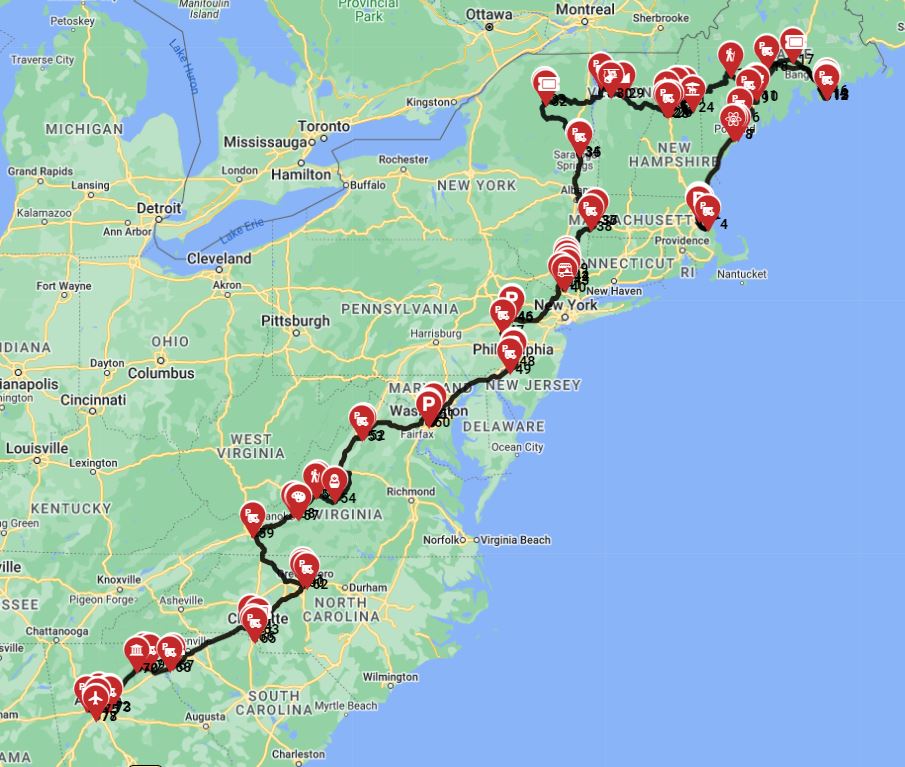
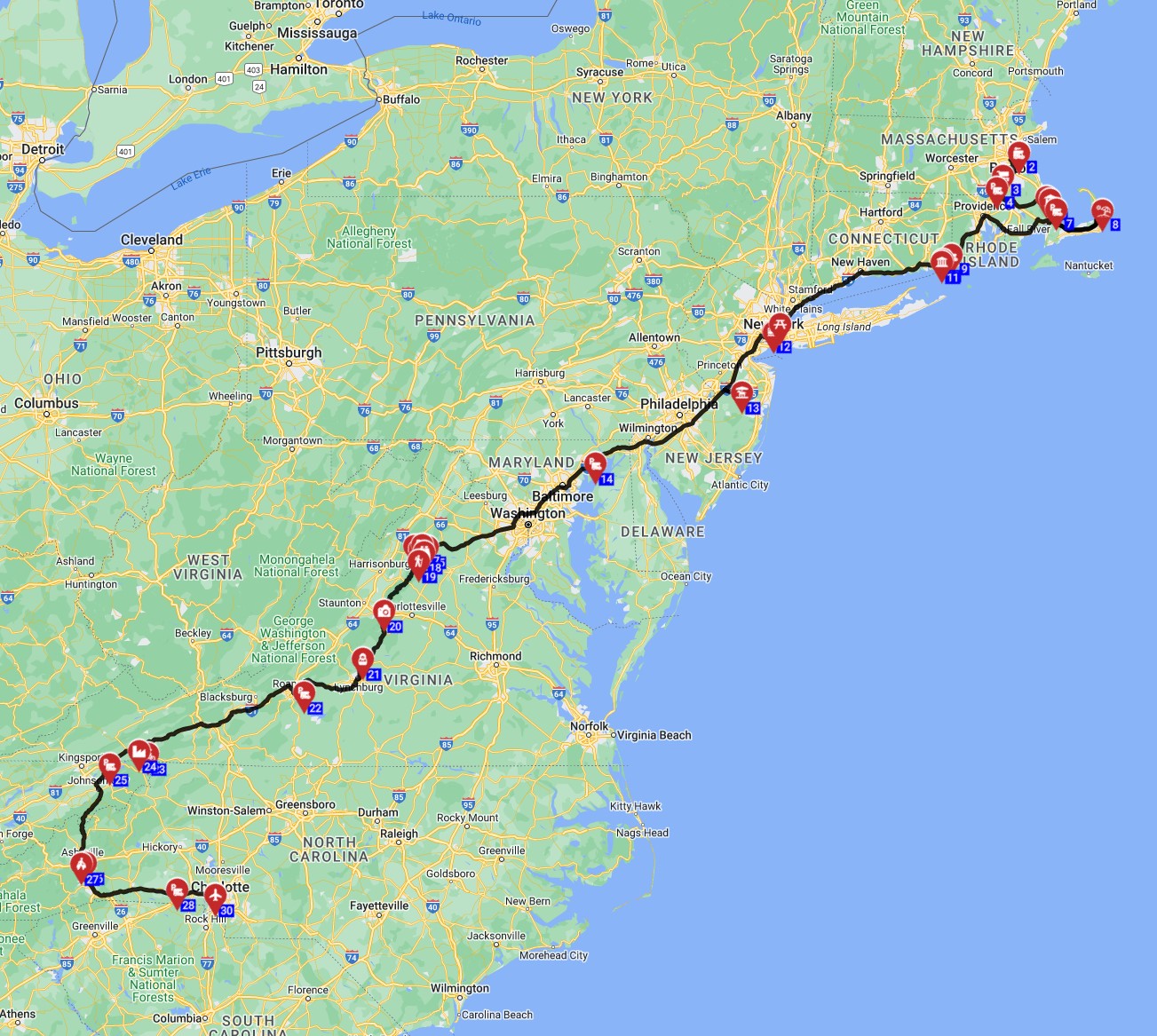
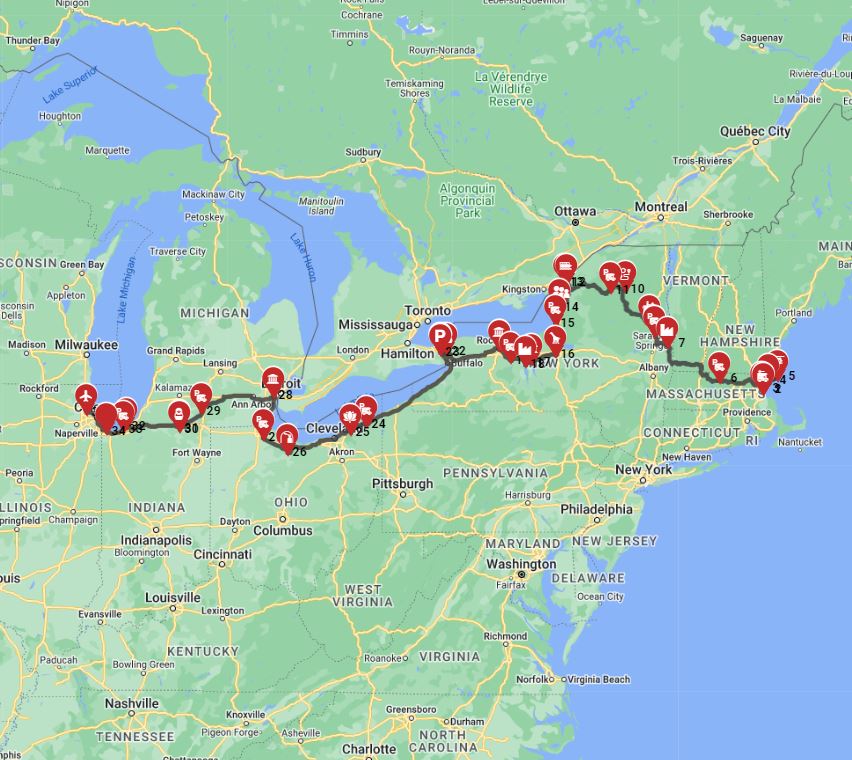
- Planning Your North East US RV Adventure
- What You Shouldn't Miss
- Why Book with Bandana Caravan
- Final Thoughts
- Frequently Asked Questions
The North East US offers an incredibly diverse landscape for an unforgettable RV rental adventure, from historic cities and charming coastal towns to majestic mountains and serene lakes. Imagine yourself navigating scenic routes, pulling over at picturesque overlooks, and enjoying home-cooked meals right from your mobile home. With Bandana RV, we believe that exploring this rich region with a rented RV should be an enjoyable, transparent, and well-supported experience. For live availability and current prices, start with our RV Rental North East US - Complete Guide 2026 guide.
Can You Drive an RV in North East US? License & Age Rules
Most motorhomes in the North East US can be driven with a standard Class D driver's license, provided their Gross Vehicle Weight Rating (GVWR) is under 26,000 lbs. While state licensing may allow drivers aged 18 and older to operate certain vehicles, the minimum driver age for RV rentals with our trusted suppliers is typically 21 years old across all motorhome classes (Class A, Class B, Class C), with no young driver surcharges or vehicle class restrictions based on age. Foreign drivers should carry a valid driver's license from their home country, and an International Driving Permit (IDP) is recommended for smooth navigation, though not always mandatory in most cases.
It's worth noting that specific states, such as Massachusetts and Pennsylvania, may require a Class B license for RVs exceeding 26,000 lbs GVWR. However, the vast majority of rental motorhomes fall below this weight threshold, meaning your standard car license is usually sufficient. Our commitment to full transparency ensures you'll always have clear information about any licensing requirements relevant to your chosen rented RV, leaving no hidden fees or surprises.
Road Conditions & Terrain in North East US
The North East US offers a wide variety of road conditions, from expansive interstate highways perfect for cruising in a Class A motorhome to charmingly narrow, winding country roads and historic routes. The terrain itself is incredibly diverse, ranging from the majestic Appalachian Mountains, including famous ranges like the Catskills in New York, the Poconos in Pennsylvania, the Berkshires in Massachusetts, and the White Mountains in New Hampshire and Maine, to the flat coastal plains of states like Connecticut and Rhode Island, and the dense urban areas of major cities. Drivers should expect significant seasonal variations; while summer typically offers smooth drives and vibrant landscapes, autumn brings stunning fall foliage and comfortable temperatures, making for an ideal RV trip. Winter conditions can be challenging with ice and snow, and rural or mountainous regions may feature rougher roads.
Driving a rented RV in the North East often encourages a slower, more scenic travel pace, which allows you to truly immerse yourself in the picturesque landscapes and local culture. We always recommend traveling slowly, aiming for a maximum of 100-150 km per day on average. This gives you ample time to feel the place, connect to the culture, savor the food, and soak in the breathtaking scenery. For instance, enjoying a leisurely drive along Maine's coastline in a comfortable Class C motorhome is far more rewarding than rushing through it.
RV Size Limits, Bridges & Restricted Zones
Navigating the North East US in a rented RV requires awareness of numerous low bridges and restricted zones, especially on historic parkways and in older towns. Many of New York's parkways, for example, have clearance limits around 8-10 feet, which can be a significant concern for larger Class C or Class A motorhomes. Historic roads, bridges, and tunnels throughout the region may also impose weight or height restrictions, necessitating careful route planning. Using an RV-specific GPS or a reliable planning tool like rvplan.net is highly recommended to avoid these potential hazards.
Furthermore, some environmental zones may restrict access or levy fees for certain vehicle types. For instance, New York City has planned congestion pricing for 2026 that could affect RV access to specific areas. When planning a week-long trip or an extended road trip, ferry services, such as those to Martha's Vineyard, Nantucket, or Block Island, often have strict length, height, and weight limits, and securing an advance booking for your motorhome or campervan is essential. Our team can assist with pre-booking comparison and provide coordination support to help you understand these details before you finalize your rental.
Fuel: Diesel vs. Petrol & Cost per 100 km
In the North East US, fuel types for rented RVs generally depend on their size and class; smaller campervans and Class C motorhomes typically use petrol (gasoline), while larger Class A motorhomes often run on diesel. Both fuel types are widely available throughout the region, though you might find diesel pumps less common at smaller, more rural gas stations. When budgeting for your adventure, remember that fuel costs in states like New York, Pennsylvania, and Connecticut are often higher than the national average. It's smart to account for this in your overall trip cost. On the routes offered through RV PLANET routes, you can itemize and track every expense along the way for easy budgeting.
For estimating fuel expenses, Bandana's fleet provides a helpful guide: Class B Camper Vans (like a V3, with 2 L / 115 HP engine) typically consume 8-10 Liter/100 km. Class SI Semi-integrated RVs, such as the K3 with a 2.3 L / 130 HP Turbo Diesel engine, average 10-11 Liter/100 km. Larger Class C Alcove models, like the 'cruise america rv rental example Explorer' at 7.1 meters, typically use 10-12 Liter/100 km or more depending on driving conditions and vehicle load. These figures make budgeting for 10-12 Liter/100 km a prudent estimate for most rented motorhomes in the North East. For easy budgeting and tracking every expense along your journey, RV PLANET routes allow you to itemize all ancillary costs, including fuel.
Tolls, Vignettes & Border Rules
The North East US has numerous toll roads, bridges, and tunnels, particularly in states such as New York, Massachusetts, New Jersey, and Pennsylvania, which are essential to factor into your travel plans. The E-ZPass system is the most common electronic toll collection method and is highly recommended to avoid higher cash rates and significantly streamline your travel, especially when crossing state lines frequently during a two-week adventure. Unlike some European countries, there are no vignette systems in the US; tolls are paid per passage or based on distance traveled.
Some RV rental companies, including Bandana's partners like El Monte and Cruise America, may offer pre-purchased E-ZPass transponders or specific programs to simplify toll payments and help you avoid unexpected fines. This ensures full transparency and no surprises in your trip costs. When planning your route, remember that crossing into Canada is possible from states like New York, Vermont, New Hampshire, and Maine, but requires proper identification for all travelers (passport) and documentation for the rented RV. Always check the latest border crossing requirements well in advance of your trip.
Driving Tips for RV Rental Travelers
Embarking on an RV rental adventure in the North East US is incredibly rewarding, and a few smart driving tips can make your journey even smoother. First, always plan your route meticulously using RV-specific GPS or reliable apps to identify potential low bridges, narrow roads, and weight restrictions that are common in historic areas of the Northeast. Second, take frequent breaks, especially if you're traveling with family or on an extended road trip; plan stops every 2-3 hours to stretch, enjoy scenic overlooks, and allow the driver to rest, promoting safe travel.
Third, budget for tolls by securing an E-ZPass or proactively accounting for these costs, as they can accumulate quickly when traversing multiple states. Fourth, master mountain driving techniques: use lower gears when ascending and descending steep grades to manage your speed and prevent brake overheating, especially in ranges like the White Mountains. Finally, always check local regulations before arriving in a new town or state to understand specific rules regarding parking, generator use, and waste disposal. Remember, you can drive slowly and carefully, and you can drive almost anywhere without issues. No need to stress - just use common sense and pay attention to signage.
Recommended RV Class for North East US Roads
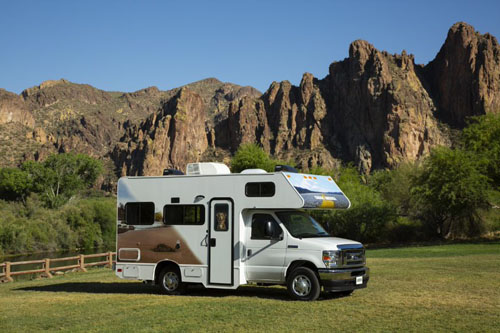
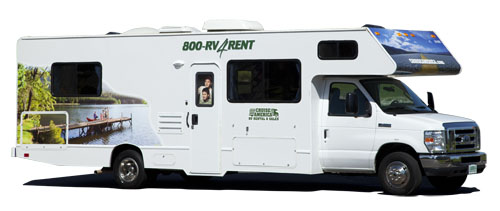
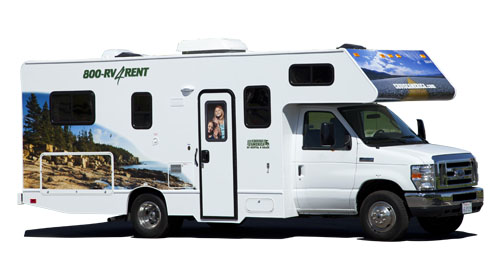
For navigating the diverse roads of the North East US, a Class SI - Semi-integrated RV, with an average length of 6.9 meters and sleeping 3.8 people, offers an excellent balance of comfort and maneuverability. These models, like the K3E, provide ample living space while remaining manageable for most highways and state routes. If you're traveling with a larger family or group of friends (e.g., 5-6 people), Class C - Alcove RVs, averaging 7.5 meters in length and accommodating 5.8 people, provide even more space for cooking, dining, and relaxation. The 'cruise america rv rental example Explorer', for instance, is a 7.1-meter Class C motorhome that sleeps 4 comfortably with features like a gas stove and refrigerator with a 82-liter fresh water tank.
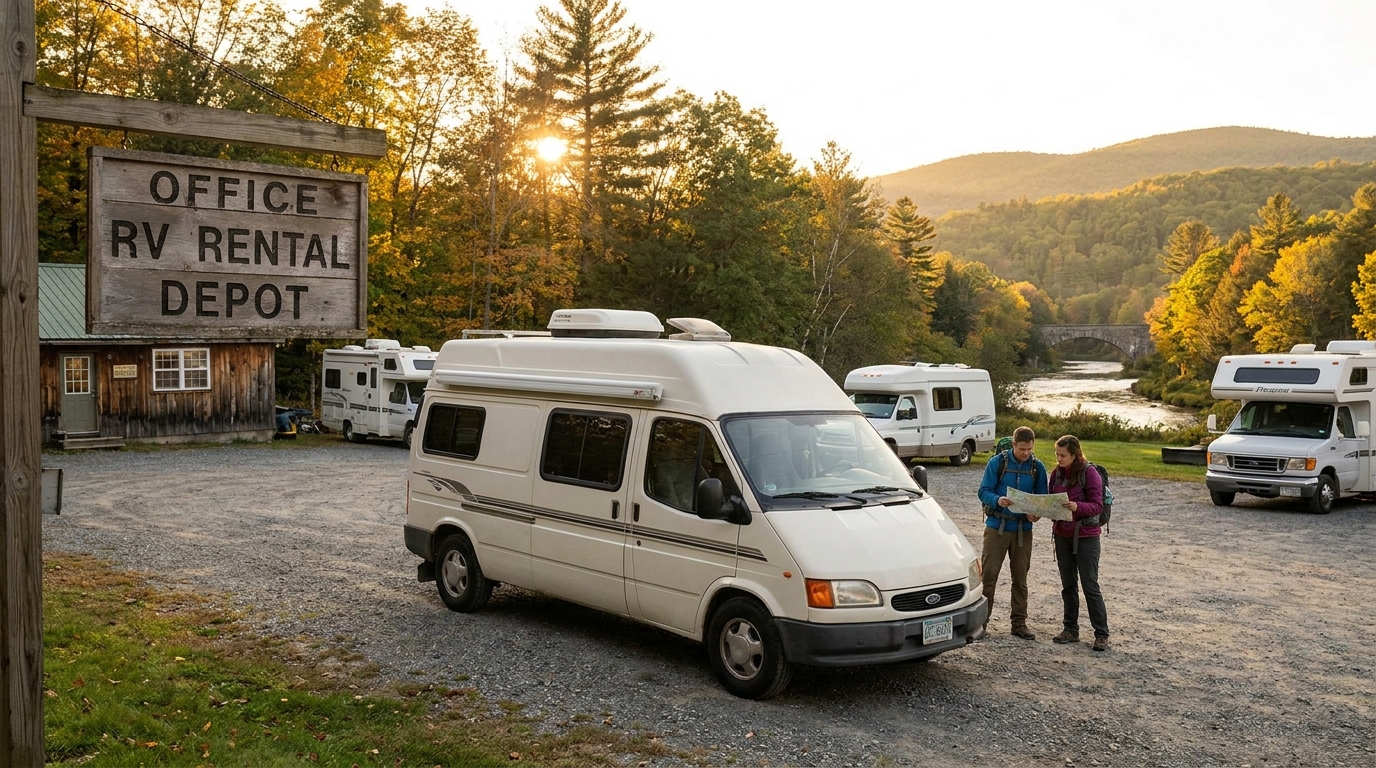
For exploring tighter historic towns such as those in coastal Maine or specific mountain passes in Vermont, a Class B - Camper Van (average 5.8 meters), like the V3 with its 2-liter engine, is often ideal due to its compact size and significantly easier parking options. While larger Class A - Integrated RVs (average 7.5 meters) are perfect for extensive highway travel and dedicated campground stays, travelers should be mindful of potential city center access limitations and low bridge clearances. Ultimately, the best RV for your journey depends on your itinerary and group size; Bandana RV specialists can help you compare options from our 50+ leading suppliers worldwide, ensuring you find the perfect mobile home for your North East adventure.
Should I Choose a Compact Van Instead of a Large RV in North East US?
The choice between a compact van (like a Class B Camper Van) and a larger RV (such as a Class C or Class A motorhome) for your North East US adventure depends heavily on your travel style and itinerary. A compact van offers superior maneuverability and much easier parking in bustling urban centers like Boston or Philadelphia, and on narrow mountain roads. For instance, specific parkways on Long Island, New York, have low clearances that make larger vehicles impractical, where a nimble campervan would excel. However, a larger RV provides significantly more comfort, dedicated living space, and amenities like larger bathrooms and kitchens, which can be a considerable advantage for longer trips or families.
For scenic drives on major highways, exploring numerous state parks, and enjoying more spacious campgrounds, larger RVs (Class C or Semi-integrated) are generally well-suited and offer the comfort of home. You can even enjoy making meals in your fully equipped kitchen; if you need inspiration, check out our RV-friendly recipes playlist. The decision ultimately hinges on your primary goals: if frequent city exploration and navigating tight spots are high priorities, a compact van is genuinely beneficial. If comfort, ample space, and a more relaxed pace are preferred for the majority of your North East US travel, a larger RV is usually the better choice.
Can I Park Anywhere? Free & Wild Camping Rules in North East US
Free or wild camping (often called boondocking) in the North East US is generally more restricted on public lands than in some Western states and often requires specific permits or is limited to designated areas. National Forests, such as the White Mountain National Forest in New Hampshire and Maine, or the Green Mountain National Forest in Vermont, may offer dispersed camping in specific zones. When utilizing these areas, always adhere to Leave No Trace principles to protect the natural environment.
Some private businesses, including popular chains like Walmart, Cracker Barrel, and various truck stops, may allow overnight RV parking with prior permission. However, this is always at their discretion and is never a guaranteed option, so it’s wise to call ahead. State and local laws regarding overnight parking and camping vary significantly across the North East; always check local regulations and follow posted signage diligently before parking overnight, as unauthorized parking can result in fines or even towing. For finding reliable campsites and campgrounds during your trip, we recommend using rvplan.net, a great resource for locating available spots along your route.
Can I Drive an RV Into the City Center? Heights, Tunnels & Local Signage
Yes, you can drive almost any rented RV into city centers in the North East US, but it absolutely requires driving slowly and carefully, and paying close attention to specific local signage regarding height limits, tunnels, low bridges, and potential environmental zones. Historic cities like Boston, New York, and Philadelphia feature narrow streets, tight turns, and numerous low overpasses that can present challenges for larger Class C or Class A motorhomes. The upcoming congestion pricing in New York City for 2026, for example, may levy fees or restrict certain vehicle types from entering designated areas during peak hours.
Always pay meticulous attention to posted height and weight restrictions, particularly near bridges, tunnels, and on older historic parkways. No need to stress - just use common sense and observe your surroundings. For peace of mind, many RV travelers choose to park their motorhome or campervan outside the absolute city core and utilize public transportation for exploring urban attractions. This strategy allows you to enjoy the city without the added stress of navigating tight spaces or worrying about parking your larger vehicle.
Do you need a license to drive an RV in America?
No special license is required to drive most rented recreational vehicles (RVs) in America, including the vast majority of rental units available in the North East US. A standard Class D (or equivalent) driver's license is sufficient, provided the RV's Gross Vehicle Weight Rating (GVWR) is under 26,001 pounds. This threshold comfortably covers many Class C motorhomes, semi-integrated models like Bandana's 6.9-meter units, and even some smaller Class A units. There are no additional permits or Commercial Driver's Licenses (CDL) required for any of our rental motorhomes, ensuring your RV rental experience is straightforward and accessible.
A special license, such as a Class B Commercial Driver's License (CDL) or a non-commercial Class A or B, is generally only necessary if the RV's GVWR exceeds 26,000 pounds or if you are towing a heavy trailer that results in a combined Gross Combined Weight Rating (GCWR) over 26,000 pounds. While requirements can vary slightly by state, it is always wise to confirm the specific regulations of your state of residence and any North East states you plan to drive through, especially if you are considering a very large Class A RV. Our team of true RV specialists is always here to provide expert guidance and support before, during, and after your booking, clarifying any licensing questions.
What is the largest RV you can drive without a special license?
In most U.S. states, including those in the North East US, the largest motorhome you can typically drive without a special license has a Gross Vehicle Weight Rating (GVWR) of up to 26,000 pounds. This significant weight threshold accommodates a broad spectrum of rental RVs, including many Class C motorhomes and semi-integrated models. For example, a "24' Class C Motorhome" from our fleet, with a length of 7.46 meters, easily falls within this limit, offering comfortable sleeping for 5 people.
This rule ensures that a wide array of vehicles, from compact Class B campervans up to many full-sized Class C motorhomes, are accessible to anyone with a standard car driver's license. States generally classify vehicles exceeding this 26,000-pound limit as requiring a non-commercial Class B license for single vehicles or a non-commercial Class A license for combination vehicles exceeding that weight. It is always a good practice to verify the exact GVWR of your chosen rented RV and consult the Department of Motor Vehicles (DMV) rules for your specific state of residence, as minor nuances can exist between states in the North East. We specialize in RV rentals and provide clear, transparent details for every vehicle.
Can you sleep in an RV while driving in the USA?
No, it is generally illegal and highly unsafe for passengers to sleep in the living area of a rented RV while it is in motion in the USA, including across the North East US. All occupants of a motorhome or campervan must be properly seated and securely buckled into designated seats with seatbelts whenever the vehicle is being driven, in adherence to state seatbelt laws. This is a critical safety regulation designed to protect everyone inside the vehicle in the event of a sudden stop or collision, as unrestrained individuals in beds or unbelted seats face significant risks of injury.
While the specific wording of seatbelt and occupancy laws may vary slightly from state to state, the fundamental intent remains consistent: to ensure passenger safety. Sleeping or moving freely in the living area is only permissible when the RV is completely parked and stationary. Always prioritize safety by ensuring all passengers are seated and buckled up while the vehicle is in motion. For more detailed insights into planning your trip, consider our "RV Travel Guide to North East US - Tips and Top Spots 2026" video resource.
What states don't allow RVs?
No U.S. state, including any in the North East, entirely prohibits rented RVs from its public roads; recreational vehicles are permitted to travel across all 50 states. However, states and local jurisdictions do impose specific restrictions on motorhomes and campervans regarding certain roads, parking regulations, and camping rules. For example, many historic parkways throughout the North East US, particularly in New York, have low bridge clearances (some as low as 8 feet) that restrict larger RVs, making careful navigation essential.
Additionally, dense urban centers frequently have stringent parking regulations and height limits, which can affect where you can easily drive or park your rented RV. While wild camping (boondocking) is common in some parts of the USA, rules in the North East are often more restrictive, usually requiring stays in designated campgrounds. It is crucial for RV drivers to research specific state and local regulations for their planned route and destinations to avoid fines or hazardous situations. Remember, with a rented RV, you have the flexibility to adjust your itinerary and find suitable spots.
What is the 3-3-3 rule for RV driving?
The '3-3-3 rule' for RV driving is a widely recognized guideline designed to promote safe and enjoyable travel, advising drivers to limit their daily journey to no more than 300 miles, arrive at their destination by 3 PM, and stay for a minimum of 3 days. Driving no more than 300 miles (approximately 4-6 hours, depending on terrain and speed limits) is a practical approach to prevent driver fatigue, which is especially important when operating a larger vehicle like a motorhome. This allows for comfortable, relaxed travel, perfectly aligning with our recommendation of slow travel (max 100-150 km per day on average).
Arriving at your campground or chosen spot by 3 PM provides ample daylight and time to comfortably set up your camp, connect utilities, and explore the immediate surroundings before dusk, significantly reducing stress and enhancing safety. Staying for at least 3 days allows you to truly feel the place, connect to the local culture and food, and fully appreciate the scenery without feeling constantly rushed. This rule helps transform an RV trip into a relaxing extended road trip rather than a hurried dash from one location to the next, enabling you to truly live the journey. For couples planning their trip, our "RV Rental in North East US for Couples - Pricing Guide 2026" offers tailored advice.
Which state is the most RV friendly?
Determining the 'most RV-friendly' state in the North East US is subjective, as it depends on individual preferences for scenic beauty, regulations, and available infrastructure, but Vermont, Maine, and New Hampshire are frequently cited for their abundance of scenic state parks and welcoming private campgrounds. Vermont is renowned for its picturesque landscapes, numerous state parks, and a generally positive attitude towards outdoor recreation, though some mountain roads can be challenging for very large motorhomes. Maine offers an extensive coastline, including Acadia National Park, and a wealth of RV parks, although its vast distances can necessitate longer drives.
New Hampshire provides excellent access to the stunning White Mountains, expansive public lands, and beautiful lakes, with many RV-friendly campgrounds. However, drivers should always be mindful of navigating mountain passes. While states like New York and Massachusetts boast diverse attractions, their denser urban areas, numerous tolls, and stringent local regulations (such as specific low bridges on parkways in New York) can make them less universally 'RV-friendly' for all sizes compared to their more rural counterparts. Our experts at Bandana RV can help you navigate these nuances and find the perfect rented RV for any North East US state you wish to explore.
Can you drive an RV through the mountains?
Yes, you can absolutely drive a rented RV through mountains, including the magnificent Appalachian ranges that span across the North East US, such as the Catskills, Poconos, Berkshires, and White Mountains. Modern motorhomes and campervans are designed with the capability to handle mountain roads. However, it requires careful preparation and the application of specific driving techniques for safety and vehicle preservation. It is crucial to use lower gears when both ascending and descending steep grades to prevent engine strain and overheating on the way up, and to effectively control your speed and prevent brake fade on the way down.
Pay close attention to all road signs that indicate steep grades, sharp curves, and potential runaway truck ramps. Always be aware of your rented RV's weight and length to safely navigate tight turns and switchbacks. Before embarking on a mountain drive, ensuring your RV's tires are properly inflated, brakes are in excellent condition, and all fluid levels are optimal is essential for your safety and peace of mind. Driving slowly and carefully will ensure a smooth and enjoyable experience, allowing you to appreciate the breathtaking mountain vistas.
What is the 3-3-3 rule for RV living?
The '3-3-3 rule' for RV living is a popular guideline designed to encourage a more relaxed and enjoyable RV vacation experience, suggesting that travelers aim to drive no more than 300 miles in a single day, arrive at their chosen destination by 3 PM, and ideally stay for at least 3 nights. This rule is fundamentally focused on reducing travel stress and maximizing your enjoyment of each location you visit. By limiting daily driving distances, you significantly decrease driver fatigue and allow for more flexibility for spontaneous stops at interesting sights or unforeseen delays, which is particularly beneficial during a week-long trip or extended road trip.
Arriving early ensures you have ample daylight to comfortably set up your motorhome or campervan, familiarize yourself with the campground, and begin exploring the local area without the rush of setting up in the dark. Staying for a minimum of three nights fosters a slower pace of travel, enabling a deeper immersion in the surrounding culture, culinary delights, and natural scenery, rather than a constant cycle of packing and unpacking. This philosophy aligns perfectly with Bandana RV's recommendation to travel slowly, making your rented RV journey truly unforgettable.
What states require a special RV license?
In the North East US, most states do not require a special non-commercial driver's license for the majority of recreational vehicles, as standard Class D licenses cover RVs under 26,001 pounds GVWR. However, some states in the region do have specific requirements for exceptionally large or heavy RVs. For instance, Massachusetts and Pennsylvania require a Class B license for single RVs exceeding 26,000 lbs GVWR. New York may also require a Class B for single vehicles over 26,000 lbs GVWR, or a Class C for certain heavier combinations, though these typically apply to a small segment of very large Class A motorhomes. The smallest available Class A motorhome in our fleet, the 'Class A - Thor ACE 30', has a length of 9.37 meters and sleeps 6, often falling within the standard license threshold.
Conversely, states like New Hampshire, Vermont, and Rhode Island are generally more lenient, often allowing standard Class D licenses for private RVs regardless of weight, unless you are operating the vehicle commercially. It is always crucial for RV renters to carefully check the specific Department of Motor Vehicles (DMV) requirements for their state of residence and any North East states they plan to travel through. Our team of true RV specialists can provide accurate and up-to-date information, ensuring you have the correct licensing for your rented motorhome or campervan, offering peace of mind from day one until your booking is confirmed.
Top Cities for RV Rental in North East US
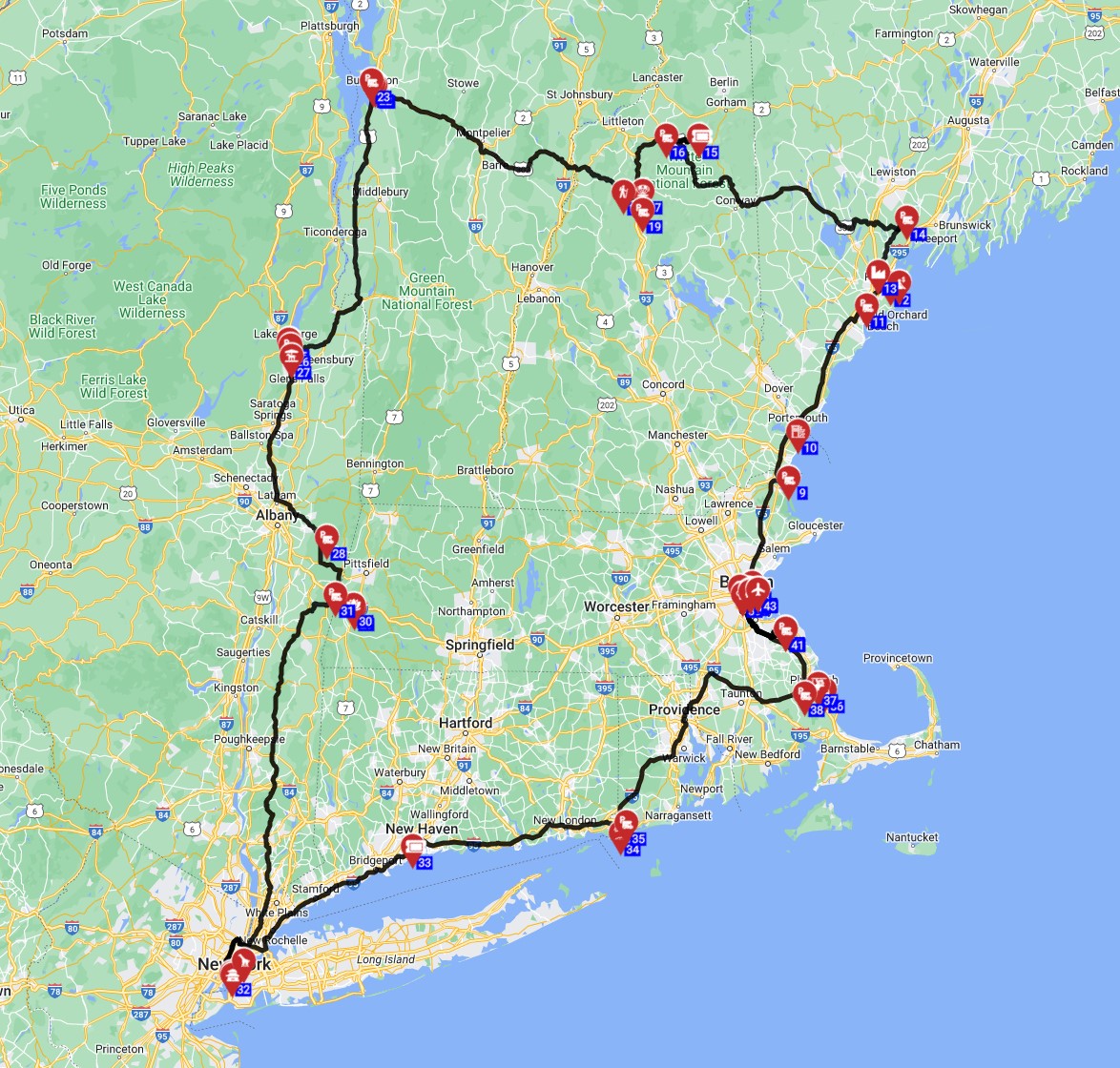
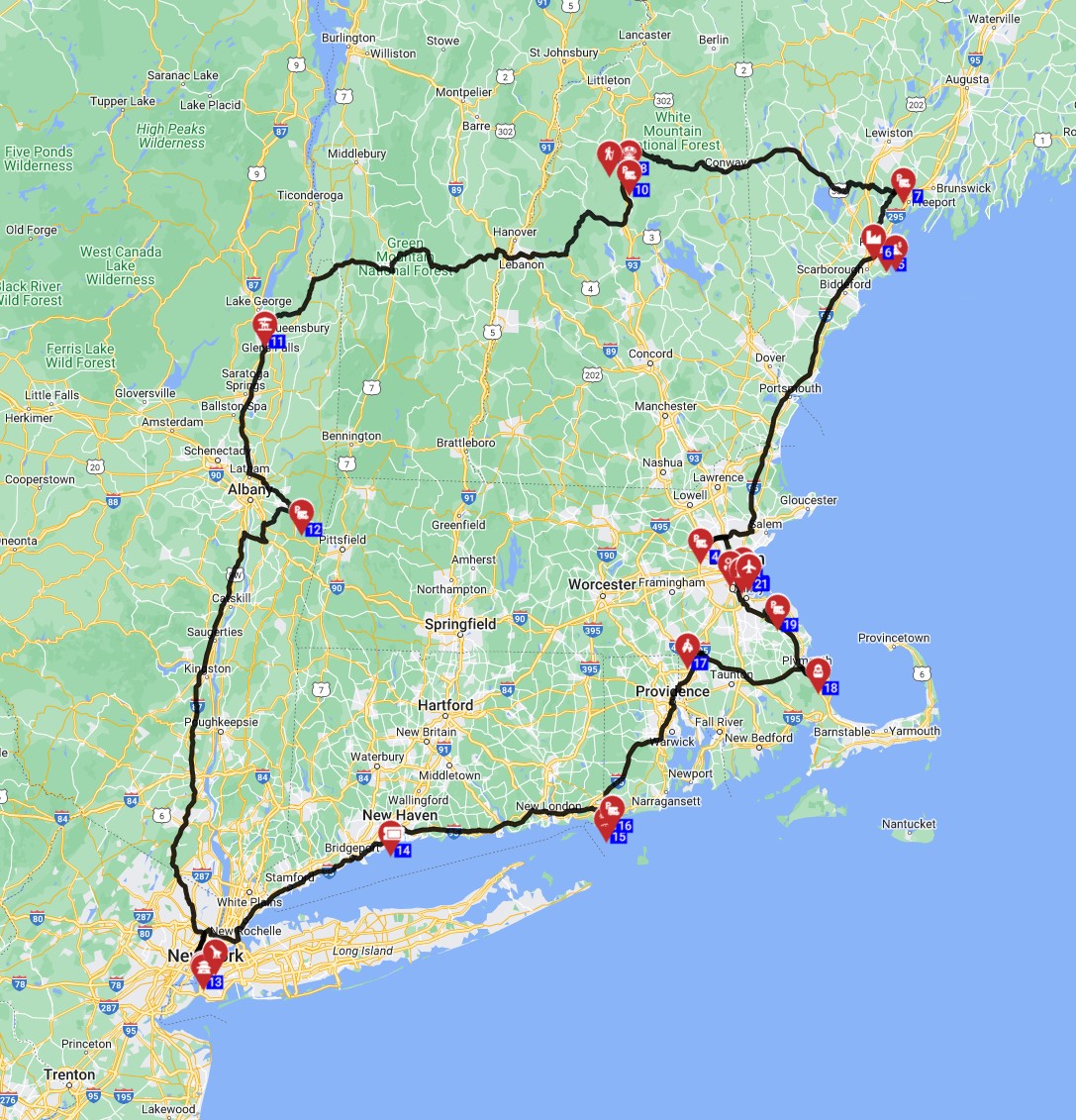
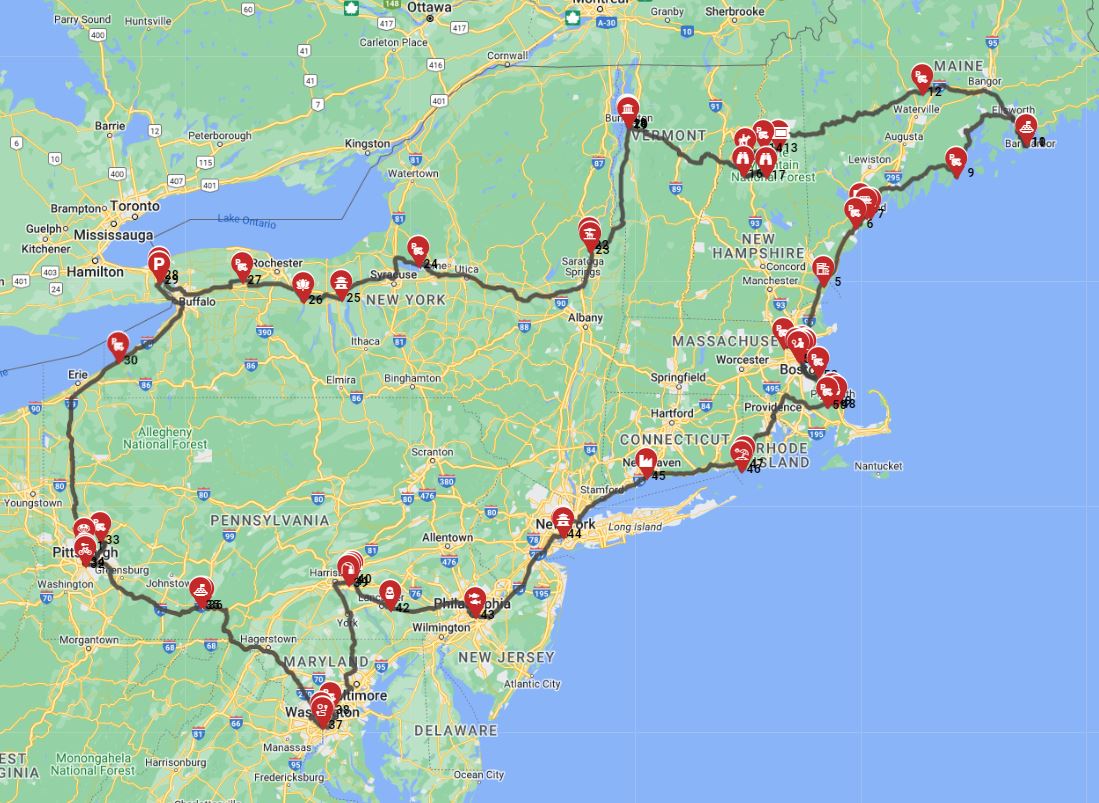
The North East US is dotted with fantastic cities that serve as excellent starting points or destinations for your RV rental adventure. Each offers unique attractions and access to diverse landscapes:
- Boston, Massachusetts: As a hub of American history, Boston offers access to coastal beauty and the scenic Berkshire Mountains. While city driving requires attention to narrow streets, parking just outside the core and using public transit is easy.
- New York City, New York: The vibrant metropolis itself might be a challenge for large RVs due to traffic and low bridges on some parkways (as noted earlier, remember the 8-10 foot clearances). However, it's an ideal pickup location, offering quick access to the Catskill Mountains, Long Island beaches, or the rural charms of upstate New York. Our "Last-Minute RV Rental in North East US - What to Expect 2026" guide can help you find rentals even for spontaneous trips from here.
- Philadelphia, Pennsylvania: Rich in history and culture, Philadelphia is a great base for exploring Amish Country, the Poconos, or the Jersey Shore. It offers a balance of urban attractions and proximity to nature.
- Portland, Maine: Known for its charming waterfront, lighthouses, and delicious lobster, Portland is the gateway to Maine's rugged coastline and Acadia National Park, making it perfect for those seeking natural beauty.
- Burlington, Vermont: Situated on Lake Champlain with views of the Adirondack Mountains, Burlington offers a relaxed atmosphere and easy access to Vermont's Green Mountains, ski resorts, and picturesque villages.
- Providence, Rhode Island: A small but vibrant city, Providence provides an excellent starting point for exploring Rhode Island's beaches, Newport's mansions, and the historic charm of New England.
- Hartford, Connecticut: Centrally located, Hartford offers a convenient base to explore Connecticut's scenic coastline, charming towns, and fall foliage routes.
No matter which city you choose, driving slowly and carefully ensures you can navigate almost anywhere without issues, allowing you to focus on the experience rather than stress. Many national parks and state parks will have plenty of spots, as only 25-30% are usually reservable, with the rest being first-come, first-serve. Always call ahead to campgrounds before driving a long distance to confirm availability.
Planning Your North East US RV Adventure
Planning an RV rental adventure through the North East US is an exciting endeavor, and a bit of preparation goes a long way to ensure a smooth and memorable trip. First, consider your travel style. Are you a pre-planner who likes every detail organized, utilizing professional route plans from RV PLANET for a 25% planning discount? Or are you a spontaneous traveler who prefers to book day-to-day, adapting your route as you go? Both styles are completely viable for the North East, as many campgrounds, particularly in national and state parks, reserve only a fraction of their spots (25-30%) for advance booking, leaving the majority available on a first-come, first-serve basis. You'll always find a spot; if not at the first campground, then at the next one - just remember to call ahead before driving a long distance.
Second, think about the duration of your RV rental. Whether it's a week-long trip exploring coastal Maine, a two-week adventure through New England's mountains, or an extended road trip covering multiple states, planning for a relaxed pace (max 100-150 km per day) will allow you to truly soak in the unique culture, delicious food, and diverse scenery. Our expertise as true RV specialists, founded in 2001 and having helped tens of thousands of travelers explore the world by RV, means we genuinely know RV travel and love helping people discover it. We handle the details, so you can live the journey, with personal service from day one until your booking is confirmed, and full transparency with no hidden fees or surprises.
When it comes to ancillary costs, remember that fuel, campground fees, propane, dump fees, and tolls will add to your total trip cost. Our RV PLANET routes allow you to itemize and track every expense along the way for easy budgeting. You can also upgrade to a top-level deductible reimbursement for extra peace of mind during your travels.
What You Shouldn't Miss
- Acadia National Park, Maine: Experience the rugged beauty of the Atlantic coast, hike Cadillac Mountain (the first place to see the sunrise in the US from October to March), and explore charming Bar Harbor. Book your campsite well in advance here.
- White Mountains, New Hampshire: Drive the Kancamagus Highway for breathtaking fall foliage, explore quaint villages, and enjoy hiking trails suitable for all skill levels. Remember there are no services on the Kancamagus Highway's 34.5-mile stretch.
- Lake Champlain, Vermont: Enjoy lakeside camping, explore Burlington's vibrant scene, and visit the largest freshwater island in the contiguous US, Grand Isle, easily accessible by RV.
- Hudson Valley, New York: Discover historic estates, visit charming towns like Rhinebeck, and indulge in farm-to-table cuisine, all within a short drive of New York City.
- Cape Cod, Massachusetts: Cycle scenic trails, relax on pristine beaches, and explore historic lighthouses in this iconic coastal destination, perfect for a peaceful week-long trip.
- Finger Lakes, New York: Explore a region of stunning glacial lakes, award-winning wineries, and picturesque waterfalls like those in Watkins Glen State Park, ideal for a multi-day RV tour.
🎬 Video coming soon
Final Thoughts
Exploring the North East US in a rented RV offers an unparalleled sense of freedom and discovery, allowing you to tailor your adventure exactly to your desires. From the historic streets of Boston to the majestic peaks of the White Mountains, this region is a tapestry of natural beauty and cultural richness waiting to be unveiled. Remember to embrace the spirit of slow travel, allowing yourself to truly connect with each destination and create lasting memories.
With Bandana RV, you're choosing a partner dedicated to transparency, support, and genuine RV expertise. We're here to help you navigate the planning process, compare the best motorhome options, and ensure you embark on your journey with absolute peace of mind. Your North East US road trip is more than just a vacation; it's an opportunity to experience life's precious moments on the open road.
Ready to hit the road? Discover top destinations, planning tips, all in one place! Find RV Rentals in North East US now!