In This Guide
- Can You Drive an RV in Morocco? License & Age Rules
- Road Conditions & Terrain in Morocco
- RV Size Limits, Bridges & Restricted Zones
- Fuel: Diesel vs. Petrol & Cost per 100 km
- Tolls, Vignettes & Border Rules
- Driving Tips for rv rental Travelers
- Recommended RV Class for Morocco Roads
- Should I Choose a Compact Van Instead of a Large RV in Morocco?
- Can I Park Anywhere? Free & Wild Camping Rules in Morocco
- Can I Drive an RV Into the City Center? Heights, Tunnels & Local Signage
- What do I need to know before driving in Morocco?
- Is it safe to drive in Morocco as a tourist?
- Can I rent an RV in Morocco?
- What are the best routes for RVs in Morocco?
- What are RV campsites like in Morocco?
- How much does it cost to rent an RV in Morocco?
- Is it easy to wild camp in Morocco?
- What RV classes are suitable for Morocco?
- How do I prepare for desert driving in Morocco with an RV?
- Are there specific cultural etiquette tips for RVers in Morocco?
- What post-trip maintenance is specific to Moroccan RV travel?
For live availability and current prices, start with our RV Rental Morocco - Complete Guide 2026 guide.
Can You Drive an RV in Morocco? License & Age Rules
Yes, you can drive an RV in Morocco, provided you meet the licensing and age requirements. A standard B driving license, typically issued for cars, is generally sufficient for operating most rental RVs up to 3.5 tons (3,500 kg) in Morocco. Rental companies typically require drivers to be at least 21 years old, with a minimum of two years of driving experience; some larger RV classes might have a minimum age of 25. For foreign drivers, it's highly recommended to carry an International Driving Permit (IDP) alongside your national license. The IDP serves as a certified translation of your domestic license, which is often required by Moroccan law and can simplify interactions with local authorities.
For RVs exceeding 3.5 tons, a higher license category, such as a C1 or equivalent, might be necessary. Always confirm the specific license requirements with your chosen rental provider before booking, as policies can vary. Understanding these regulations ensures a smooth and legal start to your Moroccan RV adventure.
Road Conditions & Terrain in Morocco
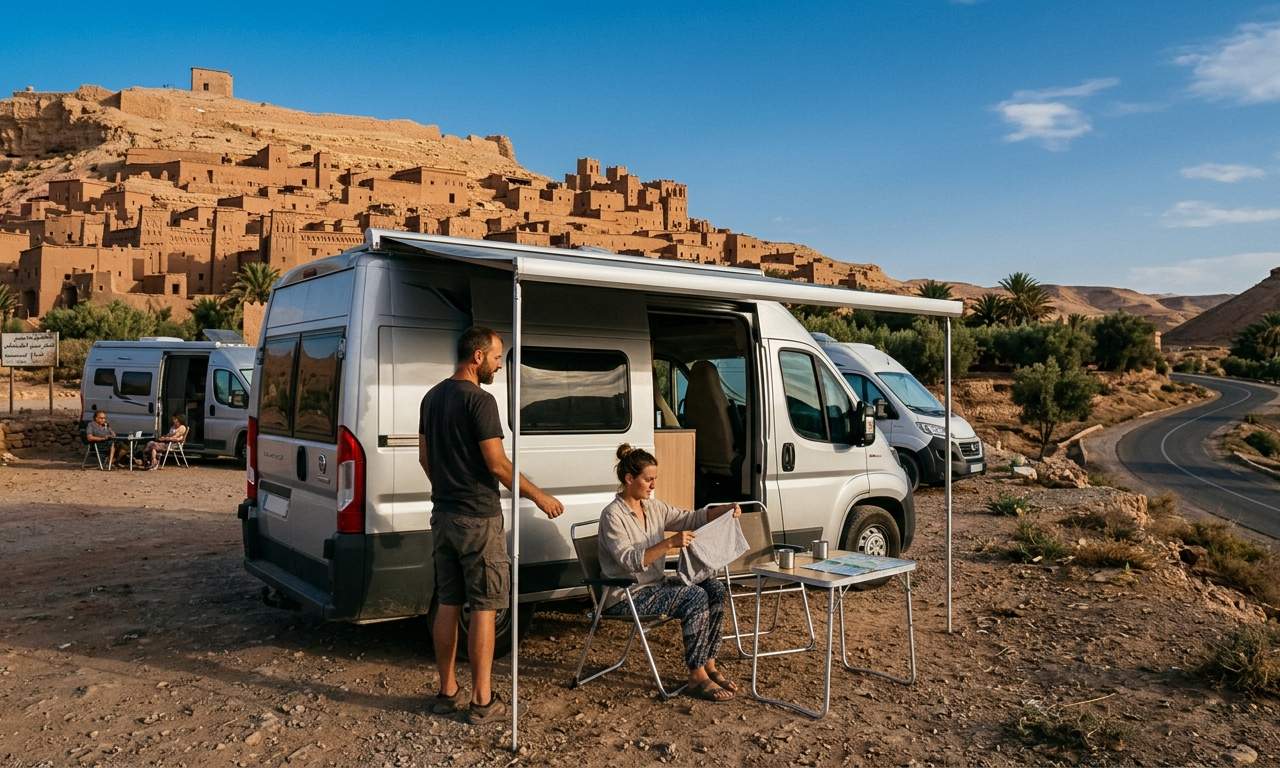
Morocco offers a rich tapestry of road conditions, from the smooth, modern highways (autoroutes) that connect major cities, to the more challenging, winding mountain passes of the Atlas range, and occasional unpaved rural or gravel tracks. The terrain is incredibly diverse, featuring scenic coastal roads, dramatic mountain landscapes with numerous switchbacks, and the vast, sometimes sandy, desert regions. While main routes are generally well-maintained, drivers should always be prepared for varying surfaces, potential potholes, and the need to share the road with pedestrians, cyclists, scooters, and even livestock, especially in rural areas.
To truly appreciate Morocco's stunning and varied landscapes, adopting a slower pace of travel is highly advisable. Driving slowly and carefully not only enhances safety but allows you to immerse yourself in the local culture, savor the breathtaking scenery, and discover hidden gems along the way. This approach is essential for enjoying the journey as much as the destination.
RV Size Limits, Bridges & Restricted Zones
Morocco generally has fewer explicit RV size restrictions compared to some European countries, meaning most standard rental RVs are suitable for travel across the country. While major routes are typically clear, drivers should always remain vigilant for local signage indicating height or weight limits, particularly when entering older towns or villages with potentially narrower entrances. Low bridges and tunnels are relatively rare on primary tourist routes, but it’s always wise to be observant.
Environmental zones are not a significant concern for RVs in Morocco. However, access to the ancient medinas of cities like Fes or Marrakech is often restricted for all non-local vehicles due to extremely narrow streets, making them unsuitable for RVs. It’s best to plan to park on the periphery of these historic centers and explore on foot. Ferry services connecting Morocco to Europe are accustomed to handling a wide range of RV sizes, but booking your ferry passage in advance is always recommended, especially during peak travel periods.
Fuel: Diesel vs. Petrol & Cost per 100 km
Diesel, known locally as 'Gazoil' or 'Gas-oil', is the predominant fuel type for RVs and is readily available at fuel stations across Morocco. Petrol (Essence) is also available but is less commonly used for the larger engines typically found in motorhomes. Bandana's global fleet data indicates that fuel consumption for RVs is generally consistent across classes: Semi-integrated (SI) RVs typically consume 10–11 Liters/100 km, Class C (Alcove) RVs consume 10–12 Liters/100 km, and Class B (Camper Vans) usually average around 10 Liters/100 km. These figures are estimations, and actual consumption will depend on driving style, terrain, and load.
Fuel costs in Morocco are generally moderate and tend to be stable. The exact cost per 100 km for your journey will depend on current market prices at the time of your travel. To help manage expenses, some rental companies, including Bandana partners, occasionally offer fuel discount cards with select RV rentals, which can provide potential savings on your overall trip costs. It’s always a good idea to inquire about such offers when booking. On the routes offered through RV PLANET routes, you can itemize and track every expense along the way for easy budgeting.
Tolls, Vignettes & Border Rules
Morocco features a well-developed network of toll roads, known as 'autoroutes', which conveniently link major cities and offer smoother, faster travel. Payment for these tolls is typically made at toll booths upon exiting the tolled section of the road. Unlike some European countries, Morocco does not operate a vignette system for general road usage; all tolls are paid on a per-use basis. For seamless border crossings, whether entering from the Spanish enclaves of Ceuta or Melilla, or via ferry from mainland Europe, ensure you have all necessary documents readily available: your passport, RV registration documents, proof of ownership (if applicable), and valid international insurance (often referred to as a Green Card).
While specific pre-purchased toll passes for tourists are not widely common, having small denominations of Moroccan Dirhams (MAD) on hand can significantly expedite passage through toll plazas, as cash payments are often the quickest method. Always be prepared for potential queues at toll points, especially during peak travel times.
Driving Tips for rv rental Travelers
When driving an RV in Morocco, adopting a defensive driving approach is paramount. Be prepared for varying driving styles on the road, and always anticipate unpredictable maneuvers from other vehicles, as well as the common presence of pedestrians, cyclists, and animals, particularly on rural roads. Police checkpoints are a routine part of driving in Morocco; always stop if signaled, present your documents courteously, and follow instructions politely. For families traveling with children, planning frequent stops—roughly every 2-3 hours—at designated rest areas or scenic viewpoints is crucial to keep everyone comfortable and engaged throughout the journey.
Ensure your RV is equipped with essential safety gear, including a reflective vest, a warning triangle, a spare tire, basic tools, and a first-aid kit. Carrying sufficient water is also vital, especially when venturing onto remote or desert routes. For a more relaxed driving experience, especially in mountainous regions or congested urban areas, consider opting for an RV equipped with an automatic transmission.
Recommended RV Class for Morocco Roads
For navigating Morocco's diverse road network, including its bustling city streets and winding mountain passes, certain RV classes offer superior advantages. Class B (Camper Vans), averaging 5.8 meters in length and typically accommodating 2-3 adults (based on Bandana's global fleet average), are highly recommended for their exceptional maneuverability and ease of parking. They are also generally more fuel-efficient, consuming around 10 Liters/100 km.
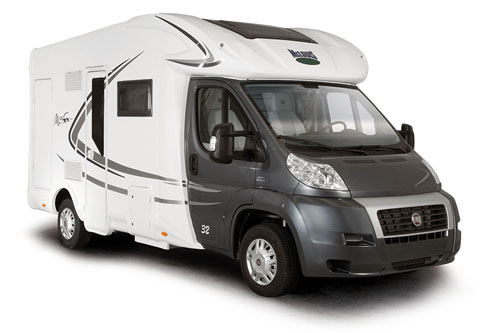
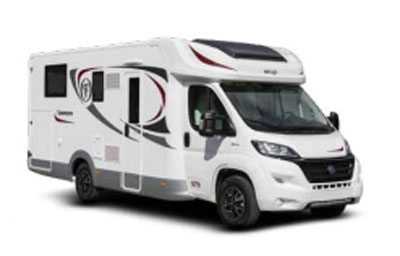
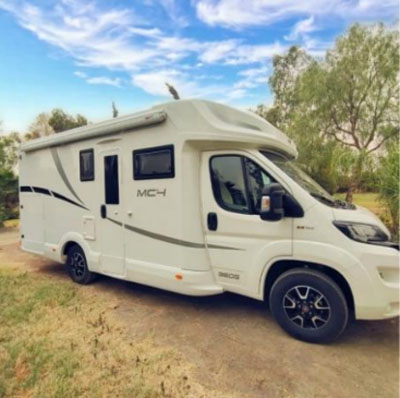
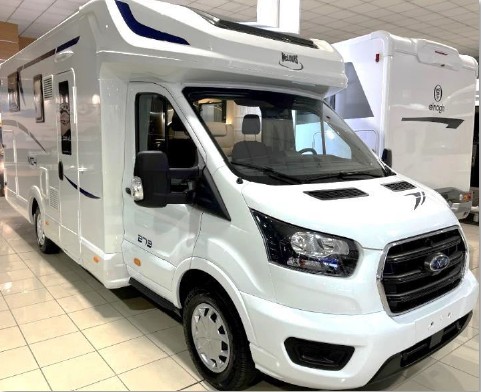
Class SI (Semi-integrated) RVs, averaging 6.9 meters in length and suitable for 3-4 adults, present an excellent balance of comfort, living space, and manageable driving characteristics on Morocco's main routes. For families requiring more space, Class C (Alcove) RVs, averaging 7.5 meters in length and sleeping 4-5 adults, are also a viable option. However, due to their increased height and length, these larger RVs require a bit more caution when traversing very narrow village passages. The best choice ultimately depends on your travel priorities: agility and urban access for camper vans, or enhanced comfort and amenities for larger motorhomes on broader routes.
Should I Choose a Compact Van Instead of a Large RV in Morocco?
While most standard RV sizes can comfortably navigate Morocco's main arterial roads, opting for a compact van, such as a Class B Camper Van, can significantly enhance your experience, particularly in terms of maneuverability and ease of parking. This is especially beneficial in bustling urban centers or the narrow, winding streets of older Moroccan villages where larger RVs might prove challenging. Compact vans are often less intimidating to drive and generally more fuel-efficient—Bandana's Class B Camper Vans, for example, average around 10 Liters/100 km, making them an attractive choice for budget-conscious travelers or those who anticipate frequent exploration of historic medinas.
Conversely, larger RVs, like Class SI or Class C motorhomes, offer superior living space, enhanced amenities, and greater overall comfort, which can be highly desirable for extended trips or for families traveling with children. The decision hinges on your travel style: a compact van prioritizes agile exploration and easy urban access, while a larger RV provides greater comfort and facilities for those planning extensive travel on well-maintained routes. Weighing these factors will help you choose the perfect vehicle for your Moroccan adventure.
Can I Park Anywhere? Free & Wild Camping Rules in Morocco
Wild camping, or free camping, in Morocco is generally possible and often tolerated in remote, non-urbanized areas, particularly in the desert or mountainous regions. This practice is most successful when you respect private property and local communities. To foster goodwill and avoid any potential issues, it is always advisable to seek explicit permission from local landowners, village chiefs, or authorities before parking overnight in undesignated areas.
Designated campsites are available across Morocco, offering essential facilities like water, electricity hookups, and waste disposal points, providing a secure and convenient alternative. Beyond traditional campsites, consider exploring unique RV accommodation options such as farm stays (gîtes ruraux) or guesthouses that offer specific RV parking. These can provide valuable cultural immersion opportunities and often more secure, amenity-rich overnight stops. Remember that local attitudes and regulations can vary significantly by region, so always verify local customs and prioritize safety and responsible tourism practices before deciding where to park overnight.
Can I Drive an RV Into the City Center? Heights, Tunnels & Local Signage
In most Moroccan cities, RVs can access areas close to the city centers, but drivers must exercise extreme caution and pay close attention to local signage and infrastructure. It's crucial to be particularly vigilant regarding height limits for ancient city gates, overhead wires, and the entrances to covered markets or tunnels, especially in historic cities like Fes or Marrakech, which may have tighter constraints. Many traditional medina areas are designated as pedestrian-only zones or feature extremely narrow streets that are unsuitable for any vehicle, including RVs. Therefore, it is advisable to plan your city exploration by parking your RV on the periphery and utilizing local public transport or exploring these historic quarters on foot.
Always prioritize official parking lots or designated RV parking areas, which are often situated on the outskirts of major cities. These locations generally offer better security and convenient access to public transportation, making your city visits more manageable and enjoyable.
What do I need to know before driving in Morocco?
Before embarking on your RV journey in Morocco, understanding local driving customs is key. Moroccan road signs primarily use international symbols, often supplemented with text in both Arabic and French, which can be helpful for navigation. Be prepared for varying driving habits; it’s common to encounter unpredictable maneuvers from other road users, and always be mindful of the frequent presence of pedestrians, cyclists, and animals on rural roads, requiring constant vigilance.
Essential gear to carry within your rented RV includes a reflective vest, a warning triangle, and a spare tire. For those planning extended off-grid travel, especially in the desert, consider bringing a water purification system and an optimal solar setup for sustained power. It is crucial to always have physical copies of your vehicle registration, insurance documents, driver's license, and passport readily accessible, as these will be requested at various police checkpoints encountered along your route.
Is it safe to drive in Morocco as a tourist?
Driving in Morocco as a tourist is generally considered safe, provided you adhere to defensive driving practices, respect local road etiquette, and remain aware of your surroundings. The primary road safety concerns stem from the varied driving styles encountered, occasional poor road conditions off the main highways, and the significant presence of non-motorized traffic, especially in rural areas. To mitigate risks, it is best to avoid night driving on unlit rural roads whenever possible.
Police checkpoints are routine and frequent throughout Morocco. Always stop if signaled by officers, have your documentation ready, and interact politely. While serious crime targeting tourists is rare, be aware of the potential for petty theft, particularly in busy urban areas or more isolated parking spots. Always secure your RV, avoid leaving valuables visible when unattended, and opt for well-lit or supervised parking areas overnight to ensure peace of mind.
Can I rent an RV in Morocco?
Yes, RV rentals are readily available in Morocco, with numerous local and international rental agencies operating primarily in major tourist hubs. Cities such as Marrakech, Casablanca, and Agadir are key pick-up locations, typically offering a diverse selection of vehicle classes to suit different travel needs and group sizes. The rental process generally requires a valid driving license (with an International Driving Permit recommended for most foreign drivers), a passport for identification, and a credit card for the security deposit, which covers potential damages or incidentals.
To ensure the best selection and rates, especially if you are traveling during peak seasons like spring or autumn, it is highly advisable to book your RV well in advance of your travel dates. Early booking not only secures your preferred vehicle but often leads to more competitive pricing.
What are the best routes for RVs in Morocco?
Morocco offers several captivating routes ideal for RV exploration, each providing unique cultural and scenic experiences. The classic 'Imperial Cities Loop' is a popular choice, connecting Marrakech, Fes, Meknes, and Rabat, and immersing travelers in Morocco's rich history and vibrant culture. Numerous campsites are conveniently located along this route, providing easy overnight stops. For those seeking adventure, the 'Atlas Mountains Adventure' route promises breathtaking landscapes, opportunities for rural village stays, and access to stunning hiking trails, making it perfect for those who enjoy a blend of driving and outdoor activity.
A 'Sahara Desert Expedition' typically involves driving your RV to a desert gateway town, such as Merzouga or M'hamid, from where you can arrange local 4x4 tours or traditional camel treks to explore the magnificent dunes. Enhancing the travel experience, the best RV routes often integrate opportunities for deep cultural immersion, such as participating in local cooking classes, visiting artisan workshops in small towns, or simply engaging with villagers during rural stays—experiences that are uniquely accessible and enriched by the freedom of RV travel. For ideas you can prep on the road, watch our RV-friendly recipes playlist on YouTube.
What are RV campsites like in Morocco?
RV campsites in Morocco offer a range of experiences, from basic, locally run 'campings' providing essential facilities to more developed sites featuring amenities like swimming pools, restaurants, and Wi-Fi, often situated near major tourist attractions. Many campsites are family-friendly, offering secure environments, play areas for children, and valuable opportunities for interaction with fellow travelers. To secure a spot, particularly during peak travel seasons or at popular sites along the coast, in the Atlas Mountains, or near desert gateways, booking your campsite in advance is highly recommended.
Beyond traditional campgrounds, a growing number of rural guesthouses (gîtes) or agricultural farms may offer secure parking and basic amenities for RVs. These alternatives provide unique accommodation experiences and a chance to truly taste local life, offering a more intimate cultural immersion.
How much does it cost to rent an RV in Morocco?
The cost of renting an RV in Morocco can vary significantly, influenced by several key factors including the RV class, the duration of the rental, the season of travel, and the specific rental company chosen. Generally, daily rental prices for a compact camper van can start from approximately €50-€80 per day, while larger, more luxurious motorhomes or those with extensive amenities might range from €100 to €180+ per day. Peak seasons, typically spring and autumn in Morocco, usually command higher rental rates due to increased demand.
It's important to note that rental costs typically include basic insurance coverage. However, opting for additional coverage, unlimited mileage packages, or optional extras like kitchen kits, outdoor furniture, or GPS devices will add to the overall price. Always review the rental agreement carefully to understand what is included and what constitutes an additional cost to avoid surprises.
Is it easy to wild camp in Morocco?
Wild camping in Morocco is generally possible and often tolerated in remote, non-urbanized areas, but it is not formally regulated or explicitly legal everywhere, so discretion is advised. Practicing responsible tourism is paramount for a positive experience and to maintain good relations with local communities. Always adhere strictly to 'leave no trace' principles: pack out all waste properly, minimize your impact on the natural environment, and always respect local customs and private property. This ensures that these beautiful areas remain accessible for future travelers.
For enhanced security and to foster goodwill, it is highly advisable to seek permission from local residents, village elders, or authorities if you intend to park overnight in undesignated areas. This simple courtesy can make a significant difference. For more detailed guidance on specific regulations and alternative, more structured accommodations, refer to the 'Can I Park Anywhere? Free & Wild Camping Rules in Morocco' section within this comprehensive guide.
What RV classes are suitable for Morocco?
Most standard RV classes can successfully navigate Morocco's main road network, but the 'best' class for your trip truly depends on your personal travel style and desired balance between comfort and maneuverability. Class B Camper Vans, typically around 5.8 meters in length, are often considered ideal due to their exceptional agility, making them perfect for urban exploration and navigating tighter routes. Class SI (Semi-integrated) RVs, averaging 6.9 meters in length, offer a good compromise, providing more living space and comfort without being overly cumbersome on the road.
For a comprehensive understanding of RV classes based on size, sleeping capacity, and fuel efficiency from Bandana's global fleet, we recommend consulting the 'Recommended RV Class for Morocco Roads' section earlier in this guide. This will help you make an informed decision based on your specific travel needs.
How do I prepare for desert driving in Morocco with an RV?
Thorough vehicle preparation is absolutely crucial for desert driving in Morocco. Ensure your RV's tires are in excellent condition, and consider carrying robust spare tires or specific tire types suitable for sandy or rocky tracks if you plan to venture significantly off the main desert roads. It is imperative to carry abundant supplies of water, food, and extra fuel, as services are extremely limited or often non-existent in remote desert areas.
An optimal solar setup on your RV is highly beneficial for powering your vehicle off-grid in the constant desert sunshine, ensuring sustained access to electricity without reliance on external hookups. For safety, always inform a trusted contact of your detailed route and estimated return time. Utilize reliable navigation tools, such as GPS devices equipped with offline maps, and if possible, carry a satellite communication device for emergency situations, as mobile phone reception can be unreliable in remote desert regions.
Are there specific cultural etiquette tips for RVers in Morocco?
When traveling by RV in Morocco, respecting local customs is essential for a positive and enriching experience. It's advisable to dress modestly, particularly when visiting religious sites or exploring traditional villages; covering shoulders and knees is generally appreciated. Learning a few basic phrases in Arabic or French, such as greetings and expressions of thanks, will significantly enhance your interactions with locals and demonstrate respect for their culture.
Always ask for permission before taking photographs of people, especially women and children, and be prepared to accept a polite refusal gracefully. Embrace opportunities for in-depth cultural immersion; participating in local cooking classes, visiting artisan workshops, or engaging in conversations with villagers during rural stays are uniquely accessible and rewarding experiences when traveling by RV, offering authentic insights into Moroccan life.
What post-trip maintenance is specific to Moroccan RV travel?
After an RV adventure through Morocco, particularly if desert routes were part of your itinerary, be prepared for pervasive desert dust. A thorough cleaning of all air filters, ventilation systems, and interior surfaces is essential post-trip to maintain the RV's condition. Conduct a detailed inspection of the RV's tires, suspension, and undercarriage for any signs of wear-and-tear or damage that might have been incurred from the varied Moroccan terrains.
Ensure all water tanks—fresh, grey, and black—are completely emptied, thoroughly cleaned, and disinfected, especially if you sourced water from unfamiliar or potentially unpurified local taps. Promptly report any minor incidents, dents, or mechanical issues to your rental company, even if they seem insignificant, to avoid potential complications during the return process and to ensure transparency.
What You Shouldn't Miss
- Imperial Cities Loop: Immerse yourself in history by visiting Marrakech, Fes, Meknes, and Rabat. Utilize RV-friendly parking areas on the outskirts and explore these ancient cities by foot or local transport.
- Atlas Mountains Scenic Drive: Navigate the dramatic Tizi n'Tichka Pass for breathtaking views and visit remote Berber villages. Many smaller, well-maintained roads offer stunning vistas perfect for slow travel.
- Sahara Desert Experience: Drive your RV to gateway towns like Merzouga or M'hamid and arrange a camel trek or 4x4 excursion into the Erg Chebbi or Erg Chigaga dunes for an unforgettable desert sunset and overnight stay.
- Coastal Charm: Explore Essaouira, a historic fortified port city known for its vibrant souks and fresh seafood, offering designated parking areas for RVs within easy reach of the medina.
- Roman History at Volubilis: Drive to the well-preserved Roman ruins near Meknes, which often have convenient RV parking, allowing easy access to explore ancient mosaics and archaeological sites.
- Cultural Immersion in Rural Villages: Seek out opportunities to stay overnight in or near small rural communities, perhaps at a gîte or farm with RV parking, for an authentic taste of local life and hospitality.
Final Thoughts
Embarking on an RV journey through Morocco offers an unparalleled opportunity to explore its diverse landscapes, rich culture, and warm hospitality at your own pace. From the bustling souks of Marrakech to the serene expanse of the Sahara Desert, a rented motorhome provides the perfect blend of freedom and comfort.
Remember to plan ahead, pack wisely, and embrace the adventure. With Bandana Caravan, you can be confident in finding the ideal RV for your trip, backed by transparent pricing and expert support. Get inspired for your next adventure and discover the magic of Morocco from behind the wheel of your home on wheels!
Ready to start planning your Moroccan RV adventure? Explore your options and compare prices easily through our platform to find the perfect motorhome for your journey!
Discover top destinations, planning tips, all in one place! Plan a trip itinerary in advance with minimal effort and maximum enjoyment.