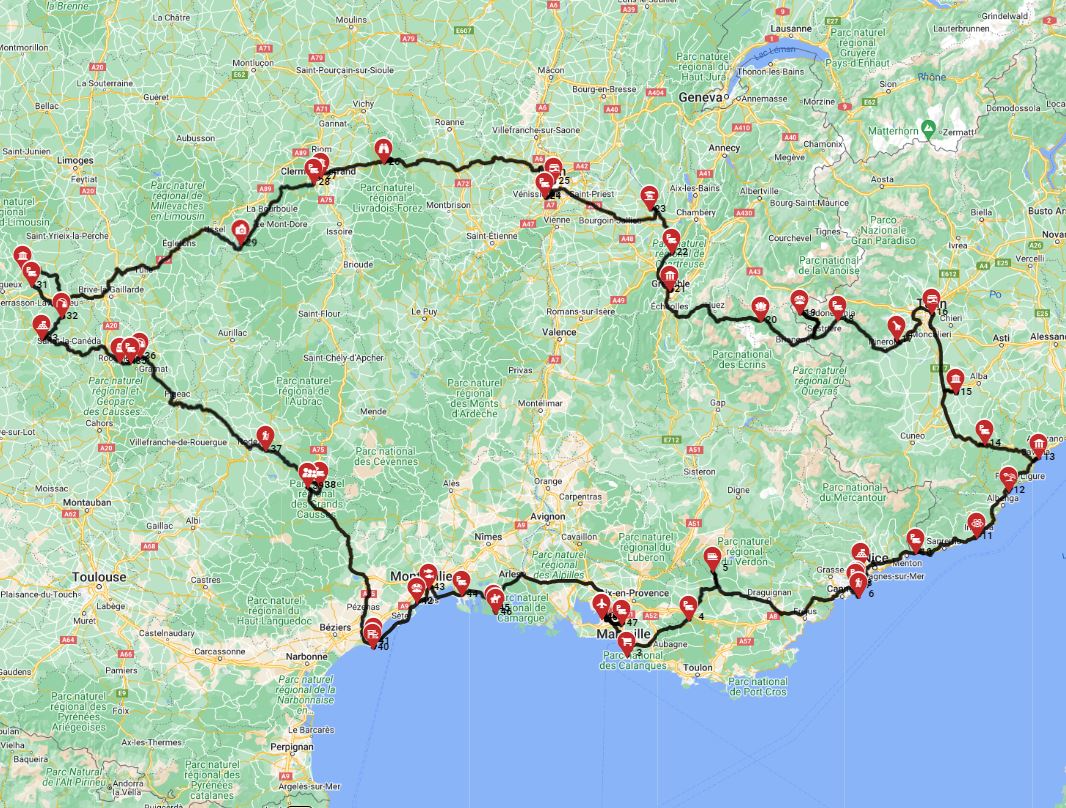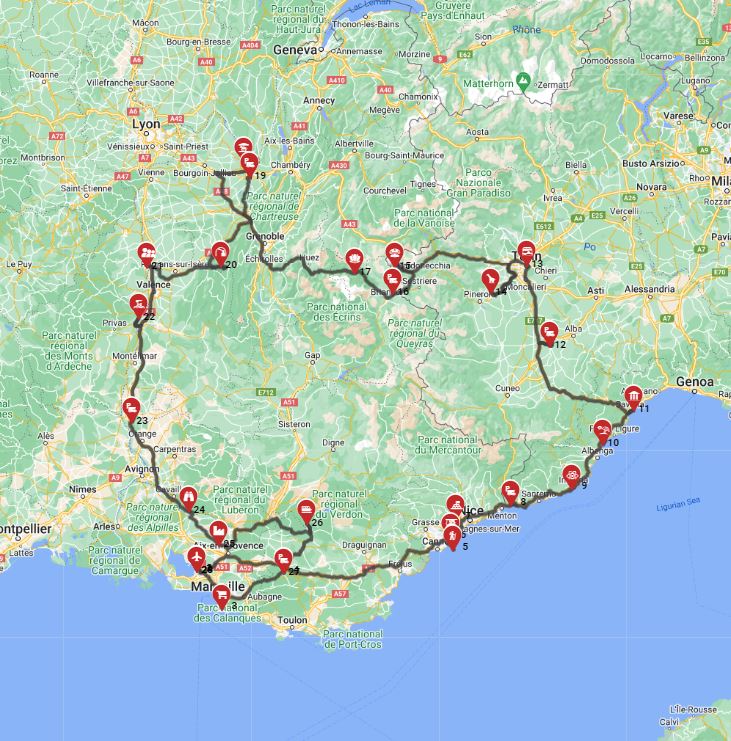
For live availability and current prices, start with our RV Rental Marseille - Complete Guide 2026 guide.
In This Guide
- Can You Drive an RV in Marseille? License & Age Rules
- Road Conditions & Terrain in Marseille
- RV Size Limits, Bridges & Restricted Zones
- Fuel: Diesel vs. Petrol & Cost per 100 km
- Tolls, Vignettes & Border Rules
- Driving Tips for rv rental Travelers
- Recommended RV Class for Marseille Roads
- Should I Choose a Compact Van Instead of a Large RV in Marseille?
- Can I Park Anywhere? Free & Wild Camping Rules in Marseille
- Can I Drive an RV Into the City Center? Heights, Tunnels & Local Signage
- Do I need speed stickers on my motorhome in France?
- What requirements do you need to drive an RV?
- What do you need for a motorhome in France?
- Is France motorhome friendly?
- What are the new rules for motorhomes in France?
- Which RV does not require a license?
- Can I sleep in RV while driving?
- What is the typical cost of RV insurance?
Can You Drive an RV in Marseille? License & Age Rules
Yes, you can drive an RV in Marseille, provided you meet the licensing and age requirements. A standard European Category B driving license is sufficient for most rental RVs up to 3.5 tonnes (PTAC). If you opt for a heavier motorhome, a C1 or C license may be necessary. For non-EU drivers, an International Driving Permit (IDP) is generally recommended in conjunction with your national driver's license to ensure smooth communication with local authorities. The minimum age to rent an RV in France, including from Marseille depots, is typically 21, regardless of your license type. Some larger or more specialized vehicles might have a minimum age of 25, so always check the specific rental provider's terms.
Road Conditions & Terrain in Marseille
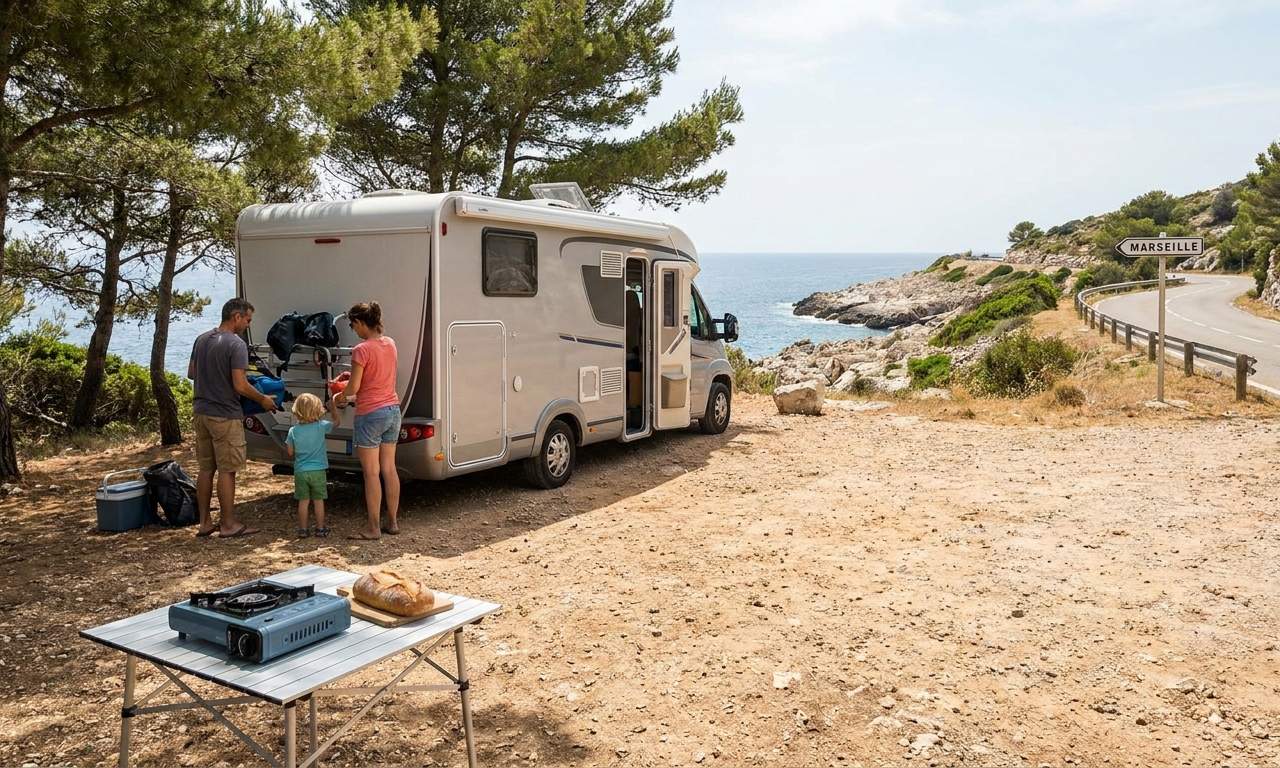
Navigating Marseille and its surrounding Provençal region in a rented RV is generally manageable, but requires awareness of local road conditions. Major roads and autoroutes are well-maintained, offering smooth travel. However, as you venture into more historic or rural areas, expect narrower, winding roads, particularly in charming villages and coastal routes. The terrain around Marseille itself is a mix of flat coastal plains and rolling hills, which can become steeper in mountainous regions. Larger RVs will need careful maneuvering on these routes, especially when making turns or encountering inclines. Within Marseille's urban areas, be prepared for dense traffic, potentially challenging parking, and narrower streets, especially in older districts, which might make a compact camper van a more appealing choice for city exploration.
RV Size Limits, Bridges & Restricted Zones
Drivers must be mindful of size and weight restrictions when operating an RV in Marseille and the surrounding areas. These limits are clearly indicated on road signs, particularly for tunnels, low bridges, and entrances to historic city centers, which may have access restrictions for larger vehicles. It's crucial to be aware of Marseille's ZFE-M (Zone à Faibles Émissions mobilité) or Low Emission Zone. Entry into these zones requires a valid Crit'Air sticker, which indicates your RV's emission standard. Restrictions are progressively tightening, so obtaining your Crit'Air sticker online from the official French government website (certificat-air.gouv.fr) several weeks before your trip is essential for compliance within Marseille's ZFE-M.
Fuel: Diesel vs. Petrol & Cost per 100 km
Most rental RVs, including those typically found in Bandana's fleet, run on diesel fuel (Gazole). Diesel is readily available at service stations throughout France. Based on typical RV fuel consumption, you can estimate about 10-12 liters per 100 km for Class C motorhomes and similar consumption for Class B camper vans and larger Class A integrated RVs, averaging around 9-13 liters per 100 km. To estimate your fuel cost, multiply your RV's average consumption by the current diesel price. Expect this to range from approximately €1.80 to €2.30 per liter, translating to roughly €18-€23 per 100 km, depending on the specific vehicle and prevailing fuel prices. On the routes offered through RV PLANET routes, you can itemize and track every expense along the way for easy budgeting.
In This Guide
- Can You Drive an RV in Marseille? License & Age Rules
- Road Conditions & Terrain in Marseille
- RV Size Limits, Bridges & Restricted Zones
- Fuel: Diesel vs. Petrol & Cost per 100 km
- Tolls, Vignettes & Border Rules
- Driving Tips for rv rental Travelers
- Recommended RV Class for Marseille Roads
- Should I Choose a Compact Van Instead of a Large RV in Marseille?
- Can I Park Anywhere? Free & Wild Camping Rules in Marseille
- Can I Drive an RV Into the City Center? Heights, Tunnels & Local Signage
- Do I need speed stickers on my motorhome in France?
- What requirements do you need to drive an RV?
- What do you need for a motorhome in France?
- Is France motorhome friendly?
- What are the new rules for motorhomes in France?
- Which RV does not require a license?
- Can I sleep in RV while driving?
- What is the typical cost of RV insurance?
Tolls, Vignettes & Border Rules
France operates a comprehensive toll road (autoroute) system where payment is typically based on distance traveled, rather than a national vignette like some other European countries. When traveling in an RV, you'll generally fall under Class 2 for toll charges, though very large vehicles exceeding 3.5 tonnes with a high roofline might be classified as Class 3. Toll costs will vary depending on your specific route and the distance covered. For smoother and faster passage through toll booths, consider obtaining an electronic toll badge, such as a Liber-t tag, which may be available through your RV rental provider.
Driving Tips for rv rental Travelers
When driving a rented RV in Marseille and Provence, adopt a defensive driving style. Always allow extra braking distance and take wider turns to account for the vehicle's size and weight. Be particularly aware of the strong Mistral winds prevalent in the region, which can significantly affect RV stability and necessitate reduced speeds and increased caution. Familiarize yourself with French road signs, paying close attention to speed limits, height and weight restrictions, and parking regulations. Utilize designated 'aires de service' for motorhomes, which are readily available across France for convenient waste disposal and water refills. Planning your routes to avoid excessively narrow roads in historic villages and opting for park-and-ride options when visiting busy city centers will greatly enhance your experience.
Recommended RV Class for Marseille Roads
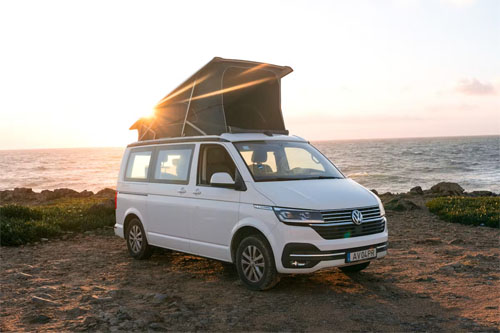
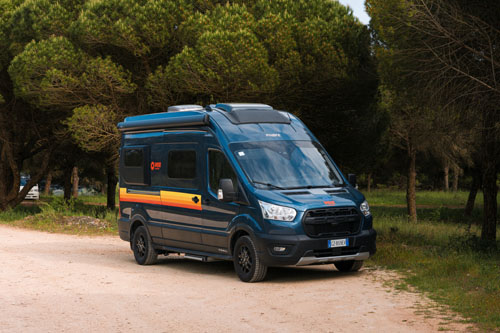
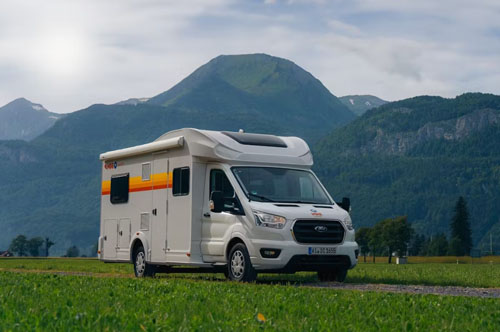
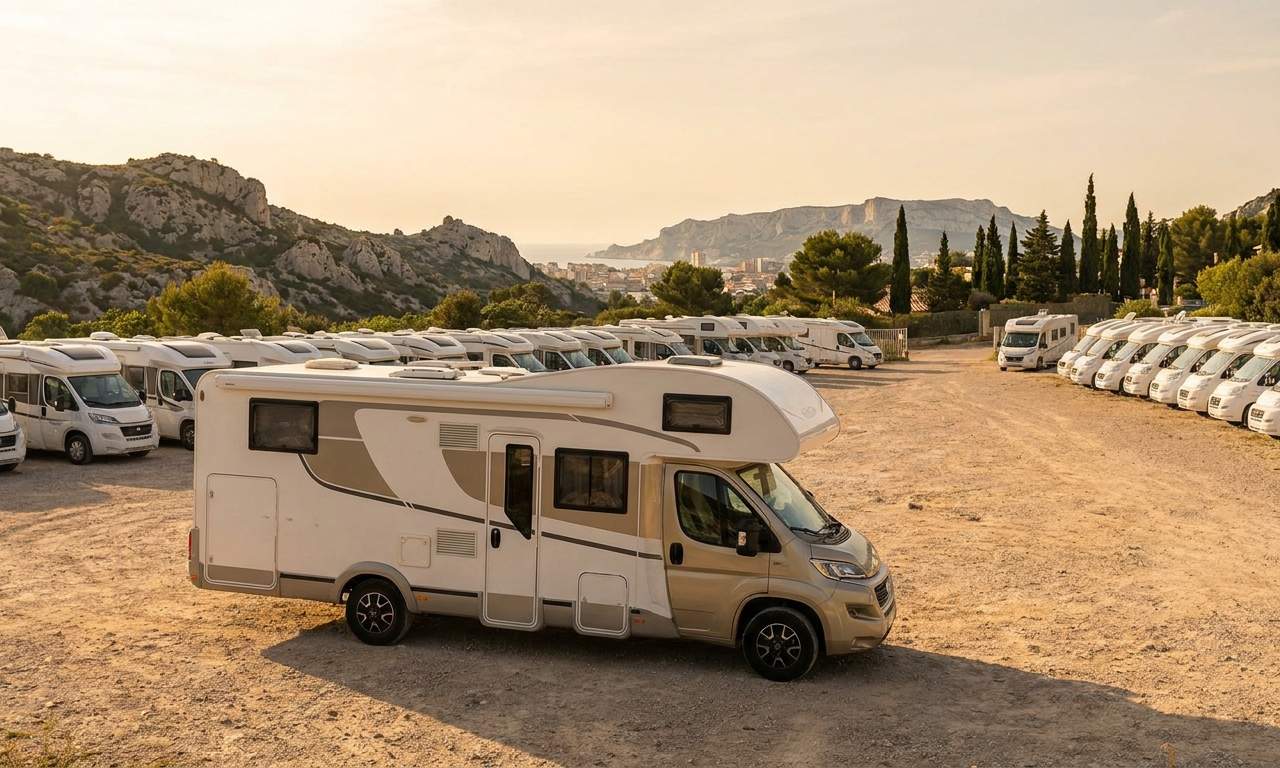
For navigating the urban streets of Marseille and the often narrow, winding roads of Provence, a Class B Camper Van is highly recommended. These typically measure around 5.5 meters in length, offering excellent maneuverability. Alternatively, a Class SI Semi-integrated RV, averaging about 6.9 meters, provides a comfortable compromise, offering more living space while remaining manageable for most French roads. Both these classes strike a good balance between driving ease and onboard comfort, making them suitable choices for exploring the diverse landscapes around Marseille.
Should I Choose a Compact Van Instead of a Large RV in Marseille?
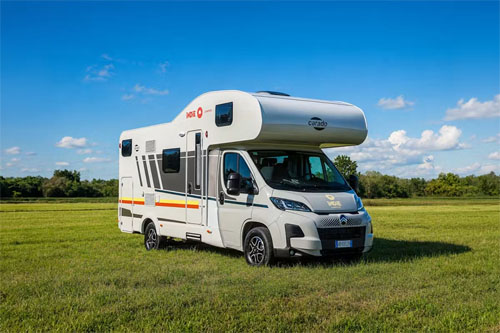
The choice between a compact camper van and a larger RV in Marseille depends on your travel priorities. A compact camper van (Class B) generally offers superior maneuverability, making it easier to park and navigate Marseille's city center and the charming, often tight, Provençal villages. They also tend to be more fuel-efficient. On the other hand, larger RVs (Class C or A) provide more spacious living areas and extensive amenities, which are ideal for longer trips or for travelers who prioritize onboard comfort and ample storage. Ultimately, if ease of access and urban exploration are key, a compact van is a great choice. For extended stays and maximum comfort, a larger RV might be more suitable.
Can I Park Anywhere? Free & Wild Camping Rules in Marseille
Free and wild camping for RVs in Marseille and the broader Provence region is generally restricted and often prohibited on public land, along coastlines, and in protected natural areas. France offers an extensive network of designated 'aires de service' specifically for motorhomes, which provide legal and convenient spots for parking, waste disposal, and water refills, often for a nominal fee or even free. It's always best to prioritize official campgrounds or authorized motorhome parking areas for overnight stays to comply with local regulations and avoid potential fines. Remember that rules can vary by commune, so always check local regulations and signage regarding parking etiquette, noise levels, and waste disposal.
Can I Drive an RV Into the City Center? Heights, Tunnels & Local Signage
Yes, driving an RV into parts of Marseille's city center is generally possible, but requires vigilance regarding specific signage, especially height and weight limits. Marseille's ZFE-M (Low Emission Zone) directly impacts city center access, mandating a valid Crit'Air sticker, with progressively stricter regulations for older vehicles. Always pay close attention to local road signs indicating maximum permissible vehicle heights (Gabari) for tunnels, underpasses, and parking garages, as these can often be too low for larger RVs. Planning your route and understanding the ZFE-M requirements will be crucial for a smooth experience.
Do I need speed stickers on my motorhome in France?
Yes, motorhomes or RVs exceeding 3.5 tonnes PTAC are legally required to display specific speed limit stickers in France. These stickers (e.g., 80, 90, 110 km/h) indicate the lower maximum speeds applicable to heavier vehicles on various road types. Additionally, since 2026, all vehicles over 3.5 tonnes, including larger motorhomes, must display 'Angles Morts' (blind spot) warning stickers on their sides and rear to alert other road users to their presence. Ensure your rental RV is equipped with these mandatory stickers; if not, they can be purchased at auto centers upon arrival.
What requirements do you need to drive an RV?
To legally drive an RV in France, you need a valid driving license (Category B for RVs up to 3.5 tonnes, C1 or C for heavier vehicles) and a rental agreement with proof of insurance. Mandatory safety equipment includes a reflective warning triangle, a high-visibility vest for each occupant, and a spare bulb kit for external lights (unless your RV uses LEDs). A Crit'Air sticker is essential for accessing Low Emission Zones like Marseille's ZFE-M, and RVs over 3.5 tonnes must also display the specific speed and 'Angles Morts' stickers.
What do you need for a motorhome in France?
Beyond essential travel documents like your passport and license, equip your motorhome journey in France with mandatory safety gear: a warning triangle, reflective vests for everyone, and a Crit'Air sticker for ZFE-M access. Practical necessities include European electrical adapters, a water hose with various connectors for filling up, leveling ramps for uneven terrain, and a GPS system pre-loaded with RV-specific routing capabilities. Crucially, familiarize yourself with local driving rules, parking regulations, and waste disposal etiquette to ensure a smooth and respectful journey.
Is France motorhome friendly?
France is widely regarded as one of Europe's most motorhome-friendly countries, boasting an extensive network of thousands of 'aires de service' catering specifically to RVs. The country offers incredibly diverse scenery, from the coastal beauty and lavender fields of Provence near Marseille to mountains and historic villages, all highly accessible by RV. While highly accommodating, challenges like navigating Low Emission Zones (ZFE-M) in cities and encountering narrow village roads do exist, which are best managed with careful route planning or by choosing a more compact RV.
What are the new rules for motorhomes in France?
The most significant recent regulations impacting motorhomes in France involve the expansion of Low Emission Zones (ZFE-M) and the mandatory display of Crit'Air vignettes for entry. Since 2026, larger motorhomes over 3.5 tonnes must also display 'Angles Morts' (blind spot) warning stickers. Additionally, stricter speed limits and associated mandatory speed stickers apply to motorhomes exceeding 3.5 tonnes, requiring drivers to adhere to lower maximum speeds on various road types.
Which RV does not require a license?
All motorized recreational vehicles, including RVs and camper vans, legally require a valid driving license to operate on public roads in France. The misconception might stem from the fact that most camper vans and smaller RVs, up to 3.5 tonnes, can be driven with a standard Category B (car) license. However, larger, heavier RVs that exceed this weight limit will necessitate a higher license category, such as C1 or C, which is distinct from a standard car license.
Can I sleep in RV while driving?
No, it is strictly illegal and extremely dangerous for any passenger to sleep in the living area or any non-designated belted seat of an RV while the vehicle is in motion on French roads. All occupants must be properly secured in designated travel seats with seatbelts fastened and face forward during transit to ensure safety in case of sudden stops or accidents. French law mandates seatbelt usage for all passengers where provided; failing to comply not only risks severe injury but also attracts legal penalties.
What is the typical cost of RV insurance?
When renting an RV in Marseille, basic third-party liability insurance is usually included in the rental fee, covering damages to other vehicles or property, but typically comes with a significant deductible. To reduce your financial liability, rental companies offer deductible reduction options or full waivers for an additional daily fee, which can range from €20 to €50 or more. The total insurance cost is influenced by the RV type, rental duration, driver's age, the chosen deductible amount, and any optional add-ons like tire or windshield coverage.
What You Shouldn't Miss
- Explore the historic Le Panier district: Wander through Marseille's oldest neighborhood, known for its narrow, charming streets and vibrant artistic atmosphere – best explored on foot.
- Drive the scenic Route des Crêtes: While direct RV access to Calanques National Park is restricted, this stunning coastal road offers breathtaking views and is more RV-friendly.
- Visit the vibrant fish markets: Experience the local culture at the Old Port's fish market, a great place to find fresh ingredients for an RV-cooked Provençal meal.
- Catch the sunset from Notre-Dame de la Garde: Seek out parking on the access roads for spectacular panoramic views of Marseille as the day ends.
- Experience the power of the Mistral wind: Be aware of this local weather phenomenon and adjust your driving and parking accordingly for a safer journey.
Final Thoughts
Renting an RV for your trip to Marseille and the beautiful Provence region offers an unparalleled sense of freedom and flexibility. By understanding the driving nuances, local regulations, and choosing the right vehicle for your needs, you're set for an incredible adventure. Embrace the slow travel philosophy, take your time to savor the culture, cuisine, and stunning landscapes, and create memories that will last a lifetime.
We are here to support you every step of the way, from finding the perfect RV to ensuring you have all the information you need for a successful trip. Let Bandana Caravan help you plan your next unforgettable RV journey!
Find Motorhome Rentals in MarseilleFor ideas you can prep on the road, watch our RV-friendly recipes playlist on YouTube.