In This Guide
- Can You Drive an RV in Hungary? License & Age Rules
- Road Conditions & Terrain in Hungary
- RV Size Limits, Bridges & Restricted Zones
- Fuel: Diesel vs. Petrol & Cost per 100 km
- Tolls, Vignettes & Border Rules
- Driving Tips for RV Rental Travelers
- Recommended RV Class for Hungary Roads
- Should I Choose a Compact Van Instead of a Large RV in Hungary?
- Can I Park Anywhere? Free & Wild Camping Rules in Hungary
- Can I Drive an RV Into the City Center? Heights, Tunnels & Local Signage
- How Much Does an RV Trip to Hungary Cost?
- Is RV Travel Safe in Hungary? Safety Tips
- What are Off-the-Beaten-Path RV Destinations in Hungary?
- How Can I Experience Hungarian Culture with an RV?
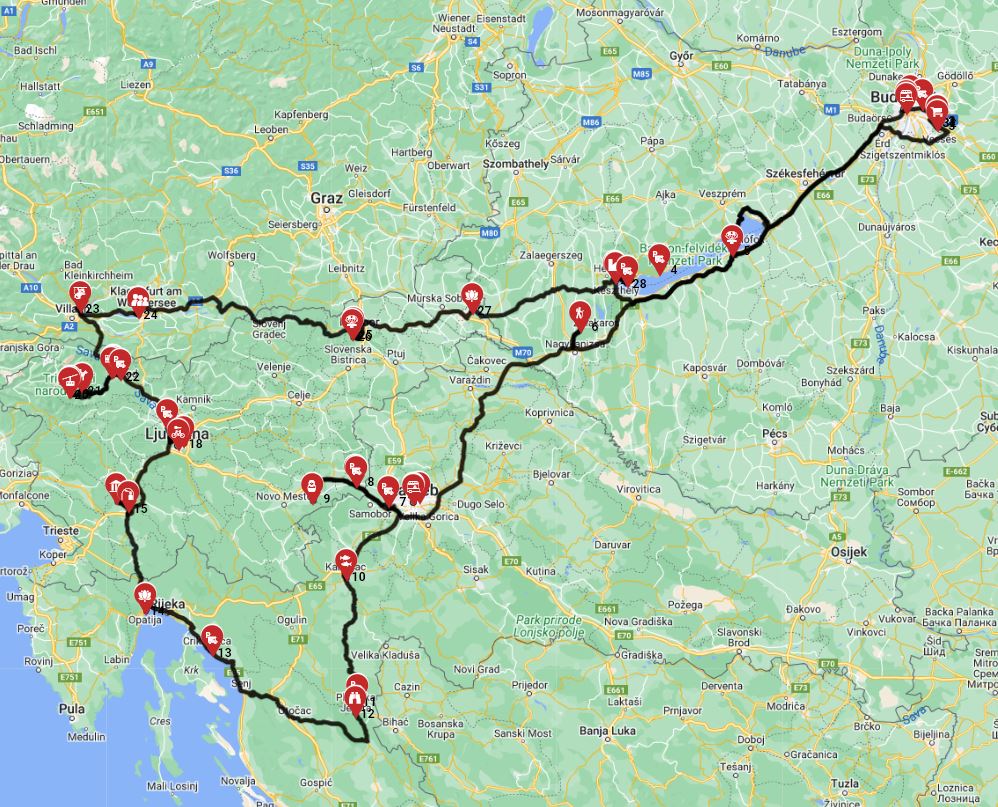
- Can I Visit Neighboring Countries with a Hungarian RV Rental?
- Is Hungary RV-Friendly for Digital Nomads?
- Are There Accessible RV Rentals for Disabled Travelers in Hungary?
Can You Drive an RV in Hungary? License & Age Rules
Yes, you can drive an RV in Hungary, provided you meet the licensing and age requirements. For motorhomes up to 3,500 kg, a standard B category driver's license, commonly issued in EU countries and many others, is sufficient. If your chosen RV weighs over 3,500 kg, you will need a C1 or C category license. Typically, the minimum age for renting an RV is 21, although some rental companies may have a minimum age of 25 for larger Class A motorhomes. For drivers whose national licenses are not in Hungarian or English, an International Driving Permit (IDP) is generally recommended, and often required, in addition to your national license.
Road Conditions & Terrain in Hungary
Hungary's road network is generally well-maintained, making RV travel a pleasant experience. The motorways, designated as M-roads, are typically in excellent condition and are suitable for all sizes of rented RVs. When venturing onto secondary and rural roads, you might encounter a greater variety in road quality; some can be narrower or less smooth than the main arteries. Hungary's terrain is predominantly flat across the Great Hungarian Plain, but the northern regions offer picturesque hilly and mountainous landscapes, such as those found in the Bükk and Mátra mountains. These varied terrains encourage a slower pace of travel, allowing you to truly soak in the scenery and connect with the local culture and food. Driving slowly and carefully on rural routes is key to appreciating the landscape and can be done in almost any RV size without issues; there's no need to stress, just use common sense and pay attention.
RV Size Limits, Bridges & Restricted Zones
When driving an RV in Hungary, it's important to be aware of standard European road regulations regarding size. Generally, vehicles are subject to height limits, typically around 4 meters, and weight restrictions apply to roads and bridges. Always pay close attention to signage that indicates specific height and weight restrictions, especially for tunnels, bridges, and within certain urban areas. While most of Hungary's infrastructure is RV-friendly, some older towns and historic city centers may have narrower streets or low archways that require extra caution. Environmental zones, which may necessitate specific vehicle categories or permits, are not widespread in Hungary but could exist in some larger cities; always check local regulations before entering urban centers.
Fuel: Diesel vs. Petrol & Cost per 100 km
Diesel is the most common and widely available fuel type for RVs in Hungary, readily found at most service stations. Petrol (gasoline), specifically 95 E5/E10 grades, is also readily available and suitable for smaller camper vans or RVs equipped with petrol engines. For your budgeting, consider the fuel consumption of different RV classes: a semi-integrated RV (Class SI) typically uses 10-11 liters per 100 km, while larger alcove models (Class C) average 10-12 liters per 100 km. More compact camper vans (Class B) are generally more fuel-efficient, consuming 8-10 liters per 100 km, and integrated motorhomes (Class A) often fall within the 8-12 liters per 100 km range. Truck campers (Class TC) tend to have higher consumption, typically 12-17 liters per 100 km, depending on the model and load. Some rental companies may include fuel discount cards with their RVs to help manage these costs. On the routes offered through RV PLANET routes, you can itemize and track every expense along the way for easy budgeting.
Tolls, Vignettes & Border Rules
Hungary utilizes an electronic vignette system, known as e-Matrica, for its motorways and certain expressways. It is crucial to purchase the correct vignette for your vehicle category (D1 for vehicles up to 3.5 tons, D2 for vehicles over 3.5 tons, which includes most motorhomes) *before* you start driving on tolled roads. These e-vignettes can be purchased conveniently online, at border crossings, or at many petrol stations. When crossing into neighboring countries like Austria, Slovakia, or Croatia, you must adhere to each country's specific toll and vignette requirements, as these differ. To simplify travel and avoid potential fines, some Bandana RV rentals may come with pre-purchased toll passes that cover multiple countries, making your journey seamless.
Driving Tips for RV Rental Travelers
- Observe Speed Limits: RVs often have different speed limits than cars; always pay close attention to signage, especially on motorways and in built-up areas.
- Rural Road Navigation: Be prepared for narrower and potentially less maintained roads when exploring scenic rural areas. Drive slowly and carefully to enjoy the journey.
- Smart Parking: Utilize designated RV parking spots or larger commercial parking lots, especially in cities, to avoid fines and ensure easy maneuvering.
- Local Signage Awareness: Familiarize yourself with Hungarian road signs, particularly those indicating height, weight, or environmental restrictions in urban areas.
- Emergency Preparedness: Keep emergency contact numbers handy, including roadside assistance provided by your rental company and the general European emergency number (112).
Recommended RV Class for Hungary Roads
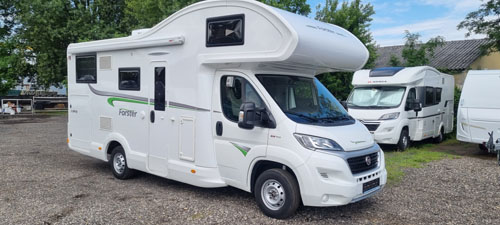
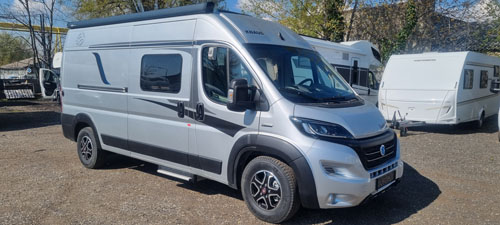
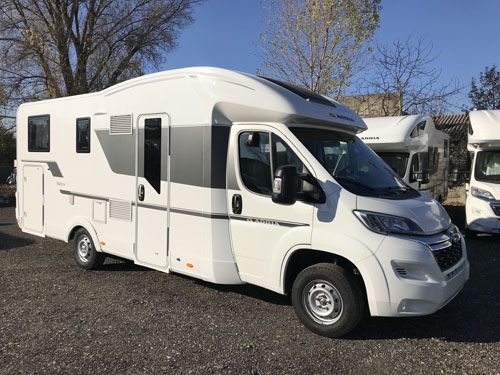
For a comfortable and manageable RV experience in Hungary, a Class SI (Semi-integrated) RV, typically around 6.9 meters in length, offers an excellent balance of amenities and maneuverability. These vehicles handle Hungary's well-maintained motorways and many secondary routes with ease. Alternatively, a Class B (Camper Van) model, averaging 5.8 meters, is ideal for those prioritizing ease of driving, city access, and simpler parking, while still providing essential living amenities for a couple or solo traveler. Larger motorhomes, such as Class C (Alcove) RVs (average 7.5m) or Class A (Integrated) RVs (also around 7.5m), are also suitable for Hungary's main roads and provide greater living space for families or longer, more extended road trips. The choice depends on your travel style and group size.
Should I Choose a Compact Van Instead of a Large RV in Hungary?
While a compact camper van, like a Class B model (averaging 5.8 meters), offers superior maneuverability and easier parking in tighter urban spots, larger RVs are generally manageable on Hungary's main roads without significant issues. Compact vans are certainly advantageous if your itinerary heavily features frequent city center visits, navigating narrow village streets, or exploring more remote, less-paved areas. However, for more extensive travel across Hungary, the added interior space, dedicated amenities (like a private bathroom and kitchen), and overall comfort of a larger RV often outweigh the minor challenges of maneuverability, as the primary road network is well-suited for all RV sizes. For ideas you can prep on the road, watch our RV-friendly recipes playlist on YouTube.
Can I Park Anywhere? Free & Wild Camping Rules in Hungary
Wild camping and unregulated overnight parking outside of designated campsites are generally prohibited in Hungary. While enforcement can vary, especially in more remote areas, fines can be imposed. Therefore, it is safest and most recommended to utilize official facilities for overnight stays. Established campsites offer a range of amenities, and private motorhome parks (known as 'stellplatz') are also a good option. For a more unique experience, consider seeking permission from private landowners for overnight stays or exploring smaller, less conventional 'stellplatz' options that often provide a more authentic feel. Always check local regulations and obtain necessary permissions before parking overnight to ensure compliance with local laws.
Can I Drive an RV Into the City Center? Heights, Tunnels & Local Signage
Yes, you can generally drive an RV into most Hungarian city centers, although finding suitable parking for larger vehicles can be a challenge. It is crucial to pay close attention to all local signage, especially for height limits in underpasses or parking garages, and for weight restrictions that may apply to certain bridges. Be aware of potential environmental zones in larger cities, which might restrict certain vehicle types or require specific permits for entry. In cities like Budapest, navigating the inner city and securing parking for a larger RV often requires careful planning; consider parking on the outskirts and utilizing excellent public transport systems to explore the city center.
How Much Does an RV Trip to Hungary Cost?
The overall cost of an RV trip to Hungary is influenced by several factors, including the RV rental fees, fuel consumption (e.g., a Class SI RV typically uses 10-11 L/100km), mandatory e-Matrica tolls, and your preferences for camping. Camping fees can range from €15-€25 per night for basic sites to €30-€50+ per night for well-equipped campgrounds with full services. Food expenses vary significantly; purchasing groceries offers budget-friendly options, while dining out can range from affordable street food like lángos (€5-€10) to mid-range restaurants (€20-€40 per person). Budget also for attractions, such as entry fees for popular thermal baths (€15-€30), national park permits, and other activities. Always include a contingency fund for unexpected expenses like minor repairs, parking fines, or spontaneous purchases to ensure a stress-free journey.
Is RV Travel Safe in Hungary? Safety Tips
RV travel in Hungary is generally safe, but as with any travel, vigilance is advised, particularly against petty theft in crowded tourist areas or at unsecured parking spots. Always lock your rental RV, close all windows when unattended, and consider using an alarm system or immobilizer for added security; avoid leaving valuables visible inside the vehicle. To minimize risks, park overnight in well-lit, designated campsites or secure RV parks. Keep local emergency contacts, including your rental company's roadside assistance number and the general emergency number (112), readily accessible. Familiarize yourself with basic breakdown procedures, such as safely pulling over to the shoulder and using warning triangles and safety vests when exiting the vehicle.
What are Off-the-Beaten-Path RV Destinations in Hungary?
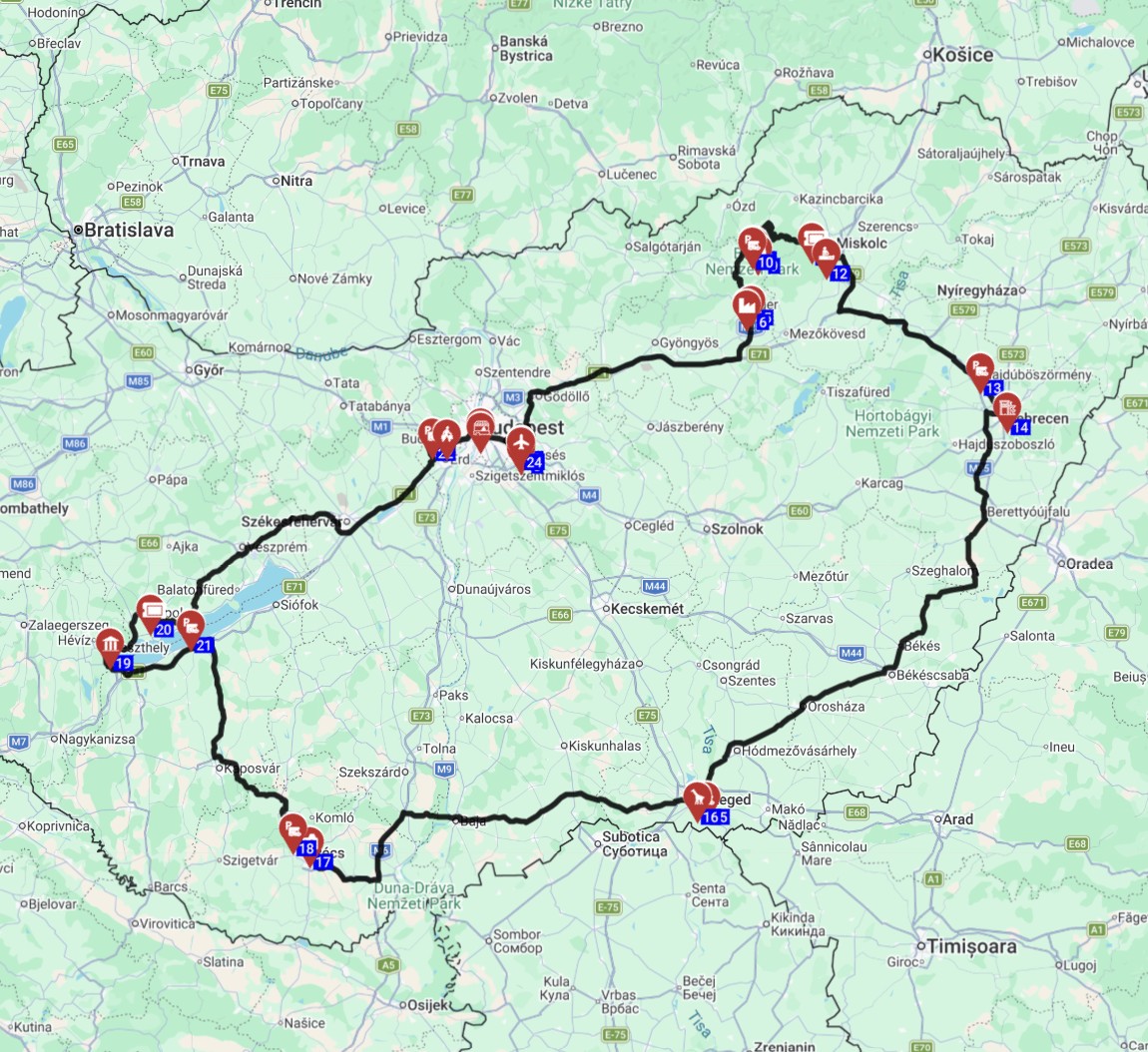
For a more unique RV adventure in Hungary, explore destinations beyond the usual tourist circuits. Consider visiting Hortobágy National Park, a UNESCO World Heritage site renowned for its unique Puszta landscape, traditional horsemen (csikós), and rich birdlife—perfect for RV camping and experiencing living traditions. The Tokaj Wine Region, another UNESCO treasure, invites RV travelers to discover its historic vineyards, sample world-renowned sweet wines, and explore charming cellars. Venture into the northern mountains to visit the historic city of Eger, with its castle and thermal baths, then explore the hiking trails of Bükk National Park. In southern Hungary, Pécs offers a vibrant cultural experience with Roman ruins and Ottoman mosques, boasting a Mediterranean ambiance. Don't overlook smaller, lesser-known thermal baths like those at Egerszalók or the unique thermal lake of Hévíz for an authentic relaxation experience easily reached by RV.
How Can I Experience Hungarian Culture with an RV?
Your rented RV provides the perfect mobile base to dive into Hungarian culture. Utilize its flexibility to visit local markets (Piac) in smaller towns, where you can find fresh produce, artisan goods, and authentic Hungarian street food like the delicious lángos. Learning a few essential Hungarian phrases, such as 'Jó napot!' (Good day) and 'Köszönöm' (Thank you), will significantly enhance your interactions with locals and enrich your experience. Observe local etiquette; a firm handshake is customary for greetings, and tipping in restaurants is generally appreciated. Seek out regional festivals—whether wine harvests, folk music celebrations, or gastronomy fairs—to gain deeper cultural insights. For a true taste of local life, dine at traditional Hungarian eateries (csárda) in rural areas to savor authentic dishes like hearty goulash, flavorful pörkölt, or traditional halászlé (fisherman's soup).
Can I Visit Neighboring Countries with a Hungarian RV Rental?
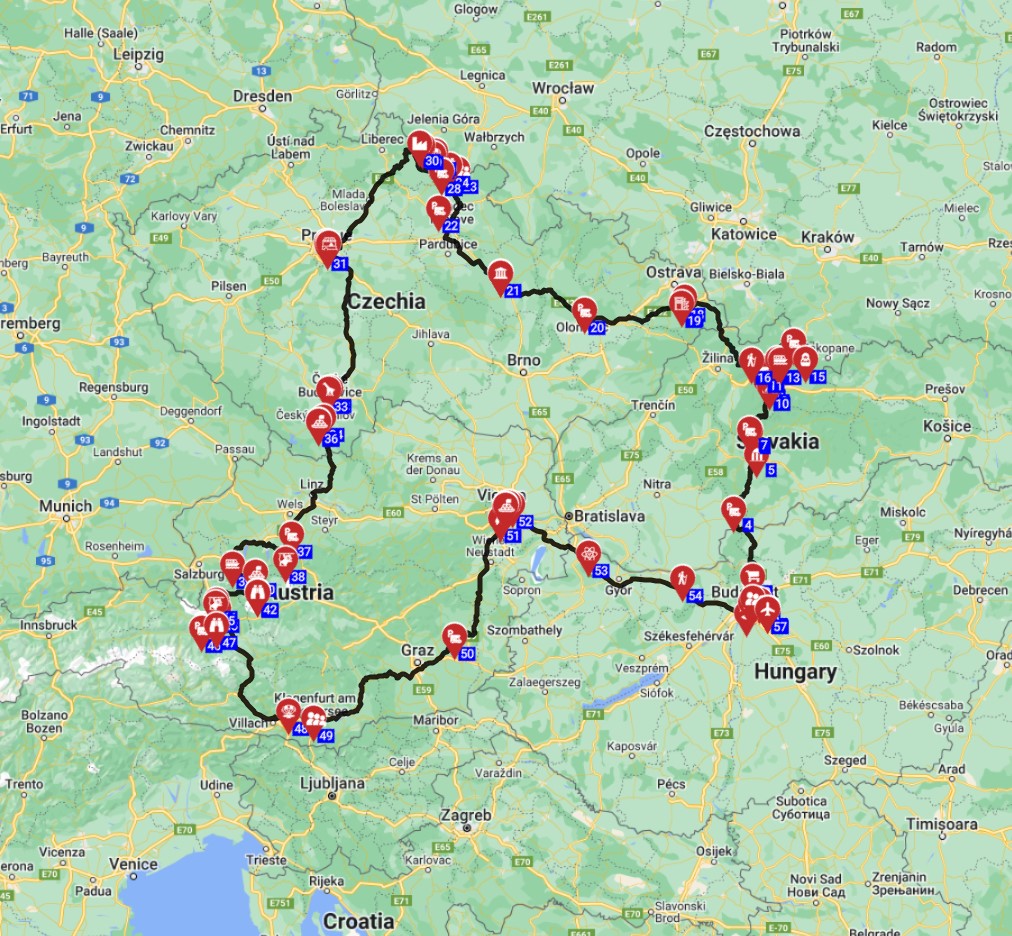
Yes, most Hungarian RV rental companies, including Bandana, typically permit cross-border travel into neighboring countries like Austria, Slovakia, Croatia, or Romania. However, it is crucial to confirm this permission with your specific rental agreement and potentially declare your travel plans in advance. Ensure all required documentation, including passports, driving licenses, IDPs (if applicable), vehicle registration, and international insurance papers (Green Card), are in order for each country you intend to visit. Research and comply with the unique road regulations and vignette requirements for every country on your itinerary. Popular multi-country routes often combine Hungary with a scenic tour of Austria and Slovakia, or extend south to the stunning Croatian coast. While Schengen borders are generally open, be prepared for occasional passport or vehicle checks at any border crossing.
Is Hungary RV-Friendly for Digital Nomads?
Hungary is increasingly becoming an RV-friendly destination for digital nomads, offering accessible connectivity options and diverse landscapes from which to work remotely, although consistent high-speed internet can vary in very remote areas. Purchasing a local SIM card from providers like Telekom, Vodafone, or Yettel is highly recommended for affordable and reliable mobile data, which you can use to create a personal Wi-Fi hotspot within your RV. Public Wi-Fi is also available in many campsites, cafés, and major city centers, providing supplementary connectivity. While dedicated co-working spaces are primarily concentrated in Budapest, some larger RV parks may offer communal areas with good signal strength. Ensuring your RV's power system can adequately support your devices, or opting for campsites with electrical hookups, will guarantee continuous power access for your work needs.
Are There Accessible RV Rentals for Disabled Travelers in Hungary?
Specialized accessible RV rentals designed for travelers with disabilities are available in Hungary, but their availability may be more limited compared to some Western European countries. It is highly recommended to contact Bandana RV directly and well in advance of your travel dates to inquire about specific vehicle modifications or models that can accommodate accessibility needs, such as wheelchair lifts, wider doorways, or adapted bathrooms. When planning your itinerary, research campsites and attractions for their accessibility features, including accessible bathroom facilities and paved pathways, to ensure a smooth and enjoyable trip. Prioritizing routes with flatter terrain will also contribute to a more comfortable journey.
What You Shouldn't Miss
- Explore Budapest's Thermal Baths: Beyond the famous Széchenyi or Gellért, discover less crowded, unique baths like the cave bath in Miskolctapolca or the thermal lake at Hévíz, easily accessible with your RV.
- Drive the Danube Bend: This scenic route north of Budapest offers charming towns like Szentendre and Visegrád, perfect for leisurely RV exploration with ample parking and picturesque views.
- Wine Tasting in Tokaj: Follow the Tokaj wine route, stopping at historic cellars and vineyards. Many wineries offer RV parking, allowing you to savor Hungary's famed sweet wines right from your mobile base.
- Experience the Puszta at Hortobágy: Camp near Hortobágy National Park to witness the csikós (horsemen) and explore Europe's largest natural grassland by RV, immersing yourself in traditional Hungarian life.
- Discover Eger's Castle and Wine Cellars: Visit the historic city of Eger, explore its castle, and then delve into the Szépasszony Valley, famous for its numerous wine cellars carved into tuff rock, often with convenient RV parking.
- Enjoy Lake Balaton's Shores: Circumnavigate Hungary's "sea" by RV, stopping at charming lakeside towns, vineyards, and enjoying the relaxed atmosphere. Numerous well-equipped campsites line the shores.
Final Thoughts
Renting an RV in Hungary opens up a world of exploration, allowing you to traverse its diverse landscapes and rich cultural tapestry at your own pace. From the bustling streets of Budapest to the tranquil plains of the Puszta, an RV offers the freedom and comfort to truly immerse yourself in the Hungarian experience. With careful planning and adherence to local regulations, your motorhome adventure promises to be both relaxing and incredibly rewarding.
Remember to embrace the spirit of slow travel; max out your enjoyment by traveling no more than 100-150 km per day on average. Take the time to truly feel the place, connect with the culture, savor the local food, and appreciate the stunning scenery. We're here to support your journey every step of the way, ensuring your Hungarian RV adventure is everything you dreamed it would be.
Ready to embark on your Hungarian road trip? Compare RV rental prices and discover the perfect motorhome for your adventure. Compare Hungary RV Rental Prices Now!