In This Guide
- Can You Drive an RV in East Canada? License & Age Rules
- Road Conditions & Terrain in East Canada
- RV Size Limits, Bridges & Restricted Zones
- Fuel: Diesel vs. Petrol & Cost per 100 km
- Tolls, Vignettes & Border Rules
- Driving Tips for RV Rental Travelers
- Recommended RV Class for East Canada Roads
- Should I Choose a Compact Van Instead of a Large RV in East Canada?
- Can I Park Anywhere? Free & Wild Camping Rules in East Canada
- Can I Drive an RV Into the City Center? Heights, Tunnels & Local Signage
- Can Americans RV in Canada?
- Do you need a different license to drive an RV in Canada?
- Can you walk around in a motorhome while driving in Canada?
- Where can I camp with my RV in Eastern Canada?
- What is the 3-3-3 rule for RV travel?
- What do you need to enter Canada with an RV?
- How much is RV insurance in Canada?
- Who has the cheapest RV insurance rates?
- Do you need RV insurance in Ontario?
- What You Shouldn't Miss
- Why Book with Bandana Caravan
- Final Thoughts
- Frequently Asked Questions
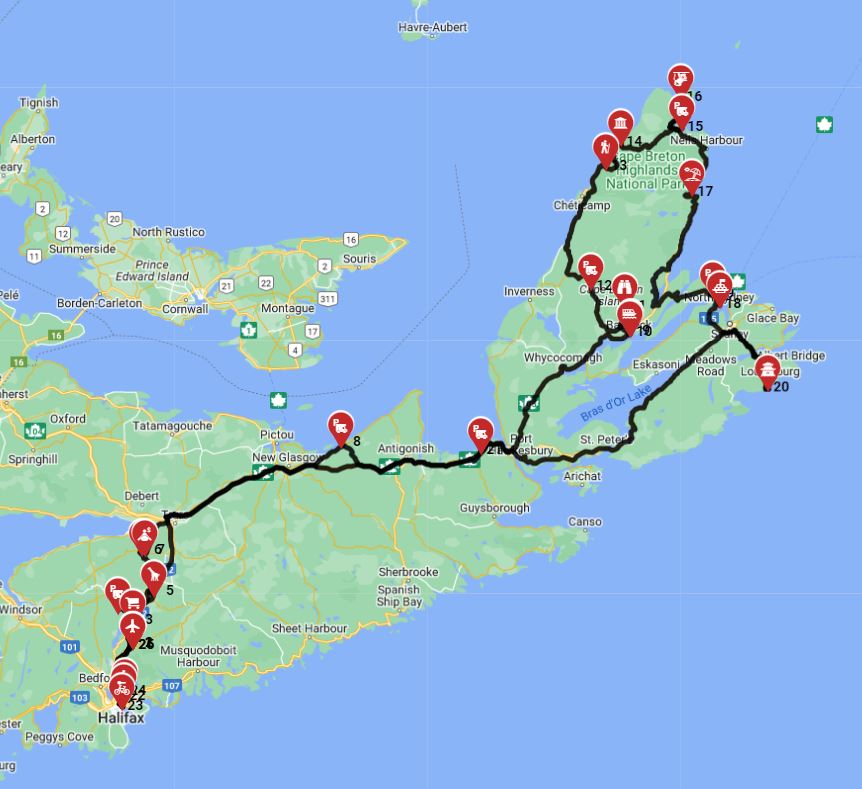
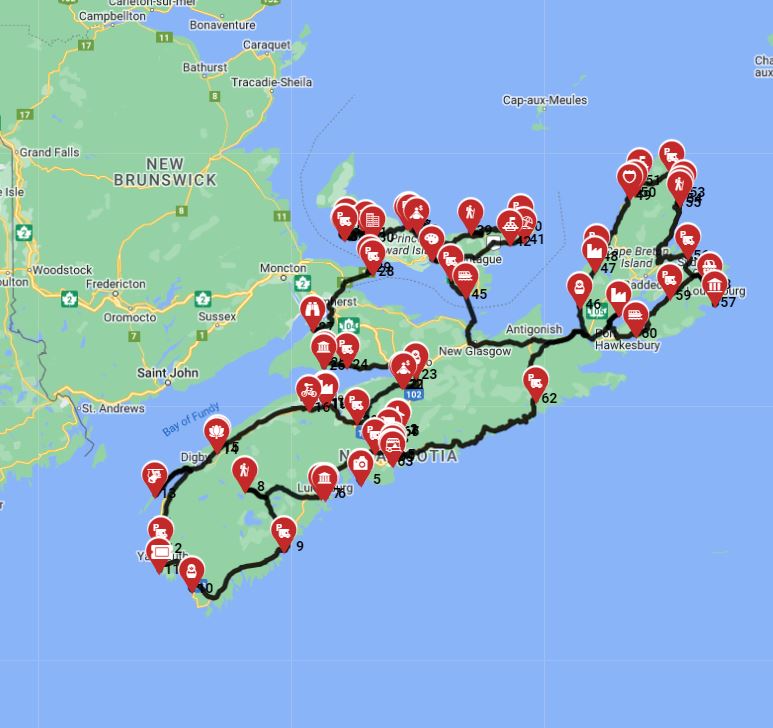
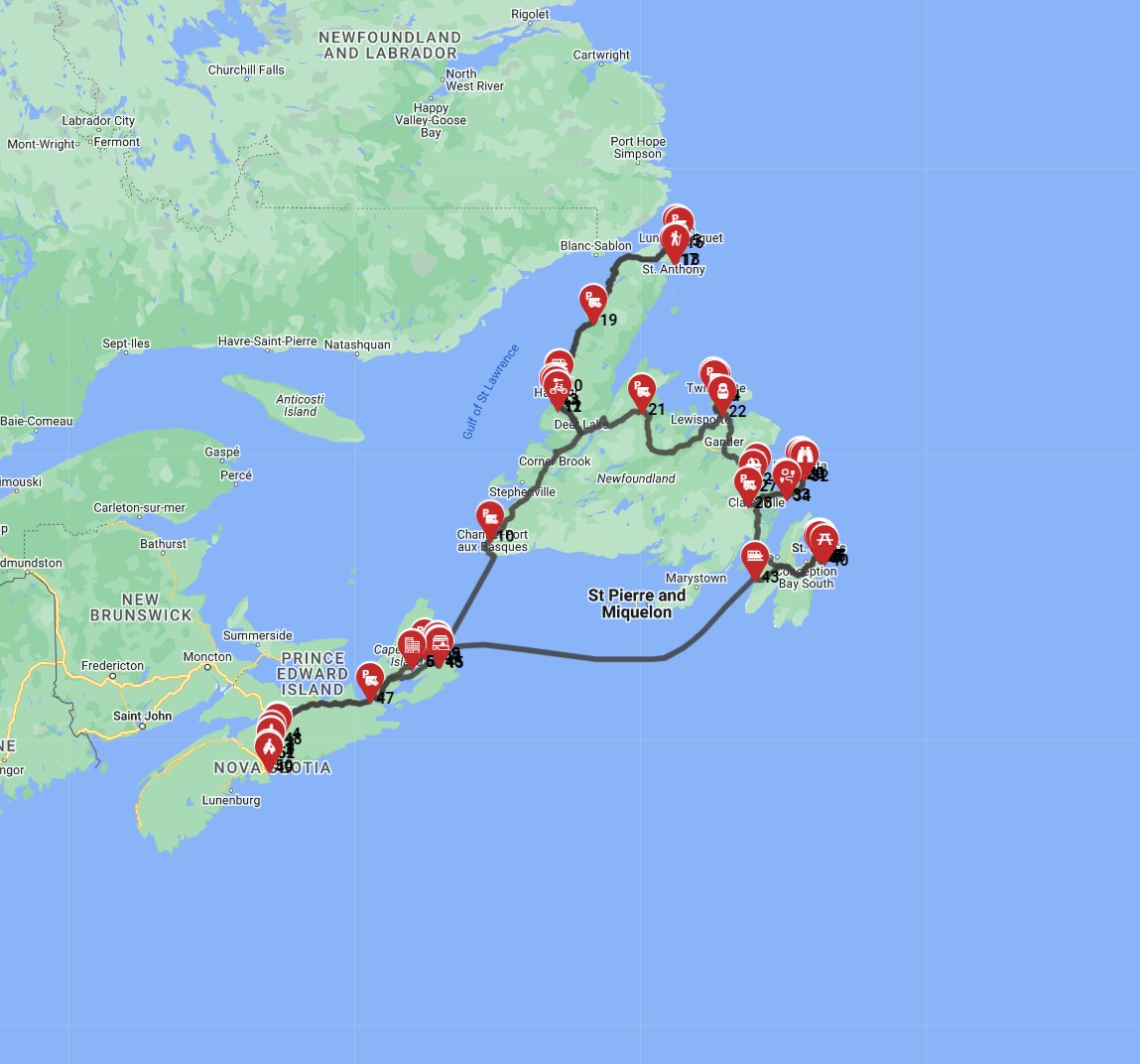
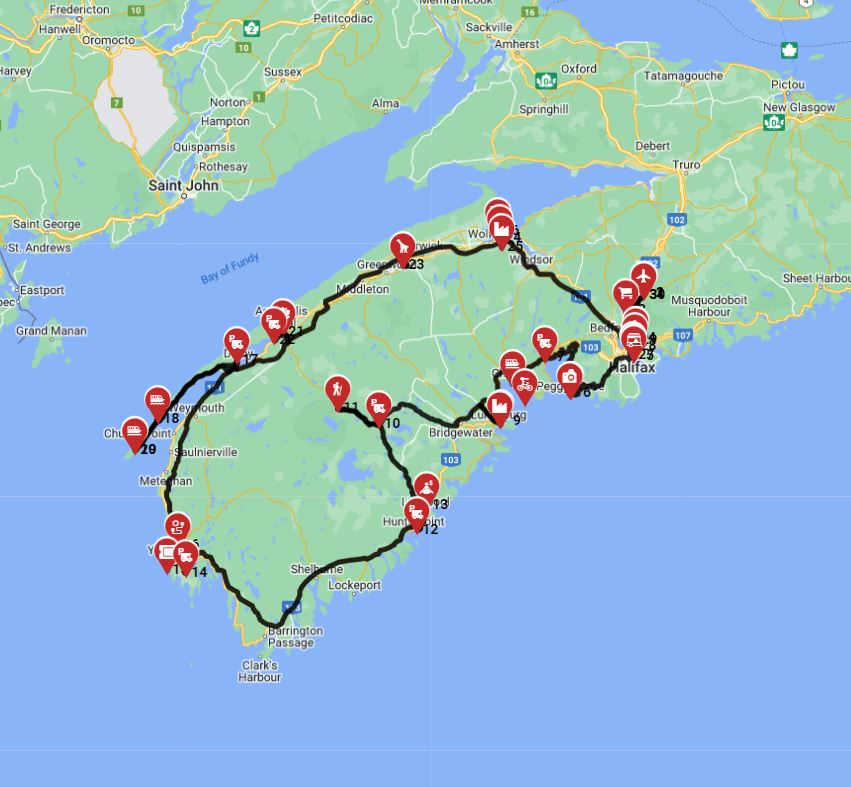
Embarking on a rented RV adventure through East Canada promises a journey filled with breathtaking coastal scenery, charming historic towns, and vast wilderness. This region, encompassing provinces like Quebec, New Brunswick, Nova Scotia, Prince Edward Island, and Newfoundland & Labrador, is perfectly suited for exploration by motorhome or campervan. Our RV Rental East Canada - Complete Guide 2026 provides comprehensive insights to help you plan your ideal trip, from understanding local driving regulations to discovering the best campsites. As true RV specialists, we at Bandana RV love helping people discover the freedom of the open road, ensuring your Eastern Canadian adventure is as smooth and enjoyable as possible, right from your initial booking inquiries.
Can You Drive an RV in East Canada? License & Age Rules
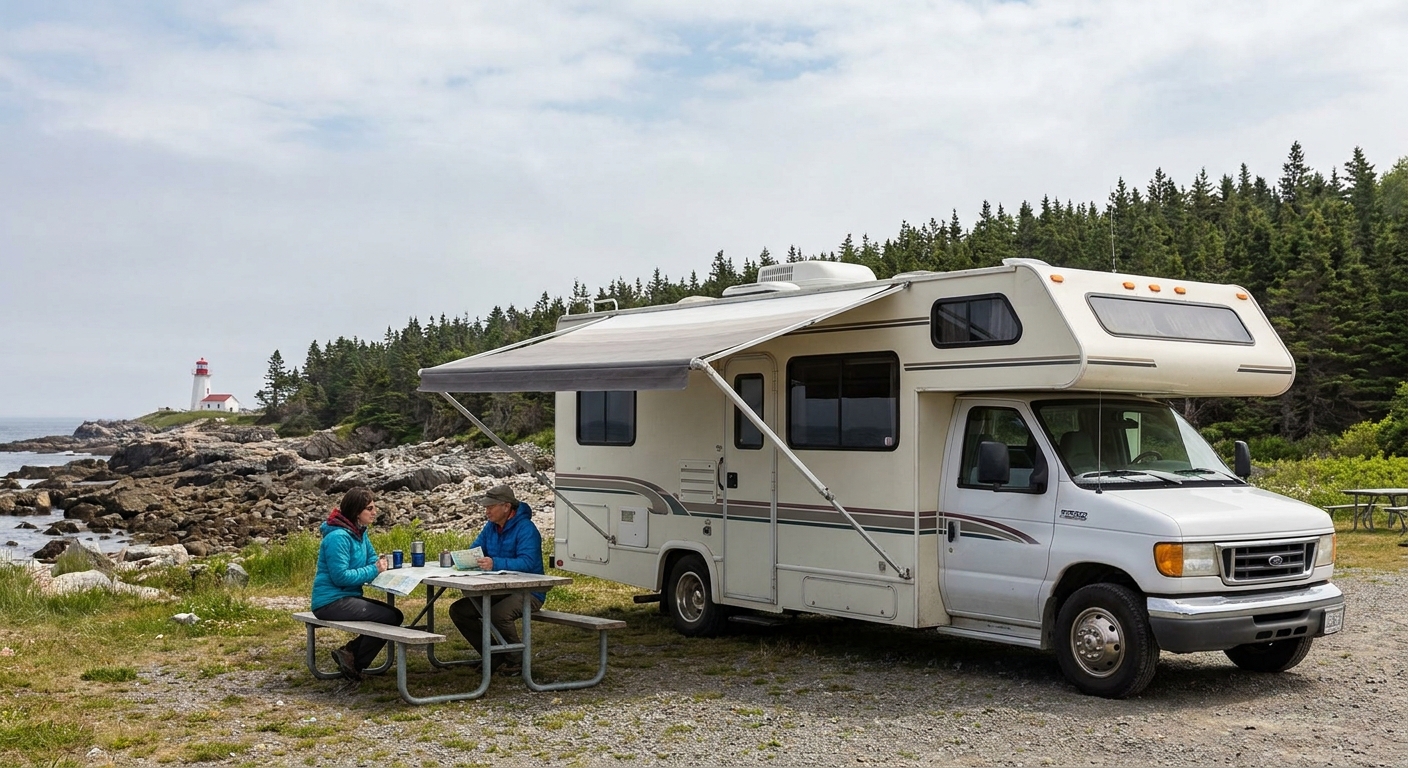
Yes, most standard Class B campervans and Class C motorhomes in East Canada can be driven with a regular, valid driver's license from your home country, provided it is equivalent to a Canadian Class 5 license and the RV's Gross Vehicle Weight Rating (GVWR) is under 11,000 kg (24,250 lbs). For foreign drivers, an International Driving Permit (IDP) is highly recommended, though often not legally required if your license is already in English or French; it serves as a valuable translation and official endorsement for smooth travel. The minimum driver age for RV rentals typically starts at 21 years with Bandana RV, and we are proud to offer rentals without any young driver surcharges or vehicle class restrictions based on age, making RV travel accessible for younger adventurers.
Specific license categories beyond a standard car license (e.g., Class 2, 3, or 4 for much heavier commercial vehicles) are generally not required for the common rental motorhomes you'll find through our platform. Always ensure your driver's license is valid for the entire rental period and that you meet the specific age requirements set by the individual rental company. We handle the details and guide you through supplier-specific rules, so you can focus on the journey. For travelers considering cross-border adventures, our "RV Rental USA - Complete Guide 2026" also offers helpful information about regulations in the United States.
Road Conditions & Terrain in East Canada
East Canada offers a diverse range of road conditions, from well-maintained provincial highways, excellent for all RV sizes, to scenic coastal routes and occasionally unpaved gravel roads leading to remote campgrounds or attractions. Terrain varies from the rolling hills and agricultural lands of the Maritimes to the more rugged, mountainous landscapes of parts of Quebec and Newfoundland, requiring mindful driving. While most main routes are excellent for motorhome travel, expect narrower roads, sharper curves, and steeper inclines in historic towns and national parks. Driving a rented RV in East Canada encourages a slower, more scenic pace, allowing travelers to fully appreciate the picturesque coastal views, charming villages, and vast wilderness.
We always recommend slow travel, aiming for a maximum of 100-150 km per day on average, so you can truly take time to feel the place, connect to the culture, the food, and the scenery. This approach is particularly rewarding in East Canada, where every turn can reveal a new vista or a charming community. Whether you choose a Class SI - Semi-integrated RV or a comfortable Class C - Alcove motorhome, you'll find the roads manageable with common sense and attention.
RV Size Limits, Bridges & Restricted Zones
East Canada generally accommodates rented RVs of all sizes on major routes, but drivers should always be aware of potential height and weight restrictions, particularly in historic urban centers, some national parks, and on older bridges. Many provincial park campgrounds and older town centers may have narrower access roads or limited parking for larger motorhomes; checking ahead, perhaps with an RV-specific GPS, is always a good idea. Height clearances are common for underpasses and tunnels in cities, though major highways are designed for commercial traffic, including large vehicles. Drive slowly and carefully, and you can drive almost anywhere without issues. No need to stress - just use common sense and pay attention.
When planning to use ferries, especially to destinations like Prince Edward Island or Newfoundland, be aware of length and weight surcharges and ensure your RV meets specific ferry vehicle length limits. There are no widespread 'environmental zones' akin to European models, but some sensitive natural areas might have restricted vehicle access or require special permits; always heed local signage and check park regulations in advance. For more detailed insights on specific costs, our "One-Way RV Rental in East Canada - Price Guide 2026" and "RV Rental in East Canada - Prices and Best Deals 2026" articles provide further budgeting information, including potential ferry fees. On the routes offered through RV PLANET routes, you can itemize and track every expense along the way for easy budgeting.
Fuel: Diesel vs. Petrol & Cost per 100 km
Most rental RVs in East Canada, including Bandana's typical fleet from partners like El Monte and Cruise America, primarily run on petrol (gasoline) fuel, which is widely available across the region, especially at larger service stations. Some modern Class B campervans may use diesel, but petrol is more common for Class C and Class A motorhomes. Bandana's Class SI - Semi-integrated RVs typically consume 10-11 Liters/100 km, while Class C - Alcove models average 10-12 Liters/100 km. More compact Class B - Camper Vans are generally more fuel-efficient, averaging 8-10 Liters/100 Km, and larger Class A - Integrated RVs typically use 11-12 Liters/100 Km. Fuel costs in East Canada fluctuate, but budgeting for an average cost per 100 km (calculated by fuel price multiplied by consumption rate) is crucial; expect prices to be slightly higher in remote areas or on islands like Newfoundland.
To help manage these variable expenses, RV PLANET routes include tools that allow travelers to itemize and track every expense along the way for easy budgeting. This full transparency ensures no surprises during your adventure. While rental companies don't typically offer fuel discount cards, planning your refueling stops in advance using a good navigation app can help you find more competitive prices. This also applies to other ancillary costs like propane and campground fees; having a clear budget and tracking expenses through RV PLANET routes is invaluable.
Tolls, Vignettes & Border Rules
Tolls are present on several major routes in East Canada, notably sections of Highway 407 ETR in Ontario (electronic-only, requiring a transponder or incurring plate fees), the iconic Confederation Bridge to Prince Edward Island (a departure toll of approximately $50.25 CAD), and some bridges and tunnels in Quebec (like Highway 30) and Nova Scotia (e.g., MacKay Bridge). There are no vignette systems like those found in parts of Europe; tolls are typically point-based or distance-based, and payment methods can vary from cash booths to electronic transponders. Ensure you understand how tolls are collected on your planned route.
When crossing the Canada-U.S. border with a rental RV, ensure you have your valid U.S. passport (or NEXUS card), the RV's registration (rental agreement), and any required declaration documents readily available. Rental companies like Apollo or Britz will provide the necessary vehicle documents. Be aware of customs regulations regarding prohibited items such as firearms (highly restricted), cannabis (even if legal in some U.S. states, it's illegal to cross borders with it), certain food items (e.g., fresh produce, meats), and excessive alcohol/tobacco. The '10-year rule' for temporary vehicle import generally allows U.S. RVs to enter Canada without special import procedures for typical tourist stays. Understanding customs regulations helps ensure a smooth entry into East Canada for your RV adventure.
Driving Tips for RV Rental Travelers
For an enjoyable RV trip through East Canada, planning your route thoroughly is essential. While the scenic beauty invites leisurely drives, pre-planning campground stops helps avoid stressful last-minute searches, especially for families during peak season. Always be acutely aware of your rented RV's height, width, and length, especially when navigating historic towns, gas stations, or low bridges; using a GPS with RV-specific settings, if available, can be incredibly helpful. Refuel regularly, as some stretches in remote parts of Quebec or Newfoundland can be long with limited services. For essential ferry routes like the Confederation Bridge to PEI or ferries to Newfoundland, booking well in advance is crucial, especially during peak season, and always be mindful of potential length surcharges.
Cell service can be spotty in wilderness areas, so consider downloading offline maps and having a communication plan for emergencies. East Canada has robust emergency services accessible via 911, so knowing your location is key. Remember to drive slowly and carefully; you can drive almost anywhere without issues, and there's no need to stress – just use common sense and pay attention. We're with travelers before, during, and after their booking, offering support and peace of mind. For inspiration on pre-planned routes that cover these practicalities, explore our RV PLANET routes for East Canada.
🎬 Video coming soon
Recommended RV Class for East Canada Roads
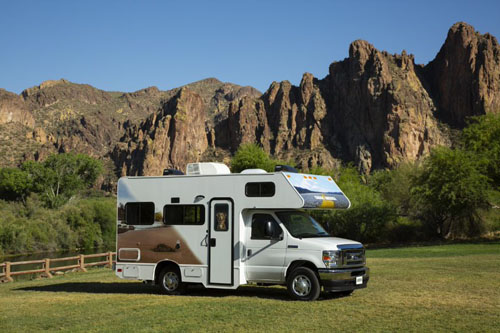
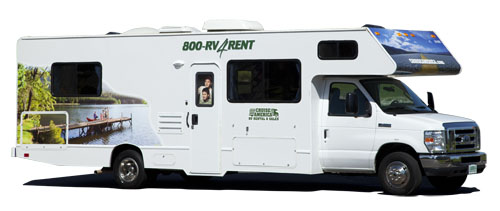
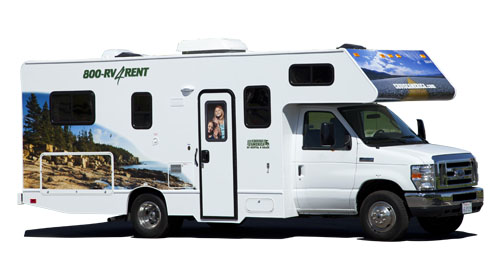
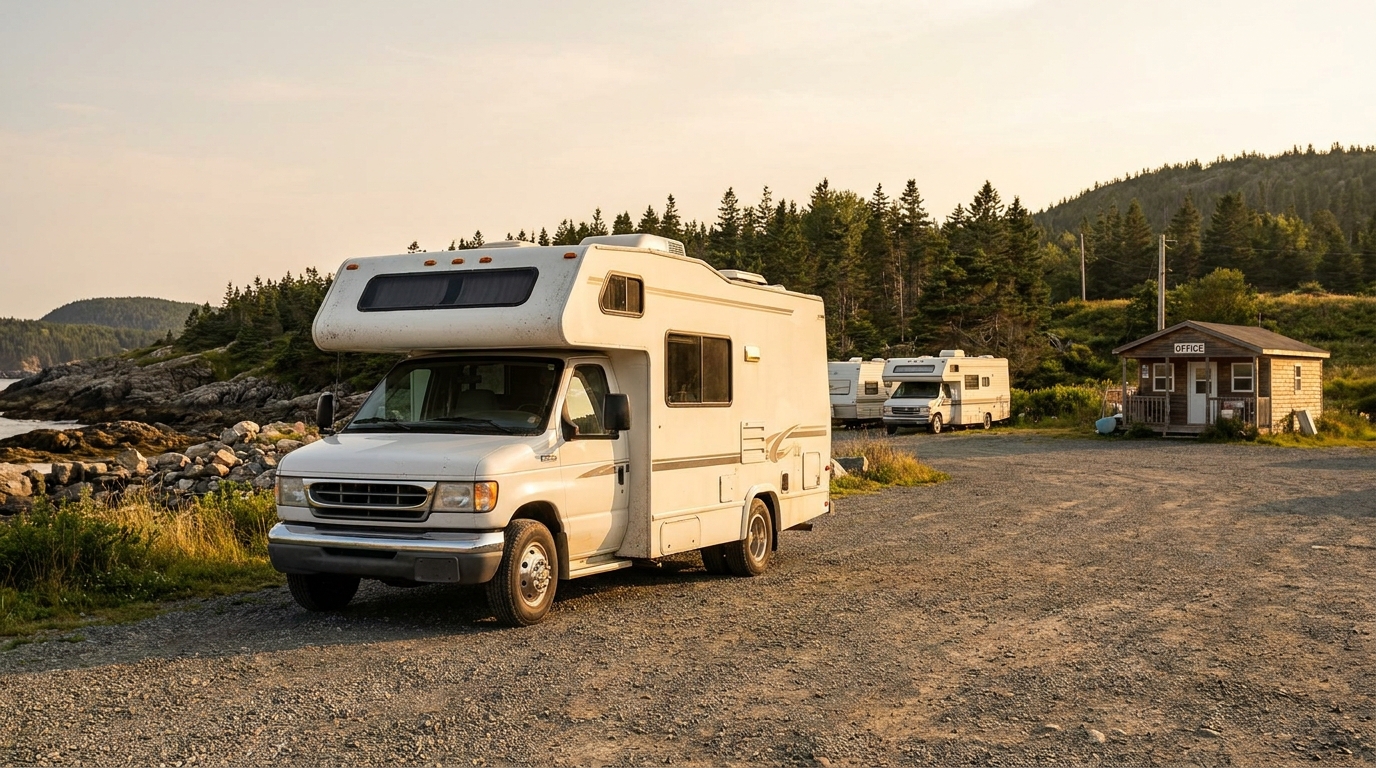
For East Canada's varied roads and charming destinations, Class SI - Semi-integrated RVs and Class C - Alcove RVs are highly recommended due to their excellent balance of comfort and maneuverability. Class SI - Semi-integrated RVs, like a '2 Berth Tamar' with an average length of 6.9 meters, sleeping up to 3.8 people, offer a more compact footprint while still providing ample living space. They are easy to handle on coastal routes and into smaller towns, perfect for couples or small families. Class C - Alcove RVs, such as the `cruise america rv rental example Explorer` (7.1 meters long, sleeping 4 people with a 160/220cm bed over the cab and a 163/210cm double bed) or a `MHC24` (7.3 meters long, sleeping 6), are ideal for families, providing generous indoor space and storage for longer trips without being overly cumbersome for most East Canadian roads. These classes provide sufficient ground clearance for most paved and well-maintained gravel roads leading to campgrounds and attractions, making them versatile choices for exploring the region.
For those prioritizing ultimate space and amenities, larger Class A - Integrated motorhomes are also available, such as a `Class A - Thor ACE 30` which is 9.37 meters long and sleeps 6-7 people. However, these larger vehicles require more careful navigation, especially on smaller provincial roads or in older town centers. Choosing the right size ensures your journey is comfortable and stress-free. Our comparison platform helps you compare various motorhome options for your specific trip, ensuring full transparency with no hidden fees.
Should I Choose a Compact Van Instead of a Large RV in East Canada?
While a compact campervan offers superior maneuverability and easier parking in tight urban centers or on very narrow, winding roads, a larger motorhome generally presents no significant driving issues on East Canada's main routes and offers substantially more comfort and indoor space. A Class B - Camper Van, such as the `DVC` (6.7 meters long, sleeping 2) or a `2 Berth Hi Top`, with an average length of 5.8 meters, is excellent for solo travelers or couples seeking agility for exploring historic cities like Quebec City or Halifax, where parking for larger vehicles can be challenging. These vans typically have basic kitchen facilities, offering flexibility for preparing meals on the go, and you can find many RV-friendly recipes in our RV-friendly recipes playlist.
However, for families or those planning longer week-long trips or two-week adventures, the added living space, larger kitchens with more burners and a bigger refrigerator (like the 170-liter fridge in the `rv rentals utah example Sunrise Escape`), and dedicated sleeping areas of a Class C or Semi-integrated RV often outweigh the minor maneuverability benefits of a compact van. These larger vehicles often come with more storage for luggage and outdoor gear, which is a significant advantage for extended road trips. The trade-off is typically between the convenience of a smaller vehicle for specific urban exploration versus the enhanced onboard amenities and living comfort of a larger RV for the broader East Canadian experience.
Can I Park Anywhere? Free & Wild Camping Rules in East Canada
Generally, free or 'wild' camping in East Canada is restricted and not permitted on public lands or private property without explicit permission; most overnight RV parking requires designated campgrounds or specific municipal allowances. Provincial parks and private campgrounds are the primary and safest options for overnight RV stays, offering amenities like hookups (water, electricity, sewer), dump stations, and enhanced security. Many national and provincial parks reserve only 25-30% of their spots in advance, with the rest available on a first-come, first-served basis. Reassurance is key here: you'll find a spot. If not at the first campground, then the next one. It's always a good idea to call ahead before driving a long distance.
Some municipalities or businesses (like certain Walmart stores, with explicit permission) may permit overnight parking for self-contained RVs, but this is not universal and should always be confirmed locally. Respect for private property and environmental regulations is paramount; illegal wild camping can result in fines and damage to natural areas. Rules vary significantly by region and specific jurisdiction - always check local regulations and follow local law before parking overnight, particularly in national parks or sensitive coastal areas. For finding campsites and campgrounds during your trip, we recommend using rvplan.net - a great resource for locating available spots along your route.
Can I Drive an RV Into the City Center? Heights, Tunnels & Local Signage
Yes, you can drive almost any rented RV size in cities across East Canada without issues. Drive slowly and carefully, and you can drive almost anywhere without issues. No need to stress - just use common sense and pay attention to local signage, especially regarding height limits, tunnels, low bridges, and specific parking restrictions. Major cities like Montreal, Quebec City, Halifax, and St. John's have historical areas with narrower streets and older infrastructure where height and width restrictions might apply to specific routes or parking garages. Always be vigilant for signs indicating maximum vehicle height, particularly before entering underground parking structures or approaching older underpasses. We never discourage driving any RV size in cities.
Environmental zones are not a widespread concern in East Canadian cities, but some areas might have residents-only parking or restricted access during specific hours; local bylaws should be respected. Planning your route in advance and using a GPS with RV-specific routing capabilities can help navigate potential restrictions and find appropriate parking. Remember, the journey is as important as the destination, and navigating city centers in your motorhome is part of the adventure!
Can Americans RV in Canada?
Yes, Americans can absolutely RV in Canada, provided they meet standard entry requirements, carry necessary documentation, and adhere to Canadian vehicle and customs regulations. Essential documents for border crossing include a valid U.S. passport for each traveler, the RV's registration, and proof of insurance. If you are renting an RV from a Canadian supplier, a copy of your rental agreement and a letter of authorization from the rental company permitting cross-border travel are crucial. Be prepared to declare all items, including food, alcohol, tobacco, and any pets, ensuring no prohibited items (like firearms or certain cannabis products) are brought across the border.
The '10-year rule' for temporary vehicle import generally applies to vehicles registered for personal use, allowing U.S. RVs to enter Canada without special import procedures for typical tourist stays. Understanding customs regulations helps ensure a smooth entry into East Canada for your RV adventure. For broader travel insights, our "RV Rental USA - Complete Guide 2026" also provides useful cross-border information. At Bandana RV, we partner with leading RV suppliers worldwide, including those with extensive cross-border experience, to ensure your journey is seamless.
Do you need a different license to drive an RV in Canada?
For most common rental RVs in Canada, including Class B campervans, Class C motorhomes, and Class SI semi-integrated models, a standard driver's license from your home country (equivalent to a Canadian Class 5) is sufficient, as long as the RV's Gross Vehicle Weight Rating (GVWR) is under 11,000 kg. This means American drivers with a valid state-issued driver's license are generally permitted to operate rental RVs without needing a commercial or specialized license. An International Driving Permit (IDP) is not legally required if your foreign license is in English or French, but it is strongly recommended as a universally recognized translation and official endorsement for smooth travel, especially in Quebec where French is the primary language. Specific licenses, such as those for air brakes or much heavier vehicles (over 11,000 kg GVWR), are typically only required for very large commercial RVs or those exceeding standard weight limits. For detailed license requirements, please refer to the "Can You Drive an RV in East Canada? License & Age Rules" section above.
Can you walk around in a motorhome while driving in Canada?
No, passengers are legally prohibited from walking around or standing in a motorhome or campervan while it is in motion on Canadian roads; all occupants must be properly seated and secured with seatbelts. This regulation applies to all provinces in East Canada and is a critical safety measure to prevent injury in the event of sudden stops, turns, or collisions. Children must be in appropriate car seats or booster seats as per provincial regulations, which are generally similar to those in the United States and vary by age and weight. Failure to comply with seatbelt laws can result in significant fines for both the driver and unbelted passengers, emphasizing the importance of safety during your road trip. Ensure all passengers are buckled up before departing and remain seated until the RV is safely parked at your chosen destination.
Where can I camp with my RV in Eastern Canada?
East Canada offers a wealth of diverse camping options for rented RVs, primarily within well-equipped provincial parks, national parks, and privately owned campgrounds. Popular choices include Parks Canada campgrounds (e.g., Fundy National Park, Cape Breton Highlands National Park), which often require advance reservations, especially in peak season (July and August). Provincial parks across Quebec, New Brunswick, Nova Scotia, Prince Edward Island, and Newfoundland & Labrador provide numerous sites with varying amenities from basic (pit toilets, no hookups) to full hookups (water, electricity, sewer). Privately run RV parks and resorts offer a wider range of services, often including laundromats, pools, and recreational activities, catering to those seeking more comfort during their week-long trip or two-week adventure. Many national and provincial parks reserve only 25-30% of their spots, leaving the majority available first-come, first-serve.
For finding campsites and campgrounds during your trip, we recommend using rvplan.net - a great resource for locating available spots along your route. You'll find a spot. If not at the first campground, then the next one. Always call ahead before driving a long distance, especially when visiting popular areas like the Cabot Trail or during local festivals. Always adhere to local rules regarding overnight parking, as free or 'wild' camping is generally not permitted on public lands without explicit permission. For detailed route plans that include recommended campgrounds, check out RV PLANET (rvplan.net) which has over 1,300 pre-planned routes across 5 continents, including many for East Canada.
What is the 3-3-3 rule for RV travel?
The '3-3-3 rule' for RV travel is a widely recommended guideline to ensure safe, enjoyable, and less stressful road trips, particularly for new RVers, emphasizing manageable daily travel distances and adequate rest. The rule suggests: 1) Drive no more than **300 miles (approximately 480 km)** in a single day, preventing driver fatigue and allowing for scenic stops without feeling rushed. 2) Arrive at your campsite by **3 PM**, giving you ample daylight to set up camp, explore the immediate area, and relax before dusk, allowing time to cook a delicious meal in your RV's kitchen. You can find inspiration in our RV-friendly recipes playlist. 3) Stay at least **3 nights** in one location, reducing the frequency of packing up and setting up, allowing for deeper exploration of an area, and truly experiencing the destination's culture and scenery. While a guideline, adhering to the 3-3-3 rule helps minimize stress, prevents rushing, and maximizes the enjoyment of your East Canada RV adventure. It perfectly aligns with our recommendation for slow travel, averaging 100-150 km per day.
What do you need to enter Canada with an RV?
To enter Canada with a rented RV, you will primarily need a valid passport or NEXUS card for each traveler, the RV's registration documents, and proof of vehicle insurance. If you are renting an RV, a copy of your rental agreement and a letter of authorization from the rental company permitting cross-border travel are crucial. Customs officials will also require you to declare all goods, including any food, alcohol, tobacco, and pets; be prepared for questions regarding your itinerary and the purpose of your visit. For pets, you'll need proof of rabies vaccination and potentially other health certificates, depending on the animal and country of origin, so check the Canadian Food Inspection Agency website for the latest requirements.
Prohibited items include firearms (unless declared and specific conditions met, which is rare for tourists), cannabis products (even if legal in some U.S. states), certain fresh produce, and excessive amounts of alcohol or tobacco beyond personal limits. Be transparent and honest in your declarations to ensure a smooth border crossing. Bandana RV's partners, such as El Monte and Cruise America, will provide comprehensive documentation to ensure a hassle-free experience.
How much is RV insurance in Canada?
The cost of RV insurance in Canada varies significantly based on factors such as the type and value of the RV, your driving record, and the coverage selected. For non-Canadian renters, the rental company typically includes basic liability and collision insurance as part of the rental agreement, with options for purchasing additional coverage or deductibles. It's crucial to review the rental agreement carefully to understand what is covered and what your financial liability would be in case of an accident or damage. We advocate for full transparency, so you'll always know what you're paying for.
Personal auto insurance policies or credit card travel insurance may offer some supplementary coverage, but it's essential to confirm if this extends to RV rentals in Canada and what limitations apply. Generally, expect rental insurance costs to be integrated into the overall rental price, with clear options for deductible reduction or enhanced protection plans at an additional daily rate. Bandana RV helps you compare these options across suppliers, allowing you to upgrade to a top-level deductible for extra peace of mind during your adventure. This ensures you travel with confidence, knowing you're fully supported.
Who has the cheapest RV insurance rates?
Determining who offers the 'cheapest' RV insurance rates is highly individual and depends heavily on specific circumstances and the chosen rental period, making direct comparisons challenging without a personalized quote. Prices for RV rentals, including associated insurance, are dynamic like flight tickets-they change daily based on availability, seasonality, and supplier marketing decisions. The final price is set at the actual booking time. For RV rentals in East Canada, the most practical approach is to compare the insurance packages offered directly by various rental companies (such as Apollo, Britz, and El Monte) through a comparison platform like Bandana RV. We help you easily see what's included and what's extra, comparing final prices across suppliers so what you see is what you pay, with no surprise fees at pickup.
While external insurers may offer policies for privately owned RVs, foreign renters typically rely on the comprehensive coverage provided or facilitated by the rental agency. Always prioritize adequate coverage and transparent terms over the absolute lowest price to ensure comprehensive protection during your week-long trip through East Canada. Our true RV specialists are here to support you in finding the right balance of cost and coverage for your unique travel plans.
Do you need RV insurance in Ontario?
Yes, like all motor vehicles operating on public roads in Ontario, rented RVs are legally required to have valid insurance, specifically liability coverage, as mandated by the province's Compulsory Automobile Insurance Act. For privately owned RVs, this means purchasing a dedicated RV insurance policy from a licensed insurer, covering third-party liability, accident benefits, and potentially comprehensive/collision coverage. For rental RVs in Ontario (and across East Canada), the rental company provides the necessary base insurance, which is included in the rental cost or offered as an add-on, fulfilling this legal requirement. It is always advisable to understand the extent of this included coverage and consider purchasing supplementary protection or a deductible reduction waiver for peace of mind.
Driving without valid insurance in Ontario can result in severe fines, license suspension, and vehicle impoundment, making it a critical aspect of your RV travel planning. Bandana RV works with reputable suppliers who ensure all vehicles meet provincial insurance requirements, offering you clear options for enhanced protection like a top-level deductible. We handle the details, so you can focus on living the journey without worry.
What You Shouldn't Miss
- **Explore the Cabot Trail (Nova Scotia):** This iconic 298 km (185 mile) scenic highway on Cape Breton Island offers dramatic coastal views, hiking trails, and charming fishing villages. Allocate at least 3-4 days to fully experience its beauty, connecting with local Celtic culture and seafood.
- **Discover the Bay of Fundy (New Brunswick & Nova Scotia):** Witness the world's highest tides, rising and falling up to 50 feet twice daily. RVers can camp at Fundy National Park, explore Hopewell Rocks at low tide, or even go tidal bore rafting for an unforgettable experience.
- **Wander Old Quebec City (Quebec):** Park your rented motorhome at a nearby RV park and explore the UNESCO World Heritage site of Old Quebec City on foot. Its cobblestone streets, historic fortifications, and European charm are best experienced slowly, indulging in local poutine and exploring artisan shops.
- **Visit Prince Edward Island via Confederation Bridge:** Drive your campervan across the impressive 12.9 km (8-mile) Confederation Bridge to PEI, famous for its red sand beaches, Anne of Green Gables lore, and fresh seafood. The island is perfectly sized for a week-long RV exploration, with numerous provincial park campgrounds.
- **Experience Gros Morne National Park (Newfoundland):** A UNESCO World Heritage site, Gros Morne offers dramatic fjords, towering cliffs, and unique geological formations, perfect for hiking and boat tours. Reserve your campsite well in advance, especially for summer travel, to secure a spot in this breathtaking wilderness.
Looking for expert insights from Avi Bandana? Top 5 Adventures - recommendations from Avi Bandana.
Final Thoughts
Exploring East Canada in a rented RV offers unparalleled freedom and a deeply personal way to experience its diverse landscapes and rich culture. From the highest tides in the world to historic cityscapes and dramatic coastal routes, every day is a new adventure waiting to unfold. With our expert guidance on licenses, road conditions, and camping, you're well-equipped to navigate this beautiful region with confidence.
Remember to embrace the philosophy of slow travel, allowing yourself to truly connect with each destination. Whether you opt for a nimble campervan or a spacious Class C motorhome, Bandana RV is here to ensure your journey is seamless from the moment you start planning until you return your keys. Our commitment to full transparency and genuine support means you can focus entirely on making unforgettable memories.
So, imagine yourself driving along the scenic coastlines, waking up to the sounds of nature, and enjoying meals cooked right in your mobile home. East Canada is calling for your RV adventure!