In This Guide
- Can You Drive an RV in Central South US? License & Age Rules
- Road Conditions & Terrain in Central South US
- RV Size Limits, Bridges & Restricted Zones
- Fuel: Diesel vs. Petrol & Cost per 100 km
- Tolls, Vignettes & Border Rules
- Driving Tips for Rv rental Travelers
- Recommended RV Class for Central South US Roads
- Should I Choose a Compact Van Instead of a Large RV in Central South US?
- Can I Park Anywhere? Free & Wild Camping Rules in Central South US
- Can I Drive an RV Into the City Center? Heights, Tunnels & Local Signage
- What is the 3-3-3 rule for RV driving?
- What size RV can you drive without a special license?
- What states require RVs to stop at weigh stations?
- What states have banned RVs?
- What states are RV friendly?
- Can you sleep in an RV while driving in the USA?
- What is the 3-3-3 rule for RV living?
- What states require a special RV license?
- Do you need a special license to drive an RV in SC?
- Top Cities for RV Rental in Central South US
- What You Shouldn't Miss
- Why Book with Bandana Caravan
- Final Thoughts
- Frequently Asked Questions
The Central South US, encompassing states like Arkansas, Louisiana, Mississippi, Alabama, Tennessee, Kentucky, Missouri, Oklahoma, and Texas, offers an incredibly diverse and rewarding landscape for a rented RV adventure. Imagine cruising along historic routes, savoring world-famous BBQ, and discovering the soulful sounds of American music right from your comfortable motorhome. Exploring this vibrant region with a rented campervan, Class C, or Class A motorhome provides the freedom to truly immerse yourself in its rich culture and stunning natural beauty.
For live availability and current prices, start with our RV Rental Central South US - Complete Guide 2026 guide. Bandana RV offers full transparency with no hidden fees, ensuring you know exactly what to expect from your booking.
Can You Drive an RV in Central South US? License & Age Rules
In the Central South US, most rented RVs, including Class B Camper Vans, Class C Alcove, Class SI Semi-integrated, and many Class A Integrated RVs, can be driven with a standard Class D driver's license, provided their Gross Vehicle Weight Rating (GVWR) is below 26,001 pounds. This means a special license or Commercial Driver's License (CDL) is generally not required for the vast majority of rental motorhomes you'll encounter. The minimum driver age for an RV rental in Central South US is typically 21 years old, with no young driver surcharges or specific vehicle class restrictions based on age, making RV travel accessible for many adventurers. For international visitors, a valid driver's license from your home country, accompanied by an International Driving Permit (IDP) for non-English licenses, along with your passport, is recommended for seamless travel.
Bandana RV is built on full transparency, so you'll always have clear information about licensing requirements specific to your chosen motorhome before you book. We handle the details so you can live the journey, focusing on comparing options from 50+ leading RV suppliers worldwide, including trusted names like El Monte and Cruise America.
Road Conditions & Terrain in Central South US
Road conditions in the Central South US vary, from well-maintained interstate highways to rural, sometimes narrower and less-maintained state roads; therefore, being prepared for diverse surfaces is a practical approach. The terrain itself is incredibly diverse, ranging from the flat delta regions of Mississippi and Louisiana, rolling hills of Tennessee and Kentucky, to the Ozark Mountains in Arkansas and Missouri, and the vast plains of Oklahoma and Texas, all offering varied scenic drives. When driving a rented motorhome, expect higher humidity and potentially rougher asphalt in some southern states, requiring routine attention to tire pressure and general RV maintenance. Rural roads, especially those leading to state parks or natural attractions, may be gravel or unpaved, making a Class B Camper Van (averaging 5.8 meters in length) or a Class SI Semi-integrated (averaging 6.9 meters) a more comfortable choice for maneuverability and clearance. Remember to travel slowly, aiming for a maximum of 100-150 km per day on average, to truly take time to feel the place, connect to the culture, the food, and the scenery, particularly when navigating winding roads or historic towns.
RV Size Limits, Bridges & Restricted Zones
Most states in the Central South US permit RV lengths up to 45 feet, with some exceptions; always verify state-specific limits if you are considering driving a particularly large Class A Integrated RV, which in Bandana's fleet averages 7.5 meters. Being vigilant for low bridges is crucial, especially on secondary roads or in older urban areas and historic districts where structures may be older and lower. Always know your RV's exact height and diligently check for clearance signage to avoid any issues. While specific environmental zones are less common than in Europe, some cities or national parks may have restrictions on vehicle size or type in certain areas; always check local signage in advance to ensure smooth travel. Ferry limits, particularly on river crossings in states like Louisiana or Mississippi, may impose length or weight restrictions and often charge by vehicle size, so planning your rented motorhome routes accordingly is a smart step. Our team, true RV specialists founded in 2001, can provide insights during your pre-booking comparison, ensuring full transparency about vehicle suitability for your chosen route.
Fuel: Diesel vs. Petrol & Cost per 100 km
Both diesel and petrol (gasoline) are widely available across the Central South US, though larger Class A and C motorhomes frequently run on diesel, while Class B campervans and smaller models often use petrol. Based on Bandana's global fleet averages, fuel consumption typically ranges from 8-10 Liters/100 km for Class B Camper Vans, 10-11 Liters/100 km for Class SI Semi-integrated, 10-12 Liters/100 km for Class C Alcove, and 8-12 Liters/100 km for Class A Integrated RVs like the popular "rv rentals utah example Sunrise Escape" model which has a fuel tank of 208 liters. The average cost per 100 km will fluctuate daily with dynamic fuel prices. When planning your budget for ancillary trip costs, such as fuel and campground fees, remember that RV PLANET routes allow travelers to itemize and track every expense along the way for easy budgeting. Bandana aims for full price transparency, ensuring no surprises when it comes to understanding the total trip cost. On the routes offered through RV PLANET routes, you can itemize and track every expense along the way for easy budgeting.
Tolls, Vignettes & Border Rules
Tolls are common on major interstates and bridges in certain Central South US states, such as Texas and Oklahoma; these are typically collected electronically or at toll booths. Vignettes, common in some European countries, are not used in the United States; road access is managed through direct tolls or covered by vehicle registration. While specific regional data on tolls for the entire Central South US is not available, travelers should budget for potential toll costs, particularly around major metropolitan areas like Dallas-Fort Worth, Houston, Nashville, or St. Louis (in Missouri). Many rented motorhomes allow pre-purchasing toll passes (e.g., EZ-Pass, TollTag) to avoid fines and streamline travel, offering convenience for navigating toll roads. For cross-border rules, travel into Mexico or Canada usually requires specific insurance and documentation, which should be arranged with your rental supplier well in advance.
Driving Tips for rv rental Travelers
Planning your route carefully is crucial for a smooth RV rental trip in Central South US; use RV-specific GPS or apps to avoid low bridges, narrow roads, and steep grades, especially when exploring scenic routes or national parks in the Ozarks or Appalachians. Monitoring weather is essential, as the Central South US can experience severe weather, including thunderstorms and tornadoes, particularly from spring through fall; stay informed with local forecasts and have a plan for shelter. Staying hydrated and taking breaks is important for long drives, as high humidity and long stretches of highway can be fatiguing; plan stops every 2-3 hours, especially when traveling with family, to stretch and refresh. Always watch for wildlife, such as deer, armadillos, and other animals, which are common, especially at dawn and dusk on rural roads, so drive cautiously and be prepared to react. Beyond just logistics, budget for local experiences to fully embrace the region's unique offerings like BBQ trails, blues music routes, or historical plantations; factor in time for these cultural explorations. Remember, travel slowly, no more than 100-150 km per day on average, to truly feel the place and connect with the local culture.
Recommended RV Class for Central South US Roads
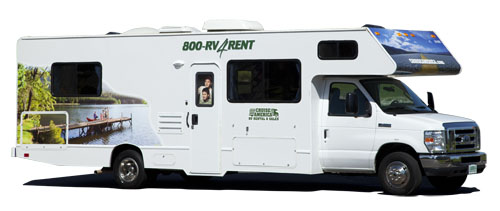
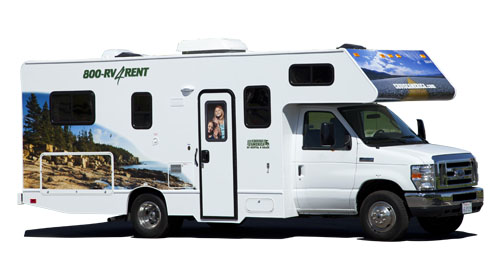
For most Central South US travel, a Class SI Semi-integrated or a Class C Alcove RV offers an excellent balance of comfort and maneuverability. Class SI Semi-integrated RVs, with an average length of 6.9 meters, provide ample living space for 3-4 adults while remaining relatively easy to navigate on both interstates and smaller state roads leading to attractions. These vehicles, like the "Active Standard Auto", are often praised for their comfortable driving experience. Class C Alcove RVs, averaging 7.5 meters in length and comfortably sleeping 4-5 adults, are ideal for families, offering more dedicated sleeping areas without being excessively large for most Central South US highways and campgrounds. An example is the "24' Class C Motorhome" which sleeps 5 people and features upgraded queen mattresses. For those prioritizing fuel efficiency and navigating tight urban centers or very narrow park roads, a Class B Camper Van, like the "2 Berth Hi Top" (averaging 5.8 meters), is a superb choice, offering excellent maneuverability and parking ease, while still providing essential amenities for your adventure.
Should I Choose a Compact Van Instead of a Large RV in Central South US?
For most travel throughout the Central South US, there is generally no significant issue driving any standard RV size, as highways and major routes are accommodating. Drive slowly and carefully, and you can drive almost anywhere without issues. No need to stress-just use common sense and pay attention. A compact van (Class B Camper Van) truly shines when planning to frequently navigate very tight historic city centers (like New Orleans' French Quarter), narrow mountain passes (e.g., in the Ozarks), or seek discreet overnight parking. However, choosing a larger RV (Class SI, C, or A) often provides superior comfort, more indoor living space, and amenities like larger bathrooms or kitchens, which can significantly enhance the travel experience on longer trips. The "cruise america rv rental example Explorer" is a Class C motorhome offering spacious beds (160/220cm over cub) and a full kitchen for comfortable living. The trade-off often boils down to comfort versus ultimate maneuverability; for most Central South US destinations, the added living space of a larger RV often outweighs the slight increase in driving challenge.
For ideas on preparing meals in your motorhome, check out our RV-friendly recipes playlist.
Can I Park Anywhere? Free & Wild Camping Rules in Central South US
Free or 'wild' camping rules in the Central South US vary significantly by state and land ownership; it is generally prohibited on private land without explicit permission and often restricted in urban or developed areas. Designated dispersed camping is usually permitted in national forests and some Bureau of Land Management (BLM) lands, which are present in parts of the Central South US (e.g., Arkansas, Mississippi, Louisiana), offering fantastic opportunities for off-grid experiences. Many businesses, such as Walmart, Cabela's, and truck stops, often allow overnight RV parking as a courtesy, but always seek permission from management first to avoid any issues. Be aware of local ordinances regarding overnight parking; some towns actively prohibit it, especially in residential or commercial zones. The '10-year rule' for RVs at campgrounds, which restricts older RVs, is typically enforced by private campgrounds and some higher-end resorts rather than public state or national parks; always check with the specific campground before booking to confirm their policies. For finding campsites and campgrounds during your trip, we recommend using RV PLANET (rvplan.net) - a great resource for locating available spots along your route.
Can I Drive an RV Into the City Center? Heights, Tunnels & Local Signage
Yes, you can almost always drive a rented RV into city centers across the Central South US, but careful attention to local signage is paramount. Drive slowly and carefully, and you can drive almost anywhere without issues. No need to stress - just use common sense and pay attention. Always be on the lookout for height restrictions on bridges, in parking garages, or when entering historic districts in cities like Nashville, New Orleans, or Memphis. Tunnels and underpasses typically have clear height warnings; ensure your RV's height is well within the limits. Pay close attention to local signage indicating no-RV zones, residents-only streets, or environmental restrictions, which are more common in dense urban cores. Parking a rented RV in city centers can be challenging due to size; research available RV-friendly parking lots or consider utilizing public transportation from city outskirts to explore downtown areas easily. When you rent a motorhome, you gain flexibility that allows you to adapt to local conditions effortlessly.
What is the 3-3-3 rule for RV driving?
The '3-3-3 rule' for RV driving is a popular guideline that suggests drivers aim to drive no more than 300 miles (approximately 480 km) per day, arrive at their destination by 3 PM, and stay for at least 3 nights. This rule promotes a relaxed and enjoyable travel pace, preventing driver fatigue and allowing ample time to set up camp, explore the local area, and experience cultural festivals or culinary delights in the Central South US. Adhering to the 3-3-3 rule can also help avoid late-night arrivals at campgrounds, making check-in easier and ensuring a better choice of campsites. For Central South US itineraries, consider driving times between major attractions like Nashville and New Orleans (approximately 8-9 hours) or Memphis and Dallas (approximately 7 hours), which might necessitate breaking the '300 miles' part of the rule over two days for a more leisurely pace.
What size RV can you drive without a special license?
Most motorhomes in the United States, including Class B Camper Vans (like the "Active Compact Select"), Class SI Semi-integrated (such as the "Category Medium AT"), Class C Alcove (like the "D Medium"), and many Class A Integrated RVs, can be driven with a standard Class D (or equivalent) driver's license, provided their Gross Vehicle Weight Rating (GVWR) is under 26,001 pounds. This covers the vast majority of rental motorhomes offered by Bandana RV's 50+ leading suppliers worldwide, making them accessible to most licensed drivers without requiring specialized training or an additional license endorsement. The 26,000-pound threshold is the common benchmark where a higher-class non-commercial or commercial license typically becomes necessary. Always verify the GVWR of your specific RV rental and consult the local Department of Motor Vehicles (DMV) if you are unsure about license requirements for very large models. Our true RV specialists are always available to help clarify these details before you book, providing you with full transparency.
What states require RVs to stop at weigh stations?
Generally, non-commercial recreational vehicles (RVs) are not required to stop at weigh stations in most US states, including those in the Central South US (Arkansas, Louisiana, Mississippi, Alabama, Tennessee, Kentucky, Missouri, Oklahoma, Texas), unless specifically directed by signage or law enforcement. Weigh stations are primarily for commercial vehicles to ensure compliance with weight and safety regulations. However, if a rented RV is visibly overloaded or operating in a manner that suggests it might be commercial (e.g., carrying commercial goods, having commercial plates), authorities may direct it to stop for inspection. Always obey any signs specifically instructing 'All RVs Stop' or 'All Vehicles Over X Weight Stop,' though these directives are rare for non-commercial motorhomes. You can travel with peace of mind knowing you're generally exempt from these commercial regulations.
What states have banned RVs?
No US state has an outright ban on RVs; however, states and local jurisdictions may impose restrictions on where rented motorhomes can park, camp, or drive within certain areas. These restrictions are more about specific land use and vehicle size regulations rather than a blanket ban on RVs. For instance, some urban areas may prohibit overnight street parking for RVs, and certain historical districts or national parks might have length or height limits. When planning your RV rental trip in the Central South US, focus on understanding local ordinances regarding overnight parking and specific park access rather than concerns about outright state bans. Our planning tool, RV PLANET (rvplan.net), can help you research routes and potential restrictions, aligning with our Rent&Plan brand differentiator.
What states are RV friendly?
Many states in the Central South US are considered highly RV-friendly, characterized by extensive state park systems, abundant private campgrounds, and welcoming attitudes towards RV travel. Texas and Florida (if extending your trip) are particularly renowned for their numerous RV parks, varied landscapes, and extensive infrastructure catering to RVers. Tennessee, Arkansas, and Missouri offer beautiful mountainous and forested areas with numerous campgrounds, ideal for scenic drives and outdoor activities. States like Louisiana and Mississippi provide unique cultural experiences with RV-friendly access to historic sites, blues trails, and Cajun country, although finding dump stations in very rural areas might require extra planning. RV friendliness extends beyond just license laws, encompassing aspects like widespread availability of dump stations, generally good road quality on main routes, and favorable overnight parking regulations in many areas, though local ordinances always apply. For exploring the wider region, consider our "RV Rental USA - Complete Guide 2026" which offers a broader perspective on RV-friendly states.
Can you sleep in an RV while driving in the USA?
No, passengers cannot legally sleep in the living area of a rented RV while it is in motion in the USA unless they are properly secured with seatbelts in a designated passenger seat. Sleeping in beds, couches, or other areas not equipped with seatbelts while the motorhome is moving is unsafe and illegal due to the severe risk of injury in an accident. The driver must remain awake and alert at all times; driver fatigue is a significant safety hazard, especially when navigating Central South US conditions like rural roads or heavy interstate traffic. It is strongly recommended that all occupants remain seated and buckled while the RV is in motion, and designate a co-pilot to help with navigation and keep the driver company. Your safety and peace of mind are paramount, which is why Bandana offers top-level deductible reimbursement as an optional upgrade.
What is the 3-3-3 rule for RV living?
The '3-3-3 rule' for RV living is a popular guideline for trip planning that advises driving no more than 300 miles (approximately 480 km) a day, arriving at a campsite by 3 PM, and staying for at least 3 nights. This rule is designed to promote a more relaxed, immersive, and sustainable RV travel experience, allowing travelers to truly experience each destination rather than constantly being on the move. By limiting daily mileage, RVers can reduce stress, conserve fuel, and have more time to explore local attractions, hike trails, or simply relax at the campground. Staying for at least 3 nights enables deeper engagement with the unique cultural offerings, culinary scenes (like BBQ or Cajun routes), and natural wonders of the Central South US, from the Great Smoky Mountains to the Gulf Coast. This approach aligns perfectly with our recommendation to travel slowly and savor every moment of your adventure.
What states require a special RV license?
In the Central South US, as with most of the United States, a special driver's license for a rented RV is typically only required if the vehicle's Gross Vehicle Weight Rating (GVWR) exceeds 26,001 pounds. This generally applies to very large Class A Integrated RVs or some larger Class C Alcove models, which are less common in typical rental fleets but should always be checked with your chosen supplier. For motorhomes between 26,001 and 45,000 pounds, a non-commercial Class B license might be required, while anything above 45,000 pounds could necessitate a non-commercial Class A license in certain states. Arkansas, Louisiana, Mississippi, Alabama, Tennessee, Kentucky, Missouri, Oklahoma, and Texas generally follow these federal guidelines, meaning most standard rental RVs do not require a special license. Bandana RV's true RV specialists can confirm specific license requirements for any motorhome in our extensive fleet.
Do you need a special license to drive an RV in SC?
In South Carolina, a standard Class D driver's license is sufficient to operate most recreational vehicles, provided their Gross Vehicle Weight Rating (GVWR) is under 26,001 pounds. Like the majority of US states, South Carolina adheres to the federal guideline that requires a specialized non-commercial Class B or Class A license only for RVs exceeding this 26,000-pound threshold. This means that almost all rental motorhomes, including Class B Camper Vans, Class SI Semi-integrated, and most Class C Alcove models, can be driven in South Carolina with a regular driver's license. Always confirm the GVWR of your specific RV and consult the South Carolina Department of Motor Vehicles (SCDMV) if you have concerns about exceptionally large or heavy RVs, though this is rare for rental vehicles. Our extensive network of 50+ suppliers worldwide ensures you have many options suitable for a standard license.
Top Cities for RV Rental in Central South US
The Central South US boasts several fantastic cities to start or end your RV rental adventure, each offering unique charm and excellent access to regional highlights. Whether you're looking for vibrant city life or a gateway to nature, these locations are perfect for picking up your motorhome:
- Nashville, Tennessee: Known as "Music City," Nashville is a hub for country music and southern culture. It offers numerous campgrounds nearby and easy access to the Great Smoky Mountains National Park. For a longer trip from here, consider our "Weekly RV Rental in Central South US - Pricing 2026" guide.
- New Orleans, Louisiana: A city unlike any other, New Orleans blends European, Caribbean, and African cultures. While the French Quarter has narrow streets, you can easily drive your RV to nearby campgrounds and use public transport for city exploration. Drive slowly and carefully, and you can drive almost anywhere without issues. No need to stress - just use common sense and pay attention.
- Memphis, Tennessee: Home of the Blues and the birthplace of Rock 'n' Roll, Memphis is a must-visit for music lovers. It’s also a great starting point for exploring the Mississippi Delta region.
- Austin, Texas: A vibrant city known for its live music scene, delicious food trucks, and outdoor activities. Austin is surrounded by Hill Country, perfect for scenic drives in your rented campervan.
- Dallas-Fort Worth, Texas: This sprawling metroplex offers a mix of modern attractions and cowboy culture. It’s a major rental hub, providing numerous options for Class C or Class A motorhomes. For details on various rental models, check out "Luxury RV Rental in Central South US - Premium Prices 2026".
- St. Louis, Missouri: Situated on the Mississippi River, St. Louis is famous for its Gateway Arch and diverse neighborhoods. It's an ideal base for exploring Missouri's natural beauty, including the Ozark National Scenic Riverways.
- Little Rock, Arkansas: The capital city provides a blend of history and outdoor recreation, with easy RV access to the Ouachita and Ozark Mountains.
- Oklahoma City, Oklahoma: Experience cowboy culture and a growing urban scene. It's a great gateway to the expansive plains and scenic byways of Oklahoma.
For more inspiration and practical itineraries, consider checking out an "RV Travel Guide to Central South US - Tips and Top Spots 2026".
🎬 Video coming soon
What You Shouldn't Miss
The Central South US is a treasure trove of experiences, perfect for exploring with a rented motorhome. Here are a few highlights you absolutely shouldn't miss:
- Drive the Natchez Trace Parkway (MS-TN): This 444-mile scenic route is an All-American Road offering unparalleled natural beauty and historical sites, completely free of commercial traffic. It’s an RV paradise for leisurely drives and picturesque stops.
- Explore the Music Cities Triangle (Nashville, Memphis, New Orleans): Immerse yourself in the birthplaces of country, blues, and jazz. Imagine experiencing live music venues in Nashville, visiting Graceland in Memphis, and dancing to street performers in the French Quarter of New Orleans.
- Visit Mammoth Cave National Park (KY): Discover the world's longest known cave system. Take an RV-accessible tour underground and enjoy the beautiful hiking trails and camping spots above ground. It's a truly unique national park experience.
- Savor the Flavors of the BBQ Trail (TX, TN, MO): The Central South US is renowned for its diverse BBQ styles. From Texas brisket to Memphis ribs and Kansas City (Missouri) burnt ends, your rented RV is your mobile kitchen and dining room on this delicious culinary journey. You can even try recreating some of these dishes with our RV-friendly recipes playlist.
- Discover the Ozark Mountains (AR, MO): For stunning natural landscapes, hiking, and clear rivers, the Ozarks offer breathtaking drives and numerous state parks ideal for RV camping.
- Experience the Mississippi Delta Blues Trail (MS): Follow the historic markers across Mississippi, tracing the origins of American blues music through juke joints, plantations, and museums. This is an immersive cultural experience that an RV allows you to truly feel at your own pace.
Final Thoughts
Embarking on an RV rental journey through the Central South US is more than just a vacation; it's an opportunity to discover the soul of America at your own pace. With Bandana Caravan, you’re not just renting a motorhome; you’re gaining a partner who understands RV travel inside and out. We're here to support you from comparing options to confirming your booking, ensuring a transparent and enjoyable process.
So, why wait? Imagine waking up to the sounds of nature in a national forest, then driving to a historic city for a plate of authentic local cuisine. The open road of the Central South US is calling, promising unforgettable memories and true freedom. We handle the details, you live the journey.
Get inspired for your next trip! Discover top destinations, planning tips, all in one place, and prepare to create your unique adventure. Check Central South US RV Rental Prices Now to begin your unforgettable journey.