In This Guide
- Can You Drive an RV in Center Europe? License & Age Rules
- What is the largest RV you can drive without a special license?
- What do I need to take my motorhome to Europe?
- Tolls, Vignettes & Border Rules
- Do I need speed stickers on my motorhome in France?
- How long can I stay in Europe in my motorhome?
- Is Europe RV friendly?
- Road Conditions & Terrain in Center Europe
- RV Size Limits, Bridges & Restricted Zones
- Fuel: Diesel vs. Petrol & Cost per 100 km
- What is the 3-3-3 rule for RV travel?
- Driving Tips for rv rental Travelers
- Can I Park Anywhere? Free & Wild Camping Rules in Center Europe
- Can I Drive an RV Into the City Center? Heights, Tunnels & Local Signage
- Recommended RV Class for Center Europe Roads
- Should I Choose a Compact Van Instead of a Large RV in Center Europe?
- What is the best travel insurance company for Europe?
- Top Cities for RV Rental in Center Europe
- What You Shouldn't Miss
Can You Drive an RV in Center Europe? License & Age Rules
Yes, you can absolutely drive a rented RV in Center Europe, and generally, a standard car driver's license (Category B) is sufficient for most motorhome rentals. In most countries within Center Europe, this license category allows you to operate vehicles with a Gross Vehicle Weight (GVW) of up to 3.5 metric tons. This weight limit covers a significant portion of available campervans and smaller semi-integrated motorhomes, such as many Class B Camper Vans (averaging 5.8m in length) and Class SI Semi-integrated RVs (averaging 6.9m). For non-EU citizens, it is highly recommended to obtain an International Driving Permit (IDP) in addition to your valid national license, as it provides a translation and proof of your driving qualifications, preventing potential issues with local authorities, though it is not strictly mandatory in all cases. The minimum driver age for RV rentals in Center Europe is 21 years old across all vehicle classes, and happily, Bandana RV does not impose young driver surcharges.
For larger rented RVs exceeding the 3.5-ton GVW, a specific license might be required, such as a C1 license for vehicles up to 7.5 tons or a C license for those over 7.5 tons. However, these heavier vehicles are less common in rental fleets and are generally geared towards experienced drivers or commercial use. Always verify the specific GVW of your chosen motorhome and check local regulations if you plan to rent one of the larger Class A Integrated models or Class C Alcove motorhomes, which can sometimes exceed 3.5 tons. Our local partners in Center Europe ensure that the vast majority of their rental fleet is accessible with a standard Category B license, making your adventure smooth and stress-free.
What is the largest RV you can drive without a special license?
In most Center European countries, including Germany, Austria, and Switzerland, the largest rented RV you can legally drive without a special license is one with a Gross Vehicle Weight (GVW) of up to 3.5 metric tons. This 3,500 kg limit corresponds to the standard Category B driving license, which most car drivers hold. Many popular campervans and semi-integrated motorhomes, like a Bandana Class B - Camper Van (average length 5.8m) or a typical Class SI - Semi-integrated (average length 6.9m), are designed to fall within this 3.5-ton limit, offering ample space and amenities without requiring additional licensing.
For example, a luxury rv rentals example Carthago Malibu 600 campervan, typically a Class B, would easily fall under this weight. If your itinerary involves a larger vehicle, such as a Class C - Alcove or Class A - Integrated motorhome, it's essential to confirm its GVW, as some models can exceed 3.5 tons. Exceeding this weight limit would typically necessitate a C1 (up to 7.5 tons) or C (over 7.5 tons) category license. Before finalizing your booking, always check the vehicle specifications provided by the supplier to ensure you meet the licensing requirements for your chosen motorhome. Our team of true RV specialists can help you compare final prices across suppliers and verify vehicle details to avoid any surprises.
What do I need to take my motorhome to Europe?
For an extended road trip with a rented motorhome in Center Europe, you'll need several essential documents and safety items. First, your valid national driving license is crucial, and if you are a non-EU citizen, an International Driving Permit (IDP) is highly recommended to accompany it. You should also carry all vehicle rental documents, including proof of insurance (often referred to as a Green Card in Europe), which confirms your motor insurance coverage is valid across European countries. Always keep these documents readily accessible.
Beyond paperwork, mandatory safety equipment often includes a reflective warning triangle and high-visibility reflective vests for all occupants, which must be worn if you break down on the roadside. A first-aid kit is also a common requirement. Some countries in Center Europe have unique stipulations; for instance, while not strictly part of Center Europe, France requires a breathalyzer kit onboard if you plan to drive there. During colder months, especially when exploring mountainous regions like the Alps, winter tires or snow chains may be legally required. Additionally, it's wise to have some cash on hand for smaller tolls or campsites that might not accept credit cards, and research country-specific vignette or toll payment systems beforehand. For finding campsites and campgrounds during your trip, we recommend using RV PLANET (rvplan.net) - a great resource for locating available spots along your route. On the routes offered through RV PLANET routes, you can itemize and track every expense along the way for easy budgeting.
Tolls, Vignettes & Border Rules
Driving a rented RV across Center Europe requires careful attention to varying toll and vignette systems, which are common for motorways in several countries. Countries like Austria, Switzerland, Czech Republic, Slovakia, and Hungary utilize a vignette system, where a pre-paid sticker or digital pass must be purchased *before* entering their motorways. A typical 10-day vignette can cost between €10-€30, and failing to display a valid vignette can lead to substantial fines, so always plan ahead. For live availability and current prices, start with our RV Rental Center Europe - Complete Guide 2026 guide.
Germany stands out by not having general passenger car tolls, but many of its cities have established environmental zones (Umweltzonen) that require a specific 'Umweltplakette' (emission sticker) for entry. These stickers are based on your vehicle's emission class, and a rented RV will typically come with the necessary sticker if it's permitted to enter. Border crossings within the Schengen Area, which includes most of Center Europe, are generally seamless for EU citizens with minimal checks. However, non-EU citizens should always be prepared for passport control, particularly when entering or exiting the broader Schengen Zone, as random checks can occur. For broader European travel, consider consulting our "RV Rental Europe - Complete Guide 2026" for more comprehensive details.
Do I need speed stickers on my motorhome in France?
Yes, if your rented motorhome has a Gross Vehicle Weight (GVW) exceeding 3.5 metric tons, you are legally required to display specific speed limit stickers, known as "angle morts" (blind spots), on the rear and sides of the vehicle when driving in France. These regulations are designed to enhance road safety, especially for larger vehicles. The stickers indicate reduced speed limits for vehicles over 3.5 tons, typically 110 km/h on motorways, 100 km/h on dual carriageways, and 80 km/h on other roads, and they must be clearly visible to other drivers. These are in addition to other rules, such as specific urban low emission zones (Zones à Faibles Émissions – ZFE), which also apply in many French cities. While Bandana RV focuses on Center Europe, many travelers combine it with Western European countries like France. Always check the specific requirements for any country you plan to visit, as regulations can vary.
Failure to display the correct stickers can result in fines, even for rental vehicles, so ensure compliance if your chosen RV falls into this weight category. While some of our Class C - Alcove or Class A - Integrated motorhomes might exceed this weight, many of our smaller Class B Camper Vans and Class SI Semi-integrated models remain under the 3.5-ton limit. Always confirm the GVW of your specific rental to ensure you're prepared. Our transparent booking process means you'll have all the information you need, with no hidden fees or surprises.
How long can I stay in Europe in my motorhome?
Non-EU citizens traveling with their rented motorhome are generally permitted to stay within the Schengen Area for a maximum of 90 days within any 180-day period. This 90-day allowance is a cumulative total that applies across all member states of the Schengen Area, which includes most countries in Center Europe such as Germany, Austria, Czech Republic, Slovakia, Slovenia, and Hungary. This means if you spend 30 days in Germany and then 60 days across Austria and Czech Republic, you would have used your full 90-day allowance within that 180-day period.
For those planning an extended road trip beyond the 90-day limit, non-EU citizens would typically need to apply for a long-stay visa or a national visa from a specific European country. This process can be intricate and should be initiated well in advance of your trip. EU citizens, on the other hand, face no such time restrictions for travel and stay within the Schengen Zone, offering significant flexibility for long-term motorhome adventures. Bandana RV works with over 50 leading RV suppliers worldwide, including partners like El Monte, Cruise America, Apollo, and Britz, to offer bookings in 50+ countries, ensuring you have diverse options for your travel duration.
Is Europe RV friendly?
Europe, and particularly Center Europe, is exceptionally RV friendly, offering an excellent infrastructure designed to accommodate motorhome travelers with ease. The region boasts a vast network of well-maintained campsites that range from basic and rustic to luxurious resorts, often providing amenities like fresh water, grey and black waste disposal points, and electrical hookups. Beyond traditional campsites, Germany is a prime example of the European 'Stellplatz' culture, with thousands of dedicated motorhome parking areas. These Stellplätze often provide basic services for free or a small fee, and many are conveniently located near town centers or in picturesque natural settings.
Center Europe's diverse landscapes, from the towering Alpine passes of Austria and Switzerland to the rolling hills and historic cities of Germany and the cultural richness of the Czech Republic and Hungary, are all accessible via a generally high-quality road network. This makes renting a motorhome a truly popular and immersive way to explore the continent. Many towns and tourist attractions throughout the region provide RV-specific parking, and local communities are accustomed to motorhome visitors, contributing to a welcoming and supportive travel experience. Our 24/7 pre-booking support means real people are always available to help you plan your ideal RV adventure.
Road Conditions & Terrain in Center Europe
Center Europe presents a diverse array of road conditions, from the impeccably maintained modern motorways (known as Autobahns in Germany and Austria, or Autostradas in other parts) to narrower, often winding roads that traverse mountainous regions and charming, yet sometimes cobblestoned, village streets. While the main arterial routes are consistently excellent, travelers should anticipate mountainous terrain in areas such as the Alps (covering Austria, Switzerland, and southern Germany). These areas feature steep ascents, descents, and switchbacks that demand careful driving and attention to your rented RV's size and capabilities.
Rural roads, which often lead to some of the most beautiful and secluded spots, can vary greatly in quality, ranging from smooth asphalt to less-maintained surfaces, and occasionally including short gravel sections, particularly when accessing remote natural parks or smaller, more rustic campsites. Driving a rented RV in Center Europe naturally encourages a slower, more deliberate pace of travel, often around 100-150 km per day on average. This allows travelers to fully immerse themselves in the picturesque landscapes, discover hidden gems, and connect with the unique culture and cuisine that dot the region. For detailed route planning and itineraries, check out the 1,300+ pre-planned routes across 5 continents available via RV PLANET (rvplan.net).
RV Size Limits, Bridges & Restricted Zones
When planning your RV trip in Center Europe, it's crucial to pay close attention to posted height, width, and weight restrictions, as low bridges and tunnels are a common feature, particularly in older towns and rural areas. Historic European city centers often have narrow streets and sometimes enforced restricted access zones, such as 'Umweltzonen' (Environmental Zones) in Germany or Low Emission Zones (LEZ) in other countries, which may require specific emission stickers or restrict certain vehicle types from entry. While you can drive almost anywhere without issues, just use common sense and pay attention.
Many of Bandana's rental options are designed to be manageable in Europe; for example, our Class SI - Semi-integrated RVs average around 6.9m in length, and Class C - Alcove RVs average 7.5m. While these are generally suitable, they can feel quite large in very tight historic city centers or on winding mountain roads. Parking garages in city centers are almost always unsuitable for RVs due to their height, length, and weight restrictions. Instead, seek out designated RV parking areas or use peripheral park-and-ride options, often located on the outskirts of cities. Always check local signage for maximum vehicle dimensions, especially when navigating underpasses or planning to take a ferry, as these will have their own size and weight limitations. Our expertise as true RV specialists means we can advise on the best vehicle size for your desired Center Europe itinerary.
Fuel: Diesel vs. Petrol & Cost per 100 km
Most rented RVs in Center Europe, including a significant portion of Bandana's fleet, operate on diesel fuel, which is readily available at service stations across the region. Petrol (gasoline) is also widely accessible, primarily for smaller campervans or passenger cars, but is less common for the larger motorhomes typically chosen for family adventures. When planning your route and budgeting, understanding fuel types and costs is key. Based on Bandana's global fleet averages, an RV generally consumes between 10-11 liters of fuel per 100 km, though this can vary depending on the specific vehicle class, its load, and your driving style. For instance, a larger Class C - Alcove with a length of 7.5m like the "cruise america rv rental example Explorer" with its 2.5 Liter Turbo diesel engine, might be closer to the higher end of this range (11 Liters / 100 Km).
Assuming an average fuel consumption of 10.5 liters per 100 km and a current diesel price of approximately €1.80 per liter (prices are dynamic and change daily), the estimated fuel cost would be around €18.90 per 100 km in Center Europe. Fuel stations are abundant along major roads and in towns, but it's always a good practice to refuel before heading into very remote or mountainous areas. Payment methods usually include major credit cards, but having some local currency for smaller, independent stations can be helpful. For budgeting your ancillary trip costs like fuel, tolls, and campground fees, remember that RV PLANET routes allow you to itemize and track every expense along the way for easy budgeting.
What is the 3-3-3 rule for RV travel?
The '3-3-3 rule' for RV travel is a widely adopted guideline designed to ensure comfortable and safe touring, particularly beneficial for a week-long trip or extended road trip in Center Europe. This rule suggests three key principles: first, drive no more than 300 miles (or approximately 480 kilometers) in a single day to prevent driver fatigue and allow for spontaneous stops. Second, aim to arrive at your chosen destination by 3 PM to secure a desirable campsite and allow ample time for setting up your motorhome and exploring your surroundings before dusk. Third, try to stay for at least 3 nights at each appealing location, providing a relaxed pace that avoids constant rushing and allows for deeper immersion in the local culture, food, and scenery.
Applying the 3-3-3 rule in Center Europe is an excellent way to truly experience the region's diverse attractions without feeling rushed. It allows for leisurely exploration of a city like Prague or a national park in the Austrian Alps, rather than just driving through. This slower travel approach, averaging around 100-150 km per day, is something we always recommend at Bandana RV. While pre-planners can organize everything in advance, spontaneous travelers can also find spots, as many national and state parks reserve 25-30% of their spots for first-come-first-serve visitors. Always call ahead before driving to confirm availability.
Driving Tips for rv rental Travelers
Navigating Center Europe in a rented RV can be an incredibly rewarding experience, and a few practical tips can make your journey even smoother. For families traveling with kids, planning regular stops every 2-3 hours is essential to prevent fatigue and allow everyone to stretch and enjoy Europe's numerous scenic rest areas and playgrounds. Budget-conscious travelers should proactively research and pre-purchase digital vignettes or toll passes where available, as this often saves both time at borders and avoids potential roadside fines. Remember that prices for these, just like RV rentals, are dynamic and change daily.
🎬 Video coming soon
If you prefer an easier driving experience on winding European roads, opt for an RV with an automatic transmission, which are increasingly common in Bandana's fleet, such as the "Combi Van" or "V3". Always be mindful of local speed limits, which can vary significantly for RVs compared to cars, particularly for vehicles over 3.5 tons. Always adhere to posted road signs and local regulations, as speed cameras are common. Drive slowly and carefully, and you can drive almost anywhere without issues. No need to stress - just use common sense and pay attention. Before your trip, familiarize yourself with common road signs specific to Europe, which can differ from those in your home country. For more insights into planning, explore our "RV Travel Guide to Center Europe - Tips and Top Spots 2026".
Can I Park Anywhere? Free & Wild Camping Rules in Center Europe
Wild camping, which refers to parking overnight outside of designated areas, is generally prohibited or heavily restricted across most of Center Europe, particularly in countries like Germany, Austria, Switzerland, and the Czech Republic. These nations typically enforce strict laws against unauthorized overnight parking, with penalties that can range from warnings to significant fines for those who do not use official campsites or designated 'Stellplätze' (motorhome parking areas).
However, the good news is that 'Stellplätze' are widespread and common throughout Center Europe, offering a legal and often affordable solution for overnight parking. These dedicated motorhome spots can range from simple parking areas with no amenities to those providing basic services like fresh water, grey/black water disposal, and electrical hookups, sometimes for a minimal fee or even free. The rules surrounding overnight parking and camping do vary by country and even by local municipality, so it is paramount to always check local regulations and adhere to local law before parking your rented motorhome overnight. Penalties for illegal wild camping can be substantial, making it crucial to be informed. For finding campsites and campgrounds during your trip, we recommend using RV PLANET (rvplan.net) - an invaluable resource for locating available spots along your route. Explore route plans like the ones found in "RV Rental in Center Europe for Seniors - Pricing 2026" for designated stops.
Can I Drive an RV Into the City Center? Heights, Tunnels & Local Signage
Most rented RVs can typically be driven into Center European city centers, but it demands a heightened level of awareness and careful attention to local signage, especially concerning height limits, tunnels, and low bridges. Historic European cities are renowned for their narrow, winding streets and compact infrastructure, which can be challenging for larger vehicles. Many urban areas also have 'Umweltzonen' (Environmental Zones) or 'ZFE' (Zones à Faibles Émissions) where specific emission stickers are required, or certain vehicle types may be restricted altogether to reduce pollution. Drive slowly and carefully, and you can drive almost anywhere without issues. No need to stress - just use common sense and pay attention.
Parking garages in city centers are almost always unsuitable for RVs due to their height, length, and weight restrictions. Instead, it is advisable to seek out designated RV parking areas, often located on the periphery of cities, or utilize park-and-ride facilities, from which you can easily access the city center via public transport. Always observe local traffic signs, which clearly indicate resident-only streets, pedestrian zones, or specific vehicle size limitations. Familiarizing yourself with these local rules will ensure a smooth and legal driving experience, allowing you to enjoy the cultural treasures of cities like Vienna, Prague, or Munich without unnecessary stress. For example, when considering "Pet-Friendly RV Rental in Center Europe - Pricing 2026", remember that city access and parking might be simpler with smaller, more agile campervans.
Recommended RV Class for Center Europe Roads
For navigating Center Europe's diverse roads, ranging from narrow village lanes to winding mountain passes, the Class SI - Semi-integrated and Class B - Camper Van are highly recommended due to their optimal balance of interior comfort and maneuverability. Bandana's Class SI - Semi-integrated RVs, with an average length of 6.9m, offer a fantastic compromise. They provide ample living space and amenities for families or couples, while still being compact enough to handle most European roads and parking situations comfortably.
Class B - Camper Vans, averaging 5.8m in length, provide excellent maneuverability, making them ideal for very tight historic centers and the most challenging mountain passes. These vehicles are perfect for couples or small families who prioritize flexibility, ease of parking, and agility over expansive interior space. While larger Class C - Alcove (avg. 7.5m, like the "24' Class C Motorhome") and Class A - Integrated (avg. 7.5m, like the "Class A - Thor ACE 30") RVs offer more luxurious living space, their increased length and width can be more challenging on some winding rural roads, in small villages, and for parking in certain areas. It's truly a matter of balancing your need for space and amenities with your comfort level in navigating narrower roads. Our team of true RV specialists can help you choose the ideal motorhome for your "RV Rental in Center Europe - Prices and Best Deals 2026" adventure.
Should I Choose a Compact Van Instead of a Large RV in Center Europe?
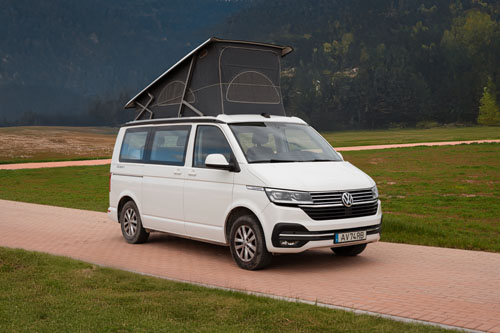
Choosing between a compact van (like a Class B Camper Van) and a larger RV (such as a Class C Alcove or Class A Integrated motorhome) for your Center Europe adventure depends significantly on your travel priorities, although there's usually no inherent issue with driving larger RVs. A compact van, typically averaging 5.8m in length, offers superior maneuverability, making it the preferred choice for navigating very tight historic city centers, extremely narrow mountain passes, and finding parking more easily in crowded urban or popular tourist areas. These vans, like the VW California Ocean, are often equipped with features like "Front Air condition", "Ideal for a couple", and "RV size - Small".
However, larger RVs provide significantly more interior space, enhanced comfort, and a wider range of amenities, which can be a much better trade-off for longer trips, families with children, or those who simply prefer a more spacious and comfortable living environment. For example, a 6-berth Class C motorhome like the "Euro Deluxe" would offer "3 double beds" and full amenities for a larger group. The slight challenge of maneuvering a larger vehicle in some spots is often outweighed by the increased comfort and convenience once you're settled at a campsite or 'Stellplatz'. If you primarily plan to stay at designated campgrounds or 'Stellplätze' outside the immediate city cores, the benefits of extra comfort and indoor space often matter more for the overall enjoyment of a European RV trip than marginal gains in maneuverability. Remember, drive slowly and carefully, and you can drive almost anywhere without issues. No need to stress - just use common sense and pay attention.
What is the best travel insurance company for Europe?
There isn't a single 'best' travel insurance company for Europe; the ideal choice largely depends on your specific needs, the duration of your trip, any pre-existing medical conditions, and your desired levels of coverage. When selecting travel insurance for your rented RV adventure in Center Europe, prioritize policies that offer comprehensive medical coverage, including emergency medical evacuation and repatriation. This is a critical aspect for any international travel, ensuring you're covered for unexpected health issues.
Furthermore, look for policies that provide robust coverage for trip cancellation, interruption, and delays, as these can significantly impact your travel plans and finances. Protection for personal belongings and electronics in case of theft or damage is also a wise inclusion, particularly when traveling with valuables in your motorhome. It is vital to distinguish between personal travel insurance and the vehicle insurance for your RV rental. Ensure your RV rental comes with adequate collision damage waiver (CDW) and third-party liability coverage for Europe. Bandana RV offers options to upgrade to a top-level deductible reimbursement for extra peace of mind, but always review the rental agreement's insurance details. You can check prices for luxury options in "Luxury RV Rental in Center Europe - Premium Prices 2026" which often include enhanced insurance features.
Top Cities for RV Rental in Center Europe
Center Europe offers a fantastic array of cities perfect for starting or ending your motorhome adventure, each providing unique cultural experiences and convenient access to stunning natural landscapes. Here are 5-8 top cities for RV rental:
- Munich, Germany: A vibrant city with excellent connections to the Bavarian Alps and romantic roads. Munich is a popular hub due to its large airport and numerous rental options.
- Vienna, Austria: Known for its imperial palaces and cultural richness, Vienna also serves as a gateway to the Austrian Alps and Danube River Valley.
- Prague, Czech Republic: This historic capital offers a fairy-tale setting and easy access to Bohemian forests and picturesque countryside for a rented RV.
- Zurich, Switzerland: Nestled by a lake and surrounded by mountains, Zurich is an ideal starting point for exploring the Swiss Alps and serene lakes.
- Budapest, Hungary: With its thermal baths and Danube river views, Budapest is a great base for exploring the Hungarian plains and nearby national parks.
- Ljubljana, Slovenia: A charming, green capital offering direct access to the Julian Alps and the Adriatic coast, perfect for nature lovers.
- Berlin, Germany: While known for its historical landmarks, Berlin also offers good connections to the Baltic Sea coast and scenic lake districts for a motorhome trip.
Each of these cities has established RV rental facilities and excellent transport links, making them convenient points to pick up your hired campervan or motorhome. Remember, Bandana Caravan has direct partnerships with 50+ leading RV suppliers worldwide, offering bookings in over 50 countries, including all these incredible Central European locations.
What You Shouldn't Miss
Center Europe is a treasure trove of experiences waiting to be discovered with your rented motorhome. Don't miss these must-do adventures:
- Austrian Alpine Passes: Drive the scenic Grossglockner High Alpine Road, navigating 36 hairpin bends and reaching over 8,000 feet for breathtaking views of Austria's highest peak and glaciers. It's an unforgettable journey with a rented RV.
- Bavarian Castles, Germany: Explore King Ludwig II's fantastical castles, especially Neuschwanstein, often reached via a beautiful drive through the Bavarian countryside. You can easily find nearby Stellplätze for overnight stays.
- Thermal Lakes of Hungary: Park your campervan near Lake Hévíz, Europe's largest natural, swimmable thermal lake, and indulge in its therapeutic waters. Many campgrounds offer easy access.
- Swiss Mountain Villages: Wander through charming Swiss villages like Lauterbrunnen, surrounded by waterfalls and towering peaks, with countless hiking opportunities from your motorhome base.
- Prague's Old Town, Czech Republic: Immerse yourself in the history and architecture of Prague, ensuring you park your RV on the outskirts and use public transport or walk to explore the city's heart.
- Slovenian Lakes & Mountains: Discover the serene beauty of Lake Bled and Lake Bohinj in Slovenia, perfect for hiking, swimming, and enjoying nature from your motorhome.
Looking for expert insights from Avi Bandana? Top 5 Adventures - recommendations from Avi Bandana
Avi Bandana, our founder, always emphasizes the joy of discovery on the road. "Center Europe truly offers something for every RV traveler, from majestic mountains to charming medieval towns. My personal recommendation for a unique experience would be to combine the cultural richness of Vienna with the stunning natural beauty of the Salzkammergut Lake District in Austria, spending at least three nights in each major area to truly soak it all in. And for a truly unique taste of local life, try to cook a traditional goulash or schnitzel in your RV kitchen at a local campsite." For more culinary inspiration, check out our RV-friendly recipes playlist.
Final Thoughts
Embarking on a rented RV adventure through Center Europe is an unparalleled way to experience its rich tapestry of history, culture, and breathtaking natural beauty. From the majestic Alps to charming medieval towns and vibrant modern cities, a motorhome provides the freedom and flexibility to craft your own unique itinerary, moving at your own pace and truly connecting with each destination.
While planning involves understanding local driving rules, vehicle sizes, and camping regulations, these considerations are easily manageable with a little preparation. Remember, the journey is just as important as the destination. So, pack your bags, choose the perfect motorhome from our extensive fleet, and get ready for an unforgettable two-week adventure or extended road trip across Center Europe. We're here to support you every step of the way, making your dream RV vacation a reality. Discover top destinations, planning tips, all in one place!
Ready to hit the open roads of Center Europe? Compare Motorhome Prices for Center Europe now and start planning your ultimate mobile holiday!