In This Guide
- Can You Drive an RV in Alaska? License & Age Rules
- Road Conditions & Terrain in Alaska
- RV Size Limits, Bridges & Restricted Zones
- Fuel: Diesel vs. Petrol & Cost per 100 km
- Tolls, Vignettes & Border Rules
- Driving Tips for rv rental Travelers
- Recommended RV Class for Alaska Roads
- Should I Choose a Compact Van Instead of a Large RV in Alaska?
- Can I Park Anywhere? Free & Wild Camping Rules in Alaska
- Can I Drive an RV Into the City Center? Heights, Tunnels & Local Signage
- Do you need a special license to drive an RV in Alaska?
- Can I park my RV anywhere in Alaska?
- Do you have to have a special license to drive a 30 ft RV?
- Can I drive my motorhome to Alaska?
- What is the 3 3 3 rule for RV travel?
- What RV is best for Alaska?
- Do you need a separate license for an RV?
- What company has the cheapest RV insurance?
Can You Drive an RV in Alaska? License & Age Rules
A standard Class D driver's license, the same one used for personal cars, is sufficient for driving most recreational RVs in Alaska. Special commercial licenses are typically only required for vehicles over 26,000 lbs GVWR (Gross Vehicle Weight Rating) or those carrying hazardous materials, which is rarely the case for rental motorhomes or campervans. The minimum age to rent and drive an RV in Alaska is typically 21 years old across most rental companies, with no additional young driver surcharges or vehicle class restrictions based on age. Foreign drivers can operate a rented RV in Alaska with a valid driver's license from their home country, often accompanied by an International Driving Permit (IDP) for translation, although an IDP is not legally required by Alaska law if the foreign license is in English. This straightforward approach makes RV travel accessible to a wide range of adventurers.Road Conditions & Terrain in Alaska
Alaska's road conditions vary significantly across the state, ranging from well-maintained paved highways, such as sections of the Alaska Highway and Parks Highway, to challenging gravel sections, particularly on more remote routes and scenic byways. Travelers should anticipate diverse terrain, including mountainous passes, winding coastal stretches, and expansive wilderness roads, all of which necessitate careful driving and reduced speeds in a rented RV. Drive slowly and carefully, and you can drive almost anywhere without issues. No need to stress-just use common sense and pay attention. Remote roads leading to iconic destinations like Denali National Park or McCarthy can include long stretches of gravel, demanding vigilance for potholes, loose rocks, and wildlife. Preparing for these varied conditions ensures a smoother and more enjoyable journey.RV Size Limits, Bridges & Restricted Zones
Alaska generally does not impose specific overall length or height restrictions that would significantly impact standard recreational RVs, allowing most sizes of motorhomes and campervans to navigate its highways freely. Low bridges and tunnels are rare on main RV routes in Alaska, but drivers should always pay close attention to posted signage, especially when entering smaller towns or specific park areas to ensure clearance. While there are no broad environmental zones restricting RV access in Alaska, some specific areas or ferry routes may have vehicle size or weight limitations, requiring prior checks and reservations. Rest assured, with a rented motorhome, you'll find plenty of roads to explore, no matter the size of your chosen camper.Fuel: Diesel vs. Petrol & Cost per 100 km
Both diesel and petrol are widely available across Alaska, though diesel stations can be less frequent in extremely remote areas compared to petrol. Planning your fuel stops is crucial, especially on long stretches of highway. Based on Bandana's global fleet averages, a rented Class C Alcove RV typically consumes 10-12 Liters/100 km, while a Class B Camper Van averages 8-10 Liters/100 km, and a Class SI Semi-integrated RV consumes 10-11 Liters/100 km. Fuel costs in Alaska are generally higher than the national average, varying by region, so budgeting for fuel and monitoring tank levels is essential for extended trips. For comprehensive budget planning and tracking all ancillary costs, consider exploring RV PLANET routes, where you can itemize and track every expense along the way.Tolls, Vignettes & Border Rules
Alaska has virtually no toll roads or vignettes within the state, making most of its road network accessible without additional fees or special passes. This simplifies travel planning and eliminates unexpected costs. For travelers driving a rented RV to Alaska from the contiguous United States, navigating Canadian border rules and any associated fees or documentation for entering Canada is a necessary part of the journey. Be sure to check current Canadian entry requirements well in advance of your trip. While not common in Alaska, Bandana RVs in other regions may offer pre-purchased toll passes for convenience; however, this is generally not a concern for Alaskan road trips.Driving Tips for rv rental Travelers
Always drive cautiously and be vigilant for wildlife, especially at dawn and dusk, as animal collisions with moose, caribou, or bears are a significant risk on Alaskan roads. Plan your fuel stops carefully, particularly on long stretches of highway, as services can be sparse between towns-carry extra water and non-perishable snacks. Embrace slower driving speeds to fully appreciate Alaska's stunning scenery and to safely navigate varied road conditions, including gravel sections. Remember our advice: travel slowly, max 100-150 km per day on average. Take time to feel the place, connect to the culture, the food, and the scenery. Prepare for rapidly changing weather conditions by carrying emergency supplies and knowing how to adapt your driving to rain, snow, or fog. Utilize RV parks and designated camping areas to ensure legal and safe overnight parking, especially in more populated areas or during peak season. You can always count on Bandana's transparent booking process and dedicated support before, during, and after your booking to make your journey stress-free.🎬 Video coming soon
Recommended RV Class for Alaska Roads
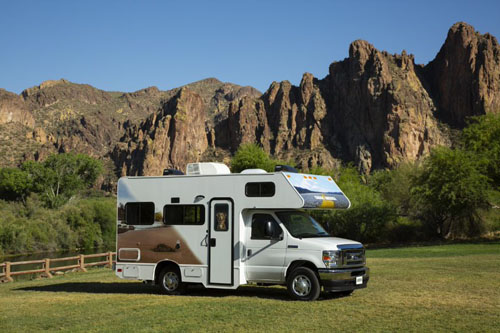
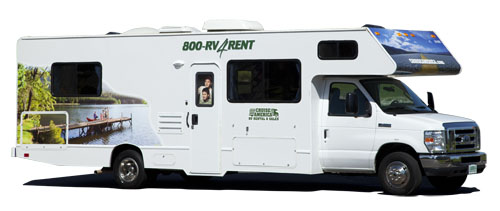
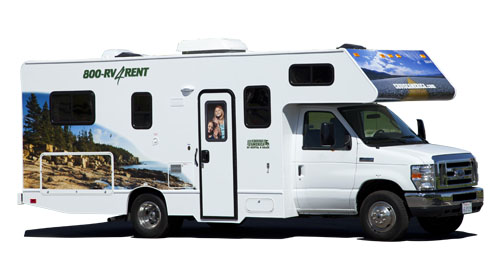
For Alaska's varied terrain and long distances, a Class C Alcove or Class SI Semi-integrated RV often provides the best balance of comfort, space, and maneuverability for a rented motorhome adventure. Class C Alcove RVs, like the "24' Class C Motorhome" from some Bandana partners, with an average length of 7.46 meters and sleeping capacity for 5 adults, offer ample living space and robust construction suitable for Alaskan roads. These vehicles often feature a bed over the cab, providing extra sleeping quarters. Class SI Semi-integrated RVs, averaging around 6.9 meters in length and accommodating 3-4 adults, provide a more compact yet comfortable option, often with better fuel efficiency for extended touring. Our status as true RV specialists means we understand these nuances and can guide you to the perfect rented RV for your Alaskan journey.Should I Choose a Compact Van Instead of a Large RV in Alaska?
While compact vans, such as a Class B Camper Van with an average length of 5.8 meters, offer greater maneuverability and fuel efficiency, most RV sizes, including larger Class C and Class A motorhomes, are perfectly suitable for driving in Alaska. The primary advantage of a compact van lies in its agility for navigating tighter spaces or easily finding parking in more developed towns like Anchorage or Fairbanks. However, for an Alaskan adventure, the enhanced comfort, living space, and amenities of a larger rented RV often outweigh the minor maneuverability benefits of a compact van, especially for families or longer trips. Consider the space of an "alaska rv rental example Category C" which offers 3 double beds, ideal for a big family or group of friends. Ultimately, your choice should balance comfort needs with your desire for nimble travel. Our dedicated support team can help you compare vehicle options for your RV Rental in Alaska - Prices and Best Deals 2026 to ensure you find the perfect fit.Can I Park Anywhere? Free & Wild Camping Rules in Alaska
No, you cannot park your rented RV just anywhere in Alaska; while the state is known for its vast wilderness, specific rules govern where overnight parking and free camping (boondocking) are permitted. Dispersed camping is generally allowed on much of Alaska's public lands, including National Forests and Bureau of Land Management (BLM) areas, provided you adhere to 'Leave No Trace' principles and local regulations. Always be sure to pack out everything you pack in. Overnight parking is typically restricted in National Parks, State Parks (requiring paid campgrounds), and within city limits, where specific regulations or private property rules apply. Rules vary significantly by region and land ownership, so always check local regulations and follow posted signage before parking overnight to avoid fines or conflicts. For finding campsites and campgrounds during your trip, we recommend using RV PLANET (rvplan.net)-a great resource for locating available spots along your route.Can I Drive an RV Into the City Center? Heights, Tunnels & Local Signage
Yes, you can generally drive a rented RV into most city centers in Alaska, as major cities like Anchorage and Fairbanks are not typically characterized by the tight, historic streets or numerous low bridges found in older European cities. While direct physical restrictions like low tunnels or bridges are rare on main city routes in Alaska, RV drivers should always pay close attention to local signage regarding height limits, weight restrictions, and especially parking regulations. The primary challenge for RVs in Alaskan city centers is often finding suitable parking, which can be limited for larger vehicles, rather than navigating physical obstacles. Drive slowly and carefully, and you can drive almost anywhere without issues. No need to stress-just use common sense and pay attention.Do you need a special license to drive an RV in Alaska?
For most recreational vehicles (RVs) in Alaska, a standard Class D driver's license, the same one used for personal automobiles, is sufficient. A special license, such as a commercial driver's license (CDL), is only typically required if the RV has a gross vehicle weight rating (GVWR) exceeding 26,000 pounds or if it's towing a heavy trailer that pushes the combined weight over certain thresholds. The vast majority of rental RVs, including Class B, C, and even many Class A models, fall well within the weight limits that a standard license covers, making them accessible to most drivers.Can I park my RV anywhere in Alaska?
No, you cannot park your rented RV just anywhere in Alaska; parking regulations vary significantly depending on the land ownership and local ordinances. While vast public lands managed by agencies like the Bureau of Land Management (BLM) and the U.S. Forest Service often permit dispersed or 'boondocking' camping, restrictions apply in national parks, state parks, and within municipal boundaries. Always seek permission before parking on private property and consult local regulations or signage to determine permissible overnight parking areas to avoid fines or other issues. You'll find a spot. If not at the first campground, then the next one. Call ahead before driving.Do you have to have a special license to drive a 30 ft RV?
No, the length of a rented RV, such as a 30-foot model, does not inherently require a special driver's license in Alaska; licensing requirements are primarily based on the vehicle's Gross Vehicle Weight Rating (GVWR), not its length. A standard Class D driver's license is sufficient for driving most recreational RVs, including those that are 30 feet long, provided their GVWR does not exceed 26,000 pounds. Many larger Class C and Class A RVs are 30 feet or longer but still fall within the standard license weight limits, making them accessible to most drivers without additional endorsements.Can I drive my motorhome to Alaska?
Yes, driving a motorhome to Alaska is a popular and feasible option, with many travelers undertaking the scenic journey annually from the contiguous United States. The primary route, often referred to as 'The Alaska Highway,' traverses through Canada, requiring travelers to be aware of Canadian entry requirements and road conditions. Proper planning for fuel stops, vehicle maintenance, and potential gravel road sections is essential for a successful motorhome trip to Alaska. This long journey is perfectly suited for slow travel, allowing you to fully absorb the incredible landscapes. For tips on route planning, check out our "RV Travel Guide to Alaska - Tips and Top Spots 2026" for expert advice.What is the 3 3 3 rule for RV travel?
The '3-3-3 rule' for RV travel is a widely recommended guideline to ensure a safe and enjoyable journey, suggesting that you drive no more than 300 miles (approximately 480 km) a day, arrive at your destination by 3 PM, and stay for a minimum of 3 nights. Adhering to the 'drive no more than 300 miles' aspect helps prevent driver fatigue and allows for more relaxed travel, which is particularly beneficial on Alaska's long, scenic routes. Arriving by 3 PM provides ample daylight to set up camp, explore your surroundings, and address any unexpected issues before dark, while staying '3 nights' allows for deeper exploration of an area and reduces the stress of constant packing and unpacking, truly helping you connect to the culture, the food, and the scenery.What RV is best for Alaska?
The 'best' RV for Alaska often depends on your travel style and group size, but Class C Alcove or Class SI Semi-integrated models are highly recommended for balancing comfort, space, and suitability for Alaskan roads. Class C RVs, with their overhead sleeping areas and robust build, are popular for families. For example, a 6-berth "Euro Deluxe" from a Bandana partner offers ample space and features like roof air conditioning. For couples or smaller groups, a Class SI Semi-integrated RV provides a more nimble option that is still comfortable and efficient for exploring Alaska's diverse landscapes. Ultimately, the best rented RV is one that fits your comfort level, budget, and travel aspirations. Our detailed guides like "Luxury RV Rental in Alaska - Premium Prices 2026" can help you explore premium options.Do you need a separate license for an RV?
No, a separate or special license is generally not required to drive a recreational RV in Alaska; a standard state-issued driver's license, like the one you use for your car, is typically sufficient for most models. The necessity for a special license is determined by the RV's Gross Vehicle Weight Rating (GVWR) or Gross Combined Weight Rating (GCWR) when towing, not simply by the fact that it is an RV. The majority of rental RVs are designed to be driven with a regular driver's license, eliminating the need for any additional endorsements or commercial licenses for recreational use, making your rented motorhome adventure hassle-free.What company has the cheapest RV insurance?
Determining the company with the 'cheapest' RV insurance is highly subjective, as rates vary significantly based on factors such as the RV's value, driver's history, coverage limits, and deductible choices. Major insurance providers in the USA often offer competitive RV insurance policies, but it's crucial to compare multiple quotes to find the best rate for your specific needs. When renting an RV through Bandana Caravan, insurance is typically offered by the rental supplier as part of the package or as an optional add-on, which can include liability and collision coverage, simplifying the insurance process for renters. Remember, you can also upgrade to a top-level deductible for extra peace of mind, ensuring you travel with confidence and no hidden surprises.What You Shouldn't Miss
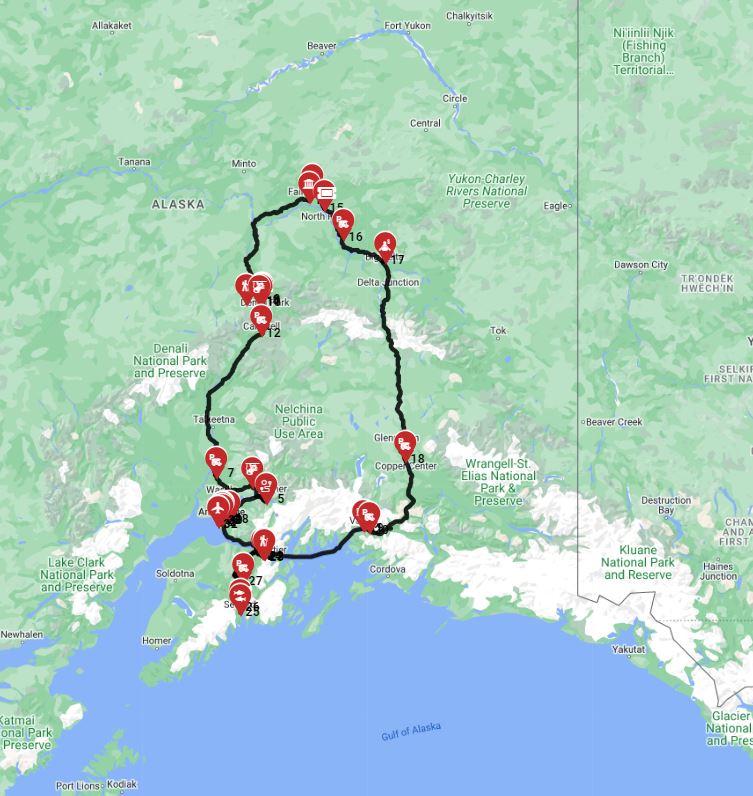
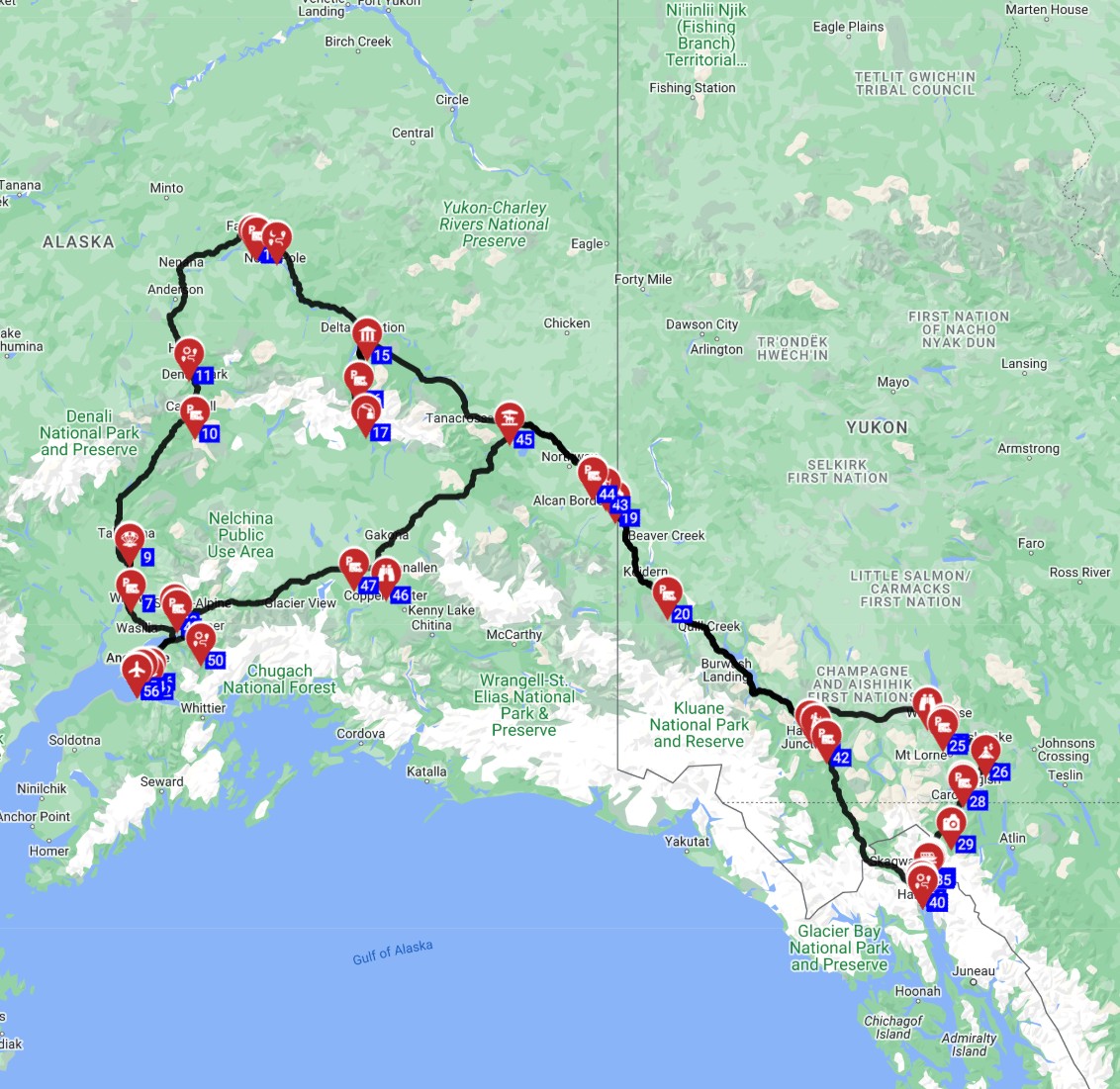
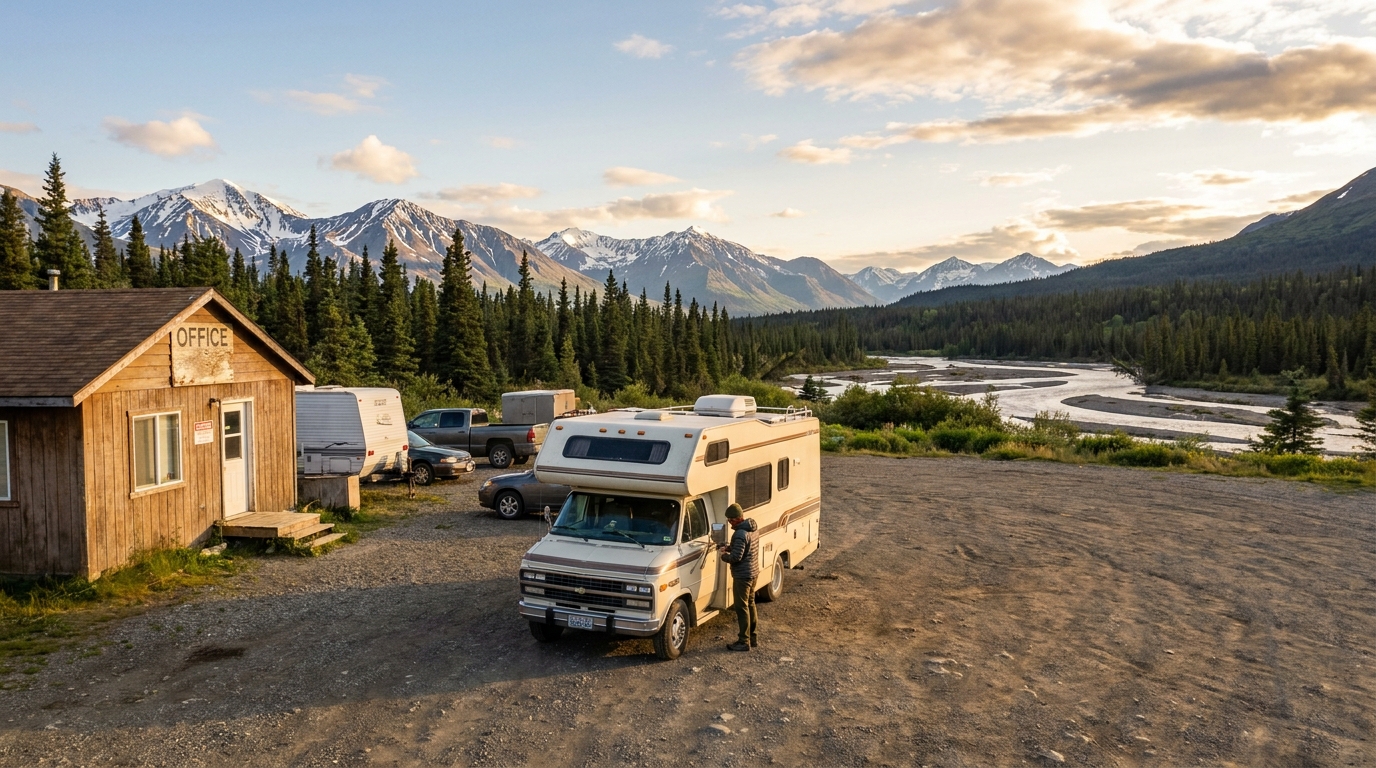
Imagine waking up to the Alaskan wilderness outside your rented motorhome! This incredible state offers endless adventures.- Embark on the
. This epic 23-day, 3539.2 km journey from Anchorage includes visits to 3 cruise terminals, 3 hiking areas, and 3 museums, offering a deep dive into both Alaskan and Canadian Yukon culture and nature.
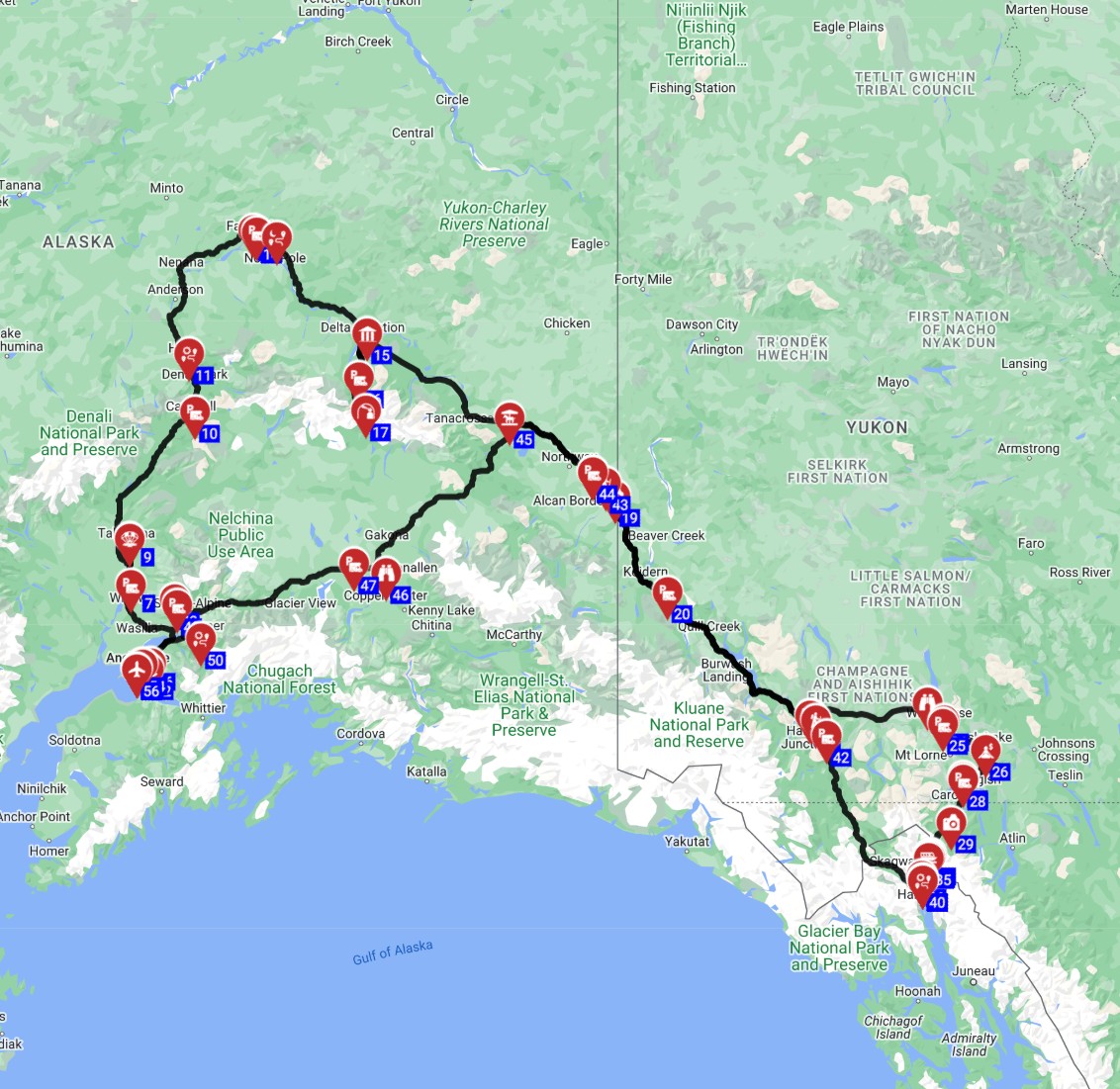 Anchorage Round Trip - Alaska-Yukon Discovery Trail
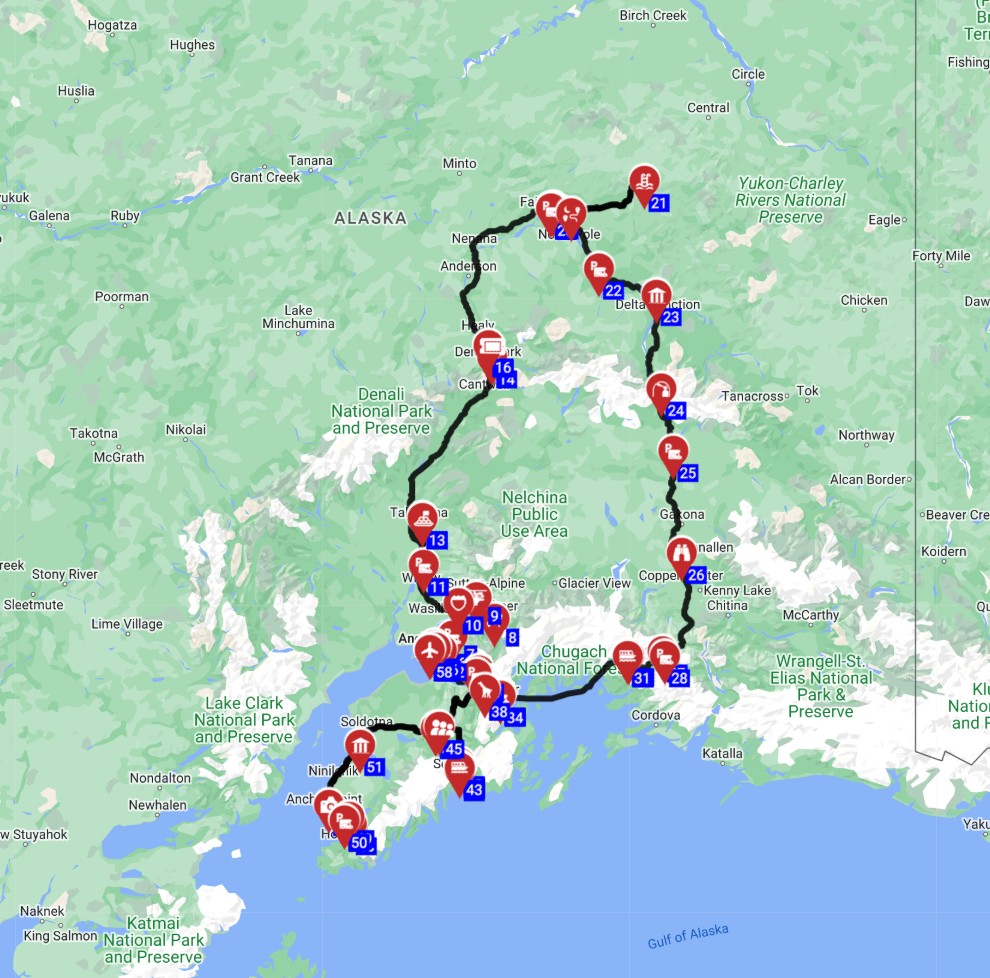
 - Discover the wildlife and stunning fjords with the
. This 11-day, 1928.5 km route showcases 2 animal shows/wildlife watch opportunities and 2 cruise terminal/sailing excursions, perfect for nature lovers.
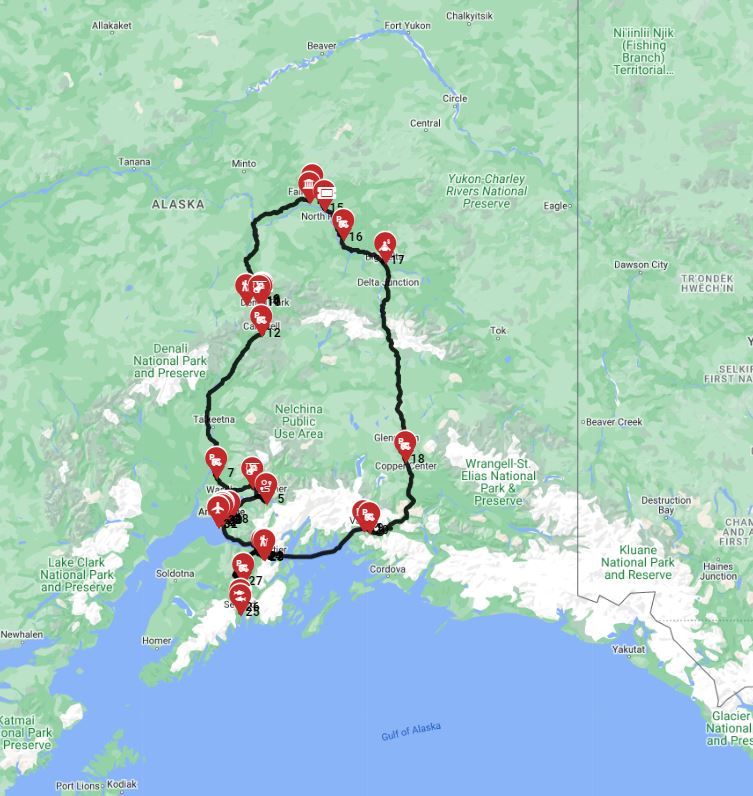 Anchorage Roundtrip - Alaska
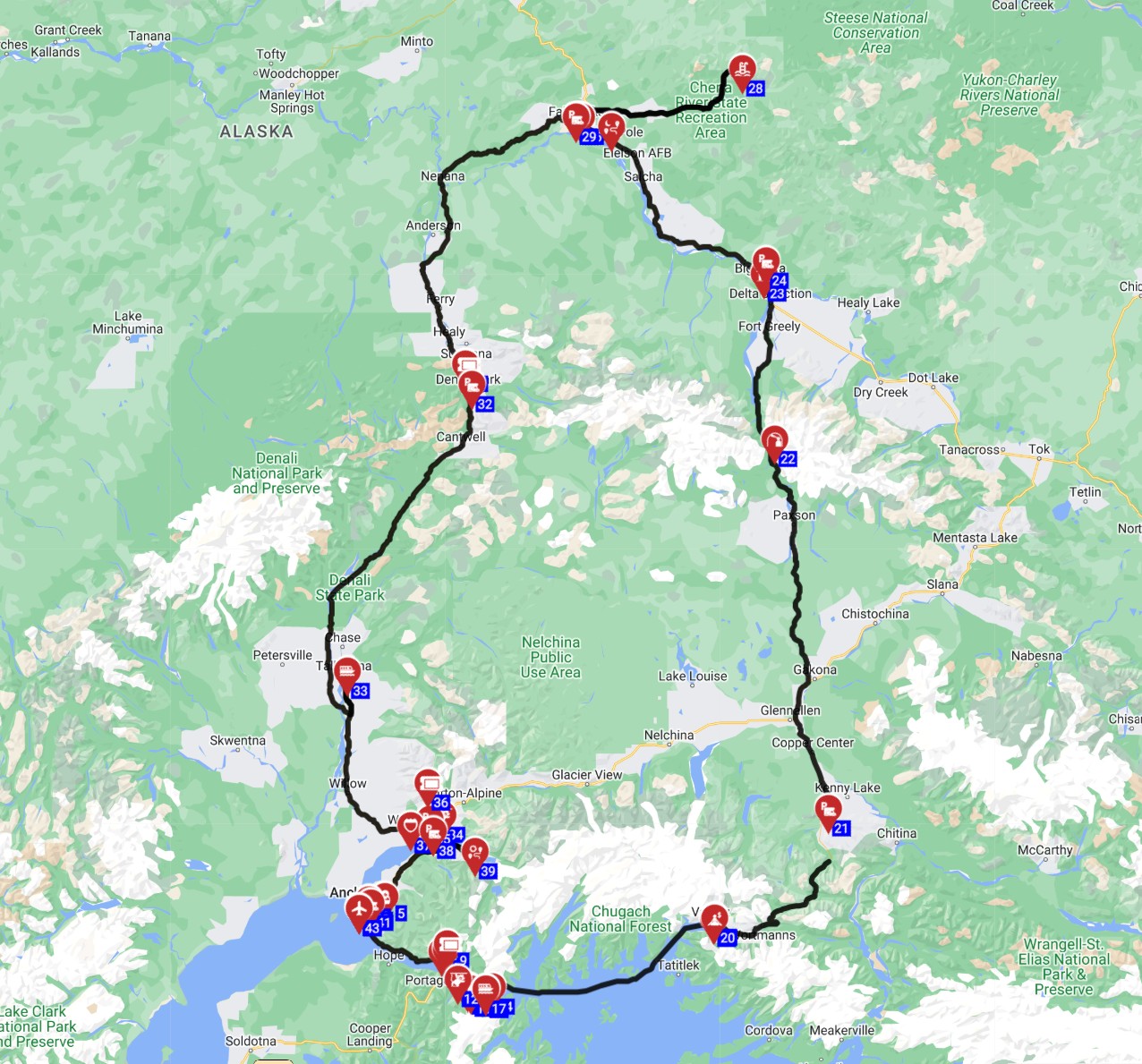
 - Head north on
, a 15-day, 1929.9 km journey. This route includes 2 wildlife watch opportunities, a scenic route, and 4 tourist attractions, offering a truly immersive wilderness experience.
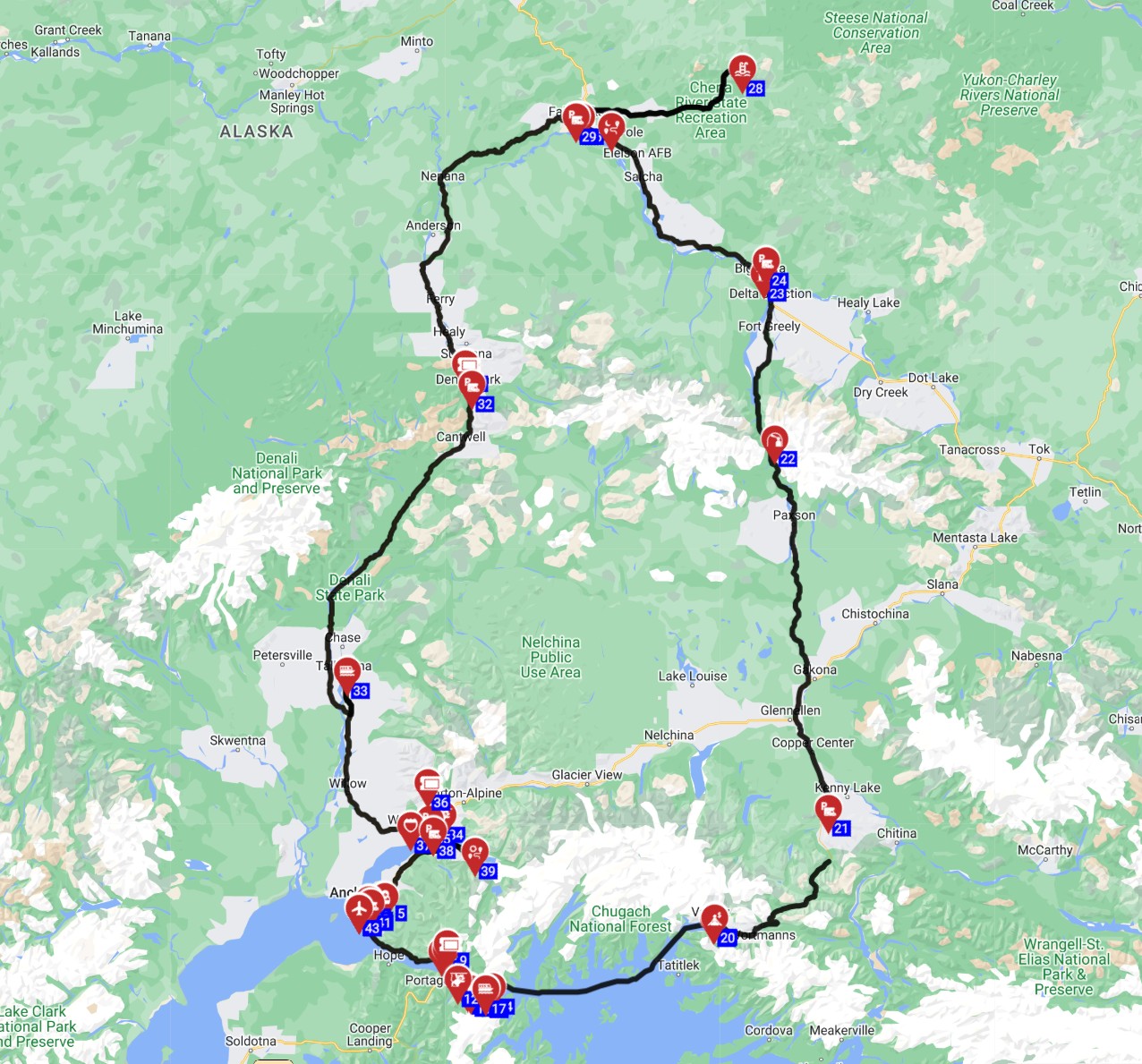 Anchorage Roundtrip Heading North - The Great Alaskan Wilderness Road Trip
 - Explore Denali National Park, where the towering peak of Denali dominates the skyline. Take a shuttle bus deep into the park for unrivaled wildlife viewing.
- Visit the Kenai Fjords National Park by boat cruise from Seward to witness tidewater glaciers calve into the ocean and spot marine wildlife.
- Experience the stunning beauty of the Alaska Marine Highway System, though remember to check vehicle restrictions and book ferry space well in advance for your rented campervan.
Final Thoughts
Driving a rented RV in Alaska is truly an adventure of a lifetime, offering unparalleled freedom and access to some of North America's most breathtaking scenery. From navigating diverse road conditions to discovering the best camping spots, a little preparation goes a long way. With Bandana Caravan, you're not just renting a vehicle; you're gaining a supportive partner dedicated to making your journey transparent, enjoyable, and unforgettable. Imagine the memories you'll create, cooking meals on board after a day of exploring, with the Alaskan wilderness as your backyard.We're here to help you compare final prices across suppliers and ensure you understand every aspect of your rental. So, pack your bags, prepare for incredible vistas, and get ready to experience the raw beauty of Alaska from the comfort of your own rented motorhome. Your Alaskan road trip awaits!
Discover top destinations, planning tips, all in one place! Plan a trip itinerary in advance with minimal effort and maximum enjoyment with Bandana Caravan.
For ideas you can prep on the road, watch our RV-friendly recipes playlist on YouTube.
On the routes offered through RV PLANET routes, you can itemize and track every expense along the way for easy budgeting.