In This Guide
- Can You Drive an RV in West Canada? License & Age Rules
- Road Conditions & Terrain in West Canada
- RV Size Limits, Bridges & Restricted Zones
- Fuel: Diesel vs. Petrol & Cost per 100 km
- Tolls, Vignettes & Border Rules
- Driving Tips for airport rv rental Travelers
- Recommended RV Class for West Canada Roads
- Should I Choose a Compact Van Instead of a Large RV in West Canada?
- Can I Park Anywhere? Free & Wild Camping Rules in West Canada
- Can I Drive an RV Into the City Center? Heights, Tunnels & Local Signage
- How much does it cost to rent an RV at an airport in West Canada?
- What is the best time of year to rent an RV in West Canada?
- What do you need to know about driving an RV in the Canadian Rockies?
- How long does it take to drive across West Canada in an RV?
- What kind of RV is best for Western Canada?
- What are the best RV campsites in West Canada?
- Is it safe to travel in an RV in West Canada?
- What are the requirements for crossing the US Canada border in an RV?
Embarking on a motorhome adventure in West Canada promises unparalleled freedom, offering a mobile base from which to explore majestic mountains, pristine coastlines, and vibrant cities. Renting an RV from a West Canada airport is a fantastic way to begin your journey, allowing you to seamlessly transition from your flight to the open road. As true RV specialists, we at Bandana are here to guide you through every step, ensuring you have all the authoritative insights needed for a smooth and memorable trip. For live availability and current prices, start with our RV Rental West Canada - Complete Guide 2026 guide.
Can You Drive an RV in West Canada? License & Age Rules
Yes, you can absolutely drive a rented RV in West Canada with a standard driver's license. A Class 5 (or equivalent foreign) driver's license is typically sufficient for driving most rental motorhomes and campervans, as they generally weigh under 11,000 kg (24,250 lbs), which falls within the standard car license category in Canada. Rental companies, including our partners like El Monte, Cruise America, Apollo, and Britz, usually require drivers to be a minimum of 21 years old, with no young driver surcharges or vehicle class restrictions based on age.
Foreign drivers should carry their valid home country license, and while not always mandatory, an International Driving Permit (IDP) is highly recommended if your license is not in English or French. This extra document simplifies identification and communication, providing peace of mind as you navigate the beautiful Western Canadian landscapes. Our goal is to make your rental experience as transparent and stress-free as possible, ensuring you know exactly what’s required before you even book.
Road Conditions & Terrain in West Canada
West Canada offers a diverse range of road conditions and terrains, from urban streets to scenic mountain passes and occasional well-maintained gravel roads leading to campsites, all generally suitable for RV travel. Major highways like the Trans-Canada Highway are excellently maintained, providing smooth and comfortable driving for all sizes of motorhomes and campervans. In mountainous regions, particularly the Canadian Rockies, you'll encounter winding roads, steep inclines, and descents that require careful driving.
When traversing mountain passes, remember to drive slowly and carefully, using lower gears for descents to engage engine braking and prevent brake fade. There's no need to stress about these roads; just use common sense and pay attention to posted speed limits and road signs. You should also anticipate varying conditions, especially if exploring more remote areas where unpaved sections are common. Always check local road reports before heading out, particularly during shoulder seasons, for any unexpected closures or construction.
RV Size Limits, Bridges & Restricted Zones
Western Canada generally accommodates all standard RV sizes on major routes with few significant height or weight restrictions affecting typical rental vehicles. You can confidently navigate the vast majority of roads and highways, whether you're in a nimble campervan or a spacious Class A motorhome.
However, travelers should be aware of potential length-based pricing and reservation requirements for BC Ferries if planning island excursions to destinations like Vancouver Island or the Gulf Islands. It's always best to book ferry travel well in advance, especially with a larger vehicle, to secure your spot and avoid delays. Unlike some regions, Western Canada does not typically have specific "environmental zones" that restrict RV access, but drivers should always observe posted local signage for any specific bridge heights, tunnel clearances, or local road limits. Pay attention, drive carefully, and your rented RV will be your passport to discovery.
Fuel: Diesel vs. Petrol & Cost per 100 km
Most rental RVs in West Canada operate on either petrol (gasoline) or diesel, with both fuel types widely available at service stations across major routes. Understanding your rented RV's fuel type is crucial for a smooth journey. For example, a "cruise america rv rental example Explorer" motorhome with a 2.5 Liter Turbo diesel engine has a fuel consumption of 11 Liter / 100 Km, while an "rv rentals utah example Sunrise Escape" with a Gas/6.8L/295KW engine consumes 20 - 25 Liter / 100 Km.
Based on Bandana's global fleet averages and estimated current fuel prices (approximately CAD $1.80/L for petrol, CAD $1.90/L for diesel), estimated fuel costs per 100 km typically range from: Class B Camper Vans (petrol) at CAD $14.40 - $18.00; Class SI Semi-integrated (diesel) at CAD $19.00 - $20.90; Class C Alcove (diesel) at CAD $19.00 - $22.80; and Class A Integrated (diesel) at CAD $15.20 - $20.90. Fuel prices fluctuate, so always confirm the exact fuel type of your rental RV upon booking and check local prices. For comprehensive budgeting and to track every expense along the way, we highly recommend utilizing RV PLANET routes, which helps travelers itemize all trip costs. On the routes offered through RV PLANET routes, you can itemize and track every expense along the way for easy budgeting.
Tolls, Vignettes & Border Rules
Tolls are fortunately rare for private RVs in Western Canada, meaning you won't encounter widespread toll roads or national vignettes comparable to many other global regions. The primary instances where RVs might encounter tolls are limited to a few specific bridges or tunnels, but these are generally well-marked and not a significant concern for most recreational travelers.
For those planning to combine their Canadian adventure with a trip across the US-Canada border, specific vehicle documentation (including your rental agreement and insurance proof), valid passports for all occupants, and a clear awareness of customs regulations are crucial. While these are separate from internal Canadian toll requirements, being prepared ensures a smooth crossing. Remember to declare all goods and be aware of prohibited items like firearms and certain agricultural products. Detailed information can be found in our RV Rental USA - Complete Guide 2026 for cross-border planning.
Driving Tips for airport rv rental Travelers
For a truly enjoyable RV trip in West Canada, adopting a mindful driving approach is key, especially given the varied terrain and potential for wildlife encounters. We recommend slow travel, averaging a maximum of 100-150 km per day, allowing you to truly immerse yourself in the culture, food, and stunning scenery. For families, plan frequent stops every 2-3 hours to prevent driver fatigue and allow everyone to stretch and explore, making the journey part of the adventure.
Prioritize safety in mountainous terrain by using lower gears for descents to engage engine braking and prevent brake fade, which is a common and important practice for larger vehicles. Always monitor local weather and road conditions, especially when traveling through mountain passes, and be prepared for sudden changes. Be highly wildlife-aware: drive cautiously, particularly at dawn and dusk, and scan roadsides for animals like bears, elk, and deer. Secure all items inside your rented RV before driving to prevent shifting, potential damage, or distractions. With a rented motorhome, you have a mobile headquarters to venture out to national parks, so drive attentively and soak in the views.
Recommended RV Class for West Canada Roads
The best RV class for Western Canada roads truly depends on your group size, desired comfort, and travel style. For families or groups seeking a comfortable balance of space and maneuverability, Class C Alcove motorhomes (typically averaging 7.5m in length with 5-6 sleeping places) and Class SI Semi-integrated motorhomes (averaging 6.9m with 3-4 sleeping places) are highly recommended. These provide ample living space, a full kitchen, and a shower with toilet, perfect for longer trips and self-sufficiency.
Couples or solo travelers prioritizing nimble exploration and easier parking may find Class B Camper Vans (average length 5.8m, 2-3 sleeping places) ideal for navigating both urban centers and narrower provincial park roads. For those planning more rugged or off-grid adventures, a Class TC Truck Camper (average length 5.5m, 2-3 sleeping places), often with 4x4 capability, provides excellent accessibility to remote areas. Meanwhile, Class A Integrated motorhomes (average length 7.5m, 4-6 sleeping places) offer the most luxurious, spacious experience for a resort-style adventure with all the comforts of home.
Should I Choose a Compact Van Instead of a Large RV in West Canada?
When considering a compact van versus a larger motorhome in West Canada, it's important to remember that you can drive almost any RV size without issues on most roads and through most destinations. Major roads and park infrastructure are well-equipped to accommodate larger vehicles, making comfort and indoor space often a more crucial consideration than extreme maneuverability.
A compact van, such as a Class B Camper Van, genuinely shines in situations requiring easier parking in tighter urban centers or navigating narrower provincial park roads, often offering better fuel efficiency (typically 8-10 Liters/100 km). Conversely, a larger RV like a Class C or Class A provides significantly more living space, amenities, and storage. This extra comfort can be a better trade-off for extended trips, families with kids, or those who prioritize onboard living convenience. No need to stress - just use common sense and pay attention, and you can drive almost anywhere without issues.
Can I Park Anywhere? Free & Wild Camping Rules in West Canada
In West Canada, genuine "wild camping" (also known as boondocking or dispersed camping) is generally permissible on designated Crown Land, particularly in British Columbia and Alberta, provided specific regulations are followed. This offers incredible opportunities for off-grid experiences and budget-friendly travel.
Travelers must research and understand provincial regulations for Crown Land use, which often include limits on stay duration (e.g., typically 14-21 days in one spot), requirements for self-sufficiency (packing in, packing out, no services), and strict "leave no trace" principles to preserve the natural beauty. Overnight parking may also be permitted at some commercial parking lots (like certain Walmarts or truck stops) with prior permission, but parking on private property or undesignated public land without authorization is illegal. Rules vary by municipality, so always check local regulations and follow local law before parking overnight. For finding established campsites and campgrounds during your trip, we recommend using RV PLANET (rvplan.net), a great resource for locating available spots along your route.
Can I Drive an RV Into the City Center? Heights, Tunnels & Local Signage
Yes, you can almost always drive a rented RV into city centers in West Canada, as modern infrastructure in cities like Vancouver, Calgary, and Edmonton is generally designed to accommodate larger vehicles. You'll find that main roads leading into and through downtown areas are wide enough for comfortable navigation.
However, drivers must pay close attention to local signage for specific height limits, particularly on parking garages, tunnels, or underpasses, as well as any residents-only streets or restricted zones (though true environmental restrictions are rare for RVs in West Canada). While direct access is usually not an issue, finding suitable and affordable parking for a motorhome in a busy city center can be challenging and costly. Many RV travelers opt to park their vehicle at a campground or a designated perimeter lot outside the city center and use public transport to explore urban attractions. This often proves to be a more relaxed and efficient approach.
How much does it cost to rent an RV at an airport in West Canada?
RV rental costs in West Canada vary significantly based on the season, the chosen RV class, rental duration, and included amenities, with typical nightly rates ranging from CAD $150 to $450 or more. For example, a compact Class B campervan like the "hire campervan example Paradise S/T" for a couple might be on the lower end, while a larger family-friendly Class C such as the "29′ Class C Motorhome" with slide-outs could be on the higher end, especially during peak summer months.
Beyond the base rental fee, comprehensive budgeting should account for additional costs such as mileage fees (or unlimited mileage packages), insurance, preparation fees, optional add-ons (e.g., kitchen kits, linen packs), and potential airport transfer or convenience fees. A realistic comparison of RV travel versus hotels should also factor in fuel costs (estimated at CAD $15-30 per 100 km depending on RV type and road conditions), campground fees (CAD $30-100 per night for serviced sites), National Park entry fees (e.g., a Parks Canada Discovery Pass for around CAD $145 annually for a family), and grocery expenses for self-catering. Remember, prices are dynamic and change daily, so comparing options through platforms like Bandana gives you full price transparency with no hidden fees. For more detailed pricing insights, refer to "RV Rental in West Canada - Prices and Best Deals 2026" or "Luxury RV Rental in West Canada - Premium Prices 2026".
What is the best time of year to rent an RV in West Canada?
Late spring (May-June) and early autumn (September-October) generally offer the best balance for renting an RV in West Canada, providing pleasant weather, fewer crowds, and often better rental availability and rates compared to the peak season. During these shoulder seasons, you can experience vibrant spring wildflowers or stunning fall foliage, plus excellent wildlife viewing opportunities, while enjoying more tranquility at popular sites.
Summer (July-August) is the peak season, offering the warmest weather and full access to all attractions, including higher mountain passes like the Icefields Parkway. However, demand is highest, requiring bookings far in advance (6-12 months is not uncommon for prime spots), and you'll experience higher prices and more crowded campgrounds. Don't worry if you're a spontaneous traveler; many national and provincial parks reserve 25-30% of their spots for first-come-first-serve, so you'll usually find a spot. If not at the first campground, then the next one; just call ahead before driving.
What do you need to know about driving an RV in the Canadian Rockies?
Driving a rented RV in the Canadian Rockies requires careful planning, proficient mountain driving techniques, and a heightened awareness of rapidly changing road conditions and abundant wildlife. These iconic routes, like the Icefields Parkway, are breathtaking but demand respect. Always use lower gears to control your speed on descents, preventing your brakes from overheating.
Travelers should frequently check up-to-date road reports via provincial resources (e.g., DriveBC in British Columbia and 511 Alberta) for potential closures due to weather (especially snow at higher elevations even in summer) or construction. Specific advice for wildlife encounters is critical: drive slowly, particularly at dawn and dusk, constantly scan roadsides for animals like bears, elk, and bighorn sheep, and never approach or feed wildlife. Be prepared for remote area challenges such as intermittent cell service; consider carrying a satellite communication device for peace of mind. A little preparedness goes a long way in ensuring a safe and awe-inspiring Rockies adventure.
How long does it take to drive across West Canada in an RV?
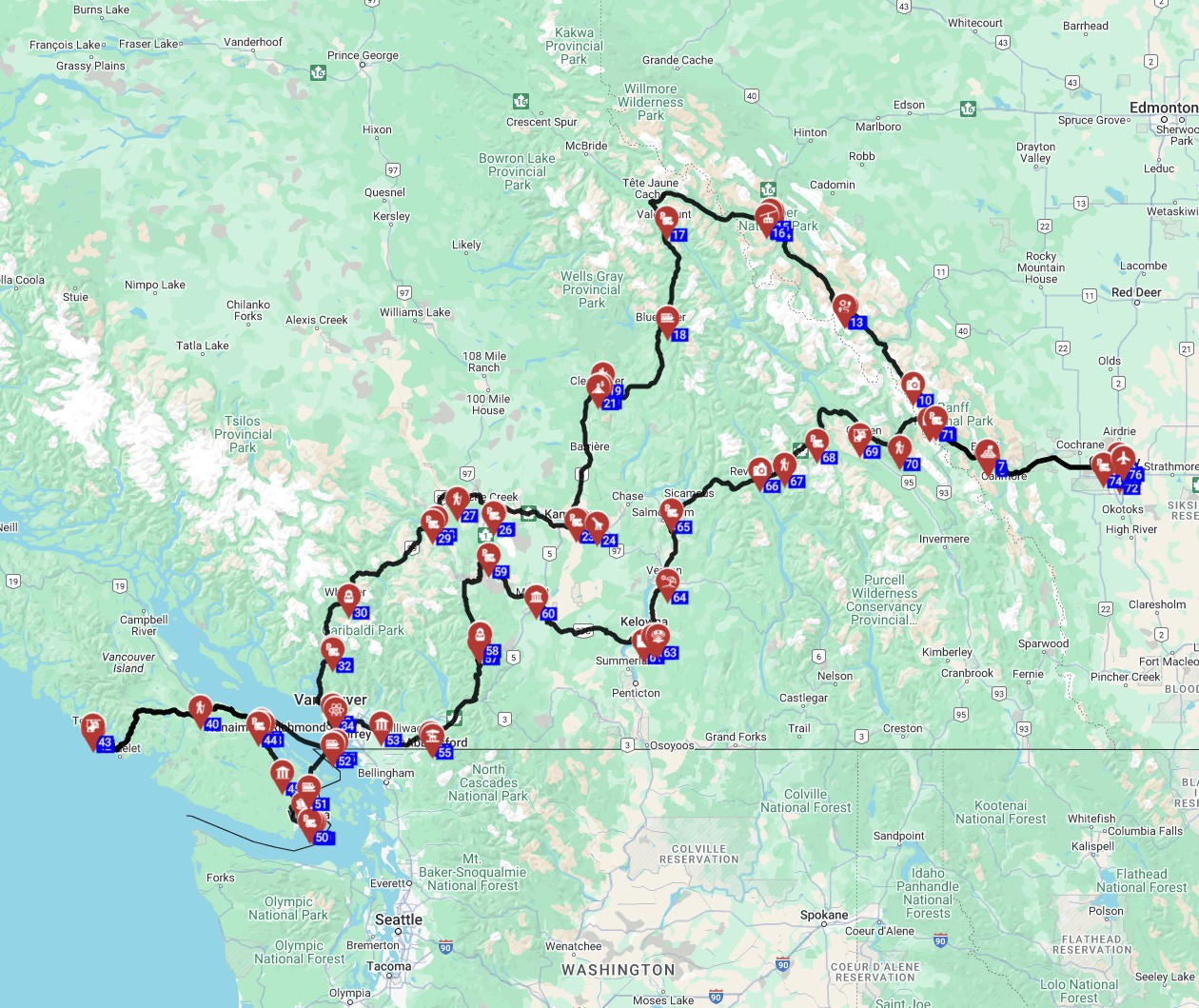
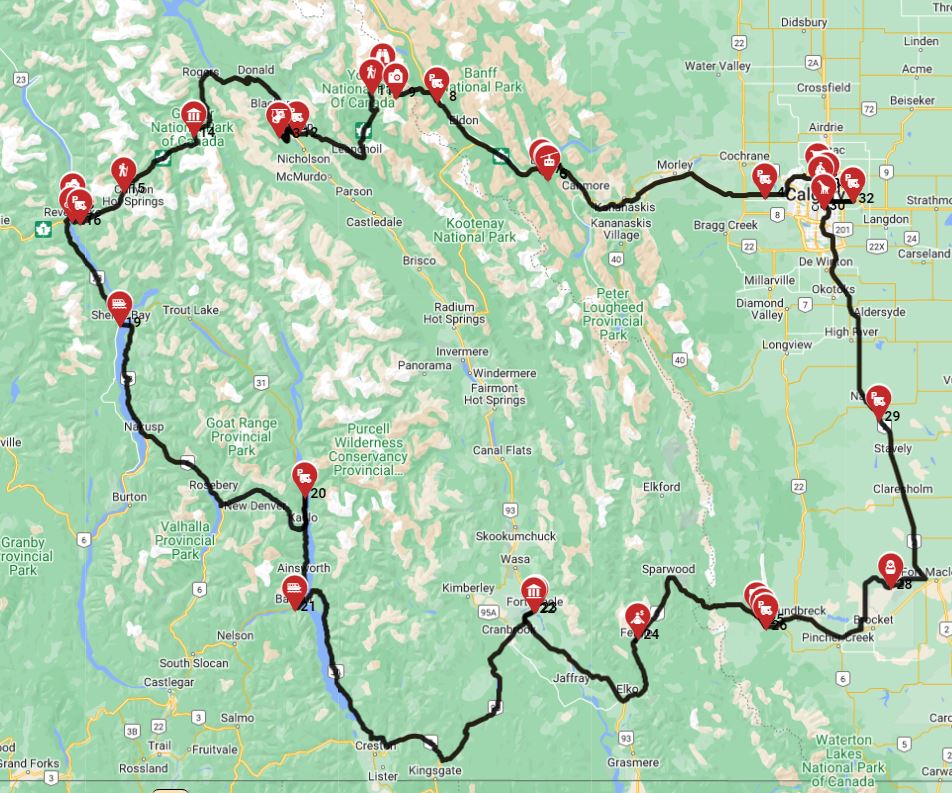
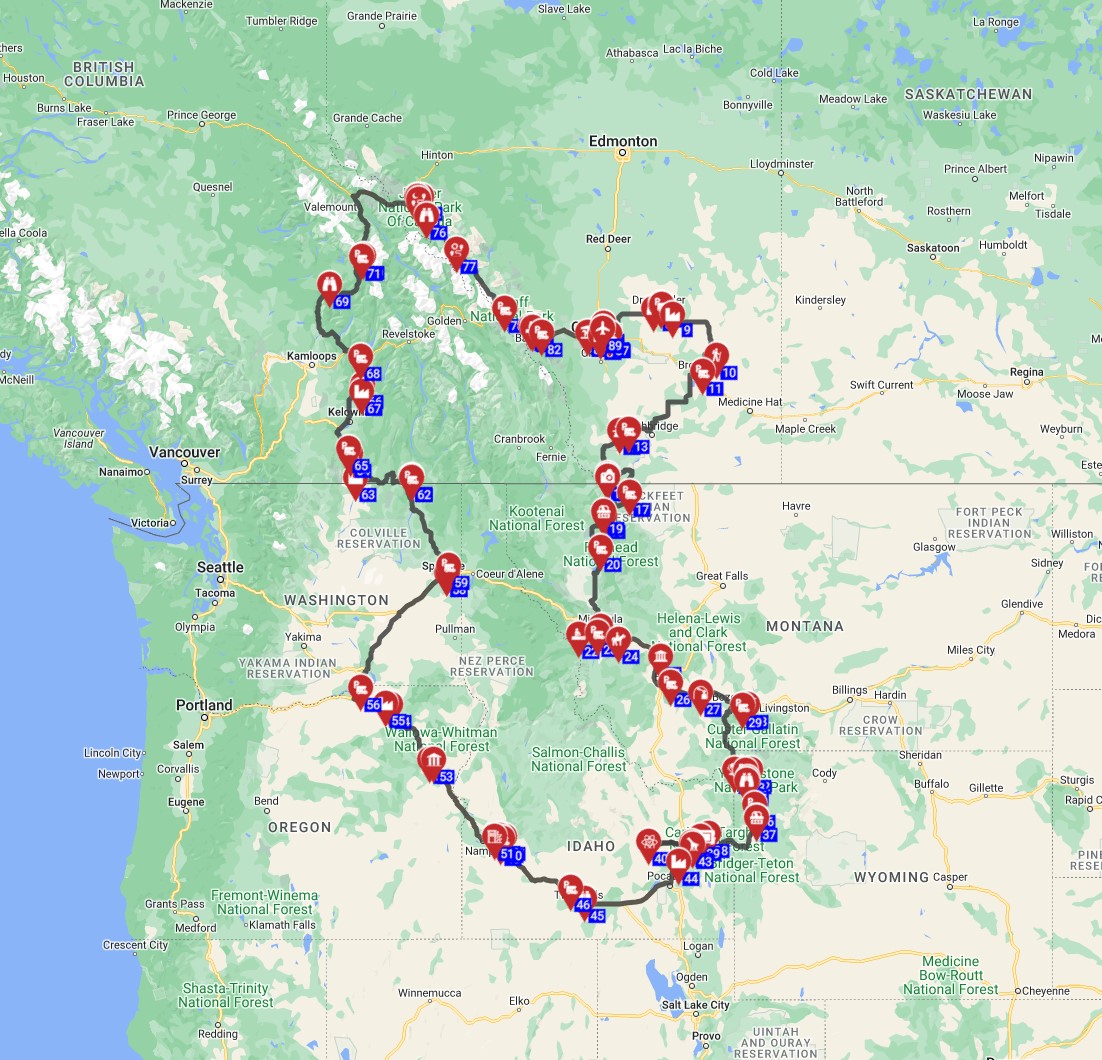
Driving across key regions of West Canada in a rented RV, such as a loop through the Rockies or a coastal adventure, can range from a focused 7-day itinerary to a more extensive and immersive two-week or longer journey, depending on your desired pace and depth of exploration. For instance, a popular 7-day Rockies loop from Calgary might cover Banff, Jasper, Lake Louise, and back, focusing on main attractions with limited time for detours.
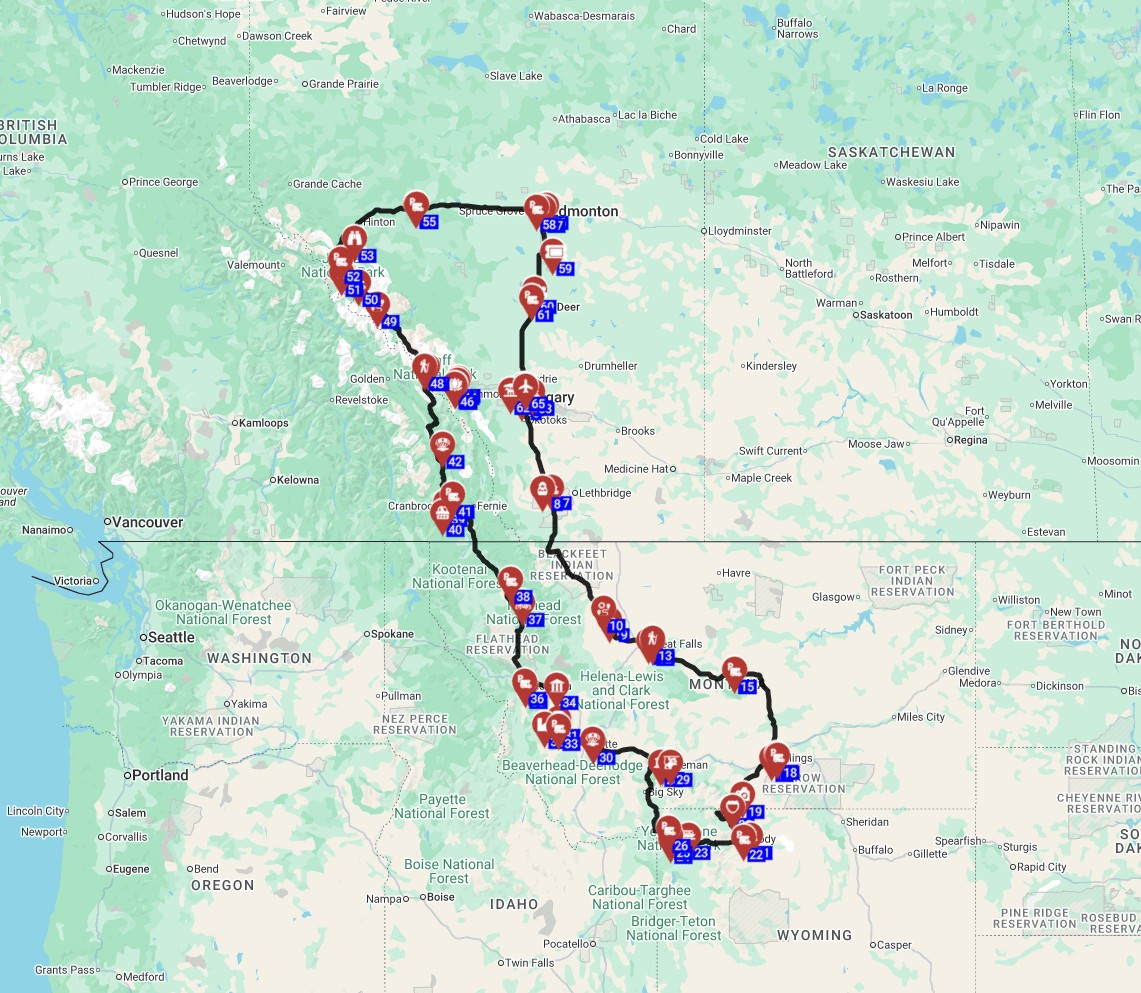
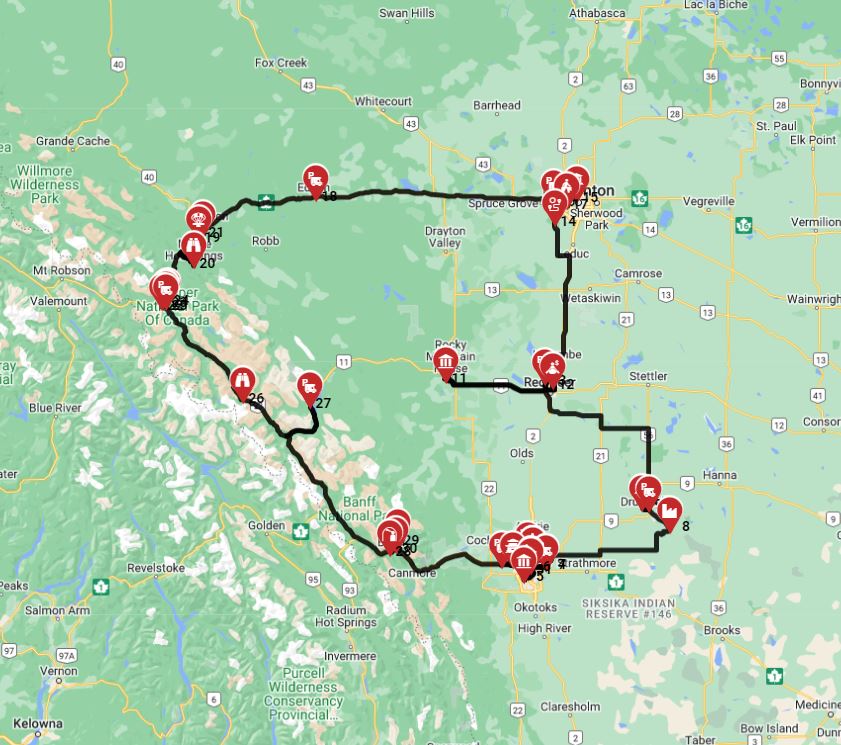
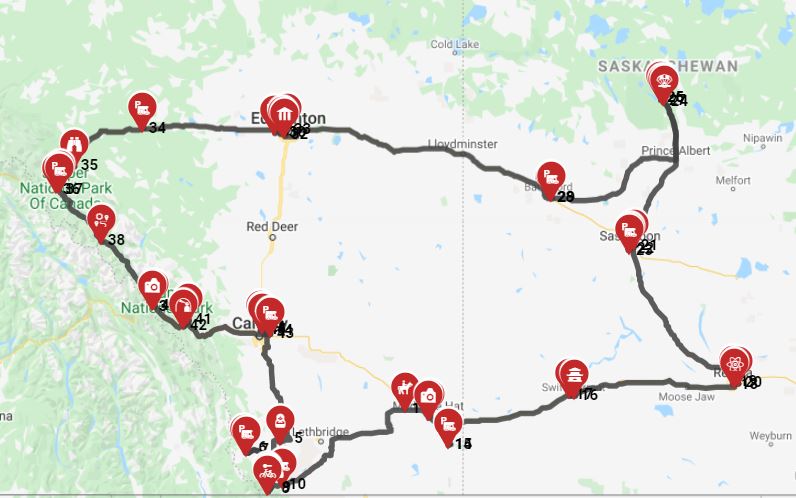
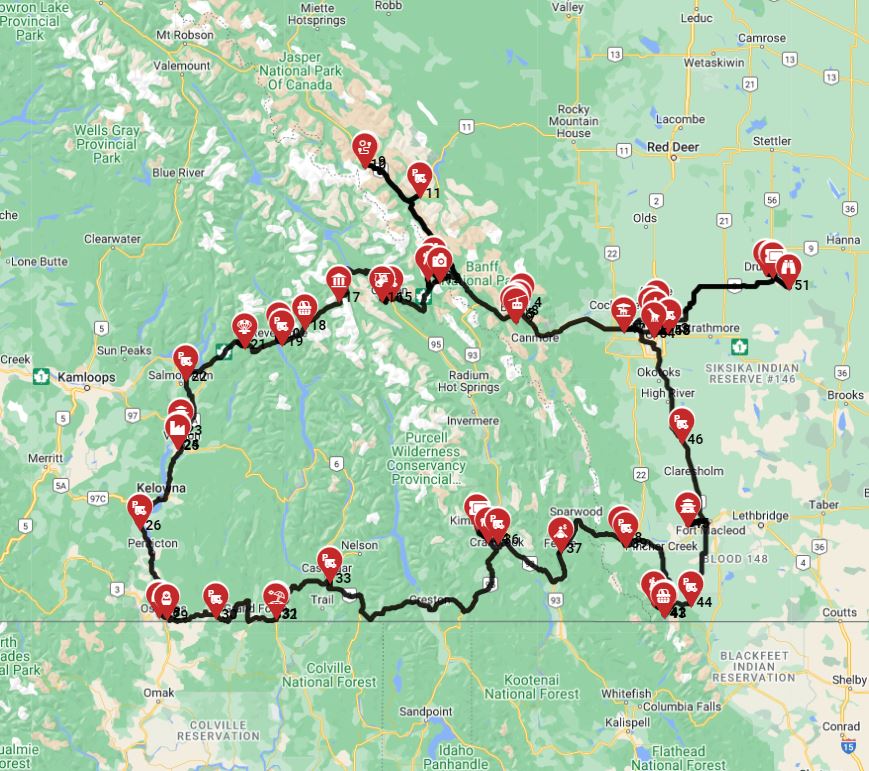
For a truly comprehensive experience that includes major parks, coastal regions, and off-the-beaten-path spots, allowing 10-14 days for a province like British Columbia or Alberta, or three weeks for a more encompassing West Canada tour, enables travelers to truly slow down, enjoy unique local culture, and explore lesser-known provincial parks. Remember our recommendation for slow travel: maximum 100-150 km per day on average, allowing you to connect to the scenery and culture without rushing. Planning routes in advance with tools like RV PLANET can greatly enhance your trip. You can find inspiration and detailed route plans, like the "

For more route inspiration, explore our "RV Travel Guide to West Canada - Tips and Top Spots 2026" for expert-curated itineraries.
What kind of RV is best for Western Canada?
The best RV for Western Canada depends directly on your travel style, group size, and desired comfort level, with Class C Alcove and Class SI Semi-integrated RVs being highly popular choices for families due to their balance of space and amenities. A Class C Alcove motorhome, such as the "rv rentals example Comfort Class" which features three double beds and is ideal for a big family or group of friends, offers generous sleeping capacity and onboard facilities.
For couples or solo adventurers prioritizing nimble exploration, ease of parking, and fuel efficiency, a Class B Camper Van (average length 5.8m, typically 8-10 Liters/100 km fuel consumption) offers the agility needed for both urban and tighter natural areas. An "rv rental denver example Category Van" provides a compact yet functional option, ideal for a couple. For those seeking luxury and spaciousness, Class A Integrated RVs (average length 7.5m, 4-6 sleeping places) provide a premium experience ideal for resort comfort, while Truck Campers (average length 5.5m, often 4x4 capable) are perfect for rugged trails and off-grid adventures in remote wilderness areas. Consider models like the "Patagonia Camper 4x4 double cab" for a robust, small RV solution with 4-wheel drive.
Ultimately, the choice of your rented mobile home comes down to matching its features to your adventure. We have direct partnerships with over 50 leading RV suppliers worldwide, including El Monte, Cruise America, Apollo, and Britz, ensuring a vast selection to meet your needs.
What are the best RV campsites in West Canada?
Western Canada boasts a diverse array of exceptional RV campsites, ranging from fully serviced private resorts to scenic provincial and national park campgrounds, each offering unique access to breathtaking natural beauty. Some of the most sought-after campsites are located within the iconic National Parks like Banff, Jasper, and Yoho, which provide stunning backdrops and essential amenities but require reservations far in advance, especially during peak season.
Beyond the major tourist hubs, excellent RV camping can be found in numerous provincial parks across British Columbia (BC Parks) and Alberta (Alberta Parks). These often provide a more tranquil experience, showcasing local culture, and unique off-the-beaten-path spots. Popular choices include the numerous campgrounds along the Icefields Parkway in Alberta, or coastal gems like Rathtrevor Beach Provincial Park on Vancouver Island. Many of these sites offer a mix of reservable and first-come-first-serve spots, so even spontaneous travelers can find a home for the night. Remember that we don't provide campsite booking services during your rental, but for finding campsites and campgrounds during your trip, we recommend using RV PLANET (rvplan.net) – a great resource for locating available spots along your route.
Cooking meals in your rented RV is a fantastic way to save money and enjoy the local produce. With a fully equipped kitchen typically found in most motorhomes and campervans, you can easily prepare delicious meals right at your campsite. For inspiration, check out our RV-friendly recipes playlist.
Is it safe to travel in an RV in West Canada?
Traveling in a rented RV in West Canada is generally very safe, provided travelers adhere to standard precautions for driving, wildlife encounters, and preparedness for remote wilderness areas. Canada is renowned for its safety and hospitality, but its vast natural landscapes require a sensible approach to ensure a trouble-free adventure.
RV safety and preparedness for the Western Canadian wilderness should include carrying an emergency kit, informing someone of your itinerary, and considering a satellite communication device for areas with limited cell connectivity. Specific advice for wildlife encounters, particularly with bears, emphasizes proper food storage in bear-proof containers or locked vehicles, carrying bear spray (and knowing how to use it safely), and maintaining a respectful distance from all wild animals. Always be aware of your surroundings, especially when hiking or camping. These practical steps, combined with common sense and attention, will ensure a safe and unforgettable journey through West Canada.
What are the requirements for crossing the US Canada border in an RV?
Crossing the US-Canada border in a rented RV requires specific documentation for all occupants and the vehicle, strict adherence to customs regulations, and a clear understanding of prohibited items to ensure a smooth transition. Essential documents include valid passports for all travelers, the RV's registration or rental agreement, and proof of vehicle insurance that covers cross-border travel.
A valid driver's license from your home country is required, and an International Driving Permit (IDP) is recommended for visitors from non-English or non-French speaking countries, though it is not mandatory in most cases. Travelers must declare all goods upon entry and be aware of prohibited items such as firearms, certain agricultural products (like fresh fruits, vegetables, and meats), and excessive quantities of alcohol or tobacco. If traveling with pets, ensure you have up-to-date veterinary certificates and rabies vaccination records. Reviewing our RV Rental USA - Complete Guide 2026 provides further insights for seamless North American RV travel, and for one-way journeys, consult our One-Way RV Rental in West Canada - Price Guide 2026. We believe in full transparency, so you'll always know what to expect.
What You Shouldn't Miss
- Explore Banff and Jasper National Parks: Drive the iconic Icefields Parkway, stopping at Lake Louise, Peyto Lake, and the Athabasca Glacier.
- Discover Vancouver Island: Take a BC Ferry to Victoria, explore the wild Pacific Rim National Park Reserve near Tofino, and enjoy coastal camping.
- Journey Through the Okanagan Valley: Experience British Columbia's wine country, enjoying tastings and lakeside camping around Kelowna and Penticton.
- Visit the Alberta Badlands: Head to Drumheller, the "Dinosaur Capital of the World," and explore the unique hoodoos and Royal Tyrrell Museum of Palaeontology.
- Hike in Yoho National Park: Discover stunning waterfalls like Takakkaw Falls and the mesmerizing turquoise waters of Emerald Lake.
- Experience the Sunshine Coast: Take a series of scenic ferry rides and enjoy a slower pace of life, with numerous provincial parks for camping and outdoor activities.
Looking for expert insights from Avi Bandana? Top 5 Adventures - recommendations from Avi Bandana.
Final Thoughts
Renting a motorhome or campervan from a West Canada airport is the gateway to an extraordinary adventure, offering the flexibility to explore at your own pace and create memories that will last a lifetime. With majestic mountains, serene coastlines, and vibrant cities awaiting, West Canada truly is an RV paradise.
We hope this guide provides you with the confidence and knowledge to plan your perfect trip. Remember, we’re here to support you with full transparency, expert advice, and a wide selection of top-quality vehicles. So pack your bags, choose your route, and get ready to experience the freedom of the open road in beautiful Western Canada!
Discover top destinations, planning tips, all in one place! Plan a trip itinerary in advance with minimal effort and maximum enjoyment.
Ready to start your West Canada adventure?
Compare Motorhome Prices for West Canada Find airport RV Rentals in West Canada