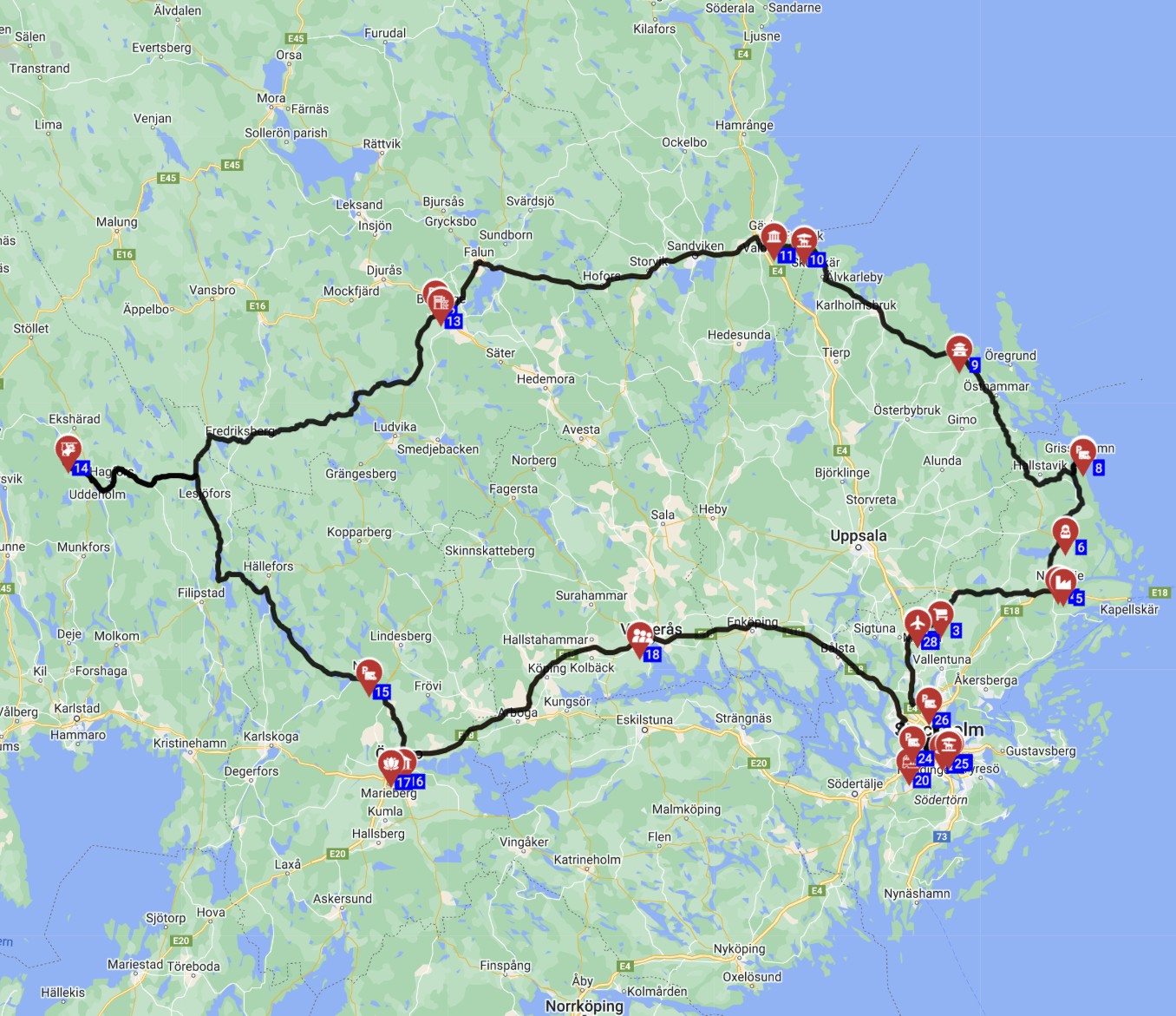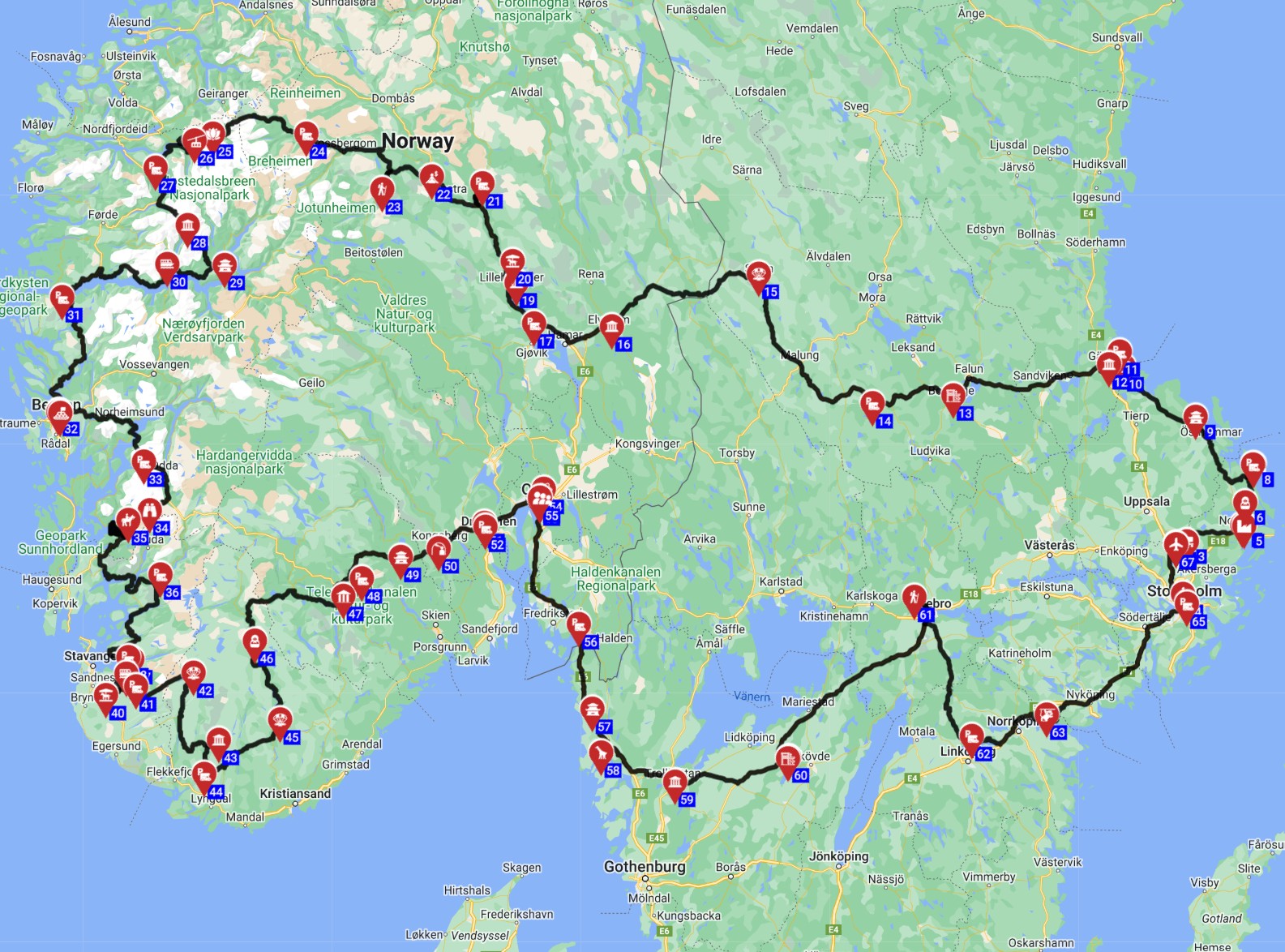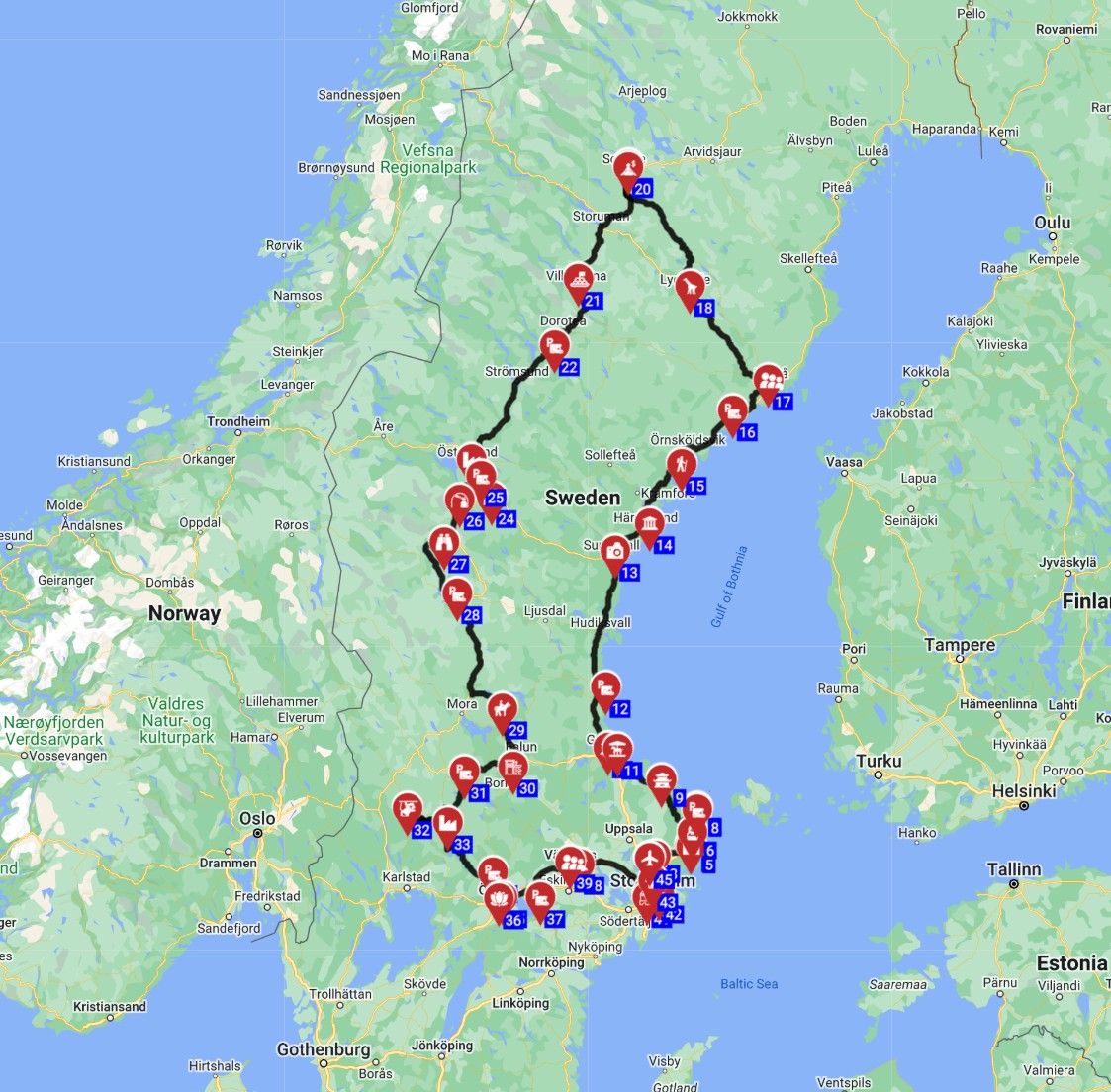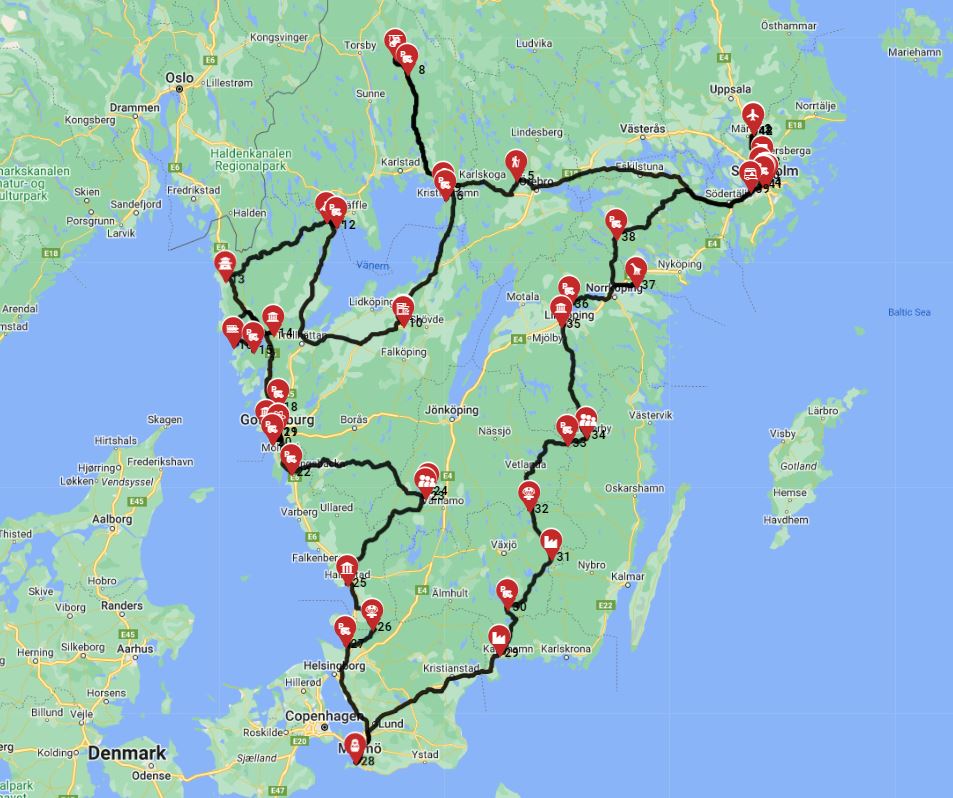
In This Guide
- Can You Drive an RV in Sweden? License & Age Rules
- Road Conditions & Terrain in Sweden
- RV Size Limits, Bridges & Restricted Zones
- Fuel: Diesel vs. Petrol & Cost per 100 km
- Tolls, Vignettes & Border Rules
- Driving Tips for RV Rental Travelers
- Recommended RV Class for Sweden Roads
- Should I Choose a Compact Van Instead of a Large RV in Sweden?
- Can I Park Anywhere? Free & Wild Camping Rules in Sweden
- Can I Drive an RV Into the City Center? Heights, Tunnels & Local Signage
- How much does it cost to rent an RV in Sweden?
- Can you wild camp in Sweden with a motorhome?
- What is the best time to RV in Sweden?
- How many days do you need for an RV trip in Sweden?
- What documents do I need to rent an RV in Sweden?
- Is it worth renting a motorhome in Sweden?
- What are the best places to visit in Sweden by RV?
- How much does camping cost in Sweden?
- Is it easy to drive an RV in Sweden?
- Can I rent an RV in Sweden and drive to Norway?
RV Rental Sweden - Complete Guide 2026
Yes, most standard driving licenses from EU/EEA countries are valid for RVs up to 3,500 kg. Non-EU licenses typically require an International Driving Permit (IDP). A standard B-license is sufficient for RVs with a maximum authorized mass (MAM) up to 3,500 kg. For RVs exceeding 3,500 kg MAM, a C1 or C license is required. The minimum driver age for renting an RV is usually 20 or 21, although some rental companies may require drivers to be 25 for larger vehicles. Non-EU/EEA license holders must typically present an International Driving Permit (IDP) along with their national license.
Road Conditions & Terrain in Sweden
Sweden offers excellent road conditions, predominantly well-maintained paved roads, but also features gravel roads, especially in rural and northern areas, providing diverse terrain for RV travel. Major highways and E-roads are generally in superb condition, making long-distance travel comfortable. Smaller regional roads and those in wilderness areas can be gravel, requiring slower speeds and careful driving. Terrain varies from flat agricultural plains in the south to rolling hills and mountainous regions in the north. Expect clear signage and embrace slow, scenic driving to fully appreciate the diverse landscapes. Be highly aware of wildlife crossings, particularly moose and reindeer, especially at dawn and dusk on rural roads.
RV Size Limits, Bridges & Restricted Zones
While Sweden's infrastructure generally accommodates RVs of all common sizes, travelers should be aware of specific height and weight restrictions, particularly for older bridges, urban environmental zones, and certain ferry routes. There are generally no widespread overarching size limits for RVs on main Swedish roads, but always observe local signage. Pay close attention to height and weight restrictions posted on older bridges, tunnels, or for specific roads, particularly in rural or historic areas. Environmental zones (*miljözoner*) exist in cities like Stockholm and Gothenburg, regulating emissions for heavier vehicles; ensure your RV meets these standards or plan routes around them. When planning ferry crossings (e.g., to islands like Gotland or between archipelagos), check vehicle length and weight requirements as these can affect booking and cost.
Fuel: Diesel vs. Petrol & Cost per 100 km
Most RVs for rent in Sweden operate on diesel, which is widely available at service stations throughout the country, with Bandana's global fleet averaging between 8-17 liters per 100 km depending on the vehicle class. Diesel (*diesel*) is the predominant fuel type for motorhomes and is readily available at virtually all petrol stations. Petrol (*bensin*) is also available but less common for RVs; always check your RV's fuel type. Based on Bandana's global fleet averages, common fuel consumption per 100 km are: Class SI (Semi-integrated): 10-11 Liters/100 km; Class C (Alcove): 10-12 Liters/100 km; Class B (Camper Van): 8-10 Liters/100 km; Class A (Integrated): 8-12 Liters/100 km; Class TC (Truck Camper): 12-17 Liters/100 km. Fuel prices fluctuate but are generally higher than the European average; budget accordingly. Some rental RVs may include fuel discount cards, so inquire with your provider.
Tolls, Vignettes & Border Rules
Sweden primarily uses congestion charges in Stockholm and Gothenburg and has bridge tolls, which are typically managed electronically without the need for a physical vignette. Cross-border travel requires adherence to different national regulations. Congestion Charges: Stockholm and Gothenburg operate congestion charge systems (*trängselskatt*) for vehicles entering/exiting city centers during peak hours; these are automatically billed via ANPR (Automatic Number Plate Recognition). Bridge Tolls: There are tolls on specific bridges, notably the Öresund Bridge connecting Sweden and Denmark, and the Motala and Sundsvall bridges within Sweden, also managed electronically. No Vignettes: Sweden does not use a vignette system for its road network. Border Rules: For cross-border travel (e.g., to Norway or Denmark), ensure your rental agreement permits it and be aware of different tolling systems (e.g., Norway's extensive AutoPASS system) and insurance requirements. Some rent-motorhome RVs allow pre-purchasing toll passes or include billing services to avoid fines and simplify payment for tolls and congestion charges. On the routes offered through RV PLANET routes, you can itemize and track every expense along the way for easy budgeting.
Driving Tips for RV Rental Travelers
Successful RV travel in Sweden benefits from mindful driving practices, including respecting speed limits, being aware of wildlife, planning breaks, and understanding local parking etiquette. Wildlife Awareness: Drive cautiously, especially at dawn and dusk, on rural and forest roads, as moose and reindeer frequently cross roadways; observe warning signs. Adhere to Speed Limits: RVs often have different (usually lower) speed limits than cars; typically 80 km/h on main roads and 110 km/h on motorways, always check local signage. Embrace 'Fika' Breaks: Plan regular stops to enjoy the Swedish tradition of 'fika' (coffee and a pastry), providing essential rest and local immersion. Winter Driving Preparedness: If traveling outside summer, ensure your RV has appropriate winter tires (studded tires are permitted seasonally) and you are comfortable with icy or snowy conditions. Parking Etiquette: Utilize designated RV parking spots (*ställplatser*) or official campsites, especially for overnight stays, to respect local regulations and the environment.
Recommended RV Class for Sweden Roads
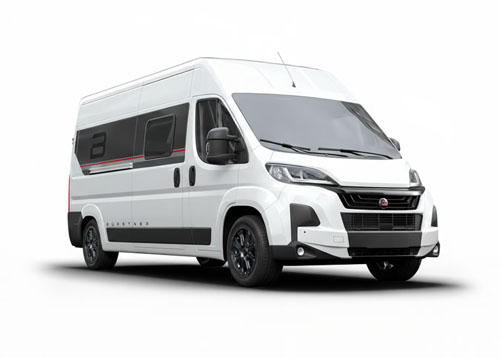
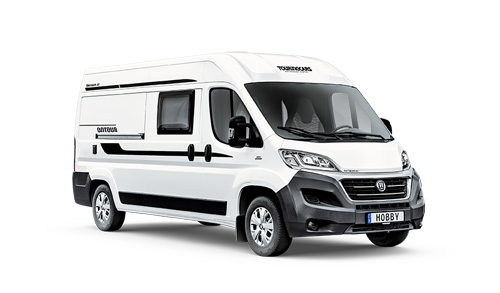
For diverse Swedish roads, including both highways and rural routes, Semi-integrated (Class SI) and Alcove (Class C) RVs are highly recommended for their balance of comfort and maneuverability. Class SI (Semi-integrated): With Bandana's global fleet averaging 6.9 meters in length and offering 3.8 sleeping places, these RVs provide comfortable living space while remaining manageable on various road types. Class C (Alcove): Averaging 7.5 meters in length and 5.8 sleeping places in Bandana's fleet, Alcove RVs are excellent for families, offering generous space and still navigating Sweden's generally good roads effectively. Class B (Camper Van): For ultimate flexibility and ease in tighter spots, Bandana's Camper Vans (averaging 5.8 meters in length with 3.2 sleeping places) are also an excellent choice, particularly for couples or smaller groups prioritizing maneuverability.
Should I Choose a Compact Van Instead of a Large RV in Sweden?
While compact vans offer enhanced maneuverability and ease of parking, larger RVs are generally well-suited for Sweden's road network, often providing a superior level of comfort and living space without significant driving challenges outside of very specific urban or rural situations. Compact Van Advantages: Vehicles like Bandana's Class B Camper Vans (avg. 5.8m length) are easier to park, navigate narrow village streets, and access tighter spots in national parks or historic centers. Larger RV Advantages: Class SI (avg. 6.9m) and Class C (avg. 7.5m) offer more interior space, dedicated sleeping areas, and often better amenities like larger kitchens and bathrooms, which enhance comfort on longer trips. Swedish Roads: Main roads and most rural routes in Sweden are wide enough to accommodate larger RVs comfortably, making the trade-off for extra space often worthwhile. Choose a compact van if urban exploration and access to very remote, unpaved tracks are priorities; opt for a larger RV if comfort, amenities, and family space are more important for your Swedish adventure.
1Can I Park Anywhere? Free & Wild Camping Rules in Sweden
Sweden's 'Allemansrätten' (Right of Public Access) permits wild camping for a night or two with tents, but the rules are more restrictive for motorhomes, generally requiring designated parking or campsites for overnight stays. Allemansrätten Nuances for Motorhomes: While the right allows access to nature, it primarily applies to walking and tent camping. Motorhomes are considered vehicles and are subject to traffic and parking laws, not the same broad 'right to roam.' Overnight Parking: You cannot simply park an RV anywhere for overnight camping. Overnight parking is generally restricted to official campsites (*campingplatser*) or dedicated motorhome parking spots (*ställplatser*). Finding Spots: Utilize apps like Park4Night or Campercontact to find legal and suitable overnight parking and service points for motorhomes. Responsible Wild Camping (if applicable): If you find a spot that explicitly permits motorhomes (e.g., specific rest areas, private land with permission), always adhere to 'leave no trace' principles: pack out all waste, respect privacy, do not disturb nature or residents, and avoid cultivated land. Waste Management: Proper disposal of grey water, black water, and rubbish is crucial and often only possible at designated service stations or campsites. Rules vary by region — always check local regulations and follow local law before parking overnight.
Can I Drive an RV Into the City Center? Heights, Tunnels & Local Signage
Yes, you can almost always drive an RV into city centers in Sweden, but it requires careful attention to local signage regarding height and weight restrictions, environmental zones, and specific parking regulations. Most Swedish city centers are accessible by RV, but careful planning is advised due to potential height restrictions on tunnels and bridges, especially older infrastructure. Major cities like Stockholm and Gothenburg enforce congestion charges and environmental zones (*miljözoner*) which may affect certain RVs or incur fees; check compliance or plan alternative routes. Always observe local signage for maximum height (*max höjd*), weight (*max vikt*), and parking restrictions (*parkeringsförbud* or 'residents only' zones). Finding suitable parking for larger RVs in central areas can be challenging; consider parking on the outskirts and using public transport, or seek out designated RV parking (*ställplatser*) further out.
How much does it cost to rent an RV in Sweden?
The cost to rent an RV in Sweden varies significantly based on season, RV class, rental duration, and included amenities, typically ranging from €800 to €2,500+ per week, with peak season being considerably more expensive. Rental Fees: Weekly rental prices can range from around €800-€1,200 for a compact campervan in shoulder season to €1,800-€2,500+ for a larger integrated RV during peak summer (June-August). Seasonal Variation: Peak summer (June-August) sees the highest prices due to demand, while spring (April-May) and autumn (September-October) offer lower rates and fewer crowds. RV Class: Smaller Camper Vans (e.g., Bandana Class B) are generally more affordable, while larger Alcove (Class C) or Integrated (Class A) models are pricier but offer more space and amenities. Included Amenities & Insurance: Factor in costs for basic insurance, kitchen kits, bedding, and mileage limits. Additional insurance coverage or unlimited mileage packages will increase the total cost. Detailed Budget Breakdown & Cost Comparison: Rental Cost: As above, variable by season and RV type. Fuel: Budget 10-12 Liters/100 km for most RVs (e.g., Bandana Class SI or C) at current Swedish fuel prices (e.g., 20-25 SEK/liter for diesel). For a 2000 km trip, this could be 4,000-5,000 SEK (~€350-€450). Tolls & Ferries: Congestion charges in major cities (e.g., Stockholm, Gothenburg) and bridge tolls (e.g., Öresund Bridge) can add 100-300 SEK per pass/crossing. Ferries to islands vary greatly, from 500 SEK to 1,500 SEK per trip depending on vehicle size and route. Camping Fees: Budget 200-500 SEK (~€18-€45) per night for a campsite. Food & Activities: Daily food budget for a family of four might be 600-1000 SEK (~€50-€90) if cooking most meals. Activity costs are highly variable. A 7-day RV trip, including rental, fuel, tolls, camping, and basic food, could realistically start from €1,500-€2,000 for a compact RV in shoulder season, escalating significantly for larger vehicles or peak travel. For ideas you can prep on the road, watch our RV-friendly recipes playlist on YouTube.
Can you wild camp in Sweden with a motorhome?
While Sweden's Allemansrätten (Right of Public Access) allows for temporary wild camping with a tent, parking a motorhome overnight often requires more specific consideration, usually limiting stays to designated parking spots or private land with permission rather than simply pulling off the road. Allemansrätten's Limitations: The Right of Public Access primarily covers walking, cycling, and tent camping for a night or two without disturbing landowners or nature. It does not explicitly extend to parking motorized vehicles like motorhomes anywhere. Legal Status for Motorhomes: Motorhomes are treated as vehicles under traffic laws, meaning they must comply with parking regulations. Overnight parking is generally not permitted on roadsides or in undesignated areas. Designated Spots: The safest and most common way to overnight in an RV outside official campsites is at 'ställplatser' (motorhome parking spots), which may have limited amenities and a small fee, or at designated rest areas (*rastplats*) where overnight parking is sometimes tolerated for a single night. Finding Spots: Use apps like Park4Night, Campercontact, or local tourist information for legal motorhome parking options. Responsible Waste Management: Always use designated disposal points for grey water, black water, and rubbish; never discharge waste into nature. Water Sourcing: Plan routes that include service stations or campsites for refilling fresh water. Respect Privacy: Avoid parking close to residential homes or cultivated land, even if it appears to be public access. Dealing with Wildlife: Store food securely and be aware of local wildlife, but do not feed them. Fire Restrictions: Be mindful of fire bans, especially during dry periods, and only use designated BBQ spots. Always seek out official campsites or designated motorhome pitches, and if in doubt, ask locals or check municipal regulations.
What is the best time to RV in Sweden?
The best time to RV in Sweden largely depends on your desired experience, with the long daylight hours and mild weather of summer (June-August) being most popular for exploring, while shoulder seasons offer unique natural beauty with fewer crowds. Summer (June-August): This is the peak season, offering the warmest weather, longest daylight hours (including the Midnight Sun in the north), and all attractions and campsites are open. Ideal for coastal exploration, lake activities, and hiking. Expect higher prices and more crowds. Shoulder Seasons (May & September-Early October): May (Spring): Beautiful blooming landscapes, fewer tourists, and lower prices, but some northern attractions or smaller campsites might still be closed. Perfect for central and southern Sweden. September-Early October (Autumn): Stunning autumn colors (*höstfärger*) especially in the forests, fewer crowds, and a chance to experience the Northern Lights in Lapland as nights get darker. Weather can be crisp. Winter (Late October-April): This is for adventurous RVers. Challenges include snow, ice, shorter daylight hours (polar night in the north), and many campsites being closed. However, it offers unique experiences like the Northern Lights, winter sports, and a truly tranquil landscape. Specialized winterized RVs and driving skills are essential. Midnight Sun RVing in the North (June-July): Focus on specific routes through Lapland, highlighting open campsites, reindeer encounters, and activities under continuous daylight. Autumn Colors Road Trip (September-Early October): Detail routes through areas like Dalarna or the High Coast, emphasizing photography spots, local harvest festivals, and early Northern Lights viewing in the north. Winter RVing Prep & Destinations (November-March): Provide detailed advice on RV winterization, tire requirements, heated campsites that are open, and destinations for skiing, dog sledding, or optimal Northern Lights viewing, including what services are accessible.
How many days do you need for an RV trip in Sweden?
An ideal RV trip in Sweden typically requires at least 7 to 10 days to comfortably explore a specific region, though longer trips of 2-3 weeks allow for a more comprehensive exploration of diverse landscapes from south to north. 7-Day Trip: Best for focusing on a single region, such as the picturesque West Coast (Bohuslän), the cultural heartland of Dalarna, or a loop around the Stockholm archipelago. This allows for relaxed driving and ample time at each stop. 10-14 Day Trip: Provides sufficient time for a broader exploration, like a journey from Southern Sweden to Stockholm, or a deeper dive into central Sweden's lakes and forests. This duration allows for a good balance between driving and experiencing. 3-Week+ Trip: Recommended for those wishing to journey from the very south of Sweden all the way to the Arctic Circle in Swedish Lapland, encompassing major cities, coastal areas, deep forests, and potentially experiencing the Midnight Sun or Northern Lights. Pacing: Sweden is a vast country. To truly enjoy the RV experience and immerse yourself in nature and culture, avoid over-scheduling and allow for spontaneous stops. 7-day Coastal Culture & Archipelago Journey: A route focusing on the Bohuslän coast, visiting fishing villages, trying local seafood, and taking a day trip to an island, with stops at specific campsites. 14-day Northern Lights & Wilderness Expedition (Autumn/Winter): A detailed itinerary from Luleå or Kiruna, covering Abisko National Park, Sami culture experiences, and optimal viewing spots for the Aurora Borealis, including essential supply stops. 3-week Historical Viking Trail & Nature Immersion: A comprehensive tour starting in Skåne, moving through ancient Viking sites and rune stones, exploring Lake Vättern and Lake Vänern, passing through Dalarna's cultural centers, and concluding near Stockholm with archipelago exploration, emphasizing historically significant yet RV-accessible sites.
What documents do I need to rent an RV in Sweden?
To rent an RV in Sweden, you typically need a valid driver's license (from EU/EEA or with an International Driving Permit for non-EU licenses), a valid passport or ID card, and a credit card for the rental deposit. Valid Driver's License: A Category B license is required for RVs up to 3,500 kg MAM. For heavier vehicles, a C1 or C license is necessary. Non-EU/EEA licenses usually require an International Driving Permit (IDP) translated into Swedish or English. Passport or National ID Card: A valid form of identification is mandatory for all renters and often for additional drivers. Credit Card: A major credit card in the main driver's name is essential for security deposits and often for final payment. Rental Agreement/Booking Confirmation: Bring a copy of your reservation details and rental agreement. Minimum Age and Driving Experience: Most rental companies require drivers to be at least 20 or 21 years old, with some requiring 25 for larger vehicles, and often a minimum of 1-2 years of driving experience.
Is it worth renting a motorhome in Sweden?
Renting a motorhome in Sweden is highly worth it for travelers seeking unparalleled flexibility, the freedom to explore remote natural beauty, and a unique way to experience Swedish culture and the 'Allemansrätten' lifestyle. Unmatched Flexibility: An RV allows you to customize your itinerary spontaneously, stopping at scenic overlooks, charming villages, or wilderness areas as you please, without strict hotel bookings. Access to Nature: Sweden's vast and pristine natural landscapes (lakes, forests, archipelagos) are easily accessible by RV, allowing you to stay close to hiking trails, fishing spots, and national parks. Cost-Effectiveness for Groups: For families or groups, an RV can be more economical than booking separate accommodation and car rental, especially when factoring in the ability to cook your own meals. Comfort and Convenience: Enjoy the comforts of home on the go, with your own kitchen, bathroom, and beds, enhancing the sense of freedom and adventure. Allemansrätten Experience: While strict wild camping rules apply to RVs, having your own 'home on wheels' allows for a deeper connection to the Swedish right of public access by enabling easy transitions between natural sites and campsites.
What are the best places to visit in Sweden by RV?
Sweden offers an abundance of spectacular destinations for RV travelers, including the scenic West Coast archipelago, the cultural cities of Stockholm and Gothenburg, the serene lakes of Dalarna, and the dramatic landscapes of Swedish Lapland. The West Coast (Bohuslän): Explore picturesque granite islands, charming fishing villages like Smögen and Fjällbacka, and indulge in fresh seafood. Campsites with sea views are plentiful. Stockholm and its Archipelago: While city driving requires attention, explore the capital and then escape to the thousands of islands of the archipelago, many accessible by ferry with your RV, or camp on the mainland and use public transport. Dalarna Region: Discover traditional red cottages, serene Lake Siljan, and cultural sites in Falun and Mora, immersing yourself in authentic Swedish heritage. Gotland Island: Take a ferry to this unique Baltic island, known for its medieval city of Visby (UNESCO World Heritage) and dramatic limestone sea stacks (*raukar*). Swedish Lapland: For an epic adventure, head north to experience the Midnight Sun in summer or the Northern Lights in winter, explore Abisko National Park, and learn about Sami culture. The High Coast (Höga Kusten): A UNESCO World Heritage site known for its dramatic coastline, steep cliffs, and deep valleys, perfect for hiking and scenic drives. Local Cultural Immersion for RVers: Fika Spots: Seek out local cafés and bakeries in smaller towns for authentic 'fika' experiences; many have RV-friendly parking. Food Markets (*Saluhallar*): Visit covered market halls in cities like Stockholm, Gothenburg, or Malmö to sample local delicacies and pick up fresh ingredients for your RV kitchen. Midsummer Celebrations: If traveling in June, plan to be near a town or a campground hosting traditional Midsummer pole dancing and festivities for a true cultural immersion (book campsites well in advance!). Lesser-Known Sites: Use your RV to visit ancient rune stones (e.g., in Uppland), Iron Age burial mounds, or specific local museums accessible off the main tourist routes to connect with Sweden's deep history and regional diversity.
How much does camping cost in Sweden?
Camping costs in Sweden vary significantly based on the type of campsite, location, and season, generally ranging from 200-500 SEK (€18-€45) per night for a motorhome pitch with basic amenities. Basic Pitches: For a standard motorhome pitch without electricity, expect to pay around 200-300 SEK (~€18-€27) per night. Full-Service Pitches: Pitches with electricity, water hook-ups, and access to full facilities (showers, laundry, kitchens) typically range from 350-500 SEK (~€30-€45) per night. Ställplatser (Motorhome Parking): These dedicated motorhome parking spots often have fewer amenities than full campsites and can be cheaper, sometimes around 100-250 SEK (~€9-€22), or even free in some municipalities for a short stay. Location and Season: Prices are highest in popular tourist regions (e.g., coastal areas, major cities) and during peak summer season (June-August). Off-season rates are considerably lower. Add-ons: Be aware that showers, laundry facilities, or specific premium pitches may incur additional small fees. Wild/Free Parking: Generally free, but strictly limited for motorhomes and requires adherence to specific local rules; not a reliable primary option for overnight stays. Basic Campsites: Offer essential services (waste disposal, often dry toilets); good for budget-conscious travelers or short stays. Cost: 200-300 SEK/night. Full-Service Resorts (e.g., SCR-affiliated): Provide comprehensive amenities including power, water, grey/black water disposal, modern shower blocks, often restaurants, pools, and activities; ideal for families or longer stays. Cost: 350-500+ SEK/night. Consider purchasing a Camping Key Europe (CKE) card, which offers discounts at many SCR (Swedish Camping and Caravan Club) affiliated campsites and often serves as a quick check-in ID.
Is it easy to drive an RV in Sweden?
Driving an RV in Sweden is generally considered easy due to well-maintained roads, clear signage, and respectful driving culture, making it a comfortable experience for most RV travelers. Excellent Infrastructure: Sweden boasts a network of high-quality roads, including well-maintained highways and E-roads, which are comfortable for RV travel. Clear Signage: Road signs use international symbols and are typically clear and easy to understand, even for foreign drivers. Low Traffic Density: Outside of major cities like Stockholm and Gothenburg, traffic density is generally low, offering relaxed driving conditions. Respectful Drivers: Swedish drivers are typically courteous and adhere to traffic laws, contributing to a calm driving environment. Challenges to Be Aware Of: Rural Roads: Some very rural or forest roads can be unpaved or narrow, requiring slower speeds and careful maneuvering. Wildlife Crossings: As mentioned, be vigilant for moose and reindeer, especially in forested areas and at dawn/dusk. Urban Parking: Finding suitable parking for larger RVs in city centers can be a challenge; plan to use designated RV parks on the outskirts or public transport. Winter Conditions: Driving in winter requires specific preparedness, including appropriate tires and experience with snow and ice.
Can I rent an RV in Sweden and drive to Norway?
Yes, it is typically possible to rent an RV in Sweden and drive to Norway, but you must inform your rental company in advance to ensure coverage, understand insurance implications, and be aware of any border crossing regulations or specific toll systems. Rental Company Permission: Always notify your RV rental company that you intend to drive into Norway. Most companies allow cross-border travel within the Schengen Area, but it must be explicitly approved. Insurance Coverage: Confirm that your rental's insurance policy covers driving in Norway. You may need to purchase additional cross-border insurance. Tolls in Norway: Norway has an extensive, largely automated toll system (AutoPASS). Your rental company may offer a solution (e.g., pre-registration, an AutoPASS tag) or advise on how to manage tolls, as significant fines can apply for non-payment. Vehicle Requirements: Ensure your RV is compliant with Norwegian road regulations, particularly regarding winter tires if traveling during colder months. Border Crossings: As both Sweden and Norway are part of the Schengen Area, border crossings are generally seamless with no routine passport checks, though occasional customs checks may occur. Fuel & Currency: Be aware that fuel prices in Norway are generally higher than in Sweden, and Norway uses its own currency (Norwegian Krone, NOK), so plan accordingly.
Final Thoughts
Embarking on an RV adventure in Sweden offers a unique blend of natural beauty and cultural immersion. From the stunning coastlines to the vast forests and the magic of the Northern Lights in Lapland, an RV provides the perfect way to explore at your own pace.
Remember to plan ahead, be mindful of local customs and road rules, and embrace the spirit of Swedish travel. With a little preparation, your RV journey through Sweden promises to be an unforgettable experience.