In This Guide
- Can You Drive an RV in Scandinavia? License & Age Rules
- Road Conditions & Terrain in Scandinavia
- RV Size Limits, Bridges & Restricted Zones
- Fuel: Diesel vs. Petrol & Cost per 100 km
- Tolls, Vignettes & Border Rules
- Driving Tips for Airport RV Rental Travelers
- Recommended RV Class for Scandinavia Roads
- Should I Choose a Compact Van Instead of a Large RV in Scandinavia?
- Can I Park Anywhere? Free & Wild Camping Rules in Scandinavia
- Can I Drive an RV Into the City Center? Heights, Tunnels & Local Signage
- What are the Allemansrätten (Right to Roam) Rules for RVers in Scandinavia?
- How to Choose the Right RV Size and Type for Scandinavian Roads?
- How Can I Budget and Save Money on an RV Trip in Scandinavia?
- What are Sustainable RV Travel Practices for Scandinavia?
- What Gear Do I Need for RV Travel in Scandinavia in Different Seasons?
- What Unique Cultural Experiences Can I Have While RVing in Scandinavia?
- Where are the Best Off-the-Beaten-Path Destinations for RVs in Scandinavia?
- What are the Best Tips for Pet and Family RV Travel in Scandinavia?
- How Do I Navigate Driving Challenges and Ferries in Scandinavia?
- How to Prepare for Emergencies in Remote Scandinavian RV Travel Areas?
Scandinavia, with its breathtaking fjords, vast forests, and vibrant cities, offers an unparalleled adventure for travelers exploring by rented RV. Driving an RV from a Scandinavia airport opens up a world of freedom and flexibility, allowing you to immerse yourself in the region's diverse landscapes and rich culture at your own pace. Whether you dream of chasing the Northern Lights in the Arctic north or exploring charming coastal towns, a rented motorhome is your perfect companion. For live availability and current prices, start with our RV Rental Scandinavia - Complete Guide 2026 guide.
Can You Drive an RV in Scandinavia? License & Age Rules
Yes, you can absolutely drive a rented RV in Scandinavia, with most standard motorhomes requiring only a regular B-class driver's license. This license, typically sufficient for vehicles up to 3,500 kg, applies across Denmark, Norway, and Sweden, making RV travel accessible for many. For larger Class A or some heavy-duty Class C motorhomes exceeding 3,500 kg, a C1 or C license might be necessary, though these are less common in rental fleets. Foreign visitors, especially those from non-EU/EEA countries, should obtain an International Driving Permit (IDP) as it serves as a valuable translation of your domestic license, even if it's not strictly mandatory in all situations. Rental companies typically set a minimum driver age of 21 years for all motorhome classes, and Bandana RV proudly does not impose young driver surcharges or vehicle class restrictions based on age, supporting adventurous travelers of all eligible ages.
Road Conditions & Terrain in Scandinavia
Scandinavia presents a fascinating variety of road conditions and terrain, ranging from wide, well-maintained highways in Denmark to dramatic, winding coastal routes and challenging mountainous passes in Norway. Drivers can expect smooth sailing on major thoroughfares, while venturing into rural areas of Sweden and Norway might involve narrower, sometimes gravel, roads. These routes, though requiring more attention, are often the most scenic, leading to hidden gems and unparalleled natural beauty. RV travel is particularly suited for this region precisely because it encourages a slower pace, allowing you to fully absorb the stunning landscapes. In winter, roads can be affected by snow and ice, necessitating the use of specialized winter tires (often studded, which are legally required in Sweden and Norway during certain periods) and, occasionally, snow chains for safe navigation. Our commitment at Bandana is to ensure your trip is smooth and enjoyable, offering peace of mind even on varied terrains.
RV Size Limits, Bridges & Restricted Zones
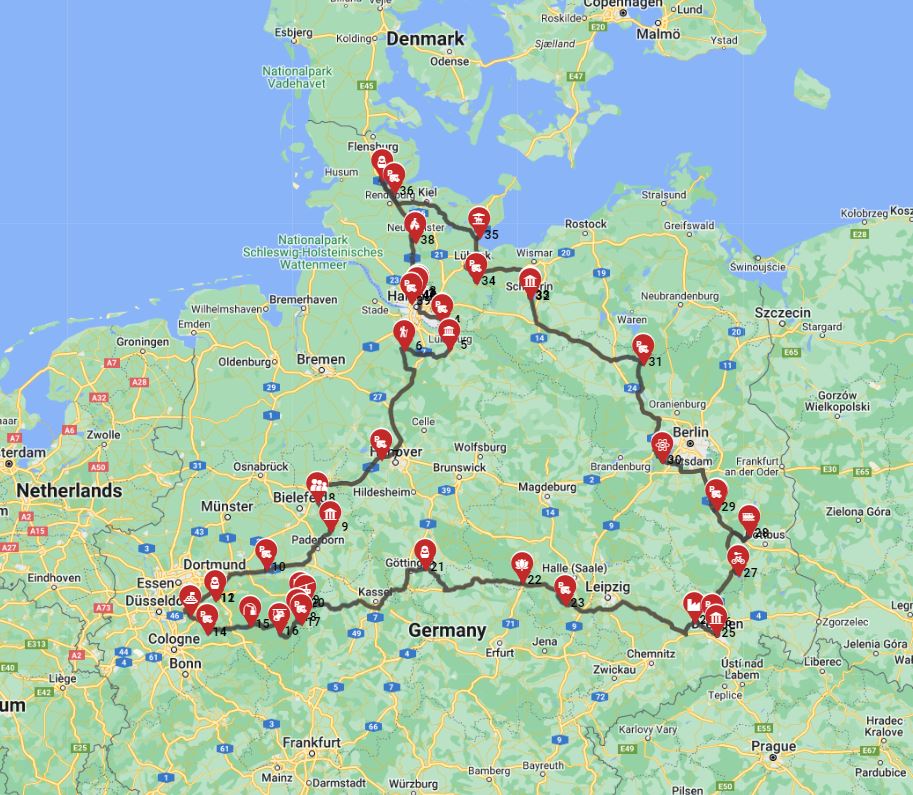
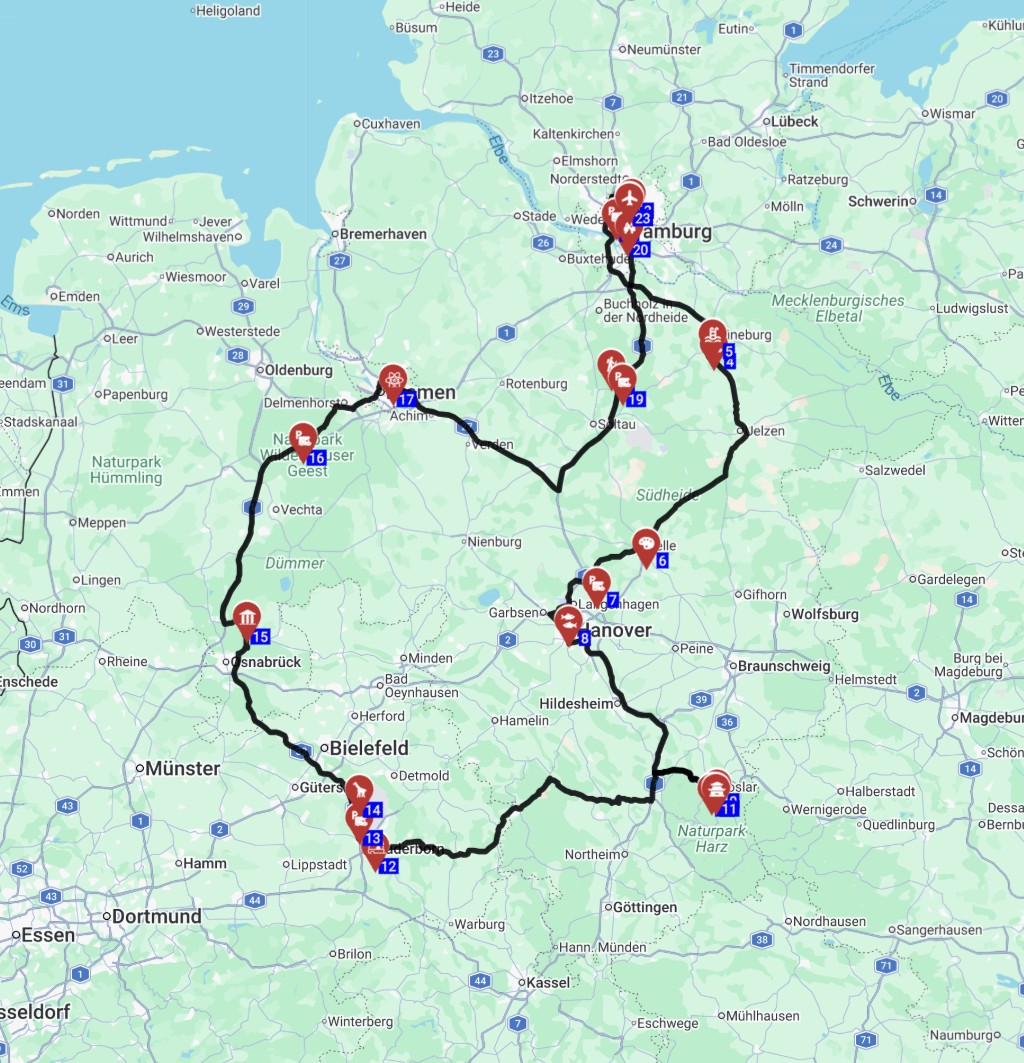
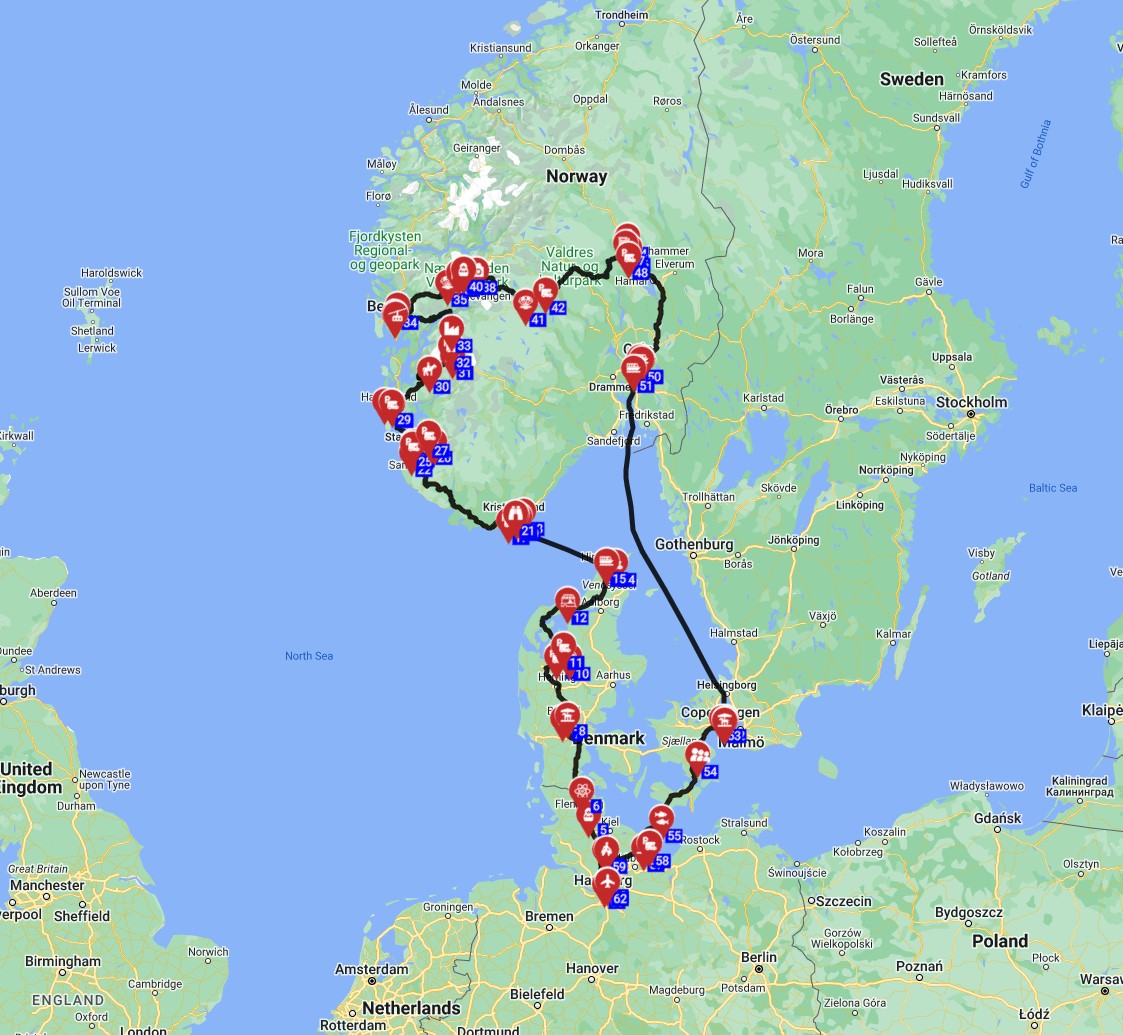
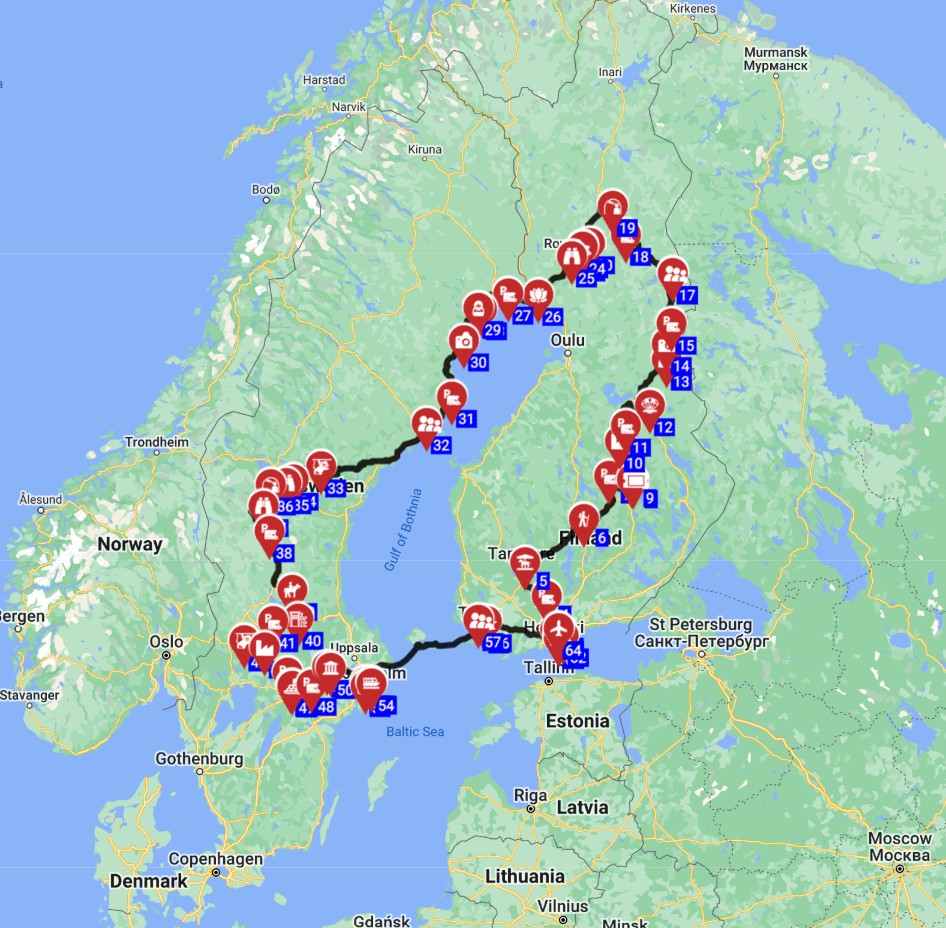
While Scandinavia's main roads are generally accommodating for all motorhome sizes, drivers should be aware of specific height, width, and weight restrictions, particularly when entering older city centers, navigating certain tunnels, or crossing smaller bridges. Iconic bridges, such as the Øresund Bridge connecting Denmark and Sweden, and the Storebælt Bridge in Denmark, operate with size-dependent toll categories, so larger RVs may incur higher fees. Several Scandinavian cities, including Oslo, Stockholm, and Copenhagen, implement environmental zones (miljøzoner) that might restrict access for older diesel vehicles or require prior registration and fees to reduce emissions. Always pay close attention to local signage, which clearly indicates maximum vehicle dimensions and weight limits, to ensure a smooth and compliant journey without unexpected issues. Drive slowly and carefully, and you can drive almost anywhere without issues. No need to stress - just use common sense and pay attention. On the routes offered through RV PLANET routes, you can itemize and track every expense along the way for easy budgeting.
Fuel: Diesel vs. Petrol & Cost per 100 km
Diesel is the most common fuel type for rented motorhomes in Scandinavia, and it is readily available at service stations throughout the region. Fuel prices in Scandinavia are generally higher than in many other European countries, so allocating a significant portion of your budget for fuel is essential for your trip. For example, a Class SI - Semi-integrated RV, averaging 6.9m in length, typically consumes 10-11 Liters/100 km. Larger Class C - Alcove RVs, around 7.5m long, usually average 10-12 Liters/100 km. If you opt for a more compact Class B - Camper Van, such as the "V3" with a 75 Liter fuel tank and 11-13 Liters/100 km consumption, you'll find it more fuel-efficient, typically consuming 8-10 Liters/100 km. Meanwhile, Class A - Integrated RVs can range from 8-12 Liters/100 km. Some rental suppliers or local loyalty programs might offer fuel discount cards, which can help manage these costs. When planning your route, consider using RV PLANET routes to itemize and track every expense, including fuel, for easy budgeting.
Tolls, Vignettes & Border Rules
Scandinavia primarily uses efficient automatic toll systems and does not require vignettes for its general road network. Norway, in particular, heavily relies on the AutoPASS system for toll collection on its extensive network of roads, bridges, and tunnels. Major bridge crossings, like the Øresund Bridge between Denmark and Sweden or the Storebælt Bridge in Denmark, have separate tolls that vary by vehicle size. For foreign RVs, it's often advisable to register with AutoPASS or a similar system online before your trip or ensure your rented RV is equipped for automatic billing. This proactive approach helps avoid manual payment lanes and potential fines. While there are typically no hard border checks between Scandinavian countries for EU/EEA citizens, you should always carry valid identity documents, such as your passport or national ID card, as spot checks can occur. This makes crossing between these beautiful nations remarkably seamless for your RV adventure.
Driving Tips for Airport RV Rental Travelers
For an unforgettable RV adventure in Scandinavia, allow ample time for travel, particularly on scenic routes and mountainous passes, where average speeds will be lower than on main highways. It's recommended to travel slowly, aiming for a maximum of 100-150 km per day on average, to truly appreciate the landscape, culture, and cuisine. Familiarize yourself with local road signs, which include unique warnings for wildlife like moose and reindeer, and always adhere to posted speed limits. Planning and pre-booking ferry crossings, especially for popular routes along the Norwegian fjords and during peak season, is crucial as RV space can be limited. Prepare for variable weather conditions by packing versatile layers and ensuring your rented motorhome has a good heating system, suitable for cooler temperatures even in summer. Bandana RV specializes in motorhome travel, and our expert team offers support both before and after your booking to help coordinate your trip details.
Recommended RV Class for Scandinavia Roads
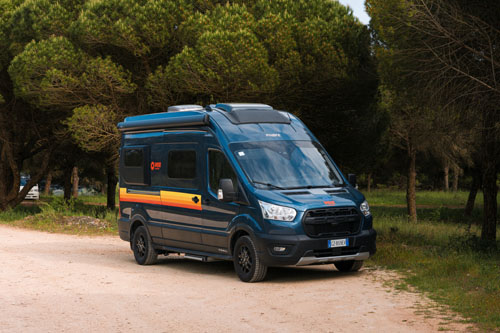
Choosing the right rented RV class for Scandinavia involves balancing comfort with maneuverability on its diverse roads. Class SI - Semi-integrated motorhomes, typically around 6.9m in length and comfortably sleeping 3-4 adults, are highly recommended. They offer a great balance of spacious living and ease of handling on varied routes, including winding coastal roads. Class C - Alcove RVs, averaging 7.5m in length and accommodating 4-5 adults (like the "24' Class C Motorhome" with sleeping places for 5), are also well-suited, providing ample interior space for families without being overly cumbersome. For those prioritizing agility and ease of parking in tighter spots and city centers, a Class B - Camper Van (average 5.8m), such as the "V2L" with a 100 Liter fresh water tank and beds for 2, is an excellent choice. Regardless of class, opt for a rented RV with good insulation and a reliable heating system, which is invaluable for comfortable travel during shoulder seasons or higher altitudes.
Should I Choose a Compact Van Instead of a Large RV in Scandinavia?
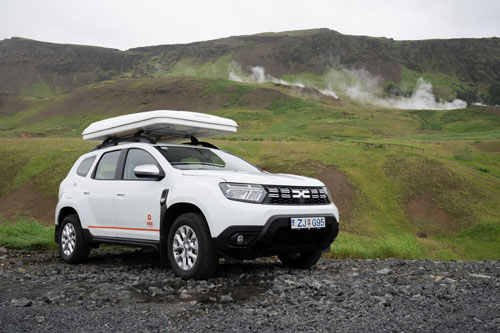
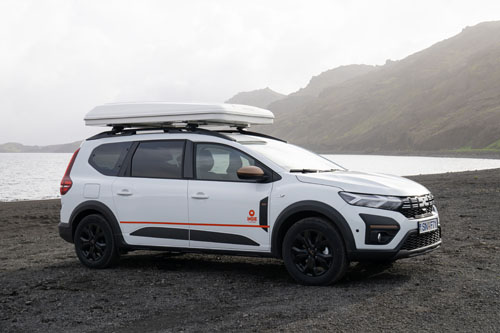
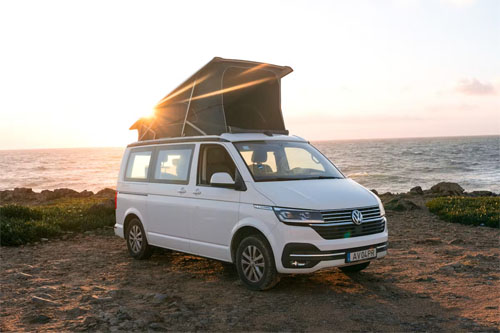
The decision between a compact campervan (Class B) and a larger rented RV (Class SI or C) for Scandinavia depends on your travel style and priorities. A compact van, like the "Active Pop Top" model, offers superior maneuverability, making it easier to park in bustling towns and navigate very narrow roads. It also generally provides better fuel economy (8-10 Liters/100 km), which is a significant advantage given Scandinavian fuel prices. However, a larger motorhome, such as the "MH-A" with its 167 Liter fresh water tank and 302 Liter refrigerator, provides substantially more interior space, amenities, and comfort, which can be a game-changer for extended trips or families with kids. Most main Scandinavian roads and popular tourist routes are designed to accommodate larger RVs without major issues, so you won't be overly restricted. The choice ultimately comes down to your preferred balance of living space and driving agility for your specific adventure.
Can I Park Anywhere? Free & Wild Camping Rules in Scandinavia
Free and wild camping for rented RVs is largely permitted under the principle of 'Allemansrätten' (Right to Roam) in Sweden and Norway, allowing temporary overnight stays in undeveloped natural areas. This cherished right emphasizes responsibility, meaning you must adhere strictly to the 'leave no trace' principle: pack out all your waste, respect private property, avoid cultivated fields, and ensure your presence doesn't disturb nature or local residents. Denmark, however, has much stricter rules, generally prohibiting wild camping for RVs, so official campsites or designated motorhome parking areas are the primary options there. Always check local signage and regulations, as rules can vary by municipality or within specific protected areas. Prolonged stays in one spot are usually not allowed even where wild camping is permitted. For finding campsites and campgrounds during your trip, we recommend using RV PLANET (rvplan.net) - a great resource for locating available spots along your route. Remember, even in popular national/state parks, many spots are first-come-first-serve, so you'll often find a place, and if not at the first campground, then the next one. Call ahead before driving to confirm availability.
Can I Drive an RV Into the City Center? Heights, Tunnels & Local Signage
Yes, you can generally drive a rented RV into Scandinavian city centers, but it requires careful attention to local signage, especially concerning height limits, weight restrictions, and environmental zones. Parking in urban areas can be a challenge for larger motorhomes, with limited spaces and often height-restricted parking garages (typically under 2.5 meters). Cities like Oslo, Stockholm, and Copenhagen have established environmental zones that may restrict access for older or less eco-friendly vehicles or require an advance fee or registration. To avoid driving and parking difficulties in dense urban areas, consider utilizing "park and ride" options or public transportation. Drive slowly and carefully, and you can drive almost anywhere without issues. No need to stress - just use common sense and pay attention to signs. This strategy allows you to experience the urban highlights without the stress of navigating a larger vehicle through narrow streets.
What are the Allemansrätten (Right to Roam) Rules for RVers in Scandinavia?
Allemansrätten, the unique "Right to Roam" in Sweden and Norway, permits public access to nature, including temporary overnight RV parking, on uncultivated land, provided no disturbance is caused. This right, while generous, comes with crucial responsibilities: always "don't disturb, don't destroy." RVers must park respectfully, far from private residences, avoid agricultural fields, and leave absolutely no trace of their stay, packing out all waste. In stark contrast, Denmark's version of Allemansrätten does not extend to motorized vehicles, meaning overnight stays for rented RVs are generally limited to official campgrounds or designated parking areas. It is essential for RVers to manage their greywater and blackwater responsibly by using designated dump stations, avoid excessive noise, and ensure their vehicle does not obstruct access or cause environmental damage. Being a true RV specialist, Bandana understands these nuances and supports travelers in making informed choices.
How to Choose the Right RV Size and Type for Scandinavian Roads?
Selecting the ideal rented RV for Scandinavian roads involves balancing interior comfort with external dimensions for smooth navigation across varied terrains, from open highways to narrow country lanes and ferry routes. Popular choices include Semi-integrated (Class SI) and Alcove (Class C) RVs, which offer a good compromise of living space and maneuverability; for example, a Class SI "Euro Quest" provides ample room for 2 couples or a family of 2+2. For maximum agility in tighter spots, such as the historic centers of Copenhagen or Bergen, a Class B Camper Van like the "Juliette 2-3" is excellent. Regardless of size, prioritize rented motorhomes with robust heating and insulation systems, which are crucial for comfort during cooler seasons or in higher altitudes, especially when traveling to places like the Arctic Circle. Also, consider tire requirements: winter tires are legally mandated in Norway and Sweden during specific periods (e.g., October-April for Norway), and robust tires are beneficial for occasional gravel roads. Our true RV specialists can help you compare options from 50+ leading RV suppliers worldwide, ensuring you find the perfect fit.
How Can I Budget and Save Money on an RV Trip in Scandinavia?
Budgeting for a Scandinavia RV trip can be significantly managed by leveraging strategic choices, as general costs can be higher than in other regions of Europe. A primary way to save is by utilizing free and wild camping opportunities under Allemansrätten where permitted (Sweden and Norway), offsetting accommodation costs that can range from €25-€60 per night at paid campsites. Self-catering is another major money-saver; stock up on groceries at affordable local supermarkets like Lidl, Rema 1000, or Coop, and prepare delicious meals using your rented RV's kitchen facilities. For example, cooking a simple pasta dish in your RV's kitchen with a 2-burner gas stove from a "M2" campervan could save you €30-€50 per meal compared to dining out. Focus on free outdoor activities such as hiking in national parks, cycling scenic routes, or fishing (with local permits). Additionally, pre-booking major bridge tolls and ferry crossings online can sometimes offer discounts, and traveling during the shoulder seasons (April-May, September-October) often results in lower rental rates and fewer crowds, potentially saving you up to 25% on your booking. Remember, with RV PLANET routes, you can itemize and track every expense along the way for easy budgeting and full transparency.
What are Sustainable RV Travel Practices for Scandinavia?
Embracing sustainable RV travel practices in Scandinavia aligns perfectly with the region's strong environmental values and ensures these stunning landscapes remain pristine for future adventurers. RVers must adopt strict waste management, meticulously sorting recyclables, composting organic waste where possible, and properly disposing of all greywater and blackwater at designated facilities (never in nature). Conserve water and energy within your rented motorhome by taking shorter showers, turning off lights, and unplugging devices when not in use. Supporting eco-certified campsites and local businesses that prioritize sustainability contributes positively to both the local economy and the environment. Rigorously practice "Leave No Trace" principles: stick to marked paths, do not disturb wildlife, and ensure your presence leaves no lasting impact on the natural surroundings. By following these guidelines, your RV trip through Scandinavia will be a respectful and enriching experience.
What Gear Do I Need for RV Travel in Scandinavia in Different Seasons?
Packing appropriate gear is crucial for comfortable RV travel in Scandinavia, as conditions can vary dramatically by season and region. For winter travel (roughly October-April), mandatory gear includes dedicated winter tires, often studded, which are legally required in Norway and Sweden during this period. A well-insulated rented RV with a reliable heating system (standard on most European models) is essential. Year-round essentials include robust waterproof and windproof clothing, comfortable hiking shoes for exploring, a comprehensive first-aid kit, and an international adapter for charging electronics. Summer travel, with its long daylight hours, necessitates insect repellent, good sun protection, lightweight outdoor gear, and perhaps a portable BBQ or outdoor seating to enjoy alfresco meals. Consider bringing a navigation system with up-to-date maps, a headlamp (even in summer for cabins/tunnels), and a supply of potable water, especially for remote regions. For tailored itineraries and packing lists, check out RV Travel Guide to Scandinavia - Tips and Top Spots 2026.
What Unique Cultural Experiences Can I Have While RVing in Scandinavia?
RVing in Scandinavia offers incredible opportunities for cultural immersion beyond just scenic drives. In Sweden, embrace the tradition of 'Fika,' an essential coffee and cake break, by visiting local cafes or preparing your own cozy fika experience in your rented motorhome amidst a beautiful natural setting. Experience the invigorating sauna culture, particularly prevalent in Finland but also increasingly accessible at campsites and public facilities across Norway and Sweden. Seek out regional festivals and events, such as historical Viking markets, traditional Midsummer celebrations (especially in June), or Sami cultural events in the far north, for authentic local interaction. Explore local culinary traditions by visiting farmer's markets for fresh produce, foraging for berries or mushrooms (with local knowledge), and trying regional specialties beyond typical tourist fare, perhaps preparing them in your RV kitchen. If you're looking for RV-friendly recipes, our RV-friendly recipes playlist on YouTube is a great resource!
Where are the Best Off-the-Beaten-Path Destinations for RVs in Scandinavia?
For RVers seeking authentic experiences away from the most crowded tourist routes in Scandinavia, several off-the-beaten-path destinations offer unique charm. In Sweden, explore the High Coast (Höga Kusten), a UNESCO World Heritage site with dramatic coastal landscapes and excellent hiking opportunities, or venture to the Baltic island of Gotland for its medieval towns and unique sea stack formations. In Norway, discover lesser-known fjords like the Hjørundfjord or Lysefjord, which are equally stunning but generally less crowded than the more famous Geiranger or Nærøyfjord. For Denmark, consider the rugged cliffs and charming villages of the island of Bornholm, or explore the varied landscapes of Thy National Park on the west coast. Utilize local tourism information centers to uncover smaller, regional attractions, rural hamlets, and nature reserves that offer genuine cultural interaction and serene camping spots. These destinations are perfect for slow travel, allowing you to truly feel the place and connect with its unique character, maximizing your experience in a rented campervan.
What are the Best Tips for Pet and Family RV Travel in Scandinavia?
Traveling by rented motorhome through Scandinavia with pets and family can be a rewarding experience with a little extra planning. For pet travel, ensure your animal has a valid pet passport, up-to-date vaccinations (especially rabies), and has received tapeworm treatment as required by Scandinavian entry rules. Research pet-friendly campsites and attractions in advance, as rules for dogs on beaches, in national parks, or on public transport can vary. For family travel with kids, choose campgrounds with amenities like playgrounds, swimming pools, or family bathrooms, which can significantly enhance comfort. Plan age-appropriate activities, such as nature walks, interactive museums, or boat trips on the fjords. Packing games and books, preparing varied meals in your RV's kitchen, and allowing for frequent stops are great ways to keep everyone happy on longer travel days. Consider a rented RV layout that offers separate sleeping areas, like a Class C with an alcove bed and bunk beds, to provide privacy and comfort for all family members.
How Do I Navigate Driving Challenges and Ferries in Scandinavia?
Navigating Scandinavia's diverse terrain in a rented RV involves understanding specific driving challenges, especially mountain roads and frequent ferry crossings. Mountain roads, particularly in Norway, can feature steep gradients, narrow sections, and hairpin bends; drive cautiously, use lower gears for descents, and be mindful of oncoming traffic. Many tunnels throughout Scandinavia, especially in Norway, are tolled; familiarize yourself with payment systems like AutoPASS or ensure your rental RV is equipped for automatic billing. Ferry crossings are an integral part of travel in Norway and parts of Sweden and Denmark. For popular routes, book in advance, especially during peak season, and arrive early for check-in, as RV space can be limited. Be prepared for rapidly changing weather conditions, which can impact visibility and road surfaces, requiring adaptive driving and respecting local weather warnings. For more specific insights, consider our RV Rental Europe - Complete Guide 2026.
How to Prepare for Emergencies in Remote Scandinavian RV Travel Areas?
Preparing for potential emergencies in remote Scandinavian RV travel areas involves proactive steps to ensure safety and peace of mind. Always carry a fully charged mobile phone and consider purchasing a local SIM card or eSIM for improved connectivity, as mobile coverage can be sporadic in very remote regions of Norway and Sweden. Ensure you have access to breakdown services, either through your rental company, comprehensive travel insurance, or a reputable roadside assistance membership. Familiarize yourself with the general location of hospitals or emergency medical centers along your planned route, particularly if you are exploring areas far from major cities like Oslo, Stockholm, or Copenhagen. Inform a trusted person of your itinerary, especially when venturing into truly remote regions, and consider carrying a satellite messenger for areas completely without mobile reception. At Bandana RV, we offer 24/7 support for pre-booking inquiries and post-booking coordination, ensuring you have real people behind you every step of the way, even for unexpected situations.
What You Shouldn't Miss
- **Explore Norway's Fjords:** Drive the iconic Atlantic Ocean Road and take a ferry through Geirangerfjord or Nærøyfjord, both UNESCO World Heritage sites, for unparalleled scenic beauty.
- **Experience the Northern Lights:** Head north to Swedish Lapland or the Lofoten Islands in Norway during autumn or winter for a chance to witness the spectacular Aurora Borealis, an unforgettable celestial show.
- **Discover Danish Hygge in Copenhagen:** Park your rented motorhome just outside the city and use public transport to explore charming canals, historic castles like Rosenborg, and sample delicious Danish pastries.
- **Hike in Sweden's National Parks:** Immerse yourself in the tranquility of nature at parks like Abisko National Park (for Arctic wildlife and hiking) or Sarek National Park (for more challenging, remote treks).
- **Visit a Sauna in Finland or Sweden:** Embrace the local tradition of relaxation and well-being by finding a campsite with a sauna or a public lakeside facility for a truly authentic experience.
- **Looking for expert insights from Avi Bandana?** Top 5 Adventures - recommendations from Avi Bandana
🎬 Video coming soon
Final Thoughts
Exploring Scandinavia by rented RV offers an incredible sense of freedom and a unique way to experience its stunning natural beauty and vibrant cultures. From the moment you pick up your motorhome at a Scandinavia airport, you're embarking on an adventure where every turn brings a new vista, and every stop offers a chance to connect with local traditions. Remember to embrace slow travel, allowing yourself to savor each destination and the journey itself. Whether you choose a compact campervan for nimble city exploration or a spacious motorhome for family comfort, Scandinavia welcomes you to a world of unforgettable road trips.
With Bandana's commitment to transparency, expert support, and comprehensive planning tools like RV PLANET, you have everything you need to confidently plan and embark on your Scandinavian RV escapade. So, get ready to navigate picturesque roads, discover hidden gems, and create lasting memories.
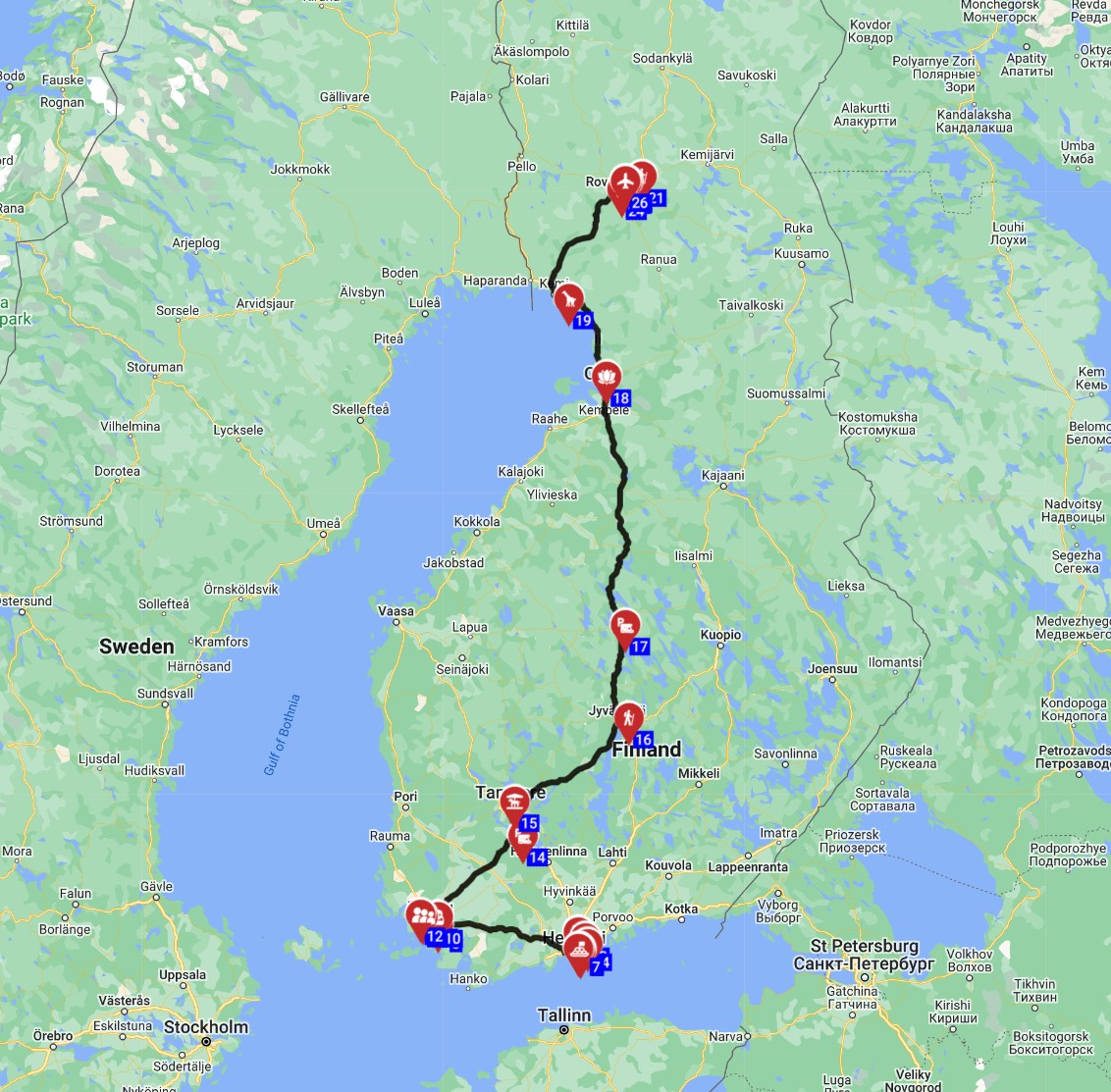
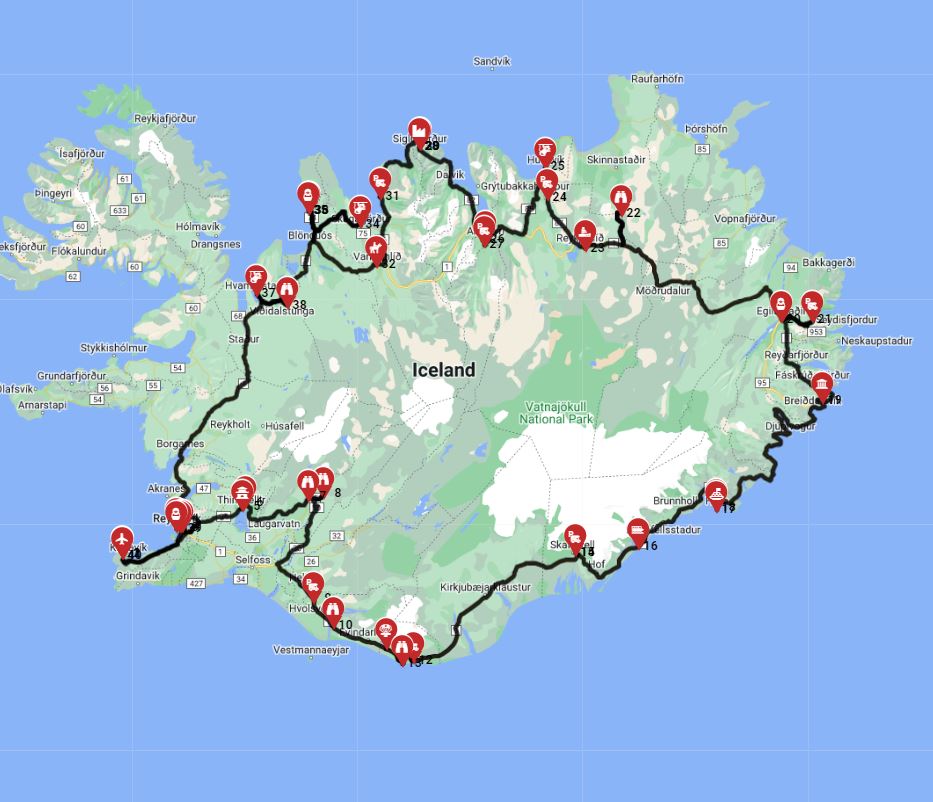
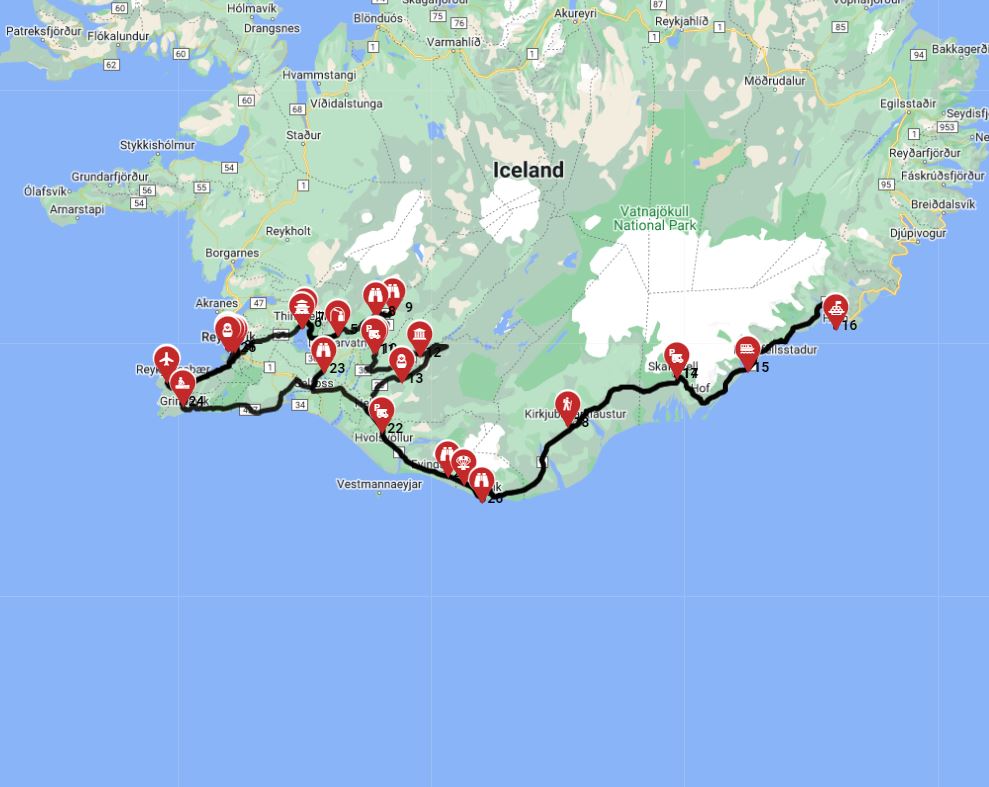
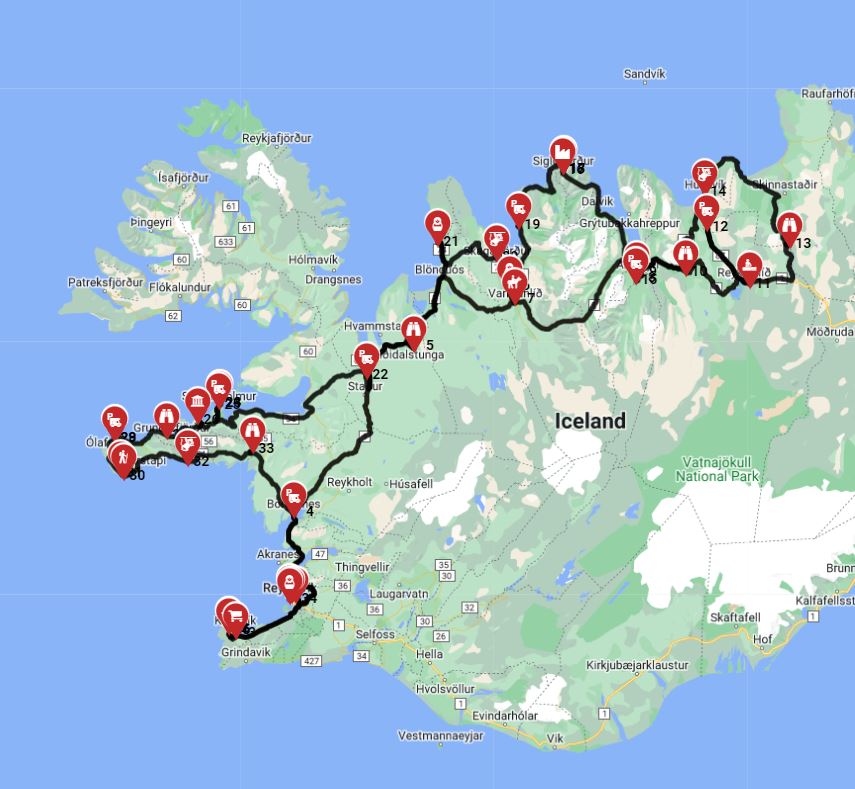
Plan a trip itinerary in advance with minimal effort and maximum enjoyment. Discover top destinations, planning tips, all in one place!
Compare Airport RV Rental Prices for Scandinavia Now