In This Guide
- Can You Drive an RV in Queenstown? License & Age Rules
- Road Conditions & Terrain in Queenstown
- RV Size Limits, Bridges & Restricted Zones
- Fuel: Diesel vs. Petrol & Cost per 100 km
- Tolls, Vignettes & Border Rules
- Driving Tips for RV Rental Travelers
- Recommended RV Class for Queenstown Roads
- Should I Choose a Compact Van Instead of a Large RV in Queenstown?
- Can I Park Anywhere? Free & Wild Camping Rules in Queenstown
- Can I Drive an RV Into the City Center? Heights, Tunnels & Local Signage
- What license do you need to drive a motorhome in New Zealand?
- Can you park a campervan in Queenstown?
- What states require a special RV license?
- How much does it typically cost to insure an RV?
- Who insures motorhomes in NZ?
- Who has the best rates on RV insurance?
- How much is insurance on a $200,000 RV?
Embarking on an RV adventure from Queenstown Airport offers an unparalleled way to explore New Zealand's South Island, known for its stunning landscapes and thrilling activities. From picking up your campervan rental to navigating picturesque routes, understanding the local driving regulations and terrain is key to a smooth journey. For live availability and current prices, start with our RV Rental Queenstown - Complete Guide 2026 guide.
Can You Drive an RV in Queenstown? License & Age Rules
Yes, you can absolutely drive a rented RV in Queenstown, and most motorhomes in New Zealand can be operated with a standard car license (Class 1 or its foreign equivalent), as long as the Gross Laden Weight (GLW) does not exceed 6,000 kg.
For international visitors, a valid and current overseas driver's license is acceptable for up to 12 months from your arrival date, provided it's in English or accompanied by an accurate English translation or an International Driving Permit (IDP). The minimum driver age for most motorhome rentals in Queenstown is typically 21 years, with no young driver surcharges or vehicle class restrictions based on age, making it accessible for a wide range of travelers. Drivers must have held their license for at least one year and be ready to present it at pick-up at the rental station near Queenstown Airport (ZQN). To ensure a smooth pick-up experience, make sure all drivers meet these requirements. For instance, a Class C Alcove motorhome, averaging 6.8m in length, would fall within the standard license weight limit, offering plenty of space for families or groups without requiring special permits. Our goal is to make your rental process as transparent as possible, with no hidden fees or surprises regarding licensing.
Road Conditions & Terrain in Queenstown
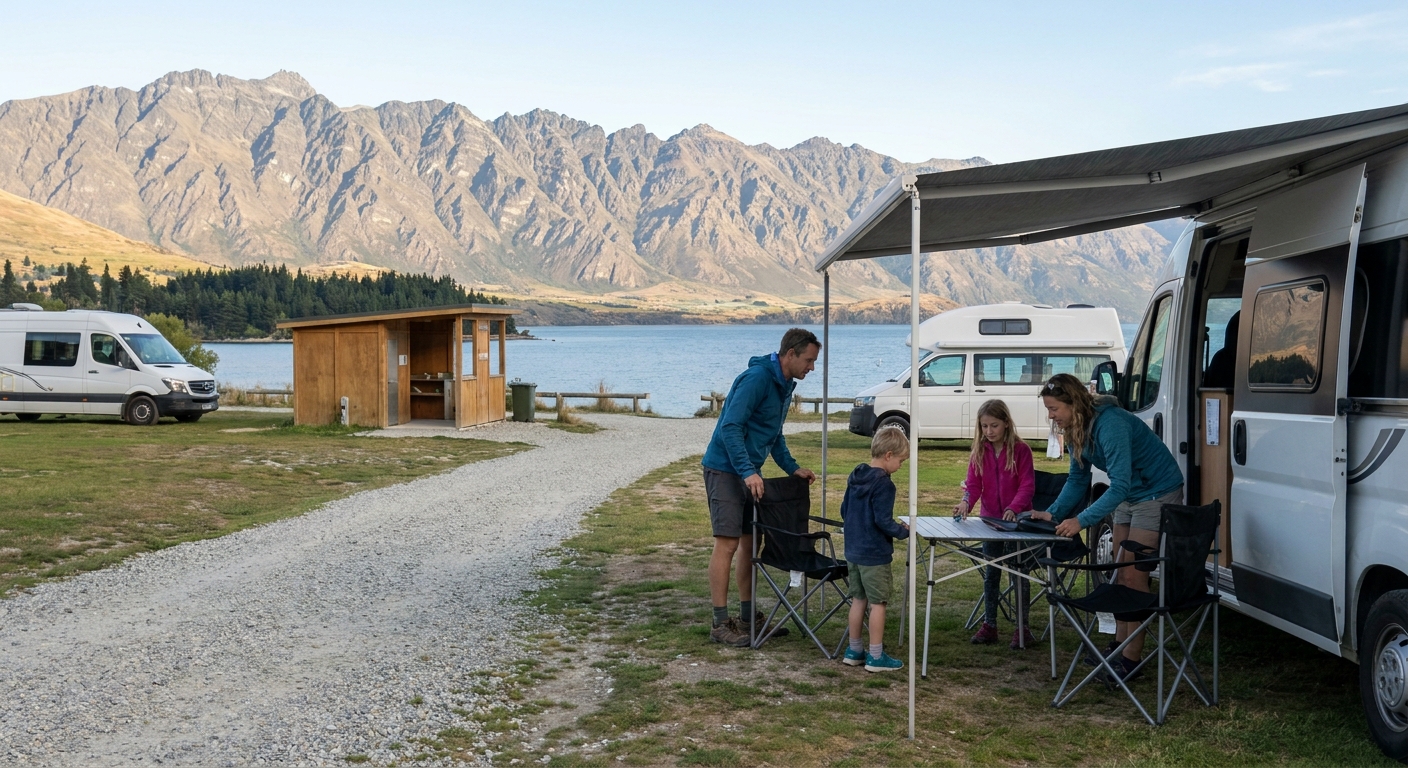
Queenstown and its surrounding regions feature diverse terrain, from bustling urban streets around Shotover Street and Frankton Road to exhilarating winding mountain passes like the iconic Crown Range Road, requiring careful and attentive driving.
Road quality is generally high across the main routes, but travelers should anticipate narrower roads, steep inclines, and sharp turns, particularly when venturing beyond the immediate town center towards scenic spots like Glenorchy or Milford Sound. During winter months (June-August), higher passes, such as the Crown Range between Queenstown and Wanaka, may experience snow and ice, necessitating snow chains or requiring an alternative route via Cromwell. Always drive slowly and carefully, and you can drive almost anywhere without issues. No need to stress - just use common sense and pay attention. Adhere to posted speed limits, which can be lower than in many other countries, and remain vigilant for local wildlife. Remember, slow travel, averaging max 100-150 km per day, allows you to truly immerse yourself in the stunning South Island scenery. For detailed route plans and expert tips on navigating these roads, consider exploring RV PLANET routes, our sister company offering 1,300+ pre-planned itineraries across 5 continents.
RV Size Limits, Bridges & Restricted Zones
While there are generally no strict RV size limits restricting access to Queenstown itself, renters should be mindful of practical considerations like height restrictions (e.g., 2.2m for some underground car parks near the CBD) and the often narrower streets in the town center.
Most bridges in the Queenstown Lakes District are designed to accommodate standard motorhome sizes; however, it’s always prudent to check for specific weight limits on older or less-traveled routes. Environmental zones are not typically a significant concern for standard RVs in Queenstown, but local bylaws strictly enforce regulations against excessive noise and littering, particularly in sensitive natural areas. If your adventures take you further afield to destinations like Stewart Island, you would need to check specific ferry operator regulations for vehicle dimensions and weight. Larger RVs, such as a Class C Alcove like the "MH-C" (averaging 7.3 meters in length and seating 6), will require more careful maneuvering and planning for parking compared to a compact Class B Camper Van like the "Active Original" (averaging 5.9 meters). Choosing a vehicle that suits your comfort level and driving confidence is key to an enjoyable trip. Find Motorhome Rentals in Queenstown by comparing prices now.
🎬 Video coming soon
Fuel: Diesel vs. Petrol & Cost per 100 km
Most rental RVs and motorhomes in New Zealand operate on Diesel fuel, which is readily available at service stations throughout Queenstown and across the South Island.
Petrol (gasoline) options are less common for larger campervans; it is always essential to confirm your specific rental vehicle's fuel type at pick-up to avoid costly errors. A unique aspect of driving a diesel RV in New Zealand is the Road User Charges (RUCs), a distance-based fee that contributes to road maintenance, which is an additional cost billed by your rental provider, typically either pre-calculated or charged based on your total mileage after the trip. While exact fuel consumption rates vary significantly by RV model, driving style, and the hilly terrain around Queenstown, a large Class C motorhome like the "Euro Deluxe" (averaging 2.5L Diesel engine) might achieve around 14 liters per 100 km. Therefore, budgeting for higher overall fuel and RUC costs compared to a standard car is advisable for your New Zealand RV adventure. Some rental agreements might offer fuel discount cards, providing minor savings at participating service stations. When planning your budget, remember that RV PLANET routes allow you to itemize and track every expense along the way for easy budgeting, covering everything from fuel to campground fees and groceries. On the routes offered through RV PLANET routes, you can itemize and track every expense along the way for easy budgeting.
Tolls, Vignettes & Border Rules
New Zealand does not utilize vignettes or impose internal border rules between its regions, functioning as a single national entity for travel, so you won't encounter any internal customs or passport checks.
Directly in or immediately around Queenstown, there are no toll roads to be concerned about. However, a few toll roads exist exclusively on the North Island (such as the Northern Gateway Toll Road north of Auckland and the Tauranga Eastern Link), which would only be relevant if your journey extends beyond the South Island. As previously mentioned, diesel RVs are subject to Road User Charges (RUCs), a distinct fee based on distance traveled, which helps fund road upkeep and is separate from the pump price of diesel. Your RV rental company will typically manage these RUCs, either by including them in your pre-paid package or by calculating and charging you for the mileage post-rental. Always clarify the specific RUC payment procedures with your provider like Apollo or Britz during the booking process to prevent any unexpected charges and ensure full transparency, a core value at Bandana RV.
Driving Tips for RV Rental Travelers
Always drive on the left side of the road in New Zealand, and be exceptionally mindful of Queenstown's narrow, winding, and hilly terrain; embracing slow travel is the best approach, aiming for a maximum of 100-150 km per day on average.
It’s wise to factor in frequent stops every 2-3 hours, especially when traveling with family in a larger campervan like a "6 Berth Discovery," to stretch, enjoy the spectacular scenic viewpoints, or simply to take a break from focused driving. Queenstown's alpine environment means weather can change rapidly, so consistently check local forecasts, especially for mountain passes such as the Crown Range Road, and pack appropriate layers. Be aware of local wildlife, particularly the highly intelligent and curious Kea (alpine parrots) found in mountainous areas; these birds are known to be attracted to exposed rubber parts on vehicles and should never be fed. Carefully plan your routes, avoiding roads like Skippers Canyon Road, which are often explicitly forbidden by rental agreements due to their extreme conditions and potential to void your insurance. Our extensive network of suppliers, including leading names like Apollo and Britz, ensure their vehicles are well-maintained for these diverse conditions. Remember, Bandana RV offers 24/7 support for pre-booking comparisons and post-booking coordination, ensuring you're well-prepared.
Recommended RV Class for Queenstown Roads
For navigating Queenstown's scenic yet often challenging roads, Class SI - Semi-integrated RVs and Class B - Camper Vans are highly recommended due to their optimal balance of maneuverability, comfortable living space, and ease of driving.
Class SI - Semi-integrated RVs, such as the "2 Berth Rover" (averaging 6.2m in length and seating 2-4 people), offer a practical compromise between ample interior living space (typically featuring 3.3 sleeping places) and agile handling on winding routes. Class B - Camper Vans, like the "Paradise Camper" (averaging 6.5m in length), provide superior agility for tight city parking and navigating narrow streets in Queenstown, while still comfortably accommodating an average of 4 adults. While larger Class C - Alcove RVs, like the "4 Berth Deluxe" (averaging 6.8m and offering 4-6 sleeping places), are also suitable for Queenstown, their larger profile requires increased caution and planning on very narrow or steep roads. Ultimately, the best choice depends on your group size, luggage needs, and desired level of onboard amenities. For example, a "Campervan for 2 - Automatic" is perfect for a couple seeking comfort and ease, whereas a "Family RV Rental in Queenstown - Pricing Guide 2026" might guide larger groups to a spacious Class C. Bandana RV offers a full comparison platform to help you find the perfect vehicle from our 50+ leading RV suppliers worldwide.
Should I Choose a Compact Van Instead of a Large RV in Queenstown?
While Queenstown's roads can be narrow and hilly, most standard rental RV sizes, including larger Class C models (like the "Euro Camper" with 6 berths), can be driven through the area without significant issues if you maintain slow and careful driving.
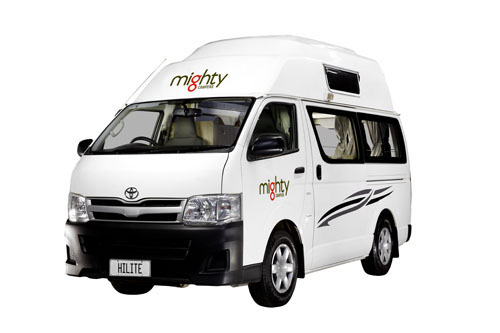
A compact campervan (such as a Class B Camper Van, averaging 6.5m in length like the "HiTop Campervan") does indeed offer superior maneuverability and easier parking, especially in Queenstown’s bustling urban areas and tighter historic districts. This can be a distinct advantage if your itinerary focuses heavily on town exploration. However, the trade-off for a compact van typically includes less indoor space, fewer amenities (often without a full bathroom or extensive kitchen), and reduced overall comfort for extended road trips or during inclement weather. Larger motorhomes (like a Class SI or Class C, ranging from 6.2m to 6.8m) provide significantly more living space, generous storage, and comprehensive amenities, which can greatly enhance your comfort and enjoyment, particularly for families or longer journeys. Unless you plan extensive off-road driving or exclusively navigating extremely tight, unpaved backroads consistently, the added comfort and features of a larger RV often outweigh the minor maneuverability benefits of a compact van in Queenstown. We are true RV specialists, ready to help you choose the best rented motorhome for your adventure. For ideas you can prep on the road, watch our RV-friendly recipes playlist on YouTube.
Can I Park Anywhere? Free & Wild Camping Rules in Queenstown
No, you absolutely cannot park anywhere for overnight camping in Queenstown; strict freedom camping rules are enforced by the Queenstown Lakes District Council (QLDC) to protect the region's pristine environment and manage visitor impact.
Freedom camping is generally restricted to specific, clearly designated areas, and only certified self-contained vehicles (those with onboard toilet, waste water tanks, and rubbish facilities) are permitted to use them. Many popular tourist spots and most urban areas within the Queenstown boundary explicitly prohibit freedom camping, with significant fines (up to NZD 400) for non-compliance. For guaranteed overnight parking and access to essential facilities like dump stations and fresh water, it is strongly recommended to utilize commercial campgrounds or holiday parks in and around Queenstown, such as the Queenstown Lakeview Holiday Park or the Frankton Motor Camp. Responsible management of trash and recycling is also crucial; always use designated bins at campsites or public recycling centers, and never leave any waste behind. Always check local regulations and follow local law before parking overnight. For finding campsites and campgrounds during your trip, we recommend using RV PLANET (rvplan.net) - a great resource for locating available spots along your route. You'll find a spot. If not at the first campground, then the next one. Call ahead before driving.
Can I Drive an RV Into the City Center? Heights, Tunnels & Local Signage
Yes, you can generally drive a rented RV into Queenstown's city center, but it requires careful attention to local signage, particularly for vehicle dimensions, and an awareness of the narrow, winding streets.
Pay close attention to height limits posted for multi-story car parks, which are often around 2.2m and may exclude taller RVs, especially Class C Alcove models like the "MHC24" (which typically stands around 3.2m in height). Queenstown does not feature tunnels or low bridges that commonly impede standard rental RVs in the main city areas. Be highly aware of local street parking regulations, which often include strict time limits and metered zones; some streets may also have residents-only restrictions. The city center can be busy with pedestrian traffic and limited turning space, so larger RVs might find it easier and less stressful to park in designated areas on the periphery, such as near the Queenstown Gardens or the Frankton area, and then walk or use public transport (buses are readily available) into the heart of town. Always remember to check for specific local parking signage before leaving your motorhome. We handle the details, you live the journey - personal service from day one until your booking is confirmed.
What license do you need to drive a motorhome in New Zealand?
To drive most rental motorhomes in New Zealand, you need a standard Class 1 (car) driver's license, provided the vehicle's Gross Laden Weight (GLW) does not exceed 6,000 kg.
For visitors from non-English-speaking countries, your valid overseas driver's license is acceptable for up to 12 months from your arrival date, provided it is either in English or accompanied by an approved English translation or an International Driving Permit (IDP). The minimum age for renting an RV in Queenstown is typically 21 years, and drivers are generally required to have held their license for at least one year. For exceptionally large motorhomes that exceed a 6,000 kg GLW, a Class 2 (heavy vehicle) license is legally required, though such vehicles are rarely found in standard rental fleets. It's crucial to present your physical license at the rental counter, and ensure it remains valid for the entire duration of your rental period to avoid any issues.
Can you park a campervan in Queenstown?
Yes, you can park a campervan in Queenstown for day use, but it is critical to distinguish this from overnight parking, which is subject to stringent freedom camping regulations.
Day parking for campervans is generally available in designated public car parks around Queenstown, though finding spaces for larger vehicles can be challenging and often involves metered fees near popular spots like the waterfront. Overnight parking for camping, commonly known as freedom camping, is highly restricted within the Queenstown Lakes District and is only permitted for certified self-contained vehicles in specific, clearly designated areas. Many prominent tourist locations and most urban parts of Queenstown explicitly prohibit freedom camping, and fines for illegal overnight parking are significant, often starting from NZD 200. For guaranteed overnight parking and reliable access to essential facilities, it is strongly recommended to utilize one of the many commercial campgrounds or holiday parks located both within and just outside Queenstown, such as Queenstown Holiday Park & Motels Creeksyde. You can compare Motorhome Prices for Queenstown rentals and secure your spot.
What states require a special RV license?
This question typically applies to certain jurisdictions within the United States, where some states differentiate between standard and specialized licenses for driving very large or heavy RVs.
However, for driving a rental RV in New Zealand, the concept of 'states' requiring special RV licenses is not relevant, as New Zealand operates under a single national driver licensing system. As previously explained, the primary requirement in New Zealand for most rental motorhomes is a standard Class 1 car license, provided the Gross Laden Weight (GLW) does not exceed 6,000 kg. If your travel plans extend internationally beyond New Zealand, it is crucial to research the specific licensing requirements of each country or region you intend to visit. Always confirm the licensing requirements directly with your RV rental provider in New Zealand or the relevant transport authority in other countries to ensure full compliance and a stress-free journey.
How much does it typically cost to insure an RV?
The typical cost of RV insurance for a rental in New Zealand is usually incorporated into the base rental price, but with a standard excess (deductible) that can range significantly from NZD 5,000 to NZD 7,500.
Renters often have the option to substantially reduce this excess, sometimes even to zero, by purchasing additional insurance packages directly from the rental company or through a third-party travel insurance provider. The daily cost of these excess reduction options varies, generally falling within NZD 30 to NZD 80 per day, depending on the level of coverage chosen and the specific rental company (such as El Monte, Cruise America, Apollo, or Britz). Factors influencing overall insurance premiums for purchased RVs include the vehicle's value, the driver's age and driving record, and specific coverage inclusions like windscreen damage or tire protection. For your rented motorhome, upgrading to a top-level deductible for extra peace of mind is a smart choice, preventing large out-of-pocket expenses in case of an incident. Our full transparency means no hidden fees when it comes to understanding your insurance options.
Who insures motorhomes in NZ?
In New Zealand, many reputable insurance providers offer motorhome insurance for privately owned vehicles, including major national companies like AA Insurance, Tower Insurance, AMI, State Insurance, and Vero, all of whom have established presences.
Additionally, specialized RV insurance brokers and underwriters also operate in the market, focusing specifically on recreational vehicles and often providing tailored policies for unique needs. For rental motorhomes, the primary insurance coverage is provided by the rental company itself (e.g., Apollo, Britz), typically with a high standard excess. It is common and highly recommended for travelers to supplement this basic coverage with third-party excess reduction insurance from independent providers for broader protection. Always review the Product Disclosure Statement (PDS) from any insurer to fully understand the exact coverage, exclusions, and conditions before purchasing a policy, ensuring your Queenstown RV rental adventure is protected. This careful attention to detail is part of being a true RV specialist, focused exclusively on RV travel.
Who has the best rates on RV insurance?
Determining who offers the 'best' rates on RV insurance in New Zealand is highly subjective and depends significantly on individual circumstances, including the specific type of RV, the driver's history, and the desired level of coverage.
It is strongly recommended to obtain multiple quotes from various providers, including general insurers like AA Insurance and specialized RV insurers, to comprehensively compare pricing and policy features. Online comparison websites can serve as an excellent starting point, but direct communication with providers often yields more tailored quotes and crucial clarification on policy details for your particular Queenstown motorhome rental. For rental RVs, comparing the daily cost and coverage of the rental company's excess reduction options against independent third-party travel insurance policies that include RV excess coverage is paramount. The 'best' rate ultimately represents a balance between a competitive premium and comprehensive coverage that genuinely meets your specific needs, rather than simply selecting the lowest advertised price. For instance, consider how your choice affects a "Cheap RV Rental in Queenstown - Budget Guide 2026".
How much is insurance on a $200,000 RV?
Insurance for a privately owned RV valued at $200,000 in New Zealand would typically fall into the higher end of premium costs due to the significant replacement value of such a substantial vehicle.
Annual comprehensive insurance premiums for a $200,000 RV could range approximately from NZD 1,500 to over NZD 3,000, depending on various critical factors. Key factors influencing the premium include the specific make and model of the RV, its age, installed security features, where it is typically stored, the owner's driving history, and the chosen excess (deductible) amount. Additional coverages, such as roadside assistance, contents insurance, and protection for specialized features like solar panels or awnings, will also impact the overall annual cost. For rental RVs in Queenstown, the base rental price usually includes insurance for the vehicle's value, but renters would purchase an optional excess reduction package, costing a daily rate rather than an annual premium, to significantly mitigate their financial liability for any damage. This is why we advocate for full transparency, so you understand all potential costs upfront.
What You Shouldn't Miss
- Drive the Glenorchy-Paradise Road: This stunning 45 km route, starting just outside Queenstown, offers breathtaking views of Lake Wakatipu, ancient forests, and towering peaks, making it a must-do in a rented campervan. Many scenes from the Lord of the Rings were filmed here.
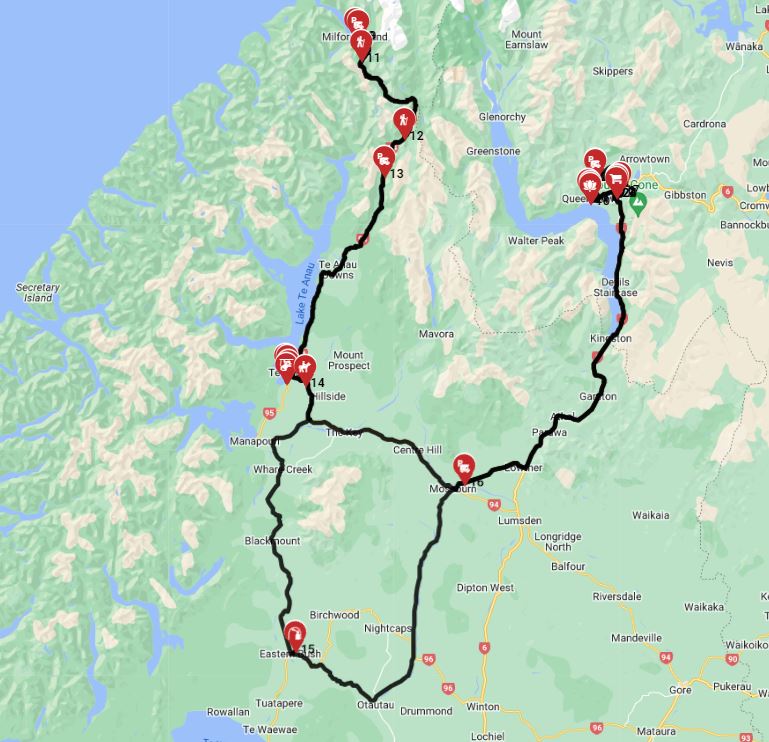
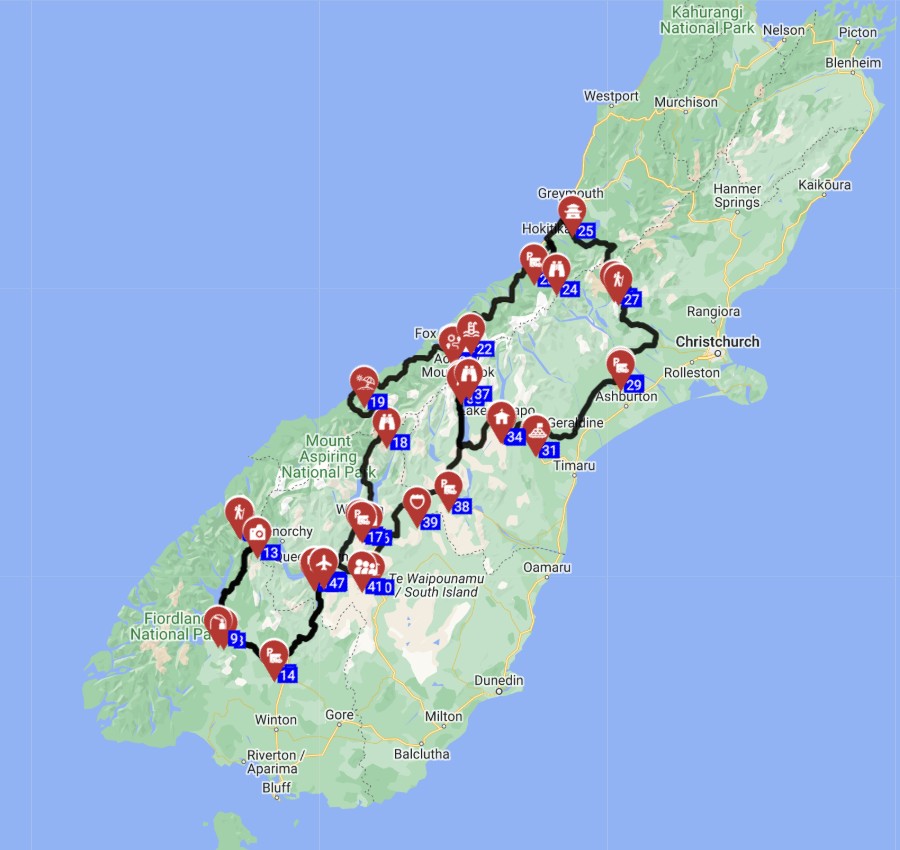
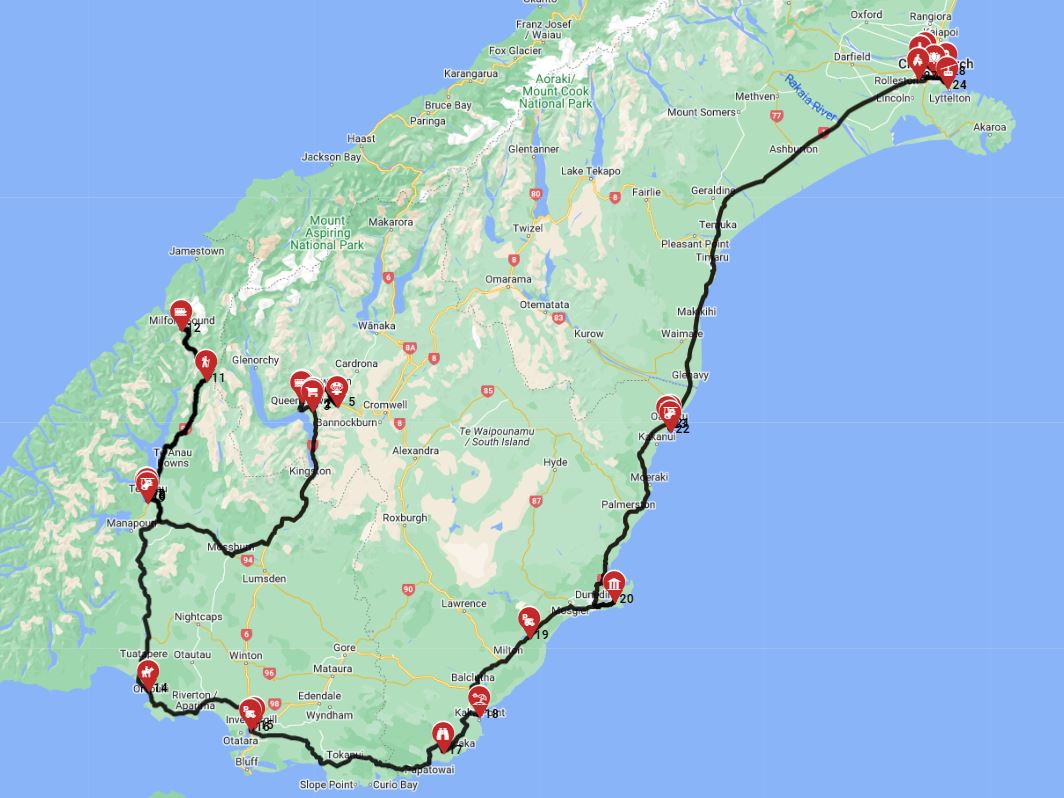
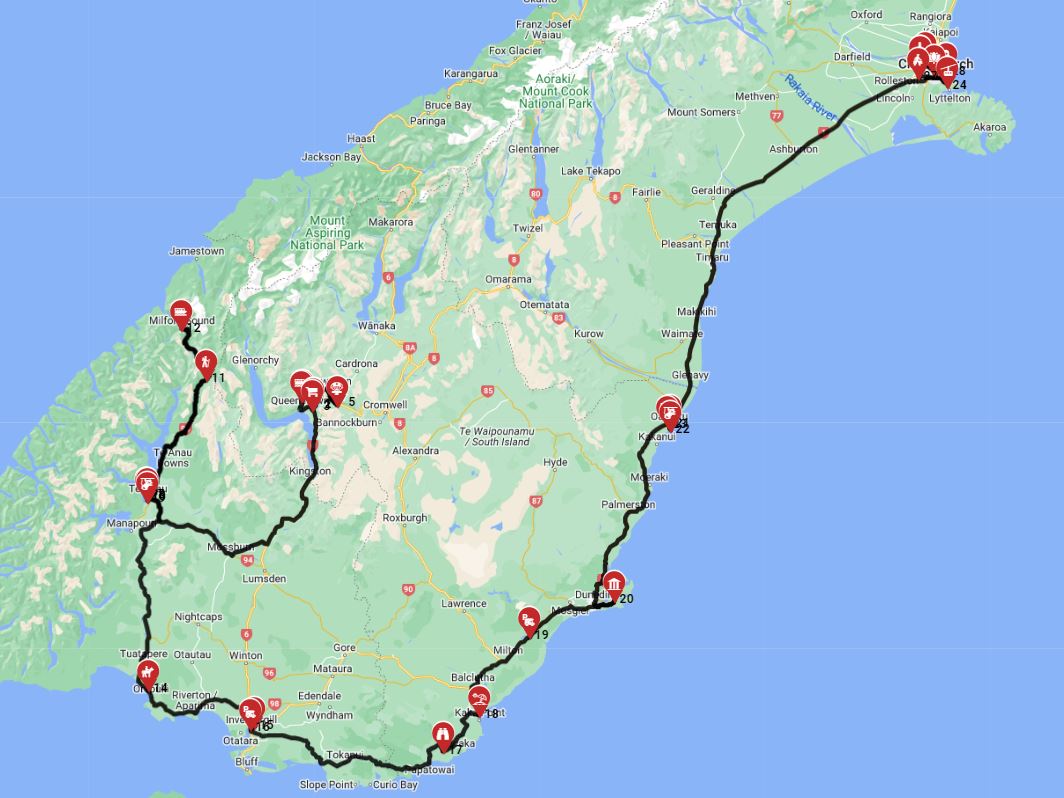
- Visit Milford Sound: While a longer drive (approximately 300 km from Queenstown), the journey through Fiordland National Park to Milford Sound is world-renowned. Take your time, perhaps staying overnight at a nearby campground with your motorhome, to experience this majestic fiord. For detailed instructions, see the "
" (10 days, 1406.8 km) itinerary from RV PLANET.
 Queenstown to Christchurch
 - Explore Arrowtown's Historic Charm: Just 20 km from Queenstown, this historic gold mining town offers a delightful step back in time. Easily accessible by RV, it features charming streets, a gold panning river, and local eateries.
- Hike or Bike Around Lake Hayes: Enjoy a leisurely 8 km loop trail around picturesque Lake Hayes, offering stunning reflections and a peaceful escape from Queenstown's bustle. Parking for your campervan is available at various points around the lake.
- Experience Queenstown Gondola & Luge: Park your RV on the outskirts (checking height restrictions carefully) and take public transport or a walk to the Skyline Gondola for panoramic views of Queenstown and Lake Wakatipu, followed by a thrilling luge ride.
- Looking for expert insights from Avi Bandana? Top 5 Adventures - recommendations from Avi Bandana
Final Thoughts
Queenstown is more than just an adventure capital; it's a gateway to some of New Zealand's most spectacular landscapes, and a rented RV is the perfect companion for this journey. Imagining yourself waking up to panoramic mountain views or cooking a delicious meal with a backdrop of a serene lake is what RV travel is all about. With the right preparation regarding local driving conditions, freedom camping rules, and vehicle choice, your Queenstown RV experience will be filled with unforgettable moments.
At Bandana Caravan, we're dedicated to making your adventure planning as easy and stress-free as possible. From our full transparency pricing to our expert advice on choosing the ideal motorhome, we're here to support you every step of the way. So, take the leap, embrace the open road, and discover the magic of Queenstown on your terms.
Ready to hit the road? Discover top destinations, planning tips, all in one place! Plan a trip itinerary in advance with minimal effort and maximum enjoyment.
Find Motorhome Rentals in Queenstown