In This Guide
- Can You Drive an RV in Netherlands? License & Age Rules
- Road Conditions & Terrain in Netherlands
- RV Size Limits, Bridges & Restricted Zones
- Fuel: Diesel vs. Petrol & Cost per 100 km
- Tolls, Vignettes & Border Rules
- Driving Tips for RV Rental Travelers
- Recommended RV Class for Netherlands Roads
- Should I Choose a Compact Van Instead of a Large RV in Netherlands?
- Can I Park Anywhere? Free & Wild Camping Rules in Netherlands
- Can I Drive an RV Into the City Center? Heights, Tunnels & Local Signage
- How much does an RV trip to the Netherlands cost?
- What's the best time of year to rent an RV in the Netherlands?
- What are some unique RV itineraries in the Netherlands?
- How can I RV Sustainably in the Netherlands?
- What Practical Tips Should I Know for RVing in the Netherlands?
- Top Cities for RV Rental in Netherlands
- What You Shouldn't Miss
- Why Book with Bandana Caravan
- Final Thoughts
- Frequently Asked Questions
The Netherlands, with its picturesque canals, vibrant tulip fields, and charming historic cities, is an extraordinary destination for a motorhome adventure. Imagine waking up to the gentle hum of a Dutch polder or parking your campervan beside a tranquil windmill. Exploring this flat and cyclist-friendly country in a rented RV offers unparalleled freedom and a truly immersive cultural experience. At Bandana RV, we're dedicated to helping you discover the joy of RV travel with full transparency and dedicated support. For live availability and current prices, start with our RV Rental Netherlands - Complete Guide 2026 guide.
🎬 Video coming soon
Can You Drive an RV in Netherlands? License & Age Rules
Yes, you can absolutely drive a rented RV in the Netherlands, and the licensing requirements are straightforward for most vehicles. Most standard motorhomes in the Netherlands, typically those up to 3,500 kg (like Class B campervans or smaller Class C RVs), can be driven with a category B driver's license, the same one you use for a regular car. For larger Class A or C RVs exceeding 3,500 kg, a C1 or C category license might be required, though many rental fleet vehicles are designed to stay within the standard B license limits to maximize accessibility. Rental companies generally enforce a minimum driver age of 21 years old, and often require drivers to have held their license for at least 1-3 years. For visitors from non-EU countries, an International Driving Permit (IDP) is highly recommended in addition to your valid national license, although it is not always legally mandatory, it ensures a smoother journey and clarifies your license details for local authorities.
We believe in making RV travel accessible, which is why Bandana RV ensures our partner suppliers in the Netherlands offer a range of vehicles suitable for standard B license holders, minimizing any licensing hurdles. With Bandana, you'll always have full transparency on license requirements before you book, so there are no surprises.
Road Conditions & Terrain in Netherlands
The Netherlands features exceptionally well-maintained, high-quality roads, making for comfortable and enjoyable RV travel across the country. The terrain is predominantly flat, with no significant mountains, which greatly simplifies driving a rented motorhome and generally reduces fuel consumption compared to mountainous regions. Excellent road signage is consistent throughout the country, aiding navigation for RVers and making it easy to find your way, even off the main highways. While urban areas can be dense with traffic, the road network efficiently connects cities and rural landscapes, encouraging slow, scenic drives rather than fast travel. Even in cities, remember: Drive slowly and carefully, and you can drive almost anywhere without issues. No need to stress - just use common sense and pay attention.
Planning your routes with RV PLANET routes allows you to itemize and track every expense, including fuel, ensuring you stay on budget while enjoying the beautiful Dutch countryside. Consider a Class C motorhome like the 'cruise america rv rental example Explorer' which offers a comfortable ride on these smooth roads, perfect for families. If you're exploring Europe more broadly, our "RV Rental Europe - Complete Guide 2026" provides essential tips for other countries with similar road conditions.
RV Size Limits, Bridges & Restricted Zones
RVers in the Netherlands must observe height restrictions, particularly in historic city centers, underpasses, and some low bridges, which are typically well-marked. Environmental zones (known as 'milieuzones' or low-emission zones) exist in several major Dutch cities, including Amsterdam, Rotterdam, and Utrecht, restricting access for older, more polluting vehicles; however, newer rental RVs typically meet these emission standards. Standard vehicle length and width limits apply across most roads, but Bandana's rental fleet, with motorhomes averaging lengths of 5.8m to 7.5m, is well within these regulations for main routes and generally for navigating towns. While rare for modern RVs, some very small, historic bridges or narrow rural roads might have specific weight or width restrictions, always indicated by local signage, so it's always wise to pay attention to these. Consider our "One-Way RV Rental in Netherlands - Price Guide 2026" for details on routes that might involve varying vehicle size considerations.
Fuel: Diesel vs. Petrol & Cost per 100 km
Diesel is the most common fuel type for rented RVs in the Netherlands and is readily available at petrol stations nationwide, making refueling convenient during your trip. Bandana's Class B Camper Vans typically consume 8-10 Liters/100 km, Class SI Semi-integrated models average around 10-11 Liters/100 km, and Class C Alcove RVs usually consume 10-12 Liters/100 km, offering good fuel efficiency for their size. Fuel costs in the Netherlands are generally higher compared to some other European countries, so it's crucial to factor this into your travel budget; expect prices to be dynamic. While we don't offer fuel discount cards, effective budgeting using tools like RV PLANET can help manage your overall trip expenses, providing full transparency on all potential costs. On the routes offered through RV PLANET routes, you can itemize and track every expense along the way for easy budgeting.
Tolls, Vignettes & Border Rules
The Netherlands does not require a national vignette for RVs or passenger vehicles and has very few tolled roads, primarily focused on specific tunnels. The main tolled routes include the Western Scheldt Tunnel in Zeeland and the Kil tunnel near Dordrecht, which charge a fee upon passage, usually a few Euros. When traveling to neighboring countries like Germany or Belgium, no vignettes are generally required for general road use, but drivers should be aware of environmental zones in specific cities they plan to visit, as these rules vary. Many of our flexible rental options allow for international travel, so if you're considering a trip that includes destinations like Düsseldorf - Airport, a quick check of the local city regulations for environmental zones is always recommended. Our 24/7 support is available to assist with pre-booking questions about cross-border travel implications.
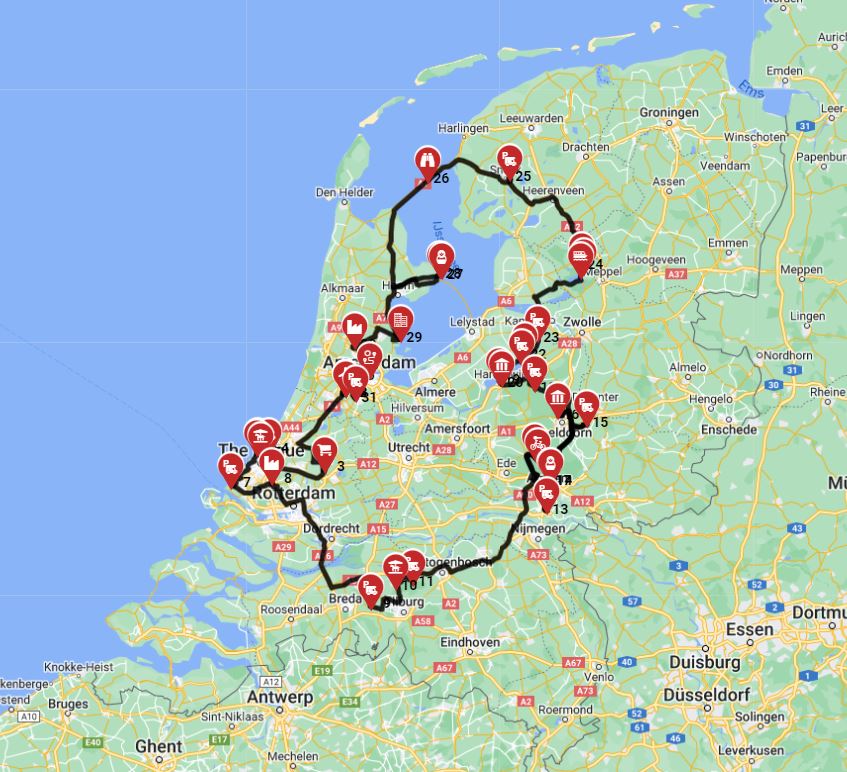
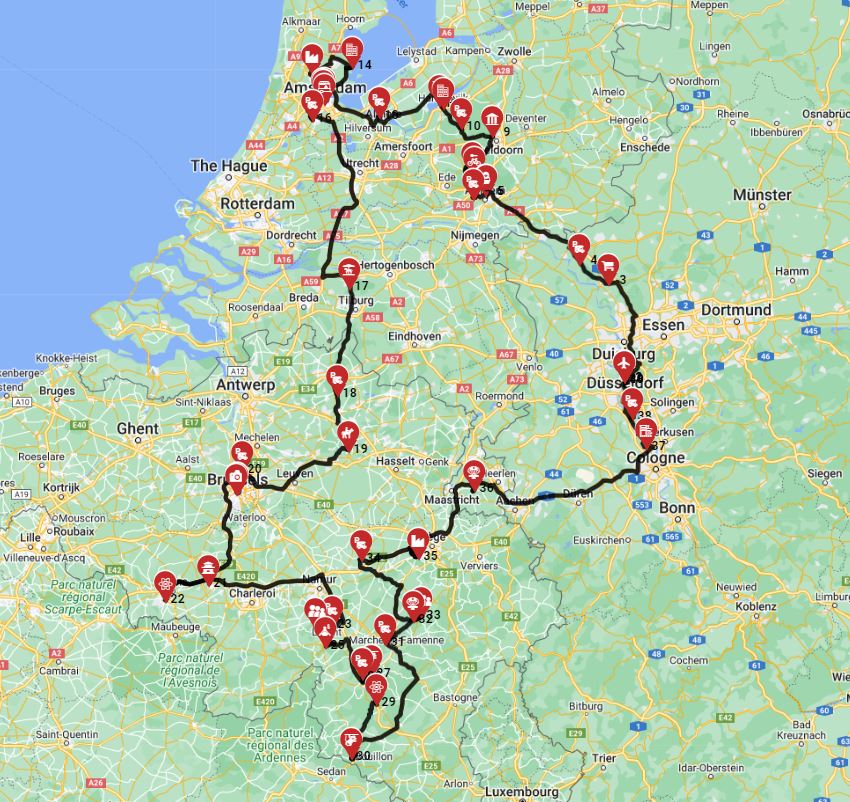
For a fantastic multi-country adventure, consider the Dusseldorf Roundtrip - Germany / Netherlands / Belgium, an 8-day itinerary covering 1076.2 km. This route includes stops at an Amusement Park, a Historical Site, and a Traditional Market, offering a rich blend of culture and fun. Bandana RV offers full transparency with no hidden fees when comparing prices across our 50+ leading RV suppliers, ensuring you always know what you're paying for, even when crossing borders.
Driving Tips for rv rental Travelers
When driving your rented RV in the Netherlands, always be vigilant for cyclists, as the country has an extensive and highly utilized cycling network; prioritizing giving way to bikes is paramount. Adhere strictly to posted speed limits, as enforcement is common and fines can be substantial. Exercise caution on narrow roads, especially in historic villages and rural areas, where space for larger motorhomes can be limited. Plan your parking in advance, particularly in cities, often utilizing designated RV parking or park-and-ride facilities on the outskirts. Be mindful of potentially strong winds, especially in open, flat areas like coastal regions or polders, which can affect the handling of larger RVs. Most importantly, embrace slow, scenic driving, allowing for spontaneous stops at local markets or hidden gems for cultural immersion, rather than rushing between major tourist spots. Remember, the journey is just as important as the destination.
For a more extended adventure, consider the
Recommended RV Class for Netherlands Roads
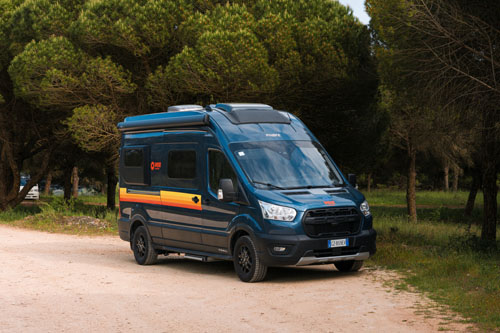
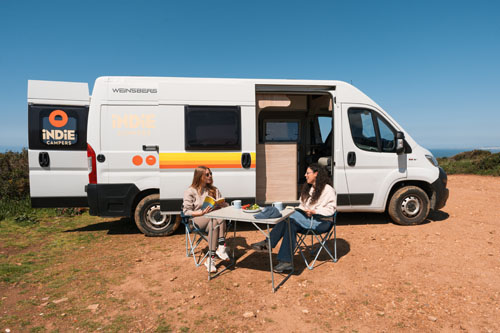
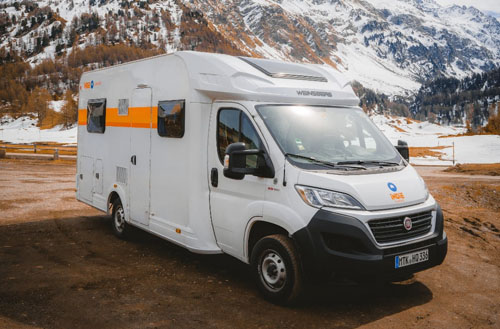
Bandana's Class B Camper Vans, averaging lengths around 5.8m, are highly recommended for their exceptional maneuverability, ease of parking, and suitability for navigating smaller roads and the charming, often narrower, streets of city outskirts in the Netherlands. These smaller campervans like the 'rv rental denver example Category Van' or 'luxury rv rentals example Carthago Malibu 600' are perfect for couples or solo travelers. Class SI Semi-integrated RVs, with an average length of 6.9m, offer a comfortable balance of living space and drivability, making them an excellent choice for couples or small families exploring diverse regions. While Class C Alcove RVs, typically averaging 7.5m in length, provide ample space for larger families, their increased dimensions may require more careful navigation in very tight historic areas, but are still manageable with common sense. The generally flat terrain and excellent road quality mean that most RV classes from Bandana's fleet are suitable, but compact options provide greater flexibility for spontaneous exploration. Choosing the right size is crucial for your comfort and confidence, and our true RV specialists can help you compare options effortlessly.
Should I Choose a Compact Van Instead of a Large RV in Netherlands?
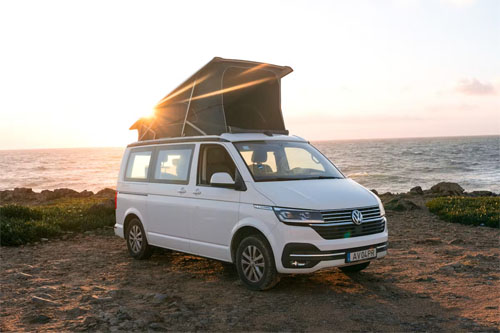
Choosing a compact van, such as Bandana's Class B Camper Van (averaging 5.8m in length like the 'Active Pop Top'), offers superior maneuverability and easier parking, which is particularly beneficial in dense urban areas and quaint villages with narrow streets. These smaller rental vehicles are ideal for travelers prioritizing city exploration and frequently parking in tighter spots, often offering impressive fuel efficiency around 8-10 Liters/100 km. While larger RVs, such as a Class SI at 6.9m or a Class C at 7.5m, provide significantly more indoor space and amenities for comfort (think a 'Category Family 5' motorhome with 6 sleeping places or an 'MH-A' with ample space), the Netherlands generally accommodates most RV sizes without major issues on main routes. For extended trips, families of 4-6 people, or those seeking dedicated living and sleeping areas, the added comfort and storage of a larger RV often outweigh the minor challenges of urban navigation, which can often be mitigated by using peripheral park-and-ride options and public transport.
Can I Park Anywhere? Free & Wild Camping Rules in Netherlands
Wild camping and free overnight parking are generally prohibited across the Netherlands, with strict regulations in place to preserve natural environments and private land. RVers must utilize designated campsites (known as 'campings') or official motorhome parking spots (called 'camperplaatsen'), which are widely available and well-equipped throughout the country. These designated areas provide necessary facilities such as fresh water, waste disposal points, and electricity hook-ups, ensuring a comfortable and responsible travel experience. Rules can vary by region, so it's always important to check local regulations and follow local law before parking overnight to avoid fines. While finding an unofficial spot for a night might seem appealing, the extensive network of official sites makes it unnecessary and helps protect the environment. Many national and state parks only reserve 25-30% of their spots in advance, leaving the rest for first-come, first-serve campers. You'll find a spot; if not at the first campground, then the next one. Always call ahead before driving long distances.
For finding campsites and campgrounds during your trip, we recommend using RV PLANET (rvplan.net) - a great resource for locating available spots along your route.
Can I Drive an RV Into the City Center? Heights, Tunnels & Local Signage
It is generally possible to drive a rented RV into most Dutch city centers, though drivers must be highly attentive to specific local signage and restrictions, especially concerning height and width. Environmental zones ('milieuzones') are enforced in many larger cities like Amsterdam, Rotterdam, and Utrecht, potentially restricting access for older or heavier vehicles, so always verify your RV's compliance beforehand. Pay close attention to height limit signs for tunnels, underpasses, and multi-story parking garages, as well as width restrictions on historic streets. Parking within city centers can be challenging and expensive; therefore, it's often more practical and less stressful to use park-and-ride facilities located on the outskirts and utilize the excellent public transport for city exploration. Drive slowly and carefully, and you can drive almost anywhere without issues. No need to stress - just use common sense and pay attention, especially when encountering narrow streets or crowded areas.
Cities like Amsterdam - Schiphol Airport, Eindhoven - Airport, and Rotterdam (near Capelsebrug - train station) offer convenient RV rental pickup points, allowing you to start your adventure right after landing. From there, you can plan your route to explore not only the well-known cities but also charming smaller towns like Almere or Gouda - train station, offering a different pace of Dutch life.
How much does an RV trip to the Netherlands cost?
An RV trip to the Netherlands involves variable costs, making budgeting essential for a smooth adventure. Daily rental fees for a motorhome can range from €80-€200+ depending on the season, RV class (e.g., a compact 'V2L' campervan versus a larger 'Category Family 5' motorhome), and supplier. Fuel, predominantly diesel for most RVs, is a significant expense, with Bandana's fleet typically consuming 8-12 Liters/100 km, and prices generally higher than the European average. Campsite fees usually range from €25-€50 per night for a pitch with basic utilities (water, electricity, waste disposal), with premium sites or peak season commanding higher prices. Budgeting for food can vary widely; cooking in your RV's kitchen can save money, and our RV-friendly recipes playlist offers great ideas. Factor in local grocery costs and occasional restaurant meals for culinary exploration. Potential tolls are minimal, limited to a few tunnels like the Western Scheldt Tunnel. For a clearer picture of total trip costs, our Rent&Plan service allows you to create pre-planned routes where you can itemize and track every expense along the way for easy budgeting. Our commitment to full transparency means no hidden fees or surprises at pickup, so what you see is what you pay.
Cost by Trip Duration in Netherlands
A one-week RV trip in the Netherlands could cost approximately €800-€1500 or more, depending on your choices. This would typically include around €560-€1400 for a Class B or C rental, €100-€200 for fuel (based on 1000 km at €2/L and 10L/100km efficiency), and €175-€350 for 7 nights of camping. Groceries and activities would be additional. For couples, a smaller campervan like 'cruise america example EX-Group A' at an average daily rate of $76 could keep costs lower, while a family might opt for a 6-berth 'MIC' motorhome for around $100-150/day.
For a two-week RV adventure in the Netherlands, expect costs to be roughly €1600-€3000+. This would double your rental and camping costs, and likely increase your fuel budget if you plan to cover more distance. Families with kids often choose larger Class C RVs for comfort, such as the '4 Berth Adventurer' or '6 Berth Discovery', which impacts the base rental price. Remember, prices are dynamic and change daily based on availability, seasonality, and supplier marketing decisions. The final price is always set at the actual booking time.
A month-long RV trip in the Netherlands would be a substantial investment, potentially ranging from €3000-€6000+. Longer rentals often benefit from slightly lower daily rates, but the cumulative cost of fuel, 30 nights of camping, and groceries adds up. This duration allows for slower travel, averaging 100-150 km per day, letting you truly feel the place, connect to the culture, the food, and the scenery without rushing.
Last-minute RV Rental Deals in Netherlands
Yes, you can often find last-minute RV rental deals in the Netherlands, especially during shoulder seasons or if a supplier has unexpected availability. Prices are dynamic like flight tickets; they change daily based on demand and supply. While booking 3-6 months in advance often secures better rates and a wider selection, spontaneous travelers can sometimes snag excellent deals by being flexible with their pickup locations (e.g., checking both Amsterdam - Schiphol Airport and Eindhoven - Airport) and RV models. It's always worth checking Bandana RV's comparison platform for real-time prices, even for same-week bookings. Our platform ensures full transparency, showing you exactly what's available without hidden fees.
Tips for Finding the Cheapest RV Rental if You're Flexible
If you're flexible with your travel plans, finding the cheapest RV rental in the Netherlands becomes much easier. Here are some top tips:
- Flexible Dates: Traveling during off-peak seasons (early spring or late autumn) can significantly reduce daily rental rates. Even shifting your trip by a few days can sometimes yield substantial savings, as prices fluctuate.
- Off-Peak Travel: Avoid major holidays and the height of summer (July-August) for the lowest prices. Spring (April-May) is beautiful for tulips, and autumn (September-October) offers pleasant weather with fewer crowds and lower costs.
- Compare Suppliers: Use Bandana RV's comparison platform to easily compare final prices across 50+ leading RV suppliers worldwide, including trusted partners like Apollo and Britz. Our platform ensures what you see is what you pay, with no surprise fees at pickup.
- Consider Smaller RVs: Compact campervans or smaller Class C motorhomes are generally more affordable to rent and more fuel-efficient. They also offer greater flexibility for navigating narrow Dutch roads and parking.
- Utilize Planning Tools: Create a route plan using RV PLANET (rvplan.net) to optimize your itinerary, find the best-value campsites, and budget for all ancillary costs. Remember, using RV PLANET for planning can also net you a 25% planning discount.
- One-Way Rentals: If you're keen to see more of Europe, consider a one-way rental. While there's typically a drop-off fee, sometimes the rental rate can be lower, and it saves you from retracing your steps. Our "One-Way RV Rental in Netherlands - Price Guide 2026" offers more insights.
For a fantastic multi-country road trip that offers great value, explore the Frankfurt Roundtrip - North West -Exploring Germany, Belgium, and the Netherlands. This comprehensive 22-day itinerary covers 2254.5 km and includes 2 Amusement Parks, 6 Local Industry visits, and 3 Science Sites. A route like this provides incredible value for an extended European adventure.
What's the best time of year to rent an RV in the Netherlands?
The best time to rent an RV in the Netherlands for viewing vibrant tulip fields is spring, typically mid-April to early May, when the weather is mild (average 10-15°C) and tourist crowds are moderate. Summer, from June to August, offers the warmest weather (average 20-25°C), longest daylight hours, and the most open campsites and attractions, making it ideal for coastal visits and festivals, though it is also peak tourist season with higher prices and larger crowds. The shoulder seasons of late spring/early summer (May-June) and early autumn (September-October) provide a pleasant balance of good weather, fewer crowds, and potentially lower rental rates, averaging 15-20% less than peak season. Winter RV travel (November to March) presents unique opportunities for cozy city breaks and Christmas markets, but many campsites are closed, and weather can be cold and wet (average 2-7°C), requiring specific winter camping preparations like ensuring your rented motorhome has good heating. Our goal is to provide you with the easiest, safest, and most affordable way to rent an RV, so we always offer transparent pricing that reflects seasonal demand.
What are some unique RV itineraries in the Netherlands?
The Netherlands offers incredible opportunities for unique RV itineraries beyond typical tourist paths. You could explore a 'Green Heart' cycling tour, following dedicated RV-friendly routes through picturesque polders, historic windmills, and quaint villages, leveraging the Netherlands' extensive 35,000 km cycle path network. Imagine parking your rented campervan near a cycling path and exploring the serene countryside on two wheels! Another idea is to embark on a culinary journey, visiting famous cheese markets in Alkmaar or Gouda, exploring traditional fishing villages like Volendam for fresh seafood, and discovering local breweries or distilleries for authentic Dutch flavors. Many of our smaller Class B campervans, like the 'Combi Van', are perfect for this type of agile exploration.
Alternatively, follow historical routes, such as the Roman Limes path or a castle tour through Limburg, uncovering less common historical sites away from typical tourist circuits. For pet-friendly travel, plan an itinerary focusing on national parks like Hoge Veluwe or coastal areas that welcome dogs, ensuring campsites and attractions are accommodating for your furry friends. You can also discover hidden gems like Giethoorn (the 'Venice of the North'), the tranquil Frisian Islands, or the unique landscapes of Limburg for a truly local experience. These route plans offer in-depth cultural immersion, including local etiquette and hidden gems. Remember, Bandana RV specializes in rentals, so we're here to help you find the perfect mobile home for your chosen adventure.
Top 5 Adventures - recommendations from Avi Bandana
Looking for expert insights from Avi Bandana? Here are his top 5 adventures for an unforgettable RV trip in the Netherlands:
- Windmill & Water Management Tour: Start your trip at Kinderdijk (a UNESCO World Heritage site with 19 windmills) near Rotterdam. Follow the waterways through the Alblasserwaard polder, stopping at local cheese farms and small villages. This route offers a profound connection to Dutch ingenuity and landscapes.
- Frisian Islands Escape: Head north to the Wadden Sea coast and take your RV on a ferry to one of the tranquil Frisian Islands like Texel or Ameland. These islands offer pristine beaches, nature reserves, and a relaxed pace, perfect for slow travel averaging under 100 km per day.
- South Limburg Hills & Castles: Venture to the only hilly region of the Netherlands, South Limburg. Explore charming towns like Valkenburg with its caves and castles, and drive through rolling landscapes. This area provides a contrast to the flat polders and a taste of Dutch history.
- Flower Route Extravaganza: During spring, dedicate a week to the Bollenstreek (Flower Bulb Region) between Leiden and Haarlem. Park your campervan at a nearby campsite and explore the vibrant tulip fields by bike. Include a visit to Keukenhof, the world-famous flower park.
- Historic Hanseatic Cities & River Delta: Trace the IJssel river, visiting beautifully preserved Hanseatic cities like Deventer, Zutphen, and Kampen. These towns boast rich trading histories, stunning architecture, and riverside campsites, perfect for exploring by foot or bicycle. This route offers a deep dive into medieval Dutch culture.
How can I RV Sustainably in the Netherlands?
RVing sustainably in the Netherlands is highly encouraged, aligning with the country's strong environmental focus, and it's quite achievable with a rented motorhome. Practice diligent waste sorting by utilizing the Netherlands' comprehensive recycling system for paper, plastics, glass, and organic waste at campsites and public bins. Conserve water and electricity by being mindful of usage at campsites and when boondocking, and always use designated waste and greywater disposal points at official camperplaatsen or campsites, never discharging waste inappropriately. Integrate public transport for city visits by parking your RV at peripheral park-and-ride facilities, which reduces emissions and traffic congestion in urban centers like Amsterdam. Additionally, support local, eco-friendly businesses, farmers' markets, and sustainable tourism initiatives throughout your journey to minimize your environmental footprint and enhance cultural immersion. This approach not only protects the beautiful Dutch landscape but also enriches your travel experience, helping you connect more deeply with the local way of life. Our "Cheap RV Rental in Netherlands - Budget Guide 2026" also provides insights into cost-effective and eco-conscious travel choices.
What Practical Tips Should I Know for RVing in the Netherlands?
To ensure a smooth RV trip in the Netherlands, practical preparation is key. Familiarize yourself with local traffic laws, particularly concerning cycling lanes and right-of-way rules, as cyclists have priority in many situations and enforcement is strict. It's crucial to locate reliable water and waste disposal points, known as 'servicepunten' or 'camperplaatsen,' in advance, as these facilities are essential and widely available at official sites. Understand European standard electrical hook-ups (2-pin, 230V) and carry appropriate adapters for campsite power if your rental comes from another region. Plan for grocery shopping by utilizing major supermarket chains like Albert Heijn, Jumbo, or Lidl, which are abundant even in rural areas, for cost-effective food budgeting. Keep local emergency numbers handy: 112 for police, fire, or ambulance. For breakdown assistance, the ANWB (Royal Dutch Touring Club) is the primary service and offers prompt help. Remember, a standard car driver's license is sufficient for most rental motorhomes, with the minimum age typically 21. Bandana RV's comprehensive support helps you coordinate these details before and after booking, ensuring you're fully prepared.
Top Cities for RV Rental in Netherlands
The Netherlands offers several excellent starting points for your RV adventure, with convenient pickup locations in key cities. Each offers a unique gateway to Dutch culture and beautiful routes. Remember, whether you're starting from a bustling city or a quieter hub, Bandana RV provides full transparency with no hidden fees, helping you compare final prices across a wide range of vehicles.
- Amsterdam: The capital city is a popular choice, with rental depots near Amsterdam - Schiphol Airport. From here, you can easily access the flower fields, coastal areas, or head south towards Germany or Belgium. While driving a rented RV in Amsterdam's center requires care due to narrow streets and heavy traffic, surrounding areas are perfect for motorhome exploration.
- Eindhoven: Located in the south, Eindhoven and Eindhoven - Airport are fantastic for exploring the diverse region of Brabant, known for its forests, heathlands, and charming towns. It also provides a great base for cross-border trips into Belgium or Germany, as highlighted in the "Dusseldorf Roundtrip - Netherlands and Belgian" itinerary.
- Düsseldorf - Airport: While in Germany, this is a popular pick-up point for many cross-border RV tours that include the Netherlands. Starting here for a "Dusseldorf Roundtrip - Germany / Netherlands / Belgium" offers a seamless European adventure.
- Gouda: Known for its famous cheese market, Gouda - train station offers a picturesque starting point in the heart of the Netherlands. It's excellent for exploring the Green Heart region with its polders and windmills, perfect for slow travel and cycling tours.
- Hoek van Holland - Port: A gateway from the UK and a convenient spot to pick up your rental campervan if you're arriving by ferry. This coastal location is ideal for starting a trip exploring the Dutch coastline and dunes.
- Almere: A modern city with innovative architecture, Almere is a great base to explore Flevoland, a province built on reclaimed land. It offers unique natural landscapes and recreational areas ideal for motorhome travel.
- AC Nispen: A smaller, more rural pickup location that can offer a quieter start to your journey, potentially with easier access to scenic countryside routes in the south of the Netherlands.
- Capelsebrug - train station (Rotterdam): Picking up near Rotterdam offers access to a vibrant port city and is well-connected to major highways, making it a good choice for exploring the broader South Holland province and beyond.
What You Shouldn't Miss
- Keukenhof Gardens (Lisse): If traveling in spring (mid-March to mid-May), this world-renowned flower park, featuring over 7 million tulips, daffodils, and hyacinths, is an absolute must-see. Parking for RVs is available, though it can fill up quickly during peak season.
- Kinderdijk Windmills (near Rotterdam): A UNESCO World Heritage site, these 19 historic windmills stand as an iconic symbol of Dutch water management. There's dedicated RV parking nearby, allowing for picturesque views and serene walks or bike rides.
- Giethoorn (Overijssel): Known as the "Venice of the North," this charming village is car-free and best explored by boat or on foot. Park your rented motorhome on the outskirts and immerse yourself in its tranquil canals and thatched-roof farmhouses.
- Hoge Veluwe National Park (Gelderland): A stunning natural reserve offering forests, sand dunes, and heathlands. It's home to the Kröller-Müller Museum (with Van Gogh masterpieces) and offers free white bicycles for exploring. Several campsites are located around the park for your campervan.
- Zaanse Schans (near Amsterdam): Step back in time at this open-air museum village, featuring historic windmills, traditional wooden houses, clog workshops, and cheese factories. It's easily accessible with your RV rental and provides a glimpse into traditional Dutch life.
- Dutch Coastline: Drive along the North Sea coast, visiting charming seaside towns like Scheveningen, Zandvoort, or Domburg. Enjoy fresh seafood, expansive beaches, and dunes perfect for long walks. Many coastal towns have RV-friendly campgrounds.
Final Thoughts
Embarking on an RV adventure through the Netherlands is truly one of the most rewarding ways to experience this captivating country. With its flat, well-maintained roads, charming villages, and innovative approach to sustainable tourism, the Netherlands invites you to slow down, explore deeply, and create unforgettable memories. From the iconic windmills of Kinderdijk to the vibrant tulip fields and the serene Frisian Islands, a rented motorhome gives you the freedom to craft an itinerary that perfectly suits your travel style, whether you're a family seeking adventure or a couple desiring a tranquil escape.
At Bandana RV, we're passionate about making your Dutch RV journey seamless and joyous. We offer the easiest, safest, and most affordable way to find your ideal motorhome, backed by full transparency, expert planning resources from RV PLANET, and dedicated support every step of the way. We take care of the small details so you can focus on the big adventure. Imagine yourself on the route, savoring every moment.
Ready to discover the magic of the Netherlands from the comfort of your own mobile home? Your Dutch caravan adventure awaits!