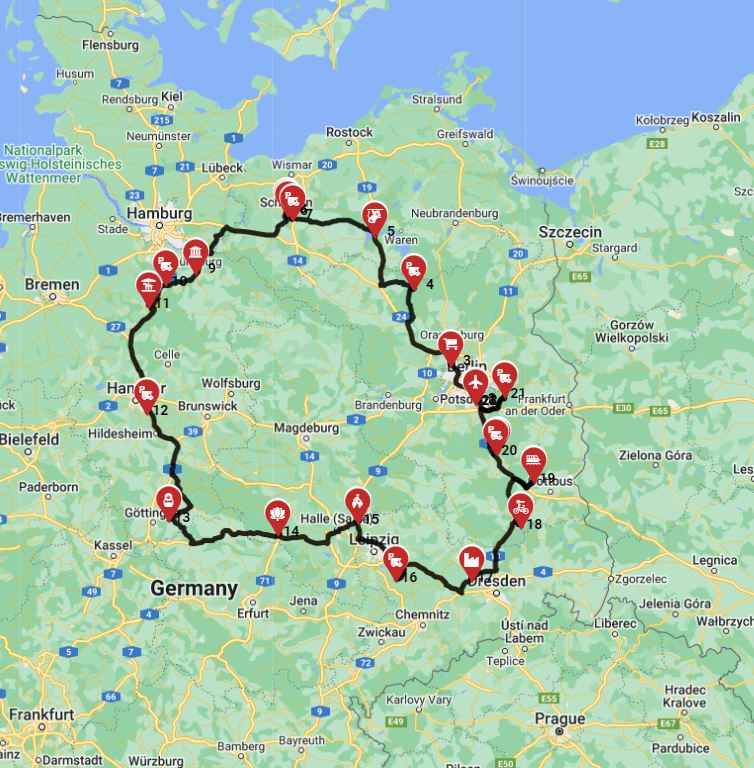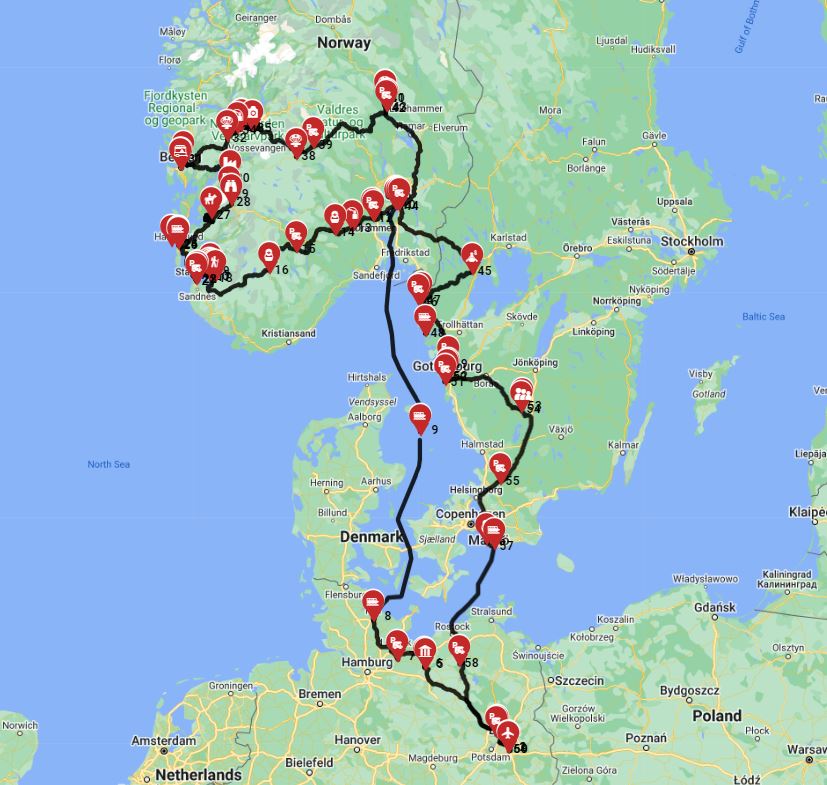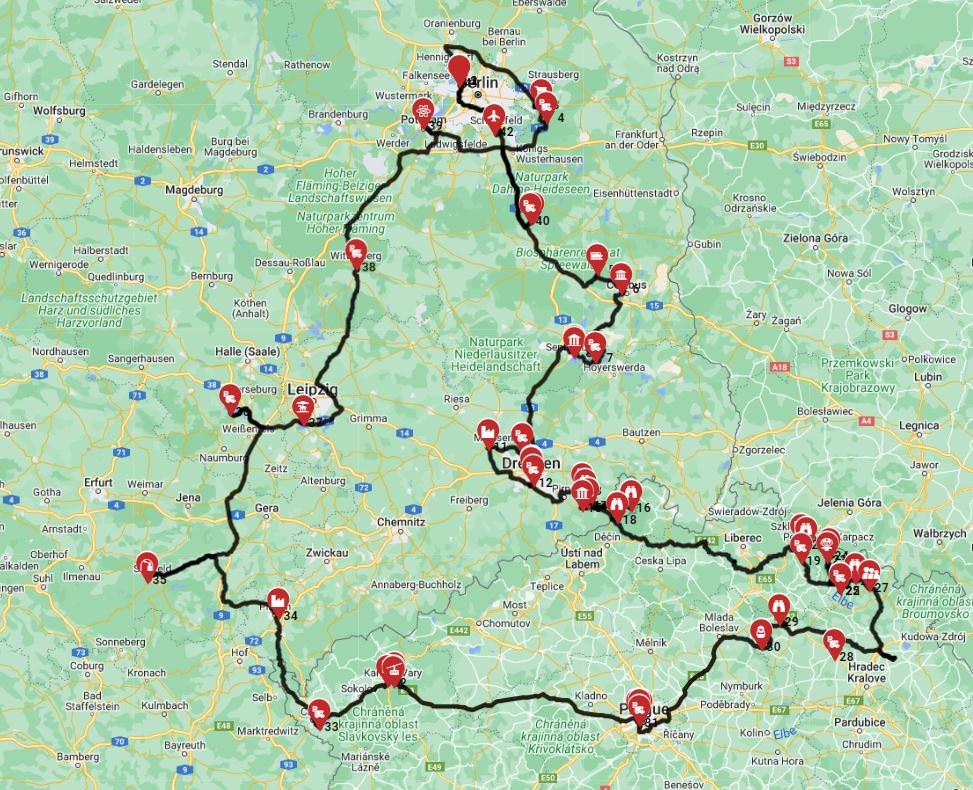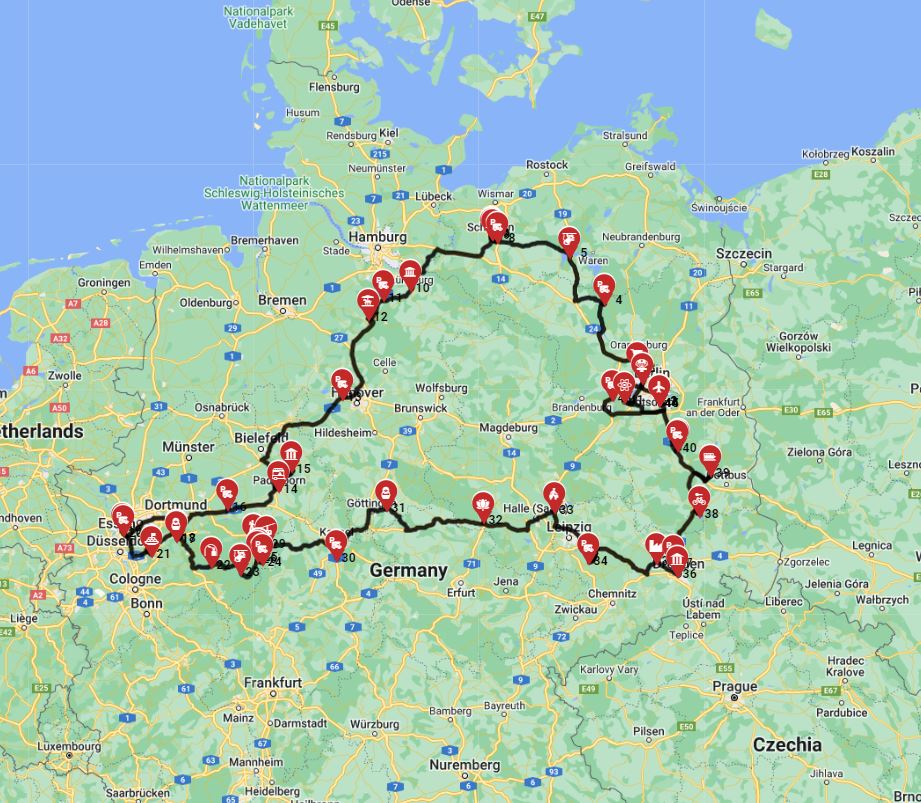
In This Guide
- Can You Drive an RV in Germany? License & Age Rules
- Road Conditions & Terrain in Germany
- RV Size Limits, Bridges & Restricted Zones
- Fuel: Diesel vs. Petrol & Cost per 100 km
- Tolls, Vignettes & Border Rules
- Driving Tips for rv rental Travelers
- Recommended RV Class for Germany Roads
- Should I Choose a Compact Van Instead of a Large RV in Germany?
- Can I Park Anywhere? Free & Wild Camping Rules in Germany
- Can I Drive an RV Into the City Center? Heights, Tunnels & Local Signage
- Is Germany good for RV travel?
- Is it worth renting an RV in Germany?
- What do I need to rent an RV in Germany?
- What side of the road do they drive on in Germany?
- What are the speed limits for RVs in Germany?
- What is a Stellplatz in Germany?
- How much does it cost to travel Germany in an RV?
- Transporting Your Own RV to Germany From Abroad
- Seasonal RV Travel Guide for Germany
- Cultural Nuances and Local Etiquette for RV Travelers in Germany
- Off-the-Beaten-Path RV Destinations in Germany
Can You Drive an RV in Germany? License & Age Rules
Most standard RVs in Germany can be driven with a Category B driving license, provided the vehicle's maximum authorized mass (MAM) does not exceed 3,500 kg. This Category B license permits driving vehicles up to 3,500 kg MAM with up to 8 passenger seats, covering many popular camper van and semi-integrated RVs. However, for RVs with a MAM between 3,500 kg and 7,500 kg, a Category C1 license is required, which may necessitate an additional driving test. Non-EU/EEA drivers generally need an International Driving Permit (IDP) in conjunction with their national driver's license, though it's always advisable to verify specific requirements for your country of origin. Most RV rental companies in Germany require drivers to be at least 21 years old, and some may also have a maximum age limit, often around 75, with some premium models or insurers setting the minimum age at 25.
Road Conditions & Terrain in Germany
Germany boasts an extensive network of well-maintained roads, including high-speed Autobahns, scenic country roads (Bundesstraßen and Landstraßen), and urban streets, making it highly suitable for RV travel. The Autobahns are famous for their excellent quality and often lack general speed limits for vehicles under 3.5 tonnes, allowing for efficient long-distance travel. Away from the Autobahns, Bundesstraßen and Landstraßen offer more scenic routes through forests, rolling hills, and charming villages, though they are generally narrower and have lower speed limits. While most of Germany is relatively flat or gently rolling, southern regions like Bavaria and the Black Forest feature mountainous terrain with winding roads and steeper inclines, requiring careful driving. Urban areas can present challenges with narrower streets, heavy traffic, and limited parking, so planning routes and considering RV size is essential.
RV Size Limits, Bridges & Restricted Zones
While Germany is generally accommodating for RVs, drivers must be vigilant for local signage indicating height and weight restrictions, environmental zones (Umweltzonen), and specific limits for low bridges or tunnels. Pay close attention to height limit signs, especially when entering older towns, underground car parks, or navigating under railway bridges, as some can be as low as 3 meters (9.8 feet) or 3.5 meters (11.5 feet). Vehicles over 3.5 tonnes maximum authorized mass (MAM) may be subject to different speed limits and, in some cases, restrictions on certain roads or city access. Many German cities enforce environmental zones (Umweltzonen) where only vehicles with a valid 'Umweltplakette' (green sticker) are permitted, which can be purchased online or at vehicle inspection stations. It's crucial to check ferry limits if planning to travel to islands or across large rivers, as capacity and dimensions can vary.
Fuel: Diesel vs. Petrol & Cost per 100 km
Most rental RVs in Germany operate on Diesel fuel, which is widely available at service stations throughout the country and is generally more fuel-efficient for larger vehicles than petrol. Based on Bandana's global fleet averages, common fuel consumption for RVs ranges from approximately 8-17 liters per 100 km, depending on the class. Class B (Camper Vans) typically consume 8-10 Liters/100 Km, Class SI (Semi-integrated) 10-11 Liters/100 Km, and Class C (Alcove) around 10-12 Liters/100 Km. As of 2026, average diesel prices in Germany generally fluctuate between €1.80 and €2.00 per liter, making fuel a significant component of your travel budget. While not universally offered by all rental companies, some might provide fuel discount cards or specific perks on certain RV models, so it's worth inquiring when booking.
Tolls, Vignettes & Border Rules
Germany does not require a vignette or general tolls for passenger vehicles and RVs under 7.5 tonnes on its Autobahns or federal roads, simplifying travel within the country. However, commercial vehicles and RVs with a maximum authorized mass (MAM) exceeding 7.5 tonnes are subject to the 'LKW-Maut' (truck toll) on motorways and some federal roads. When planning international trips from Germany, be aware that neighboring countries such as Austria and Switzerland require a vignette (toll sticker) for all vehicles using their motorways, which must be purchased in advance or at the border. Some rent-motorhome RVs may offer the option to pre-purchase toll passes for adjacent countries, which can save time and help avoid fines. Always research the specific toll and vignette requirements for any country you plan to visit, as rules can vary greatly. On the routes offered through RV PLANET routes, you can itemize and track every expense along the way for easy budgeting.
Driving Tips for rv rental Travelers
Always drive on the right-hand side of the road in Germany and ensure all passengers wear seatbelts. On Autobahns, maintain a safe distance from the vehicle in front, use the left lane only for overtaking, and move back to the right lane as soon as possible, respecting faster traffic. Acquire an 'Umweltplakette' (green environmental sticker) if you plan to visit cities, as many German urban centers have environmental zones that require it. For families, plan regular stops every 2-3 hours at designated rest areas (Raststätten) or scenic viewpoints to ensure comfort and prevent driver fatigue. While many rental RVs have manual transmissions, inquire about automatic transmission options if you prefer, as they can make driving a larger vehicle easier, especially in traffic or mountainous terrain.
Recommended RV Class for Germany Roads
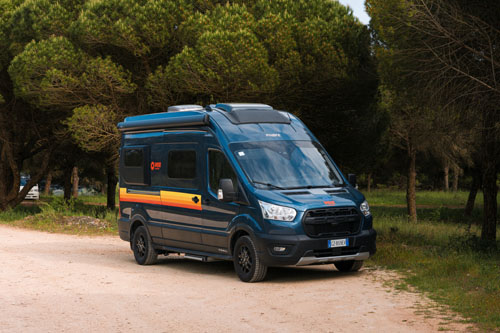
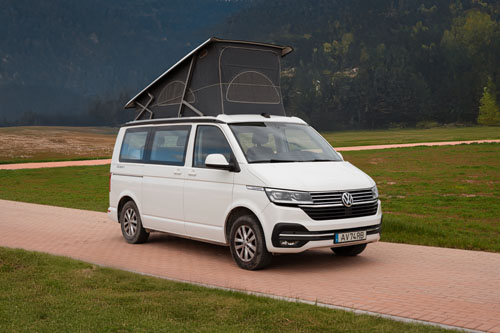
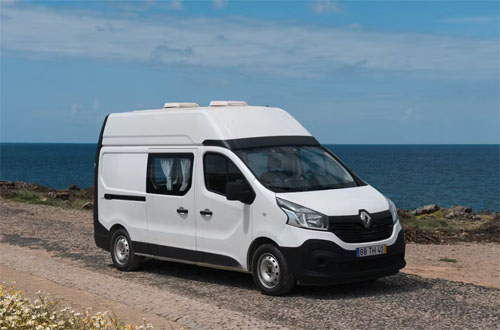
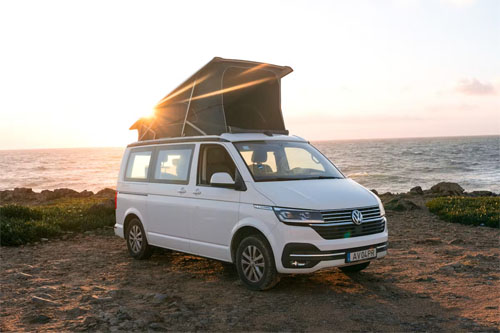
For optimal comfort and maneuverability on Germany's diverse roads, a Class SI (Semi-integrated) or Class B (Camper Van) is often recommended, balancing interior space with ease of driving. Class B Camper Vans, averaging 5.8m in length (based on Bandana's global fleet data), offer excellent agility for navigating urban areas and smaller roads while still providing essential amenities, making them ideal for couples or small groups. Class SI Semi-integrated RVs, with an average length of 6.9m (Bandana's global fleet data), provide a comfortable balance of living space for up to 3-4 adults with relatively good handling on both Autobahns and country roads. For larger families requiring more sleeping places (e.g., Bandana's Class C Alcove models average 5.8 sleeping places) and generous interior space, Class C Alcove RVs (averaging 7.5m in length) are suitable, though they might require more careful navigation in very tight spots. Considering the varied terrain and historical town centers, an RV that offers a good compromise between interior comfort and manageable dimensions will enhance your German road trip experience.
Should I Choose a Compact Van Instead of a Large RV in Germany?
While larger RVs offer significantly more comfort and amenities, a compact camper van can be genuinely advantageous for navigating very tight historic city centers or exceptionally narrow mountain passes in Germany, though generally, most RV sizes are manageable. Compact camper vans (like Bandana's Class B, averaging 5.8m in length) excel in urban environments, offering easier parking, better fuel economy, and less stress on smaller roads or ferries. Larger RVs, such as Class C Alcove models (averaging 7.5m in length), provide ample living space, more beds (e.g., 5.8 average sleeping places for Class C), and greater storage capacity, making them ideal for families or longer trips where indoor comfort is a priority. Germany's road infrastructure is robust enough to accommodate most RV sizes, so the decision often comes down to your personal preference for maneuverability versus onboard living space and facilities. If your itinerary heavily features quaint, medieval towns with narrow cobblestone streets, a compact van might offer a less stressful experience, whereas a larger RV is perfectly suitable for exploring the open countryside and major attractions.
Can I Park Anywhere? Free & Wild Camping Rules in Germany
Wild camping in Germany is generally prohibited in national parks, nature reserves, and on most public and private land without explicit permission, but legal alternatives like designated overnight parking areas (Stellplätze) and 'Bauernhofcamping' are widely available. Overnight parking to restore fitness to drive, known as 'parken zum wiederherstellen der fahrtüchtigkeit,' is generally tolerated in regular public parking lots, but this strictly means sleeping and not setting up camp (e.g., no awnings, chairs, or cooking outside). Stellplätze are dedicated motorhome parking spots that provide a safe and legal place to stay overnight, often with basic services like fresh water, waste disposal, and electrical hook-ups, ranging from free to about €25 per night. 'Bauernhofcamping' (farm camping) offers a unique experience, allowing RVers to stay on private farms, often providing a quiet, scenic spot and sometimes local produce or activities, typically for a fee. Rules vary significantly by region and municipality, so it is crucial to always check local regulations and posted signs and follow local law before parking overnight. For ideas you can prep on the road, watch our RV-friendly recipes playlist on YouTube.
Can I Drive an RV Into the City Center? Heights, Tunnels & Local Signage
Yes, RVs can generally drive into German city centers, but drivers must pay close attention to local signage indicating height and weight restrictions, environmental zones, residents-only streets, and potential low bridges or tunnels. Most German cities, particularly older ones, have 'Umweltzonen' (environmental zones) requiring a specific green sticker ('Umweltplakette') to enter, regardless of vehicle size, to reduce air pollution. Always be on the lookout for height limit signs (e.g., '3m' or '3.5m') when approaching underpasses, bridges, or multi-story car parks, as these can easily restrict access for larger RVs. Parking within city centers can be challenging and expensive for RVs; it's often more practical to park on the outskirts at designated RV parking areas (Stellplätze) or P+R (Park and Ride) lots and use public transport to explore the core. Familiarize yourself with common German street signs, such as 'Einbahnstraße' (one-way street) or 'Lindenweg' (street name), as depicted in resources like the German Street Signs image, to navigate effectively.
Is Germany good for RV travel?
Germany is an excellent destination for RV travel, offering a superb infrastructure of well-maintained roads and an extensive network of designated motorhome parking spots (Stellplätze), making it highly accessible and enjoyable for mobile explorers. The country presents incredibly diverse landscapes, from the sandy beaches of the North Sea and the picturesque lakes of Mecklenburg to the rolling hills of the Romantic Road and the dramatic peaks of the Bavarian Alps, all easily explored by RV. RV travel in Germany provides unparalleled freedom and flexibility, allowing you to craft your own itinerary, linger longer in places you love, and spontaneously discover charming smaller towns and natural beauty often missed on conventional tours. For families, an RV trip in Germany can be cost-effective as it combines accommodation and transport, offering the convenience of carrying your own food and amenities while reducing daily lodging expenses. The strong RV culture means you'll find ample support and services tailored to motorhome users, ensuring a smooth and pleasant journey through both popular and off-the-beaten-path regions.
Is it worth renting an RV in Germany?
Renting an RV in Germany is highly worthwhile for travelers seeking unparalleled flexibility, comfort, and the ability to immerse themselves fully in the country's diverse landscapes and rich culture at their own pace. The unique value proposition of RVing in Germany lies in the freedom to combine scenic drives with spontaneous stops in charming villages, access natural parks, and explore regions far beyond typical tourist routes, which is more challenging with other travel methods. For families, an RV offers a cost-effective travel solution, as it provides both transportation and accommodation, often reducing overall expenses compared to separate hotel bookings and car rentals, while also allowing for self-catering. An RV journey allows for a deeper connection with nature, offering convenient access to hiking trails, lakes, and forests, and providing comfortable overnight stays near these natural attractions through the extensive Stellplatz network. The ability to carry your belongings, cook your own meals, and adhere to your own schedule provides a level of comfort and autonomy that enhances the travel experience, especially for longer trips.
What do I need to rent an RV in Germany?
To rent an RV in Germany, you typically need a valid national driver's license (Category B for most RVs up to 3.5t), an International Driving Permit (IDP) if your license is not from an EU/EEA country, and a valid credit card for the rental deposit. Most rental companies require drivers to be at least 21 years old, with some premium models or insurers setting the minimum age at 25, and often a maximum age limit around 75. You will need a valid passport or national ID card for identification purposes during the rental process. Ensure you have proof of insurance, though typically comprehensive insurance is included with the rental, often with an excess (deductible) that can be reduced by purchasing additional coverage. Review the specific terms and conditions of your chosen rental company carefully, as requirements for driving experience, additional drivers, and specific documentation can vary.
What side of the road do they drive on in Germany?
In Germany, vehicles drive on the right-hand side of the road, and RVs rented locally will have the steering wheel on the left, which is standard for most of continental Europe. This means you will drive on the right and overtake other vehicles on the left, an important consideration for travelers from countries where driving is on the left. Roundabouts are entered counter-clockwise, and traffic already in the roundabout generally has priority, unless otherwise indicated by signs. Familiarizing yourself with the right-hand traffic rules before your trip is crucial for a safe and confident RV driving experience. Rental RVs are equipped for right-hand traffic, so no special modifications are needed beyond adjusting to the driving side if you're accustomed to left-hand traffic.
What are the speed limits for RVs in Germany?
In Germany, speed limits for RVs vary significantly based on the vehicle's maximum authorized mass (MAM), with distinct rules for urban areas, rural roads, and Autobahns. For RVs with a MAM of up to 3.5 tonnes, the speed limits are generally 50 km/h in urban areas, 100 km/h on rural roads outside urban areas, and an advisory speed of 130 km/h on Autobahns (where no specific limit is posted). RVs with a MAM over 3.5 tonnes but up to 7.5 tonnes are limited to 50 km/h in urban areas and 80 km/h on both rural roads and Autobahns. For RVs with a MAM exceeding 7.5 tonnes, the limits are 50 km/h in urban areas and 60 km/h on rural roads and Autobahns. Always observe and adhere to any posted speed limit signs, as these supersede general rules and are rigorously enforced, particularly in construction zones or areas with specific environmental regulations.
What is a Stellplatz in Germany?
A Stellplatz (plural: Stellplätze) is a designated, legal overnight parking spot specifically for motorhomes and camper vans in Germany, offering a crucial alternative to traditional campgrounds and often providing basic services. Unlike a full-service campground, a Stellplatz typically provides a simpler setup, focusing on a safe and legal place to park overnight, though many offer fresh water, waste disposal (Grauwasser and Schwarzwasser), and electrical hook-ups for a small fee or sometimes free. Stellplätze are integral to German RV culture, often located in convenient spots near towns, attractions, or scenic areas, making it easy to explore local sights or simply rest. These spots are distinct from wild camping (which is generally prohibited) and from multi-night camping, as they are primarily intended for short, transient stays, typically one to three nights. While amenities can be minimal, they fulfill the essential need for legal overnight parking, allowing RV travelers to enjoy their journey without the pressure of finding full campsites every night.
How much does it cost to travel Germany in an RV?
The total cost of an RV trip in Germany varies significantly based on rental duration, RV class, fuel prices, camping fees, and activities, but typically ranges from €100-€300 per day for a family of four, excluding international flights. RV rental costs are a primary expense, fluctuating from approximately €80 to €250+ per day depending on the season (higher in summer), the size/luxury of the RV (e.g., Bandana's Class B Camper Vans might be at the lower end, Class A Integrated at the higher end), and booking lead time. Fuel expenses are substantial, with most RVs running on diesel and consuming 8-1 A realistic estimate for fuel is €20-€40 per 100 km, depending on fuel prices and driving habits. Overnight parking fees range from free for basic Stellplätze to €25-€50+ per night for full-service campgrounds or private farm camping ('Bauernhofcamping'), which can significantly impact your budget. Beyond these core costs, factor in daily expenses for groceries (self-catering reduces food costs), potential tolls in neighboring countries, attraction entry fees, and activities, which can add €50-€150+ per day depending on your travel style.
Transporting Your Own RV to Germany From Abroad
Transporting your own RV to Germany from outside Europe involves extensive logistics, including secure shipping, navigating complex customs clearance, obtaining temporary import paperwork, and ensuring your vehicle meets stringent German road safety and emissions standards. Shipping an RV across continents, typically via sea freight, is a significant expense, with costs varying based on the vehicle's size, origin, destination port, and chosen shipping method (e.g., Roll-on/Roll-off or container). Upon arrival, you'll need to manage customs duties and value-added tax (VAT) on the vehicle's value, which can be considerable, though temporary import permits might offer exemptions for tourists. Your RV must comply with European Union regulations regarding lights, brakes, emissions (requiring a valid 'Umweltplakette' for city access), and other safety standards, which may necessitate modifications and technical inspections. Securing appropriate European-wide insurance coverage for your foreign-registered RV is critical, as your home country's policy may not provide adequate protection for extended travel in Germany and the EU.
Seasonal RV Travel Guide for Germany
Germany offers distinct RV travel experiences throughout the year, with each season presenting unique advantages and considerations for your motorhome adventure. Spring (April-May) is ideal for enjoying blossoming landscapes, fewer crowds, and mild weather, perfect for exploring wine regions, castle routes, and participating in early-season festivals. Summer (June-August) is peak RV season, offering warm weather perfect for outdoor activities like hiking, swimming in lakes, and exploring coastal areas, though popular campgrounds and attractions will require advance booking. Autumn (September-October) brings vibrant fall foliage, pleasant temperatures for hiking, and renowned wine and harvest festivals, making it an excellent time to visit regions like the Rhine Valley or Black Forest. Winter (November-March) transforms Germany into a magical destination with famous Christmas markets, opportunities for skiing in the Bavarian Alps, and lower rental prices, though some Stellplätze and campgrounds may close, and winter tires are mandatory.
Cultural Nuances and Local Etiquette for RV Travelers in Germany
Adhering to local etiquette, such as respecting quiet hours, proper waste disposal, and considerate parking behavior, significantly enhances the RV travel experience and fosters positive interactions with locals in Germany. Observing 'Ruhezeiten' (quiet hours) is crucial at Stellplätze and campgrounds, typically from 10 PM to 7 AM, during which excessive noise is discouraged to ensure peace for all travelers. Properly disposing of 'Grauwasser' (greywater from sinks/showers), 'Schwarzwasser' (blackwater from toilets), and general 'Müll' (rubbish) at designated stations is expected and legally required; illegal dumping is strictly prohibited. When parking, ensure your RV does not obstruct traffic, block private driveways, or extend beyond marked bays, especially in smaller towns or residential areas, and be mindful of local parking signs. Engaging with locals using basic German greetings like 'Guten Tag' (Good day), 'Danke' (Thank you), and 'Bitte' (Please) is always appreciated and can enrich your cultural experience.
Off-the-Beaten-Path RV Destinations in Germany
Beyond major cities and popular routes, Germany offers numerous enchanting off-the-beaten-path destinations that are particularly suited for RV travel, providing unique natural beauty and local cultural experiences. The Mecklenburg Lake District in the northeast, with its thousands of interconnected lakes, is perfect for RVers seeking tranquility, water sports, and unspoiled nature, offering numerous lakeside Stellplätze. Explore the Harz Mountains in central Germany, a region rich in medieval towns, mystical forests, and mining history, where you can find charming Stellplätze amidst picturesque landscapes and enjoy hiking or exploring historic sites like Goslar. The Romantic Rhine Valley, particularly away from the most touristy sections, allows RVers to discover less-visited castles, quaint wine villages, and scenic viewpoints along the river, with many Stellplätze available. Saxon Switzerland National Park, near the Czech border, boasts unique sandstone formations, dramatic rock landscapes, and extensive hiking trails, providing a stunning natural escape that's easily accessible by RV and offers dedicated parking options.
Final Thoughts
Embarking on an RV adventure in Germany offers an unparalleled way to explore its diverse landscapes and rich cultural tapestry. From the well-maintained roads and convenient Stellplätze to the sheer freedom of setting your own pace, the experience is designed for discovery and enjoyment. Remember to plan ahead for popular seasons and always stay informed about local regulations to ensure a smooth and memorable journey.
Whether you're drawn to the historic charm of medieval towns, the breathtaking beauty of the Alps, or the serene landscapes of the lake districts, a rented RV in Germany provides the perfect mobile base. Embrace the spirit of the open road, savor the local flavors, and let the adventure unfold. We're here to help you make the most of every mile!