In This Guide
- Can You Drive an RV in Europe? License & Age Rules
- Road Conditions & Terrain in Europe
- RV Size Limits, Bridges & Restricted Zones
- Fuel: Diesel vs. Petrol & Cost per 100 km
- Tolls, Vignettes & Border Rules
- Driving Tips for RV Travelers
- Recommended RV Class for Europe Roads
- Should I Choose a Compact Van Instead of a Large RV in Europe?
- Can I Park Anywhere? Free & Wild Camping Rules in Europe
- Can I Drive an RV Into the City Center? Heights, Tunnels & Local Signage
- What is the 3-3-3 rule for RV travel?
- Can you drive an RV in Europe?
- What is the 444 rule for RV?
- How difficult is it to drive in Europe as an American?
- Is Europe RV friendly?
- What is the 333 rule for campervan?
- Can you park a motorhome anywhere in Europe?
- Can you get temporary RV insurance?
- Can I park my campervan anywhere in Europe?
- How much does travel insurance cost for 1 week in Europe?
Starting your adventure with a rented RV directly from a European airport is an incredible way to unlock the continent's diverse landscapes and cultures. Imagine stepping off your flight and, within hours, settling into your mobile home on wheels, ready to embark on an unforgettable journey through charming villages, majestic mountains, and sun-drenched coastlines. Bandana Caravan, with over 23 years of experience helping tens of thousands of travelers explore the world by RV, makes this dream a seamless reality by partnering with 50+ leading RV suppliers worldwide, ensuring you find the perfect campervan or motorhome for your adventure. For live availability and current prices, start with our RV Rental Europe - Complete Guide 2026 guide.
Can You Drive an RV in Europe? License & Age Rules
Most standard driving licenses (Category B) issued in Europe permit driving RVs up to 3,500 kg (7,700 lbs), which is sufficient for many compact and semi-integrated motorhome models. For vehicles exceeding 3,500 kg, a higher license category, such as C1 or C, may be required, depending on the specific country and the date your license was originally issued. Drivers from outside the EU/EEA, including those from the United States, typically need an International Driving Permit (IDP) alongside their national license to drive legally across most European nations, so it's always best to have one prepared before you arrive.
The minimum driver age for most motorhome rentals in Europe is 21, and Bandana Caravan proudly offers options without young driver surcharges or vehicle class restrictions based on age, making RV travel accessible for younger adventurers. Our full transparency means no hidden fees, and what you see is what you pay, ensuring no surprises at pickup. You can also upgrade to a top-level deductible reimbursement for extra peace of mind on your travels.
Road Conditions & Terrain in Europe
European road quality is generally excellent, featuring well-maintained motorways (often called Autoroutes in France, Autostradas in Italy, or Autobahns in Germany) that efficiently connect major cities and regions. The continent's terrain is incredibly diverse, offering everything from the flat plains of the Netherlands to the exhilarating winding mountain passes found in the Alps and Pyrenees. While motorhomes navigate highways with ease, be prepared for narrower streets and compact historic centers in urban areas, which require careful and deliberate driving. Rural roads can also be less predictable, with tighter turns and sometimes unpaved sections.
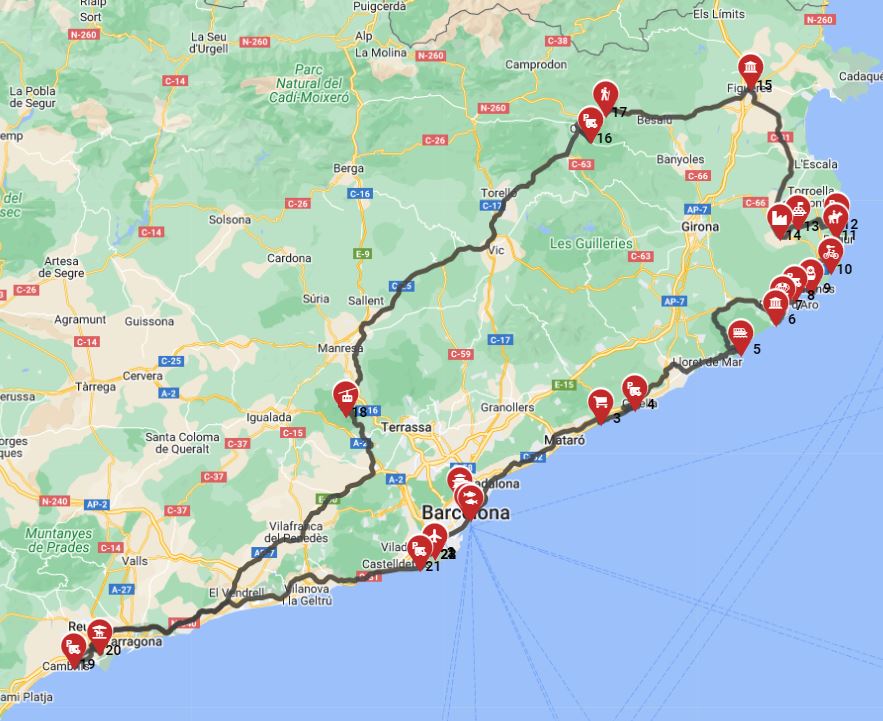
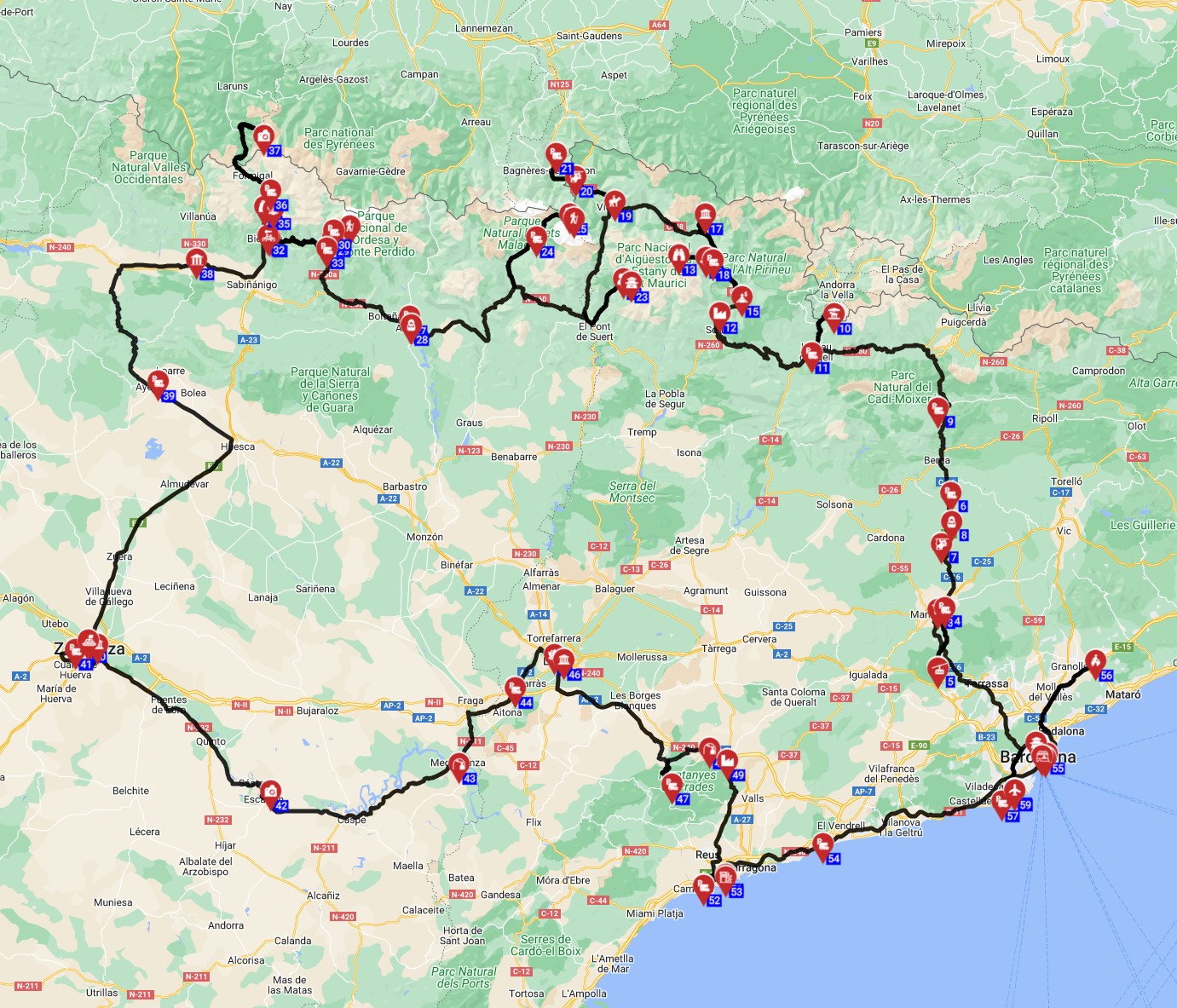
For a rewarding trip, we always recommend slow travel, averaging a maximum of 100-150 km per day. This pace allows you to truly feel the place, connect to the local culture, savor the food, and immerse yourself in the stunning scenery. RV PLANET offers a plethora of pre-planned routes that embrace this philosophy, like the "Toulouse Round trip - European Charms & Family Delights", a 15-day, 2088.7 km adventure that includes 1 amusement park, 2 caves, and 4 traditional visits, perfect for families seeking a blend of natural beauty and cultural experiences.
RV Size Limits, Bridges & Restricted Zones
RV height and weight are critical considerations for driving in Europe, where you'll frequently encounter low bridges, narrow tunnels, and historic city gates. Many European motorways have height restrictions, typically ranging from 3.5 to 4.0 meters, but local roads and urban parking garages can have significantly lower clearances, sometimes as low as 2.0 to 3.0 meters. Environmental zones, known as ZTLs in Italy, Umweltzonen in Germany, or Crit'Air in France, are also common in cities, restricting access for certain vehicle types based on emissions, often requiring a permit or a specific vehicle class registration. Before your trip, verify the dimensions of your rented motorhome and plan routes accordingly.
Ferry travel also comes with specific limits for RVs, with pricing often determined by the vehicle's length and height; always check specific ferry operator rules in advance to ensure smooth transit and avoid unexpected costs. Bandana Caravan offers full transparency on pricing, so you'll know exactly what's included and any potential extra features or costs upfront, leaving no surprises.
Fuel: Diesel vs. Petrol & Cost per 100 km
The vast majority of rented RVs and campervans available in Europe, including those booked through Bandana Caravan, operate on Diesel fuel, which is widely accessible across the continent. Diesel is generally more economical than petrol in most European countries, though prices can fluctuate regionally and with global oil markets. Based on our global fleet averages, a Class SI - Semi-integrated RV typically consumes 10-11 Liters per 100 km, while a Class C - Alcove RV, such as the "cruise america rv rental example Explorer" (7.1m length, 2.78m width), averages 10-12 Liters per 100 km. For more fuel-efficient travel, a Class B - Camper Van generally achieves around 8-10 Liters per 100 km.
On average, fuel costs per 100 km in Europe can range from €15 to €25, depending on your RV's specific consumption and prevailing fuel prices. When planning your route and estimating your total trip budget, remember that fuel is a significant ancillary cost. Our RV PLANET routes allow travelers to itemize and track every expense, making budgeting for your European adventure easier. You might even find some rentals that include fuel discount cards, so always ask about available options. On the routes offered through RV PLANET routes, you can itemize and track every expense along the way for easy budgeting.
🎬 Video coming soon
Tolls, Vignettes & Border Rules
Driving a rented motorhome across Europe means navigating a diverse system of tolls, vignettes, and congestion charges that vary significantly by country. Countries like France, Italy, Spain, and Portugal predominantly use barrier tolls (known as *péage* or *pedaggio*), where payment is made at specific points along motorways. In contrast, Central and Eastern European countries, including Switzerland, Austria, Czech Republic, and Slovenia, often require a "vignette," which is a sticker or electronic pass purchased for a specific period (e.g., 7 days, 1 month) to use their motorways. Border crossings within the Schengen Area are typically seamless, with minimal to no physical checks, but always have your passport and vehicle documentation ready for non-Schengen borders or specific country regulations.
To simplify your journey, some of the motorhomes available through Bandana Caravan may offer pre-purchased toll passes or electronic vignettes. This convenience can save valuable time and help you avoid potential fines for non-compliance. When you book with Bandana Caravan, you benefit from full transparency; we compare final prices across 50+ suppliers, so what you see is what you pay, with no surprise fees at pickup, including clarity on toll systems. This commitment ensures you can focus on the joy of discovery, whether you're embarking on the "
Driving Tips for RV Travelers
Planning your route with RV-specific GPS applications is crucial for driving in Europe, as these tools account for vehicle dimensions to help you avoid low bridges or restricted roads. Frequent breaks are essential, especially when traveling with family; the '3-3-3 rule' suggests stopping every 3 hours or after approximately 300 km for rest, stretching, and exploration. To save time and avoid complications at border crossings or toll booths, consider pre-paying for tolls and vignettes whenever possible.
Familiarize yourself with European road signs before your trip, paying close attention to those indicating height limits, speed limits, and no-parking zones, as they can differ significantly from what you might be used to at home. Many European rentals are manual transmission, so if you are more comfortable driving automatics, ensure your rented RV or campervan offers this option. Always remember to drive slowly and carefully; you can drive almost anywhere without issues, no need to stress, just use common sense and pay attention.
Recommended RV Class for Europe Roads
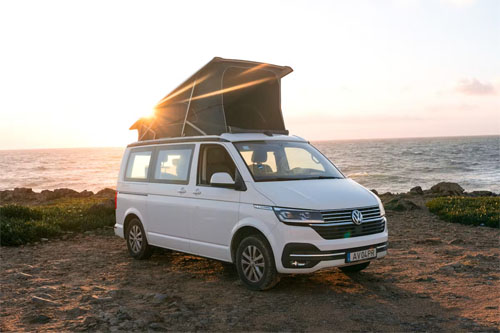
For navigating the diverse roads of Europe, a Class SI - Semi-integrated RV or a Class B - Camper Van is frequently recommended due to their optimal balance of size and maneuverability. Class B - Camper Vans, which average around 5.8 meters in length, offer superior agility for tighter roads and easier parking in charming European towns and cities. These vehicles are perfect for couples or small families seeking flexibility without compromising on essential amenities.
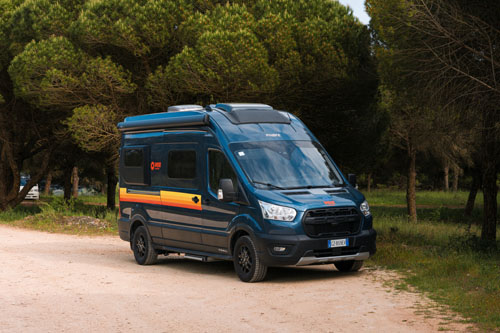
Class SI - Semi-integrated RVs, typically averaging 6.9 meters in length, provide a comfortable compromise, offering more interior space for 3-4 adults while remaining manageable on most European routes, including rural areas and smaller cities. While larger Class C - Alcove (average 7.5m) and Class A - Integrated (average 7.5m) motorhomes provide extensive living space, their increased length and width can present greater challenges in very tight historic centers or winding mountain passes. Ultimately, the best RV class depends on your comfort level with driving larger vehicles and the specific type of European adventure you envision.
Should I Choose a Compact Van Instead of a Large RV in Europe?
When renting an RV in Europe, choosing between a compact van and a larger motorhome depends on your travel priorities and comfort level with European driving conditions. While larger RVs are generally manageable on major European highways, a compact van, such as a Class B - Camper Van (averaging 5.8m in length), offers superior maneuverability and significantly easier parking, making it a great choice if your trip includes urban exploration or navigating very narrow country roads. These smaller vehicles excel in tight historic city centers, allowing for more spontaneous stops and less parking stress.
The trade-off for a compact van's agility is typically less indoor living space, smaller kitchen facilities, and often more basic bathrooms compared to a Class SI - Semi-integrated or Class C - Alcove RV. However, for travelers prioritizing ease of driving and the ability to access smaller towns, a compact campervan is an excellent option. If extended indoor living, full amenities, and more space for multiple travelers are a priority for your longer trip, a larger motorhome (like a semi-integrated model averaging 6.9m) can offer a better balance, even if it requires more cautious driving in certain challenging areas. For those interested in cooking in their RV, check out our RV-friendly recipes playlist for inspiration.
Can I Park Anywhere? Free & Wild Camping Rules in Europe
Generally, wild camping or free overnight parking in a rented RV is restricted in many parts of Europe, particularly within city limits, national parks, and other protected natural areas. To ensure compliance and responsible travel, travelers should be aware that rules vary significantly by country and even by local municipality. Options like designated motorhome parking areas exist across the continent, often called *aires* in France, *stellplätze* in Germany, or *sostas* in Italy, which frequently provide essential services like water and waste disposal.
Some countries, such as Portugal and Spain, have specific laws concerning overnight RV parking outside official campgrounds; it's often permitted in non-prohibited areas as long as no typical "camping" activities (like extending awnings or setting up chairs) are performed. However, always verify local regulations. The Camping Key Europe Card can provide discounts and benefits at many commercial campgrounds. To avoid fines and ensure a smooth journey, always check local regulations and follow the law before parking overnight. For finding campsites and campgrounds during your trip, we recommend using RV PLANET (rvplan.net) - a great resource for locating available spots along your route.
Can I Drive an RV Into the City Center? Heights, Tunnels & Local Signage
Yes, you can almost always drive a rented RV into city centers in Europe, but successful navigation depends heavily on carefully observing local signage, especially those indicating vehicle dimensions and restricted access zones. Pay close attention to height and weight limits on tunnels, bridges, and historic archways, which are prevalent in many older European cities. For instance, Venice's historic infrastructure requires meticulous planning due to its narrow passages. Environmental or Low Emission Zones (LEZs) are also common in numerous European cities, restricting access for vehicles that don't meet specific emission standards; these often require prior registration or a vehicle of a particular class.
Always look for signs such as 'residents only' or 'Zona a Traffico Limitato' (ZTL), which designate areas where access is restricted or requires special permits, often enforced by cameras. Parking directly within city centers can be a significant challenge due to limited space and height restrictions in underground garages. Therefore, utilizing designated RV parking areas located just outside the immediate city center, often with convenient public transport links, is typically the best and most stress-free option. Drive slowly and carefully, and you can drive almost anywhere without issues. No need to stress - just use common sense and pay attention.
What is the 3-3-3 rule for RV travel?
The 3-3-3 rule for RV travel suggests limiting your daily driving to no more than 300 miles (approximately 500 km), stopping by 3 PM, and staying at least 3 nights in each location. This methodology is designed to significantly reduce driver fatigue, allow ample time for setting up camp and relaxing, and encourage deeper exploration of each destination rather than constant transit. Adopting such a relaxed pacing rule helps ensure a more enjoyable and less stressful motorhome experience, aligning perfectly with the leisure aspect of a European getaway.
Can you drive an RV in Europe?
Yes, driving a rented RV in Europe is not only entirely possible but also a remarkably popular and rewarding way to explore the continent, offering unparalleled flexibility and direct access to diverse landscapes and rich cultures. Most European roads are well-suited for motorhome travel, although navigating historic city centers or exceptionally narrow rural roads does require careful attention to your vehicle's dimensions. Specific legal requirements for driving include possessing the correct license category for the RV's weight and, for non-EU/EEA residents, carrying an International Driving Permit (IDP) in conjunction with your national license.
What is the 444 rule for RV?
The 4-4-4 rule for RV travel is a widely adopted variation of pacing advice, recommending that travelers drive no more than 400 miles, stop driving by 4 PM, and ideally stay for at least 4 nights in each chosen location. Similar in spirit to the 3-3-3 rule, this guideline aims to promote a slower, more immersive travel experience by ensuring sufficient time is allocated for travel, camp setup, and thorough local exploration. For any motorhome adventure in Europe, adopting such a pacing rule can effectively manage expectations and prevent rushing through destinations, allowing you to truly relax and soak in your surroundings.
How difficult is it to drive in Europe as an American?
Driving in Europe as an American can present some initial adjustments, but it is generally manageable with adequate preparation, as European roads are well-maintained and signage is typically clear and consistent. Key differences often include narrower roads, a higher prevalence of manual transmission vehicles (though automatics are readily available for rent, like the "V3" campervan with auto transmission), smaller parking spaces, and distinct traffic laws such as complex roundabouts and stricter speed enforcement. An International Driving Permit (IDP) is usually required, and we highly recommend familiarizing yourself with common European road signs and rules before your departure.
City driving can be particularly challenging due to very tight streets, pedestrian zones, and limited access areas (ZTLs), which often make a smaller RV or campervan a more comfortable choice for urban navigation. Remember to always drive slowly and carefully, and you can drive almost anywhere without issues. No need to stress - just use common sense and pay attention to your surroundings.
Is Europe RV friendly?
Europe is exceptionally RV-friendly, offering an extensive and well-developed network of motorhome-specific services, diverse camping options, and countless scenic routes specifically designed for road trips. The continent boasts numerous dedicated RV parking areas, such as *aires* in France and *stellplätze* in Germany, which provide essential services like water, waste disposal, and often electricity, beyond traditional campgrounds. While major highways are excellent for RVs, some historical town centers or very winding mountain roads can be challenging, making smaller vehicle classes more advantageous for specific itineraries.
Overall, with careful planning regarding licenses, local road rules, and parking regulations, Europe provides an ideal and highly accommodating setting for an unforgettable RV rental adventure. Bandana Caravan is your true RV specialist, not a travel agency side department, ensuring we genuinely know RV travel and love helping people discover it.
What is the 333 rule for campervan?
The '3-3-3 rule' for campervans is essentially the same as for larger motorhomes, advising drivers to limit daily travel to 300 miles, stop driving by 3 PM, and stay for at least 3 nights in each location. This rule applies equally to campervans as it does to motorhomes, promoting a more relaxed pace and allowing ample time for enjoying destinations without rushing. For a week-long campervan rental, this guideline helps maximize the experience of each stop rather than spending excessive time on the road. Further details on the benefits and practical application of this pacing strategy can be found in the 'What is the 3-3-3 rule for RV travel?' section of this guide.
Can you park a motorhome anywhere in Europe?
No, you cannot park a motorhome anywhere in Europe, as parking regulations vary significantly by country, region, and even specific local municipalities, with most areas having designated parking or clear restrictions. While some countries allow 'wild camping' or overnight parking in undesignated areas under certain conditions (e.g., no camping setup outside the vehicle, leaving absolutely no trace), this practice is generally prohibited in national parks, protected zones, and many urban areas. Europe offers an abundance of official *aires*, *stellplätze*, and commercial campgrounds specifically designed for motorhome parking, often providing essential services like fresh water and waste disposal points. For comprehensive guidance on parking rules and available options across Europe, refer to the 'Can I Park Anywhere? Free & Wild Camping Rules in Europe' section in this article.
Can you get temporary RV insurance?
Yes, obtaining temporary RV insurance for rentals in Europe is not only possible but a crucial aspect of responsible and worry-free travel, especially for non-residents. Most motorhome rental companies include basic third-party liability insurance as part of the rental price, but this typically comes with a high deductible (excess) and limited coverage for personal injury or damage to the rented vehicle itself. Travelers should seriously consider purchasing additional coverage, such as a Collision Damage Waiver (CDW) or Supplemental Liability Insurance, to significantly reduce deductibles and enhance overall protection during their trip. For international drivers, your rental insurance provider may issue a 'Green Card,' which serves as internationally recognized proof of minimum third-party coverage across multiple European countries, offering added peace of mind.
Can I park my campervan anywhere in Europe?
No, just like with larger motorhomes, parking a rented campervan anywhere in Europe is not universally permitted; strict adherence to local laws and regulations is absolutely essential. Although campervans offer greater flexibility and easier maneuverability due to their compact size, they are still subject to the same parking restrictions as other vehicles and specific rules governing overnight stays. The safest and most legal options for overnight parking remain designated motorhome areas (like *aires* and *stellplätze*) and commercial campgrounds, though specific free parking zones may exist in certain, well-researched regions. For detailed information regarding free and wild camping rules that apply to both campervans and RVs, consult the 'Can I Park Anywhere? Free & Wild Camping Rules in Europe' section.
How much does travel insurance cost for 1 week in Europe?
The cost of travel insurance for a one-week trip to Europe can fluctuate significantly, typically ranging from €20 to over €100, depending on several key factors. These factors include the traveler's age, their country of origin, the desired level of coverage (basic vs. comprehensive), and whether the policy includes adventurous activities or specific rental vehicle excess coverage. Basic policies usually cover emergency medical expenses and trip cancellation/interruption, while more comprehensive plans may offer broader protection for lost luggage or additional rental vehicle liability. It is highly advisable to compare multiple quotes from different providers and thoroughly review policy terms to ensure you have adequate coverage for both personal travel and any potential RV-related incidents that might not be fully covered by your rental company's basic insurance.
What You Shouldn't Miss
- Vienna's Christmas Markets: Explore the festive charm of Eastern Europe. The "
" route plan from RV PLANET spans 15 days, covering 2762 km, and includes 10 traditional markets and 2 historical sites.
 Vienna Roundtrip - The epic Eastern European Christmas markets
 - Toulouse's Family Adventures: Discover European charms and family delights in Southwestern France. The "Toulouse Round trip - European Charms & Family Delights" itinerary offers a 15-day, 2088.7 km journey with an amusement park, two caves, and four traditional visits.
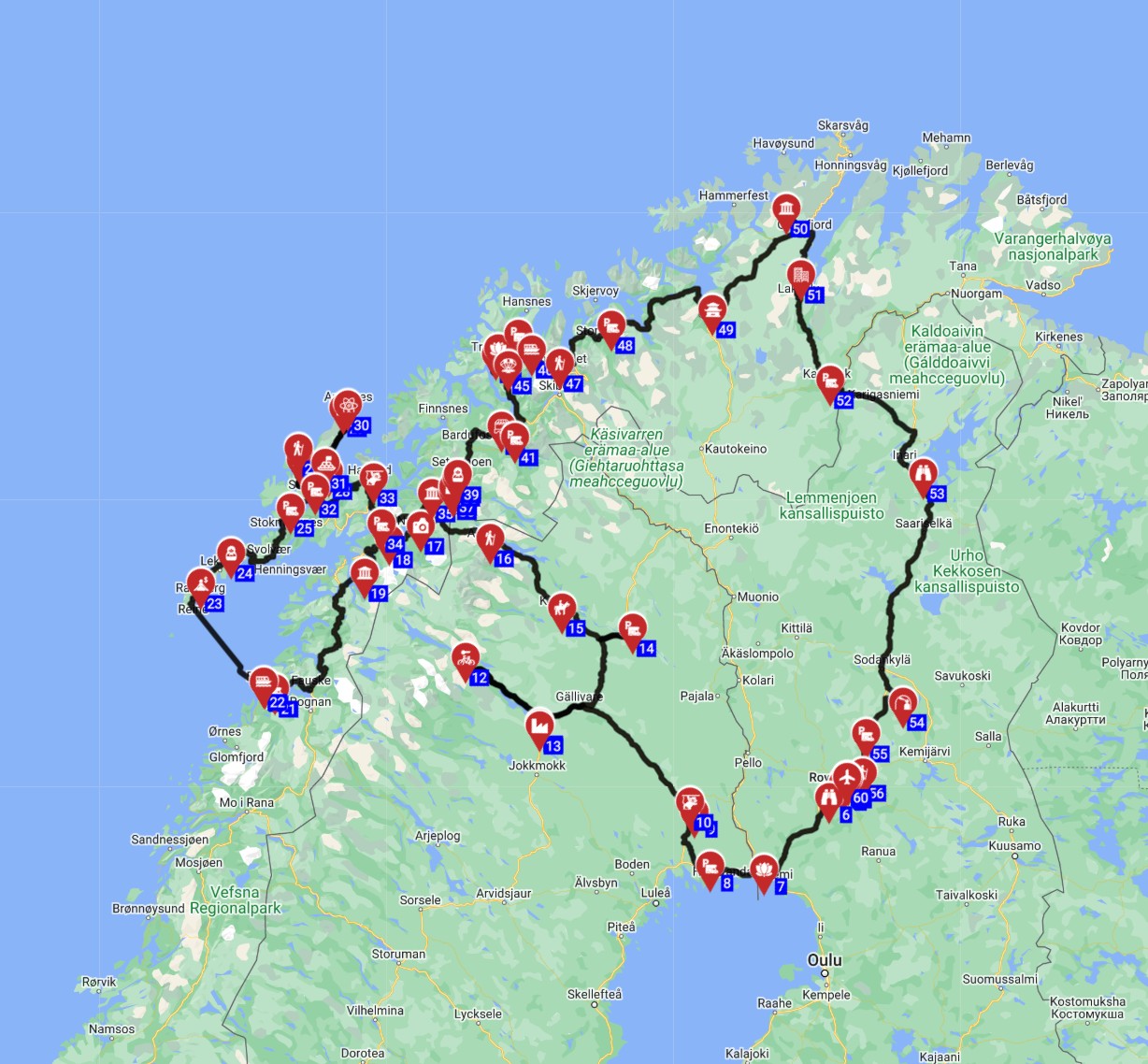
- Lapland's Winter Wonderland: Journey through the "Rovaniemi Roundtrip - End of Europe scenic roads" for 18 days and 3579 km, exploring stunning natural features and wildlife in northern Europe.
- Coastal Drives of Croatia: Experience the stunning Adriatic coastline, renowned for its crystal-clear waters and charming ancient towns like Dubrovnik and Split.
- Alpine Passes: Challenge yourself on scenic mountain routes in the Alps, such as the Grossglockner High Alpine Road in Austria, offering breathtaking views and winding roads perfect for experienced RV drivers.
Looking for expert insights from Avi Bandana? Top 5 Adventures - recommendations from Avi Bandana
As the founder of Bandana Caravan, I've had the privilege of exploring Europe extensively by RV. For me, nothing beats the freedom of a motorhome. My top adventures often involve a mix of nature, culture, and great food. I particularly love discovering hidden gems in places like Albania's dramatic coastline or the peaceful, winding roads of rural Belgium. These are experiences that truly connect you to the heart of Europe. My biggest tip? Go slow. You'll see so much more, and those unexpected discoveries are always the best.
Final Thoughts
Driving a rented RV from a European airport sets the stage for an extraordinary adventure, offering a blend of flexibility, comfort, and the freedom to explore at your own pace. With Bandana Caravan, you’re not just booking a vehicle; you’re gaining a partner who understands the nuances of European RV travel, from navigating diverse road conditions to understanding local regulations. Our commitment to transparency, robust support, and expert-curated itineraries ensures that your journey begins and continues with confidence.
Whether you dream of a leisurely drive through historic countryside or an exhilarating tour through mountain passes, Europe's charm awaits. Remember to embrace the philosophy of slow travel, allowing yourself to truly connect with each destination. Ready to hit the open road?
Compare Motorhome Prices for Europe and begin planning your adventure today!