In This Guide
- Can You Drive an RV in East Canada? License & Age Rules
- Road Conditions & Terrain in East Canada
- RV Size Limits, Bridges & Restricted Zones
- Fuel: Diesel vs. Petrol & Cost per 100 km
- Tolls, Vignettes & Border Rules
- Driving Tips for Airport RV Rental Travelers
- Recommended RV Class for East Canada Roads
- Should I Choose a Compact Van Instead of a Large RV in East Canada?
- Can I Park Anywhere? Free & Wild Camping Rules in East Canada
- Can I Drive an RV Into the City Center? Heights, Tunnels & Local Signage
- Can Americans RV in Canada?
- What is the 3-3-3 rule for RV travel?
- Do you need a different license to drive an RV in Canada?
- Where can I park my RV for free in Canada?
- What do you need to enter Canada with an RV?
- What is the overflight fee for Canada?
- What is the new law on RV licensing in Ontario?
- What is the largest RV you can drive without a special license?
- How much does RV insurance cost in Canada?
- Top Cities for RV Rental in East Canada
Can You Drive an RV in East Canada? License & Age Rules
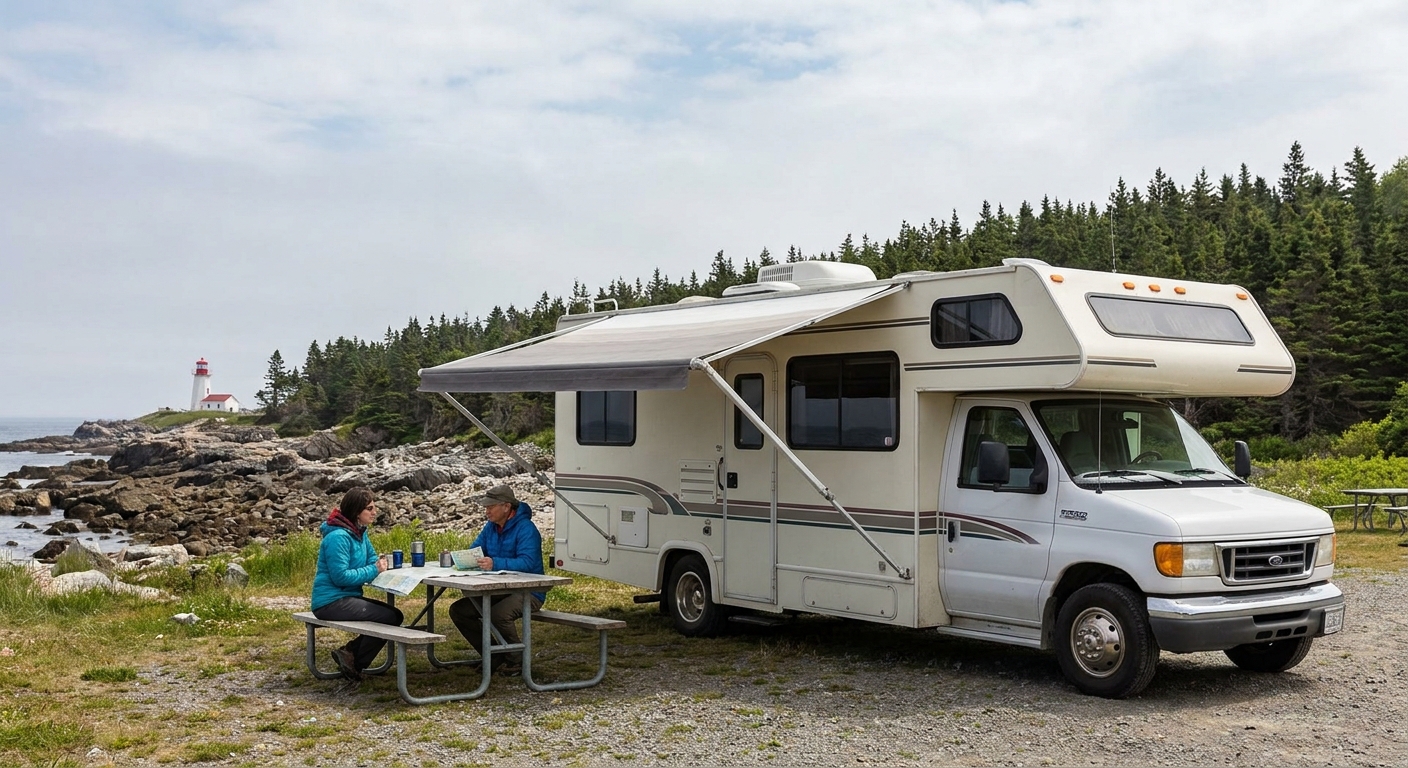 Most recreational RVs in East Canada can be driven with a standard car driver's license, such as a Class G in Ontario, provided the vehicle's gross vehicle weight rating (GVWR) is below the provincial threshold, typically 11,000 kg (24,250 lbs) or sometimes 4,500 kg (9,920 lbs) for certain classifications. This means that Class B campervans, Class C motorhomes, and even many Class A models offered for rental usually fall within the regular license requirements. The minimum driver age for RV rentals in East Canada is generally 21, though specific suppliers might have slightly different policies. We pride ourselves on full transparency regarding age requirements, ensuring no surprises when you book your perfect motorhome. Foreign drivers, including those from the United States, can typically use their valid home country driver's license for up to three months in most Canadian provinces; however, an International Driving Permit (IDP) is recommended for licenses not issued in English or French. We handle the details of clarifying these regulations, so you can focus on living the journey.
Road Conditions & Terrain in East Canada
East Canada presents a diverse array of road conditions and terrains, from smooth, multi-lane provincial highways to charming, winding coastal roads and occasional gravel paths leading to more secluded natural areas. The landscape varies dramatically across the region, encompassing the picturesque rolling hills of the Maritime provinces, the dramatic, rugged coastline of Newfoundland, the dense, ancient forests of New Brunswick, and the flatter, more urbanized areas along Quebec's St. Lawrence River. While major routes are consistently well-maintained, secondary roads, particularly those that lead to stunning national parks or remote scenic overlooks, might be less even, requiring a slower pace and attentive driving in your rented motorhome. The beauty of RV travel here is that these varied conditions often encourage a more leisurely, scenic pace, allowing travelers to fully appreciate the region's incredible natural beauty and charming small towns. Remember, "Travel slowly - max 100-150 km per day on average. Take time to feel the place, connect to the culture, the food, and the scenery."RV Size Limits, Bridges & Restricted Zones
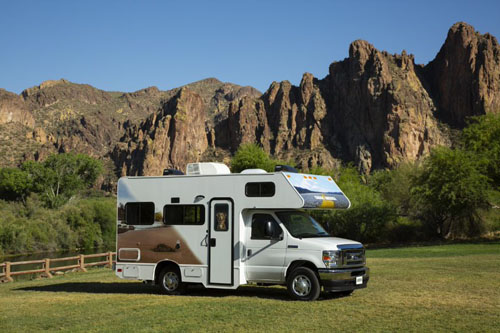
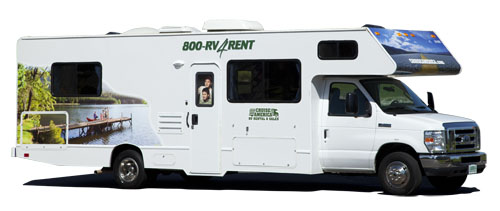
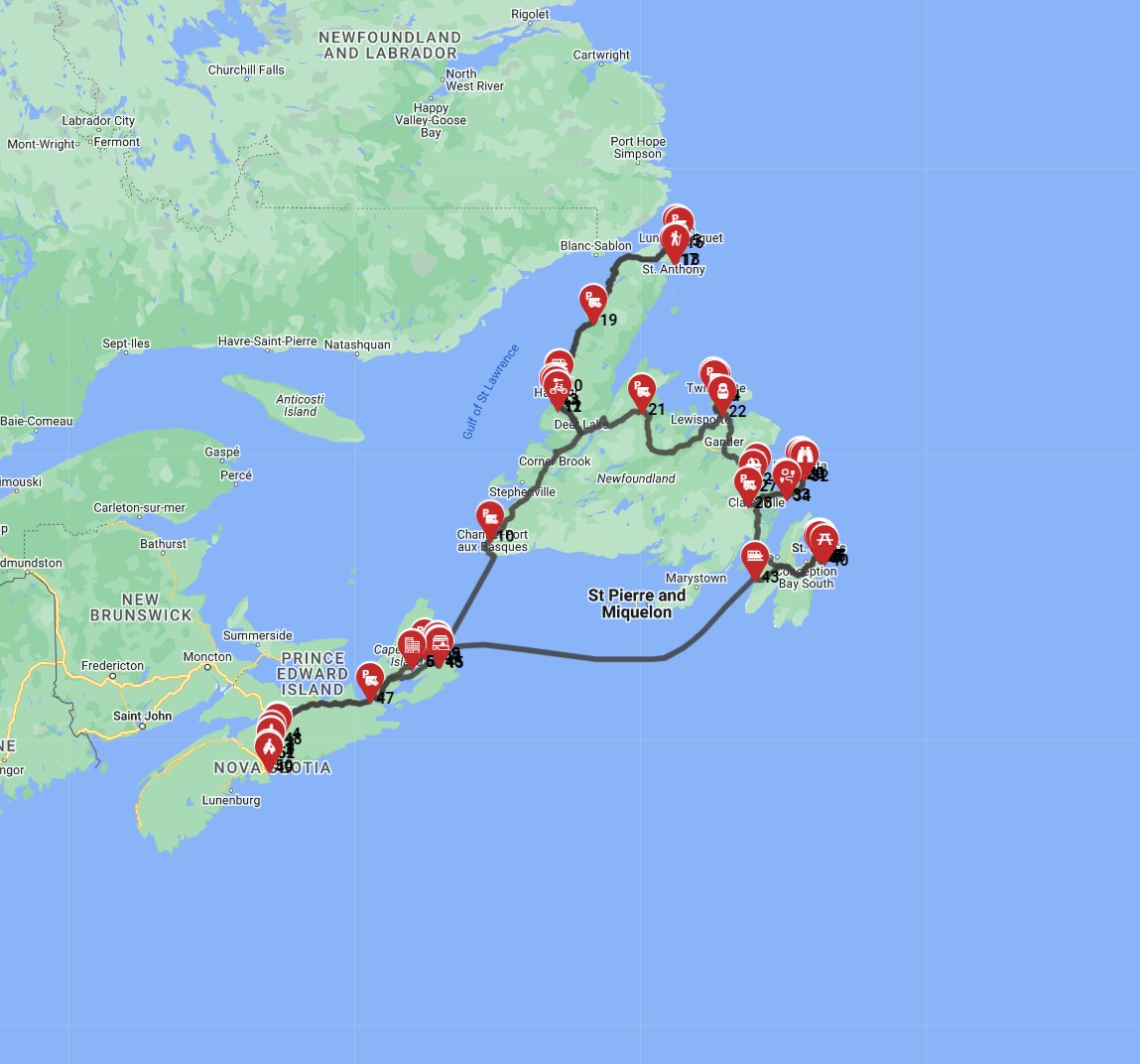
Most standard rental motorhomes, typically up to 12 meters (about 40 feet) in length, are well-suited for East Canada's road network, though drivers must be mindful of specific height and weight restrictions. When navigating certain older bridges, underpasses, or entering historic city centers like Old Quebec, always pay close attention to posted signage for clearance limits to ensure a safe passage. For example, a "cruise america rv rental example Explorer" Class C motorhome is 7.1 meters long, while a "MHC30" Class A can be up to 9.15 meters, each requiring different awareness. Ferry travel, particularly to scenic destinations like Newfoundland (via Marine Atlantic) and Prince Edward Island (via the Confederation Bridge, where the toll is collected when *leaving* the island), often requires advance booking for RVs due to limited space and pricing that varies based on vehicle length and weight. While extensive environmental zones are not common for RVs in Eastern Canadian cities, some national parks may have specific vehicle restrictions or require special passes, so it's always wise to check ahead for your planned destinations.Fuel: Diesel vs. Petrol & Cost per 100 km
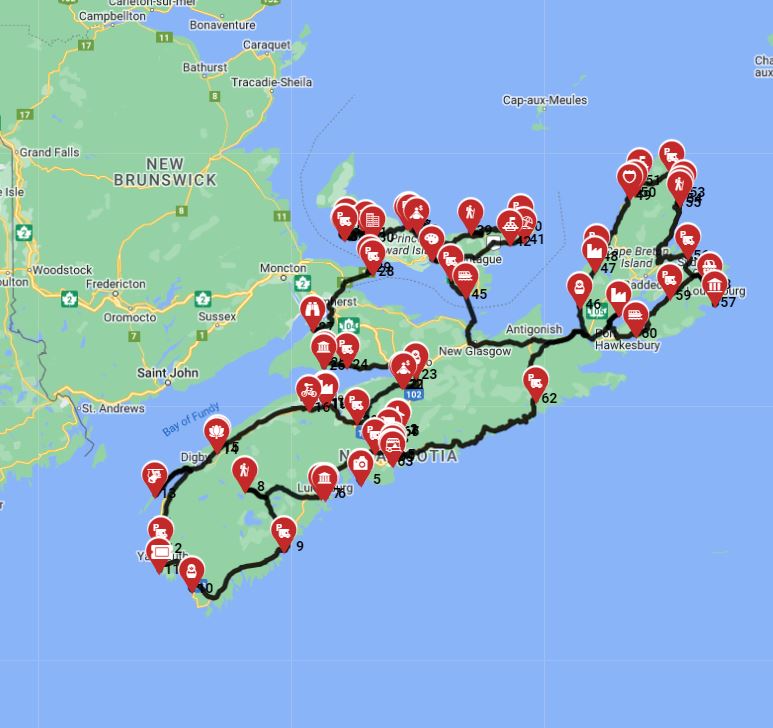
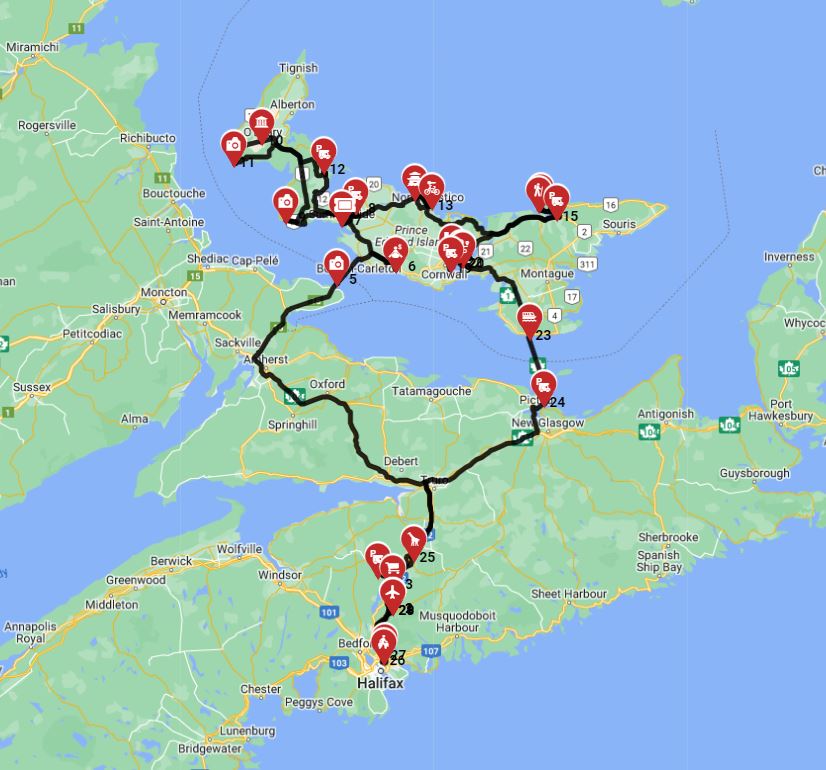
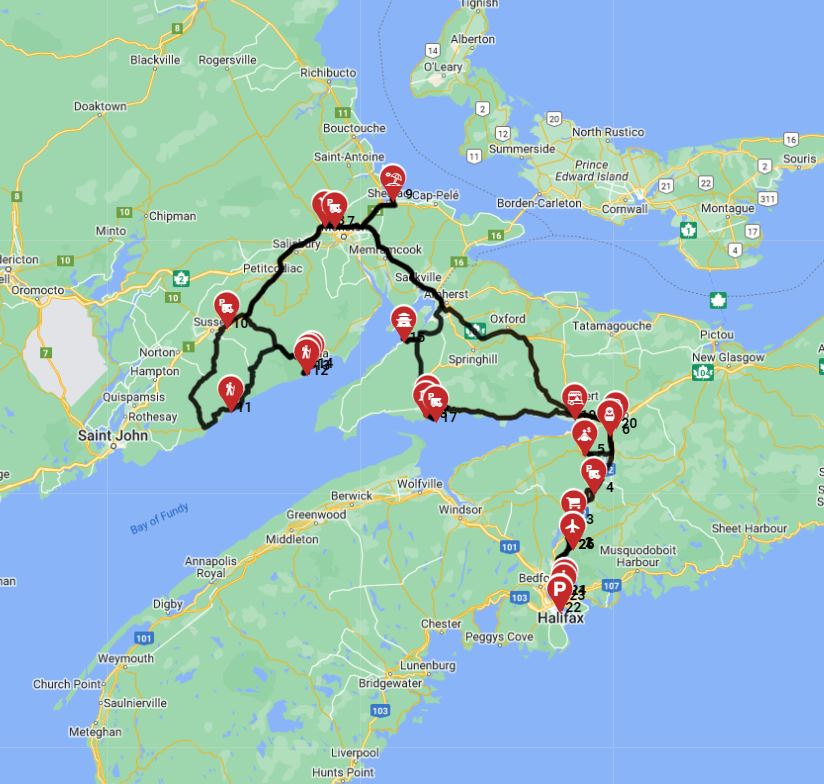
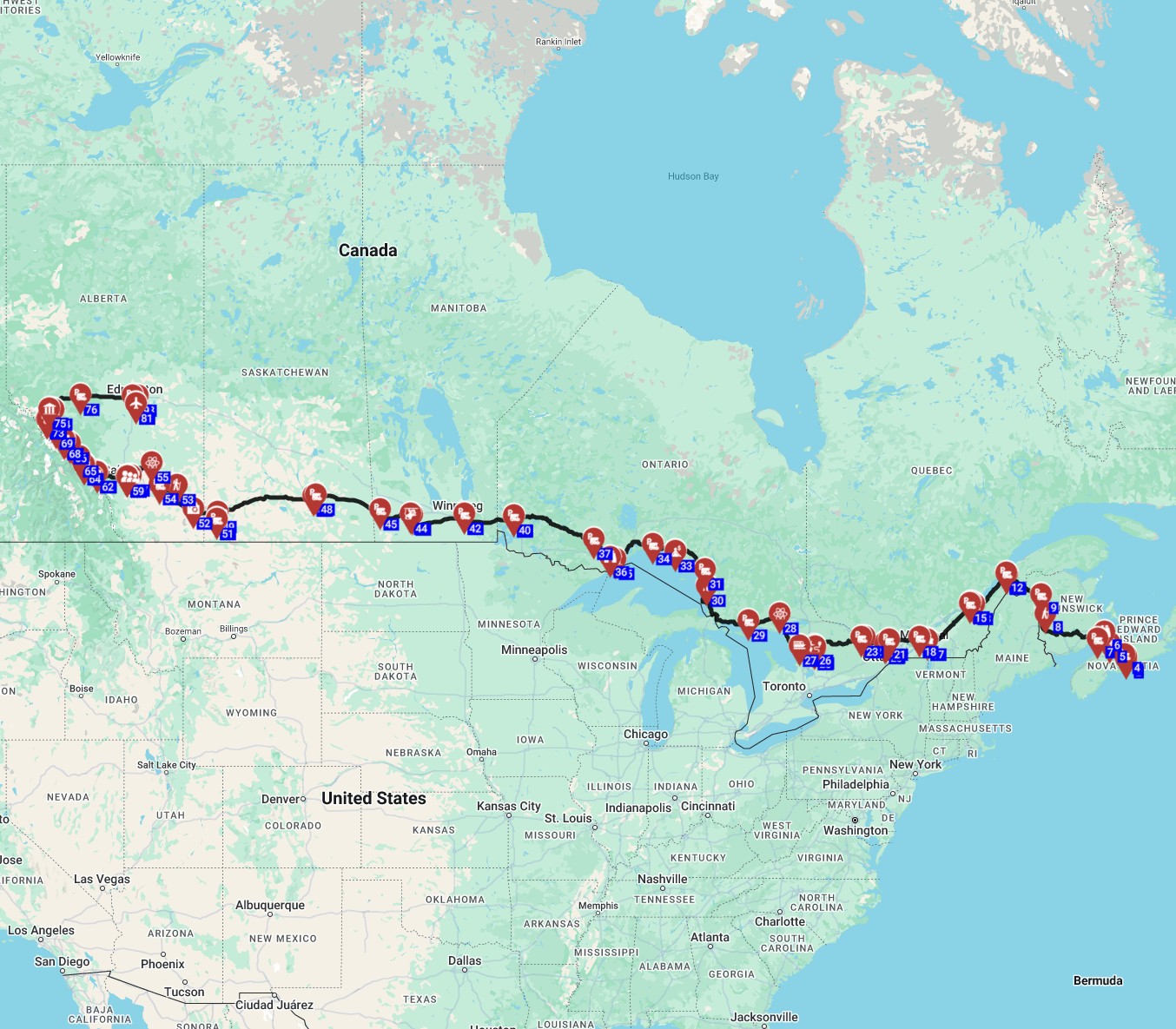
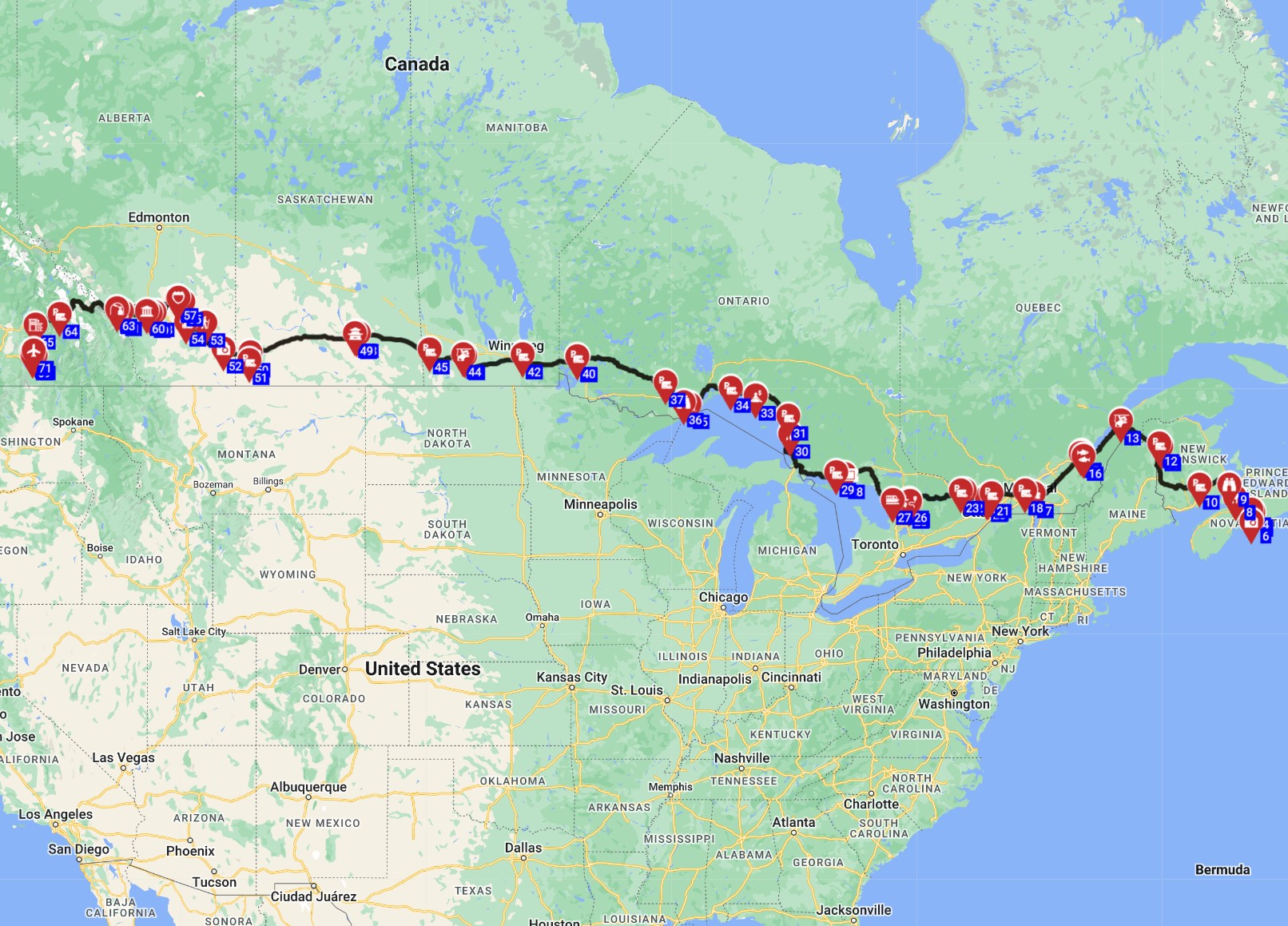
Both diesel and petrol (gasoline) are readily available at service stations throughout Eastern Canada, though most rental motorhomes, particularly Class B and C models, typically operate on petrol. Larger Class A motorhomes might use diesel. Based on our extensive global fleet data, a Class SI - Semi-integrated RV generally consumes around 10-11 Liters/100 km, while a Class C - Alcove RV averages 10-12 Liters/100 km. For those seeking greater fuel efficiency, a smaller Class B - Camper Van uses approximately 8-10 Liters/100 km. Fuel costs in Canada are dynamic, fluctuating daily by province and region, similar to flight tickets, so the final price is set at the pump. When planning your budget for an airport RV trip in East Canada, it's wise to factor in these variable fuel expenses. For detailed route planning that helps you itemize and track every expense, including fuel, we recommend exploring the RV PLANET routes.Tolls, Vignettes & Border Rules
Eastern Canada features a limited number of toll roads, most notably the Cobequid Pass in Nova Scotia, and specific bridges and tunnels in Quebec, such as sections of Highway 30 and the Jacques Cartier Bridge near Montreal. Unlike some European countries, Canada does not employ a country-wide 'vignette' system or a universal toll pass for RV travel. When traveling to Prince Edward Island via the Confederation Bridge, the toll is paid only when *leaving* the island. For U.S. citizens planning an RV adventure in East Canada, crossing the border requires a valid passport, current vehicle registration, and proof of Canadian-compliant RV insurance. This often means obtaining a "yellow card" or non-resident inter-provincial liability card from your U.S. insurer, confirming your coverage extends into Canada. It's always beneficial to inquire with your airport RV rental provider about any options for pre-purchasing toll passes or electronic transponders, which can streamline your journey and help avoid unexpected fees on tolled routes.Driving Tips for Airport RV Rental Travelers
Planning for frequent stops is key to enjoying an East Canada RV rental adventure, especially when traveling with family, as the region offers countless scenic viewpoints and charming towns perfect for leisurely breaks. Drive slowly and carefully, and you can drive almost anywhere without issues. No need to stress - just use common sense and pay attention. If your itinerary includes islands like Newfoundland or Prince Edward Island, account for ferry travel by booking your RV space well in advance, particularly during the bustling peak season, as availability can be limited. Be prepared for the variable coastal weather, which can include sudden fog and rain, by ensuring excellent visibility and packing appropriate gear for diverse conditions. It's also wise to be mindful of peak bug seasons, typically from late spring to early summer, and carry repellent. For navigating remote areas where cell service might be spotty, utilizing offline maps and considering a satellite communication device can enhance safety and connectivity. Always budget for fluctuating fuel costs and potential tolls, and ask your RV rental provider about any pre-pay toll options or fuel discount programs to help manage expenses on your journey.Recommended RV Class for East Canada Roads
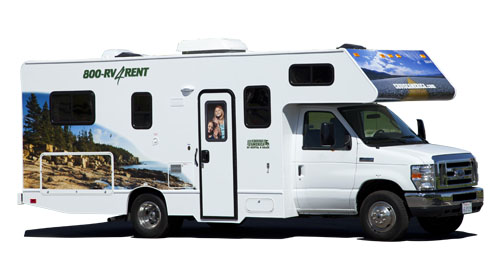
For travelers seeking a balanced blend of maneuverability on diverse roads and ample interior comfort during their East Canada RV rental, both Class B - Camper Vans and Class SI - Semi-integrated RVs are highly recommended. A Class B - Camper Van, averaging approximately 5.8 meters (19 feet) in length, is exceptionally nimble for navigating narrower coastal roads and parking in the quaint, historic towns of the Maritimes, making it an ideal choice for couples or solo adventurers. For those desiring more living space and enhanced amenities without sacrificing too much on maneuverability, a Class SI - Semi-integrated RV, typically around 6.9 meters (23 feet) in length, provides a comfortable option suitable for small families or those on extended trips. We offer a variety of "rent a motorhome example CA-25" models or even a "Motorhome hire example Aquila" for these needs. Larger Class C - Alcove (averaging 7.5 meters) and Class A - Integrated (also averaging 7.5 meters) RVs are certainly viable for bigger families or groups requiring maximum space and luxury, but they do demand more attention when driving through urban areas or on very winding provincial routes. Ultimately, the best RV rental in East Canada depends on your personal preferences and the specific nature of your road trip.🎬 Video coming soon
Should I Choose a Compact Van Instead of a Large RV in East Canada?
While a compact campervan or Class B RV offers superior maneuverability for tight urban centers like Old Quebec City, Halifax's narrow streets, or congested coastal villages, the majority of East Canada's roads can comfortably accommodate larger motorhomes. The primary advantage of choosing a larger RV, such as a Class C or Semi-integrated model (e.g., a "cruise america rv rental example Explorer" with generous space), is the enhanced comfort, expansive living space, and comprehensive amenities it provides for longer trips, especially crucial for families or during unpredictable coastal weather. A compact campervan, like a "Paradise Family 5" or a "campervan hire example Active Classic", truly excels when your travel plan involves frequent exploration of historic downtowns, navigating very narrow provincial routes, or accessing less-developed, more rustic campsites. Ultimately, the decision between a compact van and a larger RV for your East Canada adventure hinges on your personal travel priorities: if effortless urban exploration and maximum nimbleness are paramount, a compact van is an excellent choice. If, however, onboard facilities, ample space for family activities, and overall comfort are your main drivers, a larger motorhome offers a better trade-off for the vast majority of an East Canada road trip experience.Can I Park Anywhere? Free & Wild Camping Rules in East Canada
While truly "wild camping" is generally restricted across Eastern Canada, there are opportunities for free or low-cost overnight RV parking, primarily on designated Crown Land (public land) in provinces like Nova Scotia and New Brunswick. However, access to Crown Land can be challenging for larger motorhomes, and specific regulations vary significantly by province and region, requiring diligent research beforehand. Many Walmart locations across Eastern Canada are known to permit overnight RV parking; it is always respectful and critical to seek permission from store management upon arrival. Boondocking on Crown Land is typically more suitable for experienced, self-sufficient campers and requires a thorough understanding of provincial rules to avoid issues. Some provincial rest stops might allow short-term overnight parking for resting, but these are generally not intended for extended camping, and municipal bylaws often prohibit overnight street parking in cities. Always verify local regulations and adhere to local laws before parking overnight to avoid fines or unwanted attention. For finding campsites and campgrounds during your trip, we recommend using RV PLANET (rvplan.net) - a great resource for locating available spots along your route. Even with popular national/state parks, often only 25-30% of spots are reservable, with the remainder available on a first-come, first-served basis. Don't stress too much - you'll find a spot. If not at the first campground, then the next one. Just call ahead before driving!Can I Drive an RV Into the City Center? Heights, Tunnels & Local Signage
Yes, you can generally drive a rental motorhome into most city centers in Eastern Canada, but navigation demands extra vigilance due to inherent city challenges like traffic, narrower streets, and often limited RV-friendly parking options. Always pay close attention to local signage, especially for height limits when approaching tunnels, low bridges, and underground parking garages, which are almost universally too low for RVs. Historic cities such as Quebec City's Old Quebec, Montreal, and Halifax feature older districts with particularly narrow streets and heavy pedestrian traffic, making maneuvering a larger motorhome like a Class A or even some Class C "MHC24" models more challenging. In these instances, consider parking on the city outskirts at a dedicated RV lot or campground and utilizing public transit or ride-sharing services to explore the downtown core. The most significant challenge for RVs in Eastern Canadian cities is often finding appropriate and affordable parking, rather than outright driving restrictions, so planning ahead for RV-friendly lots is highly advisable for a stress-free urban experience. Drive slowly and carefully, and you can drive almost anywhere without issues. No need to stress - just use common sense and pay attention.Can Americans RV in Canada?
Yes, Americans can absolutely enjoy an RV adventure in Canada, provided they fulfill standard entry requirements, which include possessing a valid passport, current vehicle registration for their RV, and proof of Canadian-compliant insurance. U.S. citizens are typically granted visitor status for up to six months without needing a visa, though border officials ultimately determine the exact length of permissible stay. When crossing the border with a rented motorhome, ensure all personal identification, vehicle ownership documents (rental agreement will suffice), and proof of Canadian-compliant insurance - often a "yellow card" or non-resident inter-provincial liability card from your U.S. insurer - are easily accessible. It is crucial to accurately declare all agricultural products, as various fruits, vegetables, and meats face restrictions to prevent the spread of pests and diseases. While there is no strict "10-year rule" preventing older RVs from entering Canada solely for tourism, customs officials may inquire about the vehicle's age for valuation or if there's an intent to import it permanently, which is a different process entirely. For travelers with pets, valid vaccination records are a must and be prepared for potential inspection at the border.What is the 3-3-3 rule for RV travel?
The "3-3-3 rule" is a widely adopted guideline for comfortable and safe RV road trips, advocating for driving no more than 300 miles (approximately 480 km) in a day, arriving at your chosen destination by 3 PM, and staying for a minimum of 3 nights. This practical rule is highly relevant for RV travel in Canada, as it promotes a relaxed pace essential for truly experiencing the country's vast beauty without succumbing to travel fatigue. Adhering to the 3-3-3 rule helps prevent driver exhaustion, provides a buffer for unexpected delays or spontaneous stops at a charming roadside attraction, and significantly increases your chances of securing a desirable campsite, especially in popular Eastern Canadian destinations. While it serves as a valuable framework, the rule is flexible; for example, on days with fewer planned attractions or shorter distances, you might adjust your daily mileage or arrival time. The core principle of slow travel, however, remains immensely beneficial, allowing you to "Travel slowly - max 100-150 km per day on average. Take time to feel the place, connect to the culture, the food, and the scenery." This approach aligns perfectly with exploring the rich offerings of East Canada by rented RV.Do you need a different license to drive an RV in Canada?
Most recreational motorhomes in Canada do not require a special or different license beyond a standard provincial driver's license, such as a Class G in Ontario or its equivalent from other Canadian provinces or U.S. states. This standard license is valid for non-commercial vehicles. A specialized license becomes necessary only if the Gross Vehicle Weight Rating (GVWR) of the rented motorhome exceeds a specific provincial threshold, which in Ontario is 11,000 kg (approximately 24,250 lbs), or if the RV is towing a particularly heavy trailer that pushes the combined vehicle weight over a certain limit. Since the vast majority of rental Class B campervans, Class C motorhomes, and Semi-integrated RVs, like a "Jayco Grandiose" (which typically seat 2-5 people), fall well below these heavy vehicle weight thresholds, a regular driver's license from your home province or state is generally sufficient. Foreign drivers, including Americans, can utilize their valid home license for temporary visits, but an International Driving Permit (IDP) is strongly recommended if their license is not in English or French, to avoid any communication barriers with local authorities.Where can I park my RV for free in Canada?
Free RV parking in Canada is primarily available on designated Crown Land, at select big-box store parking lots (such as Walmart, with prior permission), and occasionally at unserviced rest stops. In Eastern Canada, provinces like Nova Scotia and New Brunswick do have vast tracts of Crown Land where overnight camping might be permitted, but accessing these areas can be challenging for larger RVs, and regulations vary significantly, necessitating thorough research of provincial land use policies before your trip. Many Walmart stores across Eastern Canada are generally considered RV-friendly for overnight parking; however, it is absolutely essential to always ask the store manager for explicit permission before settling in for the night. Other potential options include some municipal parks that may allow short-term parking (always check local bylaws), or remote pull-offs along less-traveled highways, but safety and legality should always be prioritized. For the most comprehensive information on free camping options, resources like iOverlander or similar community-driven apps can provide user-submitted locations and reviews, but always cross-reference with current local rules and signage. Remember, planning a few days ahead can save you time and stress, and for navigating all aspects of your journey, including finding rest stops and planning routes, RV PLANET routes offers invaluable tools.What do you need to enter Canada with an RV?
To enter Canada with a rented motorhome, U.S. citizens must have a valid passport, along with their RV's current registration documents (which will be your rental agreement), and proof of Canadian-compliant insurance. The Canadian Border Services Agency (CBSA) officers will typically inquire about your travel plans, the intended duration of your stay, and any goods you are transporting into the country, including firearms (highly restricted), alcohol, and tobacco. It is critically important to declare all agricultural products, as many fruits, vegetables, and meats are restricted to prevent the introduction of pests and diseases. While there is no specific "10-year rule" preventing older RVs from entering Canada for tourism purposes, customs may ask about the vehicle's age for valuation or if you intend to import it, which is a different process entirely. Travelers bringing pets must also ensure they have valid vaccination records and be prepared for potential inspections at the border. Being honest and transparent at the border, just as we are with our pricing, makes for a smooth entry.What is the overflight fee for Canada?
The "overflight fee" for Canada refers to charges levied by Nav Canada, the country's civil air navigation services provider, for the use of Canadian airspace by aircraft, typically applying to commercial flights or private jets traversing the country. This fee is explicitly related to aviation and air traffic control services, not to ground-based travel whatsoever. Therefore, for individuals traveling by rented RV or motorhome in East Canada, the Canadian overflight fee is entirely irrelevant and does not apply to your road-based adventure. RV travelers should instead focus their budgeting and planning on road-related costs such as fuel, tolls where applicable, ferry fees for island travel, campground expenses (which can range from free boondocking to $50+ CAD/night for full hookups), and groceries. Thinking about meals to cook in your RV kitchen? Check out our RV-friendly recipes playlist for inspiration!What is the new law on RV licensing in Ontario?
There isn't a single "new law" that has drastically altered RV licensing requirements for typical recreational vehicles in Ontario; the regulations for non-commercial vehicles have generally remained consistent. In Ontario, the vast majority of recreational RVs, including Class B campervans, Class C motorhomes, and Semi-integrated models, can be legally driven with a standard Class G driver's license. This is applicable as long as the Gross Vehicle Weight Rating (GVWR) does not exceed 11,000 kg (24,250 lbs). If an RV's GVWR or the combined weight of an RV and any towed trailer were to surpass this 11,000 kg threshold, a higher license class, such as a Class D for heavy trucks or Class A for tractor-trailers, would indeed be required. However, such heavy vehicles are rarely, if ever, offered in recreational rental fleets. Any recent discussions or minor adjustments in legislation typically focus on clarifying these existing weight-based distinctions and ensuring drivers are aware of the appropriate license class for much larger, heavier RV combinations, rather than introducing entirely new regulations for standard rental motorhomes. Rest assured, if you hold a valid standard driver's license, you're all set for your East Canada RV rental.What is the largest RV you can drive without a special license?
In most Canadian provinces, including those across Eastern Canada, you can typically drive a motorhome with a standard, non-commercial driver's license, such as a Class G in Ontario or its equivalent from your home jurisdiction, provided its Gross Vehicle Weight Rating (GVWR) remains below the provincial threshold for heavy vehicles. This threshold is commonly 11,000 kg (approximately 24,250 lbs) in Ontario and generally similar across other provinces, meaning the vast majority of recreational Class B campervans, Class C motorhomes, Semi-integrated, and even many Class A RVs fall comfortably within this limit. For instance, a spacious Class C motorhome like the "MHC30" from our fleet, designed for up to 9 people, still operates within the standard license requirements. A specialized license (like a Class D or Class A in Ontario) would only be required for RVs or RV-trailer combinations that exceed this weight, or those used for commercial purposes. Therefore, Bandana RV specializes in offering motorhome rentals that are designed to be driven with a standard car license, allowing travelers to select the size that best fits their comfort and travel group without the need for additional endorsements or permits. This commitment to transparency ensures no hidden surprises when planning your trip.How much does RV insurance cost in Canada?
The cost of RV insurance in Canada varies significantly, influenced by multiple factors including the specific RV's value, its class (e.g., Class B, C, or A), its age, the driver's record, the desired levels of coverage, and the province where the vehicle is registered or rented. For an airport RV rental in East Canada, comprehensive insurance is typically bundled into the overall rental price. However, renters often have the option to purchase additional coverage, such as deductible reduction options or enhanced roadside assistance, for an extra cost to provide even greater peace of mind. We offer top-level deductible reimbursement as an optional upgrade. When budgeting for an East Canada RV trip, it's essential to consider not only the base rental and insurance fees but also other ancillary costs. These include fluctuating fuel costs (e.g., a Class C motorhome like a "cruise america rv rental example Explorer" might use 11 Liters/100 km, while a larger "MHLUX" Class A might use 25 Liters/100 km), ferry charges (if traveling to islands like Newfoundland), campground fees (which can range from free boondocking to over $50 CAD per night for full hookups), and groceries for your onboard kitchen. Travelers should meticulously review the insurance policy provided by their RV rental company to understand coverage limits and deductibles, and consider supplementary travel insurance for personal effects or medical emergencies. For detailed budgeting that lets you itemize and track every expense, RV PLANET routes offers excellent planning tools.Top Cities for RV Rental in East Canada
East Canada offers numerous excellent starting points for your motorhome adventure, each providing easy access to major airports and a range of rental options.- Montreal, Quebec: As a vibrant, bilingual hub, Montreal offers a fantastic starting point for exploring Quebec's charming French-Canadian culture, from historic Old Montreal to the scenic Laurentian Mountains.
- Quebec City, Quebec: Step back in time from this historic capital. Renting a motorhome here provides direct access to the St. Lawrence River and routes leading to the Gaspé Peninsula.
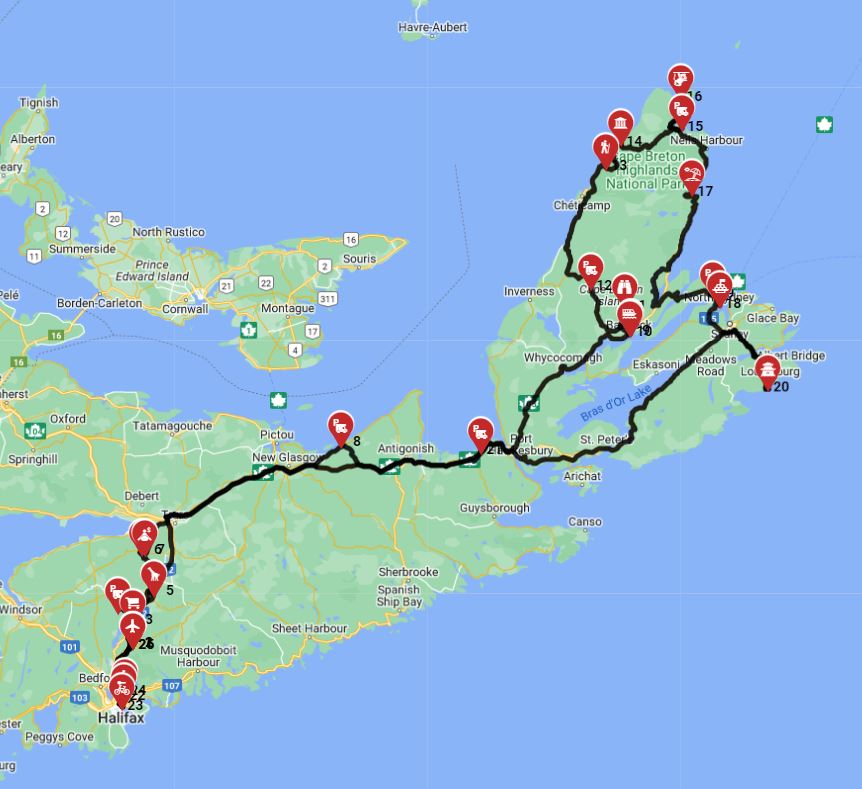
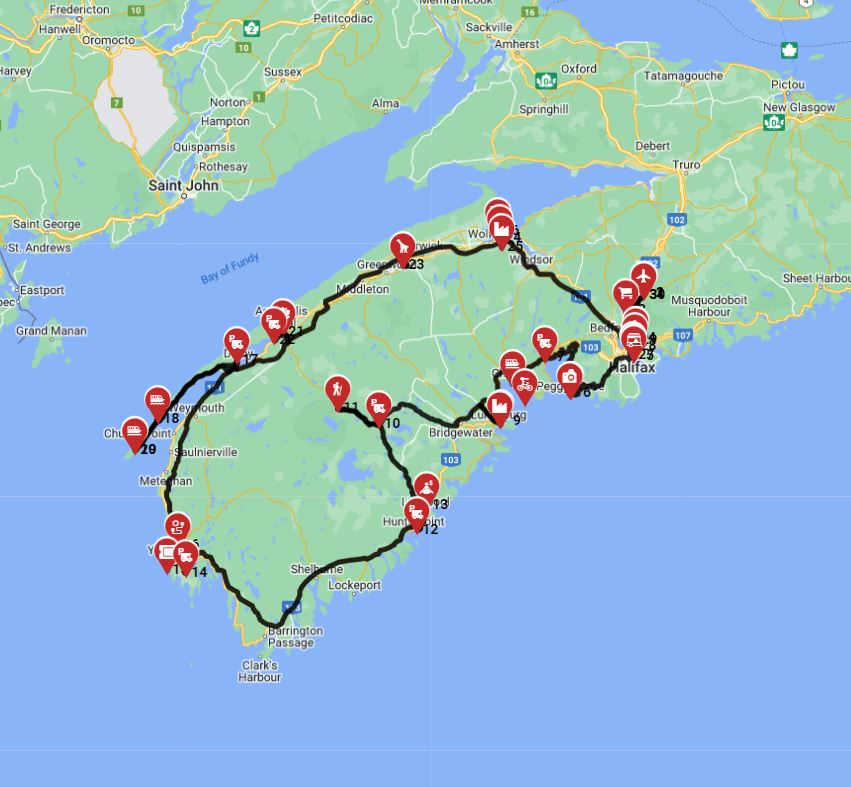
- Halifax, Nova Scotia: This maritime capital is perfect for beginning a coastal journey along Nova Scotia's stunning Lighthouse Route or the iconic Cabot Trail on Cape Breton Island.
- Moncton, New Brunswick: Situated centrally in the Maritimes, Moncton is an ideal launchpad for exploring the Bay of Fundy's record-breaking tides and the natural beauty of Fundy National Park.
- Charlottetown, Prince Edward Island: For those dreaming of red sand beaches and Anne of Green Gables country, starting your RV rental in Charlottetown offers an immediate immersion into island life.
- St. John's, Newfoundland and Labrador: Begin your epic journey on the edge of North America, exploring the rugged beauty of Newfoundland, whale watching, and iceberg spotting from this historic city.
What You Shouldn't Miss
- **Drive the Cabot Trail in Nova Scotia:** This 298 km (185 mile) scenic highway on Cape Breton Island offers breathtaking ocean vistas, winding roads, and opportunities for whale watching, hiking, and deep dives into Acadian and Celtic culture.
- **Experience the Bay of Fundy Tides:** Witness the world's highest tides in New Brunswick at sites like Hopewell Rocks, where you can walk on the ocean floor at low tide and kayak among the "flowerpot rocks" at high tide.
- **Explore Old Quebec City:** Wander the cobblestone streets of North America's only walled city, a UNESCO World Heritage site. Park your RV rental outside the historic district and explore on foot or by public transport.
- **Discover Gros Morne National Park, Newfoundland:** A UNESCO site, this park offers dramatic fjords, barren mountains, and coastal lowlands, providing unparalleled hiking, boat tours, and wildlife viewing.
- **Cycle the Confederation Trail on Prince Edward Island:** Convert your motorhome into a mobile base for cycling sections of this 435 km (270 mile) rail-to-trail path, offering gentle grades through picturesque island landscapes.
- **Indulge in East Coast Seafood:** From fresh lobster in Nova Scotia to succulent mussels in PEI and cod in Newfoundland, savor the culinary delights of the region. Many campgrounds are near local markets for cooking fresh meals in your RV!
Looking for expert insights from Avi Bandana? Top 5 Adventures - recommendations from Avi Bandana
Final Thoughts
Embarking on an airport RV rental adventure in East Canada is truly an experience of a lifetime. From the moment you pick up your motorhome, you unlock the freedom to explore majestic landscapes, charming towns, and unique cultural experiences at your own pace. With transparent pricing, dedicated support before and after your booking, and our deep expertise in RV travel, Bandana RV is committed to making your journey seamless and unforgettable.
Remember to embrace the philosophy of slow travel, allowing yourself to truly connect with each destination, whether it's savoring fresh seafood by the ocean, hiking through ancient forests, or simply enjoying a quiet evening under the stars. We're here to help you navigate the details so you can focus on making incredible memories. God is in the small details, and we take care of them. That's what makes the big difference.
Ready to discover the magic of East Canada by motorhome? Start planning your epic road trip today!
Compare Motorhome Prices for East Canada
On the routes offered through RV PLANET routes, you can itemize and track every expense along the way for easy budgeting.